
Top 10 Essential Oils for DIY Room Sprays and Home Fragrance
Whether you’re crafting your own signature scent for your cozy reading nook, refreshing your living room after guests, or creating calming vibes in your bedroom, DIY room sprays are one of the easiest and most delightful ways to fragrance your home. And at the heart of every great room spray? High-quality essential oils—natural, aromatic, and mood-enhancing. Below, we explore the top 10 essential oils that will take your DIY home fragrances to the next level.
Why Use Essential Oils in Room Sprays?

Essential oils are concentrated plant extracts that capture the natural fragrance and therapeutic properties of herbs, flowers, woods, and fruits. Unlike synthetic fragrances, essential oils offer richness and complexity—and often come with emotional and mental benefits. When used in room sprays, they can:
-
Freshen and cleanse the air
-
Create a desired mood (relaxing, uplifting, calming, energizing)
-
Support well-being through aromatherapy
-
Replace chemical-laden air fresheners with a natural alternative
Making your own room sprays means choosing clean ingredients, customizing scents to your taste, and enjoying a sustainable, beautiful way to scent your space.
Top 10 Essential Oils for DIY Room Sprays
Let’s explore the best essential oils for a variety of moods and rooms and why each one deserves a spot in your DIY fragrance kit.
1. Lavender
2. Sweet Orange
3. Eucalyptus
4. Peppermint
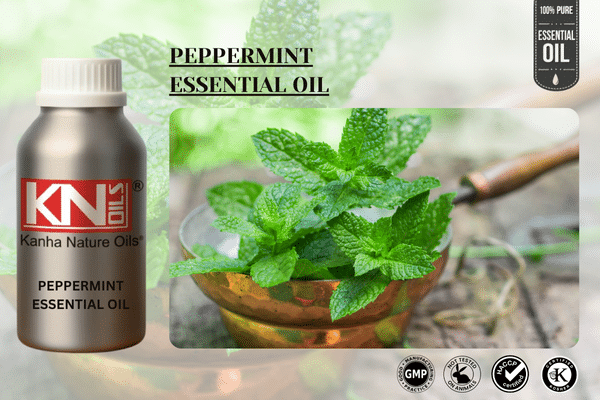
5. Lemon
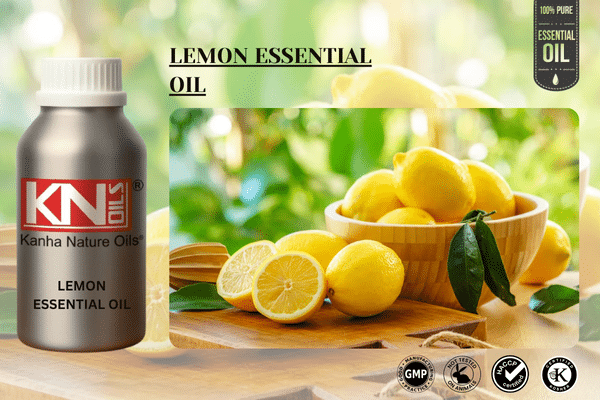
6. Bergamot
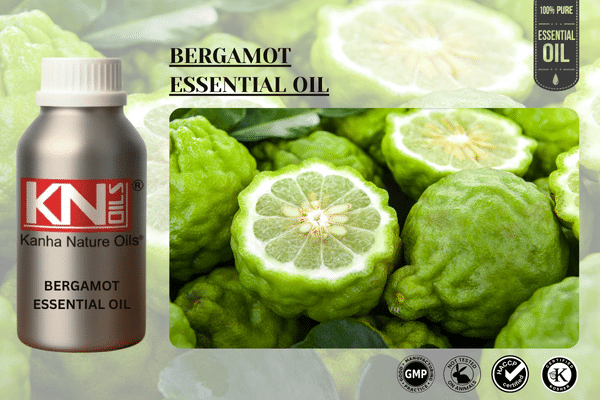
Bergamot oil has a sweet, slightly spicy citrus scent with soft floral undertones. It has a deeper and more refined aroma than lemon or orange. Its fragrance is elegant, fresh, and mood-uplifting, making the mind feel relaxed and positive.
7. Tea Tree
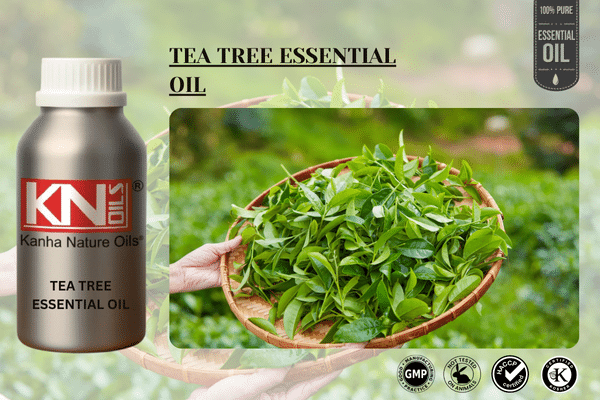
Tea tree oil doesn’t have a floral or citrusy aroma but rather a more medicinal one. Nevertheless, it’s incredibly effective at neutralizing odors and purifying the air. In room sprays and blends, this oil reduces germs and keeps the environment hygienic.
8. Ylang Ylang
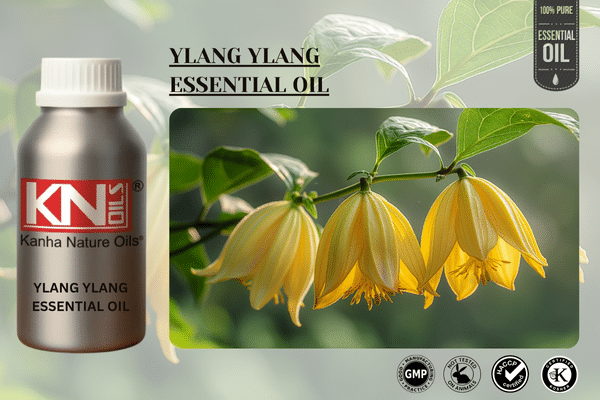
9. Cedarwood
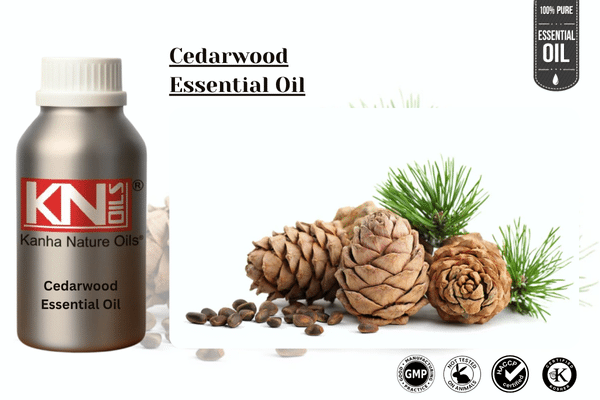
Cedarwood essential oil offers a warm, woodsy aroma that feels both comforting and grounding. Its rich, natural scent promotes stability and relaxation, making it perfect for aromatherapy and essential oil blends. Often used to create calming environments, cedarwood enhances mental clarity while supporting emotional balance and serenity.
10. Patchouli
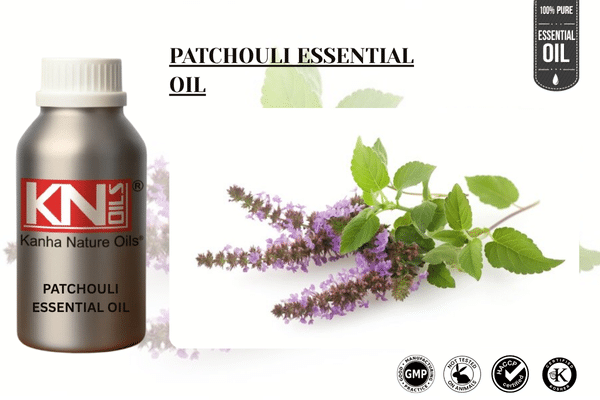
Patchouli oil is rich, earthy, and strong—a little goes a long way. It’s perfect for creating deep, complex blends.” is content ko 50 words me convert kerke do in english language
Tips for Best Results
1. Use High-Quality Essential Oils
Choose pure, therapeutic-grade essential oils. Cheap oils can smell artificial or irritating.
2. Label Your Sprays
Write the scent name, date, and ingredients. This helps track favorites and avoid confusion.
3. Shake Before Use
Because oil and water separate over time, a quick shake ensures an even fragrance.
4. Test in Small Spaces First
Some blends can be strong — mist lightly at first and adjust as needed.
5. Avoid Spraying on Fabrics or Electronics
Room sprays are for air fragrance — avoid direct contact with textiles or electronics unless the ingredients are safe for those surfaces.
Benefits of DIY Room Sprays Over Store-Bought
Here’s why homemade room sprays are worth the effort:
-
No hidden chemicals—you control what goes in.
-
Customizable scents—Make fragrances that suit your mood and style.
-
Cost-effective—Essential oils go a long way.
-
Eco-friendly—no plastic-packed aerosols or synthetic fragrances.
-
Therapeutic value—Real essential oils offer emotional benefits.
Safety Considerations
While essential oils are natural, they are powerful:
-
Keep away from children and pets — some oils can be harmful if ingested or applied directly.
-
Conduct a small skin test if spray might contact skin.
-
Avoid citrus oils in direct sunlight on skin — they can be photosensitive.
-
Pregnant or nursing individuals should consult health advice before use.
ESSENTIAL OILS IN AROMATHERAPY
Conclusion
Creating DIY room sprays with essential oils is both an art and a joy. From calming lavender blends to invigorating citrus mists, the possibilities are endless. With just a few bottles in your scent pantry, you can enhance your home environment naturally and beautifully.
Start with the top 10 essential oils above, experiment with blends, and soon you’ll have your own signature fragrances that reflect your personality and home vibe.
You May Also Like:
- how to use almond for skin whitening Naturally at Home
- Keep your Home Fresh : Essential oils for Monsoon Odor Control
- Best Bergamot Smell in Essential Oils: Uses and Benefits
Kanha Nature Oils
For more information contact: info@aromatherapyoil.in
Mobile Number: 9810805866
Pingback: Pure Cherry Diffuser Oil: A Sweet and Refreshing Aroma for Every Space
Pingback: Natural DIY Room Spray with Essential Oils: Refresh Your Home - Pure Natural Essential Oil, Manufacturer, Wholesaler & Supplier in India- Kanha Nature Oils
Pingback: Essential Oils for Sleep: A Natural Way to Fall Asleep Faster and Wake Up Refreshed - Pure Natural Essential Oil, Manufacturer, Wholesaler & Supplier in India- Kanha Nature Oils
Pingback: Top Uses of Apple Fragrance Oil in Candles, Soaps, and Body Care Products - Pure Natural Essential Oil, Manufacturer, Wholesaler & Supplier in India- Kanha Nature Oils
Pingback: Top 5 Fragrance Oils for Aromatherapy to Relax Your Mind & Body
Pingback: 5 Popular Fragrance Oils for Aromatherapy and Their Amazing Benefits