Kanha Nature Oils

essential oils

What are hinoki essential oil's benefits and uses?

What are hinoki essential oil’s benefits and uses?   Essential oils have captivated wellness seekers for centuries, offering natural solutions for health, beauty, and emotional well-being. Among the many oils gaining global recognition, Hinoki essential oil—a precious extract from the Japanese cypress tree (Chamaecyparis obtusa)—stands out for its unique aroma, calming properties, and rich cultural heritage. Long revered in Japan for its use in temples, shrines, and traditional baths, Hinoki is more than just an aromatic oil; it is a holistic wellness ally. In this blog post, we will explore what Hinoki essential oil is, its benefits, therapeutic uses, and ways to incorporate it into daily life. Whether you are drawn to its soothing scent, its ability to calm the mind, or its potential skin and health applications, Hinoki is a remarkable addition to any essential oil collection. Understanding Hinoki Essential Oil Hinoki essential oil is steam distilled from the wood, twigs, or leaves of the Hinoki cypress tree, a native evergreen of Japan. The oil carries a fresh, woody, citrus-like aroma often described as soft, earthy, and spiritually grounding. Its scent is less sharp than other coniferous oils, making it gentle and soothing for the senses. In Japanese culture, Hinoki wood has been highly valued for centuries. It was historically used in building sacred temples, palaces, shrines, and hot spring baths (onsens) due to its natural durability, resistance to decay, and calming fragrance. Today, the oil distilled from this tree carries the same spirit of peace and restoration, blending tradition with modern aromatherapy practices. Key Components of Hinoki Essential Oil The therapeutic effects of Hinoki essential oil come from its unique chemical profile. Major constituents include: α-Pinene – Known for anti-inflammatory and bronchodilator properties. β-Pinene – Supports respiratory health and emotional balance. Terpinen-4-ol – Offers antimicrobial and immune-supportive effects. Limonene – Uplifting, mood-enhancing, and cleansing. Hinokitiol (thujaplicin) – A rare compound with strong antibacterial, antifungal, and antioxidant activity. This complex chemistry makes Hinoki oil a multi-functional tool for health, home, and emotional wellness. 1. Promotes Relaxation and Reduces Stress One of the most celebrated uses of Hinoki essential oil is its ability to calm the mind and body. Its delicate, grounding aroma induces a sense of tranquility, making it ideal for relaxation rituals. Studies have shown that inhaling Hinoki oil may lower cortisol levels (the stress hormone) and support the body’s parasympathetic nervous system, which governs rest and relaxation. This makes Hinoki an excellent choice for those dealing with stress, anxiety, or sleep issues. How to Use for Relaxation: Add a few drops of Hinoki oil to a diffuser during meditation, yoga, or evening wind-down. Place 1–2 drops on a cotton ball and keep it beside your pillow to support restful sleep. Blend with lavender or bergamot oil for a deeply soothing aromatherapy experience. 2. Enhances Respiratory Health Hinoki’s fresh, pine-like aroma is reminiscent of breathing in a forest. Inhalation of the oil may help clear the airways, reduce congestion, and support healthy breathing. The α-pinene and β-pinene compounds act as natural expectorants and bronchodilators, helping open the respiratory tract. In Japan, spending time in Hinoki forests or bathing in its aromatic wood baths is considered beneficial for lung health. Practical Applications: Diffuse Hinoki oil in the home during allergy or cold season. Add a few drops to hot water, then inhale the steam for relief from congestion. Create a chest rub by blending Hinoki with carrier oil and applying to the upper chest. 3. Natural Antimicrobial and Purifying Agent Hinoki essential oil’s high hinokitiol content makes it a potent natural antimicrobial and antifungal agent. Traditionally, Hinoki wood was prized for building temples not only because of its aroma but also for its resistance to decay, insects, and bacteria. In modern times, Hinoki oil can be used as a natural cleaning solution, surface disinfectant, and air purifier. Its crisp, forest-like aroma adds freshness while protecting against harmful microbes. How to Use for Cleaning & Purification: Mix Hinoki oil with vinegar and water to create a natural surface cleaner. Add a few drops to laundry for a fresh, woodsy scent. Diffuse in common areas to cleanse the air and create a calming atmosphere. 4. Supports Skin Health Hinoki essential oil’s antibacterial and anti-inflammatory qualities make it beneficial for skin care. It may help in managing acne, irritation, or fungal infections while promoting overall skin clarity. Its soothing properties are gentle enough for sensitive skin when diluted properly. Skin Care Applications: Add 1–2 drops to a carrier oil (like jojoba or almond oil) for a nourishing face serum. Use in a foot soak to refresh and fight fungal growth. Mix into unscented lotion to create a calming body moisturizer. Note: Always perform a patch test before applying essential oils to skin, and avoid using undiluted oil directly. 5. Boosts Emotional Well-Being The aroma of Hinoki oil is not only calming but also uplifting. It has been associated with improved mood, mental clarity, and emotional resilience. This makes it an excellent tool for combating fatigue, negativity, or lack of focus. Japanese practices such as “Shinrin-yoku” (forest bathing) highlight the psychological benefits of being surrounded by trees like Hinoki. Inhaling its essence is believed to encourage balance, serenity, and mindfulness. Ways to Enhance Mood with Hinoki Oil: Diffuse during morning routines to start the day with calm focus. Blend with citrus oils for an energizing and cheerful aroma. Use in a personal inhaler for quick stress relief on the go. 6. Supports Immune Function Hinoki essential oil’s antimicrobial properties extend beyond cleaning surfaces—it may also support the body’s immune defenses. Its compounds can inhibit harmful pathogens while stimulating immune response, helping the body fight off seasonal illnesses. Immune Support Tips: Diffuse Hinoki oil in high-traffic areas of the home during flu season. Create a massage blend (Hinoki + carrier oil) and apply to the soles of the feet. Combine with tea tree and eucalyptus oils for a powerful immune-boosting synergy. 7. Enhances Meditation and Spiritual Practices Hinoki essential oil has long been


Understanding Turpentine Oil: Safety Precautions and Guidelines

✔️ Understanding Turpentine Oil for Safety Precautions and Guidelines.   In the 🌍 world of natural remedies and herbal extracts, understanding turpentine oil, stands as a potent substance with immense potential. Derived from the resin of pine trees, this essential oil has been used for various purposes throughout history. However, it is important to understand that turpentine oil should be handled with care due to its potentially harmful nature. In this article, we will delve into the safety precautions and guidelines that one should follow when using turpentine oil. Many people are unaware of the precautions required when working with this volatile and flammable oil. Mishandling turpentine can lead to respiratory issues, skin irritation, poisoning, or even fire hazards. Therefore, understanding its nature, potential dangers, and safe handling practices is essential. This blog post provides a comprehensive guide to understanding turpentine oil, its uses, associated risks, and the safety precautions and guidelines you must follow to ensure safe handling and application.   👉 What is Turpentine Oil? Turpentine oil, also known as spirit of turpentine or oil of turpentine, is a volatile essential oil consisting of numerous compounds extracted through the steam distillation of resins obtained from various species of pine trees. The resulting oil possesses a distinct aroma and has been widely adopted across industries such as ✔️medicine, ✔️paint solvents, and even as a ✔️traditional remedy. Its composition includes substances like ✔️alpha-pinene, ✔️beta-pinene,✔️ camphene, and ✔️other terpenes.   Safety Precautions When Handling Turpentine Oil To ensure safe usage, it’s essential to follow strict guidelines when working with turpentine oil. 1. Personal Protective Equipment (PPE) Gloves: Always wear chemical-resistant gloves (e.g., nitrile or neoprene) to prevent skin contact. Goggles: Use safety goggles to protect your eyes from accidental splashes. Respiratory Protection: If working in poorly ventilated areas, wear a respirator mask designed for organic vapors. Protective Clothing: Wear long sleeves and an apron to reduce the risk of skin exposure. 2. Proper Ventilation Always handle turpentine in a well-ventilated space. If indoors, use exhaust fans or open windows to disperse vapors. Avoid confined areas where fumes can accumulate. 3. Storage Guidelines Store turpentine in tightly sealed containers made of glass or metal. Keep containers in a cool, dry, and well-ventilated area, away from direct sunlight or heat sources. Label all containers clearly to avoid accidental misuse. Do not store near oxidizing agents, acids, or open flames. 4. Handling Precautions Never use turpentine near open flames, sparks, or smoking areas. Avoid eating, drinking, or smoking while handling turpentine. Always wash your hands thoroughly after use. 5. Safe Disposal Do not pour turpentine down drains or into the soil. Collect used or leftover turpentine in a sealed container. Dispose of it at designated hazardous waste collection centers. First Aid Measures for Turpentine Exposure Despite taking precautions, accidents can happen. Here’s what to do in case of exposure: Inhalation Move the person to fresh air immediately. Loosen tight clothing and keep them calm. Seek medical attention if breathing difficulties persist. Skin Contact Remove contaminated clothing. Wash affected skin thoroughly with soap and water. Apply a soothing lotion if irritation continues. Consult a doctor if burns or rashes develop. Eye Contact Rinse eyes with clean, lukewarm water for at least 15 minutes. Do not rub the eyes. Seek medical help immediately. Ingestion Do not induce vomiting, as it may cause aspiration into the lungs. Rinse the mouth with water. Call emergency medical services immediately. Turpentine Oil in Traditional Medicine: A Word of Caution In traditional practices, turpentine oil has been used in small amounts as a remedy for coughs, colds, and pain relief. However, modern medical experts strongly discourage self-medication with turpentine oil due to its toxicity and unpredictable effects. Some old remedies involve inhaling vapors or applying diluted oil externally, but these methods pose significant risks. Ingesting turpentine can cause poisoning, organ damage, and even death. Safer alternatives such as eucalyptus oil, tea tree oil, or peppermint oil are now widely recommended for respiratory and pain-relief purposes. Workplace Safety and Regulations Industries that use turpentine must follow strict safety protocols: Occupational Safety Standards OSHA (Occupational Safety and Health Administration) sets exposure limits for turpentine fumes. Employers must monitor air quality and provide PPE for workers. Training and Awareness Workers should be trained to handle turpentine safely. Emergency procedures for spills, fires, and exposures must be in place. Fire Safety Keep fire extinguishers rated for chemical fires nearby. Ensure proper grounding of containers to prevent static sparks. Eco-Friendly Alternatives to Turpentine Given the environmental and health concerns, many industries and consumers are turning to safer substitutes: Citrus-based solvents – Derived from orange peels, effective and less toxic. Mineral spirits – Less volatile but still requires precautions. Water-based cleaners and paints – Environmentally friendly and safer to handle. Choosing alternatives can significantly reduce health risks while maintaining efficiency. Best Practices for Home Use For those who may use turpentine at home (e.g., artists, woodworkers), following these practices is essential: Always work in a garage, workshop, or open outdoor space. Keep a fire extinguisher nearby. Use only small quantities at a time to minimize risk. Replace turpentine-soaked rags with safer substitutes like odorless mineral spirits or citrus cleaners.   👉 Handling Turpentine Oil in Various Settings   While turpentine oil finds applications in both industrial and domestic settings, it is essential to understand the specific safety measures required in each scenario. 👉 Household Use Proper Storage: Store turpentine oil in a dedicated, tightly sealed container, away from the reach of children and pets. Make sure it is kept in a cool and dry place, preventing exposure to sunlight. Dilution: Prior to use, diluting turpentine oil with a carrier oil is recommended to reduce its potency. This helps prevent any skin irritations or allergic reactions that may arise from direct application. 👉 Industrial Use Professional Guidance: In an industrial setting, it is crucial to consult with a trained professional who can guide you on the appropriate handling, storage, and usage of turpentine oil. They can also provide

Can we avoid essential oils when pregnant? A guide women

Can we avoid essential oils when pregnant? A guide women Can we avoid essential oils when pregnant? Pregnancy is one of the most transformative journeys in a woman’s life. The joy of nurturing a new life often comes with a series of lifestyle adjustments, as mothers-to-be must carefully consider the safety of everything they consume, apply, or even inhale. Essential oils, long admired for their therapeutic, aromatic, and cosmetic benefits, are one such category of natural products that raise important questions during pregnancy. While some women turn to essential oils for relaxation, relief from common pregnancy discomforts, or skin care, others worry about their safety due to their potency. This raises the question: Can we avoid essential oils when pregnant—or are there safe ways to enjoy them? This guide aims to provide a balanced, evidence-based perspective to help women make informed choices about essential oil use during pregnancy.   Understanding Essential Oils Essential oils are concentrated plant extracts obtained through distillation or cold pressing. They contain volatile aromatic compounds that can affect both the mind and body. From lavender’s calming influence to peppermint’s cooling relief, these oils are valued for aromatherapy, massage, skin care, and even household use. However, their potency is a double-edged sword. What makes them powerful for therapeutic benefits also makes them risky if misused—especially during pregnancy, when a woman’s body undergoes significant physiological and hormonal changes.   Why Essential Oils Raise Concerns in Pregnancy There are several reasons essential oils must be used cautiously—or in some cases avoided—during pregnancy: High Potency – Even a single drop of essential oil contains the equivalent of several cups of plant material. This concentration can overstimulate the body. Skin Absorption – Essential oils penetrate the skin and enter the bloodstream, potentially reaching the fetus. Uterine Stimulation – Certain oils can cause uterine contractions, increasing the risk of miscarriage or preterm labor. Hormonal Effects – Some oils mimic estrogen or influence hormone activity, which could interfere with pregnancy stability. Nausea & Sensitivity – Pregnancy heightens sensitivity to smells, and some strong aromas may cause nausea, dizziness, or headaches. Because of these concerns, many midwives, doctors, and aromatherapists advise either complete avoidance or very careful use of essential oils during pregnancy. Essential Oils to Avoid During Pregnancy Many oils are contraindicated during pregnancy because they may stimulate uterine contractions, affect hormones, or pose toxic risks. Women should strictly avoid the following oils throughout pregnancy: Basil essential oil: This oil might make your period start, so it’s best not to use it during pregnancy. Fennel Essential Oil: It can mess with hormones, so it’s better to avoid it during pregnancy. Juniper Berry Essential Oil: It could make your uterus move, so it’s not safe for pregnancy. Thyme Essential Oil: This oil is strong and might cause problems in your body, so it’s not good during pregnancy. Cinnamon Essential Oil: This oil is strong and might bother your skin or cause other issues while you’re pregnant. Rosemary Essential Oil: It might raise your blood pressure or cause contractions, which isn’t good for pregnancy. Wintergreen Essential Oil: This oil has something like aspirin and could be bad for pregnancy. Pennyroyal Essential Oil: This oil is known to be poisonous and very dangerous when you’re pregnant. Oregano Essential Oil: This oil is strong and not good for your body during pregnancy. Clary Sage Essential Oil: This oil can mess with hormones and contractions, which isn’t safe when you’re pregnant.   Safe Ways to Use Essential Oils During Pregnancy When used safely, essential oils can be comforting and supportive. Here are recommended methods: 1. Diffusion Add 2–3 drops of a safe oil to a diffuser for short periods (15–30 minutes). This method provides gentle aromatic benefits without direct skin contact. 2. Topical Application (Diluted) If applied on the skin, essential oils should always be diluted in a carrier oil (like coconut, jojoba, or almond oil). Safe dilution: 1% (about 1 drop of essential oil per teaspoon of carrier oil). Apply to pulse points, temples, or back of the neck for calming benefits. 3. Massage Prenatal massage with diluted safe oils can ease muscle tension, reduce swelling, and promote relaxation. Always consult a trained prenatal massage therapist. 4. Baths (Indirect Method) Add diluted essential oils to bath salts or a tablespoon of carrier oil before mixing into warm water. Never drop oils directly into the bath. 5. Inhalation For nausea or morning sickness, add a drop of ginger or lemon oil to a cotton ball and inhale gently. General Safety Guidelines To minimize risk, pregnant women should follow these essential safety tips: Avoid during the first trimester – This is when the fetus is most vulnerable to toxins and developmental disruptions. Consult your healthcare provider – Especially if you have a high-risk pregnancy or pre-existing conditions. Patch test before skin use – Pregnancy can make skin more sensitive. Use only high-quality, pure essential oils – Avoid adulterated or synthetic oils. Limit duration and frequency – Short sessions are safer than prolonged exposure. Never ingest essential oils – Oral use is unsafe and not recommended during pregnancy. Store oils away from children – Accidental ingestion can be dangerous.   Expert Opinions on Essential Oils in Pregnancy Medical professionals and aromatherapists hold varying opinions on the subject. Some recommend total avoidance during pregnancy, while others approve safe oils in moderation. Aromatherapy Experts often advocate that certain essential oils, when properly diluted, can be safely used. Obstetricians & Midwives typically advise extreme caution, preferring women minimize exposure unless supervised. Holistic Practitioners may integrate safe oils for emotional well-being, nausea relief, or labor preparation (in late stages). The consensus is: Knowledge, caution, and moderation are key. Conclusion Pregnancy is a sacred time, and every choice a mother makes impacts not only her own body but also her growing baby. Essential oils, while natural, are highly potent and should never be underestimated. To answer the question—Can we avoid essential oils when pregnant?—the wisest approach is not outright avoidance of all oils but

Essential Oils For Skincare

👉 Essential Oils For Skincare   Essential oils have been utilized for ages as skin-nourishing agents and for their therapeutic purposes. Due to their moisturizing qualities, these oils are becoming more and more popular in skincare products. Rose and lavender are two examples of the many essential oils for skin that have moisturizing qualities that help moisturize and nourish the skin. Some, such as tea tree oil, have anti-inflammatory qualities that can help reduce skin inflammation and redness.   Essential oils are produced by steam-distilling the various plant parts to extract their distinctive smells, which are then used in aromatherapy to have a relaxing, energizing, or stimulating effect on the body and mind. But not all essential oils are created equal, and certain oils are better suited to certain skin types than others.   Which essential oils work best for your skin type will be discussed in this article.   ✍️ LIST OF ESSENTIAL OILS THAT CAN BE BEST FOR YOUR SKIN   It is possible to nourish skin in a variety of ways by using essential oils. The fact that every person’s skin is unique and that what works for one person could not work for another is very important to keep in mind. It is usually a good idea to perform a patch test before applying new essential oils to your skin.   Here is the list of essential oils that may suit your skin and enhance its glow and radiance. 🌿 Lavender Essential Oil While lavender essential oil is useful for a variety of skin types and is thought to be adaptable, normal to dry skin types benefit most from its use. It can aid to soothe and hydrate dry skin while also balancing the skin’s natural oils because of its nourishing and hydrating characteristics.   Additionally, the relaxing and anti-inflammatory qualities of lavender oil can aid to soothe inflamed or sensitive skin. It can reduce irritation, redness, and inflammation and is well known for its relaxing effects. 🌿 Tea Tree Essential Oil   Tea tree oil is typically used for skin types that are oily and prone to acne, although it can also be beneficial for other skin types. Antioxidants in tea tree oil help shield the skin from free radicals and UV radiation. Its antibacterial and anti-inflammatory characteristics may aid in eradicating acne-causing microorganisms, reducing inflammation, and regulating excessive oil production in the skin.   Tea tree oil should be used with carefully and a tiny patch of skin should be tested first because it can be drying and irritating for certain people.  Tea tree oil should not be used undiluted if you have dry or sensitive skin because it could cause your skin further. 🌿 Rose Essential Oil   Most skin types can benefit from rose oil’s softness and nourishing qualities, although dry, sensitive, or mature skin may benefit most. It has a lot of antioxidants and can aid with wrinkle and fine line reduction. Rose oil is a fantastic choice for dry skin types because it can help moisturize the skin.   Rose essential oil is a wonderful option for older skin types since it can shield the skin from free radicals and delay the signs of aging. Rose oil is a fantastic choice for dull or uneven skin types since it includes vitamin C, which can brighten and equal out the skin tone. 🌿 Eucalyptus Essential Oil     In order to keep the skin hydrated, reduce irritation, and inhibit UVB-induced collagen breakdown, eucalyptus essential oil increases the formation of ceramides. This essential oil’s antimicrobial properties allow it to be administered topically to reduce pain and swelling and speed the healing of a wound.   Due to its ability to maintain a healthy balance of moisture in your skin, eucalyptus essential oil is fantastic for both dry and oily skin. Eucalyptus will help in the treatment of dry skin by enhancing the skin’s capacity to hold moisture. Eucalyptus can help balance sebum production if you have oily skin, preventing it from being oily and keeping your skin moisturized. 🌿 Peppermint Essential Oil   Your skin will feel refreshed, revived, and full of life if peppermint essential oil is used in any skin care formulation. Utilizing organic products with essential oils in them regularly on the body and face improves blood flow and lightens skin tone.   The antibacterial and antiseptic qualities of peppermint essential oil help to reduce lesions. On the skin and scalp, this essential oil also soothes itchiness, irritation, and inflammation. The common skin infection known as pruritus, which causes rashes, hives, and itching, is relieved in addition to encouraging wound healing. HOW TO USE ESSENTIAL OILS FOR SKIN IN DIFFERENT WAYS   Due to the fact that essential oils contain concentrated extracts from plants that have many positive effects on the skin, they can be an excellent addition to your skincare regimen. Guidelines for using essential oils on skin are as follows:   A patch test should be performed on a small area of skin before using an essential oil to check for allergies or sensitivities. The inside of your elbow should be treated with a diluted essential oil solution. After 24 hours, check to see if there are any rashes or allergic reactions.   There are many skin benefits provided by various essential oils. For instance, lavender oil may be used to soothe inflammation and reduce redness, tea tree oil can be used to treat acne, and frankincense oil can be used to smooth out wrinkles. So, pick the ideal oil for the condition or kind of your skin.   Add a few drops of essential oil to your face cleanser or moisturizer, or blend natural ingredients with essential oils to make a DIY face mask with natural ingredients. Conclusion   Essential oils can be a wonderful addition to your skincare regimen, but it’s crucial to pick the correct ones for your skin type. For various types of skin, lavender, tea tree, rose, chamomile, frankincense, geranium, etc.

12 Things to Do With Lavender Oil

12 Things to Do With Lavender Oil Lavender is adored by us. This fragrant plant’s oil is quite well known and utilized extensively across the world. In fact, we think every house needs a bottle. Lavender oil, which has calming benefits on the body and mind, has become more often used in natural skin care products and treatments. Cuts, bruises, and skin irritations can be properly cleaned thanks to its antibacterial, analgesic, and antiseptic characteristics. Also, its floral, fresh scent soothes the senses and harmonizes the emotions. It’s almost like having a personal first aid kit, perfume, and sedative in your house or handbag if you have a small bottle of lavender there.   1. Use Lavender Oil for Sleep   It may take months or even years to identify the root cause of your sleeping issues. Lavender, on the other hand, is a quick treatment for getting a better night’s sleep. Because it is a natural product, Lavender Oil has no side effects like drowsiness, upset stomach, or headaches the next morning. It is also inexpensive and effective. That’s not all, though. Lavender Oil has also been shown through a substantial amount of study to be a successful treatment for stress and anxiety.   2.  Use Lavender Oil For Hair     Lavender essential oil for hair has many advantages, one of which is that it encourages healthy hair development. Lavender essential oil helps promote better scalp blood flow when applied topically. Because of the accelerated delivery of vital nutrients and oxygen to the hair follicles caused by the increased blood flow, hair growth is stimulated and accelerated. Lavender essential oil can therefore also aid in the treatment of conditions like alopecia or baldness.   3. Use Lavender Oil for Anxiety     Many essential oils are safe to use on skin and household materials. Try putting a few drops of oil in plain body lotion or spritzing an essential oil spray directly into your regular sleeping areas like your couch or bed. Certain oils can even be applied straight to the skin in places like your wrists, neck, behind your ears, and the soles of your feet. To ensure that these oils do not result in an allergic reaction or any itching, redness, or irritation, test a tiny patch of skin before using them elsewhere on your body.   4. Use Lavender Oil for Face     If you have skin disorders like eczema or psoriasis, lavender oil for skin works wonders as an antifungal agent. A few drops combined with a carrier oil work to moisturize skin while addressing redness, irritation, and infections of any kind. This is one of the most practical lavender oil skin benefits.   5. Improve digestion system Add a few drops of lavender oil to warm water and drink it to help improve digestion and relieve stomach issues. The calming and soothing properties of lavender oil can help reduce inflammation and promote healthy digestion.   6. Use As a DIY Room Spray Mix lavender oil with water and vodka to create a DIY room spray that can be used to freshen up your home and promote relaxation. This is a great alternative to commercial air fresheners that often contain harmful chemicals.   7. Use for headache relief The best way to ruin, well, everything, are headaches. A pounding head adds a little more unpleasantness to any endeavor, no matter what you’re doing. Fortunately, if you are feeling head and neck strain, lavender can offer amazing relief thanks to its relaxing and sedative qualities.   8. Use Lavender Oil To Skin acne Because of its inherent antibacterial properties, lavender oil destroys any bacteria that may enter your pores and cause acne. This makes the purple flower ideal for delaying the onset of, soothing, and treating uncomfortable acne breakouts. Who said that makeup with high coverage has to clog pores? Our BB Cream and Long Stay Concealer use antibacterial lavender oil to provide full coverage while reviving and calming the skin. For a one-two punch against acne, use them with a specific acne treatment plan that contains witch hazel or tea tree oil.   9. Use For Minimize Scarring Because lavender oil is so gentle on the skin, many people find that over time, scars become less visible. Daily application of diluted lavender oil to the scar region will help it fade. You can mix with jojoba oil, which is a carrier oil. The scar might perhaps completely vanish!   10. Use For Cold & Flu Steam Treatment Including a soothing, airway-opening steam treatment in your routine for treating the flu and colds. To a bowl of hot water, add 4 to 6 drops. Inhale the steamy air while covering your head and the bowl with a cloth. This will not only ease clogged breathing, but it also provides soothing properties.   11. Use For Closet and Drawer Freshener     Not only will lavender oil keep your drawers and closets smelling good, but it will also help keep moths away! Drop a few drops onto a cotton ball, then hide the cotton ball away in the drawers or closet. As required, replace.   12. Use For Relaxing Soaking Bath     Some exercise left you a little tired. Have a hot bath by adding a few drops to a sizable handful of Epsom salts. To ease stress, aching muscles, and tension, soak for at least 20 minutes. As a result of its relaxing properties, it may even help lower anxiety levels or simply enhance general well-being. Maybe you should make this part of your weekly routine! Conclusion If you wish to apply Lavender oils to treat depression, it is vital to purchase them in their purest form from a trustworthy or recognized vendor. Always perform due diligence on the company’s manufacturer and seller before making a purchase. Although there are numerous online retailers now, they rarely offer pure, potent essential oils. Only the top essential oils are offered for sale by kanhanatureoil.

Essential Oils That Can Help With Cold and Cough

Essentials Oils that can Help with Cold and Cough   When it gets colder outside, our health may start to deteriorate. During the colder months, coughs, sniffles, and colds are common health concerns. The common cold and flu are highly contagious and simple to catch, therefore it’s crucial to safeguard our immune systems to stop the spread of infections. Let’s look at natural ways to ward off the flu, cold, and cough. By selecting essential oils with certain qualities and knowing how to use them successfully, aromatherapy can rescue the day. The Benefits of Essential Oils   Generations of people from many different cultures have utilized essential oils as a natural prophylactic and cure for a wide range of illnesses, including the common cold. Humans have been using plants as herbal treatments for 60,000 years, or since the Paleolithic period, according to Yufang Lin, MD, a board-certified physician who works at Cleveland Clinic Wellness. “In contrast to medications, plants frequently have a variety of uses. For instance, lavender has characteristics that are anti-inflammatory, antiseptic, anti-anxiety, and antidepressant. Do Essential Oils Really Work for Colds?   Extensive study has shown the effectiveness of essential oils in treating respiratory issues, including the symptoms of the common cold. For instance, in Germany, an ointment of eucalyptus, pine needle, and menthol essential oils was found to be useful in treating upper respiratory infections in adolescents. A combination of Eucalyptus globulus (a particular variety of eucalyptus), pine needle, and camphor has long been shown to be beneficial for relieving coughs and congestion in the upper respiratory system. How to Use Essential Oils to Treat the Common Cold   The components of essential oils can be absorbed by four methods, as was previously mentioned: 1. Topical: applied topically, such as with a massage, compress, or bath. 2. Inhaled: Through the use of diffusers, aroma stones, fans, humidifiers, aroma sticks, nose clips, etc., inhalation can be done directly or indirectly, with or without steam. 3. Internal: through the internal skin utilizing pessaries, suppositories, douches, mouthwashes, and more. 4. Oral: using honey, alcohol, or a dispersant diluted with gelatin capsules.   You’ll most likely combine a few of these to treat colds.   Following are some specific applications for using essential oils for colds. Use antimicrobial essential oils like Red Thyme, Lemon, Tea Tree, and Cajeput to treat the condition. Utilize immunostimulants like eucalyptus, lavender, lemon, and tea tree to support the immune system. Use expectorants and mucolytics such as aniseed, eucalyptus, everlasting, fennel seed, angelica root, and hyssop to get rid of extra mucus. Use sandalwood to soothe the irritated mucous membranes. Make sure to use very hot steam when using steam inhalation with essential oils because cold steam is a hostile environment for viruses. To assist your body fight against infection, you must get enough sleep. Try using some essential oils for sleep and relaxation if you’re having difficulties falling asleep.   Create a DIY steam sauna: Take a large pan or bowl and fill it with boiling water. Add 8–10 drops of the essential oil you’re using, then lean over it while staying 10 inches away to avoid burning your lovely face. with a towel placed over your head, resembling a tent for yourself. two minutes of nose-only breathing, then halt Get a diffuser: Although there are many possibilities at various price points, this is a less direct approach to consuming essential oils. The pleasant smell that will permeate your house is a nice plus. Additionally, several essential oils have sedative properties, making them excellent choices for your bedroom.   Dab it on your skin—with care: The first rule is to ALWAYS dilute essential oils before applying them to the skin to avoid having an unpleasant reaction (for example, a burn if your skin is then exposed to sunlight). Before applying essential oils, always dilute them with a mild neutral oil, such as olive, coconut, or grapeseed oil.   3 Essential Oils That Can Help With a Cold   Tea Tree Oil Tea Tree oil may help ward against the germs that cause sinus infections and respiratory problems since, according to one study, it has antiviral characteristics. Dr. Lin notes that the antibacterial and antifungal activities of tea tree essential oil have also been demonstrated. Along with eucalyptus and lavender, it’s one of everyone’s favorites during the colder months.   Eucalyptus Oil Beyond its earthy aroma, eucalyptus oil has been demonstrated to possess antiviral and antibacterial qualities. It also lessens inflammation, suppresses cough, lowers fever, clears out chest congestion, and provides all-around support during the cold and flu season. To relieve a cough, dilute it in one of the aforementioned neutral oils and apply it to the chest and throat. You can also take a steam bath (above). If you have a fever, you can also mix it with a cool compress to perhaps lower your temperature. Peppermint  oil Peppermint oil is frequently found in natural respiratory care products. A peppermint extract is a menthol. It produces a cold feeling when inhaled, which helps calm or numb a scratchy throat. According to a 2013 study, peppermint oil may assist a healthy individual to relax the bronchial muscles, which are the muscles that line the windpipe. This may be the reason why this essential oil helps people with coughs breathe easier. Conclusion  Kanhanatureoils have the broadest selection of Essential Oils, which are a great addition to any house. These essential oils can help you a lot to keep yourself and your family safe and healthy in the winter season. Note: Always read and carefully follow all instructions before using any essential oils.  

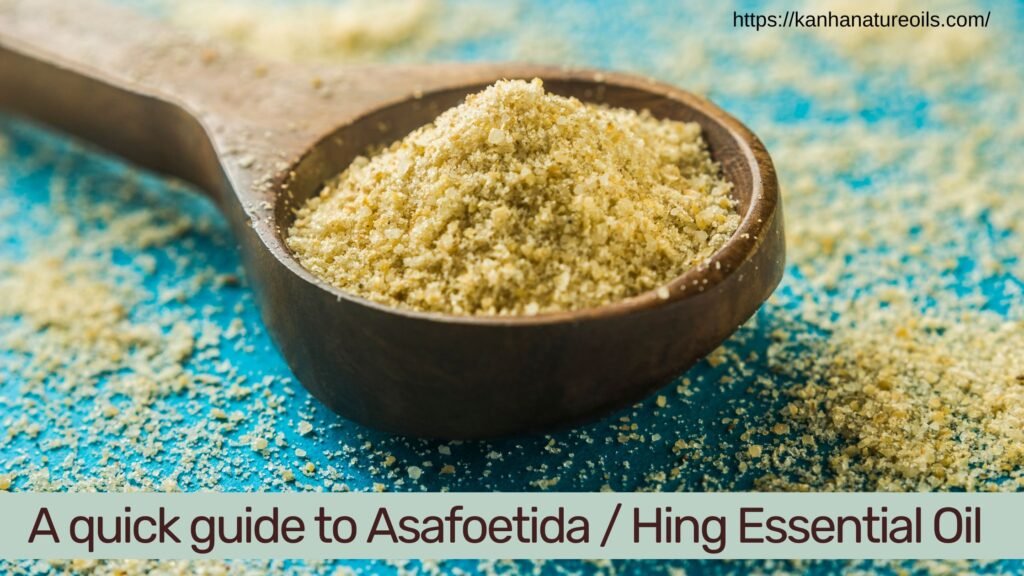
A quick guide to Asafoetida / Hing Essential Oil

Quick Guide to Asafoetida Hing Essential Oil   Do you remember the 👶childhood days when our grandmas use to rub lukewarm hing / asafoetida water on our bellies whenever we had stomach issues! That kitchen remedy used to relieve our stomach-ache in a few minutes. Many of us still swear by the same remedy till now. ✔️ Hing or Asafoetida is an ancient herb which despite being described as ‘Tamasic Food’ in Ayurveda has countless health benefits for all age groups. Onions🧅and garlic🧄 also belong to the same category but consuming them sometimes gives an uncomfortable feeling in the stomach, experienced by everyone at least once! “Gas”. Hing therefore, helps make certain foods more digestible, reducing side effects like bloating and gas, it also supports healthy blood sugar levels. It is the major substitute of onions and garlic which are avoided by followers of Jains and Vaishnavas in our society. Asafoetida or Hing traces back to ancient Rome for it’s origin. It was used as a spice at that time. Hing has been used for ages and has great number of medicinal benefits due to it’s strong, sulphurous, tenacious odor and sedative qualities. For example, in Afghanistan hot water extract of the dried gum version of hing is taken orally to cure ✔️ hysteria, ✔️ whooping cough , ✔️ mood swings associated with menstrual symptoms and to treat ✔️ ulcers.   Home-made remedies of Hing Oil👇   Hing Oil has incredible benefits from treating diabetes to keeping the digestive and reproductive system healthy, it is considered as a panacea / aka Ram Baan Aushadhi for our gut. ☑️ Two drops of Asafoetida oil mixed with one ml of Sesame oil when rubbed gently on the tummy and abdomen relieves from acidity or stomach ache. ☑️ Adding one drop of Hing oil to warm bathing water and to home diffuser in the triggers the process of metabolism which further aids in proper digestion of the food we eat.   ☑️ Adding two drops of Hing oil to steam inhaler or rubbing the same on the chest, neck and back keeps the mucous and phlegm deposits in the bronchial, nasal and respiratory passages at bay. ☑️ The prevalent coronavirus disease that took so many lives globally badly affects the respiratory system causing fever, cough and shortness of breath as the initial symptoms. Since, hing oil is also known for it’s antimicrobial properties that stops the growth of infectious organisms that worsen common cold & cough. It could be a potential countermeasure against COVID-19.   Hing/ Asafoetida- A staple ingredient of Indian cuisine🥘   Though Asafoetida/ Hing is not native to India , it is an essential and popular herb of our Indian Kitchen. It is widely used in pickling and as a savoury enhancer due to it’s healthy aroma that it emits. Hing is also often used along Haldi or Turmeric while cooking curries for pulses such as Daal & Chickpeas or vegetables like potato, cauliflower, lady-finger and gourds. It not only adds flavour to the dish but also aids in digestion as discussed above. It’s dried and grounded form is eaten with raw salad.   Benefits of Asafoetida /Hing oil   ▶️ Hing oil has numerous benefits, this oil is known to nurture the earth element that provides strength and vigor in humans. ▶️ Studies have shown promising benefits of Hing to crops also. It is used as a pesticide in organic farming practices. Asafoetida has insect controlling properties which prevents insect infestations especially chickpea crops.  For this farmers take 100-150 gm of hing which they bring to boil with one litre of water. The solution is then next diluted in approx. 200 litres of water, which is then sprayed as a pesticide over the crops.  Click on the link to check the other health advantages of Hing, apart from the below mentioned points:  ▶️ Anti-microbial and anti-viral: As discussed earlier in this blog, Asafoetida is  highly effective against viruses, it helps fight against small microbes. It treats protozoa-based infection and expels parasitic worms. ▶️ Anti-diabetic – Hing hinders the blood sugar levels in the body thus assisting the pancreatic cells to emit additional insulin. Bitter gourd cooked in asafoetida controls diabetes. ▶️ Anti-carcinogenesis – Hing stops the cells from developing cancer. ▶️ Relaxant – The strong aroma of hing oil soothes both mind and body. ▶️ Neuroprotective – Protects the nervous system ▶️ Hepatoprotective – Supports healthy liver system, eliminates fat from the body. ▶️ Tooth-pain: Asafoetida oil blended with opium tooth ache. ▶️ Induces periods   Asafoetida / Hing oil is the USP of Kanha Nature Oil. The oil prepared is 100 % pure, undiluted and of therapeutic grade. Kanha Nature Oils are top manufacturer and trader of Hing (Asafoetida) Essential Oil in Delhi NCR. It is extracted from natural plant and processed as per set rules of the industry.

How To Buy The Right Essential Oil?

How To Buy The Right Essential Oil? There are some crucial considerations to bear in mind when looking to buy the ✔️ right essential oils that are best suited for your individual requirements and price range. Read the list of key recommendations to find out what you should consider when contrasting essential oils provided by various stores, distributors, and other sources. HOW DO ESSENTIAL OILS WORK?   Let’s start by discussing what an essential oil is and how it is created. Extracts from several helpful plants, such as lavender, eucalyptus, rosemary, etc., are used to make essential oils. Since they are liquid, these extracts are more concentrated than typical oils. The volatile aromatic oils that plants generate are known as essential oils. Resins and oils are produced by plants to entice pollinators, ward off predators, and defend against disease. This aromatic component is concentrated using a variety of extraction techniques to create what is known as “essential oil.” Imagine rubbing rosemary between your palms🤲, imagining fresh lemon balm leaves warming in the sun🌞, or putting lavender blossoms to your nose👃 to take a deep breath. Buying and storing advice for essential oils👇   ☑️ Tip 1- It seems sense that some people are initially hesitant about ordering essential oils online. You may buy essential oils online from a variety of trustworthy essential oil and aromatherapy merchants and providers. When you purchase online, you have access to a far wider range of trustworthy merchants than if you were just able to choose from those located nearby. Reputable businesses have the expertise to bottle and package their oils for shipping in the correct manner. ☑️ Tip 2 – Avoid purchasing essential oils if you see the terms “fragrance oil,” “natural identical oil,” or “perfume oil.” These terms suggest that the substance you are looking at is not an individual, pure essential oil. There are businesses that identify fragrance oils and perfume oils as being appropriate for aromatherapy. Fragrance oils can be made of pure chemicals or mixes of essential oils and chemicals. This is a red flag suggesting the merchant lacks knowledge about aromatherapy. Beginners should be aware of vendors and merchants that intentionally misuse the word “aromatherapy” to increase their own sales. ☑️ Tip 3 – The aromatherapy sector routinely overuses the term “pure essential oil.” Don’t depend on your decision to buy only on a vendor’s usage of the word “pure” while making a purchase. The term can serve as a sign that at least the merchant or supplier is aware of the significance of looking for pure oils. Pure essential oils may be distilled from inferior sources, may spend years in someone’s inventory or on a store’s shelves, may be damaged during storage, or may be handled improperly by vendors, resulting in oils being accidently mixed together during bottling. Don’t be unduly pleased by a dealer who advertises their oils as “pure,” then. ☑️ Tip  4 – Purchase modest sums to begin with. A 1/2 oz. or 1 oz. bottle of essential oil will last for a very long time since one drop of it goes a very long way. Additionally, essential oils may be expensive, so before investing in significant quantities, it’s great to explore and figure out which ones you use the most. ☑️ Tip 5 – Store the bottle without the glass dropper and rubber stopper inside. Due to their potency, essential oils have the potential to eventually degrade rubber. Use the screw cap whenever possible and take out the glass dropper. The little bottles of drop-by-drop reducers are OK and don’t need to be taken out.   How Can  Essential Oils Be USED Topically In a Safe Manner ?   Essential oils can be used topically in countless ways. Always dilute essential oils with a carrier substance of some sort. This might be alcohol, witch hazel extract, hydrosol, or organic vegetable oil. Check out this  kanhanatureoils and expert tips to discover more about dilution of essential oils. Do a patch test whenever you are using a new essential oil and want to use it in a cosmetic recipe to ensure that you won’t react to it and that it is suitable for you. Never touch mucous membranes like the eyes or mouth unless you are being treated by a licensed professional. These oils have the potential to be extremely toxic and result in severe minor burns.   What Advantages Do Organic Essential Oils Have Over Regular Ones?     Organic essential oils are not only better for the environment, but also better for your body and skin. To guarantee that their essential oils are free of pesticides and other chemicals, many consumers opt to buy organic essential oils that have been examined by a third party business. Many organic essential oil companies utilize recyclable materials in the packaging of their products and support and encourage sustainable farming.   Safety : The USDA has examined a certified organic essential oil to guarantee that it was cultivated without the use of artificial fertilizers, pesticides, or genetically modified organisms (GMOs). There is no way to determine for sure whether conventional oils have undergone genetic engineering or have been treated with dangerous chemicals. When avoiding skin irritants and seeking products with high quality standards, it’s crucial to pick organic.   Possible Health Advantages: Natural essential oils preserve their freshness and offer the greatest number of advantages since they are cultivated as organically as possible. Conversely, traditional oils could include compounds that are harmful to your health.   Environmental Advantages: Small-scale farmers are helped by organic essential oils, which also encourage environmentally friendly farming methods that increase biodiversity. Conversely, oils grown using traditional farming techniques can wind up contaminating our water, air, and soils. Conclusion: Depending on your unique needs, there are a variety of essential oils you can explore. The usage of essential oils has been around for decades, whether you like getting massages with them or just appreciate the smells of them dripping in your house. These

Scroll to Top