Kanha Nature Oils

essential oils

The Art of Aromatherapy: Elevating Your Mood with Essential Oils

The Art of Aromatherapy: Elevating Your Mood with Essential Oils   In today’s fast-paced world, stress, anxiety, and emotional imbalance have become an everyday reality for millions of people. Amid the hustle of modern life, many are turning back to nature for relief, and one ancient yet ever-relevant practice continues to stand out—aromatherapy. Rooted in the therapeutic use of natural plant extracts, aromatherapy is more than just enjoying pleasant scents. It is an art that intertwines science, wellness, and mindfulness to improve mood, enhance emotional well-being, and promote balance in everyday life. Essential oils—the heart of aromatherapy—are highly concentrated plant essences known for their powerful ability to influence emotions, stimulate the senses, and create harmony between the body and mind. The simple act of inhaling a drop of lavender or diffusing uplifting citrus oils can instantly transform your mental state, grounding you in calm or uplifting you with renewed energy. This article explores the art of aromatherapy in depth, focusing on how essential oils can elevate your mood, the science behind their effects, different methods of use, and practical ways to integrate them into your daily routine. In this blog post, Kanha Nature Oils will guide you through the transformative power of aromatherapy, helping you discover how the right oils can enhance your well-being, boost positivity, and create balance in everyday life.   Understanding Aromatherapy Aromatherapy involves the use of essential oils, which are concentrated extracts from various parts of plants, including flowers, leaves, bark, and roots. These oils contain the essence of the plant’s fragrance and its therapeutic properties. The practice of aromatherapy can be traced back to ancient civilizations such as Egypt, China, and India, where essential oils were used in religious rituals, cosmetics, and medicinal applications.   The Science Behind Aromatherapy The effectiveness of aromatherapy lies in its ability to stimulate the limbic system, a part of the brain that controls emotions, memories, and arousal. When you inhale essential oils, the olfactory receptors in your nose send signals directly to the limbic system. This can result in various emotional and physiological responses, such as relaxation, improved mood, and stress reduction. Several studies have demonstrated the benefits of aromatherapy in enhancing mood and mental well-being. For instance, research has shown that certain essential oils can reduce symptoms of anxiety and depression, improve sleep quality, and boost cognitive performance.   Benefits of Aromatherapy Reduces stress and anxiety Improves sleep quality Boosts mood and energy levels Enhances mental clarity and focus Alleviates headaches and migraines   Popular Essential Oils and Their Benefits To fully appreciate the art of aromatherapy, it’s essential to understand the unique properties and benefits of various essential oils. Here are some of the most popular oils and their mood-enhancing effects: Lavender Lavender oil is one of the most widely used essential oils in aromatherapy. Known for its calming and relaxing properties, lavender oil is often used to alleviate stress, anxiety, and insomnia. Its gentle, floral scent can help create a peaceful environment and promote a sense of tranquility. Peppermint Peppermint oil is invigorating and refreshing, making it an excellent choice for boosting energy and mental clarity. It can help alleviate headaches, improve concentration, and reduce feelings of fatigue. The crisp, minty aroma of peppermint is perfect for revitalizing your mood and enhancing focus. Lemon Lemon essential oil is known for its uplifting and energizing properties. Its fresh, citrusy scent can help improve mood, reduce feelings of stress, and promote a sense of overall well-being. Lemon oil is also known for its ability to purify the air and create a clean, invigorating atmosphere. Eucalyptus Eucalyptus oil is often used for its clarifying and refreshing effects. Its strong, minty aroma can help clear the mind, improve respiratory function, and reduce feelings of mental exhaustion. Eucalyptus is also known for its antibacterial properties, making it a popular choice for purifying the air and promoting a healthy environment. Rose Rose oil is renowned for its ability to promote emotional balance and well-being. Its rich, floral scent can help reduce feelings of anxiety, depression, and stress. Rose oil is also known for its skin-enhancing properties, making it a popular choice for skincare routines. Chamomile Chamomile oil is well-known for its calming and soothing effects. It can help reduce feelings of anxiety, promote relaxation, and improve sleep quality. The gentle, sweet aroma of chamomile is perfect for creating a peaceful, serene environment.   How to Use Essential Oils for Mood Enhancement There are several ways to incorporate essential oils into your daily routine to elevate your mood and enhance your well-being. Here are some of the most effective methods: Diffusion Using an essential oil diffuser is one of the most popular ways to enjoy the benefits of aromatherapy. Diffusers disperse the essential oils into the air, allowing you to inhale the therapeutic aromas. There are various types of diffusers, including ultrasonic, nebulizing, and heat diffusers. Choose one that suits your needs and preferences. Inhalation Direct inhalation is another simple and effective method to experience the benefits of essential oils. You can add a few drops of your favorite essential oil to a tissue or cotton ball and inhale deeply. Alternatively, you can create a personal inhaler by adding essential oils to a small glass vial with a wick. Topical Application Applying essential oils topically is a great way to target specific areas of the body. However, it’s important to dilute essential oils with a carrier oil, such as coconut, jojoba, or almond oil, before applying them to the skin. This helps prevent irritation and ensures safe application. Common areas for topical application include the wrists, temples, neck, and soles of the feet. Bathing Adding essential oils to your bath can create a luxurious and therapeutic experience. Simply add a few drops of your favorite essential oil to a carrier oil or bath salts and mix well before adding to your bathwater. The warm water will help disperse the oils, allowing you to enjoy their aromatic and therapeutic benefits. Massage Incorporating essential

Empowering Self-Care, Self-Love Practices with Essential Oils

Empowering Self-Care, Self-Love Practices with Essential Oils In today’s fast-paced world, where stress and responsibilities often take precedence over personal well-being, self-care and self-love are more than just indulgences—they are essential to living a balanced, fulfilling life. Taking time to nurture your body, mind, and spirit helps you cultivate resilience, inner peace, and confidence. One beautiful and holistic way to enhance self-care rituals is by incorporating essential oils. These natural plant extracts not only offer therapeutic benefits but also inspire moments of mindfulness, relaxation, and connection with the self. This blog explores how essential oils can empower your self-care and self-love journey. From stress relief to skincare, sleep support, emotional healing, and mindfulness practices, essential oils can become powerful allies in creating intentional rituals that honor your well-being. In this blog post, Kanha Nature Oils will guide you through how to use these natural essences to nurture your body, calm your mind, and uplift your spirit.   What is the importance of self-care and self-love? Self-care and self-love are essential components of overall well-being and personal growth. Here’s why essential oils are important: Mental Health: Practicing self-care and self-love helps improve mental health by reducing stress, anxiety, and depression. It promotes positive self-esteem and self-worth, leading to greater emotional resilience and inner peace. Physical Health: Taking care of oneself physically through healthy habits like exercise, proper nutrition, and adequate sleep is part of self-care. It boosts energy levels, strengthens the immune system, and reduces the risk of chronic diseases. Relationships: When individuals prioritize their well-being, they’re better equipped to nurture healthy relationships with others. Self-love enables them to set boundaries, communicate effectively, and cultivate meaningful connections built on mutual respect and understanding. Productivity and Creativity: Self-care replenishes energy reserves and enhances focus, productivity, and creativity. By taking breaks, practicing mindfulness, and engaging in activities that bring joy, individuals can maintain a balanced lifestyle and perform at their best. Personal Growth: Self-care and self-love facilitate personal growth and self-discovery. They encourage individuals to prioritize their needs, pursue their passions, and cultivate a sense of purpose and fulfillment in life.   Benefits of using essential oils: Incorporating essential oils into your daily routine can offer a wide range of benefits for both physical and emotional well-being: Aromatherapy Skin Care Respiratory Health Pain Relief Immune Support Mood Enhancement Digestive Support Natural Cleaning Essential oils have antimicrobial and disinfectant properties that make them effective alternatives to conventional cleaning products. They can be used to clean surfaces, purify the air, and eliminate odors in a non-toxic way.   How essential oils can enhance self-care practices:   Essential oils can enhance self-care practices in various ways, contributing to overall well-being and relaxation. Here’s how: Aromatherapy Massage and Body Treatments Skincare Stress Reduction Sleep Support Mood Enhancement By incorporating essential oils into self-care practices, individuals can enhance relaxation, promote emotional balance, and create a nurturing environment that supports overall health and well-being. Practices for cultivating self-love with essential oils:   Affirmations: Start your day by repeating positive affirmations that affirm your worth and value. Create a blend of uplifting essential oils like bergamot, rose, and ylang-ylang, and inhale deeply while affirming statements such as “I am worthy,” “I am loved,” and “I am enough.” Gratitude Cultivate a sense of gratitude for yourself and your journey by practicing gratitude rituals. Diffuse grounding essential oils such as frankincense, cedarwood, or sandalwood, and take a few moments each day to reflect on the things you appreciate about yourself. Express gratitude for your strengths, accomplishments, and unique qualities. Self-Compassion: Practice self-compassion by treating yourself with kindness, understanding, and patience. Create a soothing self-compassion blend using oils like lavender, chamomile, and clary sage, and apply it to your pulse points or inhale deeply during moments of self-doubt or inner turmoil. Remind yourself that it’s okay to be imperfect and that you deserve love and compassion, just as you are. Using essential oils for relaxation and stress relief   Using essential oils for relaxation and stress relief can be highly effective due to their natural properties that promote calmness and tranquility. Here are some ways to incorporate essential oils into your relaxation routine: Aromatherapy Bath Time Bliss Massage Therapy Inhalation Bedtime Ritual Mindful Breathing Practice deep breathing exercises while inhaling the aroma of calming essential oils. Close your eyes, take slow, deep breaths, and focus on the soothing scent to promote relaxation and reduce stress levels. Remember to choose high-quality, pure essential oils and perform a patch test before using them topically to ensure compatibility with your skin. Incorporating essential oils into your relaxation routine can help you unwind, de-stress, and find moments of tranquility amidst the busyness of everyday life.   Using essential oils for promoting better sleep and managing anxiety   Essential oils can be powerful allies in promoting better sleep and managing anxiety due to their calming and soothing properties. Here’s how you can use them effectively: Diffusion: Diffuse calming essential oils such as lavender, chamomile, or bergamot in your bedroom before bedtime. The gentle aroma can help calm the mind, reduce stress, and create a conducive environment for sleep. Pillow Spray: Create a DIY pillow spray by mixing a few drops of relaxing essential oil with water in a spray bottle. Lightly mist your pillow and bedding before sleep to enjoy the soothing scent and promote relaxation. Topical Application: Dilute calming essential oils with a carrier oil like coconut or jojoba oil and apply them to pulse points, such as the wrists, temples, and neck, before bedtime. This allows the oils to be absorbed into the skin, promoting relaxation and easing anxiety. Bath Soak: Add a few drops of calming essential oils to a warm bath before bedtime. Oils like lavender, cedarwood, and sandalwood can help relax tense muscles, calm the mind, and prepare you for a restful night’s sleep. Inhalation: Practice deep breathing exercises while inhaling the aroma of calming essential oils. Close your eyes, take slow, deep breaths, and focus on the soothing scent to calm

How to Make DIY Room Spray with Essential Oils?

How to Make DIY Room Spray with Essential Oils?   There is nothing more refreshing than walking into a room that smells delightful, calming, and clean. While commercial air fresheners may temporarily mask odors, they often contain synthetic fragrances and chemicals that can trigger allergies, respiratory issues, or headaches. Fortunately, you don’t have to rely on store-bought sprays to create a pleasant and inviting atmosphere in your home. Making your own DIY room spray with essential oils is simple, cost-effective, and fully customizable. Essential oils not only provide beautiful natural aromas but also come with therapeutic properties that can uplift mood, reduce stress, boost focus, or promote relaxation. Whether you want your bedroom to smell soothing before sleep, your office space to feel energizing during work hours, or your living room to exude a welcoming vibe, DIY essential oil sprays offer an all-natural solution. In this detailed guide, we will explore everything you need to know about making your own DIY room spray with essential oils—from choosing the right oils and supplies to experimenting with blends, troubleshooting, and storage tips. By the end, you’ll be fully equipped to craft sprays that not only transform your space but also support your overall well-being. In this blog post, Kanha Nature Oils will guide you through the process step by step, sharing expert tips and practical insights to help you create natural, refreshing, and personalized room sprays with ease. What are Room Sprays? Room sprays are liquid fragrances that are sprayed into the air to add a pleasant aroma to a room. They can help to eliminate odors, create a relaxing atmosphere, and even boost your mood.   Benefits of Using Room Sprays Instantly refreshes the air in your home Masks unpleasant odors Creates a calming or uplifting ambiance Promotes mental clarity and focus   Common Ingredients in Commercial Room Sprays Commercial room sprays often contain artificial fragrances, preservatives, and chemicals that may have negative effects on your health and the environment. By making your own room spray with essential oils, you can avoid these harmful ingredients and enjoy a natural alternative.   Choosing Essential Oils Understanding Different Types of Essential Oils   Essential oils are concentrated plant extracts that are known for their aromatic and therapeutic properties. There are various types of essential oils, each with its own unique scent and benefits. Some popular essential oils for room sprays include lavender, peppermint, eucalyptus, and citrus oils.   Basic Ingredients for DIY Room Spray To make a natural room spray, you need just a few simple ingredients: Essential OilsThese are the heart of your spray. Choose based on your scent preference and desired effect (calming, energizing, cleansing, etc.). Distilled WaterRegular tap water can contain minerals and impurities that reduce shelf life or clog your spray nozzle. Distilled water ensures a clean, long-lasting spray. Witch Hazel or Vodka (Emulsifier/Preservative)Essential oils don’t mix with water, so you need an emulsifier to help them disperse evenly. Witch hazel or vodka also acts as a preservative, extending shelf life. Spray BottleA glass spray bottle (preferably amber or cobalt blue) is best. Essential oils can degrade plastic over time, and colored glass protects the oils from sunlight. Optional Additions Vegetable glycerin for a softer spray and longer scent retention. Dried herbs or flowers for a decorative touch. Epsom salt (pre-dissolved) to help disperse oils further.   Blending Essential Oils for Desired Scents Experimenting with different essential oil combinations is the key to creating a room spray that suits your preferences. You can mix and match oils to create relaxing, energizing, or invigorating scents that cater to your mood or the ambiance you want to create.   Safety Precautions While DIY sprays are natural, it’s important to use them safely: Avoid Direct Skin or Eye Contact: Spray in the air, not directly on people or pets. Be Cautious Around Pets: Some oils (like tea tree, eucalyptus, and citrus) can be harmful to cats and dogs. Use pet-safe oils if needed. Check for Allergies: Test a small spray in your home to ensure no one reacts negatively. Store Properly: Keep bottles away from heat and sunlight to maintain potency.   reative Uses for DIY Room Sprays Your homemade essential oil spray can serve multiple purposes: Air Freshener: For bathrooms, living rooms, or bedrooms. Linen Spray: Lightly mist on pillows, sheets, or curtains. Car Freshener: Keep a small bottle in your car. Yoga & Meditation Aid: Spray your mat or room before practice. Seasonal Décor Enhancement: Create sprays that match seasonal vibes (citrusy in summer, spicy in winter)   Storing and Using Your Homemade Room Spray Store your DIY room spray in a cool, dark place to preserve the quality of the essential oils. Shake well before each use and spray into the air to enjoy the aromatic benefits.   Popular Essential Oil Room Spray Recipes Relaxing Lavender and Chamomile Room Spray 10 drops lavender essential oil 5 drops chamomile essential oil   Energizing Citrus and Peppermint Room Spray 8 drops citrus essential oil 5 drops peppermint essential oil   Soothing Eucalyptus and Tea Tree Room Spray 6 drops eucalyptus essential oil 5 drops tea tree essential oil   Using Room Sprays for Different Purposes Relaxation: Create a calming atmosphere by using room sprays with lavender, chamomile, or jasmine essential oils. Spritz it in your bedroom or living room before meditation or bedtime to promote relaxation. Energizing: Opt for citrus scents like lemon, orange, or grapefruit to invigorate your senses and boost energy levels. Use it in your workspace or kitchen to help you stay focused and alert. Odor Elimination: Keep your space smelling fresh by using room sprays with odor-eliminating properties. Look for sprays containing ingredients like activated charcoal or enzymes that neutralize unpleasant odors from pets, cooking, or smoking. Mood Enhancement: Set the mood for a specific occasion or activity with appropriately scented room sprays. For example, use floral scents like rose or jasmine for a romantic dinner, or choose woody scents like cedar or sandalwood for a

7 Best Essential Oils for Winter Skin Care and Know About Them

☃️ Winter Skin Care Essential Oil   Winter is a magical season filled with cozy blankets, hot chocolate, and crisp chilly air. However, for our skin, winter often brings challenges such as dryness, flakiness, irritation, and a dull complexion. The cold air outside combined with indoor heating can strip the skin of its natural moisture, leaving it feeling tight, itchy, and dehydrated. While moisturizers and creams play a vital role in combating these issues, adding essential oils to your winter skincare routine can make a world of difference. Essential oils are concentrated plant extracts that carry therapeutic benefits for the skin, body, and mind. They are rich in antioxidants, vitamins, and soothing compounds that not only nourish and protect the skin but also enhance overall well-being. In this blog, Kanha Nature Oils we’ll explore the 7 best essential oils for winter skin care, their unique benefits, and how you can use them effectively to achieve soft, radiant, and healthy skin throughout the cold season. Nature’s Own ☃️Winter Warriors: Essential Oils   Now, you may be thinking: “Essential oils? Aren’t they for fancy diffusers and potpourri or something?” In reality, essential oils bring robustness to your skincare routine that’s akin to equipping your skin with its winter coat and heat gloves! So, let me take you through seven of my absolute winter favorites — oils that deserve a cardinal spot in your winter skincare embassy.   ✔️ Lavender Oil: The Skin Soother Let’s start with the darling of the skincare world, the one and only, lavender oil. Lavender oil is your go-to defense against chapped hands and raw, wind-beaten faces. Its anti-inflammatory properties and undeniable moisturizing ability soothe dry, itchy skin. Think of it as a hefty gulp of water for your thirsty winter skin.   ✔️ Tea Tree Oil: The Antimicrobial Shield   Next up on our list — the invincible Tea Tree oil. This oil has strong antimicrobial properties to ward off any nasty microbes that reckon they can take advantage of your winter-worn skin. Can’t you just see them waving the white flag already?     ✔️ Peppermint Oil: The Cool Quarterback While we’re on the topic, let’s talk about another breath of fresh air — peppermint oil. I’ve always admired peppermint oil. It has this fresh, cooling effect that can be a godsend when your skin is heating up from overexposure to indoor heating. Not to mention, the smell alone can give you a nice pick-me-up during those short winter days.   ✔️ Jojoba Oil: The Moisture Maestro   Enter Jojoba oil, the unsung winter hero. Its waxy structure closely mimics your skin’s natural oil, rejuvenating your skin without leaving a greasy residue. Imagine running your fingers over your skin only to find it as smooth as a polished pebble. It’s a well-deserved spa-like pampering for your skin!   ✔️ Sandalwood Oil: The Dry-Skin Slayer Ah, the classic sandalwood oil. There’s so much raw softness exuding from this potent oil. Its moisturizing attributes are the stuff of legends, cutting to the chase when it comes to deep-seated skin dryness. It’s like having that trustworthy friend, who always has your back during the harsh winter times.   ✔️ Chamomile Oil: The Gentle Giant Chamomile oil, the gentle giant of the essential oil world, couldn’t be left out of this roll call, could it? With it being hypoallergenic, it gently repairs damaged, inflamed skin, making it perfect for those with sensitive skin. Cuddle up with chamomile oil, the cozy blanket your skin needs this winter!     ✔️ Frankincense Oil: The Ageless Adulate Last but not least, frankincense oil. Often overlooked, this consummate performer has a myriad of benefits. From rejuvenating old skin cells to combating wrinkles and age spots, frankincense oil brings its timeless healing talents to your winter skincare routine. It’s like toasting to youth with every application.   👉 Conclusion ☃️ Winter is indeed coming, but this time, you’re prepared for it! Keeping these 7 top essential oils in your ☃️winter skincare arsenal will ensure your skin remains ✔️ soft, ✔️ supple, and ✔️ moisturized through the chilliest of days. And remember, just like in Jon Snow’s case, sometimes knowing nothing about winter skincare and then knowing something can indeed turn you into a bona fide winter warrior. So go on, let these Natural essential oils weave their magic!

Top 7 essential oils for nerve pain that you must try

Top 7 essential oils for nerve pain that you must try   Living with nerve pain can be both physically and emotionally draining. Unlike ordinary muscle soreness or joint aches, nerve pain—often described as burning, tingling, shooting, or stabbing sensations—can be persistent and deeply disruptive to daily life. Whether triggered by conditions such as neuropathy, sciatica, shingles, diabetes, or nerve compression, the discomfort often calls for long-term management strategies. While conventional medicine offers options like painkillers, antidepressants, or anticonvulsants, many people turn to natural remedies for complementary relief. One such remedy that has been gaining popularity is essential oils. These plant-based oils, known for their therapeutic and aromatic properties, have shown promising results in alleviating nerve pain due to their anti-inflammatory, analgesic, antispasmodic, and circulation-boosting effects. In this comprehensive guide, Kanha Nature Oils we’ll explore the top 7 essential oils for nerve pain, how they work, and practical ways to use them for safe and effective relief. Why Essential Oils for Nerve Pain? Before diving into the list, let’s understand why essential oils are worth considering for nerve pain management: Natural Pain Relief – Many essential oils contain compounds that act as natural analgesics and anti-inflammatories. Improved Circulation – Certain oils promote blood flow, which can ease nerve compression and encourage healing. Relaxation & Stress Reduction – Since stress can worsen nerve pain, the calming aromas of essential oils support overall nervous system balance. Reduced Inflammation – Chronic nerve pain is often associated with inflammation; essential oils help counter it naturally. Now, let’s look at the seven best essential oils you must try for nerve pain. Essential Oils For Nerve Pain While essential oils are not a substitute for medical treatment, some people find them helpful for managing nerve pain, especially when used in conjunction with other treatments. Here are some essential oils that are often suggested for nerve pain relief: 1. Lavender oil: Lavender Oil is known for its calming and soothing properties. It can help reduce stress and anxiety, which can contribute to nerve pain. Its anti-inflammatory properties may also provide some relief. 2. Peppermint oil: Peppermint oil contains menthol, which can have a cooling effect and may help alleviate nerve pain by numbing the area. It can also improve blood circulation. 3. Eucalyptus oil: Eucalyptus oil has anti-inflammatory and analgesic (pain-relieving) properties. It may help reduce inflammation and ease nerve pain. 4. Chamomile Blue oil: Both Roman and German chamomile essential oils have anti-inflammatory and soothing properties, which can be beneficial for managing nerve pain. 5. Frankincense serrata oil: Frankincense Oil has anti-inflammatory and analgesic properties and may help reduce inflammation and alleviate nerve pain. 6. Helichrysum oil: Helichrysum Oil is known for its anti-inflammatory and pain-relieving properties. It may help reduce inflammation and provide relief from nerve pain. 7. Ginger oil: Ginger essential oil has anti-inflammatory properties and may help reduce inflammation associated with nerve pain.   ESSENTIAL OILS IN AROMATHERAPY     Final Thoughts Nerve pain can significantly affect your quality of life, but natural remedies like essential oils can provide much-needed comfort alongside conventional treatments. Oils such as peppermint, lavender, eucalyptus, chamomile, rosemary, helichrysum, and ginger stand out as some of the best options due to their anti-inflammatory, analgesic, and circulation-boosting properties. When used properly—through massage, aromatherapy, baths, or compresses—these oils can reduce pain, calm the nervous system, and support healing. Remember, consistency and safety are key. Pairing essential oils with a healthy lifestyle, proper diet, and medical guidance can make nerve pain more manageable and improve overall well-being. You May Also Like: Vanilla Essential Oil—aromatherapy, perfumery, skin care, baking. How Oregano Oil Benefits Can Support Natural Healing How to tea tree oil uses for skin Clear and Glowing Skin     Kanha Nature Oils For more information contact: info@aromatherapyoil.in Mobile Number: 9810805866  

Best Essential Oils for Yoga and Meditation: Enhancing Your Practice

👉 Best Essential Oils for 🧘 Yoga and Meditation for Yoga.   Yoga and meditation are ancient practices that have transformed countless lives by promoting inner peace, mindfulness, and overall well-being. These practices encourage a deep connection between the mind, body, and spirit. While yoga focuses on movement, breath, and alignment, meditation emphasizes stillness, concentration, and mental clarity. Together, they create a holistic path toward balance and self-discovery. In recent years, practitioners have increasingly turned to essential oils as a complementary tool to enhance their yoga and meditation experiences. These concentrated plant extracts carry powerful aromatic and therapeutic properties that can deepen relaxation, sharpen focus, and cultivate a sacred atmosphere. By engaging the sense of smell—one of the most direct pathways to the brain—essential oils can set the tone for practice, elevate mood, and anchor intentions. This article will explore the best essential oils for yoga and meditation, how they work, practical ways to incorporate them, and the science behind their benefits. Whether you are a beginner or a seasoned yogi, adding essential oils can enrich your journey toward mindfulness and inner harmony. In this blog post, Kanha Nature Oils will guide you through the most effective oils to enhance your practice and elevate your well-being.   The Connection Between Aromatherapy, Yoga, and Meditation Aromatherapy, the practice of using essential oils for physical and emotional well-being, shares a natural synergy with yoga and meditation. Smell is closely linked to the limbic system—the brain region that governs emotions, memory, and behavior. Inhaling certain scents can trigger specific responses, such as calmness, alertness, or inspiration. For Yoga: Essential oils can energize the body for an active Vinyasa flow, ground you during Hatha or Yin yoga, or relax you in restorative poses. For Meditation: Oils can clear mental chatter, deepen breathing, and create an environment conducive to inner stillness. The combination of movement, breathwork, and scent creates a multi-sensory experience that elevates awareness and fosters a profound mind-body connection. Best Essential Oils for Yoga and Meditation 1️⃣ Lavender Oil Lavender essential oil is renowned for its calming and soothing properties. It helps reduce stress and anxiety, making it a perfect companion for meditation. Its gentle floral scent creates a serene atmosphere, allowing you to find peace within yourself during your practice. A few drops of lavender oil on your pulse points or diffused in the room can promote relaxation and tranquility. 2️⃣ Frankincense Oil Frankincense has been used for centuries in spiritual and religious ceremonies. This grounding and earthy oil can enhance your yoga and meditation practice by deepening your connection to the present moment. Frankincense helps quiet the mind, promote introspection, and increase focus. Diffuse frankincense oil during your meditation or mix it with a carrier oil for a soothing massage after your yoga session. 3️⃣ Peppermint Oil         Peppermint essential oil is invigorating and refreshing. It can boost your energy and mental clarity, making it an excellent choice for morning yoga or meditation sessions. The crisp scent of peppermint can help you feel more awake and alert, promoting mindfulness and concentration. Just a drop or two on your temples can awaken your senses and prepare you for your practice. 4️⃣ Eucalyptus Oil Eucalyptus oil is known for its ability to clear the airways and promote deep breathing. It’s particularly useful if you suffer from congestion or if you want to enhance your pranayama (breath control) during yoga. Diffusing eucalyptus oil in your practice space can help you breathe more deeply and fully, creating a sense of clarity and focus. 5️⃣ Cedarwood Oil Cedarwood essential oil has a warm and grounding scent that can help you feel more rooted and connected to the earth. This oil is perfect for balancing your energy during yoga and meditation. It promotes a sense of stability and inner strength. Consider applying a drop of cedarwood oil to your wrists or diffusing it to create a grounded atmosphere in your practice area. 6️⃣ Bergamot Oil Bergamot essential oil has a fresh and uplifting scent that can elevate your mood and reduce stress and anxiety. It’s an excellent choice for those looking to add a touch of positivity to their yoga and meditation practice. Bergamot can help you feel more joyful and optimistic, enhancing your overall sense of well-being. Diffuse it or mix it with a carrier oil for a calming massage. How to Use Essential Oils in Yoga and Meditation Diffusion: Use an essential oil diffuser to disperse aroma throughout your practice space. Topical Application: Dilute oils with a carrier oil (like coconut or jojoba) and apply to temples, wrists, chest, or feet. Yoga Mat Spray: Mix oils with water and witch hazel in a spray bottle to cleanse and refresh your mat. Inhalation: Place a drop on your palms, rub together, and inhale deeply before beginning practice. Massage: Incorporate oils into a self-massage before or after yoga to relax muscles and enhance circulation. Safety Tips for Using Essential Oils Always dilute essential oils before applying to the skin. Perform a patch test to avoid allergic reactions. Avoid applying oils near the eyes or mucous membranes. Pregnant women, children, and people with medical conditions should consult a professional before use. Use high-quality, pure essential oils for best results. Creating Personalized Blends Combining oils can create a customized aromatic experience tailored to your practice. For Relaxation: Lavender + Frankincense + Cedarwood. For Energy: Peppermint + Lemon + Eucalyptus. For Heart-Centered Practice: Rose + Sandalwood + Clary Sage. For Grounding: Patchouli + Cedarwood + Frankincense. Experiment with blends to find what resonates most with your practice. ESSENTIAL OILS IN AROMATHERAPY 👉 Conclusion Incorporating essential oils into your 🧘‍♀️yoga and meditation practice can deepen your connection to these ancient disciplines. Whether you’re seeking relaxation, concentration, or spiritual connection, there’s an essential oil that can enhance your experience. Experiment with different oils to find the ones that resonate with you the most, and remember that the power of essential oils lies not only in their scents but in

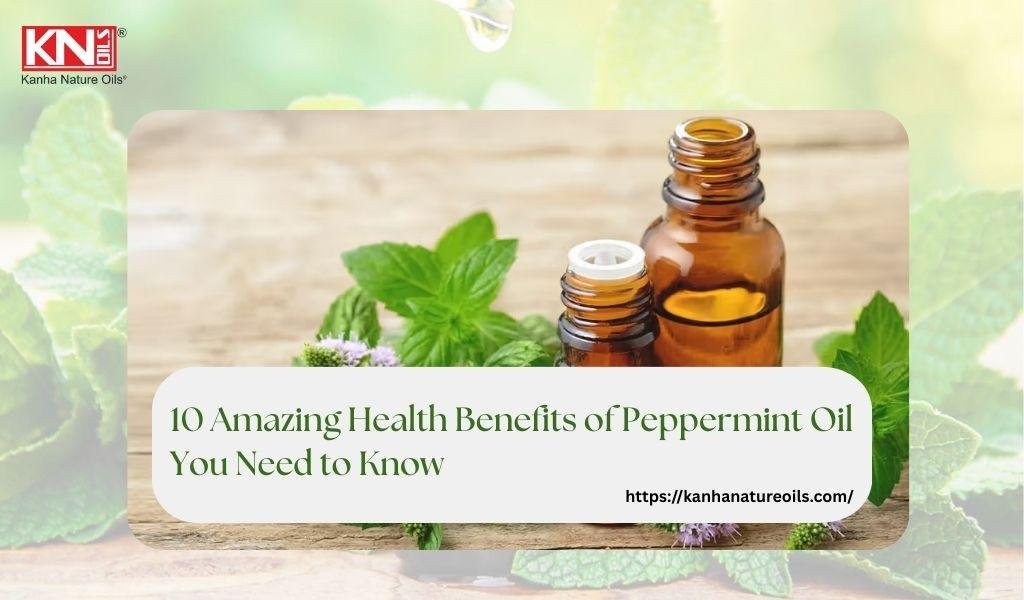
10 Amazing Health Benefits of Peppermint Oil You Need to Know

  10 Amazing Health Benefits of Peppermint Oil You Need to Know   For centuries, essential oils have been celebrated for their natural healing powers and holistic benefits. Among them, peppermint oil holds a special place for its versatility, refreshing aroma, and therapeutic properties. Extracted from the peppermint plant (Mentha × piperita), this essential oil is packed with menthol and menthone—two compounds responsible for its cooling sensation and remarkable medicinal qualities. Whether you are looking for relief from digestive discomfort, seeking natural pain management, or simply desiring a burst of mental clarity, peppermint oil can be a game-changer in your daily wellness routine. In this blog post, we will explore 10 amazing health benefits of peppermint oil you need to know, backed by science, tradition, and practical uses. 1. Relieves Digestive Issues and Supports Gut Health One of the most widely recognized benefits of peppermint oil is its ability to ease digestive discomfort. For centuries, peppermint tea and oil have been used as natural remedies for bloating, gas, indigestion, and stomach cramps. Scientific studies show that peppermint oil can relax the muscles of the gastrointestinal tract, making it effective in reducing symptoms of Irritable Bowel Syndrome (IBS). The menthol in peppermint oil helps soothe the stomach lining, reduces spasms, and supports overall digestive efficiency. How to use it: Add 1–2 drops of food-grade peppermint oil in warm water or tea. Use enteric-coated peppermint oil capsules for IBS relief. Gently massage diluted peppermint oil on the abdomen to reduce bloating and cramps. 2. Provides Natural Relief from Headaches and Migraines Peppermint oil is a natural pain reliever, especially for tension headaches and migraines. Its cooling effect comes from menthol, which promotes blood flow, relaxes muscles, and reduces pain sensations. In fact, clinical trials have found that applying peppermint oil to the temples and forehead significantly decreases headache intensity within minutes. Unlike synthetic painkillers, peppermint oil provides quick relief without side effects. How to use it: Dilute peppermint oil with carrier oil (like coconut oil) and apply it to temples and the back of the neck. Inhale peppermint oil through a diffuser for additional calming effects. 3. Boosts Energy and Enhances Mental Focus Feeling sluggish or mentally drained? Peppermint oil is a natural energy booster that stimulates the mind and enhances alertness. Its invigorating scent helps fight fatigue, improves concentration, and even boosts athletic performance. A study revealed that inhaling peppermint oil increased exercise performance and reduced perceived exertion in athletes. For students and professionals, its refreshing aroma can improve focus and memory retention. How to use it: Add a few drops of peppermint oil to a diffuser in your study or work area. Inhale directly from the bottle for an instant pick-me-up. Mix with water in a spray bottle and use as a natural room refresher. 4. Supports Respiratory Health Peppermint oil is a natural decongestant and expectorant, making it highly effective for respiratory issues like colds, sinusitis, asthma, and bronchitis. Its menthol component helps open airways, loosen mucus, and improve breathing. Additionally, peppermint oil possesses antimicrobial and antiviral properties that support immune defense during seasonal infections. How to use it: Add a few drops of peppermint oil to a bowl of hot water, cover your head with a towel, and inhale the steam. Use it in a diffuser during colds and flu season. Mix with carrier oil and apply on the chest for a vapor rub effect. 5. Relieves Muscle and Joint Pain Peppermint oil works as a natural analgesic and anti-inflammatory, making it a go-to remedy for sore muscles, joint stiffness, arthritis, and sports injuries. Its cooling sensation helps numb pain and reduce swelling, while improving circulation for faster recovery. Athletes often use peppermint oil as part of post-workout massages to relieve muscle tension and cramps. How to use it: Dilute peppermint oil with a carrier oil and massage onto sore areas. Add it to a warm bath for a soothing muscle soak. Combine with eucalyptus oil for an extra-strong pain-relieving blend. 6. Freshens Breath and Promotes Oral Health Peppermint oil is a natural breath freshener with strong antibacterial properties that help kill germs responsible for bad breath, cavities, and gum disease. Many toothpaste and mouthwash brands include peppermint oil for this very reason. Its refreshing flavor not only masks bad breath but also supports healthy gums and teeth. How to use it: Add 1 drop of food-grade peppermint oil to a glass of water for a natural mouth rinse. Mix with coconut oil for an effective oil-pulling routine. Look for natural toothpastes with peppermint essential oil. 7. Improves Skin and Hair Health Peppermint oil is packed with antimicrobial, anti-inflammatory, and cooling properties that make it excellent for skin and hair care. For skin, it soothes irritation, reduces redness, and provides relief from itching and rashes. It is also effective against acne-causing bacteria.For hair, peppermint oil stimulates the scalp, increases blood flow, and may promote hair growth while reducing dandruff and dryness. How to use it: Dilute peppermint oil with a carrier oil and apply to the scalp before shampooing. Add a drop to your shampoo or conditioner for a refreshing boost. Apply diluted peppermint oil to itchy or inflamed skin for instant relief. 8. Acts as a Natural Insect Repellent Peppermint oil is a safe and effective natural insect repellent. Its strong aroma repels mosquitoes, ants, spiders, fleas, and even rodents. Unlike chemical repellents, it is non-toxic and safe for both humans and pets when properly diluted. How to use it: Mix peppermint oil with water and spray around windows, doors, and outdoor spaces. Add to homemade candles or diffusers to keep bugs away. Apply diluted peppermint oil on the skin before going outdoors. 9. Supports Stress Relief and Emotional Balance Peppermint oil doesn’t just benefit the body—it also supports emotional well-being. Its refreshing scent helps reduce stress, anxiety, and mental fatigue while promoting relaxation and emotional balance. Aromatherapy with peppermint oil has been shown to improve mood, reduce nervous tension, and provide a sense of calm.

Powerful Ways to Use 6 Essential oil for cold sores

Cold sores, also known as fever blisters, are painful and unsightly skin eruptions caused by the herpes simplex virus (HSV-1). They typically appear around the lips, mouth, and sometimes even on the nose or chin. While they are common and usually heal within 7–14 days, the discomfort, itching, and burning sensation can be quite distressing. In recent years, people have increasingly turned to natural remedies to complement traditional treatments. Among these remedies, essential oils stand out for their antiviral, anti-inflammatory, and soothing properties. When used correctly, they may help speed up healing, reduce pain, and even prevent outbreaks. In this blog post, Kanha Nature Oils we’ll explore six powerful essential oils for cold sores and discover effective ways to use them safely and naturally. Understanding Cold Sores and How Essential Oils Help Before diving into specific oils, let’s briefly understand how cold sores develop. Cold sores are triggered when the herpes virus becomes active, often due to stress, weakened immunity, hormonal changes, or exposure to sunlight. Once activated, the virus causes painful blisters filled with fluid that eventually crust over. Essential oils may help in several ways: Antiviral properties: Many oils can inhibit viral activity, reducing the spread and severity of outbreaks. Anti-inflammatory benefits: They soothe swelling, redness, and discomfort. Pain relief: Some oils numb the skin and reduce irritation. Skin regeneration: They promote healing and reduce scarring.   Essential oils are often used for natural remedies, but they shouldn’t be your only treatment for conditions like cold sores. Cold sores, caused by the herpes virus, usually need antiviral medicines prescribed by a doctor. Some essential oils might help with cold sores, but they should be used carefully: 1. Dilute them: Essential oils are strong, so mix a few drops with a carrier oil like coconut oil. 2. Test on your skin: Try a tiny bit on your skin first to make sure it doesn’t cause any problems. 3. Ask a doctor: Talk to a doctor before using them, especially if you have health issues, are pregnant, or breastfeeding. Here are some essential oils that are often suggested for their potential antiviral and soothing properties: Tea Tree Oil:Tea tree oil can help fight the cold sore virus, but it’s strong, so mix it with another oil before using. Lavender Oil: Lavender oil is soothing and might help against cold sores. Peppermint Oil: Peppermint oil may fight the virus, but it’s strong, so use a little bit carefully. Lemon Balm Oil (Melissa Oil): Lemon balm can help heal cold sores faster. Eucalyptus Oil: Eucalyptus oil might fight the virus, but it’s strong, so use it sparingly and carefully. Oregano Oil: Oregano oil is strong against the virus, so use only a tiny bit and mix it with another oil.   Final Thoughts Cold sores can be uncomfortable, but with the help of essential oils, you can ease the symptoms and encourage faster recovery. Oils like tea tree, peppermint, lavender, eucalyptus, chamomile, and lemon balm each bring unique healing benefits, whether it’s antiviral defense, soothing pain relief, or skin regeneration. When used properly, these natural remedies can be an effective and holistic way to manage cold sores—offering not just healing but also prevention. Contact us: info@aromatherapyoil.in Mobile Number: 9810805866

Scroll to Top