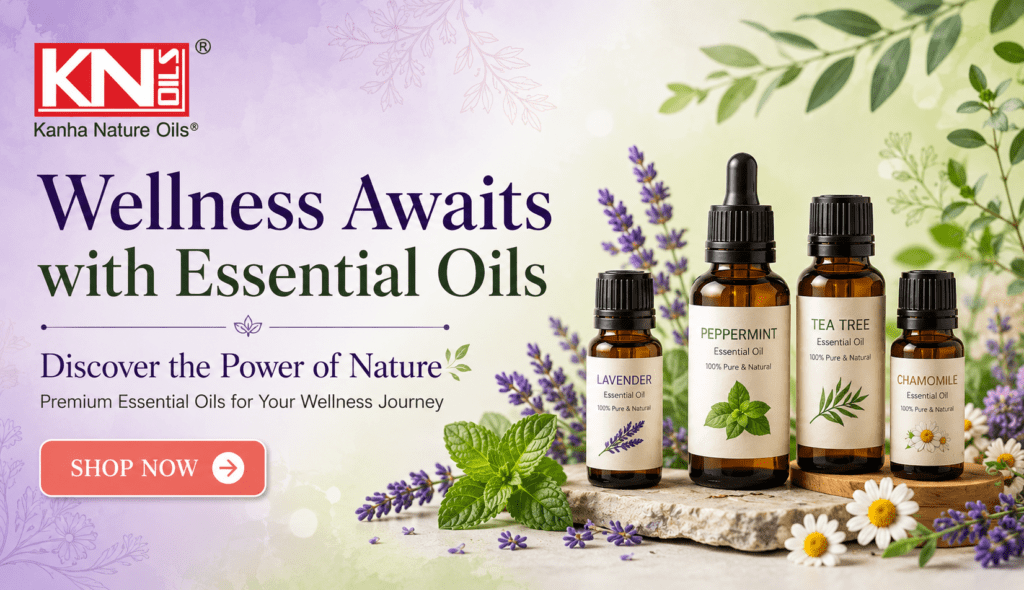
For small businesses looking to enter the wellness market, sourcing essential oils at wholesale prices can be a game changer. This guide will provide you with essential tips and strategies to effectively source essential oils while keeping costs low. Benefits of Sourcing Wholesale Cost Savings: Purchasing essential oils in bulk allows small businesses to significantly reduce costs, maximizing profit margins. Quality Assurance: Establishing relationships with reputable suppliers ensures that you receive high-quality products consistently. Brand Differentiation: Unique blends and high-quality oils can set your brand apart in a competitive market. Steps to Source Essential Oils Wholesale Identify Your Target Market: Understand the preferences and needs of your customer base. Choose essential oils that align with your brand and customer interests. Research Suppliers: Look for suppliers that specialize in wholesale essential oils. Check their reputation, certifications, and sourcing practices. Request Samples: Always ask for samples before placing a large order to evaluate the quality. Test the oils for aroma, purity, and overall effectiveness. Negotiate Terms: Discuss pricing, minimum order quantities (MOQ), and payment terms. Don’t hesitate to negotiate for better rates, especially for bulk orders. Understand Shipping Logistics: Inquire about shipping costs, delivery times, and return policies. Ensure that the supplier can meet your demand without delays. Establish a Contract: Formalize your agreement with a contract that outlines terms and conditions. Include clauses for quality assurance and returns to protect your business. Branding and Packaging: Invest in attractive packaging and branding that reflects your business’s identity. Ensure labels provide essential information about the oils. Marketing Strategy: Develop a marketing plan that highlights the benefits of your essential oils. Utilize social media, email marketing, and local events to promote your products. Conclusion Sourcing essential oils wholesale is a strategic move for small businesses aiming to thrive in the wellness industry. By following these steps, you can secure high-quality products at competitive prices, ultimately leading to a successful and profitable business. Additional Tips Stay Informed: Keep up with industry trends and consumer preferences to adapt your product offerings. Network: Attend trade shows and industry events to connect with suppliers and other business owners. By effectively sourcing essential oils, small businesses can enhance their product lines and appeal to a growing market of wellness enthusiasts.
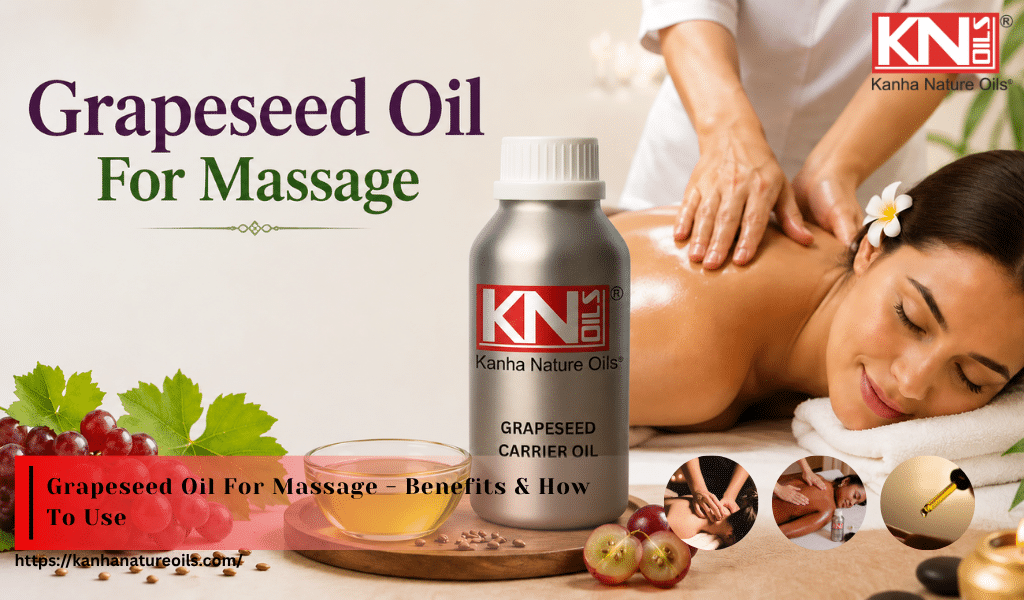
Massage therapy has been practiced for centuries as a natural way to relax the body, relieve stress, and support overall wellness. The effectiveness of a massage often depends on the quality of the oil used. Among the many carrier oils available today, grapeseed oil has become a preferred choice for massage therapists, wellness centers, and aromatherapy enthusiasts due to its lightweight texture and nourishing properties. At Kanha Nature Oils, we offer premium-quality grapeseed oil that is carefully processed to retain its natural benefits, making it an excellent option for massage applications. In this guide, we’ll explore the benefits of grapeseed oil for massage and how to use it effectively. What Is Grapeseed Oil? Grapeseed oil is a natural carrier oil extracted from the seeds of grapes, typically as a byproduct of the winemaking process. Rich in essential fatty acids, antioxidants, and vitamins, this oil is widely used in skincare, haircare, cosmetics, and massage therapy. Its light consistency allows it to glide smoothly over the skin without leaving a greasy residue, making it one of the most popular massage oils available today. Why Grapeseed Oil Is Ideal for Massage Not all oils are suitable for massage. Some are too thick, while others may clog pores or leave the skin feeling sticky. Grapeseed oil stands out because of its unique combination of skin-friendly nutrients and excellent absorption properties. Here are some reasons why massage professionals prefer grapeseed oil: Lightweight and non-greasy texture Smooth glide during massage Easily absorbed by the skin Suitable for most skin types Rich in antioxidants and Vitamin E Blends well with essential oils These qualities make grapeseed oil a versatile carrier oil for various massage techniques. Top Benefits of Grapeseed Oil for Massage 1. Deeply Moisturizes the Skin One of the biggest advantages of grapeseed oil is its ability to hydrate and nourish the skin. It contains linoleic acid, an essential fatty acid that helps maintain the skin’s moisture barrier. During a massage, grapeseed oil helps lock in moisture, leaving the skin soft, smooth, and refreshed. 2. Lightweight and Fast Absorbing Unlike heavier oils that can feel greasy, grapeseed oil absorbs quickly into the skin. This allows massage therapists to work comfortably without excessive residue. The light texture also makes it ideal for people who dislike oily sensations after a massage. 3. Rich in Antioxidants Grapeseed oil contains powerful antioxidants such as polyphenols and vitamin E. These compounds help protect the skin from environmental stressors and support healthy-looking skin. Regular massage with antioxidant-rich oils can contribute to maintaining youthful and radiant skin. 4. Suitable for Sensitive Skin Many individuals with sensitive skin struggle to find massage oils that do not cause irritation. Grapeseed oil is generally gentle and well-tolerated by most skin types. Its mild nature makes it a preferred choice for professional massage treatments and spa therapies. 5. Supports Relaxation and Stress Relief The smooth texture of grapeseed oil enhances the massage experience by allowing hands to glide effortlessly over the skin. When combined with calming essential oils such as lavender or chamomile, it can help create a deeply relaxing atmosphere. 6. Helps Improve Skin Appearance The nutrients present in grapeseed oil may help improve the appearance of dry or dull skin. Many people use it regularly as part of their skincare and body massage routine to promote smoother and healthier-looking skin. 7. Excellent Carrier Oil for Essential Oils Essential oils should generally be diluted before applying them to the skin. Grapeseed oil serves as an excellent carrier oil because it blends easily with a wide variety of essential oils. Popular combinations include: Grapeseed Oil + Lavender Essential Oil Grapeseed Oil + Peppermint Essential Oil Grapeseed Oil + Eucalyptus Essential Oil Grapeseed Oil + Rosemary Essential Oil At Kanha Nature Oils, our high-quality grapeseed oil is widely used as a base oil for aromatherapy massage blends. How to Use Grapeseed Oil for Massage Using grapeseed oil for massage is simple and effective. Follow these steps for the best results: Step 1: Choose High-Quality Grapeseed Oil Always select pure and premium-grade grapeseed oil from a trusted supplier. Quality plays a major role in achieving the best massage experience. Step 2: Warm the Oil Slightly Pour a small amount of oil into your palms and rub your hands together to gently warm it. Warm oil feels more comfortable and relaxing on the skin. Step 3: Apply to the Skin Spread the oil evenly over the area being massaged. The lightweight consistency ensures smooth coverage without excessive greasiness. Step 4: Use Gentle Massage Techniques Apply gentle pressure using circular motions, long strokes, or kneading techniques depending on the desired massage style. Step 5: Add Essential Oils (Optional) For aromatherapy benefits, add a few drops of your preferred essential oil to grapeseed oil before use. Always follow proper dilution guidelines. Best Essential Oils to Blend with Grapeseed Oil Grapeseed oil blends exceptionally well with many essential oils. Some popular options include: Lavender Essential Oil Ideal for relaxation, stress relief, and bedtime massage routines. Peppermint Essential Oil Provides a cooling sensation and is often used in sports massage blends. Eucalyptus Essential Oil Commonly used for refreshing and invigorating massage experiences. Rosemary Essential Oil Frequently included in wellness and body massage formulations. Geranium Essential Oil Offers a pleasant floral aroma and is popular in spa treatments. Who Can Use Grapeseed Oil for Massage? Grapeseed oil is suitable for Professional massage therapists Wellness centers and spas Aromatherapy practitioners Individuals seeking home massage solutions Cosmetic product manufacturers Skincare enthusiasts Its versatility and skin-friendly profile make it one of the most widely used carrier oils in the wellness industry. Why Choose Kanha Nature Oils? When sourcing carrier oils, quality and purity are essential. Kanha Nature Oils is committed to providing premium-quality grapeseed oil that meets the needs of massage therapists, cosmetic manufacturers, aromatherapy businesses, and wellness brands. Our grapeseed oil is known for: High-quality processing standards Natural purity Bulk supply capability Reliable packaging options Global export support Consistent
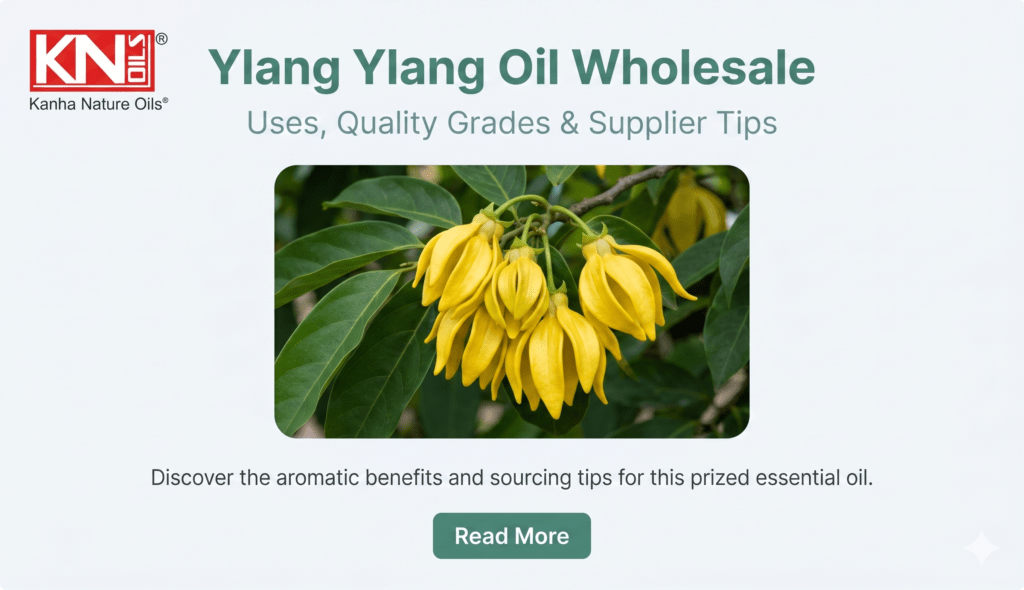
Ylang ylang oil, extracted from the flowers of the Cananga odorata tree, is a highly sought-after essential oil known for its sweet, floral aroma and numerous therapeutic benefits. As a wholesale ylang ylang oil supplier, understanding the various uses, quality grades, and best practices for sourcing this oil can help you meet the demands of your customers effectively. This blog will delve into the applications of ylang ylang oil, its quality grades, and essential tips for suppliers in the wholesale market. Uses of Ylang Ylang Oil Ylang ylang oil has a wide range of applications across various industries, making it a versatile product for wholesalers: 1. Aromatherapy Relaxation and Stress Relief: Ylang ylang oil is widely used in aromatherapy to promote relaxation and reduce anxiety. Its calming scent helps to create a soothing environment. Mood Enhancement: The oil is believed to uplift mood and improve emotional well-being, making it popular in diffusers and personal inhalers. 2. Cosmetics and Skincare Skin Benefits: Ylang ylang oil possesses antibacterial and anti-inflammatory properties, making it beneficial for skincare formulations. It can help balance oil production and improve skin texture. Fragrance: Its sweet floral scent makes it a popular choice for perfumes, lotions, and hair care products, adding a luxurious aroma to cosmetic formulations. 3. Hair Care Nourishing Properties: Ylang ylang oil can help stimulate hair growth and improve scalp health. It is often included in shampoos and conditioners for its nourishing effects. 4. Culinary Uses Flavoring Agent: In some cultures, ylang ylang oil is used as a flavoring agent in food and beverages, although it should be used sparingly due to its potent aroma. Quality Grades of Ylang Ylang Oil Understanding the quality grades of ylang ylang oil is crucial for suppliers to ensure they meet customer expectations: 1. Ylang Ylang Extra Description: This is the highest quality grade, extracted from the first distillation of the flowers. It has a light, sweet, and floral aroma. Uses: Ideal for high-end perfumes and luxury skincare products. 2. Ylang Ylang I Description: Extracted from the second distillation, this grade retains a strong floral scent but may have slightly less complexity than the extra grade. Uses: Suitable for cosmetics and aromatherapy applications. 3. Ylang Ylang II Description: This grade comes from the third distillation and has a more subdued aroma compared to the first two grades. Uses: Often used in soaps and household products. 4. Ylang Ylang III Description: This is the lowest grade, derived from the final distillation. It has a heavier scent and is less desirable for high-quality products. Uses: Primarily used in industrial applications or as a base note in fragrance blends. Tips for Wholesale Ylang Ylang Oil Suppliers 1. Source from Reputable Producers Quality Assurance: Ensure that your ylang ylang oil is sourced from reputable producers who adhere to quality standards and sustainable practices. Certificates of Analysis: Request COAs to verify the purity and quality of the oil. 2. Understand Market Demand Trends: Stay informed about market trends and customer preferences to tailor your offerings accordingly. Product Education: Provide educational resources to your customers about the uses and benefits of ylang ylang oil. 3. Offer Competitive Pricing Bulk Discounts: Consider offering bulk pricing and discounts to attract larger orders from retailers and manufacturers. Transparent Pricing: Be clear about pricing structures and any additional costs involved in shipping and handling. 4. Build Strong Relationships Customer Service: Maintain open communication with your clients and offer excellent customer service to build trust and loyalty. Feedback: Encourage feedback from your customers to improve your offerings and address any concerns. Conclusion Ylang ylang oil is a versatile and valuable product in the wholesale market, with a wide range of applications across various industries. By understanding its uses, quality grades, and following best practices as a wholesale ylang ylang oil supplier, you can effectively meet the needs of your customers and thrive in this competitive market. With its unique aroma and numerous benefits, ylang ylang oil remains a staple in the world of essential oils.
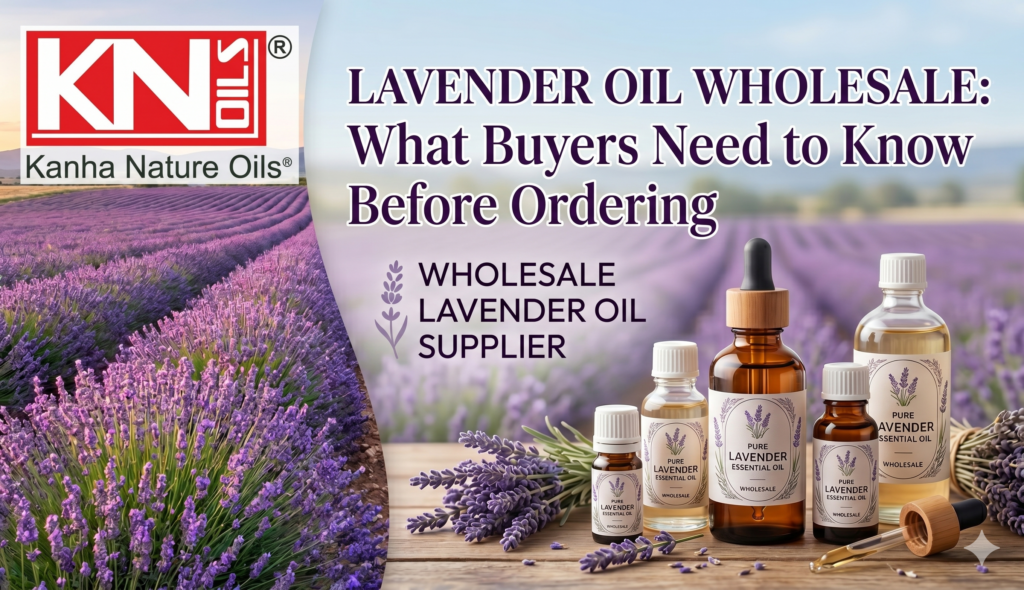
Introduction Lavender oil is one of the most popular essential oils in the world, celebrated for its calming properties and versatile applications. As the demand for lavender oil continues to rise, many businesses are looking to wholesale suppliers to source this valuable product. If you’re considering purchasing wholesale lavender oil, there are several important factors to keep in mind to ensure you’re making an informed decision. This blog will guide you through the essential aspects of buying lavender oil from a wholesale lavender oil supplier. Section 1: Understanding Lavender Oil 1.1 What is Lavender Oil? Lavender oil is derived from the flowers of the lavender plant (Lavandula angustifolia) through steam distillation. Known for its soothing and relaxing fragrance, it is widely used in aromatherapy, cosmetics, personal care products, and even culinary applications. 1.2 Benefits of Lavender Oil Aromatherapy: Promotes relaxation and reduces anxiety and stress. Skincare: Known for its antibacterial properties, making it effective for treating minor burns and skin irritations. Sleep Aid: Often used to improve sleep quality and combat insomnia. Section 2: Choosing a Wholesale Lavender Oil Supplier 2.1 Research and Reputation Before placing an order, research potential wholesale lavender oil suppliers. Look for companies with a solid reputation in the industry, positive reviews, and testimonials from other buyers. A reputable supplier is more likely to provide high-quality products and reliable service. 2.2 Quality Assurance Quality is paramount when it comes to essential oils. Ensure that the supplier provides information on the sourcing and production methods of their lavender oil. Look for suppliers who offer: Certificates of Analysis (COA): This document verifies the purity and quality of the oil. Organic Certification: If you prefer organic products, confirm that the supplier offers certified organic lavender oil. 2.3 Pricing and Minimum Order Quantities Compare prices from different suppliers to find the best deal. Be aware that the lowest price may not always indicate the best quality. Additionally, inquire about minimum order quantities (MOQs) and whether they align with your purchasing needs. Section 3: Packaging and Shipping Considerations 3.1 Packaging Ensure that the lavender oil is packaged properly to maintain its quality during transportation. Look for suppliers that use dark glass bottles to protect the oil from light exposure, which can degrade its quality. 3.2 Shipping Options Discuss shipping options with your supplier. Consider factors such as shipping costs, delivery times, and tracking capabilities. Reliable shipping ensures that your order arrives in good condition and on time. Section 4: Legal and Regulatory Compliance 4.1 Import Regulations If you are importing lavender oil from another country, familiarize yourself with the import regulations and requirements of your country. Ensure that the supplier complies with all necessary legal standards to avoid any issues with customs. 4.2 Labeling Requirements Understand the labeling requirements for essential oils in your region. Proper labeling is crucial for consumer safety and compliance with regulations. Conclusion Purchasing wholesale lavender oil can be a rewarding endeavor for businesses looking to enhance their product offerings. By choosing a reputable wholesale lavender oil supplier, ensuring quality assurance, and understanding packaging and shipping considerations, you can make informed decisions that benefit your business. As the demand for lavender oil continues to grow, taking the time to research and select the right supplier will set you on the path to success in the essential oil market. Embrace the calming benefits of lavender oil and elevate your products with this cherished essential oil.
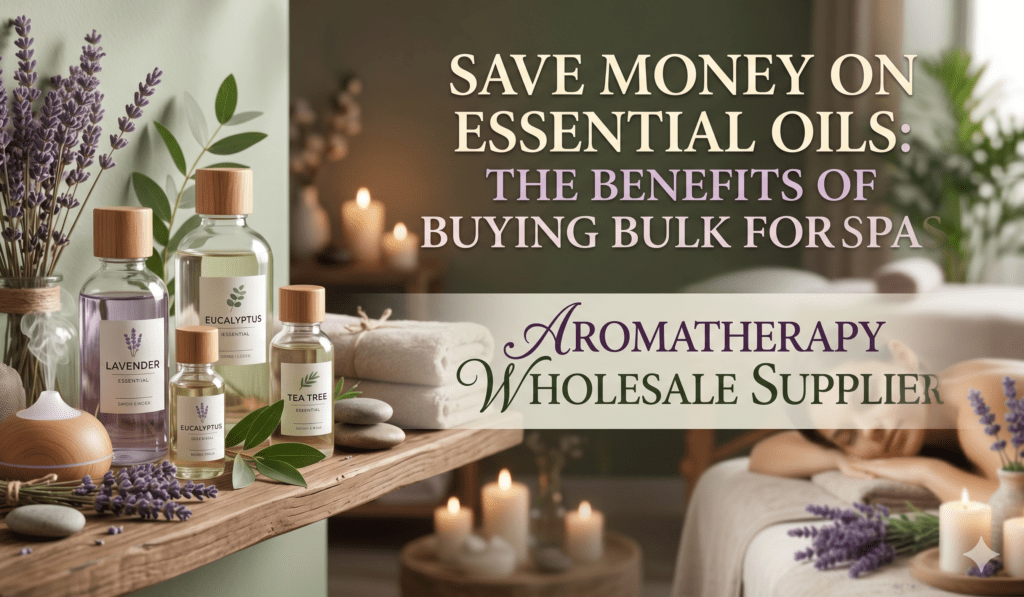
Introduction In the competitive wellness industry, managing overhead costs without compromising the quality of service is a constant challenge for spa owners. One of the most effective strategies to optimize operational expenses is transitioning from retail purchasing to partnering with an aromatherapy wholesale supplier. This report outlines the financial and operational advantages of bulk procurement, illustrating how it serves as a cornerstone for sustainable spa profitability. The Economic Advantage of Wholesale Procurement Drastic Cost Reduction: Purchasing individual retail bottles often includes a significant markup to cover branding, packaging, and retail distribution costs. By sourcing from an aromatherapy wholesale supplier, spas eliminate these middleman costs, often reducing the per-ounce price of high-quality oils by 40% to 60%. Inventory Stability: Bulk buying ensures that high-demand oils—such as Lavender, Eucalyptus, and Peppermint—are always in stock. This prevents the “emergency retail run,” where owners are forced to buy overpriced small bottles to fulfill client appointments. Improved Profit Margins: When the cost of goods sold (COGS) decreases, the profit margin on every massage, facial, or aromatherapy session increases. This allows spas to maintain competitive pricing while maximizing their bottom line. Quality Assurance and Brand Consistency Consistency is Key: When you buy from a reputable aromatherapy wholesale supplier, you ensure a consistent supply chain. This means the therapeutic grade and scent profile of your oils remain uniform across all treatments, which is vital for building client trust and brand loyalty. Purity and Certification: Wholesale suppliers often provide detailed Certificates of Analysis (COA) and GC/MS reports for their batches. This transparency allows spa owners to guarantee the safety and purity of the products used on clients, elevating the spa’s professional reputation. Customization Opportunities: Buying in bulk allows spas to create their own “signature scents” by blending oils in-house. This unique offering differentiates the spa from competitors who rely on generic, store-bought products. Operational Efficiency and Sustainability Reduced Packaging Waste: Retail purchasing generates a significant amount of waste (individual boxes, plastic caps, and shipping materials). Bulk buying reduces the environmental footprint, aligning the spa with the eco-conscious values held by many modern wellness clients. Streamlined Logistics: Consolidating orders into larger, less frequent shipments reduces shipping costs and the administrative time spent on procurement, allowing staff to focus on client care rather than inventory management. Conclusion Transitioning to an aromatherapy wholesale supplier is more than just a cost-saving measure; it is a strategic business decision that enhances quality, consistency, and operational efficiency. By leveraging bulk purchasing, spa owners can significantly improve their financial health while providing a superior, curated experience for their clients. Embracing this model is essential for any spa looking to thrive in today’s wellness market.
The global cosmetic industry is experiencing rapid growth, with consumers increasingly demanding premium skincare, haircare, perfumes, soaps, candles, and wellness products made from natural ingredients. Among these ingredients, aroma oils have become an essential component in modern cosmetic formulations. From luxurious fragrances to therapeutic skincare applications, aroma oils help brands create unique and high-quality products that appeal to international consumers. As cosmetic brands expand globally, the need for reliable and export-quality aroma oil manufacturers has become more important than ever. Businesses are searching for suppliers that can consistently deliver purity, quality, safety, and international compliance standards. This is where Kanha Nature Oils stands out as a trusted partner for cosmetic brands worldwide. The Growing Demand for Aroma Oils in Cosmetics The beauty and personal care industry has shifted toward natural and plant-based ingredients. Consumers today carefully read labels and prefer products containing botanical extracts, essential oils, and aromatic compounds instead of harsh synthetic chemicals. Aroma oils are widely used in: Skincare creams and lotions Facial serums Hair oils and shampoos Perfumes and deodorants Handmade soaps Candles and diffusers Spa and wellness products Aromatherapy cosmetics The increasing popularity of wellness-focused beauty products has created strong demand for premium aroma oils across markets in North America, Europe, the Middle East, and Asia-Pacific. To meet this growing demand, cosmetic companies need manufacturing partners capable of producing large quantities of high-quality oils while maintaining international export standards. What Mak es an Aroma Oil Manufacturer Export-Quality? Not all suppliers can meet the expectations of global cosmetic brands. Export-quality aroma oil manufacturers must follow strict standards throughout sourcing, extraction, testing, packaging, and shipping processes. 1. High-Quality Raw Materials The quality of aroma oil begins with the selection of raw botanical materials. Reputable manufacturers source herbs, flowers, seeds, spices, and plants from trusted farms and cultivation regions. Premium-quality raw materials ensure: Better fragrance consistency Higher purity levels Enhanced therapeutic properties Improved shelf life Manufacturers that prioritize quality sourcing help cosmetic brands maintain superior product standards. 2. Advanced Extraction Techniques Export-quality manufacturers use modern extraction methods to preserve the natural aroma and beneficial compounds of oils. Common techniques include: Steam distillation Cold pressing Solvent extraction CO2 extraction These methods help retain the natural integrity of the oils while ensuring consistency for cosmetic formulations. 3. International Quality Standards Global cosmetic brands require oils that comply with international safety and quality regulations. Reliable manufacturers perform rigorous testing to ensure products meet export requirements. Key quality checks include: GC-MS testing Purity analysis Microbial testing Heavy metal testing Stability testing Compliance with international standards builds trust among buyers and ensures smooth international trade operations. 4. Bulk Supply Capability Cosmetic brands often require aroma oils in bulk quantities for continuous manufacturing. Export-oriented suppliers must have the infrastructure to handle large-scale production without compromising quality. Bulk supply capability ensures: Timely deliveries Stable inventory management Production consistency Better pricing advantages Large manufacturing capacity is especially important for private-label cosmetic companies and multinational beauty brands. Why Cosmetic Brands Prefer Indian Aroma Oil Manufacturers India has become one of the leading global suppliers of essential oils, carrier oils, and aroma oils. The country’s rich biodiversity, favorable climate, and traditional herbal knowledge make it an ideal destination for natural oil production. Indian manufacturers are known for: Competitive pricing Wide variety of botanical oils Strong export infrastructure Skilled workforce Traditional extraction expertise Many international cosmetic companies choose Indian suppliers because they provide high-quality oils at cost-effective prices while maintaining global standards. Kanha Nature Oils – A Trusted Export Partner Kanha Nature Oils has established itself as a reliable manufacturer and exporter of premium aroma oils for cosmetic brands around the world. The company focuses on delivering high-quality natural oils that meet the evolving needs of the beauty and wellness industry. Extensive Product Range Kanha Nature Oils offers a wide selection of aroma oils suitable for cosmetic applications, including: Lavender oil Rose oil Peppermint oil Tea tree oil Sandalwood oil Jasmine oil Vanilla oil Geranium oil Citrus oils Herbal aroma blends This diverse portfolio enables cosmetic brands to develop innovative and market-ready beauty products. Commitment to Quality Quality remains a core priority at Kanha Nature Oils. The company follows strict manufacturing and testing procedures to ensure every batch meets international standards. Their quality-focused approach includes: Carefully sourced raw materials Modern extraction facilities Comprehensive laboratory testing Hygienic production processes Secure packaging solutions This commitment helps cosmetic manufacturers confidently use their oils in premium skincare and personal care formulations. Export-Ready Infrastructure Global buyers require suppliers that understand international shipping, documentation, and packaging requirements. Kanha Nature Oils provides export-ready solutions designed for worldwide distribution. The company supports: Bulk packaging options International shipping assistance Custom labeling Private-label solutions Flexible order quantities Such capabilities make the company a dependable partner for cosmetic businesses seeking long-term supply relationships. Importance of Private Label and Custom Packaging Modern cosmetic businesses increasingly prefer private-label manufacturing to build their own brand identity. Aroma oil manufacturers that offer private-label services provide added value to international buyers. Custom packaging solutions may include: Retail-ready bottles Bulk drums and containers Brand logo printing Export-compliant labeling Customized fragrance blends Kanha Nature Oils understands the growing demand for branding flexibility and supports businesses with tailored packaging and labeling solutions. Sustainability and Natural Beauty Trends Consumers worldwide are becoming more environmentally conscious. Sustainable sourcing and eco-friendly production practices are now major considerations for cosmetic brands. Export-quality manufacturers are adopting: Sustainable farming partnerships Eco-friendly packaging Ethical sourcing practices Reduced chemical processing Responsible manufacturing standards Natural aroma oils align perfectly with the clean beauty movement, helping cosmetic brands attract environmentally aware consumers. Choosing the Right Aroma Oil Supplier Selecting the right manufacturing partner is crucial for the success of any cosmetic brand. Businesses should evaluate suppliers based on several important factors: Product Quality Ensure the manufacturer provides pure, tested, and authentic oils. Manufacturing Experience Experienced suppliers understand international cosmetic industry requirements. Certifications and Testing Check for quality testing procedures and compliance documentation. Supply Capacity Choose manufacturers capable of handling long-term bulk orders. Customer Support Reliable communication and technical
Introduction Whether you’re a cosmetic formulator, aromatherapy brand, soap maker, pharma company, or spa owner — sourcing pure essential oils in bulk is one of the most critical business decisions you’ll make. A single wrong supplier can compromise your product quality, waste thousands of rupees, and damage your brand’s reputation. This buyer’s guide walks you through everything you need to know about choosing a reliable bulk essential oil supplier — from quality testing and certifications to pricing, packaging, and global shipping. And if you’re looking for a trusted Indian supplier that ticks every box, Kanha Nature Oils has been serving wholesale buyers across India and internationally for years. What Does “Bulk Essential Oil” Mean? When we talk about bulk essential oils, we mean purchasing oils in larger quantities than retail — typically starting from 1 kg, 5 kg, 25 kg drums, or even 200-litre barrels depending on the oil. Bulk buying is ideal when you: Manufacture beauty, skincare, or haircare products Run an aromatherapy or wellness brand Supply to spas, hotels, or clinics Export finished products that use essential oils as raw materials Blend or re-bottle essential oils for resale Bulk purchases directly from a reliable wholesale essential oil supplier reduce your per-unit cost significantly — sometimes by 40% to 70% compared to retail pricing. Key Factors to Check Before Choosing a Bulk Essential Oil Supplier Not every supplier who claims to offer “pure” or “natural” essential oils actually delivers what they promise. Here’s your checklist: 1. Purity and Quality Certifications The most important factor when buying essential oils in bulk is purity. Adulterated oils are common in the market — some suppliers mix carrier oils, synthetic compounds, or cheaper similar-smelling oils to stretch volumes. Ask for: GC-MS Reports (Gas Chromatography–Mass Spectrometry) — the gold standard test that reveals the exact chemical composition of an oil COA (Certificate of Analysis) — verifying purity, specific gravity, refractive index, and optical rotation ISO Certification — confirms manufacturing quality standards MSDS (Material Safety Data Sheet) — for safety compliance, especially important for export At Kanha Nature Oils, every batch comes with full GC-MS testing and a COA. We believe in complete transparency — you should know exactly what you’re buying. 2. Botanical Source and Origin The plant source and growing region directly impact an oil’s quality and therapeutic value. Lavender from Provence smells and performs differently than lavender from India. Similarly, Indian sandalwood is different from Australian sandalwood. A good bulk essential oil supplier should be able to tell you: The exact botanical name (e.g., Lavandula angustifolia vs. Lavandin) Country of origin Part of the plant used (leaf, flower, root, bark, seed, etc.) Extraction method (steam distillation, cold pressing, CO2 extraction, solvent extraction) Kanha Nature Oils sources directly from farms across India — including lavender from Uttarakhand, rose from Kannauj, lemongrass from Kerala, and vetiver from Rajasthan. Direct farm sourcing means better quality control and fresher oils. 3. Minimum Order Quantities (MOQs) Different suppliers have different MOQs. Some require a minimum of 25 kg per SKU; others are flexible from 1 kg onwards for new buyers. If you’re starting out or need multiple varieties in smaller quantities, look for a supplier with flexible MOQs. Many established suppliers like Kanha Nature Oils offer tiered pricing — the more you buy, the better the per-kg rate. 4. Packaging Options Packaging matters both for preservation and logistics. Essential oils should be stored in: Amber glass bottles (for small quantities up to 500ml) Aluminum containers (1kg to 25kg) HDPE or UN-approved drums (25kg to 200kg for bulk export) Make sure your supplier offers appropriate packaging and proper labeling with batch numbers, expiry, and safety data. 5. Storage and Shelf Life Pure essential oils, when stored properly (cool, dark, airtight), typically last: Citrus oils: 1–2 years Floral oils (rose, jasmine): 2–3 years Resinous or woodsy oils (sandalwood, vetiver): 4–8 years Ask your supplier about their storage facilities. Cold storage or temperature-controlled warehouses matter for sensitive oils. 6. Regulatory Compliance for Your Industry If you’re manufacturing cosmetics, pharmaceuticals, or food-grade products, your essential oil supplier must comply with specific regulations: FSSAI (Food Safety) for food-grade oils in India GMP (Good Manufacturing Practice) certification COSMOS or ECOCERT certification if targeting organic/natural cosmetics ISO 9001 for quality management Always verify that the supplier’s certifications match your product category. Types of Essential Oils Available in Bulk A reliable bulk essential oil supplier should carry a wide and consistent range. Here are the most commonly sourced categories: Floral Oils Rose Otto, Rose Absolute Jasmine Absolute Lavender Oil Ylang Ylang Citrus Oils Sweet Orange, Blood Orange Lemon, Bergamot Grapefruit, Lime Herbal & Medicinal Oils Peppermint, Spearmint Eucalyptus (Globulus, Radiata, Citriodora) Tea Tree Clove, Cinnamon, Cardamom Woody & Earthy Oils Sandalwood (Indian, Australian) Cedarwood (Atlas, Virginia, Himalayan) Vetiver (Khus) Patchouli Spice Oils (India Specialty) Ginger, Turmeric Cumin, Fennel Nutmeg, Black Pepper Resinous Oils Frankincense (Boswellia carterii, sacra, serrata) Myrrh Benzoin, Copaiba Kanha Nature Oils stocks 200+ varieties of essential oils, absolutes, carrier oils, and attars — making us a one-stop bulk essential oil supplier for all your formulation needs. How Essential Oil Pricing Works in Bulk Pricing varies dramatically based on: Factor Impact on Price Plant source (rare vs. common) High — rose is 50x more expensive than orange Extraction method CO2 > Steam distilled > Cold pressed (usually) Country of origin Indian oils often priced better than European Quantity ordered More volume = lower per-kg price Organic certification Organic oils cost 15–30% more Seasonal availability Harvest season affects price fluctuation Price example (indicative, India wholesale): Lavender oil: ₹3,000–₹6,000/kg Peppermint oil: ₹1,500–₹2,500/kg Rose Otto (Bulgarian): ₹2,50,000–₹4,00,000/kg Tea Tree oil: ₹1,200–₹2,000/kg Eucalyptus oil: ₹500–₹900/kg Prices fluctuate with crop seasons and global demand. Partnering with a supplier who offers price stability contracts or advance booking for large volumes is ideal for businesses that need consistent pricing. Red Flags to Watch Out For When evaluating a bulk essential oil supplier, beware of: ❌ Unusually low prices — If rose oil is being offered at ₹5,000/kg, it’s almost

Who Actually Buys Essential Oils in Bulk? A Supplier’s Perspective By Kanha Nature Oils | Essential Oil Manufacturer & Wholesale Supplier Ever wondered who actually places those 100-litre, 500-litre, or even tonne-scale orders for essential oils? As one of India’s trusted essential oil manufacturer wholesale suppliers, we at Kanha Nature Oils see it every day — and the answer might surprise you. The Essential Oil Market Is Bigger Than You Think When most people hear “essential oils,” they picture a tiny amber bottle on a bathroom shelf. But behind that 10ml bottle is a massive global supply chain — and at the heart of it are bulk buyers who source directly from manufacturers like us. The global essential oil market is projected to cross USD 15 billion by 2028, growing at a steady CAGR of over 8%. That growth isn’t being driven by individual consumers — it’s being driven by industries. Large, sophisticated industries that need consistent quality, reliable supply, and competitive pricing from an essential oil manufacturer wholesale partner they can trust. So who are these buyers? Let’s pull back the curtain. 1. Cosmetics and Personal Care Brands This is our single largest buyer category at Kanha Nature Oils. Skincare brands, hair care companies, luxury soap manufacturers, and beauty product formulators are among the heaviest users of wholesale essential oils. Whether it’s lavender oil for a calming face serum, tea tree oil for an acne control cleanser, or rosehip oil blended into an anti-ageing cream — these brands need consistent, high-purity oils in large volumes. What they look for in an essential oil manufacturer wholesale supplier: GC-MS tested oils (Gas Chromatography–Mass Spectrometry) to verify purity Consistent batch quality across every order Bulk packaging options (1 litre, 5 litres, 25 litres, 200 litres) Private label and white label manufacturing support MSDS and COA documentation for every shipment A mid-sized skincare brand in India might easily consume 50–200 litres of lavender or rose oil per month. That’s not a retail purchase — that’s a wholesale manufacturing relationship. 2. Soap and Candle Makers (Small Brands + D2C) One of the fastest-growing buyer segments we’ve seen in recent years is the artisan and D2C soap, candle, and bath bomb market. India has seen an explosion of small-batch, handmade soap brands on Instagram and Etsy. These founders start small — ordering 500ml or 1 litre — but when they scale, they come to an essential oil manufacturer wholesale supplier like Kanha Nature Oils for: Fragrance-grade and therapeutic-grade oils at wholesale prices Blending oils (carrier oils like coconut, jojoba, sweet almond) Custom fragrance blends for their signature products Reliable, repeatable scent profiles across batches These buyers often become long-term accounts. A soap brand selling 500 bars a month might need 3–5 litres of essential oils per production run — and they order every 4–6 weeks. 3. Pharmaceutical and Nutraceutical Companies You might not immediately think of pharma when you think of essential oils — but this is a significant and growing segment. Pharmaceutical companies use essential oils as: Active pharmaceutical ingredients (APIs) — eucalyptus oil in cough syrups, peppermint oil in digestive tablets Excipients and flavouring agents — masking bitter tastes in oral medications Topical formulation bases — wintergreen oil in pain relief balms, clove oil in dental products Nutraceutical brands use oils like turmeric CO2 extract, black seed oil, and oregano oil in capsules and health supplements. These buyers have strict compliance requirements. They need oils with: Pharmacopoeia-grade specifications (IP/BP/USP standards) Heavy metal testing certificates Pesticide residue reports Full traceability from farm to factory This is an area where Kanha Nature Oils’ direct sourcing from Indian farms gives us a significant advantage — we can provide complete supply chain documentation. 4. Aromatherapy and Wellness Brands The wellness industry in India — yoga studios, ayurvedic centres, meditation retreats, luxury spas — is a robust buyer of wholesale essential oils. These businesses need: Diffuser-grade oils in large quantities for their facilities Massage oil blends (carrier + essential oil combinations) Custom wellness kits with branded packaging Seasonal collections (cooling oils for summer, warming oils for winter) A chain of 10 yoga studios might go through 20–30 litres of essential oil blends every month. Multiply that across India’s growing wellness sector, and you have a very meaningful buyer category. 5. Agrochemical and Pest Control Industry This is one that surprises most people. Several essential oils — notably neem oil, citronella oil, lemongrass oil, and clove oil — are used as active ingredients in organic pesticides, mosquito repellents, and crop protection solutions. With the Indian government’s push toward organic farming and the growing demand for chemical-free pest control, this segment is expanding rapidly. Companies making herbal mosquito coils, plant-based room sprays, and organic farm inputs are steady wholesale buyers. At Kanha Nature Oils, we supply bulk citronella and neem oil to several agrochemical manufacturers — it’s a volume-driven, consistent business. 6. Food and Beverage Industry Food-grade essential oils are used as natural flavouring agents in everything from confectionery to beverages. Common applications: Peppermint oil in chocolates, chewing gum, and mint-flavoured drinks Orange and lemon oil in soft drinks, baked goods, and desserts Cinnamon and clove oil in spiced beverages and health drinks Cardamom and ginger oil in chai concentrates and herbal teas The food industry requires FSSAI-compliant, food-grade certified essential oils. This is a specialised supply — not all wholesale suppliers can meet these standards. Kanha Nature Oils maintains food-grade certifications precisely to serve this growing segment. 7. Exporters and Trading Companies India is one of the world’s top producers and exporters of essential oils — particularly mentha (mint), rose, sandalwood, and spice oils. A large segment of our wholesale buyers are Indian exporters who purchase from domestic manufacturers like us and sell to international markets in Europe, the US, and the Middle East. These buyers look for: Export documentation — phytosanitary certificates, CITES compliance (for sandalwood), export invoices Competitive pricing to maintain margins in international markets Consistent quality that meets EU and US import standards Large volume