Kanha Nature Oils

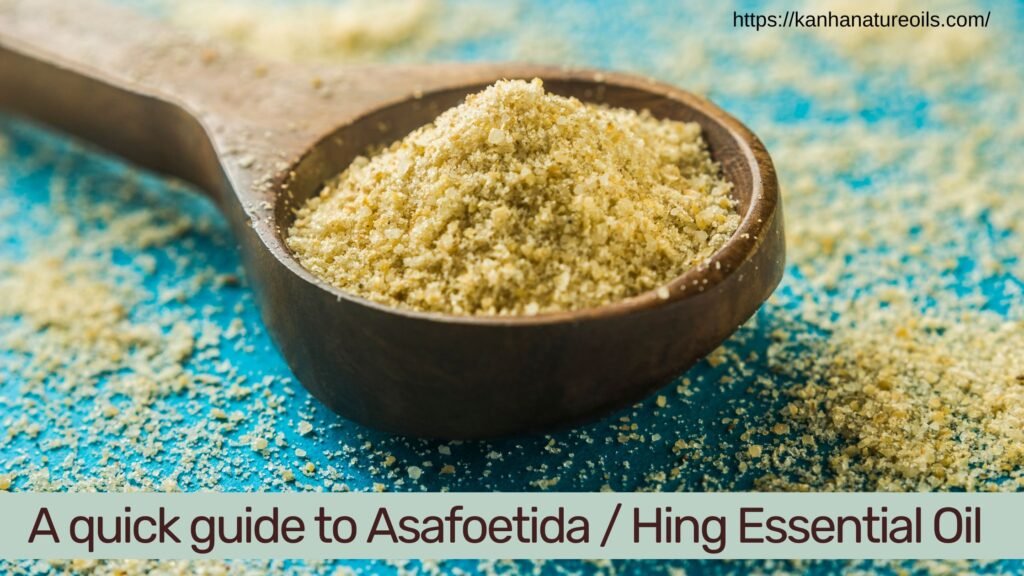
A quick guide to Asafoetida / Hing Essential Oil

Quick Guide to Asafoetida Hing Essential Oil   Do you remember the 👶childhood days when our grandmas use to rub lukewarm hing / asafoetida water on our bellies whenever we had stomach issues! That kitchen remedy used to relieve our stomach-ache in a few minutes. Many of us still swear by the same remedy till now. ✔️ Hing or Asafoetida is an ancient herb which despite being described as ‘Tamasic Food’ in Ayurveda has countless health benefits for all age groups. Onions🧅and garlic🧄 also belong to the same category but consuming them sometimes gives an uncomfortable feeling in the stomach, experienced by everyone at least once! “Gas”. Hing therefore, helps make certain foods more digestible, reducing side effects like bloating and gas, it also supports healthy blood sugar levels. It is the major substitute of onions and garlic which are avoided by followers of Jains and Vaishnavas in our society. Asafoetida or Hing traces back to ancient Rome for it’s origin. It was used as a spice at that time. Hing has been used for ages and has great number of medicinal benefits due to it’s strong, sulphurous, tenacious odor and sedative qualities. For example, in Afghanistan hot water extract of the dried gum version of hing is taken orally to cure ✔️ hysteria, ✔️ whooping cough , ✔️ mood swings associated with menstrual symptoms and to treat ✔️ ulcers.   Home-made remedies of Hing Oil👇   Hing Oil has incredible benefits from treating diabetes to keeping the digestive and reproductive system healthy, it is considered as a panacea / aka Ram Baan Aushadhi for our gut. ☑️ Two drops of Asafoetida oil mixed with one ml of Sesame oil when rubbed gently on the tummy and abdomen relieves from acidity or stomach ache. ☑️ Adding one drop of Hing oil to warm bathing water and to home diffuser in the triggers the process of metabolism which further aids in proper digestion of the food we eat.   ☑️ Adding two drops of Hing oil to steam inhaler or rubbing the same on the chest, neck and back keeps the mucous and phlegm deposits in the bronchial, nasal and respiratory passages at bay. ☑️ The prevalent coronavirus disease that took so many lives globally badly affects the respiratory system causing fever, cough and shortness of breath as the initial symptoms. Since, hing oil is also known for it’s antimicrobial properties that stops the growth of infectious organisms that worsen common cold & cough. It could be a potential countermeasure against COVID-19.   Hing/ Asafoetida- A staple ingredient of Indian cuisine🥘   Though Asafoetida/ Hing is not native to India , it is an essential and popular herb of our Indian Kitchen. It is widely used in pickling and as a savoury enhancer due to it’s healthy aroma that it emits. Hing is also often used along Haldi or Turmeric while cooking curries for pulses such as Daal & Chickpeas or vegetables like potato, cauliflower, lady-finger and gourds. It not only adds flavour to the dish but also aids in digestion as discussed above. It’s dried and grounded form is eaten with raw salad.   Benefits of Asafoetida /Hing oil   ▶️ Hing oil has numerous benefits, this oil is known to nurture the earth element that provides strength and vigor in humans. ▶️ Studies have shown promising benefits of Hing to crops also. It is used as a pesticide in organic farming practices. Asafoetida has insect controlling properties which prevents insect infestations especially chickpea crops.  For this farmers take 100-150 gm of hing which they bring to boil with one litre of water. The solution is then next diluted in approx. 200 litres of water, which is then sprayed as a pesticide over the crops.  Click on the link to check the other health advantages of Hing, apart from the below mentioned points:  ▶️ Anti-microbial and anti-viral: As discussed earlier in this blog, Asafoetida is  highly effective against viruses, it helps fight against small microbes. It treats protozoa-based infection and expels parasitic worms. ▶️ Anti-diabetic – Hing hinders the blood sugar levels in the body thus assisting the pancreatic cells to emit additional insulin. Bitter gourd cooked in asafoetida controls diabetes. ▶️ Anti-carcinogenesis – Hing stops the cells from developing cancer. ▶️ Relaxant – The strong aroma of hing oil soothes both mind and body. ▶️ Neuroprotective – Protects the nervous system ▶️ Hepatoprotective – Supports healthy liver system, eliminates fat from the body. ▶️ Tooth-pain: Asafoetida oil blended with opium tooth ache. ▶️ Induces periods   Asafoetida / Hing oil is the USP of Kanha Nature Oil. The oil prepared is 100 % pure, undiluted and of therapeutic grade. Kanha Nature Oils are top manufacturer and trader of Hing (Asafoetida) Essential Oil in Delhi NCR. It is extracted from natural plant and processed as per set rules of the industry.
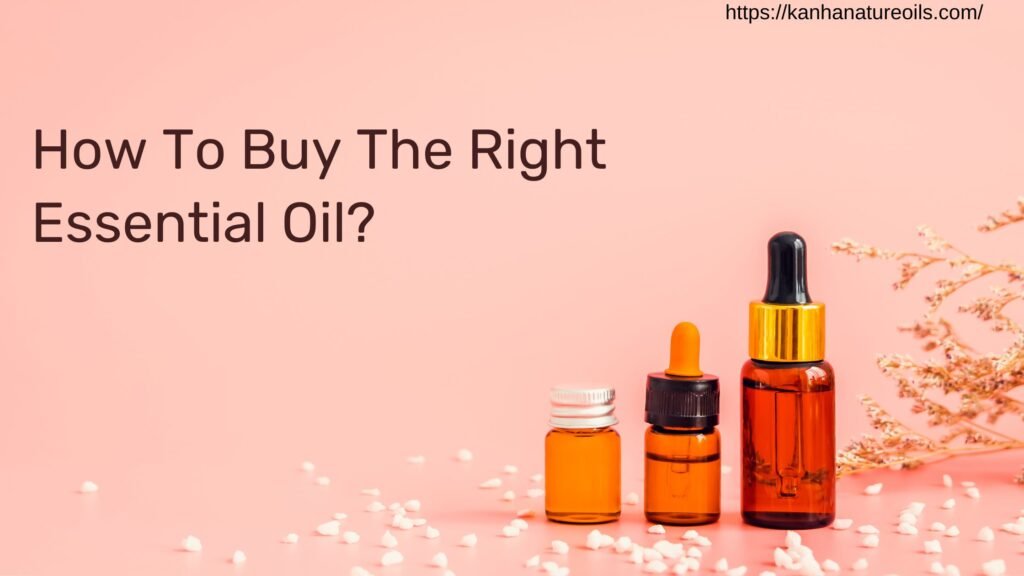
How To Buy The Right Essential Oil?

How To Buy The Right Essential Oil? There are some crucial considerations to bear in mind when looking to buy the ✔️ right essential oils that are best suited for your individual requirements and price range. Read the list of key recommendations to find out what you should consider when contrasting essential oils provided by various stores, distributors, and other sources. HOW DO ESSENTIAL OILS WORK?   Let’s start by discussing what an essential oil is and how it is created. Extracts from several helpful plants, such as lavender, eucalyptus, rosemary, etc., are used to make essential oils. Since they are liquid, these extracts are more concentrated than typical oils. The volatile aromatic oils that plants generate are known as essential oils. Resins and oils are produced by plants to entice pollinators, ward off predators, and defend against disease. This aromatic component is concentrated using a variety of extraction techniques to create what is known as “essential oil.” Imagine rubbing rosemary between your palms🤲, imagining fresh lemon balm leaves warming in the sun🌞, or putting lavender blossoms to your nose👃 to take a deep breath. Buying and storing advice for essential oils👇   ☑️ Tip 1- It seems sense that some people are initially hesitant about ordering essential oils online. You may buy essential oils online from a variety of trustworthy essential oil and aromatherapy merchants and providers. When you purchase online, you have access to a far wider range of trustworthy merchants than if you were just able to choose from those located nearby. Reputable businesses have the expertise to bottle and package their oils for shipping in the correct manner. ☑️ Tip 2 – Avoid purchasing essential oils if you see the terms “fragrance oil,” “natural identical oil,” or “perfume oil.” These terms suggest that the substance you are looking at is not an individual, pure essential oil. There are businesses that identify fragrance oils and perfume oils as being appropriate for aromatherapy. Fragrance oils can be made of pure chemicals or mixes of essential oils and chemicals. This is a red flag suggesting the merchant lacks knowledge about aromatherapy. Beginners should be aware of vendors and merchants that intentionally misuse the word “aromatherapy” to increase their own sales. ☑️ Tip 3 – The aromatherapy sector routinely overuses the term “pure essential oil.” Don’t depend on your decision to buy only on a vendor’s usage of the word “pure” while making a purchase. The term can serve as a sign that at least the merchant or supplier is aware of the significance of looking for pure oils. Pure essential oils may be distilled from inferior sources, may spend years in someone’s inventory or on a store’s shelves, may be damaged during storage, or may be handled improperly by vendors, resulting in oils being accidently mixed together during bottling. Don’t be unduly pleased by a dealer who advertises their oils as “pure,” then. ☑️ Tip  4 – Purchase modest sums to begin with. A 1/2 oz. or 1 oz. bottle of essential oil will last for a very long time since one drop of it goes a very long way. Additionally, essential oils may be expensive, so before investing in significant quantities, it’s great to explore and figure out which ones you use the most. ☑️ Tip 5 – Store the bottle without the glass dropper and rubber stopper inside. Due to their potency, essential oils have the potential to eventually degrade rubber. Use the screw cap whenever possible and take out the glass dropper. The little bottles of drop-by-drop reducers are OK and don’t need to be taken out.   How Can  Essential Oils Be USED Topically In a Safe Manner ?   Essential oils can be used topically in countless ways. Always dilute essential oils with a carrier substance of some sort. This might be alcohol, witch hazel extract, hydrosol, or organic vegetable oil. Check out this  kanhanatureoils and expert tips to discover more about dilution of essential oils. Do a patch test whenever you are using a new essential oil and want to use it in a cosmetic recipe to ensure that you won’t react to it and that it is suitable for you. Never touch mucous membranes like the eyes or mouth unless you are being treated by a licensed professional. These oils have the potential to be extremely toxic and result in severe minor burns.   What Advantages Do Organic Essential Oils Have Over Regular Ones?     Organic essential oils are not only better for the environment, but also better for your body and skin. To guarantee that their essential oils are free of pesticides and other chemicals, many consumers opt to buy organic essential oils that have been examined by a third party business. Many organic essential oil companies utilize recyclable materials in the packaging of their products and support and encourage sustainable farming.   Safety : The USDA has examined a certified organic essential oil to guarantee that it was cultivated without the use of artificial fertilizers, pesticides, or genetically modified organisms (GMOs). There is no way to determine for sure whether conventional oils have undergone genetic engineering or have been treated with dangerous chemicals. When avoiding skin irritants and seeking products with high quality standards, it’s crucial to pick organic.   Possible Health Advantages: Natural essential oils preserve their freshness and offer the greatest number of advantages since they are cultivated as organically as possible. Conversely, traditional oils could include compounds that are harmful to your health.   Environmental Advantages: Small-scale farmers are helped by organic essential oils, which also encourage environmentally friendly farming methods that increase biodiversity. Conversely, oils grown using traditional farming techniques can wind up contaminating our water, air, and soils. Conclusion: Depending on your unique needs, there are a variety of essential oils you can explore. The usage of essential oils has been around for decades, whether you like getting massages with them or just appreciate the smells of them dripping in your house. These

How essential Oils Can Have Powerful Effects On Mental And Emotional Well-Being?

Essential Oils for Mental And Emotional Well-Being   Aromatherapy has been utilized by humans as a healthy alternative for a variety of health issues since ancient times. Applying or inhaling essential oils made from plants to the skin is how aromatherapy works. Since there isn’t enough definitive information, doctors may not necessarily view this approach as a successful treatment. One reason is that it is hard to perform a balanced or objective study on the efficacy of essential oils since the participants may be able to distinguish between the various oils by scent.  As a result, before actually trying the oils, these people would attribute some advantages to them.  Numerous essential oils have proven efficacy in reducing some symptoms of mental illness, despite the fact that no one oil has been scientifically proven to be useful in treating anxiety or depression on its own.   Since ancient times, aromatherapy has been used to treat both physical and mental disorders. Essential oils produced from plants are inhaled or absorbed via the skin to enhance mental well-being and alleviate physical suffering. Your health may be enhanced by combining essential oils with skilled mental health care, although results may vary from person to person. This article explains how the aroma of essential oils may be used to treat mental health issues.   Common Essential Oils Used In Aromatherapy In Promoting Mental Health: Plants that grow provide essential oils that are thought to have therapeutic benefits and may help treat mental health issues. These are a few of them: Lavender Oil:  Due to the many alleged advantages of lavender oil, aromatherapists commonly use it in a variety of mental health therapies. Due to its delicate aroma, lavender has a relaxing impact on the senses. Pillow spray is one of the greatest ways to apply lavender aromatherapy, since it may promote relaxation, ease anxiety, and improve sleep.   Cedarwood Oil: Researchers have discovered that cedarwood essential oil has the ability to reduce tension, particularly for people who are stressed out from work or school. It’s thought that breathing cedarwood while working may enhance productivity and sharpen focus. While it has not yet been tried on people, cedarwood has been found to be useful in lowering the signs and symptoms of depression in humans.   Chamomile: It has been observed that chamomile’s antidepressant qualities can decrease the symptoms of depression. Chamomile is a wonderful option in situations when anxiety and depression are contributing to digestive problems since it can encourage relaxation and minimize gut inflammation.   Grapefruit Oil: After applying grapefruit essential oil, which experts say has an uplifting and energizing impact, you can feel more refreshed. It’s frequently advised for those who are recovering from drug or alcohol addiction since they may use it to squelch cravings. At the beginning of sobriety, mental health difficulties and withdrawal symptoms may last for weeks or months. Grapefruit essential oil therapy is a holistic approach that may help with the recovery process in addiction treatment programs.   Bergamot oil:  Bergamot essential oil offers a mood-lifting and soothing impact. Bergamot possesses neuroprotective properties, which are significant for the treatment of depression and mood control, according to studies.   The Process Of Aromatherapy     Aromatherapy is said to function by stimulating the sense of smell sensors in your nose, which is a fantastic gift. In response, these receptors use your central nervous system to convey messages to your brain. The limbic system, which affects your emotions, is one area of your brain that may be stimulated by the fragrance of essential oils when you use aromatherapy. Your hypothalamus may react to the fragrance of these oils by releasing feel-good brain chemicals like serotonin, which may help to lessen sadness and anxiety symptoms. It encourages relaxation. Additionally, some professionals think that using essential oils on your skin and other body parts, such as your joints, might benefit them and your general wellness. What Strategies Are Used In Aromatherapy?   Numerous methods exist for gaining essential oil advantages in aromatherapy. Look for pure items while selecting your purchases. Avoid items with artificial scents. Compared to artificial fragrances, pure essential oils could provide greater advantages. The following are some of the numerous ways that aromatherapy may be used: Diffusion: Diffusers are skills that allow the aroma of essential oils to fill a space or perhaps your entire house. Diffusers come in four different varieties: thermal, evaporative, nebulizing, and ultrasonic. Diffusers that nebulize substances don’t need water dilution. For the rest, all you need to do is fill your diffuser with water, a few drops of your essential oil, or the quantity you want. Put the gadget in a spot where it may diffuse aroma throughout the space.     Sprays: You may simply add the scent of essential oils to a particular area in your home by using a room spray. Making an aromatic spray at home is as simple as mixing water and essential oils. Massage: It’s typical to add essential oils to the massage oil. Massage and aromatherapy work well together to reduce stress. Therefore, you shouldn’t use essential oils on your skin directly. Instead, be careful to include them in a massage oil combination.   Conclusion: While using aromatherapy topically or breathing it is generally safe, you shouldn’t use it to treat any mental health issues you may be experiencing on your own. Make sure you seek out recommended therapies and treatments from a medical practitioner. You should be careful when selecting the compounds to utilize since you can be sensitive to certain of the plants that produce the essential oils. Finally, there are several grades of aromatherapy oils.  When using essential oils to treat depression, it is necessary to purchase them in their purest form from a trustworthy or authorized source. Always conduct your research on a company’s producer and seller before making a purchase. In recent years, there have been a lot of internet retailers without genuine, potent essential oils. The finest essential oils are offered by  Kanhanatureoil.

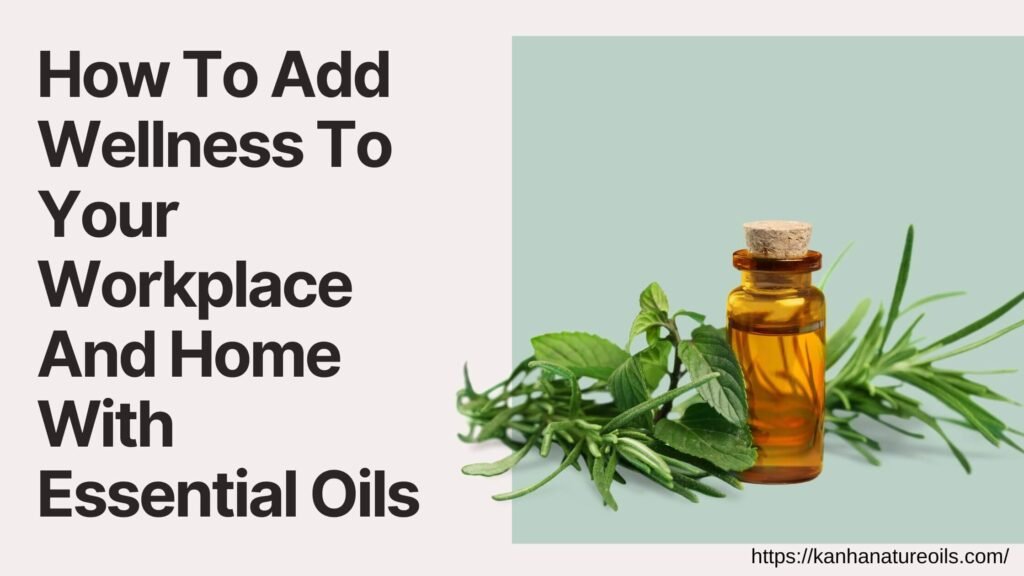
How To Add Wellness To Your Workplace And Home With Essential Oils

Essential Oils for Your Workplace And Home   The splendor of spring🌱 with vibrant blossoms and their alluring fragrance brings instant tranquility and serenity. Though spring will not last forever, you can still enjoy its peaceful breeze by using essential oils in your home and workplace. Essential oils have been quite the hype lately for their therapeutic benefits. Every outlet, from social media to newspapers, has praised its numerous advantages. When you smell a citrus🍋 scent, it’s hard not to relax, so let’s look at how workplaces and households can use essential oils.     👉 Everything You Need To Know About Essential Oils Whenever you peel an orange🍊 or walk around a rose🌹 garden, a strong aroma immediately reaches your nose👃🏻 and alleviates the mood. The aroma is nothing but essential oils. Essential oils are organic aromatic compounds extracted from flowers, leaves, roots, stems, and other parts of plants. Essential oils, in contrast to scented oils, are entirely natural and have been used for aromatherapy and wellness since ancient times for beauty, well-being, cuisine, and many other purposes. The fragrance of these oils is rich, and you can use them in various ways to enjoy therapeutic benefits.   How Are Essential Oils Used? Essential oils were favored for their healing qualities in holistic medicinal practices and for giving off a relaxing and powerful aroma. They can be used for aromatherapy by adding a few drops to a steam diffuser, or they can be administered topically by blending a few drops with carrier oils for skincare treatments. Aromatherapy is a popular application of essential oils. The oils are poured into a diffuser, which evaporates the smell throughout the chamber. The odor tends to stay and spread its serenity throughout the room for a long time since it is a naturally extracted essence. Hence aroma oils are preferred in workplaces and at home.   The Essence Of Essential Oils For Your Workplace Human emotions and feelings vary throughout time. One day you’ll feel🤩 like you’re floating among the clouds, and the next, you’ll feel😔 like you’re plummeting into an abyss. Workplaces, in contrast to homes, are replete with individuals feeling an array of emotions in one location, necessitating the addition of an element to keep people in harmony with one another. Essential oils work their magic by keeping the employees in a serene mood and tune with one another. Here are some more compelling reasons and instances of how you might use essential oils to bring bliss to your workplace.   ✔️ Calms the hassles of the workplace Offices are rarely calm. With deadlines approaching and employees discussing strategies, there is no place for rest and calmness. And sometimes, you might have forgotten something that should have been completed the previous day. Hectic, isn’t it? So you’ll require a remedy to soothe the nerves of your diligent workforce. Cedarwood, Lavender, Vetiver, Bergamot, and Sandalwood are some essential oils with soothing qualities that will assist in relaxing the office atmosphere. ✔️ Enrich positivity and productivity The objective of workplaces is not only to get the job done but also to maintain the spirit of the employees. According to research, happy employees are 12% more productive than those who are unhappy. So, businesses need to improve workplace optimism. So there you have it: Vetiver, Bergamot, Orange, Lemon, Lavender, and Cedarwood to boost optimism and productivity at work. Since these oils have relaxing effects, they will easily enliven the room’s atmosphere. ✔️ Get rid of unwanted smells Essential oils have a distinctive aroma, enhancing the room’s overall ambience, relaxing, and eliminating unpleasant odors. Some days at work are simply too hectic, and you don’t even have time to sigh. So there are instances when you and your colleagues sit and eat at your desk; after a hearty lunch comes the leftover smell, which will not leave the room for another hour. But fortunately, Eucalyptus, tea tree, myrtle, rosemary, and lemongrass neutralize the unpleasant odor while alleviating your post-lunch lethargy.   ✔️ Alleviate the mid-afternoon fatigue You can stay up all night surfing the web, but you’ll never be able to resist the impulse to nap after lunch when you’re at work. Nothing is more frustrating and tempting than the desire to sleep in the midst of the day, but work must be finished, and sipping cups of coffee will not help develop inspiration. You can diffuse peppermint and wild orange oils or add frankincense, known for its intense aroma, to get the motivation to finish the task and keep slumber at bay. Workplaces are always congested; therefore, using essential oils to improve the mood is simple. Essential oils are necessary to maintain serenity and wellness in households, even if they are usually tranquil.   👉 Why Should You Diffuse Essential Oils At Your Home? According to the EPA, indoor pollution is 2 to 5 times higher than usual outdoor concentrations. This is a major concern since most adults and children spend 90 percent of their time at home. Poorly ventilated buildings and cooking fumes typically cause pollution. Since you can’t stop cooking at home, you can add some air-purifying plants and essential oils to your diffuser to minimize pollution and harmonies the ambience of your home.   ✅ Maintain overall peace  All you’ll need to unwind after a long day at work is to lie down and relax. You may shift the tone of your room to relax and sleep off blissfully by diffusing comforting essential oils like Chamomile, Lavender, Ylang-ylang, and Jasmine. ✅ To create a relaxing atmosphere for mediation. Essential oils may make a long-awaited weekend of relaxation and personal time with your family more spellbinding and comforting. While you prepare to read the book and spend quality time with your family, infuse the room with the positive energy of Sage, Cypress, and citrus essential oils. ✅ Uplift the energy of the room After a stressful week, nothing beats a relaxing soak in a warm bath. Essential oils are rich in elements that help improve both

Peppermint Essential Oil for Beard

  Peppermint oils uses Pure Peppermint oil is great multipurpose essential oil that can be used to treat a variety of symptoms, including muscle aches and joint pain, inflammation, and even itching. Some people use it as part of their aromatherapy in an order to reduce coughing and congestion by soothing the respiratory tract. It is also used for improving mental function by stimulating the olfactory nerve.This oil is said to be beneficial for every part of the body.This oil is promoted for topical use (applied to the skin) for problems like headache, muscle aches, joint pain, low inflammation, and itching. In aromatherapy, peppermint oil is promoted for treating coughs and colds, reducing pain, improving mental function, and reducing stress.Peppermint essential oils are harvested from a number of species of Mental plants including: Mment . Does peppermint oil help grow beard? Introduction The quest for a fuller, thicker beard has led many individuals to explore various methods and remedies. Peppermint oil, with its distinct aroma and potential health benefits, has gained popularity as a potential solution. This article delves into the question of whether peppermint oil can truly help in promoting beard growth. Understanding Peppermint Oil Peppermint oil is derived from the leaves of the peppermint plant (Mentha piperita) and contains several compounds, including menthol, menthone, and limonene. These constituents possess antimicrobial, anti-inflammatory, and stimulating properties. When applied topically, peppermint oil is believed to increase blood circulation, potentially leading to improved hair growth. Potential Mechanisms One proposed mechanism of action is that peppermint oil stimulates the blood vessels beneath the skin, increasing nutrient and oxygen supply to the hair follicles. This enhanced blood flow may promote follicular activity and contribute to beard growth. Additionally, the cooling sensation produced by menthol in peppermint oil may stimulate the hair follicles and encourage hair growth. However, it’s important to note that scientific research on the specific effects of peppermint oil on beard growth is limited. Scientific Studies While there is a lack of direct research on peppermint oil’s impact on beard growth, some studies have explored its effects on hair growth in general. A 2014 study on mice suggested that peppermint oil promoted hair growth, but human studies are needed to confirm these findings. Usage and Application Peppermint oil can be applied topically to the beard area, either directly or as an ingredient in beard oils or balms. It is recommended to dilute the oil with a carrier oil, such as jojoba or coconut oil, to prevent skin irritation. Patch testing is crucial to ensure individual tolerance and to avoid adverse reactions. Conclusion While anecdotal evidence and some studies suggest that peppermint oil may have positive effects on hair growth, specifically in mice, there is a lack of conclusive scientific evidence regarding its effectiveness in promoting beard growth in humans. Further research is necessary to validate its potential benefits and establish recommended usage guidelines. Consulting a healthcare professional is advisable before incorporating peppermint oil into any beard growth regimen.

lavender

Lavender: Health Benefits, Uses, and Precaution “Lavender in the hut, fertility beads under the mattress, a dreamcatcher by the plunge pool, oyster appetizers every afternoon, and a Michael Bolton love mix.” — Rachel Van Dyken Lavender: An overview Lavenders are little evergreen bushes with dim green ancient direct leaves. The purple blossoms are inadequately organized on spikes at the tips of long uncovered stalks and produce little nutlet natural products. The scent of the plant is brought about by sparkling oil organs embedded among small star-molded trichomes (plant hairs) that cover the blossoms, leaves, and stems. The plants in development don’t as a rule produce seed, and proliferation is cultivated by cuttings or by separating the roots. The most commonly cultivated species of Lavender is, Lavandula angustifolia. From ancient times Lavender is used for medicinal and therapeutic benefits. Nowadays also, It is widely used in the cosmetics industry for its lovely fragrance. It is also used commonly in foods and beverages as a flavor component as well as for its therapeutic benefits.   Lavender Oil Lavender Oil ( Latin name: Lavandula angustifolia, syn.L. Officinalis) as the name suggests is an extract of the plant. It is a popular name in the worlds of gardening, baking, and essential oils and with considerable amassed research taken the scientific world by storm. The oil is not a pure compound but a complex mixture of Phytochemicals which includes Linalool and Linalyl acetate. Lavender Oil is crowned to be the Queen of Medical Plants.   How Lavender oil is obtained The process used to obtain the oil is by steam distillation composed of Linalyl Acetate, linalool, Lavandulol acetate, and Camphor. Trapping into the power of essential oils is done by distilling the flower buds by capturing the steam and condensing them into a liquid. Since both are made with Lavender flowers and buds, the properties and benefits of the essential oils in Lavender are retained.   benefits of lavender essential oil The oil is the most popular and versatile oil used in aromatherapy. The oil Promotes Relaxation as it is distilled from the plant. The oil is touted for its stress-relieving and sleep-promoting benefits. It is also believed to tear👇 Anxiety Fungal Infections Allergies Depression Insomnia Eczema Nausea Menstrual Cramps   Preparation of lavender oil blends   SKIN: The principles of Aromatherapy suggest that bathing of lavender oil or applying lavender essential oil to the skin transmits messages to the Limbic system which is the brain region known to influence the nervous system that helps regulate emotions. Once combined with carrier oil (eg. jojoba or sweet almond) essential oil can be massaged into the skin and also can be added to the bath. It naturally reduces inflammation, lessens pain, and cleans the surface of the skin. You can use lavender oil on your face, legs, and hands.  Sprinkle and inhale a few drops of lavender oil onto the cloth or tissue works beautifully and can also be added to an aromatherapy diffuser or a vaporizer. Precautions:  Lavender is POSSIBLY SAFE when applied to the skin in medicinal amounts. But it is also advisable to do a patch test before applying directly to the skin and also consult your doctor. It can cause irritation sometimes, although this is uncommon. Lavender is POSSIBLY SAFE when inhaled as aromatherapy. Check out a simple step-by-step video tutorial to make your own homemade lavender bath bombs at KANHA NATURE OILS FACEBOOK PAGE.   Face, Sleep &Insomnia Begin diffusing lavender oil for an hour or so before turning in for the night. You can also rub one or two drops on your pillow, or apply directly to your feet, temples, and wrists. A little goes a long way with this powerful scent. It is one of the most popular aromatherapy oils. which has a sweet floral scent with a woody or herbal undertone. Hence can be used to calm anxiety. It also has a sedative effect and may help with sleep troubles, including if feelings of stress or anxiety are keeping you up at night     You can also check the video to prepare your own lavender essential oil blend at home for healing and better sleep at KANHA NATURE OILS INSTAGRAM PAGE.   Anxiety and Stress Breathing in the scent of Lavender both lessens anxiety and improves mood. This essential oil-based aromatherapy may help soothe anxiety in high-risk postpartum women. Long aromatherapy sessions help to alleviate depression and lowering anxiety levels and stress. Precautions:  When applied to the skin: This oil is POSSIBLY SAFE when applied to the skin in medicinal amounts. It can sometimes cause irritation, although this is uncommon. When inhaled: Lavender is POSSIBLY SAFE when inhaled as aromatherapy.   Side Effects of Lavender oil The lavender essential oil may cause skin irritation or an allergic reaction in some individuals. Some individuals experience nausea, vomiting, or a headache after using lavender, discontinue and immediately consultation is advised.   Storage of Lavender oil The essential oils should be packed in Dark Amber or Cobalt bottle and stored out of sunlight.   What to Look For: The essential oils are not bound by FDA and do not have to meet purity standards. Once buying the oil one must make sure of the supplier who either distills their own material or deals directly with reputable distillers and uses gas chromatography and mass spectrometry (GC/MS) to analyze the quality of the product. Ensure once buying its Latin name( Lavandula Angustifolia) is mentioned and no other ingredients or oil should be mentioned.   Caution One has to be careful to use the lavender oil in the diffuser if the label has another oil such as fractioned coconut oil, jojoba oil, or sweet almond oil is diluted mentioned on it.   Buy 100% pure & organic Lavender Oil at the bulk price from Kanha nature oils, one of trusted India’s leading essential oil supplier, wholesaler, manufacturer & exporter. Kanha Natural Oils offers the widest range of Fragrance Oils, Carrier oils, Aroma Oils, Spice Oils, Rectified

BASIL OIL THE ULTIMATE HEALING AGENT

The Ultimate Healing Agent – Basil Oil INTRODUCTION: Basil is a flavorful, leafy green herb that originates in tropical regions from Central Africa to Southeast Asia. It is an herb in the mint family used for its leaves. It is an annual or sometimes perennial herb available in many different varieties. Depending upon the type, plants can reach heights of between 30 and 150 cm (1 and 5 ft). It adds flavor to the meals, and its nutrients provide many health benefits. Basil, a comestible herb of the family Lamiaceae, is also known as the great Basil. It is a tender plant and is used in cuisines worldwide. Sweet Basil (Ocimum basilicum) plays a significant role in Mediterranean and Italian cuisines. Basil pesto is immensely loved in these cuisines as it adds a typical flavor to the dishes like salads, pasta, pizza, grilled steak, pork chops, chicken, and even fish. As the name suggests, Basil oil manufactures from the leaves of the Basil. Basil oil has become quite popular in recent years for its exceptional antiseptic properties that help cure acne breakout, eradicate skin problems, soothe skin, and improve circulation. Basil oil helps to cure hair-related problems as well. A large population globally suffers from dandruff. Age, gender, or race doesn’t matter to dandruff. Massaging basil oil and coconut oil deep in your scalp will help you prevent dandruff. It also helps in hair growth. Basil oil is widely used for aromatherapy applications as well. Basil oil also has several medicinal benefits and is often used as a healing agent for various ailments. BENEFITS OF BASIL OIL: 1. SKIN RELATED PROBLEMS • Basil oil constitutes extraordinary anti-inflammatory properties that work well in healing skin irritations, minor wounds, and aches. • Cleansing The Skin: Basil oil acts as a great cleaning agent because it cleans the skin from within. Basil oil is also perfect for those with oily skin. It also helps in removing dirt and other impurities from your skin. • Treating Acne: Acne is a skin condition that occurs when your hair follicles become plugged with oil and dead skin cells. Acne is most common among teenagers and young adults, though it affects people of all ages. The excellent anti-inflammatory properties of basil prevent the swelling of pimples by minimizing the inflammation. So mix basil oil with rose water and lemon juice and regularly apply it to acne to get rid of them forever. 2. FOR HAIR RELATED PROBLEMS: • Treating Dandruff: Dandruff causes tremendous hair fall; basil oil helps clear dandruff. Basil oil reduces excessive scalp dryness and further removes impurities and dead cells from the scalp. All you have to do is massage a mixture of basil oil and coconut oil. Make sure the mixture reaches your scalp. It will help alleviate itching, increase blood flow, and make the hair root healthy. • Promoting Hair Growth: Basil oil is exceptionally beneficial to speed up hair growth. Massaging basil oil will improve blood circulation in your scalp. This will further stimulate the hair follicles and promote the production of new healthy hair all over again. 3. FOR AROMATHERAPY APPLICATIONS: • Basil Oil is ideal for soothing or eliminating headaches, fatigue, sadness, and the discomforts of asthma, as well as for inspiring psychological endurance. Basil oil stimulates, clarifies, calms, energizes, and uplifts the mind. It also repels insects, eliminates odor-causing bacteria, and relieves respiratory and digestive discomforts. • Remove the basil leaves from the stem. • Place oil in a printed Mason jar. • Carefully stuff basil into the Mason jar. • Close the jar with a lid. • Store on a sunny windowsill for a day. • Use a funnel to strain all the oil out, and then use a spoon to smash the last sections of the oil out of the leaves. • Discard all the basil leaves. • Transfer the oil into a usable clean jar. • You are good to go. 4. FOR COOKING PURPOSES:   • Basil oil is perfect for when you want a spark of basil but doesn’t want to overpower the other flavors like corn or tomatoes. It adds flavor to the meals, and its nutrients provide many health benefits. Just try to drizzle it over grilled loaves of bread, toss in with steamed green beans, or pour it over a cold summer soup. Basil oil blends with Bergamot, Lavender, Marjoram, Geranium, Peppermint, Clary Sage, Ginger, Grapefruit, and Lemon essential oils. It plays a significant role in Mediterranean and Italian cuisines as well. Basil pesto is immensely loved in these cuisines as it adds a typical flavor to the dishes like salads, pasta, pizza, grilled steak, pork chops, chicken, and even fish.   • Basil oil sauce: The most popular and the best way to use basil oil is to make basil oil sauce. For doing so, all you have to do is to place a mixture of basil oil, water, garlic, salt, and red pepper flakes in a mini-food processor and pulse a few times. Add the olive oil and blend until you have a smooth sauce. Use immediately or refrigerate for 2 to 3 days or until ready to use. Flavors are even more intense the next day. Use the basil garlic oil for the freshest flavor within 24-48 hours. You can adjust the thickness level of the sauce based on your preference; for a thicker sauce, use about 1⁄2 a cup of olive oil, and for more of a liquid sauce, use 1 cup of olive oil. There are so many ways to use this sauce; in salads, as a dip, on top of grilled meat or fish, drizzling it over soups for a burst of flavor, adding it with grilled cheese sandwiches or pizza, mixing it with rice for making a delicious basil garlic rice, drizzling it over roasted vegetables, etc. 5. FOR MEDICINAL PURPOSES: • Basil is considered the “Mother Medicine of Nature” in the Hindu culture. Since ancient times, it has been in use as

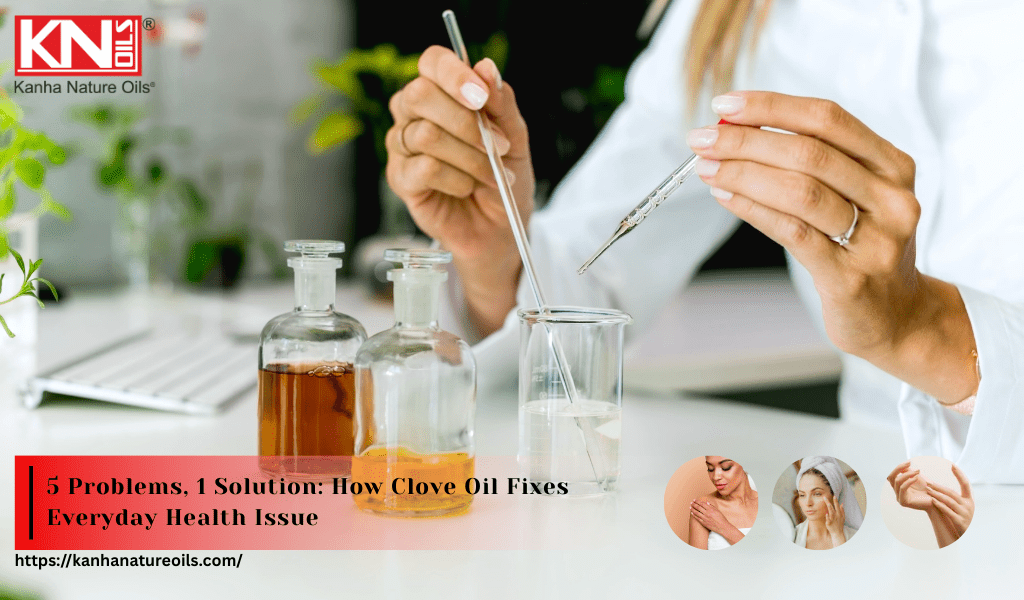
5 Problems, 1 Solution: How Clove Oil Fixes Everyday Health Issue     Clove oil has been considered one of nature’s most effective remedies for centuries. Clove Oil Fixes Everyday Health, Extracted from the dried flower buds of the clove tree (Syzygium aromaticum), this fragrant essential oil is widely known for its warm, spicy scent and powerful therapeutic b  enefits. In Ayurveda, traditional Chinese medicine, and natural healing practices around the world, clove oil has earned a special place due to its remarkable potency and wide range of uses. Packed with eugenol—its primary active compound—clove oil works as a natural antiseptic, analgesic, antimicrobial, anti-inflammatory, antifungal, and even antioxidant-rich elixir. What makes it truly unique is its versatility. Whether you are battling tooth pain, acne, low immunity, or digestion troubles, clove oil steps in as a simple, fast, and effective natural solution. In this complete guide, Kanha Nature Oils will explore five common everyday health problems and explain how one simple solution—clove oil—can help treat them naturally. You’ll learn how it works, why it works, how to use it safely, and the best practices for maximum results. Clove Essential Oil: Benefits and How to Use Clove essential oil offers powerful benefits for oral care, immunity, skin support, and wellness; explore how to use it safely with simple, effective daily methods.   1. Toothache & Oral Health Issues   Clove oil contains the active ingredient Eugenol. It is a natural remedy and acts as a pain killer as it helps numb and reduces the pain to ease a toothache. The latest study suggested the effect of clove oil on toothache by testing 10 natural plant products to see how effective they were against organisms that cause these oral issues. Out of all these 10 products, clove oil was observed to be the most effective. USE– To use it for a toothache, dip a clean tissue, cotton swab, or cotton ball into the oil and wipe it over the gums where you feel the pain. This will help you reduce toothache. Similarly, you can also choose whole cloves instead. All you have to do is to place the clove on the area of the pain for several minutes. But there are a few side effects as well for using cloves and clove oil for toothache. Like they can cause damage to gums and tooth pulp especially in the cases of children. Consuming clove oil can be dangerous for children and may lead to seizures, liver damage, and fluid imbalances. Similarly, the use of cloves on the defective area can cause sensitivity and irritation, as well as damage to the dental tissues. It is said to be safer among adults. But clove and clove oil should always be used with full prescription and care or it can actually worsen the condition if the oil reaches your gum tissue or the tongue. Secondly, if the toothache doesn’t get better within a couple of days, then you should definitely make an appointment to see a dentist. If it is left undiagnosed, it may get worse.   2. Respiratory Conditions Treating COUGH & COLD– If you have a cough, take a clump of organic honey and mix it with some clove oil. Consume this mixture before going to bed. This mixture helps to ease the painful and erratic cough common in people suffering from Bronchitis. You can also simply take a piece of clove and burn it over a flame. Once cooled down after burning, chew the clove. It will give you relief from a severe cough. These remedies with clove and clove oil are good for those who suffer from constant cough. If you have asthma, boil 3-4 cloves of garlic in half a cup of milk. Allow it to cool at room temperature and then drink it. It helps in clearing the blockage in the lungs during the early stages of asthma. If you don’t want to consume clove oil as a remedy for asthma, you can simply mix 2 to 3 drops of clove oil in a bit of any carrier oil. Then spread the mixture of oil on your chest and inhale the fragrance for around 15 to 20 minutes. After that just clean the mixture off your chest. Repeat this procedure daily until you get some relaxation.   3. Digestion For better digestion, it is essential to increase the production of saliva. For that, simply add a few drops of clove oil to hot water or you can also chew the cloves. It is quite preferable to add clove oil as you may not like the taste of chewing the cloves. Drinking clove water every morning can help you boost your immune system and guard against infections and flu. This is because clove water is an amazing source of healthy vitamins and minerals, manganese, vitamin k, vitamin c, calcium, and magnesium which can nurture your health and immunity. It is generally recommended not to consume clove oil in large amounts as it might cause a burning sensation. USE– Clove oil in tea is also a great way to consume it. For making clove tea, simply add a few drops while making your tea. For making proper clove tea, grind 1 tablespoon of whole cloves and add it to water in a pan. Then let it boil for around 3-4 minutes. After boiling, simply strain it and your tea is ready to be served. If you want to sweeten it a bit, you can also add a teaspoon of honey. But make sure that you don’t drink more than one cup of tea as it is quite strong. Anyway, the excess of anything is bad and can harm your health. But as mentioned previously as well, if you are undergoing any medical treatment, then make sure you consult your doctor before adding clove tea to your routine. The best time to enjoy the tea is in the morning though consuming it at night also has a few benefits. It can help you cure stomach

Scroll to Top