Best Essential Oils for Hyperpigmentation and Glowing Skin In the world of natural beauty and skincare, essential oils have carved out a special place for themselves—and for good reason. Packed with powerful plant compounds, these concentrated oils are known for their therapeutic and skin-enhancing benefits. One of the most common skin concerns people turn to essential oils for is hyperpigmentation, a condition that causes dark spots, uneven skin tone, and dull-looking patches. Whether triggered by sun exposure, acne scars, hormonal changes, or aging, hyperpigmentation can affect confidence and overall skin appearance. The good news? When used correctly and combined with a consistent skincare routine, essential oils can help fade pigmentation, brighten the complexion, and restore natural glow. In this guide, Kanha Nature Oils explores the best essential oils for hyperpigmentation and glowing skin, explaining how they work, how to use them safely, and expert tips to achieve visible, long-lasting results—naturally. What Is Hyperpigmentation? Hyperpigmentation is a common skin concern where patches of skin become darker than the surrounding area due to excess melanin — the pigment responsible for skin color. This may result from sun exposure, hormonal changes, acne scarring, or aging. Although not harmful, it can affect self-confidence and becomes noticeable especially on the face, hands, and neck. Top Essential Oils for Hyperpigmentation and Radiant Skin Here are the top botanical oils proven by tradition and emerging research to support pigmentation and radiance: 1. Tea Tree Essential Oil For Hyperpigmentation Tea tree essential oil improves the hyperpigmentation of this skin texture. Tea tree essential oil declines the growth of promoting an uneven skin color. Tea tree essential oil is known for its anti-inflammatory properties in it. For its usage, you must mix tea tree essential oil with any carrier oil of your choice, e.g., coconut oil, almond oil, etc. Apply the mixture to the affected areas for hyperpigmentation. Please wait a while and use tea tree essential oil twice daily for the best results. 2. Frankincense Essential Oil For Hyperpigmentation Frankincense essential oil is also one of the essential oils that not only smoothes out the aura because of its fragrance but also helps to cure hyperpigmentation. Do a patch test before use! When mixed with any regular oil, such as almond oil, coconut oil, mustard oil, etc., it can be applied to the areas of hyperpigmentation. Frankincense essential oil also has anti-inflammatory effects on the skin. 3. Geranium Essential Oil For Hyperpigmentation Geranium essential oil is an influential oil that balances the skin’s posture by making it glow. Merge a few drops of geranium essential oil with any regular oil of your choice and apply the same to the hyperpigmented skin areas. Geranium essential oil is also used to treat hyperpigmentation. Geranium is a flowering plant that is present in South Africa. Geranium essential oil is made with the help of its leaves and stems. Use geranium essential oil twice a day for best results. 4. Lavender Essential Oil For Hyperpigmentation Lavender essential oil is known for its fragrance, color, and the lavender plant. Lavender essential oil also has skin-rejuvenating effects that treat hyperpigmentation. Make sure to consult a dermatologist if any irritation or redness occurs. Lavender essential oil is extracted from lavender, which is used to heal the skin-affected areas and to make it a soothing finish. Mix a few drops of the essential oil with any carrier oil, e.g., jojoba oil, olive oil, etc, and apply the same to the hyperpigmented skin parts. 5. Lemon Essential Oil For Hyperpigmentation Lemon contains vitamin C, crucial for enhancing the skin’s brightness. Therefore, lemon essential oil is the best choice for treating hyperpigmentation. Vitamin C helps diminish dark spots and promotes even skin cells. When mixed with any regular oil, e.g., olive oil or coconut oil, it delivers a very citrus fragrance that is delightful for the skin’s radiance. Apply the mixture to the hyperpigmented spots and wait for the results after a month. 6. Peppermint Essential Oil For Hyperpigmentation Peppermint is mainly used for its cooling sensation and pleasant aura. Peppermint is also used as an essential oil for curing hyperpigmentation. Peppermint essential oil helps in easing skin itch, if any. It is also one of the essential oils for treating hyperpigmented areas, but it is not generally preferred for hyperpigmentation. Do a patch test before consistently using them, and consult a dermatologist before using them on sensitive or hyperpigmented skin. 7. Rosemary Essential Oil For Hyperpigmentation Rosemary essential oil contains anti-inflammatory and antioxidant properties that protect the skin from getting uneven and dull. Merge a few drops of rosemary essential oil with any carrier oil, e.g., olive oil, coconut oil, jojoba oil, etc. Rosemary is also one of the flowers that extract its essential oil for treating skin hyperpigmentation. Rosemary essential oil helps regenerate the skin through its consistent use. For best and quick results, use rosemary essential oil twice a day. 8. Turmeric Root Essential Oil For Hyperpigmentation Turmeric is a spice you can easily get in your pantry; people even use it on wounds to protect the skin from getting damaged. It also has anti-inflammatory and antioxidant properties that renew the skin’s surface and produce sebum. Incorporate a few drops of turmeric root essential oil with the regular oil as per choice and spread it on the affected areas of uneven and dark spots that cause hyperpigmentation. Always consult your dermatologist before using it consistently! 9. Oregano Essential Oil For Hyperpigmentation You might think oregano is a herb and spice used in food for a taste. Most people prefer other essential oils for treating dark spots and uneven skin tone, as it is not widely acknowledged. Indeed, yes, but oregano is also an essential oil that helps treat hyperpigmentation. Oregano essential oil has antimicrobial properties that might cause skin irritation on sensitive and delicate skin. 10. Sandalwood Essential Oil For Hyperpigmentation Most people use sandalwood face masks and rose water to brighten their skin.
Blog
Best Oils for Baby Massage in Winter: A Parent’s Complete Guide. Baby massage is more than a soothing ritual; it is a powerful way to bond with your little one, support healthy development, and promote better sleep. In winter, it becomes even more important. Cold, dry air can make a baby’s delicate skin rough, flaky, and uncomfortable. Choosing the Best Oils for Baby Massage in Winter helps deeply nourish sensitive skin, lock in moisture, and protect against dryness. The right massage oil not only keeps your baby’s skin soft and healthy but also helps maintain warmth, comfort, and relaxation during the colder months. In this comprehensive guide, Kanha Nature Oils explains why choosing the right oil is important in winter, which are the best oils you can use, and how to choose the right oil for your baby, and provides safe and practical tips for giving massages during the winter months. Key Factors to Consider Before Choosing an Oil Before we list the best winter oils, run through this quick checklist: Your baby’s age Newborns (0–3 months) have extremely delicate skin; many pediatricians advise minimal products or very mild, fragrance-free oils. Older infants often tolerate a wider range of oils, but you should still introduce any new oil slowly. Skin type and concerns Normal skin: Most gentle, cold-pressed oils work well. Dry skin: Choose thicker, more occlusive oils that lock in moisture. Sensitive or eczema-prone skin: Go for hypoallergenic, dermatologist-tested, and fragrance-free products. Avoid strong essential oils. Weather and room conditions Very cold and dry climate: Richer oils, possibly in combination with a gentle moisturizer, can help. Mild winter: Lighter yet nourishing oils may be sufficient. Purity and processing Prefer cold-pressed, unrefined oils or reputable baby massage oils from trusted brands. Avoid mineral oil with added fragrance, harsh chemicals, or strong perfumes. Family history of allergies If your family has a history of nut or seed allergies, speak with your pediatrician before using nut-based oils like almond. With these basics in mind, let’s look at the best oils for winter baby massage and how each one can help. Best Oils for Baby Massage in Winter 1. Coconut Oil Coconut oil is a popular choice in many Indian households—and with good reason. In winter, cold-pressed, virgin coconut oil can be an excellent option if used correctly. Rich in healthy fatty acids, it helps nourish the skin and lock in moisture. However, because coconut oil tends to solidify in cold weather, it’s best slightly warmed before use. When applied gently, it supports skin barrier repair, soothes dryness, and leaves the skin soft, smooth, and well-hydrated even during colder months. 2. Sweet Almond Oil Sweet almond oil is a time-honoured choice for baby massage, particularly in North India where winters can be dry and chilly. Rich in vitamin E and essential fatty acids, it deeply nourishes delicate skin, helping to prevent dryness and flakiness. Its light texture allows easy absorption without clogging pores, making it gentle for daily use. Traditionally trusted by families, sweet almond oil also supports healthy skin barrier development and leaves the baby’s skin soft, smooth, and comfortably moisturised throughout cooler months. 3. Sesame Oil Sesame oil has a long-standing place in Ayurvedic baby care, especially during colder seasons. Known for its warming (ushna) nature, sesame oil helps maintain body heat, protect delicate skin, and prevent dryness caused by cold weather. Rich in essential fatty acids and antioxidants, it deeply nourishes the skin and supports healthy circulation when used for gentle baby massage. Ayurveda traditionally recommends sesame oil in winter to promote comfort, strength, and overall well-being in infants. 4. Olive Oil Olive oil is widely available and commonly used for both adult skincare and everyday cooking. Because of its natural origin and moisturizing properties, many parents also choose olive oil for baby massage. It is rich in healthy fats and antioxidants that can help soften and nourish the skin. Its familiar presence in most households makes it a convenient and trusted option for gently massaging babies, especially during colder months. 5. Avocado Oil Avocado oil has a naturally thick, rich texture that makes it exceptionally nourishing for dry and delicate skin. It is especially beneficial for targeting rough or dry areas such as knees, elbows, heels, or small patches of irritation where extra moisture is needed. However, because of its heavier consistency, some parents may find it less suitable for full-body baby massage, particularly if they prefer a lighter, fast-absorbing oil. 6. Jojoba Oil Jojoba oil is technically a liquid wax rather than a true oil, but its molecular structure closely resembles the natural sebum produced by human skin. Because of this similarity, it absorbs easily and helps support the skin’s natural barrier without clogging pores. Jojoba is exceptionally gentle, lightweight, and non-greasy, and it rarely causes irritation or allergic reactions. These qualities make it an excellent and trusted choice for baby massage, especially for babies with sensitive or delicate skin. How to Choose the Right Oil for YOUR Baby in Winter Since every baby is unique, the “best” oil is the one that suits your baby’s skin and your climate. Use this simple decision path: Start with safety and sensitivity. If your baby has eczema, rash, or very sensitive skin, prioritize dermatologist-tested baby oils or ask for a doctor’s recommendation. Match the thickness to the climate. Very cold and dry: Sesame oil, sweet almond oil, or thicker baby oil blends. Mild winter or fairly humid: Coconut oil or lighter blends may be enough. Consider family allergies and traditions. Nut allergies: Avoid almond oil without medical advice. If your family traditionally uses mustard oil, use a milder, more modern approach (diluted, small amounts, and under medical guidance). Always patch test. Apply a small amount on the baby’s inner forearm or thigh. Wait 24 hours and watch for redness, bumps, or irritation. If all is well, you can gradually begin full-body massage. Practical Tips for Safe Winter Baby Massage Choosing a good oil is only half the story. How
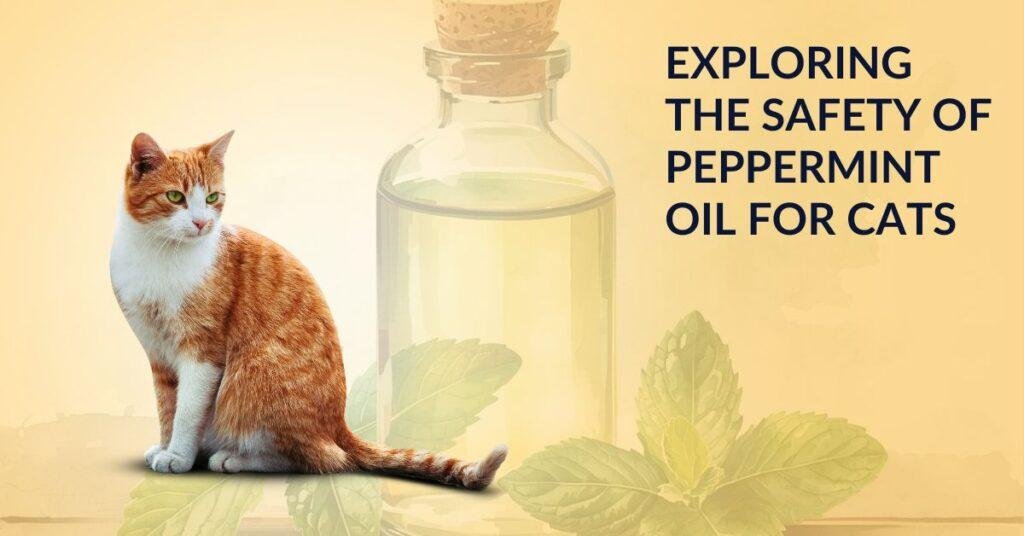
Introduction As pet owners, we often seek natural solutions to address various health and wellness concerns for our beloved feline companions. One essential oil that has gained attention for its potential benefits is peppermint oil. However, when it comes to the use of essential oils around cats, it’s crucial to exercise caution and understand the potential risks. In this blog, we’ll delve into the safety considerations surrounding the use of peppermint oil for cats, providing you with the information you need to make informed decisions. The Potential Risks of Peppermint Oil for Cats Cats are particularly sensitive to essential oils, including peppermint oil, due to their unique physiology and the way they metabolize these compounds. Here are some of the potential dangers associated with exposing cats to peppermint oil: Toxicity: Peppermint oil contains compounds like menthol and pulegone, which can be toxic to cats if ingested or absorbed through the skin. Ingestion can lead to symptoms like vomiting, diarrhea, lethargy, and even liver damage. Respiratory Distress: The strong aroma of peppermint oil can irritate a cat’s sensitive respiratory system, potentially causing coughing, sneezing, or even breathing difficulties. Skin Irritation: Direct application of peppermint oil to a cat’s skin can cause irritation, redness, and even chemical burns. Neurological Effects: Peppermint oil can have a stimulating effect on the central nervous system, which can be particularly problematic for cats, leading to tremors, seizures, or even neurological damage. Safer Alternatives for Cats Catnip: Catnip is a natural herb that many cats enjoy and can provide a safe, feline-friendly way to enrich their environment. Valerian Root: This herb has a calming effect on cats and can be used to help reduce stress or anxiety. Chamomile: Chamomile is a gentle, soothing herb that can be used to help calm and relax cats. Lavender: Lavender essential oil is generally considered safer for cats and can be used in diffusers or diluted with a carrier oil for topical application. Responsible Use of Peppermint Oil Around Cats If you must use peppermint oil in your home, it’s crucial to take the following precautions: Avoid Direct Contact: Never apply peppermint oil directly to your cat’s skin or fur, and keep the oil away from areas where your cat may lick or ingest it. Diffuse Cautiously: If using a diffuser, ensure the room is well-ventilated, and monitor your cat’s reaction closely. Discontinue use if your cat shows any signs of distress. Consult a Veterinarian: Before using any essential oil around your cat, it’s best to consult with a veterinarian, who can provide guidance on the safest approach and any potential contraindications. Conclusion While peppermint oil may offer potential benefits for humans, it’s generally not recommended for use around cats due to the potential risks. Instead, focus on providing your feline friend with safe, natural alternatives that can support their overall health and well-being. Remember, the safety and well-being of your cat should always be the top priority.
Citronella Essential Oil for Skin – Benefits & How to Use Natural skincare has taken center stage in recent years, and for good reason. People are turning away from harsh chemicals and embracing plant-based solutions that nourish the skin gently. One such natural gem is Citronella Essential Oil For Skin, a versatile oil known for its refreshing scent and impressive skincare benefits. Traditionally used as an insect repellent, citronella essential oil has quietly earned a place in holistic skincare routines. With its purifying, soothing, and protective properties, this oil offers much more than a pleasant aroma. From managing oily skin to supporting a youthful glow, citronella oil can be a valuable addition to your daily skincare ritual. In this detailed blog post, we’ll explore how citronella essential oil works on the skin, its top benefits, and how to use it safely and effectively. Whether you’re new to essential oils or already a fan, this guide will help you make informed and confident skincare choices. Citronella Essential Oil For Skin Citronella Essential Oil For Skin is gaining attention because it delivers multiple benefits without overwhelming the skin. Extracted from the leaves and stems of citronella grass, this essential oil has been used for generations in traditional wellness practices. What sets citronella apart is its ability to cleanse, refresh, and protect the skin while maintaining balance. Unlike heavy oils that clog pores, citronella oil feels light when properly diluted and works well for different skin types. Its natural properties support skin clarity, comfort, and resilience. As someone who has personally experimented with essential oils in daily skincare, citronella oil stands out for its versatility. When blended correctly, it feels refreshing and leaves the skin looking clean and energized, not greasy or irritated. What Is Citronella Essential Oil Citronella essential oil comes from tall, grassy plants called Cymbopogon—mainly Cymbopogon nardus and Cymbopogon winterianus—that love soaking up tropical sunshine in places like India, Sri Lanka, and Indonesia. The oil is collected through steam distillation, basically a fancy spa day for grass that locks in its natural goodness. The result is a pale yellow oil with a fresh, lemony aroma that smells like nature just took a deep breath. But don’t let its friendly scent fool you—citronella is strong stuff! Always dilute it before skin use, unless you enjoy surprise tingles. Chemical Composition of Citronella Oil Citronella oil contains natural compounds such as citronellal, geraniol, and citronellol. These elements contribute to its cleansing, soothing, and protective qualities. These compounds help maintain skin freshness while supporting the skin’s natural barrier. They also provide antioxidant support, which is essential for protecting the skin from daily environmental stressors like pollution and sun exposure. The balanced composition makes citronella essential oil suitable for skincare when used thoughtfully and in moderation. How Citronella Essential Oil Works on Skin When properly diluted, citronella oil is like your skin’s personal bodyguard—it swoops in to clean out pores, tame excess oil, and throw a tiny “no entry” sign at pesky environmental irritants. Its light, speedy-absorbing texture means goodbye to greasy, sticky skin—finally, something that doesn’t feel like a lotion wrestling match! Bonus points: the fresh, lemony scent gives your nose a mini spa day, making your skincare routine less “chore” and more “treat yourself.” Keep it up, and over time, your skin will start looking happier, calmer, and just a bit more Instagram-ready. Benefits of Citronella Essential Oil for Skin One of the biggest reasons people use citronella essential oil for skin is its wide range of benefits. It supports skin health in a natural and gentle way. Regular use can help maintain clearer skin, balanced oil levels, and a refreshed appearance. It also supports the skin’s ability to cope with daily exposure to dirt, sweat, and environmental pollutants. These benefits make citronella oil a smart option for those seeking simple, plant-based skincare solutions. Citronella Oil for Acne-Prone Skin Acne-prone skin can be like a drama queen—always producing extra oil and clogging pores! Enter citronella oil, the gentle peacemaker. It swoops in, helping to clean up the mess without turning your face into the Sahara. When used diluted, it keeps your skin looking clearer while still letting your natural glow shine through. No harsh scrubs or angry chemicals here—just a friendly plant doing its thing. Many users report feeling like their skin just sighed in relief, calmer, cleaner, and maybe even ready for a selfie or two. Citronella Essential Oil for Oily Skin Oily skin can feel like it has its own little oil factory—especially in hot, sticky weather. Enter citronella essential oil, the superhero your face didn’t know it needed. This zesty little oil helps keep your skin from shining like a freshly waxed car while balancing oil production. Mix a few drops with a friendly sidekick like jojoba or grapeseed oil, and voilà—your skin stays happy, fresh, and less “slippery-slidey.” Daily use can turn that greasy glow into a comfortable, matte finish, making you feel less like a fried snack and more like your fabulous self. Citronella Oil for Dry and Sensitive Skin Citronella oil isn’t just for keeping mosquitoes away—it can also give your skin some TLC, even if it’s on the dry or sensitive side. The trick? Don’t slather it on solo—mix it with friendly carrier oils like sweet almond or coconut, so your skin doesn’t feel like it’s in a sauna. This little blend soothes, hydrates, and keeps dryness-induced crankiness at bay. Just do a quick patch test first, because even oils have preferences. Used wisely, citronella oil can pamper your delicate skin without drama—think of it as a tiny, citrus-scented bodyguard for your epidermis. Anti-Aging Properties of Citronella Oil Citronella essential oil isn’t just for keeping mosquitoes away—it’s basically a tiny superhero for your skin. Packed with antioxidants, it battles those sneaky free radicals trying to age you like a forgotten avocado. While it won’t magically erase wrinkles overnight (sorry, fairy godmother), regular use can make your skin look fresher, firmer, and more vibrant—like it
Juniper Berry Essential Oil for Cellulite—Benefits & How to Use. Cellulite is something many people notice at some point in their lives. It appears as uneven or dimpled skin, often around the thighs, hips, and buttocks. While it is completely natural and harmless, many people look for gentle ways to improve the look and feel of their skin. This is where natural oils step in. In recent years, plant-based skincare has gained strong attention. People want simple, clean, and effective solutions without harsh chemicals. Essential oils have become popular because they support the skin while also offering calming and wellness benefits. One oil that stands out is juniper berry essential oil. Known for its cleansing and stimulating properties, it has been used for centuries in traditional wellness practices. Today, it is gaining attention for its role in skin massage and cellulite care. This article explains Juniper berry essential Oil For Cellulite – Benefits & How To Use in a clear, honest, and practical way so you can decide if it fits into your routine. Juniper Berry Essential Oil For Cellulite – Benefits & How To Use Juniper berry essential oil is extracted from the berries of the juniper plant. It has a fresh, woody scent and is often used in massage oils and skincare blends. When applied correctly, it supports circulation and helps the skin feel firmer and smoother. Cellulite forms when fat deposits push against connective tissue under the skin. Poor circulation, fluid retention, and lifestyle factors can make it more visible. Juniper berry oil does not remove cellulite overnight, but it supports the body’s natural processes when used regularly. The oil works best when combined with massage and healthy habits. Massage helps the oil absorb into the skin while stimulating blood flow. Over time, this combination can help improve skin texture and tone. Understanding how and why it works is the first step toward realistic and positive results. Understanding Cellulite Naturally Cellulite can appear on any body type and isn’t caused by weight alone. Factors like hormones, genetics, age, and poor circulation all contribute to its dimpled look. When the connective tissue beneath the skin weakens, fat cells push upward, creating an uneven texture. From a natural skincare perspective, boosting circulation and supporting the lymphatic system are essential. Fluid and toxin buildup can make skin look puffy and rough, so hydration, gentle massage, and plant-based oils are helpful. Natural remedies don’t offer overnight results, but with regular use, essential oils support healthier, smoother-looking skin over time. How Essential Oils Support Skin Health Essential oils are powerful plant extracts that work gently with the skin when properly diluted. Unlike thick creams, they absorb easily and are ideal for massage. In cellulite care, essential oils help warm the skin, boost blood circulation, and promote relaxation. Massage plays an important role by improving blood flow, encouraging lymphatic movement, and supporting skin elasticity over time. To use them safely, essential oils are blended with carrier oils like coconut, sweet almond, or jojoba oil. This combination helps nourish the skin, allows smooth application, and can gradually improve skin texture and firmness. What Is Juniper Berry Essential Oil Juniper berry essential oil is extracted from the small, dark berries of the juniper tree, a plant long valued in traditional wellness practices across Europe and Asia. For centuries, these berries were used for their cleansing and purifying qualities. The oil has a light, crisp, and refreshing aroma that feels naturally uplifting to the senses. It is widely used in massage, aromatherapy, and skincare blends. Known for supporting circulation and detox-focused routines, juniper berry oil is especially appreciated in skincare for refreshing the skin and encouraging natural renewal. It blends easily with other oils and fits well into simple home care rituals. How Juniper Berry Oil Works on Cellulite Juniper berry oil works on the skin by supporting healthy circulation and natural fluid movement. When gently massaged into areas affected by cellulite, it creates a mild warming sensation that helps boost blood flow. Better circulation allows more oxygen and nutrients to reach the skin, promoting a healthier appearance. Massage also encourages lymphatic drainage, which can help reduce excess fluid buildup that often makes cellulite more noticeable. Over time, this may lead to smoother-looking skin. Although juniper berry oil doesn’t remove cellulite completely, regular use can help improve skin texture, firmness, and overall tone in a natural, supportive way. Benefits of Juniper Berry Essential Oil for Cellulite Juniper berry essential oil offers several benefits when used as part of a regular routine. One of the main benefits is improved skin smoothness. With regular massage, the skin can feel firmer and more even. Another benefit is its refreshing and cleansing nature. Many people find that it helps the skin feel lighter and less tight. This is especially helpful for areas prone to fluid retention. The oil also supports relaxation. Stress can affect circulation and skin health. Using juniper berry oil during massage creates a calming routine that supports both skin and overall well-being. How To Use Juniper Berry Essential Oil Safely Essential oils are powerful, so they should always be diluted before applying to the skin. A safe and simple blend is a few drops of juniper berry essential oil mixed with one tablespoon of a carrier oil like coconut or almond oil. Apply this mixture to clean, dry skin and massage gently using slow, circular motions. Focus on areas where cellulite is visible, using upward strokes toward the heart to support circulation. For best results, use the oil once daily or a few times a week. Always perform a patch test first to ensure your skin reacts safely. Best Massage Techniques for Cellulite Massage does not need to be complicated. Use your hands or a massage tool. Apply firm but comfortable pressure. Circular motions help warm the skin. Long strokes help move fluids. Spend at least five to ten minutes on each area. Consistency matters more than pressure. A daily routine brings better results
Apricot Kernel Oil: The Master Oil for Soft, Radiant, & Healthy Skin In today’s world of fast beauty fixes and chemical-heavy skincare products, many people are rediscovering the power of nature. Among the most loved natural skincare ingredients, apricot carrier oil stands out as a gentle yet deeply nourishing oil that supports healthy, glowing skin. Extracted from the kernels of apricot fruits, this lightweight oil has been used for centuries in traditional beauty rituals across Asia, the Middle East, and Europe. Apricot carrier oil is especially valued for its ability to moisturize without feeling greasy, making it suitable for nearly all skin types. Rich in essential fatty acids and skin-loving nutrients, it helps improve skin texture, supports the skin barrier, and enhances natural radiance. Even more impressively, apricot oil is known to be non-comedogenic, meaning it does not clog pores, making it a popular choice for sensitive, dry, and acne-prone skin alike. This blog explores the benefits, uses, and science behind apricot carrier oil, focusing on why it is considered an excellent natural moisturizer and how it supports skin conditions such as eczema and psoriasis. What Is Apricot Carrier Oil? Apricot carrier oil comes from the kernels found inside apricot seeds. These kernels are gently pressed to release a golden, lightweight oil that feels soft on the skin. Unlike essential oils, carrier oils can be used directly on the skin without dilution. What makes apricot carrier oil stand out is its balance. It is rich enough to moisturize deeply but light enough to avoid a greasy feel. This balance allows it to work well for both dry and oily skin types. Its mild scent and smooth texture also make it ideal for people with sensitive skin. Because it closely resembles the skin’s natural oils, apricot carrier oil blends easily into skincare routines. It can be used alone or mixed with other natural ingredients for enhanced benefits. How Apricot Carrier Oil Works on Skin Apricot carrier oil absorbs quickly into the skin. Instead of sitting on the surface, it penetrates the upper layers, delivering moisture where it is needed most. This makes it effective for treating dryness and flakiness. The oil helps strengthen the skin barrier, which reduces moisture loss. A strong barrier also protects against irritants and allergens. Over time, regular use can make the skin feel softer, smoother, and more resilient. Because it works in harmony with the skin’s natural oils, apricot oil supports long-term skin health rather than offering only short-term relief. Apricot Carrier Oil for Sensitive Skin Sensitive skin needs extra care, and apricot carrier oil provides that care without irritation. It is free from harsh chemicals and synthetic additives that can trigger reactions. Its calming properties help reduce redness and itching. This makes it suitable for people who struggle with sensitivity caused by environmental factors or skincare products. Because it is so gentle, apricot oil is often used in baby skincare products as well. Apricot Oil and Psoriasis Support Psoriasis leads to thick, scaly patches of skin that can feel tight and painful. Apricot carrier oil helps soften these patches and reduce dryness. Its anti-inflammatory properties help calm redness and irritation. Regular moisturizing with apricot oil may improve comfort and skin flexibility. When used consistently, it can support healthier skin alongside medical treatments. Non-Comedogenic Nature of Apricot Oil One of the biggest advantages of apricot carrier oil is that it does not clog pores. This means it is non-comedogenic and safe for acne-prone skin. Clogged pores often lead to breakouts, blackheads, and irritation. Apricot oil absorbs easily and does not leave a heavy residue, reducing the risk of congestion. This quality makes it suitable for facial use, even for people who usually avoid oils. Apricot Carrier Oil for Acne-Prone Skin Acne-prone skin still needs moisture. When the skin becomes too dry, it may produce more oil, leading to breakouts. Apricot carrier oil helps balance this process. By providing light hydration, it prevents excessive oil production. Its soothing nature also helps calm inflamed pimples and redness. Used correctly, apricot oil can be a gentle addition to an acne-friendly skincare routine. Anti-Aging Benefits of Apricot Oil As skin ages, it loses elasticity and moisture. Apricot carrier oil helps address these changes naturally. Vitamin E in the oil helps protect against free radical damage, which contributes to premature aging. Regular use can reduce the appearance of fine lines and improve skin smoothness. The oil also supports collagen health, helping the skin maintain a youthful appearance. How to Use Apricot Carrier Oil Daily Apricot carrier oil can be used in many ways. It can be applied directly to clean skin as a moisturizer. A few drops are usually enough. It can also be mixed with creams or lotions to boost hydration. Some people use it as a gentle makeup remover or massage oil. For best results, apply it to slightly damp skin to lock in moisture. Benefits for Soft and Radiant Skin Soft skin is healthy skin. Apricot carrier oil helps improve skin texture by smoothing rough areas and reducing flakiness. With continued use, the skin begins to reflect light more evenly, creating a natural glow. The oil also supports circulation when gently massaged into the skin. Better circulation means improved oxygen delivery, which contributes to a brighter complexion. People who use apricot oil often notice that their skin feels more balanced and comfortable throughout the day. Apricot Oil in Skincare Products Many natural skincare products include apricot carrier oil as a key ingredient. It is commonly found in facial serums, body lotions, and lip balms. Its mild nature makes it easy to blend with other ingredients. This allows it to enhance the effectiveness of skincare formulations. Choosing products with apricot oil can provide consistent benefits without irritation. Apricot Carrier Oil for All Skin Types Apricot carrier oil is versatile enough for all skin types. Dry skin benefits from its deep hydration, while oily skin enjoys its lightweight feel. Combination skin can also benefit, as the oil
Top 7 Carrier Oils Proven to Boost Hair Growth Naturally Thick, shiny, and healthy hair has always been considered a sign of beauty and vitality across cultures. Unfortunately, in today’s world, hair loss, thinning, and scalp issues have become increasingly common due to stress, pollution, chemical-based hair products, and nutritional deficiencies. While there are countless products on the market promising quick fixes, many people are turning back to nature for safe, effective, and sustainable hair care solutions. One of the most trusted natural remedies includes using Top 7 Carrier Oils Proven to Boost Hair Growth, as they not only nourish the scalp but also strengthen hair follicles, improve circulation, and restore overall hair health. Carrier oils, often derived from seeds, nuts, and kernels, have gained immense popularity for their ability to nourish the scalp, strengthen hair follicles, and promote hair growth naturally. Unlike essential oils, which are highly concentrated, carrier oils are mild and safe to use directly on the scalp or when blended with other oils. They are packed with vitamins, fatty acids, and antioxidants that repair damage, improve circulation, and create the perfect environment for healthy hair growth. In this blog, Kanha Nature Oils we’ll explore the top 7 carrier oils proven to boost hair growth naturally, their unique benefits, and how you can use them effectively in your hair care routine. The top 7 carrier oils proven to boost hair growth naturally There are many carrier oils that are known to be the best carrier oil for hair growth. But remember that everyone’s experience can be different. Think about your hair type and any allergies you have when picking an oil for hair growth. Daily use of that is the best thing for hair growth. Here are a few list of carrier oils: Here are some oils that can be good for best hair regrowth for men and women: 1. Coconut Oil People like using coconut oil for hair because it can get into your hair and stop it from losing important stuff. It’s got good things called fatty acids that can make your hair strong and healthy. But be careful, because if you don’t wash it out well, it might feel heavy and sticky. 2. Castor Oil Some folks suggest castor oil for hair growth because it has something called ricinoleic acid. This acid might help your hair grow by sending more blood to your scalp and giving it important stuff. Castor oil is thick and sticky, so people mix it with other oils or lighter stuff. 3. Jojoba Oil Jojoba oil is like the oils your scalp makes. It can help keep the right amount of oil on your head, moisturize your scalp, and make your hair grow better. It also stops your scalp from being too red and irritated. 4. Argan Oil Argan oil has lots of good things like vitamin E and fatty stuff. This can make your hair feel better, strong, and maybe stop it from breaking too much. It’s also good for dry and damaged hair. 5. Rose Hip Oil Sometimes people add rose hip oil to other oils like jojoba or coconut oil. This can help your hair grow by making your scalp better and your hair places wake up. 6. Olive Oil Olive oil is like a friend to your hair. It can give your hair important stuff and make it strong. If your hair is dry or damaged, olive oil can help. 7. Sweet Almond Oil Sweet almond oil is full of good stuff like vitamin E. It’s light, so it won’t make your hair heavy. It can make your hair feel nice and soft. For more information, contact us. We are a natural carrier oil manufacturer based in India. We can provide you with the best hair oils for hair growth. How Carrier Oils Boost Hair Growth (Scientifically Explained) Understanding how these oils work helps you choose the right one: 1. Deep Conditioning Carrier oils penetrate the hair shaft, reducing protein loss that leads to breakage. Stronger hair holds onto length longer, which appears as faster growth. 2. Scalp Nourishment Hair grows from the follicle, not the strand. Oils improve blood circulation and supply the follicles with essential nutrients, creating a better environment for growth. 3. Sebum Regulation Some oils like jojoba mimic natural sebum, balancing oil levels. A healthy scalp without excessive dryness or oiliness reduces hair fall from irritation. 4. Damage Protection Antioxidants (like vitamin E) help protect hair from environmental stressors such as UV rays and pollution—both of which can weaken hair and slow growth. Tips for Using Carrier Oils for Hair Growth Consistency is key: Regular application (2–3 times a week) yields the best results. Massage for circulation: Always massage oils into the scalp to stimulate blood flow. Combine with essential oils: Pair with oils like rosemary, peppermint, or lavender for enhanced benefits. Patch test first: To avoid allergic reactions, always test on a small area before applying. Healthy lifestyle: Oils work best when combined with a balanced diet, hydration, and stress management. Conclusion Nature has gifted us with powerful carrier oils that can transform hair care routines. Whether you struggle with thinning hair, dryness, or slow growth, oils like coconut, castor, jojoba, argan, olive, grapeseed, and almond can restore health and vitality to your hair naturally. By incorporating these oils into your regular hair care regimen, you not only stimulate growth but also nurture your scalp and strands with essential nutrients. Remember, patience and consistency are vital—natural remedies may not give overnight results, but with time, you’ll notice stronger, healthier, and more beautiful hair. ESSENTIAL OILS IN AROMATHERAPY You May Also Like: Rosemary Oil Recipe for Hair Growth: A Complete Guide to Hair Pistachios oil for Skin and Hair: Natural Beauty Benefits of This Nut Oils For Straightening Hair—Choose Your Best Natural Oils Kanha Nature Oils For more information contact: info@aromatherapyoil.in Mobile Number: 9810805866
Best Carrier Oils for Winter Face: Keep Your Skin Soft & Hydrated Winter can be harsh on facial skin. Cold winds, low humidity, and indoor heating quietly steal moisture from your face, leaving it dry, tight, and flaky. Many people notice redness, rough patches, or dull skin during colder months. If you’ve ever felt your regular moisturizer just isn’t enough in winter, you’re not alone. This is where the Best Carrier Oils for Winter Face can make a real difference, helping to deeply nourish the skin, lock in moisture, and restore a healthy, natural glow even in the coldest weather. This is where carrier oils come in. These natural oils have been used for centuries to protect skin from dryness and environmental stress. Unlike heavy creams filled with chemicals, carrier oils work with your skin’s natural barrier to lock in moisture and restore softness. In this blog post, Kanha Nature Oils will discuss the best carrier oils for your face in winter: how to keep your skin soft and hydrated, why they work so well, and how to use them correctly. By the end, you’ll have a clear, easy winter skincare plan that looks and feels great and actually works. Understanding Carrier Oils Carrier oils are natural plant-based oils extracted from seeds, nuts, or fruits. They are called “carrier” oils because they carry nutrients deep into the skin. Unlike essential oils, they are gentle, non-irritating, and safe to apply directly on the face. What makes carrier oils special is their rich content of fatty acids, vitamins, and antioxidants. These elements help strengthen the skin barrier, which is the skin’s first line of defense against cold air and moisture loss. During winter, your skin produces less natural oil. Carrier oils step in to replace that lost moisture and protect your skin from cracking or peeling. They don’t just sit on the surface; they nourish skin from within. Best Carrier Oils for Winter Face: Keep Your Skin Soft & Hydrated Choosing the right oil can feel confusing because there are so many options. The oils listed below are carefully selected based on hydration level, skin compatibility, and winter performance. Each oil on this list helps protect your skin barrier, seal in moisture, and restore softness without clogging pores. These oils suit different skin types, so there’s something for everyone. Let’s explore them one by one. 1. Jojoba Oil for Winter Face Care Jojoba oil is one of the best carrier oils for winter because it closely matches your skin’s natural oil. This makes it easy for your skin to absorb without feeling greasy. It helps balance oil production, which is useful if your skin becomes dry but still breaks out during winter. Jojoba oil forms a light protective layer that locks in moisture and shields your skin from cold air. It also contains vitamin E, which supports skin repair and reduces dryness. People with sensitive skin often prefer jojoba oil because it’s gentle and calming. 2. Almond Oil for Soft Winter Skin Almond oil is rich in vitamins A, E, and omega fatty acids. These nutrients help soothe dry, itchy skin and improve skin texture. In winter, almond oil works well as a nighttime facial oil. It deeply moisturizes and leaves your skin feeling soft by morning. It’s especially helpful for flaky areas around the nose and cheeks. This oil is lightweight but nourishing, making it ideal for normal to dry skin types. With regular use, it helps restore a healthy glow even in cold weather. 3. Argan Oil for Dry Winter Face Often called “liquid gold,” Argan oil is a powerful winter skin protector. It’s packed with antioxidants and essential fatty acids that repair damaged skin. Argan oil strengthens the skin barrier, helping prevent moisture loss caused by cold winds. It absorbs quickly and doesn’t leave a heavy residue, making it suitable for daytime use. If your face feels rough, dull, or irritated in winter, argan oil can help bring back softness and smoothness. 4. Rosehip Oil for Winter Glow Rosehip oil is well known for its skin-renewing properties. It contains natural vitamin A and vitamin C, which help brighten dull winter skin. This oil helps improve uneven texture, fine lines, and dryness. It’s especially beneficial during winter when skin renewal slows down. Rosehip oil works best at night, allowing your skin to repair itself while you sleep. Over time, it supports a healthy, radiant complexion even during colder months. 5. Avocado Oil for Deep Winter Moisture Avocado oil is thick, rich, and deeply nourishing. It’s ideal for very dry or mature skin during winter. This oil contains healthy fats that penetrate deep into the skin, providing long-lasting hydration. It also helps calm irritated skin caused by harsh weather. If your skin feels tight or cracked in winter, avocado oil can offer deep comfort and protection. 6. Coconut Oil for Winter Skin Protection Coconut oil is a strong moisture-sealing oil. It works best for very dry skin and cold climates. It forms a protective barrier that prevents moisture loss. However, it can be heavy, so it’s best used sparingly or as a night treatment. For best results, apply coconut oil to damp skin to lock in hydration. How to Choose the Right Carrier Oil Choosing the right oil depends on your skin type. Dry skin: Avocado, almond, argan Oily skin: Jojoba, grapeseed Sensitive skin: Jojoba, almond Mature skin: Rosehip, avocado Testing a small amount first helps avoid irritation. Your skin will tell you what works best. How to Use Carrier Oils on Face Apply carrier oil after cleansing while your skin is still slightly damp. Use 2–3 drops and gently press into the skin. You can use oils alone or layer them over a light moisturizer. At night, oils help repair and restore skin while you sleep. Consistency is key for visible results. Common Mistakes to Avoid Using too much oil Applying on dry skin Choosing the wrong oil for your skin type Skipping sunscreen during the day Small