
Rosehip Oil for Glowing Skin: A Complete Skincare Guide Dandruff is one of the most common scalp concerns experienced by people of all ages. It’s itchy, flaky, and often stubborn—causing frustration no matter how many products you try. But what if a natural, nourishing solution from nature could help combat dandruff while promoting healthier hair growth? Enter papaya seed oil—a lesser-known oil with potent properties that can transform your hair care routine. In this comprehensive guide, we’ll explore everything you need to know about papaya seed oil: what it is, how it works, its benefits, how to use it for dandruff-free hair, scientific insights, safety considerations, and expert tips. By the end of this post, you’ll have a complete understanding of why papaya seed oil deserves a place in your hair care arsenal. 1. What Is Papaya Seed Oil? Papaya (Carica papaya) is a tropical fruit known for its sweet taste and abundant nutrients. While most people use the fruit’s flesh for consumption and skin care, the seeds—often discarded—contain a powerful and oil-rich essence that has been used in traditional remedies for centuries. Papaya seed oil is extracted from the black seeds found inside the fruit. It’s packed with vitamins, fatty acids, enzymes, and antioxidants that nourish both scalp and hair. The oil is typically golden to amber in color, with a mild earthy scent. 2. Why Papaya Seed Oil Works for Hair and Scalp Papaya seed oil isn’t just another trendy ingredient. Its effectiveness comes from a unique combination of biochemical compounds: Rich in Fatty Acids Papaya seed oil contains beneficial fatty acids like: Oleic acid — deeply hydrates and nourishes hair. Palmitic acid — strengthens the hair shaft. Linoleic acid — balances scalp lipids and supports overall scalp health. These fatty acids help restore moisture, reinforce hair structure, and reduce dryness—the root cause of flaking and irritation. Enzymes and Antioxidants Papaya seeds contain enzymes similar to papain, which can help break down dead skin cells and reduce build-up on the scalp. Antioxidants in the oil protect hair follicles from environmental stressors, promoting stronger, healthier hair growth. Antimicrobial and Anti-Inflammatory Properties Dandruff is often linked with yeast overgrowth (like Malassezia) and scalp inflammation. The natural antimicrobial compounds in papaya seed oil can help: Reduce microbial imbalance on the scalp. Calm irritation and itching. Maintain a healthier microbial environment. 3. Understanding Dandruff: A Quick Overview Before we dive deeper into papaya seed oil’s benefits, it’s important to understand what dandruff is and why it happens. What Causes Dandruff? Dandruff results from excessive shedding of dead skin cells from the scalp. Common contributing factors include: Dry scalp Oily scalp (seborrheic dermatitis) Yeast imbalance Infrequent shampooing Sensitivity to hair products Stress Diet Seasonal changes Symptoms of Dandruff White or yellow flakes visible on hair and clothing Itchy scalp Tight or dry scalp Redness or inflammation in severe cases Traditional treatments often include medicated shampoos containing zinc pyrithione, ketoconazole, or salicylic acid. However, natural remedies like papaya seed oil can work gently to restore balance without harsh chemicals. 4. The Benefits of Papaya Seed Oil for Hair Now that we understand the basics of dandruff, let’s explore how papaya seed oil helps tackle this issue and promotes overall hair health. 1. Helps Remove Scalp Flakes Papaya seed oil’s enzymes and fatty acids help loosen dead skin cells and reduce scalp build-up. This makes it easier to wash away flakes without stripping the natural oils from your scalp. 2. Moisturizes Dry Scalp Dry scalp is a major trigger for dandruff. Papaya seed oil deeply moisturizes both the hair and scalp, reducing dryness and soothing irritation. 3. Regulates Sebum Production An imbalanced scalp can produce either too much or too little sebum. The fatty acid profile of papaya seed oil helps balance sebum levels, reducing flakiness caused by both dryness and oiliness. 4. Strengthens Hair Roots The nutrients in papaya seed oil nourish hair follicles, promoting stronger roots and reducing hair breakage—a common problem linked to dry or flaky scalps. 5. Protects Against Environmental Damage Antioxidants help protect hair and scalp from harmful environmental stressors like UV radiation, pollution, and free radicals. 6. Enhances Shine and Texture Regular use can improve hair texture, making it softer, smoother, and shinier. The oil also helps seal the hair cuticle, reducing frizz and enhancing overall appearance. 5. How to Use Papaya Seed Oil for Dandruff-Free Hair Papaya seed oil can be used in various ways, depending on your needs. Below are some effective methods you can try. A. Direct Scalp Massage How to do it: Warm 1–2 tablespoons of papaya seed oil (adjust based on hair length). Part your hair into sections. Apply the warm oil directly to your scalp. Gently massage in circular motions for 5–10 minutes. Leave it on for at least 30 minutes (or overnight for deeper nourishment). Wash with your regular shampoo. Benefits: Improves blood circulation. Helps oil penetrate hair follicles. Relieves itchiness and dryness. B. Papaya Seed Oil + Carrier Oil Blend If papaya seed oil feels too rich on its own or if your scalp is sensitive, you can dilute it with lighter carrier oils like coconut, jojoba, or argan oil. Suggested blend: 2 tbsp papaya seed oil 2 tbsp coconut oil (or jojoba/argan) Mix well and apply to the scalp. Follow the same steps as above. C. Pre-Shampoo Treatment Apply papaya seed oil 30 minutes before shampooing. This pre-wash treatment helps soften and loosen flakes, making them easier to rinse away. Pro tip: Use a mild, sulfate-free shampoo afterward to avoid over-stripping natural oils. D. Scalp Serum You can create a daily scalp serum for mild dandruff. Ingredients: 1 part papaya seed oil 1 part tea tree oil (optional, for added antimicrobial support) A few drops of rosemary essential oil (optional, for circulation) Apply a small amount to the scalp and massage. No rinsing required unless hair feels oily. 6. Scientific Perspectives: What Research Says While papaya seed oil itself hasn’t been studied as extensively as major dandruff treatments,
Blog

Cashew Nut Oil Health Benefits for Heart, Skin, and Hair In recent years, there has been a growing shift toward natural, plant-based oils as people seek healthier alternatives for cooking, skincare, and hair care. Among these oils, cashew nut oil remains relatively underappreciated despite its impressive nutritional profile and wide-ranging benefits. Extracted from the kernels of cashew nuts (Anacardium occidentale), cashew nut oil is rich in heart-healthy fats, antioxidants, vitamins, and minerals that support overall well-being. Traditionally used in parts of Africa, Asia, and South America, cashew nut oil is now gaining global recognition for its role in promoting cardiovascular health, enhancing skin vitality, and strengthening hair health. Whether consumed as part of a balanced diet or applied topically, this versatile oil offers a natural and holistic approach to health and beauty. Kanha Nature Oils provides a detailed explanation of the health benefits of cashew oil, focusing on its effects on the heart, skin, and hair, and also highlighting its nutritional composition, uses, and precautions. What Is Cashew Nut Oil? Cashew nut oil is derived from the edible kernel of the cashew nut, not to be confused with cashew shell oil, which is industrial and not suitable for consumption or cosmetic use. The edible oil is typically extracted through cold pressing or gentle heat extraction to preserve its nutrients. Cashew nut oil has a light texture, a mild nutty aroma, and a neutral to slightly sweet taste, making it suitable for both culinary and cosmetic applications. Its chemical composition is similar to that of olive and peanut oil, but with its own unique blend of fatty acids and micronutrients. Heart Health Benefits of Cashew Nut Oil 1. Supports Healthy Cholesterol Levels One of the most significant benefits of cashew nut oil lies in its high content of monounsaturated fats. These healthy fats are known to help reduce levels of low-density lipoprotein (LDL), often referred to as “bad cholesterol,” while maintaining or increasing high-density lipoprotein (HDL), or “good cholesterol.” By improving the balance between LDL and HDL cholesterol, cashew nut oil may help lower the risk of plaque buildup in the arteries, which is a major contributor to heart disease and stroke. 2. Promotes Cardiovascular Function Cashew nut oil contains magnesium, a mineral essential for proper heart rhythm and muscle function. Magnesium helps regulate blood pressure by relaxing blood vessels, allowing for smoother blood flow and reduced strain on the heart. Incorporating cashew nut oil into a balanced diet may support overall cardiovascular efficiency and reduce the likelihood of hypertension when combined with healthy lifestyle habits. 3. Reduces Inflammation and Oxidative Stress Chronic inflammation and oxidative stress play a key role in the development of heart disease. Cashew nut oil is rich in antioxidants, including vitamin E and phenolic compounds, which help neutralize free radicals in the body. By reducing oxidative damage to blood vessels and heart tissues, cashew nut oil may contribute to long-term heart health and improved vascular function. 4. Supports Weight Management and Metabolic Health Healthy fats are essential for satiety and metabolic balance. The fats in cashew nut oil help keep you fuller for longer, potentially reducing overeating and unhealthy snacking. Maintaining a healthy weight is closely linked to heart health, and replacing saturated or trans fats with oils like cashew nut oil can be a smart dietary choice for long-term cardiovascular wellness. Skin Health Benefits of Cashew Nut Oil Cashew nut oil is not only beneficial when consumed but also highly effective when applied topically. Its light, non-greasy texture allows it to absorb easily into the skin, delivering nourishment at a deeper level. 1. Deeply Moisturizes and Nourishes the Skin Dry and dehydrated skin often lacks essential lipids. Cashew nut oil is rich in fatty acids that help restore the skin’s natural moisture barrier, preventing water loss and maintaining softness. Regular use can leave the skin feeling smooth, supple, and well-nourished without clogging pores, making it suitable for most skin types. 2. Rich Source of Vitamin E for Skin Protection Vitamin E is a well-known skincare nutrient due to its ability to protect skin cells from environmental damage caused by pollution, UV rays, and toxins. Cashew nut oil delivers vitamin E directly to the skin, helping to strengthen the skin barrier and support natural repair processes. This antioxidant protection may slow the appearance of fine lines and premature aging, keeping the skin looking youthful and healthy. 3. Helps Reduce Signs of Aging The combination of antioxidants and healthy fats in cashew nut oil supports collagen integrity and skin elasticity. By reducing oxidative stress and supporting skin regeneration, the oil may help minimize the appearance of wrinkles, age spots, and dullness. Over time, consistent use can improve skin tone and texture, giving the skin a natural glow. 4. Soothes Irritated and Sensitive Skin Cashew nut oil has gentle, soothing properties that can help calm irritated or inflamed skin. It may be beneficial for people dealing with dryness, redness, or mild skin sensitivity. Its emollient nature helps reduce itching and discomfort while promoting healing and comfort. 5. Supports Skin Repair and Healing Thanks to its nutrient-rich composition, cashew nut oil may assist in skin repair by supporting cell regeneration. When used on minor scars, rough patches, or uneven skin texture, it can help improve skin appearance over time. Hair Health Benefits of Cashew Nut Oil Hair health is often a reflection of both internal nutrition and external care. Cashew nut oil supports hair from the inside out, whether used in the diet or as part of a hair care routine. 1. Strengthens Hair and Reduces Breakage The fatty acids and nutrients in cashew nut oil help strengthen the hair shaft, making it more resilient to breakage caused by styling, heat, or environmental stress. When applied to the scalp and hair, the oil penetrates deeply, nourishing hair follicles and improving overall hair strength. 2. Promotes Healthy Hair Growth Cashew nut oil contains trace minerals such as zinc and copper, which are essential for hair growth and pigmentation.

Cinnamon Leaf Oil Benefits for Aromatherapy & Skincare Cleaning Among the wide range of essential oils used in natural wellness, cinnamon leaf oil holds a unique and powerful position. Extracted from the leaves of the Cinnamomum verum or Cinnamomum zeylanicum tree, this essential oil is prized for its warm, spicy aroma and impressive therapeutic properties. While cinnamon bark oil is often more well-known, cinnamon leaf oil offers a gentler, more versatile profile. Because of these Cinnamon Leaf Oil Benefits, it is suitable for daily use across aromatherapy, natural cleaning, skincare, and massage applications. Cinnamon leaf oil is a versatile essential oil known for its many uses. Kanha Nature Oils explains that cinnamon leaf oil is commonly used in aromatherapy to reduce stress, improve mood, and promote relaxation. Due to its antimicrobial properties, it is a popular choice for natural cleaning solutions. Additionally, cinnamon leaf oil is used in skincare for its ability to soothe irritation and support healthy-looking skin. It is also valued in massage blends for its ability to relieve muscle tension and improve blood circulation. What Is Cinnamon Leaf Oil? Cinnamon leaf oil is obtained through steam distillation of the leaves of the cinnamon tree. Unlike cinnamon bark oil, which is highly concentrated and intense, cinnamon leaf oil contains a higher percentage of eugenol, a naturally occurring compound known for its soothing, antimicrobial, and antioxidant properties. This chemical composition gives cinnamon leaf oil a softer, more herbaceous-spicy aroma and makes it safer for topical and aromatic use when properly diluted. The oil typically appears pale yellow to amber in color and emits a warm, spicy, slightly woody fragrance that feels comforting and grounding. Because of its balanced nature, cinnamon leaf oil is widely used in blends rather than as a single-note oil. Aromatic Emotional Benefits One of the most valued aspects of cinnamon leaf oil is its aromatherapy potential. Its warm and spicy scent has a deeply comforting effect on the mind and emotions. Stress Reduction and Relaxation In aromatherapy, cinnamon leaf oil is commonly used to reduce stress and mental fatigue. Its aroma helps calm the nervous system while gently stimulating mental clarity. When diffused, it creates a cozy, reassuring environment that can help ease feelings of anxiety and emotional tension. Many people find cinnamon leaf oil especially helpful during colder months or stressful periods, as its scent promotes emotional warmth and balance. Mood Enhancement and Mental Clarity Cinnamon leaf oil is also known to boost mood and uplift the spirit. Its energizing undertone can help combat feelings of sluggishness, low motivation, or emotional heaviness. When blended with citrus oils such as orange or bergamot, cinnamon leaf oil can create a vibrant and mood-enhancing aromatic experience. This makes it a popular choice for use in workspaces, meditation rooms, and wellness practices focused on emotional well-being. Antimicrobial Properties and Natural Cleaning Uses One of the most practical and widely appreciated benefits of cinnamon leaf oil is its strong antimicrobial activity. Studies and traditional use suggest that it is effective against a range of bacteria and fungi, making it a powerful ingredient in natural cleaning solutions. A Natural Alternative to Chemical Cleaners Cinnamon leaf oil is often used in DIY household cleaners, surface sprays, and disinfecting blends. Its antimicrobial properties help eliminate germs while its warm scent leaves spaces smelling fresh and inviting rather than harsh or chemical-heavy. It can be added to homemade floor cleaners, kitchen sprays, and bathroom disinfectants, often in combination with oils like tea tree, lemon, or eucalyptus for enhanced effectiveness. Air Purification and Odor Control When diffused, cinnamon leaf oil can help purify indoor air and neutralize unpleasant odors. Its aromatic compounds contribute to a cleaner-smelling environment, making it especially useful in homes, yoga studios, and wellness centers. Cinnamon Leaf Oil in Skincare Cinnamon leaf oil is valued in skincare for its ability to soothe irritation, support skin balance, and promote a healthy-looking complexion. Because it is gentler than cinnamon bark oil, it is more suitable for topical formulations when properly diluted. Supporting Healthy Skin The oil’s antimicrobial and antioxidant properties make it beneficial for maintaining clean and balanced skin. It can help support the skin’s natural defense system and is often used in products designed for blemish-prone or congested skin. When blended with carrier oils such as jojoba, sweet almond, or coconut oil, cinnamon leaf oil can be incorporated into facial oils, creams, and body lotions. Soothing Irritation and Redness Cinnamon leaf oil is also known for its calming effect on mild skin irritation. Its soothing nature helps reduce the appearance of redness and discomfort when used correctly in low concentrations. This makes it suitable for use in balms, salves, and restorative skincare blends. However, due to its warming nature, patch testing is always recommended before applying cinnamon leaf oil to the skin. Use in Massage and Body Care Another important application of cinnamon leaf oil is in massage therapy and body care products. Its warming and stimulating properties make it ideal for relieving muscle tension and supporting circulation. Easing Muscle Tension When diluted in a carrier oil and applied during massage, cinnamon leaf oil can help relax tired muscles and joints. The warming sensation it provides encourages muscles to loosen, making it especially useful after physical activity or during cold weather. Massage blends containing cinnamon leaf oil are often used by athletes and individuals experiencing stiffness or physical fatigue. Improving Circulation Cinnamon leaf oil is believed to support healthy circulation by stimulating blood flow in the areas where it is applied. Improved circulation can contribute to a sense of warmth, relaxation, and physical comfort, making this oil a popular choice in invigorating massage blends. Blending Cinnamon Leaf Oil with Other Essential Oils Cinnamon leaf oil blends beautifully with a variety of essential oils, allowing for customized formulations based on desired effects. Some popular blending partners include: Citrus oils such as orange, lemon, and bergamot for uplifting and refreshing blends Floral oils like lavender and ylang-ylang for relaxation and emotional balance
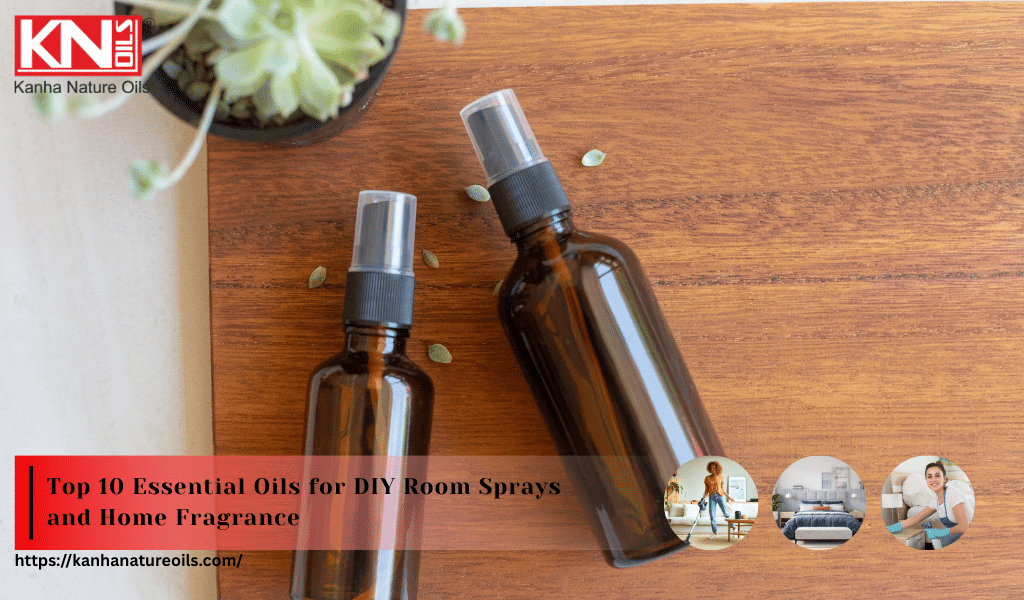
Top 10 Essential Oils for DIY Room Sprays and Home Fragrance Whether you’re crafting your own signature scent for your cozy reading nook, refreshing your living room after guests, or creating calming vibes in your bedroom, DIY room sprays are one of the easiest and most delightful ways to fragrance your home. And at the heart of every great room spray? High-quality essential oils—natural, aromatic, and mood-enhancing. Below, we explore the top 10 essential oils that will take your DIY home fragrances to the next level. Why Use Essential Oils in Room Sprays? Essential oils are concentrated plant extracts that capture the natural fragrance and therapeutic properties of herbs, flowers, woods, and fruits. Unlike synthetic fragrances, essential oils offer richness and complexity—and often come with emotional and mental benefits. When used in room sprays, they can: Freshen and cleanse the air Create a desired mood (relaxing, uplifting, calming, energizing) Support well-being through aromatherapy Replace chemical-laden air fresheners with a natural alternative Making your own room sprays means choosing clean ingredients, customizing scents to your taste, and enjoying a sustainable, beautiful way to scent your space. Top 10 Essential Oils for DIY Room Sprays Let’s explore the best essential oils for a variety of moods and rooms and why each one deserves a spot in your DIY fragrance kit. 1. Lavender Lavender essential oil is loved worldwide for its calming and pleasant nature. Its soft floral and herbaceous fragrance creates a soothing atmosphere, making it perfect for home use. Highly versatile, lavender oil blends easily with other essential oils and is widely used in DIY room sprays to promote relaxation, freshness, and a peaceful ambiance indoors. 2. Sweet Orange Zesty and full of joy, sweet orange essential oil fills any space with a bright, sunny aroma. Its fresh citrus scent feels uplifting and cheerful without being too strong, making it an ideal choice for common areas like living rooms or offices where a light, refreshing, and welcoming atmosphere is desired. 3. Eucalyptus Eucalyptus oil is known for its sharp, clean, and invigorating aroma that instantly refreshes any environment. Its crisp fragrance helps clear the air, reduce stuffiness, and create a light, breathable atmosphere. Often associated with spa and wellness spaces, eucalyptus oil brings a sense of purity and calm, making your surroundings feel fresher, more open, and deeply revitalizing. 4. Peppermint Peppermint essential oil has a fresh, minty, and uplifting aroma that instantly grabs attention. Even a small amount is enough to make a strong impact. Its bright scent helps promote focus, mental clarity, and energy, making it an excellent choice for workspaces, study areas, or any place where alertness and concentration are needed. 5. Lemon Lemon essential oil has a bright, fresh citrus aroma that feels instantly clean and energizing. It is widely used in uplifting blends and helps create a cheerful, positive atmosphere. Lemon oil blends beautifully with floral and herbal essential oils, adding freshness, balance, and clarity to aromatherapy, home fragrance, and DIY wellness recipes. 6. Bergamot Bergamot oil has a sweet, slightly spicy citrus scent with soft floral undertones. It has a deeper and more refined aroma than lemon or orange. Its fragrance is elegant, fresh, and mood-uplifting, making the mind feel relaxed and positive. 7. Tea Tree Tea tree oil doesn’t have a floral or citrusy aroma but rather a more medicinal one. Nevertheless, it’s incredibly effective at neutralizing odors and purifying the air. In room sprays and blends, this oil reduces germs and keeps the environment hygienic. 8. Ylang Ylang Ylang Ylang oil has an exotic, rich, and intensely floral fragrance that instantly feels indulgent. Its sweet, creamy notes help create a luxurious, sensual atmosphere, making it perfect for perfumes, room fragrances, and aromatherapy blends designed to uplift mood, encourage relaxation, and add an elegant, high-end touch to any space beautifully. 9. Cedarwood Cedarwood essential oil offers a warm, woodsy aroma that feels both comforting and grounding. Its rich, natural scent promotes stability and relaxation, making it perfect for aromatherapy and essential oil blends. Often used to create calming environments, cedarwood enhances mental clarity while supporting emotional balance and serenity. 10. Patchouli Patchouli oil is rich, earthy, and strong—a little goes a long way. It’s perfect for creating deep, complex blends.” is content ko 50 words me convert kerke do in english language Tips for Best Results 1. Use High-Quality Essential Oils Choose pure, therapeutic-grade essential oils. Cheap oils can smell artificial or irritating. 2. Label Your Sprays Write the scent name, date, and ingredients. This helps track favorites and avoid confusion. 3. Shake Before Use Because oil and water separate over time, a quick shake ensures an even fragrance. 4. Test in Small Spaces First Some blends can be strong — mist lightly at first and adjust as needed. 5. Avoid Spraying on Fabrics or Electronics Room sprays are for air fragrance — avoid direct contact with textiles or electronics unless the ingredients are safe for those surfaces. Benefits of DIY Room Sprays Over Store-Bought Here’s why homemade room sprays are worth the effort: No hidden chemicals—you control what goes in. Customizable scents—Make fragrances that suit your mood and style. Cost-effective—Essential oils go a long way. Eco-friendly—no plastic-packed aerosols or synthetic fragrances. Therapeutic value—Real essential oils offer emotional benefits. Safety Considerations While essential oils are natural, they are powerful: Keep away from children and pets — some oils can be harmful if ingested or applied directly. Conduct a small skin test if spray might contact skin. Avoid citrus oils in direct sunlight on skin — they can be photosensitive. Pregnant or nursing individuals should consult health advice before use. ESSENTIAL OILS IN AROMATHERAPY Conclusion Creating DIY room sprays with essential oils is both an art and a joy. From calming lavender blends to invigorating citrus mists, the possibilities are endless. With just a few bottles in your scent pantry, you can enhance your home environment naturally and beautifully. Start with the top 10 essential oils above, experiment with blends, and soon you’ll

Lily Essential Oil Uses in Aromatherapy, Skincare, and Perfumery. Among the world’s most treasured floral essences, lily essential oil occupies a place of quiet luxury and timeless elegance. Known for its rare extraction, deeply floral aroma, and emotionally uplifting qualities, lily essential oil—often referred to as Madonna Lily Oil—has been admired for centuries in perfumery, skincare rituals, and holistic wellness traditions. Unlike more commonly available essential oils, lily oil is precious and highly valued due to the delicate nature of the flower and the labor-intensive methods required to capture its fragrance. Lily essential oil is more than just a fragrance; it’s an experience. Its scent is delicate yet captivating, sweet yet refined, and it has the power to uplift moods, enhance skincare routines, and elevate fine perfumes. Kanha Nature Oils delves into the uses of lily essential oil in aromatherapy, skincare, and perfumery, highlighting its benefits, traditional significance, and modern applications. Understanding Lily Essential Oil Lily essential oil is typically obtained through solvent extraction or traditional enfleurage, rather than steam distillation. This is because lily petals are extremely delicate and do not yield essential oil effectively through heat-based methods. The result is often a lily absolute, which retains the flower’s true aromatic profile—rich, creamy, floral, and long-lasting. The oil is derived mainly from varieties such as Lilium candidum, also known as the Madonna lily, a flower historically associated with purity, devotion, and healing. Due to its rarity, lily essential oil is considered a luxury ingredient and is used sparingly but purposefully across wellness and beauty industries. Lily Essential Oil in Aromatherapy Emotional Balance and Stress Relief One of the most cherished uses of lily essential oil in aromatherapy is its ability to calm the nervous system and restore emotional balance. The gentle floral aroma has a soothing effect on the mind, helping to ease anxiety, emotional fatigue, and stress-related tension. When diffused, lily oil creates a serene and comforting atmosphere, making it ideal for meditation spaces, relaxation rituals, and evening wind-down routines. Its scent encourages deep breathing, mental clarity, and emotional grounding, making it especially beneficial during periods of emotional overwhelm. Mood Enhancement and Uplifting Energy Lily essential oil is also known for its uplifting and heart-opening qualities. Unlike sharp citrus oils or stimulating herbal notes, lily works subtly, lifting low moods without overstimulation. It is often associated with feelings of hope, inner peace, and emotional renewal. Aromatherapists frequently recommend lily oil for individuals experiencing sadness, emotional exhaustion, or lack of motivation. Its aroma gently nurtures the senses and promotes a sense of harmony and well-being. Sleep Support and Relaxation Thanks to its calming nature, lily essential oil is sometimes used as a natural sleep aid. Diffusing the oil before bedtime or adding a few drops to a warm bath can help quiet the mind, relax the body, and prepare the senses for restful sleep. Its soft floral notes are particularly effective for those who find stronger scents overwhelming at night. Lily Essential Oil in Skincare Nourishing and Revitalizing the Skin In skincare, lily essential oil is valued for its nourishing, softening, and rejuvenating properties. When properly diluted in carrier oils or formulated into creams and serums, it helps improve skin texture and promote a healthy, radiant complexion. Lily oil is especially suitable for dry, sensitive, or mature skin, as it helps maintain moisture balance and supports the skin’s natural barrier. Its gentle nature makes it a popular ingredient in luxury skincare formulations. Skin Brightening and Tone Improvement Traditional beauty practices have long associated lily extracts with skin brightening and tone refinement. Regular use of lily-infused skincare products may help improve dullness and uneven skin tone, leaving the skin looking fresh and luminous. While it is not a bleaching agent, lily essential oil supports the skin’s renewal process, making it a natural ally for those seeking a soft, glowing appearance. Anti-Aging Benefits Lily essential oil is often included in anti-aging skincare products due to its ability to support skin elasticity and smoothness. Its antioxidant properties help protect the skin from environmental stressors that contribute to premature aging. When blended with carrier oils such as jojoba, almond, or rosehip oil, lily essential oil can be used in facial massage rituals to promote circulation, reduce the appearance of fine lines, and enhance overall skin vitality. Soothing Sensitive and Irritated Skin Another notable benefit of lily essential oil is its soothing effect on sensitive or irritated skin. It may help calm redness, dryness, and discomfort when used in well-formulated skincare products. This makes it suitable for inclusion in creams, lotions, and balms designed for delicate skin types. Lily Essential Oil in Perfumery A Symbol of Floral Luxury In the world of fine fragrance, lily essential oil is regarded as a symbol of elegance, purity, and sophistication. Its aroma is rich, creamy, and deeply floral, often described as romantic and timeless. Because of its complexity and longevity, lily oil is primarily used as a heart or base note in high-end perfumes. Unlike synthetic lily fragrances, natural lily oil evolves beautifully on the skin, revealing subtle layers over time. This dynamic quality makes it highly desirable among perfumers seeking depth and authenticity. Long-Lasting Fragrance on Fabrics and Skin One of the most distinctive qualities of lily essential oil is its exceptional staying power. When applied to clothing or blended into perfumes, its scent lingers for hours, sometimes even days. This long-lasting nature adds to its appeal in luxury perfumery and personal fragrance products. Blending and Fragrance Pairings Lily essential oil blends harmoniously with a wide range of aromatic notes. In perfumery, it is often combined with: Floral oils such as rose, jasmine, and neroli Soft citrus notes like bergamot and mandarin Warm base notes such as sandalwood, vanilla, and musk These combinations enhance lily’s natural sweetness while adding complexity and balance to the fragrance composition. Natural Alternative to Synthetic Fragrances With growing consumer demand for natural and clean-label perfumes, lily essential oil has gained renewed interest. It offers an authentic floral aroma without

7 amazing benefits of star anise oil, including benefits for skin and hair. Natural beauty remedies are making a strong comeback, and for good reason. People are tired of harsh chemicals and short-term fixes. They want gentle, effective, and time-tested solutions. One such underrated gem is star anise oil. Known for its warm, licorice-like aroma, this essential oil has quietly earned its place in both traditional medicine and modern beauty routines. What makes this oil special is its versatile nature. From soothing skin irritation to strengthening hair roots, it works on multiple levels. In this detailed guide, Kanha Nature Oils explores the benefits and recipes of star anise oil for skin and hair, based on experience, traditional uses, and practical applications. If you’re looking for natural ways to achieve a head-to-toe glow, you’ve come to the right place. Star Anise Oil Benefits And Recipes For Skin And Hair Star anise oil is extracted from the dried fruits of the Illicium verum plant through steam distillation. While it’s widely known for culinary and medicinal uses, its cosmetic benefits are often overlooked. This oil is rich in anethole, flavonoids, and antioxidants, making it highly effective for skin and hair care. What sets it apart is how deeply it penetrates while still being gentle when properly diluted. Unlike many trendy oils, star anise oil has centuries of use behind it, especially in Asian herbal traditions. Today, skincare experts are rediscovering its ability to balance oil production, fight microbes, and restore natural shine. When used correctly, it becomes a powerful addition to any beauty routine, offering results without irritation. How Star Anise Oil Benefits Skin Naturally Healthy skin needs protection, nourishment, and repair. Star anise oil delivers all three. Its antioxidant compounds help neutralize free radicals, which are responsible for premature aging and dull skin. Regular use can improve skin texture and promote a clearer complexion. Another major benefit is its antibacterial nature. This makes it useful for acne-prone skin, especially when breakouts are caused by bacteria buildup. It helps calm redness while preventing future flare-ups. People with sensitive skin often notice reduced irritation when using diluted blends. Star anise oil also supports skin regeneration. Fine lines, minor scars, and uneven tone gradually improve with consistent application. Because it boosts circulation, skin appears brighter and more refreshed. Over time, it supports a youthful, healthy glow without stripping natural oils. Star Anise Oil Benefits for Hair Health Hair health starts at the scalp, and star anise oil works right where it matters. Its warming properties stimulate blood flow, encouraging stronger hair growth and healthier follicles. Many people notice reduced hair fall after regular scalp massages. It’s also excellent for strengthening hair strands. The oil helps seal moisture into the hair shaft, reducing breakage and split ends. Dry, brittle hair becomes softer and more manageable with continued use. For those struggling with dandruff or itchy scalp, star anise oil’s antifungal properties come into play. It helps balance scalp conditions while soothing irritation. With consistent use, hair feels cleaner, lighter, and noticeably healthier. How to Use Star Anise Oil Safely Essential oils are powerful, and star anise oil is no exception. Proper dilution is crucial. Always mix it with a carrier oil such as coconut, jojoba, or almond oil. A safe ratio is two to three drops per tablespoon of carrier oil. Patch testing is essential before full application. Apply a small amount to your inner arm and wait 24 hours to check for any reaction. This step helps avoid unwanted irritation. Pregnant women, children, and individuals with sensitive skin should consult a professional before use. When respected and used mindfully, this oil offers benefits without risks. DIY Star Anise Oil Recipes for Skin Creating your own skincare blends allows full control over ingredients. A simple facial oil can be made by combining star anise oil with jojoba oil and vitamin E. This blend hydrates, protects, and enhances natural radiance. For acne-prone skin, a spot treatment using diluted star anise oil and tea tree oil works wonders. Apply only to affected areas to reduce inflammation and redness. A luxurious body glow oil can be made by mixing star anise oil with almond oil and a touch of rose essential oil. This combination leaves skin soft, lightly scented, and visibly nourished. DIY Star Anise Oil Recipes for Hair For hair growth, a scalp massage oil made with star anise oil, castor oil, and coconut oil is highly effective. Massage gently twice a week to stimulate roots and improve thickness. A nourishing hair mask can be created using yogurt, honey, and a few drops of diluted star anise oil. This mask restores shine and softness, especially for dry or damaged hair. To fight dandruff, mix star anise oil with aloe vera gel and apply directly to the scalp. Leave it on for 20 minutes before washing. Regular use helps maintain a balanced, healthy scalp. FAQs About Star Anise Oil Is star anise oil safe for daily use?Yes, when properly diluted and used in moderation. Can star anise oil lighten skin?It helps even skin tone but does not bleach the skin. Does star anise oil promote hair growth?It supports scalp health, which can encourage healthier growth. Can I mix star anise oil with other essential oils?Yes, it blends well with lavender, tea tree, and rosemary oils. Is star anise oil suitable for sensitive skin?With proper dilution and patch testing, it can be. Where can I learn more about star anise?You can explore general background information from trusted sources like Wikipedia for botanical references. ESSENTIAL OILS IN AROMATHERAPY Conclusion Nature often provides the most effective solutions, and star anise oil is a perfect example. With its rich antioxidant profile and time-tested benefits, it offers a holistic approach to beauty care. From clearer skin to stronger hair, the results speak for themselves. By understanding the Star Anise Oil Benefits And Recipes For Skin And Hair, you can confidently incorporate this oil into your routine. Used thoughtfully and consistently,

Pure Onion Oil for Respiratory Health: Cough, Cold, or Sinus Relief Pure onion oil is obtained by the steam distillation process, a traditional and highly effective extraction method that preserves the plant’s natural healing compounds. For centuries, onions have been valued not only as a food ingredient but also as a powerful medicinal plant, especially in traditional remedies for breathing and chest-related concerns. When onions are processed into oil form, their therapeutic strength becomes more concentrated and effective, making Pure Onion Oil for Respiratory Health a valuable natural solution for supporting clear airways, soothing coughs, and promoting overall lung wellness. In today’s world, where people are increasingly turning to natural remedies, pure onion oil has resurfaced as a safe and effective option. Kanha Nature Oils explains how pure onion oil is obtained, how it works, and why it plays such a vital role in treating various ailments and maintaining overall health. What Is Pure Onion Oil? Pure onion oil is an essential oil extracted from fresh onions using steam distillation. Unlike infused oils or synthetic onion-based products, pure onion oil contains concentrated active compounds directly derived from the onion bulb. The oil has a strong aroma, a slightly yellowish color, and potent medicinal qualities. Because of its concentration, only small amounts are needed to experience its benefits. Pure onion oil is commonly used in aromatherapy, topical treatments, and traditional remedies. What makes pure onion oil unique is that it retains the bioactive sulfur compounds found in onions, such as allicin and other antioxidants. These compounds are responsible for its healing effects, especially in fighting infections and reducing inflammation. Steam Distillation Process Used to Extract Onion Oil Pure onion oil is obtained by the steam distillation process, which is one of the safest and most effective extraction techniques. In this method, fresh onion bulbs are placed in a distillation chamber where steam passes through them. The heat causes the onion’s volatile compounds to evaporate along with the steam. This vapor is then cooled and condensed back into liquid form. The oil separates naturally from the water and is collected as pure onion essential oil. Steam distillation is preferred because it does not use harsh chemicals or solvents. This ensures that the oil remains natural, pure, and free from contamination. The process also helps preserve the oil’s therapeutic properties, making it suitable for medicinal use. Traditional Uses of Onion Oil in Natural Medicine In traditional medicine systems, onion oil has long been valued for its healing properties. Ancient healers used onion extracts to treat infections, wounds, and respiratory disorders. Onion oil was often applied topically to reduce swelling and pain. It was also inhaled to clear blocked airways and relieve coughs. Many cultures believed that onion oil could cleanse the body and strengthen immunity. These traditional practices laid the foundation for modern research, which now supports many of the health claims associated with pure onion oil. Pure Onion Oil for Treating Tumors One of the most remarkable benefits of pure onion oil is its potential role in treating tumors. The sulfur compounds and antioxidants found in onion oil are known to help inhibit abnormal cell growth. These compounds may slow down the multiplication of harmful cells while supporting the body’s natural defense mechanisms. Although onion oil is not a replacement for medical treatment, it is often used as a complementary therapy in holistic health practices. By reducing oxidative stress and inflammation, onion oil may help create an environment in the body that is less favorable for tumor development. This makes it a valuable natural support option. Role of Onion Oil in Cough Relief Pure onion oil is very useful for treating coughs due to its expectorant and antimicrobial properties. It helps loosen mucus, making it easier to clear the airways. Inhaling steam infused with onion oil can provide quick relief from persistent coughing. The oil works by soothing irritated throat tissues and reducing bacterial growth. Many traditional remedies recommend onion oil for dry and productive coughs, especially during seasonal changes. Onion Oil as a Natural Remedy for Colds Colds are often caused by viral infections, and onion oil’s antiviral properties make it an effective natural remedy. Inhaling onion oil vapors can help clear nasal congestion and improve breathing. The oil also stimulates circulation, helping the body fight off infections more efficiently. Its warming effect provides comfort during cold symptoms. Using onion oil during the early stages of a cold may shorten recovery time and reduce symptom severity. How Onion Oil Boosts the Immune System A strong immune system is essential for good health. Onion oil supports immunity by stimulating the body’s natural defense mechanisms. Its antioxidants help neutralize free radicals, while sulfur compounds enhance immune response. Regular use may help reduce the frequency of common illnesses like colds and coughs. For more scientific insights, you can explore immune-boosting plant compounds at . Respiratory Health Benefits of Onion Oil Onion oil is especially beneficial for respiratory health. It helps clear airways, reduce inflammation, and fight infections. People suffering from asthma, bronchitis, or sinus congestion may find relief through inhalation therapy using onion oil. Its soothing effect makes breathing easier and more comfortable. Skin and External Applications of Onion Oil When diluted properly, onion oil can be applied to the skin to reduce inflammation and fight bacterial infections. It has been used to support wound healing and reduce swelling. However, due to its potency, it should always be mixed with a carrier oil before topical use. Scientific Research Supporting Onion Oil Benefits Modern research supports many traditional claims about onion oil. Studies highlight its antioxidant, antimicrobial, and anti-inflammatory properties. These findings validate its use as a complementary natural remedy alongside conventional treatments. How to Use Pure Onion Oil Safely Onion oil can be used through inhalation, massage, or diffusion. Always use small amounts and consult a healthcare professional before internal use. Possible Side Effects and Precautions Some people may experience skin irritation or allergic reactions. Always perform a patch test before use.

Agarwood Essential Oil Uses: Aromatherapy, Skin Care, Perfumery Few natural substances in the world inspire as much reverence and fascination as agarwood essential oil. Often described as liquid gold, this rare and precious oil has been cherished for centuries across Asia and the Middle East for its deeply calming aroma and remarkable therapeutic value. With its rich, woody, and slightly sweet fragrance, agarwood essential oil offers more than a pleasant scent—it delivers a complete sensory experience that nurtures the mind, body, and spirit. Sourced from the resinous heartwood of the Aquilaria tree, pure agarwood oil stands apart from common essential oils. Its scarcity, complex aroma, and grounding effects have earned it a prestigious place in aromatherapy, luxury perfumery, and holistic skin care. In a world that moves too fast, agarwood oil invites us to slow down, breathe deeply, and reconnect with ourselves. This article by Kanha Nature Oils explores the origins, benefits, uses, and enduring popularity of agarwood essential oil, and explains why it remains one of the most precious natural oils on Earth. Understanding Agarwood Essential Oil Agarwood essential oil comes from the Aquilaria tree, which lives across Southeast Asia and basically waits for drama to happen. The magic starts only when the tree gets infected by a specific mold—think of it as the tree’s glow-up under pressure. To defend itself, it produces a dark, fragrant resin, and voilà: agarwood is born. The oil distilled from this resin is super concentrated and smells rich, deep, and mysterious, like it knows ancient secrets. Since not every tree cooperates, real agarwood is rare, hard to make, and proudly expensive—nature’s way of saying, “Luxury isn’t easy.” The Rich History and Cultural Significance of Agarwood Agarwood has been revered for thousands of years. Ancient texts from China, India, and the Middle East reference its use in spiritual ceremonies, traditional medicine, and royal perfumery. In many cultures, agarwood was burned as incense during meditation, prayer, and important rituals, believed to purify the space and elevate consciousness. In traditional Ayurvedic medicine, agarwood was used to balance the doshas and calm the nervous system. Similarly, in Traditional Chinese Medicine, it was valued for its warming properties and ability to support digestive and respiratory health. Middle Eastern cultures embraced agarwood oil, often called oud, as a symbol of status and refinement. It became a signature fragrance worn during significant life events, from weddings to religious celebrations. Even today, agarwood oil remains deeply embedded in cultural identity and spiritual practice across many regions of the world. Aromatherapy Benefits of Agarwood Essential Oil In aromatherapy, agarwood essential oil is prized for its grounding and calming effects. Its aroma has a profound impact on the nervous system, helping to ease stress, quiet mental chatter, and promote emotional balance. When diffused, agarwood oil creates a warm and comforting atmosphere. It is particularly beneficial during meditation or mindfulness practices, as it encourages deep breathing and mental clarity. Many users report feeling more centered and present after inhaling its scent. Agarwood oil is also associated with improved sleep quality. Its soothing properties help calm an overactive mind, making it easier to unwind at the end of the day. Unlike sharp or overly stimulating oils, agarwood’s fragrance feels embracing and steady, making it ideal for evening use. Emotional and Mental Well-Being Beyond relaxation, agarwood essential oil supports emotional resilience. Its grounding aroma can help stabilize mood swings, reduce anxiety, and foster a sense of inner peace. For those dealing with emotional fatigue or burnout, agarwood oil offers gentle yet powerful support. The oil’s ability to anchor emotions makes it useful during times of transition or uncertainty. It encourages introspection without heaviness, allowing users to process feelings with clarity and calm. Many people find that agarwood oil enhances self-awareness and emotional depth, making it a valuable companion for personal growth. Skin Care Benefits and Applications Agarwood essential oil has earned a respected place in luxury skin care formulations. Rich in natural compounds, it offers soothing and rejuvenating effects when used properly and diluted in a carrier oil. Its calming properties make it suitable for sensitive or stressed skin. When incorporated into facial oils or serums, agarwood oil can help reduce the appearance of redness and support the skin’s natural barrier. Its antioxidant content also contributes to a more youthful and radiant complexion. In traditional practices, agarwood oil was used to promote overall skin vitality. Modern users continue to appreciate its ability to nourish the skin while providing a subtle, elegant scent that lingers gently throughout the day. Agarwood Essential Oil in Perfumery In the glamorous world of fine fragrance, agarwood essential oil is basically the celebrity VIP of ingredients. Its scent is deep, dramatic, and refuses to leave quietly—just like a great plot twist. As a luxury perfume base note, it doesn’t shout; it smolders. Unlike synthetic fragrances that smell the same from start to finish, agarwood evolves on your skin, revealing new moods as time passes. It flirts effortlessly with floral, spicy, and resinous notes, instantly upgrading the whole blend. Perfumers adore it because agarwood doesn’t just smell good—it makes the fragrance unforgettable, confident, and just a little mysterious. How to Use Agarwood Essential Oil Safely Due to its potency, agarwood essential oil should always be used with care. For topical application, it is essential to dilute the oil in a carrier oil such as jojoba or sweet almond oil. A small amount goes a long way, and even a single drop can be highly effective. For aromatherapy, using a diffuser is the safest and most efficient method. Start with one or two drops and adjust according to personal preference. Because the scent is rich and intense, less is often more. As with any essential oil, it is recommended to perform a patch test before topical use and consult a qualified professional if you have underlying health conditions. Sustainability and Ethical Sourcing The rarity of agarwood has raised concerns about sustainability. Overharvesting and illegal trade have threatened Aquilaria species in the past.