How to Choose a Reliable Essential Oil Bulk Supplier for USA Market (Complete B2B Guide) In today’s rapidly growing natural wellness and clean-label marketplace, essential oils have become foundational ingredients across multiple industries — including cosmetics, personal care, aromatherapy, pharmaceuticals, food flavoring, and household products. For businesses operating in the United States, choosing the right bulk essential oil supplier is not simply a procurement decision; it is a strategic partnership that directly impacts product quality, regulatory compliance, brand reputation, and long-term profitability. If you are sourcing essential oils for resale, manufacturing, or private labeling, this complete B2B guide will walk you through exactly how to evaluate and select a trustworthy bulk supplier for the U.S. market. At Kanha Nature Oils we understand the importance of transparency, consistency, and global compliance in essential oil sourcing — and this guide reflects the standards serious buyers should expect. Why Choosing the Right Bulk Essential Oil Supplier Matters In B2B sourcing, cost alone should never drive the decision. Essential oils are highly concentrated botanical extracts, and their purity, origin, and processing methods significantly affect their safety and efficacy. An unreliable supplier can lead to: Inconsistent product quality Contamination or adulteration issues Regulatory violations Shipment delays Damage to brand credibility Legal liability On the other hand, a trustworthy supplier ensures: Consistent oil composition Verified purity and authenticity Proper documentation for U.S. compliance Reliable supply chain management Long-term partnership growth For companies operating in the competitive U.S. market, these factors are non-negotiable. Verify Company Credibility and Industry Experience The first step in selecting a bulk essential oil supplier is evaluating their background. Key Questions to Ask: How many years have they been in operation? Do they specialize in essential oils, or are they general traders? Do they own or operate distillation facilities? Do they have a clear digital presence and transparent contact information? A reputable supplier should have a well-established company profile, clear sourcing practices, and verifiable credentials. For example, companies like Kanha Nature Oils provide detailed product listings, origin information, and clear communication channels via https://kanhanatureoils.com/about/ Avoid suppliers who: Offer vague product descriptions Cannot provide documentation Lack traceable business registration Offer prices significantly below market rates without explanation Longevity and specialization are strong indicators of reliability in the essential oils industry. 2. Demand Complete Product Transparency Transparency is critical when sourcing essential oils in bulk. A trustworthy supplier should provide: Botanical name (Latin name) Country of origin Plant part used Extraction method (steam distilled, cold pressed, CO2 extracted) Batch number traceability Harvest season (if applicable) Essential oils vary greatly depending on geography and cultivation conditions. For instance, Lavender (Lavandula angustifolia) from Bulgaria differs chemically from Lavender grown in India or France. A credible supplier clearly distinguishes these variations. If a supplier cannot specify the botanical source or extraction method, consider that a red flag. 3. Require GC-MS Testing and Certificates of Analysis (COA) For the U.S. B2B market, laboratory testing is not optional — it is essential. GC-MS (Gas Chromatography-Mass Spectrometry) GC-MS reports provide a detailed breakdown of the oil’s chemical constituents. This ensures: Authenticity Purity Detection of adulteration Compliance with industry standards Every batch of essential oil should have a corresponding COA (Certificate of Analysis) that includes: Physical properties (color, odor, refractive index, specific gravity) Chemical composition Testing date Batch number A reliable bulk supplier will provide batch-specific reports upon request — not generic or outdated test results. 4. Ensure Compliance with U.S. Regulations The U.S. market has strict regulatory requirements, especially for essential oils used in cosmetics, food flavoring, or therapeutic applications. Depending on usage, suppliers should align with: FDA guidelines (Food & Drug Administration) IFRA standards (International Fragrance Association) USDA Organic certification (if applicable) ISO standards GMP (Good Manufacturing Practices) For cosmetic manufacturers, IFRA compliance is especially important. For food-grade oils, FEMA GRAS documentation may be required. Evaluate Sourcing and Sustainability Practices Modern B2B buyers are increasingly focused on ethical sourcing and sustainability. Ask your supplier: Are oils sourced directly from farmers or through middlemen? Do they support fair trade practices? Are cultivation methods sustainable? Is there environmental responsibility in distillation processes? Direct sourcing from farms ensures better traceability and reduces adulteration risks. Sustainable practices also strengthen your brand positioning in the U.S., where consumers increasingly value eco-conscious products. Companies like Kanha Nature Oils emphasize responsible sourcing and quality-controlled processing, which helps maintain consistency across batches. Review Packaging and Logistics Capabilities Essential oils are sensitive to light, heat, and oxygen. Improper packaging can degrade quality during transit. Bulk suppliers should offer: Aluminum containers Food-grade HDPE drums Tamper-proof sealing Proper labeling with batch numbers For U.S. imports, confirm: Experience with international shipping Proper export documentation Customs clearance familiarity Freight options (air/sea) Timely delivery and proper packaging directly impact production schedules and customer satisfaction. Request Samples Before Large Orders Never place a large bulk order without testing samples first. When evaluating samples, check: Aroma consistency Color and clarity Solubility behavior GC-MS alignment with provided documentation If possible, conduct third-party lab testing to validate authenticity. Sample testing ensures compatibility with your formulation and prevents costly bulk mistakes. 9. Compare Pricing — But Don’t Chase the Cheapest Option Pricing is important, but extremely low prices often signal adulteration or poor-quality raw materials. Essential oil pricing depends on: Crop yield Extraction yield percentage Seasonal variations Origin Market demand For example, Rose or Sandalwood oils are naturally expensive due to low yield and limited availability. If a supplier offers these at unusually low prices, caution is warranted. Instead of choosing the cheapest supplier, focus on: Value for money Consistent quality Reliable partnership Transparent pricing structure Long-term relationships often yield better pricing and priority supply. Evaluate Communication and Customer Support Professional communication is a strong indicator of reliability. A good bulk essential oil supplier should: Respond promptly Provide detailed answers Share documentation without hesitation Offer technical assistance Maintain clear terms and conditions Poor communication often leads to misunderstandings, shipment errors, and delays. Strong B2B suppliers treat clients as long-term partners, not one-time transactions. Check Client Testimonials and
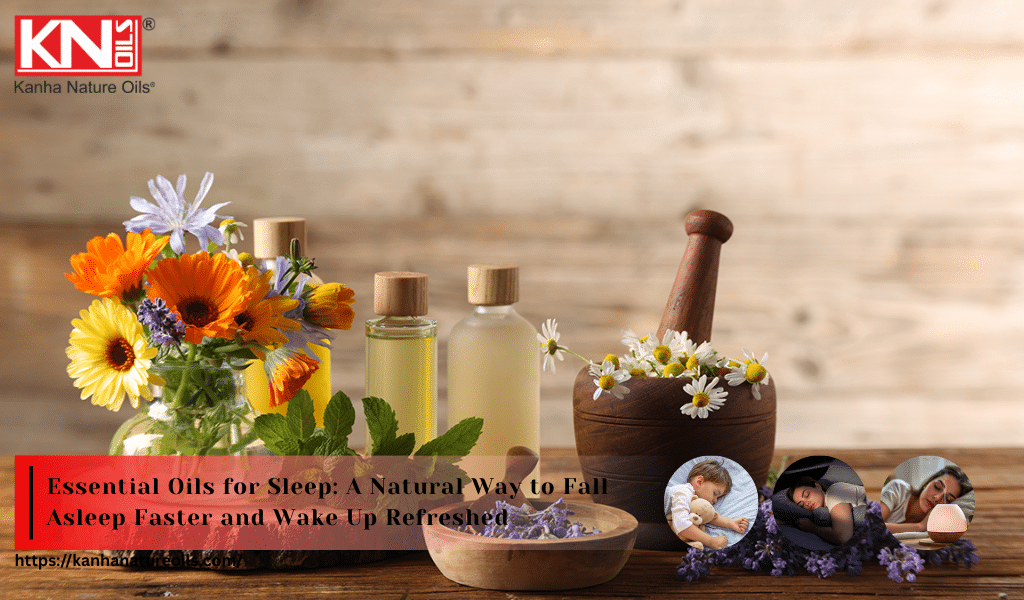
Essential Oils for Sleep: A Natural Way to Fall Asleep Faster and Wake Up Refreshed Sleep is not a luxury—it’s a necessity. Yet millions of people struggle every night to drift off peacefully. If you’ve ever tossed and turned, stared at the ceiling, or woken up feeling exhausted, you’re not alone. That’s where Essential Oils for Sleep: A Natural Way to Fall Asleep Faster and Wake Up Refreshed come into the picture. Over the years, I’ve explored many natural wellness practices, and few are as simple yet effective as essential oils. They don’t knock you out like sleeping pills. Instead, they gently guide your body and mind toward relaxation. With the right oil and routine, bedtime can become something you actually look forward to. In this blog post, Kanha Nature Oils tells you how essential oils for sleep work, which ones are the best, and how you can use them safely to enjoy deeper, more refreshing sleep. What Are Essential Oils? Essential oils are highly concentrated plant extracts that capture a plant’s scent (“essence”) and therapeutic properties. They are obtained through methods such as: Steam distillation Cold pressing Resin tapping These oils carry a plant’s chemical compounds, which can influence our nervous system, emotions, and physiological responses when inhaled or absorbed through the skin. Because of their aromatic and chemical qualities, essential oils have been used for thousands of years in traditional medicine, religious rituals, and therapeutic practices. Today, they are widely used in aromatherapy, a holistic healing treatment that uses scents to affect mood and physical well-being. The Science Behind Essential Oils and Sleep You might wonder—does science really support essential oils for sleep? The answer is yes. Research shows that aromatherapy can significantly improve sleep quality. According to studies published by the National Institutes of Health, lavender aromatherapy has been linked to improved sleep in people with mild insomnia. When you inhale essential oils, scent molecules travel through the nose to the olfactory bulb. From there, signals move to the limbic system—the emotional center of the brain. This area controls mood, stress, and memory. Certain oils help: Lower heart rate Reduce cortisol levels Promote melatonin production Calm nervous tension This physiological response explains why essential oils for sleep can feel almost instantly soothing. They don’t force sleep; they create the right conditions for it. For further reading on sleep science, you can visit the Sleep Foundation, a trusted resource on healthy sleep habits. Best Essential Oils for Sleep Not all oils are equal when it comes to rest. Some energize, while others calm. Here are the top performers for essential oils for sleep: Lavender Oil Lavender is the gold standard. Its floral scent reduces anxiety and improves deep sleep. Many clinical trials highlight its effectiveness. Chamomile Oil Chamomile is gentle yet powerful. It eases stress and promotes emotional comfort before bedtime. Sandalwood This woody oil quiets mental chatter and encourages mindfulness. Cedarwood Cedarwood may help stimulate natural melatonin production, making it ideal for nightly routines. Bergamot Unlike other citrus oils, bergamot has calming effects. It reduces stress and balances mood. Using essential oils for sleep becomes even more effective when you choose high-quality, pure oils without synthetic additives. How to Use Essential Oils for Sleep Effectively Using essential oils for sleep doesn’t have to be complicated. In fact, the simpler your routine, the better. Here are proven methods: Diffuser Method Add 5–8 drops of oil to a diffuser 30 minutes before bed. Let the aroma fill your room. Topical Application Dilute oils with a carrier oil like coconut oil. Apply to wrists, temples, or soles of the feet. Pillow Spray Mix water, a teaspoon of alcohol, and 10 drops of oil in a spray bottle. Lightly mist your pillow. Warm Bath Add diluted oil to a warm bath for full-body relaxation. Consistency is key. When you use essential oils for sleep every night, your body learns to relax on cue. Creating a Bedtime Ritual with Essential Oils for Sleep A calming routine signals to your brain that it’s time to wind down. Essential oils for sleep work best when paired with good habits. Consider this simple ritual: Dim the lights an hour before bed Turn off screens Diffuse lavender or cedarwood Practice deep breathing Journal briefly to clear your mind Within weeks, you may notice falling asleep becomes easier and mornings feel lighter. I’ve personally found that combining essential oils for sleep with gentle stretching makes bedtime peaceful rather than stressful. DIY Blends Using Essential Oils for Sleep Blending oils can enhance results. Here’s a simple recipe: Sweet Dreams Blend 3 drops lavender 2 drops cedarwood 2 drops chamomile Mix and diffuse before bedtime. Blends allow synergy. Different compounds work together, amplifying calming effects. When making blends, always dilute properly and perform a patch test. Safety Tips and Precautions While essential oils for sleep are natural, they’re still potent. Keep these guidelines in mind: Always dilute before skin use Avoid direct contact with eyes Consult a doctor if pregnant Keep away from pets unless verified safe Use high-quality, reputable brands Natural doesn’t mean risk-free. Responsible use ensures long-term benefits. Essential Oils for Sleep and Mental Health Sleep and mental health are deeply connected. Anxiety, stress, and racing thoughts often block restful nights. Essential oils for sleep can help calm emotional tension. Lavender and bergamot, for example, are known to reduce anxiety symptoms. When stress drops, sleep improves naturally. Over time, better sleep supports: Improved mood Sharper focus Greater resilience Balanced hormones It becomes a positive cycle—better sleep leads to better days. Lifestyle Habits That Improve Sleep Naturally Essential oils for sleep work best when paired with healthy habits. Here’s what helps: Maintain a consistent sleep schedule Limit caffeine after noon Exercise regularly Keep your bedroom cool and dark Avoid heavy meals late at night Think of essential oils as part of a bigger wellness picture. They’re powerful—but even more effective when combined with smart lifestyle choices. Common Mistakes When Using Essential Oils for Sleep Some people
Is Sunflower Oil Safe for Baby Skin? A Complete Parent’s Guide. As a parent, you want nothing but the best for your baby’s delicate skin. From diaper changes to bath time, choosing the right products can feel overwhelming — especially with so many natural remedies and oils promising miracle results. One oil that often comes up in conversations among parents and caregivers is sunflower oil. But the big question is, is sunflower oil safe for baby skin? In this comprehensive guide, we’ll explore everything you need to know about sunflower oil—from what it is and how it works to its benefits, safety concerns, and how to use it the right way on your baby’s skin. Whether you’re a first-time parent or an experienced caregiver, this guide will help you make informed decisions with confidence. What Is Sunflower Oil? Sunflower oil is a vegetable oil extracted from sunflower seeds. It’s commonly used in cooking, skincare, and even haircare because of its mild scent, light texture, and high nutrient content. Sunflower oil contains: Vitamin E, a powerful antioxidant Fatty acids, especially linoleic acid Moisturizing properties Because it’s gentle and generally well-tolerated, many parents consider it for baby skin care. But let’s dig deeper into whether it truly is safe and suitable for infants. How Baby Skin Differs from Adult Skin Understanding how baby skin is different from adult skin helps explain why you should be careful with oils and products. Babies have: Thinner skin, making it more fragile Higher water loss, causing dryness easily Lower natural oil production, meaning they need gentle hydration Greater sensitivity, which increases risk of irritation Since baby skin absorbs products more easily, what might be mild for adults can sometimes cause reactions in infants. Benefits of Sunflower Oil for Baby Skin So, is sunflower oil safe for baby skin? In many cases, yes — when used correctly. Here are some reasons why parents use it: 1. Gentle Moisturizing Sunflower oil can help seal in moisture and protect skin from dryness. The fatty acids form a light protective layer on the skin. 2. Rich in Vitamin E Vitamin E acts as an antioxidant, supporting skin health and helping protect against environmental stressors. 3. Light Texture Unlike some heavier oils, sunflower oil spreads easily and doesn’t feel greasy — a plus for parents. 4. Helps Reduce Skin Dryness Many parents use sunflower oil after bathing to help lock in moisture and soothe dry skin. 5. Can Be Used for Baby Massage Massage is a bonding activity, and using a gentle oil like sunflower oil can make the experience comfortable and soothing. Scientific Evidence on Sunflower Oil Safety Research shows that certain plant-based oils can help protect the skin barrier and improve hydration without irritation when used appropriately. Sunflower oil, especially high-linoleic sunflower oil, has been studied for its hydrating properties. Some studies suggest that applying sunflower seed oil to baby skin may help reduce moisture loss and support healthy skin — but again, the key is proper use and choosing the right formulation. How to Choose the Right Sunflower Oil for Baby Skin Not all sunflower oils are equal. Here’s what to look for: ✔️ Cold-Pressed / Extra Virgin Cold-pressed oils retain more nutrients and are less processed. ✔️ 100% Pure Oil Avoid sunflower oils blended with fragrances, additives, or preservatives. ✔️ No Added Perfumes Fragrance-free is best for sensitive baby skin. ✔️ High Linoleic Acid Content This type is more moisturizing and better for skin barrier health. ❌ Avoid Oils with artificial fragrances Oils with chemical additives Cooking-grade sunflower oil (meant for food, not skincare) Step-by-Step Guide to Using Sunflower Oil on Baby Skin If you decide to use sunflower oil, follow these steps: 1. Patch Test First Apply a small amount to your baby’s inner forearm or leg and watch for 24 hours. 2. Use After Bathing Gently pat your baby dry, then apply a thin layer of sunflower oil to lock in moisture. 3. Use Lightly A small amount goes a long way—avoid heavy or thick applications. 4. Avoid Face and Head First Start on limbs or torso before using near delicate face skin. 5. Monitor for Reactions Redness, itching, or bumps? Stop use and consult your pediatrician. Sunflower Oil for Baby Massage Baby massage can be a wonderful bonding experience. Here’s how sunflower oil fits in: Benefits of Massage Calms your baby Improves circulation Helps digestion Sunflower oil’s lightweight feel makes it a popular choice. Warm a small amount in your palms and use gentle strokes. Comparing Sunflower Oil to Other Oils Let’s compare sunflower oil with other oils commonly used for baby skin: 1. Sunflower Oil Light texture Gentle moisturization Vitamin E-rich Often well-tolerated 2. Coconut Oil Heavier Antibacterial properties May clog pores in some babies 3. Olive Oil Heavier, greasier Some studies suggest mixed results for delicate baby skin 4. Almond Oil Good moisturizer Must be careful with nut allergies In comparison, sunflower oil is often considered a safe, gentle choice, especially for light moisturization. How Often Should You Use Sunflower Oil? Use sunflower oil: ✔ After baths✔ When skin feels dry✔ During baby massage sessions If your baby doesn’t have dry skin or flaking, you don’t need to use it every day. Too much oil can actually trap sweat and lead to blocked pores. Tips from Pediatric Experts Experts recommend: ✅ Start with tiny amounts✅ Always patch test first✅ Skip added fragrances✅ Use oils only when needed✅ Consult a pediatrician for skin conditions When in doubt, always choose products made specifically for babies — especially for newborns under 3 months. Sunflower Oil and Environmental Factors Environmental conditions like cold weather, dry heat, and air conditioning can dry out baby skin faster. Sunflower oil can help lock in moisture, especially during: 🌨 Winter months🔥 Dry indoor heating months☀ Summer sun exposure Just make sure you apply it after bathing or during times when the skin needs extra care. Sunflower Oil and Baby Safety Checklist Before use, ask yourself: ✔ Is the oil
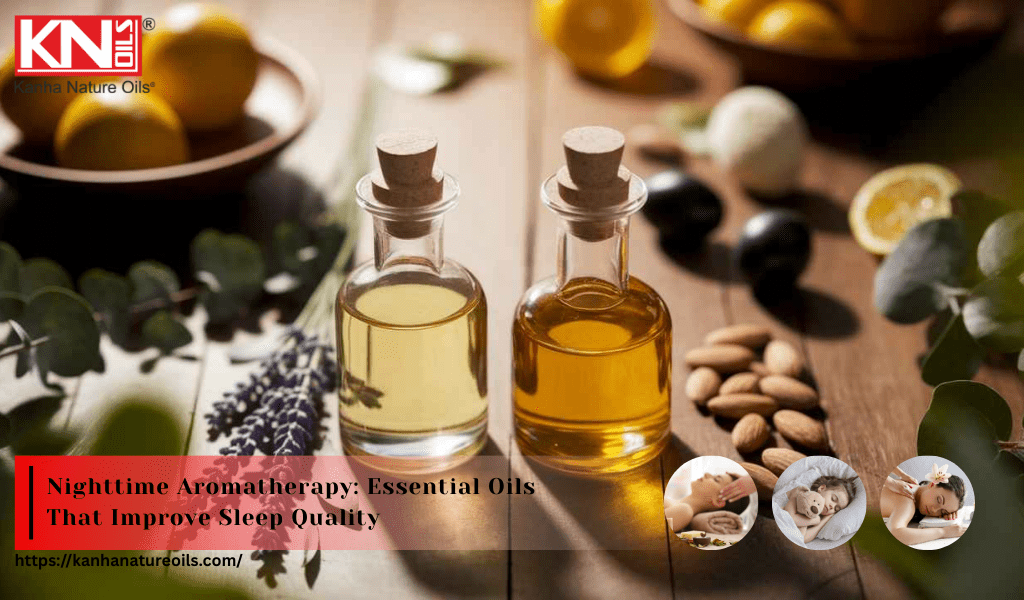
Nighttime Aromatherapy: Essential Oils That Improve Sleep Quality Sleep — a simple word with an extraordinary impact on our health. It influences everything from energy levels and mood to brain function and immune response. Yet millions of people struggle to fall asleep, stay asleep, or experience restorative rest. In an era where stress, busy schedules, and screen time threaten peaceful slumber, many individuals are exploring gentle, natural approaches to support sleep quality. Among these, nighttime aromatherapy has emerged as a soothing, accessible ritual that helps calm the mind, relax the body, and prepare for sleep—especially through the use of Essential Oils That Improve Sleep Quality, known for their calming and restorative properties. In this blog post, Kanha Nature Oils will explain what aromatherapy is, how it works, why it can be beneficial for sleep, what are the best essential oils to use at night, safe ways to use them, scientific evidence, and practical tips for incorporating aromatherapy into your nighttime routine. What Is Aromatherapy? Aromatherapy is a holistic healing practice that uses natural plant extracts — essential oils — to promote physical, emotional, and mental well-being. Essential oils are concentrated aromatic compounds extracted from flowers, leaves, bark, or roots of plants. When inhaled or applied topically (often diluted), these oils interact with the olfactory system — the sensory pathway connected to the brain’s limbic system, which governs emotions, memories, and mood. Through this neurological connection, scents can influence physiological responses such as heart rate, blood pressure, stress hormones, and even neural activity linked to relaxation and sleep. Why Nighttime Aromatherapy for Sleep? Sleep isn’t merely a passive state — it’s a critical period during which the body undergoes restoration, memory consolidation, and immune support. Poor sleep quality has been linked with mood disorders, metabolic issues, chronic inflammation, and reduced cognitive function. Many factors influence sleep, including: Stress and anxiety Restless mind or overthinking Hormonal imbalances Environmental disturbances (noise, light, temperature) Poor bedtime routine Aromatherapy doesn’t force sleep like a sedative; instead, it fosters an environment — physically and mentally — more conducive to winding down, letting go of tension, and signaling the brain that it’s time to rest. This makes it especially useful when integrated into a calming pre-sleep routine. How Aromatherapy Works for Sleep The science of scent and sleep primarily operates through two pathways: 1. Olfactory Nervous System Activation When you inhale an essential oil, volatile molecules travel through the nasal passages and interact with olfactory receptors. These receptors send signals to the limbic system — the part of the brain associated with emotions and memory. The limbic system also connects with the hypothalamus, which plays a role in regulating the autonomic nervous system, including sleep. A soothing scent can reduce sympathetic (“fight or flight”) activity and increase parasympathetic (“rest and digest”) activity — the latter promotes relaxation and calm. 2. Biochemical Effects Some essential oils contain compounds that may have sedative, anxiolytic (anti-anxiety), or muscle-relaxing properties. For example: Linalool — found in lavender — is linked to calming neurotransmitter activity. Limonene — common in citrus oils, may help reduce stress. Alpha-pinene — in cedarwood, can have grounding effects. These compounds can aid the nervous system and assist in reducing physiological tension. Top Essential Oils That Improve Sleep Quality Here’s a closer look at some of the most effective essential oils to help enhance sleep: 1. Lavender Essential Oil Lavender is arguably the most widely used essential oil for promoting restful sleep. Known for its calming aroma, it has been valued for centuries in European herbal traditions for relaxation and emotional balance. Its gentle floral scent helps ease stress, quiet the mind, and create a peaceful bedtime atmosphere. Often used in diffusers, pillow sprays, or massage blends, lavender essential oil supports tranquility and encourages deeper, more refreshing sleep naturally. Benefits: May reduce anxiety and stress Promotes slower heart rate and lower blood pressure Helps ease restlessness Science Snapshot:Several clinical studies suggest that lavender essential oil may improve sleep quality in people with mild insomnia or sleep disturbance. Participants exposed to lavender consistently reported better overall sleep and decreased restless sleep. How to Use: Diffuse 30 minutes before bedtime Add a few drops to a warm bath Mix with a carrier oil and apply to temples or wrists 2. Roman Chamomile Essential Oil Roman chamomile Essential Oil is widely appreciated for its soft, sweet, and soothing aroma that promotes a sense of calm and relaxation. Its gentle scent is often linked with emotional comfort, stress relief, and peaceful sleep. Commonly used in aromatherapy, it helps ease tension, quiet the mind, and create a tranquil atmosphere that supports rest and drowsiness. Benefits: Calms nervous tension Reduces irritability and agitation Gentle enough for sensitive individuals How to Use: Use in a diffuser at low intensity Blend with lavender for enhanced calming effects 3. Bergamot Essential Oil Unlike typical citrus scents that are purely energizing, Bergamot Essential Oil stands out with its delicate balance of freshness and calm. It blends bright, uplifting citrus notes with subtle soothing properties, creating a refreshing yet relaxing aroma that supports emotional balance and promotes a peaceful, positive mood. Benefits: Reduces feelings of anxiety Can improve mood which supports better sleep onset Helps regulate nervous system indicators like heart rate How to Use: Diffuse at bedtime (avoid bright diffusing lights) Combine with vetiver or cedarwood for deeper relaxation 4. Cedarwood Essential Oil Cedarwood essential oil has a warm, rich, and woodsy aroma that creates a sense of grounding and deep relaxation. Its soothing scent helps calm the mind, reduce stress, and promote emotional balance. Often used in aromatherapy, it encourages mental clarity while supporting a peaceful, centered, and tranquil atmosphere. Benefits: Contains cedrol, which may support sedative effects Supports a stable emotional state How to Use: Diffuse on its own or mix with lavender Add to a pillow spray 5. Ylang Ylang Essential Oil With its rich, exotic floral fragrance, ylang ylang essential oil is often cherished for its calming properties. Its soothing aroma
Why Papaya Seed Carrier Oil Is a Skincare Game-Changer for Smooth & Clear Skin In recent years, the beauty world has witnessed a powerful shift toward botanicals and plant-based skincare. From rosehip oil to moringa extract, natural ingredients are being rediscovered and celebrated for their effectiveness, gentleness, and holistic benefits. Among these botanical powerhouses, one superstar is emerging with transformative results — papaya seed carrier oil. Papaya seed oil, derived from papaya seeds (Carica papaya), is rapidly gaining popularity among skincare enthusiasts, natural beauty advocates, and dermatologists. Known for its rich nutrient profile and multi-functional skin benefits, this lightweight yet effective oil has earned a reputation as a skincare game-changer for smooth and clear skin. In this complete blog post, Kanha Nature Oils will explain what papaya seed carrier oil is, why it works, how it benefits skin, and how you can incorporate it into your daily routine. What Is Papaya Seed Carrier Oil? Papaya seed carrier oil is a plant-derived oil extracted from the seeds of the papaya fruit using cold-pressing or solvent-free extraction methods. Unlike essential oils, which are highly concentrated and require dilution, carrier oils are gentle, safe for direct skin application, and often serve as a base for other active ingredients. While the papaya fruit itself has long been celebrated for its culinary and digestive benefits, its seeds are surprisingly nutrient-dense. Once processed into an oil, these seeds offer a spectrum of compounds that nourish, protect, and rejuvenate the skin. Key Nutrients Found in Papaya Seed Oil The benefits of papaya seed carrier oil stem from its impressive composition, which includes: Fatty acids: including oleic, linoleic, and palmitic acids Vitamins: such as vitamin A, vitamin E, and beta-carotene Enzymes: like papain (also found in the fruit) Antioxidants: that protect against free-radical damage Phytosterols: plant compounds that support skin barrier health This nutrient profile makes papaya seed carrier oil an ideal candidate for skin that needs nourishment, clarity, and glow. Why Papaya Seed Oil Is Perfect for Skin Papaya seed oil stands out from many other carrier oils because of its unique combination of exfoliating enzymes, nourishing vitamins, and skin-loving fatty acids. Here’s why it’s particularly effective for achieving smooth, clear skin. A. Natural Exfoliation Without Harsh Scrubbing One of papaya’s most celebrated components is papain — a proteolytic enzyme that helps to gently break down and remove dead skin cells. While papaya seed oil does not contain as much papain as the raw fruit, it still carries exfoliating properties that: Smooth dull, rough skin Promote cellular turnover Reduce clogged pores Enhance skin texture Unlike abrasive scrubs that can scratch and irritate the skin, papaya seed oil supports a gentle, natural exfoliation process, helping your skin look fresher and more refined over time. B. Balances Oil Production One common misconception about using oils on the skin is that they will make oily skin worse. In reality, high-quality carrier oils like papaya seed oil can help rebalance oil levels. Its composition closely resembles the skin’s natural sebum, meaning it can signal to the skin that it doesn’t need to overproduce oil — helping to reduce shine and breakouts. This makes papaya seed oil particularly beneficial for combination and acne-prone skin, which often struggles with inconsistent oil production. C. Supports Clear, Calm Skin Papaya seed oil is rich in antioxidants and anti-inflammatory compounds, which help soothe irritation, reduce redness, and protect the skin from environmental stressors. Antioxidants like vitamin E and beta-carotene neutralize free radicals — unstable molecules that contribute to premature aging and dullness. This protective action is crucial for maintaining a clear, vibrant complexion over time. D. Deep Hydration Without Clogging Pores Moisture is essential for every skin type, yet many hydrating products leave the skin feeling greasy or weighed down. Papaya seed oil is relatively lightweight and penetrates the skin efficiently, delivering hydration where it’s needed without clogging pores — making it a great option even for oily and combination skin types. The Science Behind Papaya Seed Oil’s Effectiveness While traditional skincare wisdom has long embraced plant oils, modern research helps explain why papaya seed oil delivers such noticeable results. A. Enzyme-Powered Skin Renewal Enzymes like papain help facilitate exfoliation at the molecular level, dissolving dead cells without manual friction. This enzymatic exfoliation process can: Clear buildup within pores Improve skin clarity Enhance the penetration of other skincare ingredients The result? Smoother, more radiant skin over time. B. Essential Fatty Acids for Skin Repair Fatty acids such as oleic and linoleic acid found in papaya seed oil play a crucial role in maintaining the skin’s lipid barrier. A healthy lipid barrier: Prevents moisture loss Protects against environmental irritants Keeps skin soft and supple This helps reduce dryness, flakiness, and sensitivity — especially in skin that is stressed or compromised. C. Antioxidants for Defense Against Aging Oxidative stress caused by UV exposure, pollution, and lifestyle factors accelerates skin aging. Antioxidants in papaya seed oil combat this by: Neutralizing free radicals Reducing inflammation Supporting long-term skin health When used regularly, papaya seed oil helps preserve collagen and elasticity, keeping the skin youthful and resilient. Real Skin Benefits You Can Expect When integrated into a consistent skincare routine, papaya seed carrier oil can deliver a range of visible benefits: ✨ Smoother Skin Texture Thanks to gentle exfoliation and nutrient support, rough patches and dullness diminish over time. ✨ Clearer, Brighter Complexion Unclogged pores and improved cell turnover reveal fresher, more even-toned skin. ✨ Balanced Oil Levels Papaya seed oil’s sebum-mimicking structure helps regulate oil production — reducing breakouts and shine. ✨ Deep Hydration It delivers moisture without greasiness, making it suitable for most skin types. ✨ Reduced Redness and Sensitivity Antioxidant and anti-inflammatory components calm irritated skin and promote recovery. ✨ Youthful, Radiant Glow With regular use, fine lines look smoother and the skin appears more luminous. How to Use Papaya Seed Carrier Oil in Your Routine One of the great advantages of papaya seed oil is its versatility — you can incorporate it into your skincare
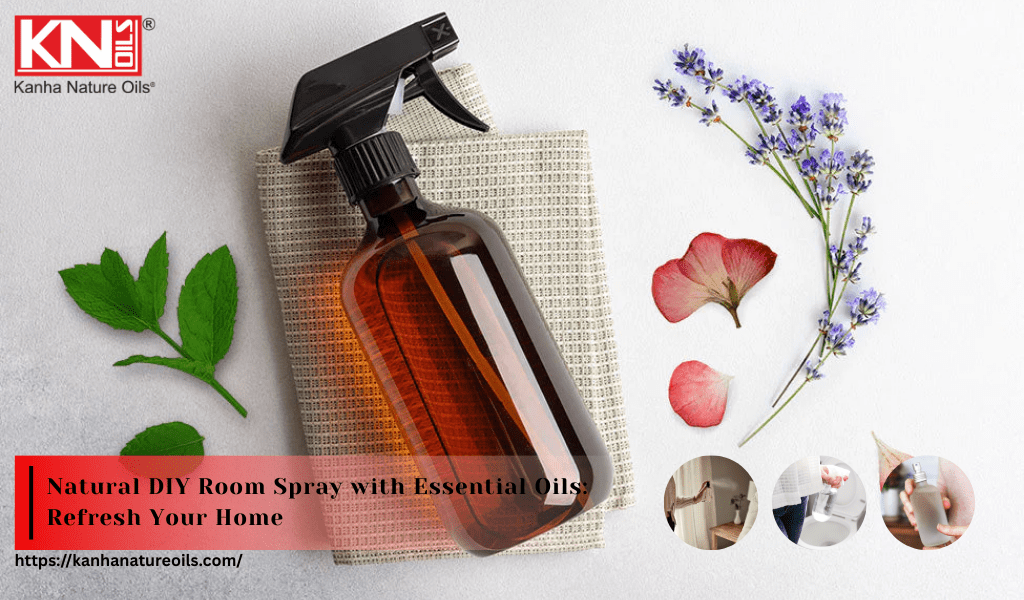
Natural DIY Room Spray with Essential Oils: Refresh Your Home In today’s fast-paced world, our homes have become more than just living spaces. They are our comfort zones, workspaces, and personal retreats. Creating a fresh and inviting atmosphere at home is essential for both physical comfort and emotional well-being. While commercial air fresheners promise instant fragrance, they often contain synthetic chemicals that may not be ideal for long-term indoor use. A natural DIY room spray made with essential oils offers a safe, eco-friendly, and customizable alternative. With just a few simple ingredients, you can refresh your home naturally while enjoying the therapeutic benefits of plant-based aromas. In this complete guide, Kanha Nature Oils will tell you everything you need to know about making your own essential oil room spray—from ingredients and recipes to safety tips and fragrance combinations. Why Choose a Natural DIY Room Spray? Many store-bought air fresheners contain artificial fragrances, aerosol propellants, and preservatives. While they may smell pleasant at first, they can sometimes trigger headaches, allergies, or respiratory irritation in sensitive individuals. By choosing a natural DIY room spray: You control the ingredients You avoid synthetic chemicals You customize the fragrance You reduce plastic and aerosol waste You enjoy aromatherapy benefits Essential oils are derived from plants, flowers, leaves, bark, and roots. When diffused or sprayed into the air, they provide not only fragrance but also mood-enhancing and cleansing properties. Benefits of Using Essential Oils in Room Sprays Essential oils are highly concentrated plant extracts known for their aromatic and therapeutic qualities. When used in a room spray, they offer several advantages: 1. Natural Air Freshening Essential oils help neutralize unwanted odors instead of just masking them. 2. Mood Enhancement Certain oils can uplift, calm, or energize the mind. 3. Antibacterial Properties Some oils possess natural antimicrobial properties that may help purify the air. 4. Customizable Fragrance You can blend oils according to your preference. Popular Essential Oils for Room Sprays Here are some commonly used essential oils that work beautifully in DIY room sprays: 🌿 Lavender Essential Oil Promotes relaxation Reduces stress Ideal for bedrooms 🍋 Lemon Essential Oil Fresh, clean scent Energizing Great for kitchens 🌱 Peppermint Essential Oil Invigorating aroma Helps eliminate stale smells Perfect for home offices 🌳 Eucalyptus Essential Oil Crisp and refreshing Excellent for bathrooms Supports clear breathing Basic DIY Room Spray Recipe Making your own natural room spray is simple and requires minimal ingredients. Ingredients: 1 cup distilled water 2 tablespoons witch hazel or vodka 15–25 drops essential oil (single oil or blend) 1 glass spray bottle (preferably dark-colored) Instructions: Pour distilled water into the spray bottle. Add witch hazel or vodka (this helps disperse the oil). Add essential oils. Close the bottle tightly and shake well. Shake before each use and spray into the air as needed. Why Use Witch Hazel or Alcohol? Essential oils do not mix directly with water. Witch hazel or alcohol acts as an emulsifier, helping the oil disperse evenly. This ensures better scent distribution and prevents oil from floating on top. Best Essential Oil Blends for Different Rooms One of the biggest advantages of DIY room sprays is customization. Here are some room-specific blends: 🛏 Bedroom Relaxing Blend 10 drops lavender 5 drops chamomile 5 drops sandalwood 🍽 Kitchen Fresh Blend 10 drops lemon 8 drops sweet orange 5 drops peppermint 🚿 Bathroom Clean Blend 10 drops eucalyptus 8 drops tea tree 5 drops lemon 🧘 Living Room Cozy Blend 10 drops bergamot 8 drops cedarwood 5 drops vanilla Tips for Making Long-Lasting Room Sprays To maximize effectiveness: Use high-quality, pure essential oils Store in a cool, dark place Shake before every use Avoid over-dilution Use a fine-mist spray bottle Dark amber or cobalt blue bottles help protect oils from sunlight degradation. Safety Considerations While natural, essential oils are potent substances and should be used responsibly. Keep away from children and pets Avoid spraying directly onto delicate fabrics Do a patch test before spraying on upholstery Avoid excessive use in enclosed spaces Research oils if someone in the home is pregnant or sensitive If you have pets, especially cats, consult a veterinarian before using certain essential oils. Common Mistakes to Avoid Using too many drops of oil Skipping emulsifier Using tap water (may contain impurities) Storing in plastic bottles Not shaking before use Keeping the formula balanced ensures safe and effective results. Can DIY Room Sprays Replace Cleaning? No. Room sprays refresh air but do not replace proper cleaning. For best results: Clean surfaces regularly Ventilate rooms Remove odor sources Room sprays should enhance cleanliness, not substitute it. ESSENTIAL OILS IN AROMATHERAPY Conclusion A natural DIY room spray with essential oils is more than just a pleasant fragrance. It’s a healthier, customizable, and eco-conscious way to enhance your living space. By choosing plant-based ingredients, you not only create a beautiful aroma but also bring the therapeutic power of nature into your home. With simple ingredients and endless scent combinations, you can craft a room spray that perfectly matches your mood, season, and lifestyle. Whether you want calming lavender for your bedroom, energizing citrus for your kitchen, or refreshing eucalyptus for your bathroom, the possibilities are endless. You May Also Like: Top 10 Essential Oils for DIY Room Sprays and Home Fragrance Chocolate Fragrance Oil for Home: Candles, Diffusers & More 13 Best Fragrances for Candle Making: Scents That Sell Fast Kanha Nature Oils For more information contact: info@aromatherapyoil.in Mobile Number: 9810805866
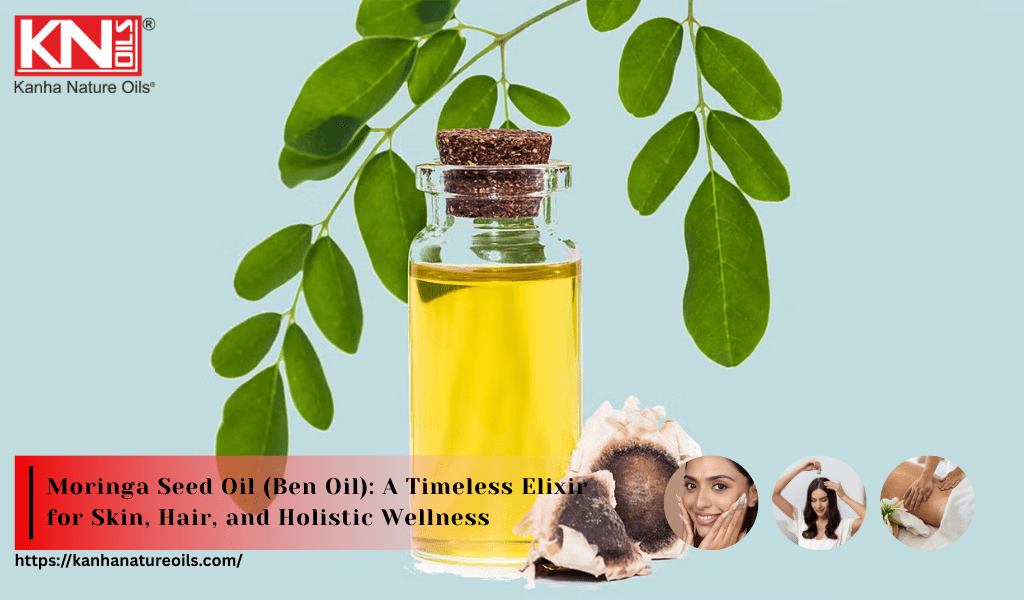
Moringa Seed Oil (Ben Oil): A Timeless Elixir for Skin, Hair, and Holistic Wellness In the ever-evolving world of natural beauty and holistic wellness, few ingredients have stood the test of time quite like moringa seed oil. Extracted from the seeds of the Moringa oleifera tree, this golden oil has been treasured for centuries across Africa, Asia, and the Middle East. Commonly known as Ben Oil, moringa seed oil is celebrated for its impressive nutritional profile, remarkable stability, and wide-ranging therapeutic benefits. From skincare and haircare to massage therapy, cosmetics, and aromatherapy, moringa seed oil has earned its place as a versatile and powerful natural remedy. As consumers seek clean, plant-based options in their personal care routines, Moringa seed oil is gaining attention worldwide. But what makes this oil so special? Let Kanha Nature Oils teach you about its origin, composition, benefits, and how it enhances beauty and health. The Origins of Moringa Oleifera The moringa tree, often referred to as the “Miracle Tree” or “Drumstick Tree,” is native to northern India but now thrives in tropical and subtropical regions worldwide. Every part of the tree—leaves, pods, seeds, bark, and roots—has been used in traditional medicine and nutrition. Moringa seed oil is extracted through cold-pressing mature seeds harvested from the tree’s long, slender pods. The oil has a pale yellow color, a light texture, and a mild, nutty aroma. Historically, it was prized in ancient Egypt, where it was used in skincare rituals, perfumes, and protective skin treatments against harsh desert climates. The name “Ben Oil” comes from its high concentration of behenic acid, a fatty acid that contributes to the oil’s smooth texture and conditioning properties. This unique composition sets it apart from many other plant-based oils. Nutritional Profile and Composition One of the reasons moringa seed oil is so valued lies in its rich and balanced nutritional makeup. It contains: Oleic acid (Omega-9 fatty acid) – Approximately 70–75%, providing deep moisturization and skin barrier support Behenic acid – Known for enhancing softness and smoothness Palmitic acid and stearic acid – Support skin protection and hydration Vitamin E (tocopherols) – A powerful antioxidant Plant sterols – Help reduce inflammation and strengthen skin resilience Antioxidants and bioactive compounds – Combat oxidative stress and environmental damage This unique combination gives moringa oil exceptional stability. Unlike many natural oils, it resists rancidity and has a long shelf life, making it highly desirable in cosmetic formulations. Benefits for Skincare Moringa seed oil has become a staple in natural skincare for good reason. Its lightweight yet deeply nourishing qualities make it suitable for nearly all skin types, including sensitive and acne-prone skin. 1. Deep Hydration Without Clogging Pores Thanks to its high oleic acid content, moringa oil penetrates deeply into the skin, delivering long-lasting moisture. Despite being rich, it absorbs quickly and does not leave a greasy residue. Its non-comedogenic properties make it unlikely to clog pores, making it ideal for combination and oily skin types. 2. Anti-Aging Properties Vitamin E and antioxidants in moringa oil help neutralize free radicals, which are responsible for premature aging. Regular use may reduce the appearance of fine lines, wrinkles, and sagging by supporting collagen production and maintaining skin elasticity. 3. Soothing Inflammation and Irritation Moringa oil contains anti-inflammatory compounds that calm redness, itching, and irritation. It is particularly beneficial for individuals with eczema, psoriasis, or sensitive skin conditions. 4. Detoxifying and Purifying Effects The oil has natural cleansing properties. It binds with dirt and impurities, making it a popular ingredient in oil cleansing routines. When massaged onto the face, it can gently dissolve makeup, excess sebum, and environmental pollutants without stripping the skin’s natural barrier. 5. Protection Against Environmental Stressors Modern lifestyles expose skin to pollution, UV radiation, and harsh weather. Moringa oil forms a protective barrier that shields against environmental damage while replenishing essential nutrients. Haircare Benefits Healthy hair begins with a nourished scalp, and moringa seed oil excels in both scalp care and strand conditioning. 1. Strengthening Hair Follicles Rich in vitamins and fatty acids, moringa oil strengthens hair from the root. It improves blood circulation to the scalp when massaged in, promoting healthier and potentially faster hair growth. 2. Combating Dandruff and Dry Scalp Its antimicrobial and anti-inflammatory properties help reduce dandruff and soothe dryness. Regular scalp treatments with moringa oil can restore moisture balance and reduce flakiness. 3. Enhancing Shine and Smoothness Behenic acid contributes to smoother, shinier hair. Moringa oil coats the hair shaft lightly, reducing frizz and improving manageability without weighing hair down. 4. Repairing Damage Environmental stress, heat styling, and chemical treatments can weaken hair structure. Moringa oil helps repair and protect damaged strands by sealing in moisture and preventing breakage. For best results, it can be used as a pre-shampoo treatment, leave-in conditioner, or added to hair masks. Role in Massage Therapy Massage therapy relies heavily on carrier oils that nourish the skin while providing optimal glide. Moringa seed oil is an excellent choice for massage therapists due to its texture and therapeutic qualities. 1. Smooth Application Its light consistency allows hands to glide effortlessly over the skin, reducing friction without feeling sticky. 2. Long-Lasting Moisture Unlike some oils that evaporate quickly, moringa oil provides sustained hydration, leaving the skin soft long after the massage session. 3. Muscle Relaxation and Inflammation Relief The anti-inflammatory properties may help soothe sore muscles and joint discomfort, making it ideal for therapeutic and relaxation massages. 4. Aromatherapy Compatibility Moringa oil blends well with essential oils, making it an excellent carrier oil for aromatherapy treatments. It does not overpower essential oil fragrances, allowing therapeutic scents to shine. Importance in Cosmetics The cosmetic industry values moringa seed oil for its stability, versatility, and skin benefits. 1. Ingredient in Creams and Lotions Its moisturizing and antioxidant properties make it a common ingredient in anti-aging creams, body lotions, and facial serums. 2. Lip Care Products Moringa oil deeply hydrates chapped lips and enhances the smooth texture of lip balms and glosses. 3. Soaps and Cleansers
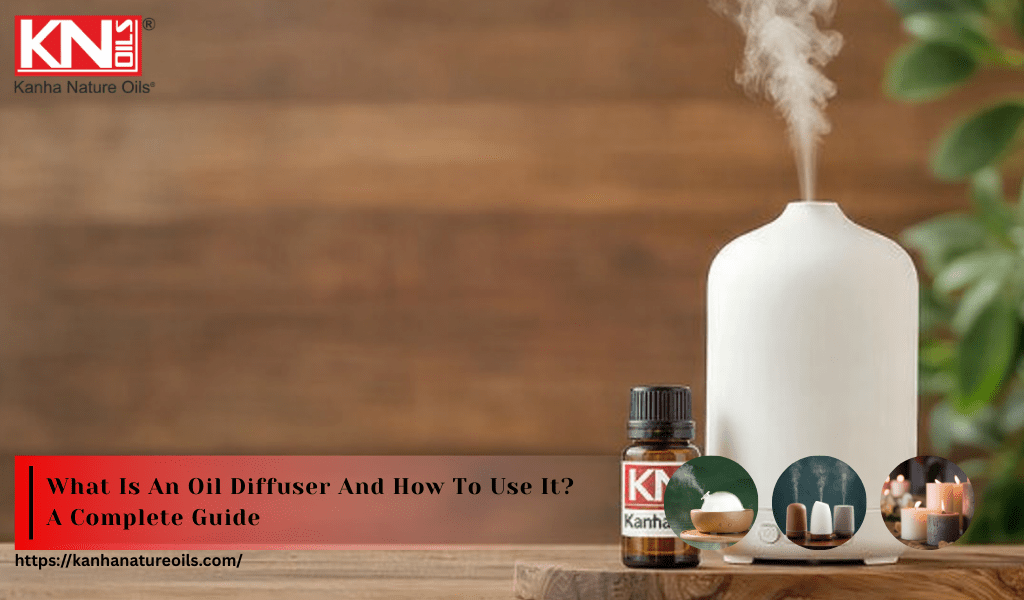
What Is An Oil Diffuser And How To Use It? A Complete Guide Essential oils and aromatherapy have surged in popularity in recent years as people search for natural ways to promote wellness, reduce stress, and enhance the atmosphere in their homes. Oil diffusers sit at the center of this trend—versatile, attractive, and effective tools for dispersing aromatic essential oils into the air. Whether you’re new to essential oils or you’re looking to get more out of your diffuser, this complete guide will explain everything you need to know: what an oil diffuser is, how it works, the benefits, how to choose the right one, safety tips, cleaning instructions, and practical usage ideas. What Makes An Aroma Diffuser Useful? The use of essential oils in an aroma diffuser can assist to rapidly and naturally relieve ✔️ stress, ✔️ anxiety, ✔️ despair, ✔️ tension, and other ✔️ negative emotions. They can also aid in ✔️ digestion, ✔️ ease headaches and ✔️ respiratory problems, ✔️ encourage relaxation and ✔️ general well-being, and do so much more. Additionally, essential oils have inherent antibacterial, antiviral, and antifungal qualities that can enhance our well-being and keep the air clean and healthy. How Does Using an Oil Diffuser Help You? 1- They Make You Feel Better Your mood and brain chemistry will benefit from using essential oils. Some essential oils, like lavender oil, have been thoroughly researched and are well known for being relaxing and for reducing stress, sleeplessness, and anxiety. Other essential oils, like citrus oils, are well-known for their uplifting properties and are excellent for naturally reducing the symptoms of depression and elevating your mood. 2- Essential Oil Diffusers Promote Relaxation The ability of the essential oils to promote relaxation is one of the key advantages of utilizing an essential oil diffuser. In reality, many people utilize particular essential oils to help them unwind at night, relax their muscles, or calm their minds. Numerous essential oils produce a calming environment that promotes relaxation, decreases blood pressure, reduces tension, and signals to the brain that it’s time to be quiet or go to sleep. 3- Diffusers Can Help Boost the Quality of Indoor Air Your indoor environment can become a sanctuary of aromatherapy by releasing essential oils into the air. The majority of homes include a lot of harmful chemicals from things like synthetic smells, pet dander, building materials, and chemical cleaning products. Air that is stagnant and unpleasant to breathe results from this. To minimize the chemical load on your body, natural, non-toxic alternatives to household fragrances are crucial. Freshening the air and providing a natural aroma while diffusing essential oils has a number of positive impacts on the body, mind, and emotions. 4- You Can Improve Concentration and Maintain Focus with Aromatherapy Diffusers You can increase your focus and enhance your concentration, thinking clarity, and productivity by diffusing essential oils that aid in focus, such as peppermint oil or rosemary essential oil. Focus is increasingly important in today’s world! For instance, peppermint oil has been shown to enhance memory and cognitive performance. Additionally, it aids in boosting alertness and vitality, and there are other additional oils that improve attention and concentration. 5- Aromatherapy Diffusers Promote a Calm and Relaxed Environment By enabling us to conveniently enjoy the advantages of aromatherapy, essential oils can help us manage stress and improve our daily well-being. Bergamot and lavender essential oils are recognized relaxants that can help soothe tension, calm anxiety, and reduce stress. Rose oil has a reputation for assisting in the restoration of equilibrium and balance, especially affective balance. 👉 How To Use An Oil Diffuser? An oil diffuser is typically used by pouring water into the machine’s container, adding a few drops or more of the desired essential oils, and turning the machine on. If you want to enjoy the scent, the unit should be placed in any room. Select A Diffusing Location Select a space with a solid surface or tabletop that is open in a room or office. It must be plugged into an outlet. A placemat or towel should also be put down if you are using the item on a wooden surface because water will be used. I have a diffuser by my bedside on my nightstand, and I also have one in my family room on a sturdy table. Avoid placing it in bright sunlight or close to a fan for best use. Fill Your Diffuser With Water Once you’ve chosen a location, fill your diffuser water tank with clean, room-temperature tap water until it reaches the fill line of the water reservoir. Refer to your diffuser manual for the suggested water amount your diffuser needs. The majority of diffusers include a water level line on the interior of the water reservoir or a measuring cup to fill up and then add to the reservoir. Add Aromatherapy Oils The water should then contain 3–10 drops of essential oils. Use a single essential oil, such as lavender, or a combination of essential oils. The suggested diffuser oils are listed below. Usually, 6 drops of oil are sufficient, but occasionally, additional oil may be needed for a stronger aroma. You can experiment with different essential oil concentrations to find your favorite. Turn On Depending on what your diffuser demands, replace the cap or top. If your model includes choices, such as a nightlight or color-changing LED lights, choose the features you want. Turn on the beautiful aroma and savor it! Different models of aromatherapy diffusers provide different possibilities, so shop around before buying one. You might be able to program the diffuser to run for a specific amount of time or select from a variety of time cycles, such as on for 30 seconds and off for 15 seconds. ESSENTIAL OILS IN AROMATHERAPY Conclusion Stepping into the world of essential oils is like opening the door to a beautiful sensory experience. All you really need are a few oils