Kanha Nature Oils

Kanha Nature Oils

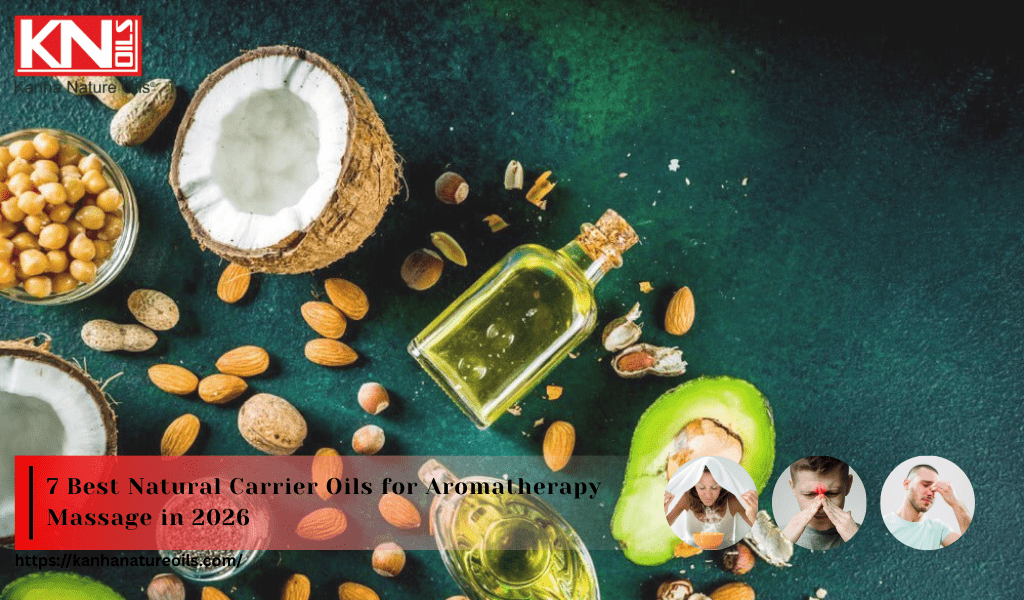
7 Best Natural Carrier Oils for Aromatherapy Massage in 2026   Aromatherapy massage has become one of the most popular natural wellness practices in recent years. As people increasingly turn toward holistic healing and self-care, essential oils and carrier oils are now widely used for relaxation, stress relief, skincare, and overall wellness. However, essential oils are highly concentrated plant extracts and should not be applied directly to the skin. Instead, they are diluted with carrier oils, which safely “carry” the essential oil into the skin during massage and aromatherapy treatments. Carrier oils are usually derived from plant seeds, nuts, or kernels and are commonly used in skincare, massage oils, lotions, and cosmetic formulations. They help dilute essential oils while also providing nourishing fatty acids, vitamins, and antioxidants for the skin. In 2026, the demand for natural, cold-pressed carrier oils is rising due to the global shift toward clean beauty, organic skincare, and plant-based wellness products. Whether you are a professional massage therapist, aromatherapist, skincare formulator, or simply someone who enjoys home massage blends, choosing the right carrier oil is essential. In this article, Kanha Nature Oils will discuss the 7 best natural carrier oils for aromatherapy massage in 2026, their benefits, skin compatibility, and how they enhance the aromatherapy experience. What Are Carrier Oils in Aromatherapy? Carrier oils are vegetable oils used to dilute essential oils before applying them to the skin. Essential oils are potent and may cause irritation if used undiluted. Carrier oils help distribute essential oils safely while improving absorption into the skin. Unlike essential oils, carrier oils do not evaporate quickly and have mild or neutral aromas. They are rich in nutrients such as fatty acids, vitamins, and antioxidants that nourish and hydrate the skin during massage therapy. Benefits of Carrier Oils in Aromatherapy Massage Carrier oils offer many therapeutic and cosmetic benefits, including: Diluting essential oils safely Improving skin hydration and nourishment Enhancing massage glide and absorption Supporting skin repair and elasticity Delivering vitamins and antioxidants to the skin Helping essential oils penetrate deeper layers of skin Because each oil has unique properties, aromatherapists often choose carrier oils based on skin type, massage purpose, and essential oil compatibility. 7 Best Natural Carrier Oils for Aromatherapy Massage Natural carrier oils are widely used in aromatherapy massage to dilute essential oils, protect the skin from irritation, and provide deep nourishment and smooth glide during massage.   1. Jojoba Oil – The Skin-Balancing Carrier Oil Jojoba oil is one of the most widely used carrier oils in aromatherapy massage. Interestingly, it is technically a liquid wax rather than a true oil, but its structure closely resembles the natural sebum produced by human skin. Key Benefits Absorbs quickly into the skin Helps balance oily and dry skin Non-comedogenic (won’t clog pores) Long shelf life compared to other oils Suitable for facial and scalp massage Because of its lightweight texture, jojoba oil works well with many essential oils such as lavender, tea tree, and sandalwood. Best For Acne-prone skin Facial aromatherapy massage Sensitive skin types In 2026, jojoba oil remains one of the most premium carrier oils in natural skincare and aromatherapy products. 2. Sweet Almond Oil – The Classic Massage Oil Sweet almond oil has been used for centuries in massage therapy and skincare. Extracted from almond kernels, it is rich in vitamins, minerals, and fatty acids that nourish and soften the skin. Key Benefits Lightweight and smooth texture Excellent moisturizer Improves skin tone and elasticity Ideal for full-body massage Works well with most essential oils Sweet almond oil has a mild nutty scent, which usually blends nicely with essential oils used in aromatherapy. Best For General aromatherapy massage Dry or sensitive skin Relaxation and spa treatments Because of its affordability and effectiveness, sweet almond oil continues to be a top carrier oil used by massage therapists worldwide. 3. Fractionated Coconut Oil – The Professional Massage Favorite Fractionated coconut oil is a refined version of coconut oil that remains liquid at room temperature. It is odorless, lightweight, and extremely stable, making it a favorite in professional massage and aromatherapy products. Key Benefits Long shelf life Non-greasy texture Excellent glide for massage Odorless (does not interfere with essential oils) Contains mild antimicrobial properties Unlike regular coconut oil, fractionated coconut oil does not solidify in cooler temperatures. Best For Long massage sessions Essential oil blends Aromatherapy roll-on products Its smooth glide and neutral scent make it one of the most versatile carrier oils in aromatherapy massage blends. 4. Grapeseed Oil – The Lightweight Skin Repair Oil Grapeseed oil is extracted from grape seeds and is widely used in cosmetics and aromatherapy formulations. It is known for its light texture and fast absorption, making it ideal for massage therapy. Key Benefits Rich in antioxidants Contains linoleic acid for skin repair Non-greasy and lightweight Absorbs quickly into the skin Helps maintain the skin’s moisture barrier Because it leaves only a thin film on the skin, grapeseed oil is often used in sports massage and body treatments. Best For Oily or combination skin Professional massage therapy Anti-aging skincare blends Grapeseed oil is also an economical option, making it popular among massage clinics and spas. 5. Apricot Kernel Oil – The Gentle Skin Softener   Apricot kernel oil is extracted from apricot seeds and is known for its gentle, skin-softening properties. It is rich in vitamins A and E and has a light, non-greasy texture. Key Benefits Easily absorbed into the skin Softens and nourishes skin Rich in antioxidants and fatty acids Suitable for sensitive skin Helps improve skin elasticity Apricot kernel oil is often used in facial massage oils and premium skincare formulations. Best For Sensitive or mature skin Facial aromatherapy massage Anti-aging skincare blends Because of its gentle nature, it is also commonly used in baby massage oils and delicate skincare products. 6. Avocado Oil – The Deeply Nourishing Oil Avocado oil is a rich, thick carrier oil extracted from avocado fruit. It is loaded with vitamins A, D, and E along
Top 5 Fragrance Oils for Aromatherapy to Relax Your Mind & Body     In today’s fast-paced world, stress, anxiety, and mental fatigue have become common challenges for many people. Long work hours, digital overload, and daily responsibilities often leave us feeling drained and overwhelmed. Aromatherapy has emerged as a natural and effective way to restore emotional balance and create a calming environment. Among the many aromatic products available, fragrance oils are widely used in diffusers, candles, and home fragrances to enhance mood and promote relaxation. Fragrance oils are specially formulated aromatic compounds designed to deliver pleasant and long-lasting scents. Unlike essential oils, which are extracted directly from plants and contain natural therapeutic compounds, fragrance oils are often blended or synthetically created primarily to provide scent and ambiance. Despite this difference, fragrance oils are still widely used in home aromatherapy settings because they create soothing atmospheres that support relaxation, meditation, and stress relief. Certain scents have a powerful effect on our emotions and nervous system. Warm, floral, woody, and sweet aromas can help calm the mind, improve sleep, and reduce stress. In this guide, Kanha Nature Oils introduces seven of the best fragrance oils for aromatherapy that can help relax your mind and body and transform your home into a tranquil haven. 1. Lavender Fragrance Oil Lavender is one of the most popular and universally loved aromas used in aromatherapy. Its gentle floral scent has been associated with relaxation, calmness, and better sleep for centuries. The soft and soothing aroma of lavender creates a tranquil environment that helps reduce stress and mental tension. Many people use lavender fragrance oil in diffusers before bedtime to create a calming nighttime routine. Its fragrance can also help reduce restlessness and promote deeper sleep. Lavender fragrance oil is commonly used in spa products, candles, room sprays, and bath oils. When diffused in a room, it can instantly transform the atmosphere into a peaceful and comforting space. Studies and wellness experts often recommend lavender-based aromas because they help ease anxiety and encourage relaxation. Best uses: Diffusers for relaxation Bedtime aromatherapy Candle making Bath and body products 2. Sandalwood Fragrance Oil Sandalwood has a rich, woody, and earthy aroma that is deeply grounding and calming. It has been used for centuries in meditation, spiritual practices, and traditional wellness rituals. The warm and smooth fragrance of sandalwood helps quiet the mind and encourage mindfulness. Many people use sandalwood fragrance oil during yoga, meditation, or spiritual practices because it creates a peaceful and focused environment. Sandalwood is also known for its luxurious scent profile. Its deep woody notes blend beautifully with floral or citrus fragrances, making it a favorite ingredient in perfumes, candles, and diffusers. Benefits of sandalwood fragrance oil: Promotes relaxation and emotional balance Supports meditation and mindfulness Creates a warm and grounding atmosphere 3. Vanilla Fragrance Oil Vanilla fragrance oil is famous for its sweet, warm, and comforting aroma. The scent of vanilla often reminds people of warmth, comfort, and pleasant memories, making it an excellent fragrance for stress relief. This fragrance creates a cozy and relaxing environment, especially in bedrooms and living spaces. Many aromatherapy enthusiasts use vanilla fragrance oil to reduce emotional tension and promote feelings of happiness and calm. Vanilla fragrance oil is particularly popular in candles and home diffusers because of its rich and long-lasting scent. According to fragrance experts, vanilla fragrances are often used to create a warm and inviting atmosphere in homes. Best uses: Home fragrance diffusers Relaxation candles Massage oils and body care products 4. Rose Fragrance Oil Rose fragrance oil is known for its romantic, floral, and uplifting scent. It has a gentle and soothing aroma that can help reduce emotional stress and create a peaceful environment. The fragrance of roses is often associated with love, calmness, and emotional comfort. In aromatherapy settings, rose fragrance oil can help lift the mood and promote feelings of happiness and positivity. Rose fragrance oil is commonly used in luxury candles, perfumes, and spa products. When diffused in a room, it adds a soft floral aroma that instantly improves the ambiance and creates a relaxing environment. Benefits of rose fragrance oil: Enhances emotional well-being Creates a calming environment Adds elegance to home fragrances 5. Jasmine Fragrance Oil Jasmine fragrance oil is known for its sweet, floral, and exotic scent. It has an uplifting and mood-boosting aroma that helps reduce feelings of fatigue and emotional stress. Jasmine is often used in aromatherapy to improve mood and increase positivity. Its rich floral fragrance can help create a relaxing yet energizing environment. Many people also use jasmine fragrance oil to enhance creativity and mental clarity. Because of its luxurious scent, jasmine fragrance oil is widely used in perfumes, body care products, and aromatherapy candles. Best uses: Meditation and relaxation Perfume and body care products Home fragrance diffusers How to Use Fragrance Oils for Aromatherapy Fragrance oils can be used in many different ways to enhance relaxation and improve the ambiance of your home. Some of the most common methods include: 1. Diffusers Adding a few drops of fragrance oil to a diffuser spreads the aroma throughout the room and creates a calming atmosphere. 2. Scented Candles Fragrance oils are widely used in candle making. When the candle burns, it releases a soothing aroma that promotes relaxation. 3. Room Sprays Fragrance oils can be mixed with water and alcohol to create natural room sprays that refresh indoor spaces. 4. Bath Products   They are often added to bath salts, soaps, and body care products to create spa-like relaxation experiences. Tips for Choosing the Best Fragrance Oils When selecting fragrance oils for aromatherapy, consider the following factors: Quality of the fragrance oil:Choose high-quality fragrance oils from reputable manufacturers to ensure long-lasting scents. Purpose of the fragrance:Different fragrances serve different purposes. For example, lavender is ideal for sleep, while citrus scents like lemongrass help energize the mind. Compatibility with products:Ensure the fragrance oil works well with diffusers, candles, or cosmetic products depending on your intended use. Personal

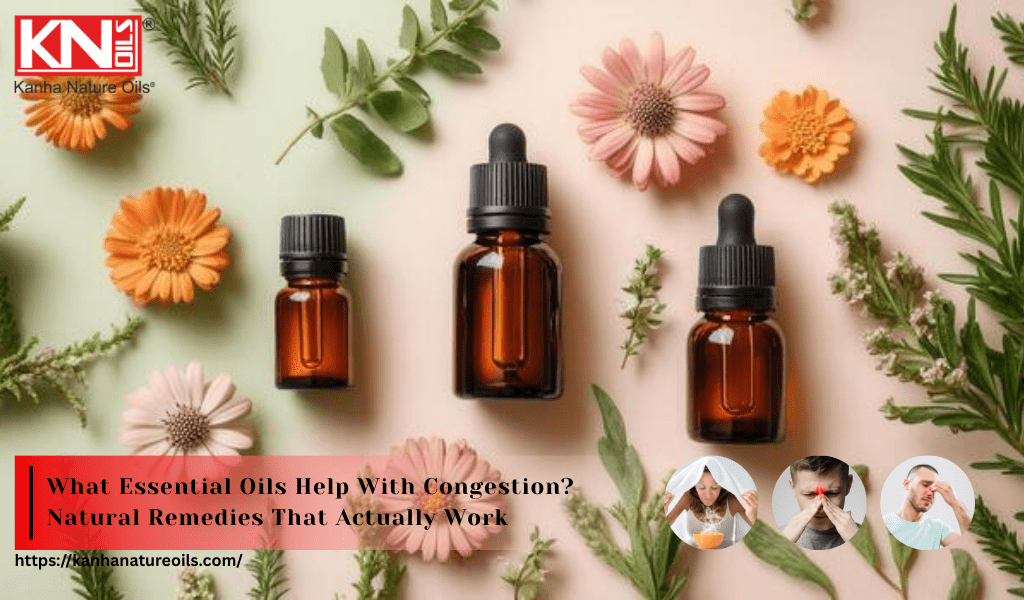
What Essential Oils Help With Congestion? Natural Remedies That Actually Work     Congestion is one of the most frustrating symptoms associated with colds, seasonal allergies, sinus infections, or respiratory irritation. When the nasal passages become blocked with mucus and inflammation, breathing comfortably can become difficult. Many people ask, “What essential oils help with congestion? “ because natural remedies are becoming increasingly popular for relieving blocked sinuses and improving breathing. Congestion can also disrupt sleep, cause headaches, and leave you feeling tired and unfocused throughout the day. While many people turn to over-the-counter medications for quick relief, an increasing number of individuals are exploring natural remedies like essential oils to support respiratory comfort. Essential oils have been used for centuries in traditional wellness practices because many plants contain powerful natural compounds that may help soothe the respiratory system. Certain essential oils are known for their decongestant, anti-inflammatory, and antimicrobial properties, which can help open the airways, loosen mucus, and promote easier breathing. In this guide, Kanha Nature Oils tells you about the best essential oils for congestion, how they work, and the safest ways to use them at home. Why Essential Oils May Help Relieve Congestion Essential oils are highly concentrated plant extracts obtained through methods such as steam distillation or cold pressing. These oils capture the aromatic compounds and beneficial plant chemicals responsible for their therapeutic properties. When inhaled through aromatherapy or steam inhalation, essential oils can interact with the respiratory system and nasal passages. Many oils contain active compounds that may help: • Loosen mucus buildup in the sinuses• Reduce inflammation in nasal passages• Support healthy respiratory function• Provide a soothing cooling sensation• Help eliminate airborne bacteria and odors Because of these benefits, essential oils are widely used in natural cold remedies, aromatherapy, and wellness practices aimed at improving breathing comfort. 1. Eucalyptus Essential Oil Eucalyptus oil is widely considered one of the most effective essential oils for relieving congestion. It contains a powerful compound called eucalyptol (1,8-cineole), which is known for its decongestant and anti-inflammatory properties. Eucalyptol helps break down mucus and may support clearer nasal passages, making breathing easier during colds or sinus infections. Potential Benefits • Helps loosen mucus in the sinuses• Supports easier breathing• May reduce sinus inflammation• Provides a refreshing cooling sensation Because of these properties, eucalyptus oil is commonly found in vapor rubs, cough syrups, and inhalers designed for respiratory relief. How to Use Add 3–4 drops of eucalyptus oil to a bowl of hot water and inhale the steam for several minutes. You can also add it to a diffuser to fill the room with a refreshing, airway-clearing aroma. 2. Peppermint Essential Oil Peppermint oil is another popular natural remedy for sinus congestion. It contains menthol, a compound that creates a cooling sensation and helps the nasal passages feel more open. While peppermint oil does not physically remove mucus, the cooling effect of menthol can provide a sensation of improved airflow, which many people find extremely soothing during congestion. Potential Benefits • Provides temporary relief from blocked sinuses• Helps reduce sinus pressure• May relieve congestion-related headaches• Refreshes and energizes the respiratory system Peppermint oil is frequently used in inhalers, chest rubs, and aromatherapy blends designed for respiratory comfort. How to Use Diffuse 2–3 drops of peppermint oil in a room diffuser or mix it with a carrier oil and gently apply it to the chest area. 3. Tea Tree Essential Oil Tea tree oil is well known for its powerful antibacterial, antiviral, and antifungal properties. Because congestion is sometimes caused by infections, tea tree oil may help support the body’s natural defenses. Although tea tree oil does not directly loosen mucus like eucalyptus oil, it may help purify the air and reduce the presence of microbes that contribute to respiratory discomfort. Potential Benefits • Supports immune defense• Helps purify indoor air• May reduce sinus inflammation• Provides antimicrobial protection Tea tree oil is commonly used in diffusers, cleaning products, and natural wellness blends. How to Use Add a few drops of tea tree oil to a steam inhalation bowl or room diffuser to help cleanse the air and support respiratory health. 4. Lavender Essential Oil Lavender oil is widely known for promoting relaxation and better sleep, but it can also help relieve congestion caused by allergies or sinus inflammation. Its anti-inflammatory and calming properties may help soothe irritated nasal passages and improve breathing comfort, especially during nighttime congestion. Potential Benefits • Helps reduce inflammation in the sinuses• Supports relaxation and better sleep• May ease allergy-related congestion• Promotes overall respiratory comfort Lavender oil is particularly useful when congestion interferes with sleep. How to Use Diffuse lavender oil in the bedroom before bedtime or add a few drops to a warm bath to relax the body and promote easier breathing. 5. Rosemary Essential Oil Rosemary oil is another beneficial essential oil that may support respiratory health. It contains natural compounds that can help relax the muscles of the respiratory tract and improve airflow. Although less commonly used than eucalyptus or peppermint, rosemary oil can still be helpful in relieving sinus pressure and promoting healthy breathing. Potential Benefits • Supports sinus drainage• May reduce respiratory inflammation• Helps stimulate circulation• Supports the body’s natural defense system How to Use Add rosemary oil to a diffuser or use it for steam inhalation to gently clear the airways. Best Ways to Use Essential Oils for Congestion There are several effective methods for using essential oils to support respiratory comfort. Steam Inhalation Steam inhalation is one of the fastest and most effective ways to relieve nasal congestion using essential oils. Steps Fill a bowl with hot water Add 2–3 drops of essential oil Lean over the bowl and cover your head with a towel Inhale the steam slowly for 5–10 minutes This process helps loosen mucus and soothe irritated nasal passages. Diffusing Essential Oils Diffusers disperse essential oil molecules into the air, allowing you to inhale them gently throughout the day. Diffusing oils is particularly helpful for: •

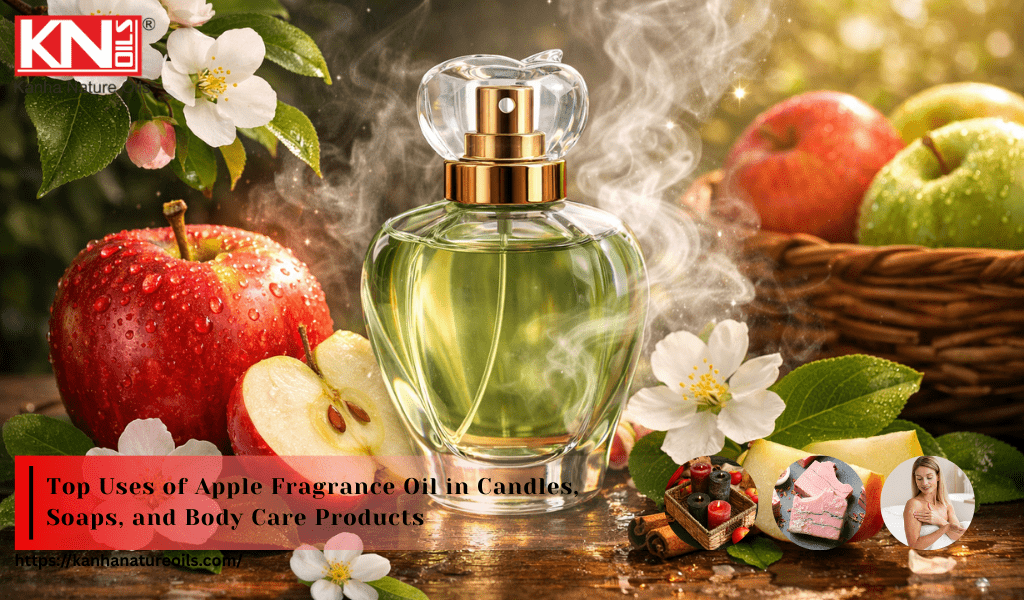
Top Uses of Apple Fragrance Oil in Candles, Soaps, and Body Care Products   In the world of fragrances, few scents are as universally loved as the fresh, juicy aroma of apples. The crisp sweetness of a freshly picked apple evokes feelings of freshness, comfort, and natural beauty. Apple Fragrance Oil captures this delightful scent and transforms it into a versatile ingredient used in candles, soaps, perfumes, body care products, and home fragrances. For manufacturers, artisans, and cosmetic brands, apple fragrance oil provides a reliable way to add a refreshing fruity aroma to their creations. In this blog post, Kanha Nature Oils tells you everything you need to know about Natayega’s Apple Fragrance Oil—from its scent and benefits to its many uses in the beauty, wellness, and home fragrance industries. If you’re a product creator or business looking for premium fragrance oils in bulk, this guide will help you understand why apple fragrance oil is a popular and beneficial option. The Captivating Aroma of Apple Fragrance Oil Apple Fragrance Oil is known for its bright, fruity scent that mimics the smell of freshly sliced apples. The aroma is typically a balanced combination of sweet, crisp, and slightly tart notes that create an uplifting sensory experience. The fragrance profile often includes several layers: Top Notes: Fresh green apple, fruity zest, and juicy sweetness Middle Notes: Apple flesh, subtle floral tones, or pear Base Notes: Light musk, soft sweetness, or woody undertones This layered composition helps the fragrance develop gradually, making it long-lasting and pleasant in various products. The scent is often described as clean, energizing, and refreshing, making it ideal for everyday products and seasonal collections. Because apple aromas are associated with freshness and natural fruitiness, they are widely used in both personal care and home fragrance products. Why Apple Fragrance Oil Is So Popular Apple-based fragrances have gained immense popularity in the cosmetic and home fragrance industries. Several factors contribute to the widespread demand for this scent. 1. Universally Appealing Scent The smell of apples is widely loved across cultures and age groups. Unlike overly strong or complex fragrances, apple scents are clean, fruity, and refreshing. This makes them suitable for a wide variety of products. 2. Creates a Fresh and Inviting Atmosphere Apple fragrance oil has a bright and uplifting scent that makes any space feel welcoming. It is commonly used in candles and air fresheners because it fills rooms with a pleasant fruity aroma. 3. Versatility in Product Formulation One of the biggest advantages of apple fragrance oil is its compatibility with multiple product bases. It blends well with wax, oils, lotions, soaps, and alcohol-based perfumes. 4. Ideal for Seasonal and Year-Round Products Apple fragrances are often associated with autumn and harvest seasons, but their clean fruity aroma also works well for spring and summer products. Common Uses of Apple Fragrance Oil Apple fragrance oil is extremely versatile and can be used in many product categories. From handmade crafts to large-scale manufacturing, this fragrance is a favorite among creators. 1. Candle Making One of the most popular uses of apple fragrance oil is in scented candles. Apple-scented candles create a warm, cozy environment and are commonly used in homes, cafes, spas, and retail stores. When blended with wax, the fragrance gradually diffuses into the air, filling the room with a sweet fruity aroma. Apple fragrance also blends beautifully with other notes such as: Cinnamon Vanilla Pear Caramel Spice blends These combinations are especially popular for seasonal candles. In candle manufacturing, fragrance oils are typically added in small percentages to achieve a balanced scent throw. 2. Soap Making Soap makers frequently use apple fragrance oil to create fresh and fruity bath products. Apple-scented soaps are loved because they make bathing feel refreshing and energizing. The fragrance blends well with both cold-process and melt-and-pour soap bases. Benefits in soap products include: Pleasant bathing experience Long-lasting scent retention Attractive fruity aroma Handmade soap brands often combine apple fragrance with ingredients such as oatmeal, honey, cinnamon, or green tea to create unique formulations. 3. Body Care and Cosmetics Apple fragrance oil is widely used in personal care products, including: Body lotions Body wash Body butter Face creams Bath bombs Scrubs These products benefit from the fresh and uplifting scent that enhances the overall user experience. Apple fragrance adds a clean, fruity character that makes skincare routines more enjoyable. Many cosmetic-grade fragrance oils are formulated to meet safety standards and can be incorporated into various beauty products when used at recommended levels. 4. Perfumes and Body Sprays Apple fragrance oil is frequently used as a key note in perfumes and body mists. Its fresh fruity aroma creates a light and youthful fragrance profile. Perfumers often combine apple with complementary notes such as: Floral notes (rose, jasmine) Citrus notes (lemon, bergamot) Woody notes (cedarwood, sandalwood) Sweet notes (vanilla, caramel) These combinations create complex fragrances suitable for both men’s and women’s perfumes. 5. Home Fragrance Products Home fragrance is another major application for apple fragrance oil. It is commonly used in products such as: Air fresheners Room sprays Reed diffusers Wax melts Potpourri These products help maintain a fresh and pleasant atmosphere in homes, offices, hotels, and retail environments. Apple scents are also used in cleaning products and floor sprays to enhance the user experience with a refreshing aroma. Benefits of Using Apple Fragrance Oil in Product Development For product manufacturers and brands, apple fragrance oil offers several advantages. 1. Strong Scent Performance Apple fragrance oil has a powerful and noticeable scent even in small quantities. This makes it cost-effective for large-scale production. 2. Long-Lasting Aroma High-quality fragrance oils are designed to maintain their scent over time, ensuring that candles, soaps, and perfumes remain fragrant for longer. 3. Excellent Blending Ability Apple fragrance blends well with many other scent profiles including floral, citrus, spice, and gourmand notes. 4. Enhances Product Appeal Consumers are naturally attracted to fruity scents. Apple fragrance helps products stand out on shelves and increases their market appeal. 5. Suitable for

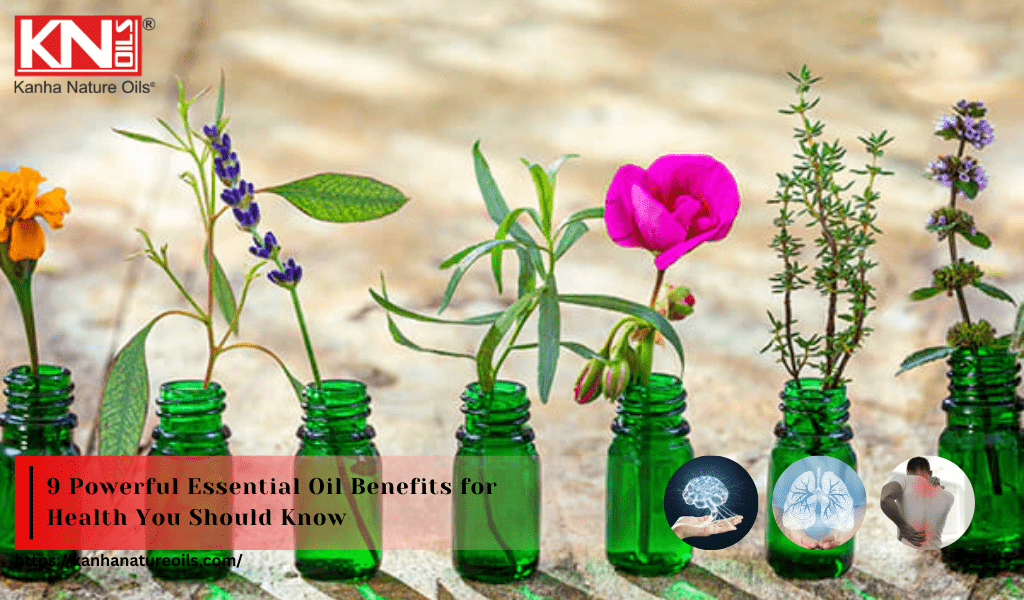
9 Powerful Essential Oil Benefits for Health You Should Know   Essential oils have been used for centuries in traditional medicine, wellness rituals, and natural healing practices. Extracted from flowers, leaves, bark, seeds, and roots of plants, these highly concentrated oils capture the plant’s natural aroma and beneficial compounds. Today, essential oils are widely used in aromatherapy, skincare, massage therapy, and natural health remedies. People across the world are turning to essential oils as a natural alternative to support physical and emotional well-being. From relieving stress to improving sleep and supporting skin health, essential oils offer many therapeutic benefits when used correctly. In this blog post, Kanha Nature Oils will explore the health benefits of 9 powerful essential oils, explain how they work, and highlight some of the most popular oils used for wellness. What Are Essential Oils? Essential oils are natural plant extracts obtained through processes such as steam distillation or cold pressing. These oils contain the plant’s aromatic compounds and active ingredients that contribute to their therapeutic properties. Each essential oil has a unique chemical composition that gives it specific benefits. For example: Lavender oil is known for its calming and relaxing properties. Peppermint oil is often used to relieve headaches and improve focus. Tea tree oil is widely used for its antibacterial and antifungal benefits. Essential oils can be used in several ways, including: Aromatherapy diffusers Topical application with carrier oils Massage therapy Bath and skincare products When used properly, essential oils can help support overall health and wellness. 1. Helps Reduce Stress and Anxiety One of the most well-known benefits of essential oils is their ability to reduce stress and anxiety. Aromatherapy works by stimulating the olfactory system, which is connected to the brain’s emotional center. When you inhale essential oil molecules, they travel to the limbic system, which influences emotions, mood, and memory. Certain oils have calming effects that help relax the mind and body. Best Essential Oils for Stress Relief Lavender oil Chamomile oil Bergamot oil Ylang-ylang oil These oils can be diffused in the room, added to bathwater, or used during massage therapy to promote relaxation and emotional balance. Regular use of calming essential oils may help reduce tension, improve mood, and create a peaceful environment. 2. Improves Sleep Quality Many people struggle with sleep problems such as insomnia or restless sleep. Essential oils can support better sleep by calming the nervous system and promoting relaxation before bedtime. Aromatherapy with sleep-supporting oils can help the body transition into a restful state, making it easier to fall asleep and stay asleep. Best Essential Oils for Sleep Lavender oil Cedarwood oil Sandalwood oil Vetiver oil To use essential oils for sleep: Diffuse them in your bedroom 30 minutes before bedtime Add a few drops to your pillow Use them in a relaxing evening massage Better sleep is essential for overall health, and essential oils offer a natural way to improve sleep quality. 3. Supports Respiratory Health Essential oils are often used to support respiratory health and relieve symptoms of congestion, cough, and seasonal allergies. Certain oils have decongestant, anti-inflammatory, and antimicrobial properties that help open airways and support easier breathing. Best Essential Oils for Respiratory Support Eucalyptus oil Peppermint oil Tea tree oil Rosemary oil Inhaling steam with a few drops of these oils can help clear nasal passages and reduce respiratory discomfort. Many natural chest balms and vapor rubs also include essential oils because of their soothing effects on the respiratory system. 4. Boosts Mood and Mental Clarity Essential oils can have a powerful effect on mood and cognitive function. Some oils stimulate the brain and improve focus, concentration, and mental clarity. This makes essential oils useful for people who experience fatigue, brain fog, or lack of motivation. Best Essential Oils for Energy and Focus Lemon oil Peppermint oil Rosemary oil Grapefruit oil These oils are often used in diffusers during work or study sessions. Their refreshing aromas can help boost alertness and increase productivity. Incorporating energizing oils into your daily routine may help support better mental performance. 5. Supports Skin Health Essential oils are commonly used in natural skincare products because of their antibacterial, anti-inflammatory, and antioxidant properties. They can help improve skin appearance, reduce acne, and support healthy skin regeneration. Best Essential Oils for Skin Tea tree oil for acne Lavender oil for soothing irritated skin Rose oil for hydration and anti-aging Frankincense oil for skin rejuvenation When using essential oils on the skin, they should always be diluted with a carrier oil such as: Coconut oil Jojoba oil Sweet almond oil Proper dilution ensures safe application and prevents skin irritation. 6. Relieves Pain and Muscle Tension Essential oils are widely used in massage therapy to relieve muscle pain, joint discomfort, and tension. Certain oils contain natural anti-inflammatory and analgesic compounds that help relax muscles and improve blood circulation. Best Essential Oils for Pain Relief Peppermint oil Eucalyptus oil Ginger oil Black pepper oil These oils are often blended with carrier oils and applied during massage to relieve soreness and stiffness. Athletes and massage therapists frequently use essential oils to support muscle recovery and physical relaxation. 7. Supports Immune System Health   Some essential oils contain antimicrobial and antiviral compounds that may help support the immune system. While essential oils should not replace medical treatment, they can help create a cleaner environment and support natural defenses. Best Essential Oils for Immune Support Tea tree oil Lemon oil Oregano oil Thyme oil Diffusing antimicrobial essential oils in the home may help reduce airborne bacteria and create a fresher indoor environment. These oils are also commonly used in natural cleaning products for their disinfecting properties. 8. Helps Improve Digestion Essential oils may support digestive health by stimulating digestive enzymes and reducing discomfort such as bloating or nausea. Certain oils are traditionally used in herbal medicine to support healthy digestion. Best Essential Oils for Digestion Peppermint oil Ginger oil Fennel oil Cardamom oil Peppermint oil, for example, is often used to soothe digestive upset

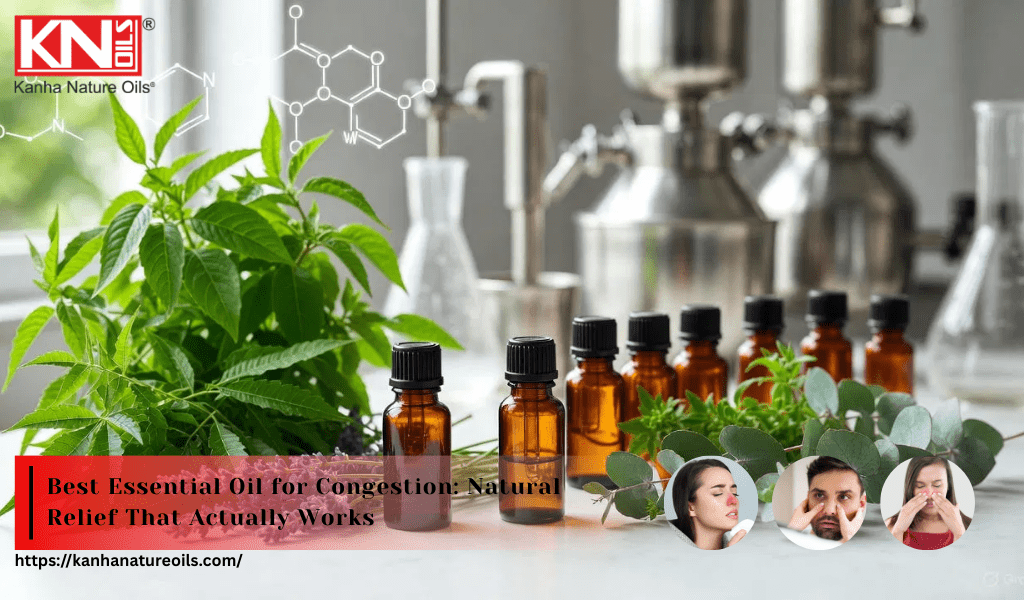
Best Essential Oil for Congestion: Natural Relief That Actually Works   Congestion can happen at the worst possible times—during a busy workday, on a long-awaited vacation, or just when you’re trying to relax at home. Whether it’s caused by a cold, allergies, sinus problems, or dry indoor air, congestion is uncomfortable and can make breathing difficult. Many people take over-the-counter medications, but these can have side effects, some of which can make you feel drowsy or foggy. That’s why natural remedies—especially essential oils—have become so popular for reducing congestion and easing breathing. Throughout this blog post, Kanha Nature Oils will share the best essential oils for congestion relief, how they work, tips for safe use, and how to incorporate them into your daily wellness routine. What Is Congestion and Why Does It Happen? Before diving into essential oils, it’s helpful to understand what congestion is and why it occurs. Congestion refers to the blockage or buildup of mucus in the nasal passages, sinuses, or chest. Common causes include: Viral infections, such as the common cold or flu Allergies, triggered by pollen, dust, or pet dander Sinusitis, inflammation of the sinus cavities Environmental irritants, such as smoke or pollution Dry air, especially during winter months When the tissues lining the nose and sinuses become inflamed, they produce excess mucus, leading to that familiar “stuffy” sensation. Congestion is not only uncomfortable — it can also disrupt sleep, impair focus, and make everyday activities feel harder. How Essential Oils Can Help Essential oils are concentrated plant extracts that capture the aromatic and therapeutic qualities of botanicals. Many have been used for centuries in traditional healing systems due to their anti-inflammatory, antimicrobial, and expectorant properties. For congestion relief, certain essential oils can help by: Loosening mucus and aiding drainage Reducing inflammation in nasal tissues Clearing airways and supporting easier breathing Providing a sense of cooling or soothing comfort While essential oils aren’t a cure-all — especially for serious infections — they can provide meaningful support as part of a natural care routine. Top Essential Oils for Congestion Relief Below are the most effective essential oils for congestion, based on their properties and traditional uses. These oils have been widely recommended by aromatherapists and supported by user experience. 1. Eucalyptus Oil Eucalyptus oil is arguably the most well-known essential oil for respiratory issues. It contains eucalyptol (1,8-cineole) — a compound with expectorant and anti-inflammatory properties. Benefits: Helps break up mucus Opens airways Supports clear breathing Has a cooling sensation Eucalyptus is ideal for sinus congestion and bronchial discomfort, and is often included in vapor rubs or inhalation blends. 2. Peppermint Oil Peppermint oil contains menthol, which provides a refreshing, cooling feeling that can soothe irritated nasal passages. It also promotes a sensation of easier airflow. Benefits: Relieves stuffiness Helps open nasal passages Reduces headache associated with sinus pressure Offers a refreshing aroma Peppermint can be especially comforting for congested sinuses and headaches caused by pressure. 3. Tea Tree Oil Tea tree oil is prized for its antimicrobial and anti-inflammatory properties. While it’s not as strongly expectorant as eucalyptus, it can help reduce sinus inflammation when used in a steam inhalation. Benefits: Helps combat microbial buildup Reduces inflammation Supports immune defense Clears nasal passages Tea tree is a great complement to other expectorant oils like eucalyptus or peppermint. 4. Lavender Oil Lavender oil is not specifically an expectorant, but it is deeply soothing and can support relaxation, which is valuable when congestion disrupts sleep. Benefits: Promotes relaxation and better sleep Reduces tension Soothes irritated nasal tissues Lavender pairs well with stronger oils to balance out sharper aromas and support restful breathing. 5. Rosemary Oil Rosemary essential oil contains compounds like cineole and camphor that can help support respiratory function. Benefits: Aids in clearing mucus Supports easier breathing Has an invigorating scent Rosemary is often included in blends aimed at sinus and chest congestion. Lemon and Other Citrus Oils Citrus oils like lemon, orange, and bergamot offer uplifting scents and can help support the immune system. While not strongly expectorant, they help clear the mind and reduce feelings of fatigue that come with congestion. Benefits: Uplifts mood Supports overall immune well-being Complements stronger decongestant oils Citrus oils are best used in combination with other essential oils. Safe Ways to Use Essential Oils for Congestion Essential oils are powerful and should be used safely to avoid irritation or adverse reactions. Below are common and effective methods: 1. Steam Inhalation This is one of the most direct ways to use essential oils for congestion relief. Steps: Boil water and pour into a bowl. Add 2–3 drops of essential oil (eucalyptus, peppermint, tea tree). Cover your head with a towel and inhale the steam for 5–10 minutes. The hot steam helps loosen mucus, while the essential oil vapors support clearer breathing. 2. Diffuser A diffuser disperses essential oil molecules into the air, allowing you to breathe them in throughout the day or night. Recommended Oils for Diffusion: Eucalyptus Peppermint Lavender Lemon Use a few drops in your diffuser, especially at night to support restful sleep. 3. Chest and Back Rub Mix a few drops of essential oil with a carrier oil (like coconut or jojoba) and apply to your chest or back. DIY Chest Rub Recipe: 2 Tbsp carrier oil 3 drops eucalyptus 2 drops peppermint 2 drops lavender Massage gently — the oils can help ease congestion and the calming effect promotes relaxation. 4. Warm Compress A warm compress on the face and sinuses can relieve pressure and discomfort. How to Use: Soak a washcloth in warm water. Add 1–2 drops of essential oil (eucalyptus or lavender). Apply to the forehead and cheeks for 5–10 minutes. This method is especially soothing for sinus pressure. 5. Aromatic Shower Treatment Add a few drops of essential oil to a washcloth or shower floor (away from direct water) while showering. The steam will carry the aroma and help open nasal passages. Choosing the Right Essential Oil Blend Not every oil works

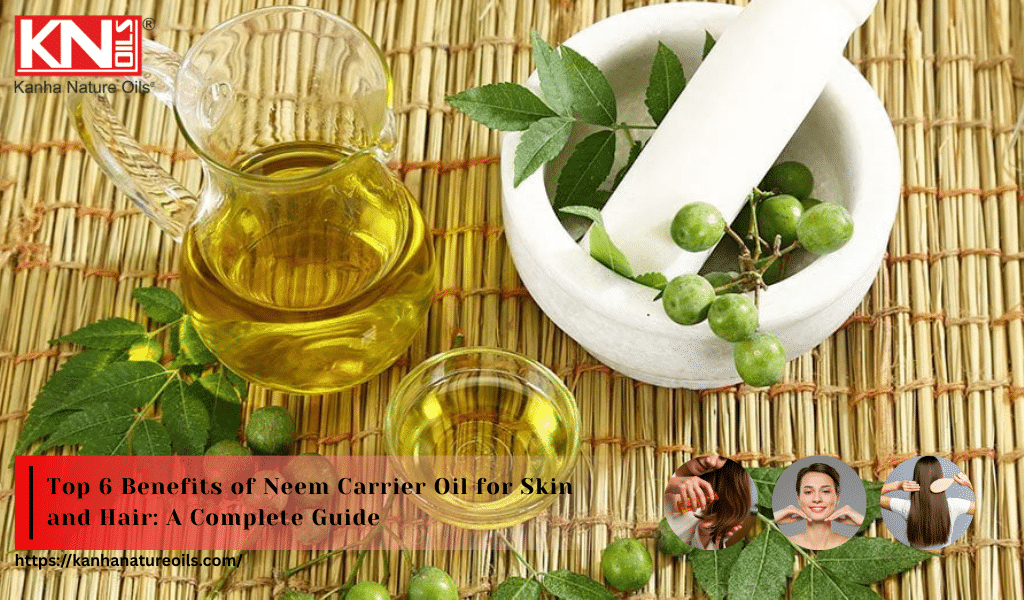
Top 6 Benefits of Neem Carrier Oil for Skin and Hair: A Complete Guide   Neem oil has been treasured for centuries in traditional wellness systems like Ayurveda and Unani medicine. Extracted from the seeds of the neem tree (Azadirachta indica), this deeply nourishing oil has a powerful blend of fatty acids, vitamins, antioxidants, and bioactive compounds. It’s especially prized for its ability to restore balance to troubled skin and strengthen hair from root to tip. In recent years, neem carrier oil has experienced a resurgence in the world of natural beauty. Influencers, dermatologists, and wellness enthusiasts alike have begun to recognize its incredible versatility and effectiveness. Whether you struggle with acne, dryness, inflammation, dandruff, or even premature greying, neem carries potential benefits worth exploring. In this blog post, Kanha Nature Oils will take you through the top 6 benefits of Neem Carrier Oil for skin and hair, how it works, and how to use it safely and effectively. 1. Deep Nourishment and Moisturization Healthy skin and hair share a simple foundation — they both need deep, effective hydration. However, not all moisturizers are created equal. Many commercial products provide surface-level hydration, offering temporary relief but failing to repair or protect underlying structures. Neem oil penetrates deeply, delivering much-needed fatty acids, antioxidants, and nutrients into the inner layers of the skin and hair follicles. For Skin: Rich in fatty acids (including oleic, linoleic, and palmitic acids), neem oil helps reinforce the skin’s lipid barrier. This enhanced lipid layer helps retain moisture, keeping the skin hydrated longer. It’s particularly beneficial for dry and flaky skin, preventing uncomfortable tightness and rough patches. For Hair: It nourishes the scalp and hair strands, improving manageability and shine. Dry, brittle hair becomes more supple, less prone to split ends and breakage when regularly conditioned with neem oil. The oil also works as a natural detangler, reducing friction and damage during combing or styling. This deep nourishment explains why neem oil is often recommended for individuals dealing with chronic dryness or environmental stressors like harsh winds, pollution, or extreme sun exposure. 2. Soothing Inflammation and Irritation Inflammation is a key contributor to a wide range of skin and scalp concerns, from redness and sensitivity to acne and eczema. Neem oil’s anti-inflammatory properties make it especially beneficial for calming compromised skin. Skin Benefits: Helps soothe redness, irritation, and minor inflammation caused by dryness or environmental triggers. Can be supportive for individuals dealing with chronic conditions like eczema or psoriasis, offering relief and improved comfort. Helps calm post-breakout redness, reducing the appearance of irritation and promoting recovery. Scalp Benefits: An irritated scalp often leads to itchiness and excessive scratching, which can damage hair follicles. Neem oil’s calming influence reduces itching and inflammation, supporting a healthier environment for hair growth. Because inflammation plays a part in many common skin and scalp issues, neem oil’s soothing action gives it a versatile edge in natural wellness routines. 3. Antioxidant Protection Against Environmental Damage Oxidative stress, caused by free radicals from pollution, UV exposure, and lifestyle factors, accelerates premature aging of skin and hair. Antioxidants act as defenders, neutralizing these harmful molecules and slowing down cellular damage. Neem oil is rich in potent antioxidants such as vitamin E and flavonoids, offering protective benefits that extend beyond moisturization. For Skin: Helps combat signs of premature aging like fine lines, wrinkles, and dullness. Strengthens the skin’s ability to repel environmental stressors. Encourages overall radiance and resilience. For Hair: Antioxidants help protect hair from UV-induced damage and oxidative weakening. This results in stronger, more resilient hair strands. Helps maintain natural shine and reduces dullness caused by environmental exposure. By shielding skin and hair from free radical harm, neem oil supports long-term health and vitality. 4. Promotes Healthy Hair Growth The condition of your scalp directly affects hair growth. A clean, nourished, and balanced scalp environment encourages stronger, fuller hair development. Neem oil plays several roles that contribute to healthier hair growth: Stimulates the Scalp: Active compounds in neem oil increase blood circulation when massaged into the scalp. Enhanced blood flow brings increased nutrient delivery to hair follicles. Balances Sebum Production: Too much sebum can clog hair follicles and stunt growth. Too little may leave the scalp dry. Neem oil’s balancing effect helps stabilize sebum production, creating an optimal environment. Strengthens Hair from the Roots: Deep nourishment prevents weak, brittle strands and reduces breakage. This supports longer, thicker hair over time. Many herbal hair treatments include neem oil specifically for its growth-enhancing potential, often in synergistic blends with other natural oils like coconut or castor oil. 5. Natural Insect Repellent Properties A lesser-known, yet valuable, benefit of neem oil is its insect-repelling ability. This is especially useful during warmer months or in regions where biting insects like mosquitoes and lice are common. Neem oil contains compounds that are naturally unappealing to pests, making it a non-toxic alternative to synthetic repellents. For Skin: Applied in diluted form, neem oil can help protect skin from insect bites. Its anti-irritant properties also soothe itchy insect bite reactions. For Hair and Scalp: Neem oil can help repel head lice and other tiny pests. It supports a clean scalp environment while providing a barrier against unwanted visitors. This quality makes neem oil a multifunctional addition to natural skincare and haircare toolkits. 6. Helps Fade Scars and Uneven Skin Tone Many people look for natural solutions to help even out skin tone and reduce the appearance of scars or dark spots caused by acne or sun damage. Neem oil’s therapeutic properties make it a gentle yet effective option for this purpose. How It Works: Neem oil’s antioxidant activity helps regenerate skin cells, encouraging healthier turnover. Its anti-inflammatory action reduces redness and helps fade marks over time. Neem oil also supports collagen formation, which assists in improving skin texture. Regular, consistent application (ideally mixed with a lighter carrier oil like jojoba or almond oil) may allow scars and hyperpigmentation to fade more naturally and gently than with harsh chemical treatments. How to

Essential Oils for Stress, Sleep & Mental Health: UK Consumer Guide   In today’s fast-paced and digitally connected world, stress and mental health challenges are more widespread than ever. According to surveys in the UK, increasing numbers of adults report feelings of anxiety, difficulty sleeping, and challenges managing everyday pressures. In response, many people are seeking natural and complementary approaches to support emotional wellbeing, better sleep, and reduced stress. Among these, essential oils have emerged as a popular, accessible, and versatile option. But with so many claims, products, and confusing information available online, how can anyone in the UK make an informed decision about using essential oils for stress, sleep, and overall mental health? In this guide, Kanha Nature Oils aims to provide a balanced, evidence-based, and consumer-friendly overview. We’ll explore the science, the most recommended essential oils, how to use them safely, and tips for choosing quality products on the UK market. What Are Essential Oils? Essential oils are highly concentrated plant extracts that capture the aroma and volatile compounds of specific botanicals. They are obtained through processes like steam distillation or cold pressing and are used in aromatherapy, cosmetics, massage, and home care. Each essential oil has a unique chemical profile that can influence mood and physical responses. For example, some are calming and relaxing, while others are invigorating or grounding. Although essential oils have been used for centuries in various traditional practices, modern scientific research into their physiological and psychological effects is still growing. Some evidence supports certain benefits—particularly related to mood, stress reduction, and sleep—but the quality of evidence varies across oils and applications. A Brief Look at the Evidence Scientific interest in essential oils has increased, particularly in areas such as stress relief and sleep improvement. Clinical studies often focus on aromatherapy, which involves inhaling the scent of oils. Some research suggests that aroma can influence the limbic system—an area of the brain involved in emotions and memory. While the evidence base isn’t as robust as for pharmaceutical treatments, several systematic reviews and clinical trials suggest: Lavender oil may help reduce anxiety in specific settings. Bergamot and frankincense aromatherapy have shown potential to support relaxation. Chamomile and cedarwood scents are often associated with improved sleep quality. In some studies, essential oil aromatherapy has been used alongside other therapeutic practices to enhance wellbeing. Importantly, responses to essential oils can be highly individual. What helps one person relax may not have the same effect for another. Additionally, many studies observe small effect sizes or mixed results, so essential oils should be viewed as supportive tools, not replacements for medical treatment when addressing clinical anxiety or sleep disorders. The UK Consumer Landscape In the UK, natural health products are widely available through high streets, pharmacies, health food stores, and online retailers. Unlike medicines, essential oils aren’t regulated for therapeutic claims unless a company chooses to pursue that path. This means marketing often uses broad or vague language like “promotes wellbeing” instead of clinical health claims. As a consumer in the UK, it’s important to: Look for reputable brands with transparent sourcing and quality standards. Understand that product labeling and terminology (e.g., “therapeutic grade”) isn’t legally defined. Be cautious about products claiming to cure specific diseases or mental health conditions. Essential oil usage in the UK spans from traditional aromatherapy practice to personal wellbeing routines. Many people enjoy the ritual of diffusing oils in the evening, adding a few drops to a bath, or selecting calming blends to support unwinding after a long day. Top Essential Oils for Stress Relief 1. Lavender Lavender is perhaps the most widely studied essential oil for stress and mood support. Its floral and herbaceous aroma is familiar in soaps, candles, and sleep sprays. Aromatherapy Benefits: Many people report a sense of calm when inhaling lavender. Evidence: Some studies indicate mild reductions in anxiety indicators, particularly in clinical or high-stress situations. Suggested UseDiffuser blend (2–3 drops), personal inhaler, or a few drops on a tissue during stressful moments. Safety TipLavender is generally well tolerated but should be diluted when applied to the skin. 2. Bergamot Bergamot has a bright, citrusy scent with calming undertones. It is often used in blends aimed at reducing tension and uplifting mood. Relaxation: The fresh aroma may help soothe nerves and create a positive atmosphere. Evidence: Small studies show promising results when used in aromatherapy for anxiety reduction. Suggested UseDiffusion or diluted application to the wrists or temples. Safety TipAvoid direct skin exposure in sunlight after using bergamot due to phototoxicity risks. 3. Frankincense Frankincense’s warm, resinous aroma is traditionally associated with meditation and grounding. Aromatic Effect: Many find it emotionally stabilising and centering. Supportive Use: Often included in blends for emotional balance and stress reduction. Suggested UseDiffuser or diluted topical application on pulse points. 4. Ylang Ylang Ylang ylang has a rich floral scent that is associated with relaxation and mood enhancement. Uplifting: May help soothe anxiety and reduce tension. Usage Consideration: A little goes a long way—its scent is powerful. Suggested UseDiffusion in relaxing environments like bedtime routine or self-care sessions. Essential Oils for Sleep Support Sleep difficulties—whether trouble falling asleep, staying asleep, or waking up feeling refreshed—are common. Stress, overstimulation, and busy minds often underlie these sleep problems. Here are essential oils most commonly associated with sleep: 1. Lavender Lavender is widely considered one of the most sleep-supportive oils. Research suggests people who inhale lavender before bed may experience improved sleep quality and deeper sleep cycles. Use in Sleep Routine– Diffuse a blend 30 minutes before bedtime– Add a few drops to a pillow mist– Mix with carrier oil and apply to feet or shoulders 2. Roman Chamomile    Roman chamomile has a gentle, slightly sweet aroma that complements relaxation and sleep. Suitable For: People who find floral scents calming. Sleep Benefits: May help create a quieter mind before sleep. Use TipDiffuse or prepare a relaxing bedtime blend with lavender and chamomile. 3. Cedarwood Cedarwood’s warm, woodsy scent can be grounding and conducive to restful

Scroll to Top