Kanha Nature Oils

Kanha Nature Oils

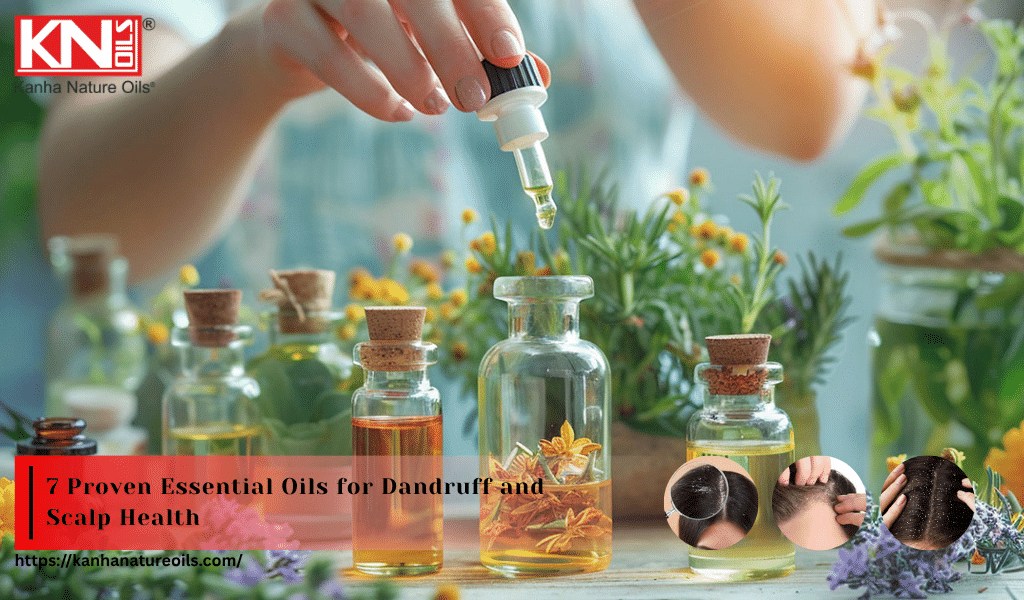
7 Proven Essential Oils for Dandruff and Scalp Health   Dandruff is one of the most common scalp concerns worldwide, affecting millions of people regardless of age or hair type. Characterized by itching, dryness, and flaky skin, dandruff can be both uncomfortable and embarrassing. While chemical-based treatments are widely available, many individuals are now turning toward natural remedies—especially essential oils—for safer and holistic scalp care. Essential oils are concentrated plant extracts known for their therapeutic properties. Many of them possess antifungal, antibacterial, and anti-inflammatory benefits, making them highly effective for addressing dandruff at its root cause. 7 proven essential oils for dandruff and scalp health, 1. Tea Tree Essential Oil Tea tree oil is arguably the most well-researched essential oil for dandruff treatment. Extracted from the leaves of Melaleuca alternifolia, this oil is known for its powerful antifungal, antibacterial, and anti-inflammatory properties. Dandruff is often caused by an overgrowth of a yeast-like fungus called Malassezia. Tea tree oil helps combat this fungus, reducing flaking and itchiness. Studies have shown that shampoos containing 5% tea tree oil can significantly reduce dandruff severity by targeting microbial growth. Additionally, tea tree oil helps unclog hair follicles, balance oil production, and soothe scalp irritation. How to use: Add 5–10 drops to your shampoo Mix with a carrier oil (like coconut oil) and massage into the scalp Use 2–3 times a week for best results   2. Lavender Essential Oil Lavender essential oil is widely known for its calming fragrance, but it also offers excellent scalp benefits. It has antimicrobial and anti-inflammatory properties that help reduce irritation and dryness. Lavender oil can also promote hair growth by improving blood circulation in the scalp. Its soothing nature makes it ideal for people with sensitive or itchy scalps. How to use: Mix with a carrier oil and apply as a scalp massage oil Add a few drops to your conditioner Use weekly for hydration and relaxation   3. Peppermint Essential Oil Peppermint oil is famous for its refreshing and cooling effect. It stimulates blood flow to the scalp, which helps improve hair health and reduce dandruff buildup. Research suggests that peppermint oil can help remove flakes while soothing irritation and itchiness. How to use: Dilute with a carrier oil before applying Add to shampoo for a refreshing cleanse Avoid overuse as it can be strong on sensitive skin   4. Lemongrass Essential Oil Lemongrass oil is a powerful antifungal and antimicrobial agent. It is especially effective in reducing dandruff caused by fungal infections. A study found that hair tonics containing lemongrass oil significantly reduced dandruff after regular use. Its refreshing citrus scent also helps eliminate scalp odor and excess oil. How to use: Add a few drops to shampoo or hair oil Use consistently for visible results within weeks   5. Rosemary Essential Oil Rosemary oil is a popular choice for improving scalp circulation and strengthening hair follicles. It helps reduce dryness and flaking while promoting overall scalp health. Its anti-inflammatory properties make it effective for soothing irritated skin and preventing dandruff recurrence. How to use: Mix with coconut or jojoba oil Massage into the scalp. 2–3 times weekly Leave for 30 minutes before washing   6. Eucalyptus Essential Oil Eucalyptus oil is known for its cooling and cleansing properties. It helps reduce itchiness, dryness, and inflammation on the scalp. Its antifungal action can help control dandruff caused by microbial imbalance while providing a refreshing sensation. How to use: Blend with a carrier oil for scalp massage Add to shampoo for a cooling effect   7. Thyme Essential Oil Thyme essential oil is rich in antifungal and antibacterial compounds, making it effective against dandruff-causing microbes. It also improves blood circulation and supports healthier hair growth while reducing scalp infections. Research has identified thyme oil as one of the essential oils that may help control dandruff effectively. How to use: Use in small quantities due to its potency Always dilute before application   How to Use Essential Oils Safely While essential oils are natural, they are highly concentrated and must be used with caution: Always dilute with a carrier oil (coconut, jojoba, or almond oil) Perform a patch test before use Avoid direct application of undiluted oil on the scalp Use 2–3 times per week, not daily Stop use if irritation occurs Tea tree oil, for example, should never be used at full strength, as it may cause irritation or allergic reactions. Why Essential Oils Work for Dandruff Dandruff is often caused by multiple factors, including fungal infections, dry skin, and excess oil production. Essential oils work because they: Target fungus and bacteria Reduce inflammation and itching Balance scalp oil production Improve blood circulation Nourish hair follicles By addressing both symptoms and root causes, essential oils provide a holistic solution for scalp health. Conclusion Essential oils offer a natural, effective, and holistic way to combat dandruff and improve scalp health. From the antifungal power of tea tree oil to the soothing properties of lavender and the stimulating effects of peppermint, each oil brings unique benefits to your hair care routine. Consistency is key when using essential oils. With proper application and regular use, you can significantly reduce dandruff, soothe irritation, and achieve a healthier scalp naturally. Improve your scalp health with the help of essential oils for relief from dandruff. Buy essential oils now. 👉 Essential Oils You May Also Like: Rosemary Oil Recipe for Hair Growth: A Complete Guide to Hair Pistachio Oil for Skin and Hair: Natural Beauty Benefits of This Nut 7 amazing benefits of star anise oil, including benefits for skin and hair. Kanha Nature Oils For more information, contact info@aromatherapyoil.in. Mobile Number: 9810805866
how to mix essential oils

🌿 How to Mix Essential Oils: A Complete Beginner’s Guide Essential oils have become a popular part of natural wellness, offering benefits for relaxation, skincare, and overall well-being. Learning how to mix essential oils properly can help you create effective and safe blends tailored to your needs. 🌸 What Are Essential Oils? Essential oils are concentrated extracts derived from plants. They capture the plant’s natural aroma and beneficial properties, making them useful in aromatherapy, massage, and home remedies. People commonly use essential oils in diffusers, skincare routines, and even cleaning products due to their natural properties. 🧪 Understanding the Basics of Mixing Essential Oils To create a balanced blend, it’s important to understand the three-note system used in aromatherapy: 1. Top Notes These are light and refreshing scents that are noticed first but evaporate quickly. Examples include lemon, peppermint, and eucalyptus. 2. Middle Notes These form the heart of the blend and provide balance. Common middle notes include lavender, tea tree, and rosemary. 3. Base Notes These are deep, rich scents that last the longest and help anchor the blend. Examples include sandalwood, cedarwood, and patchouli. A well-balanced blend usually follows this ratio:Top (30%) + Middle (50%) + Base (20%) 🛢️ How to Mix Essential Oils Safely Step-by-Step Guide 1. Decide your purposeChoose whether you want a blend for relaxation, energy, stress relief, or skincare. 2. Select your oilsPick oils from each note category to create a balanced aroma. 3. Always use a carrier oilEssential oils are highly concentrated and should never be applied directly to the skin. Mix them with carrier oils like coconut oil, jojoba oil, or almond oil. 4. Follow proper dilutionFor most adults, a 2–3% dilution is safe. For sensitive skin, use a lower concentration. 5. Test before useApply a small amount to your skin to check for any reactions. 🌼 Popular Essential Oil Blends Relaxation Blend Lavender, chamomile, and sandalwood create a calming and soothing effect. Energy Boost Blend Lemon, peppermint, and rosemary help improve focus and refresh the mind. Stress Relief Blend Bergamot, lavender, and frankincense work together to reduce stress and promote emotional balance. 🚫 Common Mistakes to Avoid Applying essential oils directly to the skin without dilution Mixing too many oils at once, which can create an overpowering scent Using low-quality or synthetic oils Storing oils improperly (always use dark glass bottles and keep them away from sunlight) 🌿 Final Thoughts Mixing essential oils is both simple and rewarding once you understand the basics. By following proper blending techniques and safety guidelines, you can create personalized combinations that support your lifestyle and well-being. Start with a few oils, experiment धीरे-धीरे (gradually), and enjoy the natural benefits they offer.

Essential Oils for Stress Relief

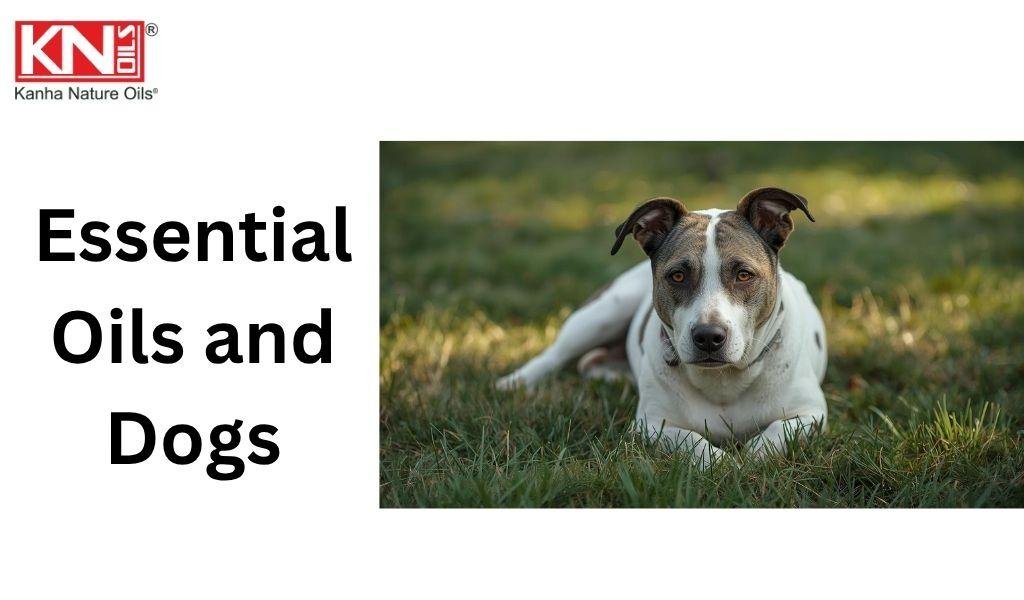
Essential Oils and Dogs: Hidden Dangers You Shouldn’t Ignore We all love a fresh-smelling home. Whether it’s lavender for relaxation or peppermint for a quick energy boost, essential oils have become part of daily life. But if you have a dog at home, there’s something important you need to know—some of these pleasant scents can actually be harmful to your furry friend. Let’s break it down in a simple, practical way. The Problem: Dogs Aren’t Like Humans Dogs experience the world through their noses. Their sense of smell is far more powerful than ours, which means strong scents can overwhelm them easily. On top of that, their bodies don’t process certain plant compounds the same way we do. So while an essential oil may feel “natural” and safe to you, it can still be toxic to your dog. Essential Oils You Should Keep Away from Your Dog Here are some common oils that can cause problems: Tea Tree Oil This one is especially dangerous. Even a small amount can lead to serious issues like shaking, weakness, or vomiting. Eucalyptus Oil It might clear your sinuses, but for dogs it can irritate their breathing and upset their stomach. Peppermint Oil Refreshing for humans, but too intense for dogs. It can lead to breathing discomfort and digestive issues. Citrus Oils (Lemon, Orange, etc.) These may smell clean and fresh, but they can cause stomach upset and even affect your dog’s nervous system. Cinnamon Oil This can irritate your dog’s mouth and may cause internal problems if exposure continues. Pine Oil Common in cleaning products, and definitely not pet-friendly. It can affect your dog’s liver and overall health. Wintergreen Oil Highly toxic—even a small amount can be dangerous due to its chemical composition. Ylang Ylang A pleasant floral scent for us, but it can trigger breathing and digestive issues in dogs. How Dogs Get Exposed You might be surprised—exposure doesn’t just happen if your dog drinks the oil. It can happen through: Diffusers in closed rooms Oils applied on your skin (they can lick it) Spills on furniture or floors Direct application (which should never be done without expert advice) Warning Signs to Watch For If your dog reacts badly to essential oils, you might notice: Drooling or vomiting Low energy or unusual weakness Shaking or tremors Trouble breathing Red or irritated skin These signs shouldn’t be ignored. Quick action can make a big difference. So, Are All Essential Oils Bad? Not necessarily—but “safe” doesn’t mean risk-free. Some oils like lavender or chamomile are sometimes considered milder, but even these should only be used carefully, in diluted form, and preferably after consulting a vet. Simple Ways to Keep Your Dog Safe You don’t have to give up essential oils completely—just be mindful: Use diffusers in well-ventilated spaces Let your dog leave the room if they want Never apply oils directly to your dog Keep bottles stored safely out of reach Choose pet-safe alternatives when possible Final Takeaway Essential oils may feel harmless, but for dogs, they can be a hidden danger. A little awareness can prevent serious health issues. At the end of the day, your dog doesn’t care how your home smells—they just care about being safe, comfortable, and close to you. And that’s what matters most.

Essential Oils for Stress Relief

🌿 Essential Oils for Stress Relief: Natural Ways to Relax Your Mind & Body Stress has become a part of modern life, affecting both mental and physical well-being. From work pressure to personal responsibilities, managing stress is essential for a healthier lifestyle. One of the most effective natural remedies is essential oils for stress relief—a holistic solution that promotes relaxation, balance, and calmness. In this blog, we’ll explore the best essential oils, their benefits, and how to use them for maximum results. 🌸 What Are Essential Oils? Essential oils are concentrated plant extracts obtained through distillation or cold pressing. These oils capture the natural aroma and therapeutic properties of plants, making them widely used in aromatherapy for stress, anxiety, and relaxation. 🌼 Best Essential Oils for Stress Relief 1. Lavender Essential Oil Lavender essential oil for stress relief Lavender is one of the most popular oils known for its calming and soothing effects. It helps reduce anxiety, improve sleep, and relax the nervous system. Benefits: Promotes deep sleep Reduces anxiety and tension Balances mood 2. Chamomile Essential Oil Chamomile oil for anxiety and stress Chamomile oil has gentle calming properties that help soothe the mind and body. It’s especially helpful for emotional stress and irritability. Benefits: Relieves nervous tension Supports emotional balance Helps with insomnia 3. Peppermint Essential Oil Peppermint oil for stress relief Peppermint oil is refreshing and energizing. It helps clear the mind and reduce mental fatigue. Benefits: Boosts focus and clarity Relieves headaches caused by stress Improves energy levels 4. Bergamot Essential Oil Bergamot essential oil benefits for stress Bergamot oil has a citrusy aroma that uplifts mood and reduces stress hormones. Benefits: Enhances mood Reduces anxiety Promotes relaxation 5. Sandalwood Essential Oil Sandalwood oil for relaxation Sandalwood is known for its grounding properties, helping calm racing thoughts and improve meditation. Benefits: Deep relaxation Mental clarity Emotional stability 🌿 How to Use Essential Oils for Stress Relief 🕯️ 1. Aromatherapy Diffuser Add a few drops of essential oil to a diffuser to fill your space with calming fragrance. 💆‍♀️ 2. Massage Therapy Mix essential oils with a carrier oil (like coconut or almond oil) and massage onto your body. 🛁 3. Relaxing Bath Add 5–10 drops of essential oil to warm bath water for a spa-like experience. 😌 4. Inhalation Simply inhale directly from the bottle or add a drop to a tissue. 🌱 Benefits of Using Essential Oils for Stress Natural and chemical-free solution Improves sleep quality Reduces anxiety and depression Enhances mood and relaxation Supports overall well-being ⚠️ Safety Tips Always dilute essential oils before applying to skin Do a patch test to avoid allergic reactions Avoid ingestion unless prescribed by a professional Keep away from children and pets 🔑 Conclusion Using essential oils for stress relief is a simple yet powerful way to improve your mental and emotional health naturally. Whether you choose lavender for relaxation or peppermint for clarity, incorporating these oils into your daily routine can make a significant difference. Start your journey toward a stress-free life with the power of nature today!

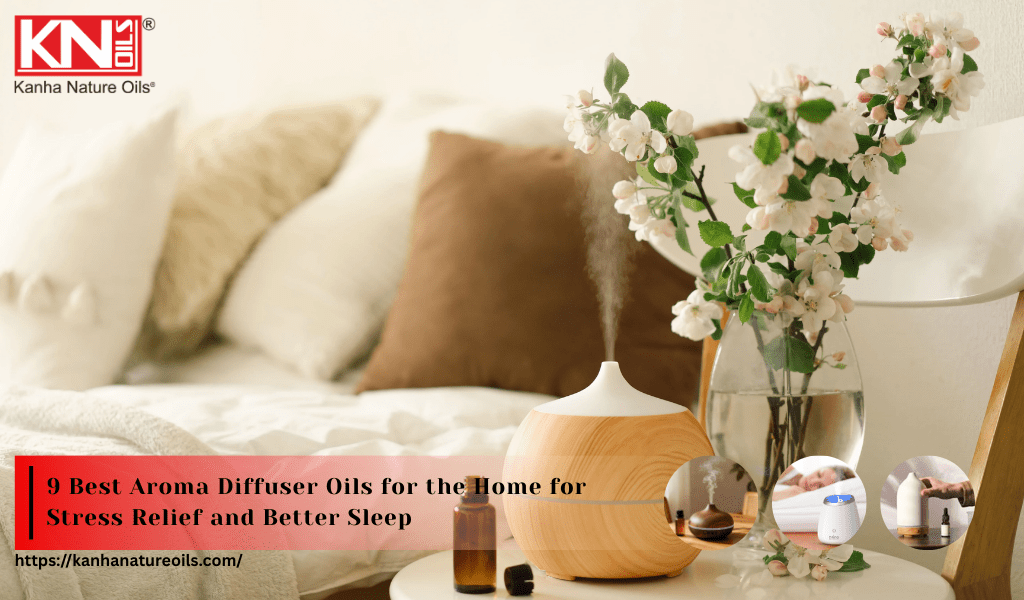
9 Best Aroma Diffuser Oils for the Home for Stress Relief and Better Sleep   Modern life is often filled with constant stimulation, deadlines, and digital distractions. As a result, many people struggle with stress, anxiety, and poor sleep. One natural solution gaining popularity is aromatherapy, the practice of using plant-derived essential oils to improve emotional and physical well-being. In fact, exploring the 9 Best Aroma Diffuser Oils for the Home can help you choose the most effective options for relaxation. When used in a home diffuser, these oils release calming scents that can transform your environment into a peaceful sanctuary. Certain essential oils are especially effective for relaxation, mood balance, and deeper sleep. By stimulating the olfactory system—the part of the brain connected to emotion and memory—aromatic oils can encourage calmness and help the body transition into a restful state. Listed below are nine of the best aromatherapy diffuser oils—recommended by Kanha Nature Oils—that can help alleviate stress and promote better sleep. 9 Best Aroma Diffuser Oils   1. Lavender Oil – The Ultimate Relaxation Oil Lavender essential oil is widely considered the gold standard of calming aromatherapy oils. Its soft floral aroma is known for reducing tension and encouraging relaxation. Many people use lavender oil before bedtime because it helps quiet the mind and prepare the body for sleep. Diffusing lavender in the evening can create a soothing environment that promotes restful sleep and emotional balance. The gentle scent helps ease anxiety after a long day and encourages a peaceful bedtime routine. Best uses: Diffuse in the bedroom before sleep Blend with chamomile or cedarwood Use during meditation or relaxation 2. Chamomile Oil – Gentle and Soothing Chamomile oil is famous for its calming properties and has long been used to help people relax before bed. Its sweet, herbal scent helps reduce feelings of stress and tension while encouraging mental calmness. This oil is particularly beneficial for those who experience racing thoughts at night. Diffusing chamomile can help create a comforting atmosphere that signals the body it is time to unwind. Best uses: Nighttime diffuser blends Relaxation rituals before bed Creating a calming bedroom environment 3. Sandalwood Oil – Deep Mental Calm Sandalwood essential oil is known for its rich, woody fragrance and grounding properties. Traditionally used in meditation and spiritual practices, sandalwood helps quiet mental chatter and encourages deep relaxation. Because of its ability to calm the mind, sandalwood is often used by people who struggle with stress-related insomnia. When diffused in the evening, its aroma helps create a tranquil and meditative space. Best uses: Evening meditation Stress relief after work Nighttime relaxation blends 4. Bergamot Oil – Stress Relief with a Citrus Twist Unlike many citrus oils that are energizing, bergamot oil offers a unique combination of uplifting and calming effects. Its fresh citrus aroma improves mood while also helping reduce stress and tension. Bergamot is an excellent oil for diffusing during the evening because it helps transition the mind from daytime activity to nighttime relaxation. Best uses: Evening stress relief Creating a calming living room atmosphere Blending with lavender for sleep 5. Cedarwood Oil – Grounding and Sleep-Supporting Cedarwood oil has a warm, woody scent that promotes emotional grounding and relaxation. Its natural compounds are believed to have sedative-like effects that support restful sleep. Many people diffuse cedarwood oil before bedtime because it helps slow the mind and relax the body. It’s particularly helpful for those who struggle to “switch off” after a stressful day. Best uses: Bedtime diffuser blends Meditation or mindfulness routines Stress relief during the evening 6. Ylang-Ylang Oil – Emotional Balance Ylang-ylang essential oil has a rich, sweet floral fragrance known for its ability to calm emotions and reduce stress. This oil is often used in aromatherapy to promote feelings of joy and relaxation. Its soothing aroma may help lower tension and encourage emotional balance, making it a wonderful choice for unwinding at night. Best uses: Relaxation after a busy day Romantic or calming home environments Blending with sandalwood or bergamot 7. Vetiver Oil – Deep Relaxation for Restless Minds Vetiver essential oil is sometimes referred to as the “oil of tranquility.” Its deep, earthy scent has a grounding effect that helps calm an overactive mind. People who experience chronic stress or difficulty sleeping often benefit from vetiver’s calming properties. When diffused before bedtime, it can help create a deeply relaxing atmosphere that supports restful sleep. Best uses: Nighttime stress relief Meditation and grounding practices Deep relaxation before bed 8. Jasmine Oil – A Natural Mood Enhancer Jasmine essential oil is prized for its sweet, uplifting aroma. It is known to improve mood and relieve tension, making it an excellent choice for reducing emotional stress. In aromatherapy, jasmine is often used to promote relaxation and emotional balance. Diffusing it in the evening can help create a comforting atmosphere that encourages calmness and better sleep. Best uses: Stress relief Creating a peaceful bedroom atmosphere Mood enhancement 9. Frankincense Oil – Peaceful and Meditative Frankincense oil has been used for centuries in spiritual and wellness traditions. Its warm, resinous scent helps deepen breathing and promote feelings of calm. When diffused in the evening, frankincense can help slow the pace of the mind and encourage a peaceful state that supports restful sleep. Best uses: Evening meditation Stress relief routines Relaxation before bedtime How to Use Aroma Diffuser Oils for Maximum Benefits Using essential oils in a diffuser is one of the simplest ways to enjoy aromatherapy at home. To create a calming atmosphere, follow these tips: 1. Use the right amountAdd about 3–6 drops of essential oil to your diffuser depending on room size. 2. Diffuse before bedtimeTurn on the diffuser 30 minutes before sleep to allow the scent to fill the room. 3. Create relaxing blendsCombining oils can enhance their calming effects. For example: Lavender + Chamomile Bergamot + Ylang-Ylang Cedarwood + Vetiver 4. Build a relaxing routineAromatherapy works best when paired with other relaxing habits such as reading, meditation, or gentle

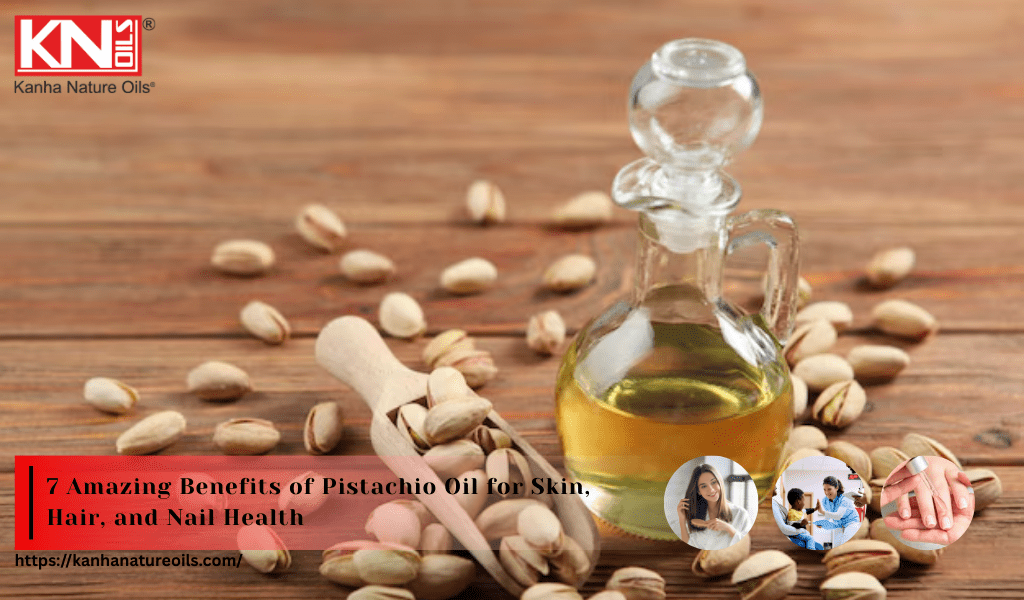
7 Amazing Benefits of Pistachio Oil for Skin, Hair, and Nail Health   Natural oils have become a staple in modern beauty routines, and pistachio oil is gaining attention as a powerful ingredient for skin, hair, and nail care. Extracted from the kernels of the pistachio nut, this nutrient-rich oil contains essential fatty acids, antioxidants, vitamins, and minerals that support overall beauty and wellness. Its lightweight texture and deep moisturizing properties make it suitable for a wide range of cosmetic uses. Pistachio oil is particularly valued for its high levels of vitamin E, antioxidants, and healthy fatty acids that help protect the skin, nourish hair, and strengthen nails. These nutrients work together to support hydration, improve elasticity, and promote healthy cell regeneration. In this blog post, Kanha Nature Oils will introduce you to seven amazing benefits of pistachio oil and show you how it can naturally transform your beauty routine. 1. Deeply Moisturizes and Hydrates Skin One of the most notable benefits of pistachio oil is its ability to deeply moisturize the skin. Rich in essential fatty acids such as oleic and linoleic acids, the oil helps lock moisture into the skin and prevent dryness. These fatty acids form a protective barrier that keeps the skin hydrated throughout the day. As a result, the skin feels softer, smoother, and more supple. People with dry or flaky skin often benefit greatly from using pistachio oil because it replenishes lost moisture without feeling heavy or greasy. Another advantage is that pistachio oil has a low chance of clogging pores, making it suitable for many skin types, including combination and acne-prone skin. Regular use can improve skin texture and maintain long-lasting hydration. 2. Fights Signs of Aging Aging skin often shows signs such as fine lines, wrinkles, and reduced elasticity. Pistachio oil helps combat these signs thanks to its high antioxidant content. Antioxidants, especially vitamin E, help neutralize free radicals that cause premature aging and skin damage. These compounds protect skin cells from environmental stressors like pollution and UV exposure. In addition, pistachio oil supports collagen production, which plays a vital role in maintaining skin firmness and elasticity. With consistent use, the oil can help reduce the appearance of wrinkles and keep the skin looking youthful and radiant. 3. Improves Skin Tone and Radiance Uneven skin tone, dullness, and dark spots can make the skin appear tired. Pistachio oil contains carotenoids, antioxidants, and vitamins that help brighten and even out the complexion. These nutrients support skin cell regeneration and help reduce the appearance of pigmentation. Over time, the skin may appear smoother, clearer, and more radiant. The oil also promotes natural glow by nourishing the skin from within. When applied regularly, pistachio oil enhances the skin’s natural luminosity while improving overall texture. 4. Soothes Irritated or Sensitive Skin Sensitive skin often reacts to harsh chemicals and environmental stress. Pistachio oil offers a gentle and natural solution due to its anti-inflammatory and soothing properties. The oil can help calm redness, irritation, and dryness. It supports the skin’s natural barrier and reduces discomfort caused by dryness or environmental damage. Because it is a plant-based oil with mild properties, pistachio oil is often suitable for people with sensitive skin. It can also help soothe minor skin issues and restore comfort to irritated areas. 5. Promotes Stronger and Healthier Hair Pistachio oil is not only beneficial for the skin but also an excellent natural treatment for hair care. It contains essential nutrients like vitamin E, biotin, and fatty acids that nourish hair from root to tip. These nutrients strengthen hair strands and improve elasticity, reducing breakage and split ends. Healthy fats in the oil also help condition the hair, making it softer and easier to manage. When applied to the scalp, pistachio oil can improve circulation and support healthier hair growth. It also hydrates the scalp, preventing dryness and dandruff. As a result, hair becomes shinier, smoother, and more resilient over time. 6. Adds Shine and Smoothness to Hair Another benefit of pistachio oil is its ability to enhance hair shine and texture. Dry or damaged hair often lacks moisture and appears dull. The nourishing fatty acids in pistachio oil penetrate the hair shaft and restore moisture balance. This process smooths the hair cuticle, which improves shine and reduces frizz. Using pistachio oil as a hair mask or leave-in treatment can help repair damaged strands and protect the hair from further breakage. Many people also use it as a finishing oil to add natural shine and smoothness to their hairstyles. 7. Strengthens Nails and Cuticles Healthy nails depend on proper hydration and nutrient support. Pistachio oil contains vitamins and fatty acids that help strengthen nails and prevent brittleness. Regular application of the oil to nails and cuticles provides deep nourishment. This helps reduce peeling, cracking, and breakage. In addition, the oil moisturizes the cuticle area, which supports healthy nail growth. The antioxidants in pistachio oil also protect nail cells from damage and improve overall nail appearance. Over time, nails may become stronger, smoother, and more resilient. How to Use Pistachio Oil in Your Beauty Routine Adding pistachio oil to your daily routine is simple and effective. Here are a few common ways to use it: For Skin Apply a few drops directly to clean skin as a natural moisturizer. Mix it with your favorite face cream or body lotion for extra hydration. Use it as a gentle massage oil to improve circulation and relaxation. For Hair Massage a small amount into the scalp to nourish hair roots. Apply to hair ends to reduce dryness and split ends. Use it as an overnight hair mask for deep conditioning. For Nails Rub a drop of oil onto each nail and cuticle daily. Massage gently to improve absorption and promote nail strength. Consistency is key when using natural oils. Regular use can help maximize the beauty benefits and deliver visible results over time. ESSENTIAL OILS IN AROMATHERAPY     Conclusion Pistachio oil is a versatile natural beauty ingredient that

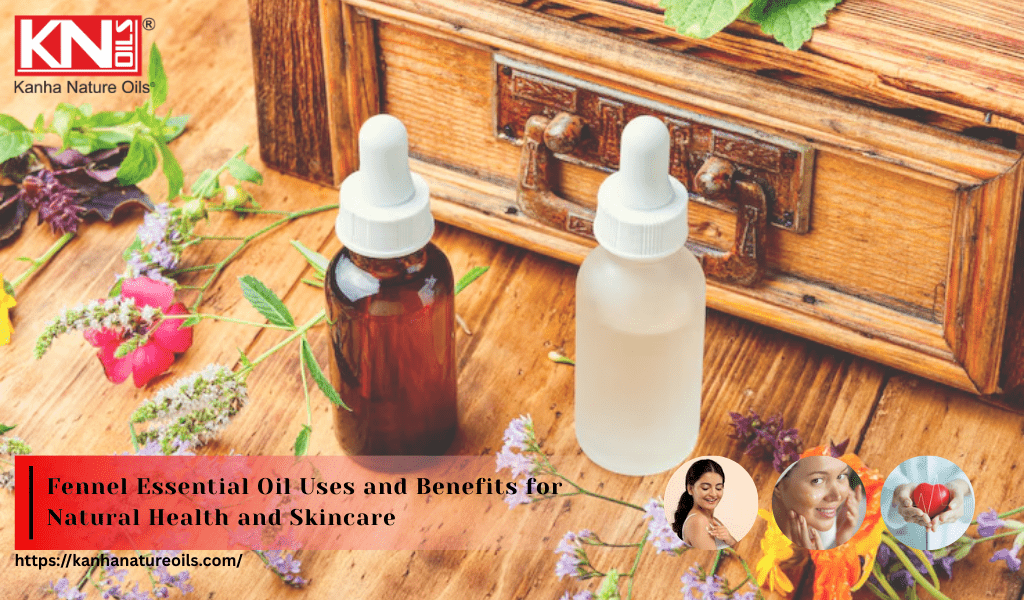
Fennel Essential Oil Uses and Benefits for Natural Health and Skincare     Essential oils have become an important part of modern wellness, skincare, and personal care industries. Among the many plant-derived oils used today, fennel essential oil stands out because of its powerful natural properties and wide range of applications. Extracted from the seeds of the fennel plant, this aromatic oil is widely valued for its digestive, detoxifying, and stimulating benefits. Whether used in aromatherapy, skincare formulations, or wellness products, fennel essential oil offers remarkable versatility. For businesses seeking premium-quality oils in bulk, choosing a reliable supplier is essential. Kanha Nature Oils offers 100% pure and high-quality fennel essential oil suitable for wholesale, manufacturing, and large-scale supply. Our oil is carefully sourced and processed to ensure purity, potency, and consistency, making it ideal for a variety of product formulations. What Is Fennel Essential Oil? Fennel essential oil is extracted from the seeds of the fennel plant through a steam distillation process. The oil carries a warm, sweet, and slightly spicy aroma that resembles licorice or anise. Traditionally used in herbal medicine and natural remedies, fennel has been valued for centuries for its therapeutic qualities. The essential oil contains active compounds such as anethole, fenchone, and limonene, which contribute to its powerful health and wellness benefits. These natural components make fennel essential oil a popular ingredient in aromatherapy blends, skincare products, massage oils, and herbal wellness formulations. Key Benefits of Fennel Essential Oil 1. Supports Digestive Wellness One of the most well-known benefits of fennel essential oil is its ability to support digestive health. The oil has traditionally been used to help relieve symptoms such as bloating, indigestion, and stomach discomfort. When used in aromatherapy or massage blends, fennel oil may help relax abdominal muscles and support healthy digestion. Its soothing properties make it a popular ingredient in wellness products designed for digestive comfort. 2. Natural Detoxifying Properties Fennel essential oil is widely recognized for its detoxifying effects. It helps stimulate the body’s natural cleansing processes, which may assist in removing toxins and impurities. Because of these properties, fennel oil is often included in detox massage oils, wellness blends, and spa treatments. The oil may also support circulation and metabolic functions, making it a valuable ingredient in holistic wellness products. 3. Stimulating and Energizing Aroma The refreshing scent of fennel essential oil is known to stimulate the mind and body. Its energizing aroma can help reduce feelings of fatigue, mental exhaustion, and sluggishness. In aromatherapy, fennel oil is often diffused to promote clarity, focus, and motivation. This makes it an excellent addition to diffuser blends used in workspaces, yoga studios, and wellness environments. 4. Beneficial for Skincare Formulations Fennel essential oil has natural cleansing and toning properties that make it beneficial for skincare products. It may help improve skin appearance by supporting circulation and promoting a refreshed, healthy glow. The oil is often used in products such as: Facial serums Body oils Cleansing formulations Anti-aging skincare blends Herbal beauty products Its antioxidant properties also make fennel oil a valuable ingredient in natural skincare formulations designed to support youthful-looking skin. 5. Useful in Aromatherapy and Relaxation Aromatherapy practitioners often use fennel essential oil for its calming yet stimulating effects. When blended with other essential oils, it can create relaxing and balancing aromatherapy experiences. Popular blends include combinations with lavender, citrus oils, or herbal oils to enhance mood and promote emotional balance. Diffusing fennel essential oil may help create a comforting atmosphere that supports relaxation while also maintaining mental alertness. Applications in the Personal Care and Wellness Industry Because of its versatility, fennel essential oil is widely used in the manufacturing of various wellness and personal care products. Aromatherapy Products Fennel oil is commonly used in diffuser blends, massage oils, and aromatherapy roll-ons designed to support relaxation, digestion, and energy. Skincare Products Its cleansing and toning properties make it ideal for use in facial oils, creams, lotions, and herbal skincare formulations. Spa and Massage Oils Fennel essential oil is often incorporated into massage blends that promote relaxation, detoxification, and improved circulation. Herbal Wellness Formulations Manufacturers frequently include fennel oil in herbal products aimed at digestive support and overall wellness. Natural Personal Care Products From soaps to body oils, fennel essential oil adds both therapeutic benefits and a pleasant natural fragrance. Why Businesses Choose Bulk Fennel Essential Oil For manufacturers and product developers, sourcing essential oils in bulk offers several advantages. Consistent Quality When purchasing from a trusted supplier, businesses can maintain consistent product quality across their formulations. High-quality fennel essential oil ensures that the aroma, purity, and effectiveness remain stable in finished products. Cost Efficiency Buying fennel essential oil in wholesale quantities helps manufacturers reduce production costs while maintaining premium product standards. Reliable Supply for Large-Scale Production Bulk supply ensures that businesses always have access to the essential oil needed for continuous production of their skincare, wellness, or aromatherapy products. Our Commitment to Quality At Kanha Nature Oils, quality and purity are the foundation of everything we produce. Our fennel essential oil is extracted using advanced steam distillation techniques that preserve the plant’s natural aromatic compounds and therapeutic properties. Each batch undergoes strict quality control to ensure that the oil meets high industry standards for purity and consistency. Our commitment includes: 100% pure and natural essential oil No synthetic additives or fillers Consistent aroma and potency High-quality extraction methods Bulk supply for manufacturers and wholesalers These standards make our fennel essential oil suitable for a wide variety of industrial and commercial applications. Ideal for Manufacturers and Product Developers Fennel essential oil is an excellent ingredient for companies developing natural wellness and personal care products. Its versatile nature allows manufacturers to create a wide range of formulations that appeal to modern consumers seeking natural and plant-based solutions. Industries that commonly use fennel essential oil include the following: Aromatherapy brands Natural skincare manufacturers Spa and wellness product companies Herbal remedy producers Cosmetic formulation companies By incorporating fennel essential oil into their products, businesses

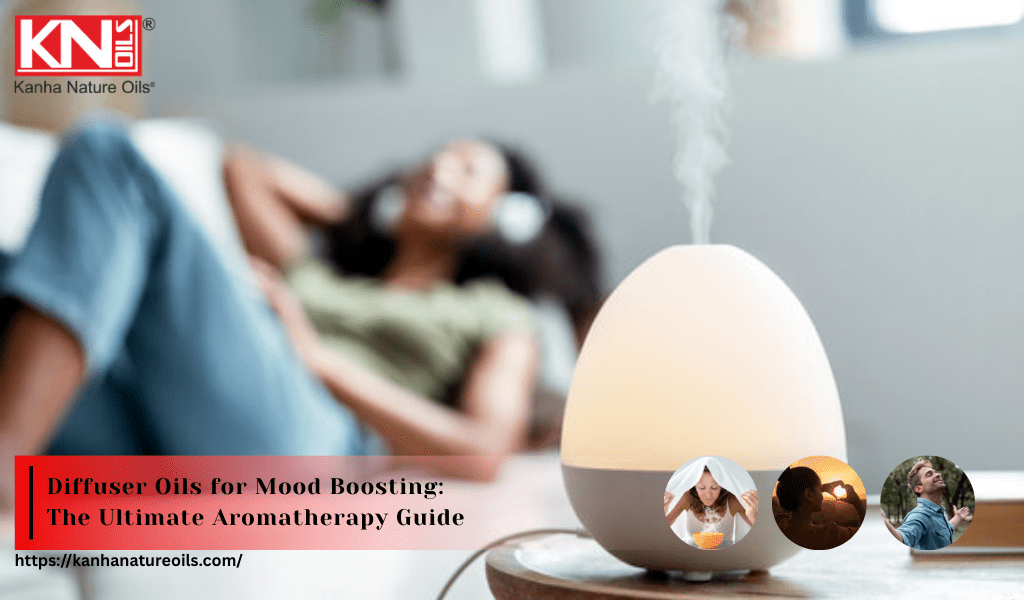
Diffuser Oils for Mood Boosting: The Ultimate Aromatherapy Guide   In today’s fast-paced world, stress, fatigue, and emotional burnout have become common experiences for many people. Whether it’s long work hours, digital overload, or everyday responsibilities, maintaining a positive mood can sometimes feel challenging. Fortunately, natural wellness solutions like aromatherapy can help support emotional balance and relaxation. One of the easiest ways to enjoy aromatherapy at home or work is by using diffuser oils. Diffuser oils release aromatic plant compounds into the air through a diffuser device. When inhaled, these natural scents interact with the brain’s limbic system, which plays a role in regulating emotions, memory, and mood. Certain essential oils are especially known for their uplifting and calming properties, making them perfect for mood enhancement. In this comprehensive guide, Kanha Nature Oils will explain how diffuser oils work, what their benefits are, and which oils are best for improving mood and emotional well-being. What Are Diffuser Oils? Diffuser oils are typically essential oils or fragrance oils designed to be used with aroma diffusers. These oils are extracted from plants such as flowers, leaves, bark, and fruits. When added to a diffuser with water or used in ultrasonic diffusers, they disperse tiny aromatic particles into the air. As you breathe in these aromatic molecules, they travel through the olfactory system and stimulate brain responses that influence emotions and mental clarity. This is why certain scents can instantly make you feel relaxed, refreshed, or energized. Using diffuser oilsis a simple yet effective way to create a peaceful environment at home, in the office, or even during meditation and yoga sessions. Benefits of Using Diffuser Oils for Mood Boosting Aromatherapy has been practiced for centuries in different cultures for its potential emotional and psychological benefits. When used properly, diffuser oils may help improve overall mood and mental comfort. 1. Reduces Stress and Anxiety Many essential oils contain natural compounds that may help calm the nervous system. Diffusing relaxing scents in your living space can create a peaceful atmosphere that helps reduce feelings of stress and tension. 2. Enhances Mental Clarity Certain citrus and herbal oils are known for their refreshing aromas. These scents may help improve focus, concentration, and mental alertness, making them ideal for workspaces or study environments. 3. Promotes Relaxation After a long day, diffusing soothing oils can help your mind unwind. Soft floral and woody fragrances often encourage relaxation and emotional balance. 4. Improves Overall Ambiance Diffuser oils can instantly transform the mood of a room. Whether you want to create a cozy, refreshing, or uplifting environment, the right scent can influence how you feel in that space. Best Diffuser Oils for Mood Boosting Not all essential oils have the same emotional effects. Some are energizing, while others are calming or uplifting. Here are some popular diffuser oils known for their mood-enhancing properties. 1. Lavender Oil Lavender is one of the most widely used essential oils in aromatherapy. Its soft floral scent is known for promoting relaxation and emotional balance. Diffusing lavender oil in the evening can help create a calming atmosphere and support restful sleep. 2. Sweet Orange Oil Sweet orange oil has a bright, cheerful citrus aroma that can help uplift mood and reduce feelings of stress. Its refreshing fragrance makes it ideal for morning routines or when you need an energy boost during the day. 3. Peppermint Oil Peppermint oil has a cool and invigorating scent that may help improve mental clarity and alertness. It is often used in workspaces or study areas to help increase focus and productivity. 4. Lemon Oil Lemon oil offers a fresh, clean aroma that is associated with positivity and clarity. Diffusing lemon oil can help create a lively and refreshing environment, making it perfect for kitchens, offices, and living rooms. 5. Ylang-Ylang Oil Ylang-ylang oil has a rich floral fragrance that is often used for emotional balance. Its soothing scent may help reduce stress while promoting a sense of calm and happiness. How to Use Diffuser Oils Effectively To get the most benefit from mood-boosting diffuser oils, it is important to use them properly. Choose a Quality Diffuser Ultrasonic diffusers are among the most popular types because they disperse essential oils gently without heat. This helps preserve the natural properties of the oils. Use the Right Amount of Oil Most diffusers require only a few drops of oil mixed with water. Using too much oil can make the scent overpowering and may cause headaches for some people. Experiment with Blends Combining different oils can create unique fragrances and enhance their emotional effects. For example, blending citrus oils with floral oils can create a refreshing yet calming atmosphere. Diffuse for Short Sessions It’s generally recommended to diffuse oils for 30–60 minutes at a time rather than continuously. This helps prevent scent fatigue and allows your body to respond better to the aroma. Safety Tips for Aromatherapy While diffuser oils are generally safe when used correctly, it’s important to follow a few precautions. Always use high-quality oils from reputable suppliers. Avoid using synthetic oils in aromatherapy if you are seeking therapeutic benefits. Keep diffusers out of reach of children and pets, and ensure the room is well-ventilated. If you have allergies, asthma, or other respiratory conditions, consult a healthcare professional before using essential oils. ESSENTIAL OILS IN AROMATHERAPY Final Thoughts Diffuser oils offer a simple and natural way to enhance mood, reduce stress, and create a relaxing environment. By incorporating aromatherapy into your daily routine, you can transform ordinary spaces into calming and uplifting sanctuaries. Whether you prefer the soothing scent of lavender, the refreshing aroma of citrus oils, or the invigorating fragrance of peppermint, there is a diffuser oil suited to every mood and moment. With the right oils and proper usage, aromatherapy can become a valuable part of your wellness routine, helping you feel more balanced, energized, and emotionally refreshed throughout the day. You May Also Like: Chocolate Fragrance Oil for Home: Candles, Diffusers & More What Is an

Scroll to Top