
Kanha Nature Oils

Kanha Nature Oils

7 Powerful Carrier Oils for Beard Growth Options You Need to Try

Growing a thick, healthy, and well-groomed beard isn’t just about genetics—it’s also about how well you care for your facial hair and the skin underneath. One of the most effective and natural ways to improve beard health is by using carrier oils. These plant-based oils are packed with essential fatty acids, vitamins, and antioxidants that nourish both the beard and the skin, creating the ideal environment for better beard growth and appearance. Carrier oils don’t magically speed up beard growth overnight, but they play a crucial role in reducing dryness, preventing breakage, moisturizing skin, and improving beard texture, which ultimately makes your beard appear fuller and healthier. In this comprehensive guide, Kanha Nature Oils explores 7 effective carrier oils for beard growth that you simply must try. What Are Carrier Oils & Why Do They Matter for Beard Growth? Carrier oils are natural oils extracted from seeds, nuts, or fruits. They are commonly used in grooming products because they are gentle on the skin and can safely dilute essential oils. For beard care, carrier oils: Hydrate the skin under your beard Reduce itchiness and beard dandruff Improve hair softness and manageability Protect hair from damage and breakage Support healthier beard growth conditions Because beard hair depends on healthy skin, using the right oil can significantly improve how your beard grows and looks. 1. Grapeseed Oil – Lightweight & Fast Absorbing Grapeseed oil is among the lightest carrier oils, making it a great choice for men who prefer a non-greasy feel. Its smooth texture spreads easily through the beard and skin, absorbing fast without leaving heavy residue. This helps moisturize facial hair, soften rough strands, and nourish the skin underneath while keeping the beard fresh, clean, and comfortable throughout the day. Benefits: Non-greasy and fast-absorbing Rich in antioxidants Helps control oily skin Ideal for short or thin beards This oil is especially suitable for beginners or those with oily or acne-prone skin, as it won’t clog pores easily. 2. Jojoba Oil – Closest to Natural Skin Oil Jojoba oil is widely regarded as the gold standard among beard oils because its structure closely mimics the natural sebum produced by your skin. This similarity allows it to absorb easily, moisturize deeply, and help balance oil production. It softens coarse beard hair, reduces dryness, soothes itchy skin underneath, and adds a healthy shine without feeling greasy, making it ideal for daily beard care and grooming routines. Benefits: Balances oil production Prevents dryness and beard dandruff Non-comedogenic (won’t clog pores) Absorbs easily without greasy feel It helps maintain a healthy skin environment, which is essential for consistent beard growth. 3. Olive Oil – Deep Nourishment for Thick Beards Olive oil is a time-tested natural remedy valued for its rich nutritional profile. Packed with vitamins A and E, it helps nourish the skin and hair while supporting moisture retention. Its antioxidant properties may also protect against dryness and environmental damage, making it a popular choice in beauty and wellness routines. Benefits: Deeply moisturizes coarse beards Strengthens hair strands Adds shine and smoothness Helps reduce split ends It’s best suited for men with thick or dry beards that need intense hydration. 4. Apricot Kernel Oil – Gentle & Skin-Friendly Apricot kernel oil is a gentle, lightweight carrier oil known for its skin-friendly properties. It absorbs quickly without leaving a greasy feel, making it perfect for daily use. Rich in vitamins A and E, it helps nourish, soften, and moisturize the skin. Its mild nature makes it especially suitable for sensitive skin, soothing dryness and supporting a healthy, smooth complexion naturally. Benefits: Softens beard hair Soothes irritated skin Rich in vitamins A and E Lightweight and non-greasy This oil is perfect for daily use and works especially well for those prone to skin irritation. 5. Argan Oil – The “Liquid Gold” for Beard Care Often called “liquid gold,” argan oil is rich in antioxidants and vitamin E, making it a popular choice for skin and hair care. It helps moisturize, soften, and protect while supporting a healthy, nourished appearance without feeling overly greasy. Benefits: Repairs damaged hair Reduces frizz and dryness Improves beard softness Enhances shine without greasiness It is widely used in grooming products because it improves overall beard quality and manageability. 6. Avocado Oil – Nutrient-Dense Powerhouse Avocado oil is packed with essential fatty acids, biotin, and vitamins A, D, and E that help deeply nourish the hair from root to tip. It moisturizes dry strands, strengthens weak hair, and supports healthier growth. Its rich texture penetrates the scalp and hair shaft, improving softness, shine, and overall manageability while reducing breakage and dryness naturally. Benefits: Strengthens beard hair Promotes hydration and thickness Helps prevent breakage Ideal for dry or brittle beards This oil is slightly heavier, making it better for nighttime use or deep conditioning. 7. Coconut Oil – Deep Conditioning & Protection Coconut oil is one of the most popular natural oils for beard care because of its deep conditioning benefits. It helps moisturize beard hair, reduce dryness, and soften rough texture. Rich in nourishing fatty acids, it also supports healthier-looking growth while adding shine and making the beard easier to manage daily. Benefits: Softens and smooths beard hair Prevents protein loss in hair Has antibacterial and antifungal properties Moisturizes skin underneath the beard It also helps reduce irritation and improve beard appearance, although it may feel heavy for some users. Do Carrier Oils Really Help Beard Growth? Here’s the honest truth:Carrier oils don’t directly increase beard growth speed, but they significantly improve the conditions required for healthy growth. They: Reduce inflammation Prevent dryness and breakage Keep hair follicles nourished Improve overall beard thickness appearance Healthy skin + strong hair = better-looking beard growth. How to Use Carrier Oils for Beard Growth To get the best results: Wash your beard with a mild cleanser Pat dry (slightly damp is ideal) Take 3–5 drops of oil Rub between your palms Massage into skin and beard Comb or style as desired Consistency is key—use daily
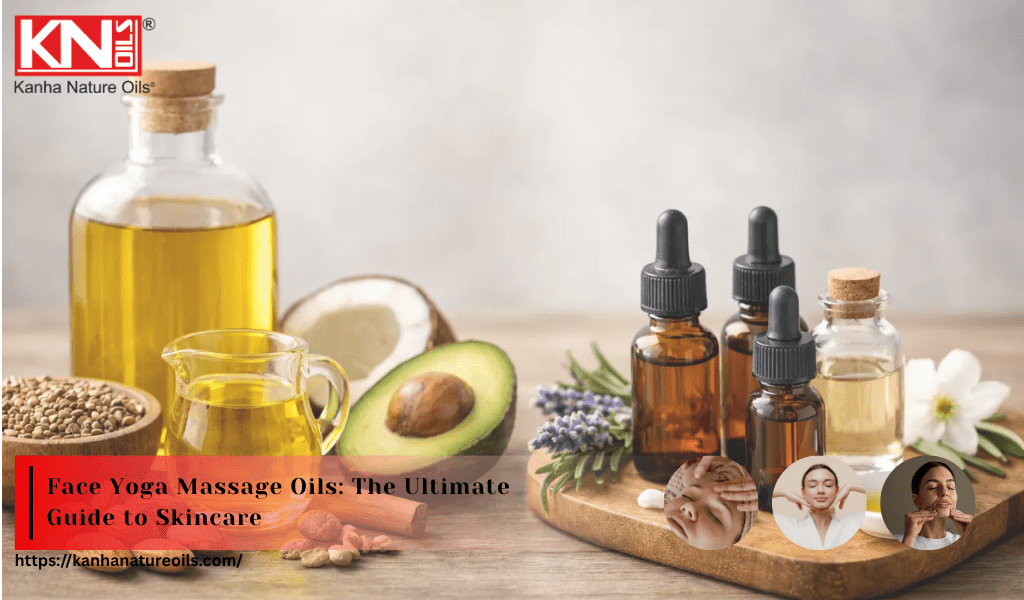

Face Yoga Massage Oils: The Ultimate Guide to Skincare

In the world of natural skincare, face yoga combined with the right massage oils has emerged as a powerful, holistic solution for achieving radiant, youthful skin. This technique blends facial exercises with nourishing oils to enhance circulation, tone facial muscles, and deeply hydrate the skin. Unlike chemical-heavy skincare routines, face yoga massage focuses on natural rejuvenation—making it a preferred choice for those seeking long-term skin health. This comprehensive guide from Kanha Nature Oils tells you everything you need to know about face yoga massage oils—including their benefits, how they work, and in-depth details on the most effective oils, such as Kumkumadi, jojoba, rosehip, almond, and grapeseed oil. Whether you are just starting out or are a skincare enthusiast, this guide will help you achieve naturally radiant and healthy skin. What is Face Yoga and Why Use Massage Oils? Face yoga is a practice that involves repetitive facial movements, stretches, and massages designed to tone muscles and improve skin elasticity. It works similarly to body workouts—stimulating muscles, boosting blood flow, and encouraging collagen production. Massage oils play a crucial role in this process. They reduce friction, allowing smooth movement across the skin and preventing tugging or irritation. Additionally, they nourish the skin with essential nutrients and enhance the effectiveness of facial exercises. Key Benefits of Face Yoga Massage Oils: Improve blood circulation and skin glow Reduce wrinkles and fine lines Support lymphatic drainage and detoxification Relieve facial tension and stress Deeply hydrate and nourish the skin   Why Choosing the Right Oil Matters Not all oils are created equal. The effectiveness of face yoga depends heavily on selecting oils that suit your skin type. The ideal oil should: Be lightweight and non-comedogenic (won’t clog pores) Contain essential fatty acids and antioxidants Absorb well without leaving excessive greasiness Different oils offer unique benefits, making it important to tailor your choice based on your skincare needs. Benefits of Face Yoga Massage Oils Using face yoga massage oils comes with a long list of benefits. First, they help improve skin elasticity. As we age, our skin loses its firmness, but regular massage can help slow this process. Another big advantage is improved blood flow. When you massage your face, you stimulate circulation, which helps remove toxins and bring nutrients to the surface. You’ll also notice fewer wrinkles over time. The combination of massage and nourishing oils helps smooth out fine lines. Plus, it reduces stress, and less stress means healthier skin. Types of Oils Used in Face Yoga There are different types of oils you can use for face yoga. Carrier oils are the base oils, like jojoba or almond oil. These are safe to use directly on the skin. Essential oils are more concentrated and usually mixed with carrier oils. They add extra benefits like calming the skin or reducing acne. Herbal-infused oils are another great option. These oils are made by soaking herbs in carrier oils, adding even more nutrients to your skincare routine. Best Carrier Oils for Face Yoga Carrier oils are the backbone of face yoga massage oils. Jojoba oil is one of the best because it closely matches the skin’s natural oils. It’s lightweight and absorbs quickly. Almond oil is rich in vitamin E, which helps repair damaged skin. It’s especially good for dry skin. Coconut oil is another popular choice. It deeply moisturizes and gives the skin a healthy glow. However, it may not suit oily skin types. Essential Oils in Face Yoga Massage   Essential oils add an extra boost to your face yoga routine. Lavender oil is known for its calming effects and can reduce redness. Rose oil is fantastic for anti-aging. It helps tighten the skin and improve texture. Tea tree oil is great for acne-prone skin. It has antibacterial properties that help keep breakouts under control. Step-by-Step Face Yoga Routine Start by cleansing your face thoroughly. Clean skin allows better absorption of oils. Apply a few drops of your chosen oil and warm it between your hands. Gently press it into your skin. Begin your massage with upward strokes. Focus on areas like cheeks, jawline, and forehead. Spend at least 10–15 minutes for best results. Anti-Aging Effects of Face Yoga Oils Face yoga massage oils are a natural way to fight aging. Regular use helps reduce fine lines and wrinkles. Massage boosts collagen production, which keeps the skin firm. Over time, your skin looks more lifted and youthful. It’s a slow process, but the results are long-lasting and natural. DIY Face Yoga Massage Oils Making your own face yoga oil is simple. Mix jojoba oil with a few drops of lavender essential oil for a calming blend. You can also try almond oil with rose oil for anti-aging benefits. DIY blends are cost-effective and allow you to customize according to your needs. Face Yoga Massage Oils Face yoga massage oils are not just a trend—they are a powerful skincare tool. They combine the benefits of natural ingredients with simple massage techniques. By using them regularly, you can achieve healthier, glowing skin without relying on expensive treatments. ESSENTIAL OILS IN AROMATHERAPY   FAQs about Face Yoga Massage Oils Can face yoga oils replace moisturizers?They can, but it depends on your skin type. Some people use both. How often should I use face yoga oils?Daily use is ideal for best results. Are essential oils safe for direct use?No, always dilute them with carrier oils. Can face yoga reduce wrinkles?Yes, with consistent practice, it can help reduce fine lines. Which oil is best for beginners?Jojoba oil is a great starting point. Is face yoga suitable for all ages?Yes, anyone can start at any age. Conclusion Face yoga massage oils offer a natural, effective way to care for your skin. They improve circulation, reduce signs of aging, and make your skin glow from within. The best part? It’s simple, affordable, and easy to include in your daily routine. With consistency and the right techniques, you can achieve healthy, youthful skin naturally. You May Also Like: Tea Tree

7 Powerful Amla Oil Benefits for Skin: Glow Like Never Before

7 Powerful Amla Oil Benefits for Skin: Glow Like Never Before   In the world of natural skincare, few ingredients have stood the test of time like amla oil. Extracted from the nutrient-rich Indian gooseberry (Phyllanthus emblica), amla oil has been used in Ayurveda for thousands of years to enhance beauty and promote overall skin health. Today, modern science is beginning to validate many of these traditional claims, especially when it comes to skin nourishment, anti-aging, and achieving a natural glow. Amla is packed with vitamin C, antioxidants, polyphenols, and essential minerals, making it a powerhouse for skincare. In fact, it contains significantly higher vitamin C content than many fruits, which plays a key role in collagen production and skin repair. Additionally, research shows that amla extracts can improve skin hydration and elasticity and reduce wrinkles—key factors in maintaining youthful skin. In this comprehensive guide, Kanha Nature Oils introduces you to 7 incredible benefits of Amla oil for skin—while also explaining how it works and why it deserves a place in your daily skincare routine. 1. Boosts Natural Glow and Radiance One of the most celebrated benefits of amla oil is its ability to enhance your skin’s natural glow. Thanks to its high concentration of antioxidants and vitamin C, amla oil helps neutralize free radicals that dull the skin. Free radicals are unstable molecules that damage skin cells, leading to a tired and uneven appearance. By combating oxidative stress, amla oil restores brightness and promotes a healthy, radiant complexion. Regular use can: Improve skin tone Reduce dullness Add a natural shine to the face This makes amla oil an excellent choice for those struggling with tired, lifeless skin. 2. Powerful Anti-Aging Properties   Aging is inevitable—but premature aging doesn’t have to be. Amla oil is rich in compounds that help slow down visible signs of aging. Scientific studies indicate that amla contains bioactive compounds that: Reduce wrinkles Improve skin elasticity Enhance hydration levels Vitamin C plays a crucial role in collagen production, which keeps the skin firm and youthful. With consistent use, amla oil can help minimize fine lines and maintain skin elasticity. 3. Deeply Hydrates and Moisturizes Skin   Dry and dehydrated skin can lead to flakiness, irritation, and premature aging. Amla oil works as a natural emollient that locks in moisture and keeps the skin soft and supple. It penetrates deep into the skin layers, providing long-lasting hydration without clogging pores. This makes it suitable for: Dry skin Combination skin Even sensitive skin (with patch testing) Additionally, amla’s nutrients help strengthen the skin barrier, preventing moisture loss. 4. Reduces Pigmentation and Dark Spots Uneven skin tone, dark spots, and pigmentation are common concerns caused by sun exposure, aging, and hormonal changes. Amla oil helps address these issues effectively. Research shows that amla has anti-melanogenesis properties, meaning it can reduce excess melanin production responsible for pigmentation. With regular application, it can: Lighten dark spots Improve skin clarity Promote an even complexion 5. Helps Fight Acne and Inflammation Amla oil has natural anti-inflammatory and antibacterial properties that make it effective for acne-prone skin. It helps: Reduce redness and swelling Prevent bacterial growth Soothe irritated skin Its antioxidant content also supports faster healing of acne scars and blemishes. Unlike harsh chemical treatments, amla oil offers a gentle yet effective solution for maintaining clear skin. 6. Protects Skin from Environmental Damage Every day, your skin is exposed to harmful environmental factors such as pollution, UV rays, and toxins. These elements accelerate aging and damage skin cells. Amla oil acts as a protective shield due to its rich antioxidant profile. It helps: Neutralize environmental damage Strengthen skin defenses Reduce oxidative stress This makes it especially beneficial for people living in urban environments. 7. Improves Skin Texture and Tightens Pores Large pores and uneven texture can affect the overall appearance of your skin. Amla oil helps refine pores and improve skin smoothness. Its astringent-like properties: Tighten pores Smooth rough skin Enhance overall texture With continued use, your skin feels softer, looks clearer, and appears more polished. How to Use Amla Oil for Skin To get the best results, incorporate amla oil into your routine in the following ways: 1. Face Massage Oil Apply a few drops to clean skin and gently massage for 5–10 minutes. 2. Overnight Treatment Leave it overnight for deep nourishment and repair. 3. DIY Face Pack Mix with honey or yogurt for a glowing face mask. 4. Spot Treatment Apply directly to dark spots or acne marks. Precautions and Tips While amla oil is generally safe, keep these points in mind: Always do a patch test before use Use diluted oil if you have sensitive skin Avoid contact with eyes Choose high-quality, pure oil for best results Although natural, some individuals may experience mild irritation, so it’s important to monitor your skin’s response. ESSENTIAL OILS IN AROMATHERAPY Conclusion Amla oil is truly a natural skincare powerhouse that offers multiple benefits—from boosting glow to fighting aging and improving overall skin health. Backed by both traditional Ayurvedic wisdom and emerging scientific research, it stands out as an effective, affordable, and versatile solution for radiant skin. Whether you’re dealing with dryness, pigmentation, acne, or early signs of aging, incorporating amla oil into your routine can transform your skin over time. You May Also Like: How to tea tree oil uses for skin Clear and Glowing Skin Top 5 benefits of nutmeg essential oil for skin, pain & well-being 7 amazing benefits of star anise oil, including benefits for skin and hair. Kanha Nature Oils For more information, contact info@aromatherapyoil.in. Mobile Number: 9810805866

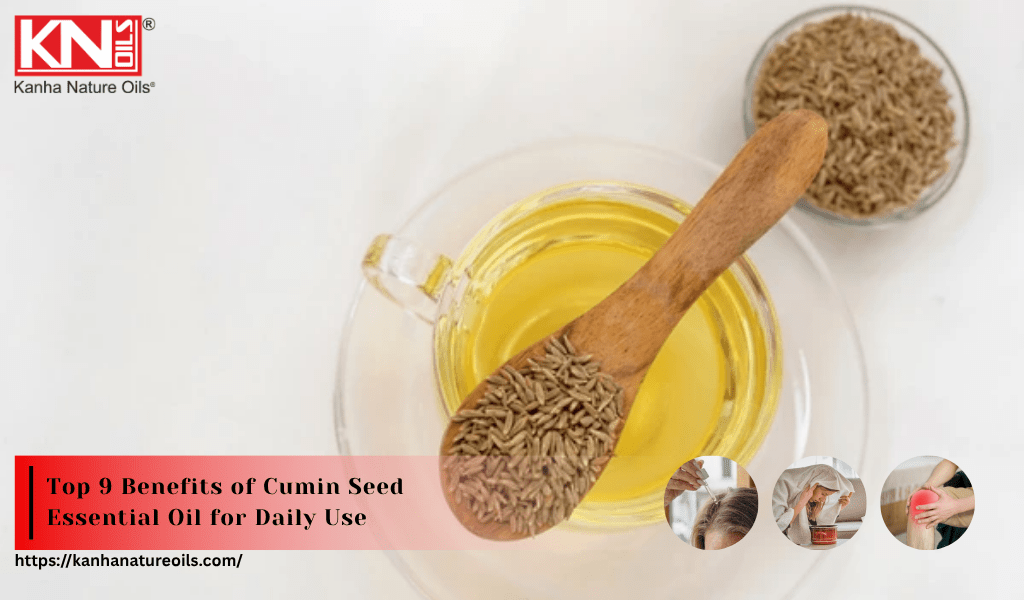
Top 9 Benefits of Cumin Seed Essential Oil for Daily Use

9 Proven Benefits of Cumin Seed Essential Oil for Daily Use   In today’s fast-paced lifestyle, people are increasingly turning toward natural remedies to maintain their health and well-being. Among the wide range of essential oils available, cumin seed essential oil has gained recognition for its powerful therapeutic properties and versatile applications. Extracted from the seeds of the cumin plant through steam distillation, this oil is packed with antioxidants, antimicrobial compounds, and active constituents that support digestion, skin health, immunity, and overall wellness. Cumin has been used in traditional systems of medicine like Ayurveda for centuries, not only as a spice but also as a healing agent. When transformed into essential oil, its benefits become more concentrated and effective, making it suitable for daily use when applied properly and safely. In this blog, Kanha Nature Oils shares with you Top 9 Benefits of Cumin Seed Essential Oil for Daily Use. along with practical applications that you can easily incorporate into your daily routine. 1. Daily Digestive Massage Oil Digestive problems such as bloating, gas, indigestion, and stomach discomfort are common in modern lifestyles due to irregular eating habits and stress. Cumin seed essential oil is well-known for its carminative and digestive-stimulating properties, making it an excellent remedy for gut health. When used as a massage oil, cumin essential oil helps stimulate digestive enzymes, improves gut motility, and reduces gas formation. Its warming nature promotes better circulation in the abdominal area, easing cramps and discomfort. How to Use: Mix 2–3 drops of cumin seed essential oil with a carrier oil like coconut or almond oil. Gently massage the abdomen in a clockwise direction for 5–10 minutes. Use after meals or before bedtime for best results. Regular use can help maintain a healthy digestive system and prevent recurring stomach issues. 2. Morning Detox Drink (Indirect Use) Although essential oils should not be consumed directly without professional guidance, cumin seeds themselves have long been used in detox drinks. The aroma of cumin seed essential oil can complement your detox routine by stimulating digestion and metabolism. Cumin is known to support liver function and assist in flushing out toxins from the body. When paired with a healthy morning routine, it can enhance your body’s natural detoxification process. How to Use Indirectly: Prepare a warm cumin seed water drink by soaking cumin seeds overnight. While drinking, diffuse cumin seed essential oil nearby to enhance the experience. Alternatively, inhale the aroma before consuming your detox drink. This indirect method allows you to benefit from the oil’s therapeutic aroma without ingesting it. 3. Stress Relief in Aromatherapy Diffuser Mental stress, anxiety, and fatigue are common challenges today. Cumin seed essential oil has calming properties that help relax the mind and reduce stress levels. Its earthy, spicy aroma creates a grounding effect, making it ideal for aromatherapy. It works by influencing the limbic system, which controls emotions, thereby promoting a sense of calm and balance. Learn more about aromatherapy diffusers.  How to Use: Add 3–5 drops of cumin seed essential oil to a diffuser. Diffuse in your living space, bedroom, or workspace. Use during meditation, yoga, or before sleep. Regular aromatherapy sessions can help improve mood, reduce anxiety, and enhance mental clarity. 4. Joint Pain Relief Massage Joint pain and inflammation can result from aging, physical activity, or conditions like arthritis. Cumin seed essential oil contains anti-inflammatory compounds that help reduce pain and stiffness. Its warming effect improves blood circulation, which aids in relieving joint discomfort and promoting mobility. How to Use: Blend cumin seed essential oil with a carrier oil such as sesame or olive oil. Massage gently onto affected joints like knees, shoulders, or elbows. Use twice daily for consistent relief. This natural remedy can be a great alternative to chemical-based pain relief products. 5. Respiratory Support Steam Inhalation Respiratory issues such as congestion, cough, and sinus blockage can make daily life uncomfortable. Cumin seed essential oil has expectorant and antimicrobial properties that support respiratory health. It helps clear mucus, open nasal passages, and improve breathing. How to Use: Add 2–3 drops of cumin seed essential oil to a bowl of hot water. Cover your head with a towel and inhale the steam deeply for 5–10 minutes. Use once or twice daily during congestion or cold. This method provides quick relief and supports overall respiratory wellness. 6. Skin Care for Acne & Glow Cumin seed essential oil is highly beneficial for skin care due to its antibacterial and antioxidant properties. It helps fight acne-causing bacteria, reduce inflammation, and promote clear, glowing skin. It also supports skin regeneration and helps reduce blemishes and scars over time. How to Use: Mix 1–2 drops of cumin seed essential oil with a carrier oil or aloe vera gel. Apply to affected areas or use as a spot treatment for acne. Use regularly as part of your skincare routine. With consistent use, your skin can become clearer, healthier, and more radiant. 7. Hair & Scalp Nourishment Healthy hair begins with a healthy scalp. Cumin seed essential oil helps improve scalp circulation, strengthens hair roots, and reduces dandruff. Its antimicrobial properties help keep the scalp clean and free from infections, while its nutrients support hair growth and thickness. How to Use: Add a few drops of cumin seed essential oil to your regular hair oil. Massage into the scalp and leave for at least 30 minutes before washing. Use 2–3 times a week for best results. This routine can lead to stronger, shinier, and healthier hair over time. 8. Natural Immunity Booster Massage A strong immune system is essential for protecting the body against infections and diseases. Cumin seed essential oil contains compounds that help boost immunity by supporting the body’s natural defense mechanisms. Regular massage with this oil can stimulate circulation and enhance the body’s ability to fight off pathogens. How to Use: Dilute cumin seed essential oil with a carrier oil. Massage onto the chest, back, and soles of the feet. Use regularly, especially during seasonal changes. This practice can

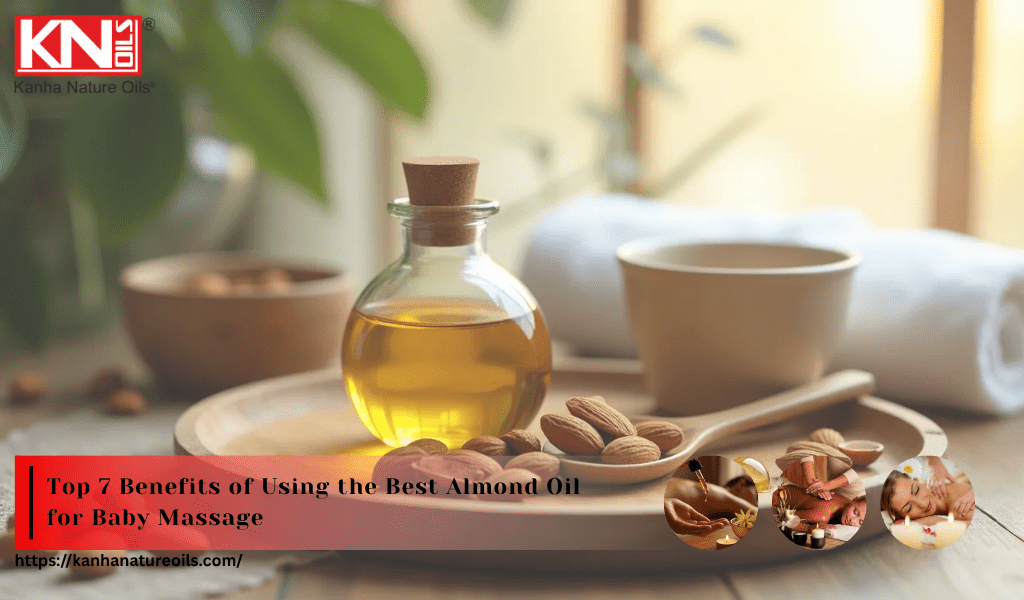
Top 7 Benefits of Using the Best Almond Oil for Baby Massage   Baby massage is an age-old tradition practiced in many cultures around the world, especially in countries like India. It is more than just a skincare routine—it is a nurturing activity that strengthens the bond between parents and their babies while supporting the child’s physical and emotional development. Among the various oils used for infant massage, almond oil has gained immense popularity because of its gentle nature and rich nutrient profile. Sweet almond oil is packed with essential nutrients such as vitamin E, fatty acids, antioxidants, and minerals, which help nourish delicate baby skin and support healthy development. Because it is lightweight and easily absorbed, almond oil penetrates deeply into the skin and provides lasting hydration without clogging pores. When used regularly, the best almond oil for baby massage can offer a multitude of benefits—ranging from nourishing the skin to improving sleep patterns. In this article, Kanha Nature Oils explores the top 7 benefits of using almond oil for baby massage and explains why it is considered one of the safest and most effective natural oils for infants. 1. Deep Skin Nourishment One of the most significant benefits of almond oil for baby massage is deep skin nourishment. A baby’s skin is extremely delicate and tends to lose moisture quickly. Almond oil acts as a natural moisturizer that penetrates the skin and locks in hydration. Rich in vitamin E and essential fatty acids, almond oil strengthens the skin barrier and protects it from dryness. It helps keep the skin soft, smooth, and supple while preventing flakiness and roughness. Unlike heavy lotions that remain on the surface, almond oil absorbs easily into the skin. This allows the nutrients to reach deeper layers of the skin, providing long-lasting nourishment. Why this matters for babies Babies often experience dry skin due to environmental changes, frequent bathing, or sensitive skin conditions. Regular massage with almond oil helps maintain healthy hydration levels and protects the skin from damage. Key skin benefits Provides deep moisturization Strengthens the skin barrier Keeps skin soft and smooth Protects against dryness and irritation Over time, consistent massage with almond oil can significantly improve the overall health and appearance of a baby’s skin. 2. Improves Skin Tone Another remarkable benefit of almond oil is its ability to improve and maintain healthy skin tone. The natural nutrients found in almond oil help support skin regeneration and maintain an even complexion. Vitamin E and antioxidants present in almond oil help protect the skin from damage while promoting healthy skin cells. These nutrients help the skin look brighter, smoother, and healthier over time. For babies, whose skin is still developing, proper nourishment is essential for maintaining a natural glow. Regular massage stimulates the skin and improves nutrient absorption, which can enhance the baby’s natural complexion. How almond oil supports healthy skin tone Nourishes developing skin cells Protects skin from environmental damage Improves softness and elasticity Promotes a healthy glow It is important to remember that almond oil does not change a baby’s natural skin color. Instead, it supports healthy skin and enhances the baby’s natural radiance. 3. Strengthens Baby’s Bones & Muscles Massage itself plays a major role in strengthening a baby’s growing body, and almond oil enhances this effect. Gentle massage stimulates the muscles and joints, which supports healthy development. Almond oil contains nutrients that help promote bone strength and muscle growth. Regular massage can improve flexibility and support proper physical development during the early stages of life. Massage also improves blood flow to the muscles, which helps relieve stiffness and supports healthy movement. Benefits for physical development Strengthens developing muscles Supports bone growth Improves flexibility and mobility Encourages healthy motor development For newborns and infants, this gentle stimulation helps their bodies adapt to movement and gradually build strength. 4. Relieves Dry Skin & Irritation Babies often experience skin irritation caused by diaper rashes, heat rashes, or environmental factors. Almond oil’s natural soothing and anti-inflammatory properties make it an excellent remedy for these issues. The emollient nature of almond oil helps calm irritated skin while restoring moisture. It forms a protective barrier that shields the skin from external irritants. Regular use can help relieve common baby skin problems such as: Dry patches Mild rashes Redness Itchy or irritated skin Because almond oil is mild and hypoallergenic, it is generally safe for babies with sensitive skin. Its soothing properties help calm discomfort and restore the skin’s natural balance. 5. Supports Better Sleep Sleep is crucial for a baby’s growth and development. One of the lesser-known benefits of almond oil massage is its ability to help babies sleep better. Massage relaxes the baby’s muscles and calms the nervous system. When combined with nourishing almond oil, the massage becomes even more soothing and comforting. Research suggests that baby massage can lower stress hormone levels and promote relaxation, making it easier for babies to fall asleep and stay asleep longer. Why massage improves sleep Promotes relaxation Reduces stress and fussiness Creates a comforting bedtime routine Encourages longer, deeper sleep Many parents find that massaging their baby with almond oil before bedtime helps establish a consistent sleep routine. 6. Boosts Blood Circulation Healthy blood circulation is essential for a baby’s growth and overall well-being. Massage with almond oil gently stimulates the skin and muscles, helping improve blood flow throughout the body. Better circulation ensures that oxygen and nutrients reach the baby’s tissues more efficiently. This supports healthy growth and contributes to stronger muscles and bones. Improved circulation can also help soothe tired muscles and reduce discomfort. Circulation-related benefits Improves oxygen flow to tissues Supports healthy growth and development Relieves muscle tension Enhances overall vitality Regular massage sessions help babies feel relaxed and comfortable while promoting healthy bodily functions. 7. Helps in Hair Growth Almond oil is not only beneficial for skin—it also supports healthy hair growth. The scalp of babies is delicate and requires gentle care to maintain healthy hair follicles. Almond oil contains nutrients

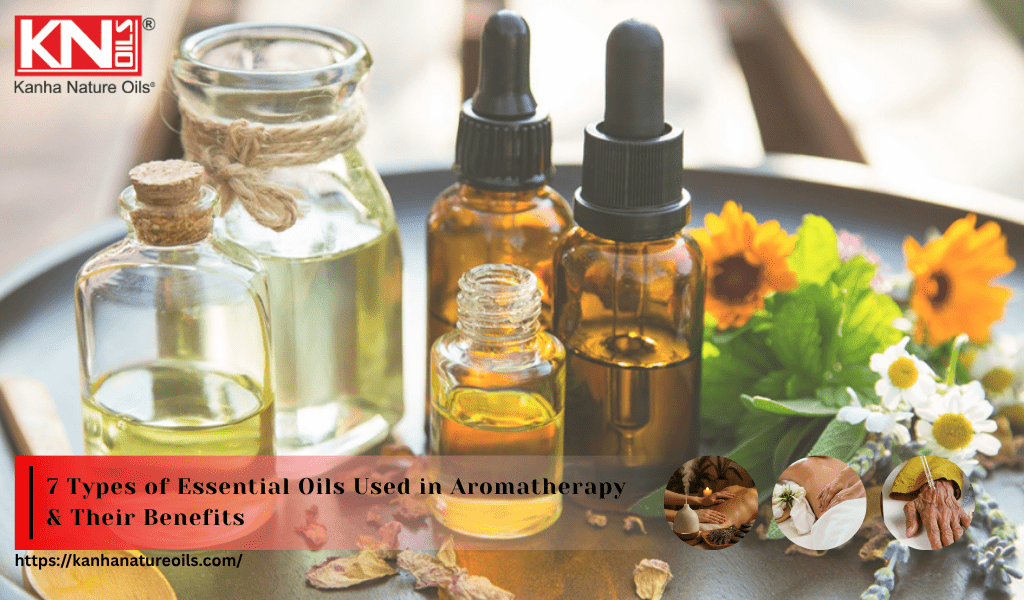
7 Types of Essential Oils Used in Aromatherapy & Their Benefits   Aromatherapy has been practiced for thousands of years as a natural way to support physical, emotional, and mental well-being. Using plant-based extracts known as essential oils, aromatherapy harnesses the therapeutic power of nature to promote relaxation, reduce stress, and improve overall health. These concentrated oils are extracted from flowers, leaves, bark, roots, or peels of plants and are widely used in massage therapy, diffusers, skincare, and natural remedies. Essential oils contain powerful aromatic compounds that can influence the body through inhalation or topical application. When inhaled, the scent molecules travel through the olfactory system to the brain, affecting mood, emotions, and even certain physiological functions. When applied to the skin (usually diluted with a carrier oil), essential oils can support skin health, muscle relaxation, and circulation. Among the hundreds of essential oils available, some are particularly popular and widely used in aromatherapy due to their proven therapeutic properties. In this article, Kanha Nature Oils will introduce you to the seven most commonly used essential oils in aromatherapy and their benefits. 1. Lavender Essential Oil Lavender essential oil is one of the most well-known and widely used oils in aromatherapy. Extracted from the flowers of the lavender plant, it is famous for its calming, relaxing fragrance and versatile therapeutic benefits. Lavender oil is commonly used to reduce stress and anxiety. Its soothing scent helps calm the nervous system, making it an excellent choice for relaxation and emotional balance. Many people use lavender oil in diffusers before bedtime because it may help improve sleep quality and reduce insomnia. Another major benefit of lavender oil is its ability to support skin health. It has natural anti-inflammatory and antimicrobial properties that may help soothe minor skin irritations, burns, insect bites, and acne. It is also often used in massage oils to help relax tense muscles. Benefits of Lavender Essential Oil: Promotes relaxation and stress relief Helps improve sleep quality Supports skin healing and reduces irritation May relieve headaches and tension Supports emotional balance Because of its gentle nature, lavender oil is often considered one of the safest essential oils and is frequently recommended for beginners in aromatherapy. 2. Peppermint Essential Oil Peppermint essential oil is extracted from the leaves of the peppermint plant and is known for its fresh, minty aroma. It is widely used in aromatherapy for its energizing and cooling effects. One of the most popular uses of peppermint oil is to boost mental clarity and concentration. The refreshing scent can stimulate the mind and help reduce feelings of fatigue or mental exhaustion. Many people use peppermint oil in diffusers while working or studying to improve focus. Peppermint oil is also commonly used for relieving headaches and migraines. When diluted and applied to the temples or neck, it may provide a cooling sensation that helps reduce pain and tension. Another benefit of peppermint oil is its potential to support digestive health. In aromatherapy massage, peppermint oil may help relieve bloating, nausea, and stomach discomfort. Benefits of Peppermint Essential Oil: Enhances mental alertness and concentration Helps relieve headaches and migraines Provides a cooling sensation for sore muscles May support digestion and reduce nausea Refreshes and energizes the body and mind Peppermint oil is powerful and should always be diluted before topical use. 3. Tea Tree Essential Oil Tea tree essential oil, also known as melaleuca oil, is extracted from the leaves of the tea tree plant native to Australia. It is widely recognized for its strong antimicrobial and antifungal properties. In aromatherapy and natural skincare, tea tree oil is often used to treat acne, fungal infections, and skin irritations. It helps fight bacteria that cause breakouts and may reduce inflammation associated with acne. Tea tree oil is also beneficial for scalp health. Many natural shampoos and hair treatments include tea tree oil because it can help reduce dandruff and maintain a healthy scalp environment. In aromatherapy diffusers, tea tree oil may help purify the air and support respiratory health by reducing airborne microbes. Benefits of Tea Tree Essential Oil: Natural antibacterial and antifungal properties Helps treat acne and skin infections Supports scalp health and reduces dandruff May help purify indoor air Supports immune system health Due to its potency, tea tree oil should always be diluted before applying to the skin. 4. Eucalyptus Essential Oil Eucalyptus essential oil is extracted from the leaves of eucalyptus trees and is widely known for its refreshing and medicinal aroma. It is one of the most commonly used essential oils for respiratory support. When inhaled, eucalyptus oil may help open the airways and make breathing easier. It is often used during colds, sinus congestion, or seasonal allergies. Many people add a few drops of eucalyptus oil to steam inhalation or diffusers to help clear the respiratory tract. Eucalyptus oil also has anti-inflammatory and analgesic properties, making it beneficial for relieving muscle pain and joint discomfort when used in massage blends. Another advantage of eucalyptus oil is its potential ability to repel insects naturally. Benefits of Eucalyptus Essential Oil: Helps relieve congestion and respiratory discomfort Supports easier breathing Reduces muscle and joint pain Acts as a natural insect repellent Provides a refreshing and energizing aroma Because eucalyptus oil is quite strong, it should be used carefully and diluted for topical applications. 5. Lemon Essential Oil Lemon essential oil is extracted from the peel of fresh lemons and is known for its bright, uplifting citrus fragrance. It is commonly used in aromatherapy for mood enhancement and natural cleaning. One of the main benefits of lemon oil is its ability to boost mood and reduce stress. Its refreshing scent can create a positive atmosphere and help reduce feelings of fatigue or mental fog. Lemon oil is also widely used for its antibacterial and detoxifying properties. In aromatherapy, it may help purify the air and create a clean, refreshing environment. Additionally, lemon essential oil is often included in skincare products due to its ability to support clearer, brighter-looking

5 Popular Fragrance Oils for Aromatherapy and Their Amazing Benefits   Aromatherapy has become one of the most popular natural wellness practices in recent years. It uses aromatic plant extracts and fragrance oils to enhance physical health, emotional balance, and overall well-being. Whether used in diffusers, candles, massage oils, or bath products, fragrance oils can create a relaxing atmosphere and influence mood through the powerful connection between scent and the brain. Fragrance oils are specially formulated aromatic oils that replicate natural scents or blend multiple aroma compounds. They are widely used in aromatherapy because certain scents are known to trigger relaxation, improve concentration, reduce stress, and even promote better sleep. The aroma of a fragrance interacts with the limbic system of the brain, which controls emotions, memories, and hormonal responses. This is why specific fragrances can instantly calm the mind or boost energy levels. Among the many options available, some fragrance oils have become particularly popular in aromatherapy due to their pleasant scent and wellness benefits. Lavender, sandalwood, rose, vanilla, and jasmine fragrance oils are widely used in homes, spas, and wellness centers around the world. In this article, Kanha Nature Oils introduces you to 7 Popular Fragrance Oils for Aromatherapy and Their Amazing Benefits, helping you understand how these fragrances can enhance your mental and emotional well-being. 1. Lavender Fragrance Oil Lavender fragrance oil is one of the most widely used and loved aromas in aromatherapy. Known for its soft, floral scent, lavender has been used for centuries in perfumes, relaxation rituals, and wellness therapies. The aroma is gentle yet powerful, making it ideal for stress relief and calming the mind. The popularity of lavender fragrance oil comes from its ability to promote relaxation and emotional balance. Many people diffuse lavender oil in their bedrooms before sleep because its soothing aroma helps reduce anxiety and encourages restful sleep. Studies suggest that lavender scent may interact with the nervous system and help reduce stress levels while promoting calmness. Lavender fragrance oil is also commonly used in spa treatments, massage oils, candles, and bath products. Its relaxing properties make it perfect for creating a peaceful environment after a long and stressful day. Benefits of Lavender Fragrance Oil Promotes relaxation and reduces stress Helps improve sleep quality Calms the nervous system Enhances mood and emotional balance Creates a soothing atmosphere for meditation or yoga Because of its versatility, lavender fragrance oil is often considered the foundation of aromatherapy blends. 2. Sandalwood Fragrance Oil Sandalwood fragrance oil is famous for its warm, woody, and slightly creamy aroma. This fragrance has been used for centuries in spiritual rituals, meditation practices, and traditional healing therapies. Its deep and grounding scent makes it one of the most luxurious and calming fragrances in aromatherapy. The scent of sandalwood is known to calm the mind and promote emotional stability. Many meditation practitioners use sandalwood fragrance oil because it helps improve focus and mental clarity while reducing stress and anxiety. In perfumery, sandalwood is also valued as a fixative, meaning it helps other fragrance notes last longer. Because of this property, it is commonly used as a base note in many perfumes and aromatherapy blends. Benefits of Sandalwood Fragrance Oil Promotes deep relaxation and meditation Reduces anxiety and emotional stress Enhances focus and concentration Creates a grounding and peaceful atmosphere Adds warmth and longevity to fragrance blends Sandalwood fragrance oil is especially popular in yoga studios, spas, and relaxation therapies. 3. Rose Fragrance Oil Rose fragrance oil is one of the most luxurious and romantic aromas used in aromatherapy. The scent of rose is sweet, floral, and emotionally uplifting, making it a favorite choice for perfumes, candles, skincare products, and spa treatments. In aromatherapy, rose fragrance oil is often associated with emotional healing. The aroma is believed to help reduce feelings of sadness, anxiety, and emotional fatigue. Because scent is closely connected to memory and mood, the fragrance of roses can instantly create a comforting and calming environment. Rose fragrance oil is also widely used in self-care rituals. Many people add a few drops to bathwater or massage oil to create a relaxing spa experience at home. Benefits of Rose Fragrance Oil Uplifts mood and emotional well-being Helps relieve stress and anxiety Promotes relaxation and calmness Enhances romantic and comforting environments Supports skin care rituals in aromatherapy Because of its soothing and uplifting qualities, rose fragrance oil is often used in emotional wellness practices. 4. Vanilla Fragrance Oil Vanilla fragrance oil is loved for its warm, sweet, and comforting aroma. The scent of vanilla is often associated with feelings of warmth, nostalgia, and relaxation. In aromatherapy, vanilla fragrance oil is commonly used to reduce stress and create a cozy environment. Research suggests that comforting scents like vanilla can help reduce anxiety and promote emotional comfort. The aroma can stimulate the brain’s pleasure centers, encouraging relaxation and positive feelings. Vanilla fragrance oil is also widely used in candles, soaps, lotions, and perfumes because it blends beautifully with floral, spicy, and woody scents. Benefits of Vanilla Fragrance Oil Creates a comforting and relaxing environment Helps reduce stress and emotional tension Enhances feelings of happiness and warmth Blends well with other fragrance oils Ideal for candles, diffusers, and spa products Vanilla fragrance oil is perfect for creating a cozy atmosphere at home or in relaxation spaces. 5. Jasmine Fragrance Oil Jasmine fragrance oil is known for its rich, sweet, and exotic floral aroma. Often called the “king of flowers” in perfumery, jasmine has been used for centuries in perfumes, beauty products, and aromatherapy rituals. The scent of jasmine is believed to uplift mood and increase feelings of happiness and positivity. Aromatherapy practitioners often recommend jasmine fragrance oil to help relieve anxiety, improve emotional balance, and enhance relaxation. Jasmine fragrance oil is also widely used in romantic and luxury fragrances because of its sensual and elegant aroma. Benefits of Jasmine Fragrance Oil Enhances mood and emotional positivity Reduces stress and anxiety Promotes relaxation and calmness Creates a romantic and luxurious atmosphere Supports

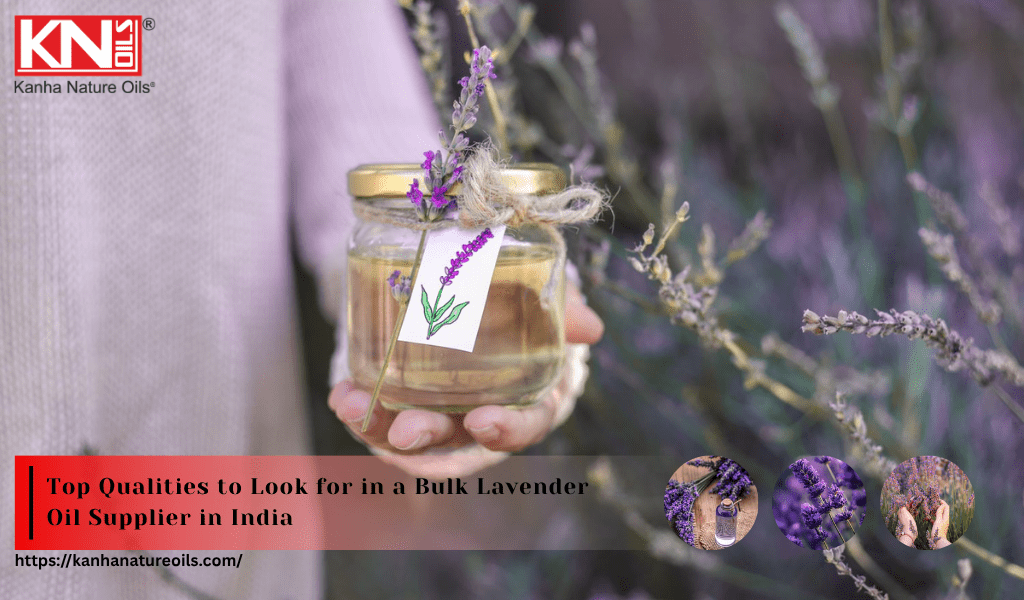
Top Qualities to Look for in a Bulk Lavender Oil Supplier in India   Lavender oil is one of the most widely used essential oils across industries such as cosmetics, aromatherapy, pharmaceuticals, and personal care. Its soothing fragrance, therapeutic properties, and versatile applications make it a staple ingredient for global buyers. However, the quality of your final product heavily depends on the supplier you choose. India has emerged as a leading hub for essential oil production and export, offering competitive pricing and high-quality natural oils. But with so many suppliers available, selecting the right one can be challenging. If you’re sourcing in bulk, especially for international markets, it is crucial to partner with a reliable supplier like Kanha Nature Oils, known for its commitment to purity, consistency, and global standards. In this guide, we’ll explore the top qualities you should look for in a bulk lavender oil supplier in India to ensure you make the right decision for your business. 1. Purity and Authenticity of Lavender Oil The most important factor when choosing a supplier is oil purity. Pure lavender oil should be free from synthetic additives, fillers, or dilution. A trustworthy supplier like Kanha Nature Oils ensures that lavender oil is extracted using methods such as steam distillation, preserving its natural chemical composition and therapeutic benefits. According to industry standards, authentic lavender oil is derived from Lavandula angustifolia and should retain its natural aroma and effectiveness. What to Check: 100% natural and undiluted oil No artificial fragrance or chemicals Botanical name clearly mentioned Transparency in sourcing   2. Availability of GC-MS Reports and COA One of the most critical indicators of quality is proper documentation. Reputable suppliers provide: GC-MS (Gas Chromatography-Mass Spectrometry) reports Certificate of Analysis (COA) These documents verify the oil’s chemical composition and ensure it meets industry standards. GC-MS reports act as a “fingerprint” of the oil, confirming authenticity and detecting adulteration. Why It Matters: Without these reports, you cannot guarantee the oil’s purity, which can negatively impact your product quality and brand reputation. 3. Certifications and Compliance Standards A professional bulk supplier must comply with international quality and safety standards. Reliable companies like Kanha Nature Oils maintain certifications such as: ISO (Quality Management Systems) GMP (Good Manufacturing Practices) HACCP (Food Safety Standards) Organic Certifications (USDA, Ecocert) These certifications ensure that the oil is processed in a clean, controlled environment and meets global export requirements. Key Tip: If your brand targets international markets, certifications are non-negotiable. 4. Sourcing and Raw Material Quality The quality of lavender oil depends significantly on the source of raw materials. Suppliers who work directly with farms ensure better control over quality. Top suppliers in India source lavender from regions like: Kashmir Himachal Pradesh International farms (France, Bulgaria) Direct sourcing ensures consistency and authenticity in every batch. What to Look For: Farm-to-distillation transparency Sustainable and ethical sourcing Use of high-quality lavender varieties   5. Manufacturing Process and Extraction Method The extraction process plays a vital role in maintaining the oil’s properties. The most preferred method is steam distillation, which preserves the oil’s natural aroma and therapeutic benefits. Reliable manufacturers ensure: Advanced distillation units No chemical processing Controlled temperature extraction High-quality suppliers emphasize maintaining the oil’s natural integrity during processing. 6. Consistency in Bulk Supply When purchasing in bulk, consistency is key. Your supplier should be able to deliver the same quality across multiple batches. A major concern in the industry is “batch variation,” where the quality changes over time. Professional suppliers use standardized quality control systems to avoid this issue. Why It Matters: Consistency ensures: Stable product formulations Customer satisfaction Brand reliability   7. Packaging and Storage Standards Proper packaging is essential to maintain the oil’s quality during storage and transportation. Top suppliers like Kanha Nature Oils offer: HDPE drums HDPE Barrel HDPE Can GI Drum Aluminum bottle These materials protect the oil from light, heat, and contamination. Key Features: Leak-proof packaging Export-grade containers Custom packaging options   8. Global Export Capability If you are a global buyer, your supplier must have strong export capabilities. Leading Indian suppliers export to countries like: USA UK UAE Europe They also handle: Documentation Logistics Compliance with international regulations Suppliers with global reach are more experienced and reliable partners. 9. Strong Reputation and Industry Experience Experience matters in the essential oil industry. Established suppliers: Have proven track records Maintain long-term client relationships Offer reliable customer support Companies that have been operating for years are more likely to provide consistent quality and service. 10. Customer Support and Communication Effective communication is often overlooked but extremely important. A professional supplier should: Respond quickly to inquiries Provide technical guidance Offer after-sales support Strong communication ensures smooth business operations and builds trust. Why Choose Kanha Nature Oils? When it comes to selecting a reliable bulk lavender oil supplier in India, Kanha Nature Oils stands out for its commitment to quality, transparency, and customer satisfaction. Key Strengths: 100% pure and natural lavender oil Advanced testing (GC-MS & COA) International certifications Bulk supply with consistent quality Custom packaging and private labeling Strong global export network By choosing Kanha Nature Oils, you ensure that your products meet the highest standards of quality and reliability. ESSENTIAL OILS IN AROMATHERAPY Conclusion Selecting the right bulk lavender oil supplier in India is a critical decision that can directly impact your product quality, brand reputation, and business growth. To summarize, always look for: Purity and authenticity Proper certifications Transparent testing reports Reliable sourcing Consistent supply Competitive yet fair pricing India offers a wide range of suppliers, but only a few meet global standards. Partnering with a trusted name like Kanha Nature Oils ensures that you receive premium-quality lavender oil tailored to your business needs. In a competitive global market, choosing the right supplier is not just a purchase decision—it’s a strategic investment in your brand’s future. You May Also Like: Carrier Oils For Perfume Making—Create Your Fragrance 13 Best Fragrances for Candle Making: Scents That Sell Fast Top 5 Fragrance Oils for Aromatherapy to Relax Your Mind

Scroll to Top