Kanha Nature Oils

What bugs does peppermint oil ? | Repel what bugs hate peppermint Oil ?

What bugs does peppermint oil ? | Repel what bugs hate peppermint Oil ? When it comes to natural pest control, one of the most talked-about remedies is peppermint essential oil. For centuries, people have used peppermint for its refreshing aroma, therapeutic properties, and versatility in cleaning. But in recent years, peppermint oil has gained a reputation as an effective and natural bug repellent. The sharp, cooling scent that humans often find pleasant is surprisingly irritating to many insects and pests. If you’ve ever wondered, “What bugs does peppermint oil repel?” or “Which bugs hate peppermint oil the most?”—this comprehensive guide is for you. Peppermint oil isn’t just known for its refreshing aroma; it’s also one of nature’s most effective and eco-friendly bug repellents. In this article, we’ll dive into the science behind peppermint oil as an insect deterrent, uncover the common pests it helps keep away, share practical tips for using it effectively, and outline important safety precautions. By the end of this blog post, you’ll have a clear understanding of how peppermint oil can be your go-to solution for a pest-free environment. In this blog post, Kanha Nature Oils will guide you through everything you need to know about using peppermint oil as a safe, natural, and powerful insect repellent. Why Do Bugs Hate Peppermint Oil? Peppermint oil contains two primary active compounds: menthol and menthone. These naturally occurring chemicals are responsible for peppermint’s signature cooling sensation and strong fragrance. While humans may find this scent invigorating, many insects and rodents dislike it because: Overwhelming Scent: Peppermint’s potent aroma masks the pheromone trails and food scents insects rely on for survival. Respiratory Irritant: The strong menthol content can irritate insects’ breathing systems. Neurological Disruption: Some studies suggest that peppermint oil disrupts certain bugs’ neurological functions, making it harder for them to navigate. Because of these factors, peppermint essential oil acts as a natural deterrent, making it harder for pests to settle in areas where it’s used. Bugs That Peppermint Oil Repels Let’s break down the pests that are most likely to avoid peppermint oil: 1. Ants Ants rely heavily on scent trails to communicate and find food. Peppermint oil disrupts these trails, confusing them and discouraging them from entering your home. A peppermint spray around windows, doors, and baseboards can significantly reduce ant invasions. 2. Spiders Although spiders aren’t technically insects, many people want to keep them away. Peppermint oil interferes with spiders’ ability to sense prey and navigate their environment. A diluted peppermint oil spray near corners, ceilings, and dark spaces works well to discourage them. 3. Mosquitoes Mosquitoes dislike peppermint oil due to its strong menthol scent, which masks human odors like sweat and carbon dioxide. While peppermint oil may not be as strong as DEET, it provides a natural alternative for short-term mosquito repelling. 4. Flies Houseflies and fruit flies are highly sensitive to peppermint’s aroma. Using peppermint oil in diffusers or as a surface spray helps keep kitchens and food-prep areas fly-free. 5. Ticks Ticks hate strong-smelling essential oils, including peppermint. Spraying diluted peppermint oil on shoes, clothing, or outdoor areas may reduce tick activity. 6. Fleas Peppermint oil can help deter fleas around pet bedding, carpets, and upholstery. However, caution is required when using it directly on pets, as essential oils can be toxic if misused. 7. Moths Clothes moths dislike peppermint. Adding cotton balls soaked in peppermint oil inside closets and storage boxes is a natural way to protect clothing from moth damage. 8. Cockroaches Peppermint oil disrupts cockroaches’ ability to detect food sources. Spraying peppermint near cracks, crevices, and under sinks helps discourage roaches from infesting your home. 9. Bed Bugs Bed bugs dislike the strong odor of peppermint. While peppermint oil alone won’t eliminate a bed bug infestation, it can serve as a temporary repellent until professional treatment is applied. 10. Gnats & Midges These tiny flying pests often swarm around moisture and food sources. Peppermint oil sprays help reduce their presence indoors and outdoors. How to Use Peppermint Oil Against Bugs Peppermint oil can be used in several effective ways to deter bugs naturally. Here are some methods: 1. Peppermint Oil Spray Mix 10–15 drops of peppermint essential oil with 1 cup of water and 1 teaspoon of witch hazel or vinegar. Pour into a spray bottle and shake well. Spray along entry points, baseboards, windowsills, and outdoor seating areas. 2. Peppermint Cotton Balls Add 4–6 drops of peppermint oil to cotton balls. Place them in cupboards, closets, drawers, and corners where pests are commonly seen. 3. Peppermint Diffuser Use an essential oil diffuser with peppermint oil to repel mosquitoes, flies, and moths indoors. Bonus: This also freshens the air and boosts energy levels. 4. Peppermint Oil Cleaning Solution Add a few drops of peppermint oil to your regular cleaning solution. Wipe down counters, sinks, and floors to repel bugs while keeping your home smelling fresh. 5. Peppermint Oil Garden Spray Mix peppermint oil with water and a few drops of dish soap. Spray directly on garden plants to deter aphids, ants, and beetles (but test on a small leaf first). Precautions When Using Peppermint Oil While peppermint oil is natural, it must be used correctly: Dilution is Key: Always dilute peppermint oil with water or carrier oil before spraying or applying. Pet Safety: Peppermint oil can be toxic to cats, dogs, and small pets if ingested or applied in high concentrations. Consult your veterinarian before using it near pets. Allergies & Skin Sensitivity: Test diluted peppermint oil on a small patch of skin before applying widely. Not a Complete Solution: Peppermint oil repels bugs but doesn’t kill large infestations. For severe cases, combine it with other pest control methods. Scientific Evidence Supporting Peppermint Oil as a Repellent Numerous studies back peppermint oil’s repellent properties: A 2011 study published in the Journal of Medical Entomology found that peppermint oil was effective in repelling mosquitoes for up to 150 minutes. Research in the Iranian Journal of Arthropod-Borne Diseases showed


6 Best Essential Oils for Mosquito Bites Complete Beginner’s Guide

Mosquitoes are more than just annoying little pests—they can leave behind red, itchy, and inflamed bites that cause discomfort for hours, sometimes even days. While most of us quickly reach for chemical ointments or sprays to find relief, many people are now turning toward natural remedies as safer and more skin-friendly alternatives. Among these, essential oils stand out as powerful, plant-based solutions for soothing irritation, reducing inflammation, and even repelling future bites. In this comprehensive beginner’s guide, we’ll explore the 7 best essential oils for mosquito bites, how they work, safe ways to use them, and important precautions. Whether you’re new to essential oils or looking to expand your natural remedies toolkit, this guide will give you everything you need to find fast, natural relief. Why Essential Oils Work for Mosquito Bites Before diving into the list of best oils, it’s important to understand why essential oils are effective against mosquito bites: Anti-inflammatory properties – Most essential oils contain compounds that reduce swelling and redness caused by the body’s histamine response to a mosquito bite. Antiseptic action – They help prevent infection if you accidentally scratch the bite. Cooling and soothing effects – Oils like peppermint and lavender can calm itching and provide instant relief. Natural aroma – Certain oils not only treat bites but also repel mosquitoes, reducing the chance of getting bitten again. Unlike synthetic creams, essential oils are natural, holistic, and often come with added benefits for skin health and relaxation. 1. Lavender Essential Oil – The Gentle Soother Lavender is often called the “mother of all oils”, and for good reason. Known for its calming aroma, lavender essential oil is also one of the most skin-friendly oils available. Benefits for mosquito bites: Reduces itching and irritation naturally Calms redness and swelling Speeds up skin healing due to its antimicrobial properties How to use it:Dilute 2–3 drops of lavender oil with a carrier oil (like coconut or jojoba oil) and gently dab it onto the mosquito bite. You can also mix lavender oil into an aloe vera gel for extra cooling relief. Best for: People with sensitive skin, children, and those who prefer a mild, pleasant scent. 2. Tea Tree Essential Oil – The Natural Antiseptic Tea tree oil is a powerhouse in natural skincare. Its strong antimicrobial and anti-inflammatory properties make it one of the most effective remedies for bug bites. Benefits for mosquito bites: Reduces itching and irritation quickly Prevents infection if you’ve scratched the bite Helps dry out oozing or blistered bites How to use it:Mix 1 drop of tea tree oil with 1 teaspoon of carrier oil. Apply directly to the bite with a cotton swab. For multiple bites, add a few drops into a cool compress and apply to the affected area. Best for: People prone to scratching bites or those who want strong antiseptic protection. 3. Peppermint Essential Oil – The Cooling Comfort Peppermint oil is famous for its refreshing, cooling effect that brings immediate relief to itchy mosquito bites. Its menthol content helps numb the skin, reducing the urge to scratch. Benefits for mosquito bites: Provides a cooling, numbing sensation Reduces swelling and redness Repels insects with its strong aroma How to use it:Always dilute peppermint oil (2–3 drops in 1 teaspoon of carrier oil) before applying to the skin. Dab gently onto the bite for instant relief. Avoid using it on very young children or near the eyes. Best for: Quick, cooling relief and those who enjoy a refreshing scent. 4. Chamomile Essential Oil – The Gentle Healer Chamomile Essential Oil, often used in calming teas, is also a gentle yet powerful essential oil for skin irritation. Its anti-inflammatory properties make it perfect for soothing bites. Benefits for mosquito bites: Calms irritated, inflamed skin Reduces redness and swelling Gentle enough for sensitive skin and children How to use it:Dilute a few drops of chamomile oil in coconut oil or olive oil and apply directly to the bite. You can also add it to a warm bath to relieve multiple bites at once. Best for: Sensitive skin, children, and those who prefer a milder, floral aroma. 5. Eucalyptus Essential Oil – The Anti-Swelling Agent Eucalyptus oil is not only a powerful insect repellent but also a great remedy for mosquito bites thanks to its cooling and anti-inflammatory effects. Benefits for mosquito bites: Reduces swelling and irritation Provides a cooling effect similar to menthol Acts as a natural repellent for future bites How to use it:Dilute 2 drops of eucalyptus oil with 1 teaspoon of carrier oil and apply to the bite. You can also mix it with aloe vera gel for extra soothing relief. Best for: Outdoor enthusiasts who want both bite relief and mosquito protection. 6. Basil Essential Oil – The Anti-Itch Hero Basil essential oil might surprise you, but it’s packed with eugenol, a compound known for its ability to relieve itching and pain. Benefits for mosquito bites: Strong anti-itch effect Reduces inflammation and redness Antibacterial properties to protect the skin How to use it:Dilute 1–2 drops of basil oil in a carrier oil and apply directly to bites. For multiple bites, mix basil oil with water in a spray bottle for a soothing mist. Best for: People who struggle with persistent itching from bites. Safe Ways to Use Essential Oils on Mosquito Bites While essential oils are natural, they are also highly concentrated and must be used with care. Here are some tips: Always dilute essential oils with a carrier oil (coconut, almond, olive, or jojoba) before applying them to your skin. Do a patch test on a small area of skin to check for any allergic reaction. Avoid contact with eyes, mouth, and open wounds. Use kid- and baby-safe oils like lavender or chamomile if applying to children. Store properly in dark glass bottles away from heat and sunlight.   Final Thoughts Mosquito bites are irritating, but they don’t have to ruin your comfort or summer fun. By using natural remedies like lavender, tea tree,

Cardamom essential oil benefits Kanha Nature Oils

Introduction Cardamom essential oil is derived from the seeds of the cardamom plant (Elettaria cardamomum), which is native to India and is commonly used as a spice in cooking and for its medicinal properties. Here are some key details about cardamom essential oil Extraction Process Cardamom essential oil is typically extracted through a steam distillation process. The dried seeds of the cardamom plant are crushed, and the oil is released through the application of steam. The steam carrying the volatile aromatic compounds is then condensed and collected as essential oil. Aroma Cardamom essential oil has a warm, spicy, and sweet aroma. It is often described as having a rich, slightly woody, and floral scent. This aroma is what makes it a popular choice in aromatherapy and perfumery. Cardamom essential oil benefits and Uses Cardamom essential oil is known for its potential therapeutic properties, including: Helps with Digestion: It’s used to make tummy troubles like indigestion, gas, and bloating feel better. Makes You Feel Happier: Breathing in the smell of cardamom oil can make you feel relaxed and happier. Good for Breathing: It can make it easier to breathe when you have a cough or stuffy nose. You can use it in a special machine called a diffuser or just sniff it. Fights Swelling: Some studies say cardamom oil might help when your body is swollen or hurts because of swelling. Tasty in Food: You can use a little bit of cardamom essential oil when cooking or baking to give your food a special taste. But don’t use too much because it’s super strong! Calms and Cheers You Up: People use it to help them feel relaxed and happy. You can put it in a room or in things like massage oils and bath stuff to feel cozy and relaxed. Cardamom oil for hair   Healthy Scalp: Cardamom oil has special properties that can keep your scalp healthy. It might help prevent problems like scalp infections, dandruff, and itching when you use it in hair treatments or products. Possibly Boost Hair Growth: Although there’s not much scientific proof yet, some people believe that cardamom oil, like other essential oils, can make your scalp’s blood flow better. This might make your hair follicles healthier and encourage hair growth. Nice Smell: Cardamom oil has a lovely smell. You can put it in things like shampoos and conditioners to make your hair smell great. Conditioning: If you mix cardamom oil with another oil, like coconut or almond oil, you can use it to give your hair a little extra care. This can help make your hair soft and easy to manage. Less Stress: Breathing in the relaxing scent of cardamom oil might help you feel less stressed. This can be good for your hair because too much stress can make your hair fall out and cause problems with your scalp. Just remember to use cardamom oil carefully and not use too much because it’s strong. And if you have special hair or scalp worries, it’s a good idea to talk to a doctor or hair expert for advice. Cardamom aromatherapy Cardamom essential oil is a popular choice in aromatherapy because it smells nice and can make you feel better. Here are some easy ways to use it: In the Air: You can put a few drops of cardamom oil in a special machine or necklace that makes the room smell nice. This can help you relax, feel less stressed, and be in a good mood. Smelling It: You can also smell cardamom oil directly from the bottle or by putting a few drops on a piece of paper. This can give you more energy and help you think better. Massage: You can mix cardamom oil with another oil, like coconut or almond oil, and rub it gently on your skin. It can help you relax, relieve muscle tension, and make your skin feel good. Bath: Add a few drops of cardamom oil to your bathwater. It will make your bath smell nice and help you relax. But make sure to mix the oil with something like Epsom salt or oil to spread it in the water. Mixing with Other Oils: You can mix cardamom oil with other oils for different purposes. For example, mixing it with lavender and frankincense can help you feel less stressed. Mixing it with rosemary and lemon can help you think better. Mixing it with peppermint and eucalyptus can relieve muscle tension. Spray: Mix cardamom oil with water to make a spray. You can use it to make the air in your room smell nice and create a relaxing atmosphere. Personal Inhaler: Put a few drops of cardamom oil in a small inhaler that you can carry with you. When you smell it, it can make you feel calm and relaxed.   Contact us for cardamom oil price and also contact for cardamom oil price per kg.

Is eucalyptus essential oil safe for cats

No, eucalyptus essential oil is not safe for cats. Eucalyptus contains compounds called phenols, which can be toxic to cats. When cats come into contact with eucalyptus oil or ingest it, it can lead to symptoms such as drooling, vomiting, diarrhea, difficulty breathing, and even more severe reactions in some cases. It’s important to exercise caution with essential oils around pets, especially cats. If you believe your cat has come into contact with eucalyptus oil or is exhibiting any signs of distress, it’s crucial to seek immediate veterinary attention. If you want to use essential oils in your home and you have pets, it’s best to consult with a veterinarian who is knowledgeable about essential oil safety for animals. They can provide specific guidance on which oils, if any, are safe to use around your pets. Additionally, always store essential oils securely out of reach of your pets to prevent accidental exposure. For more information contact us. We are a experienced eucalyptus essential oil Manufacturer.

6 Proven Benefits of Eucalyptus Essential Oil for Health & Wellness

6 Proven Benefits of Eucalyptus Essential Oil for Health & Wellness   For centuries, essential oils have been prized for their healing powers, aromatic benefits, and ability to promote mental, physical, and emotional well-being. Among these natural remedies, eucalyptus essential oil has earned a top spot as one of the most versatile oils in aromatherapy and natural medicine. Extracted from the leaves of the eucalyptus tree, native to Australia, this oil is packed with compounds like eucalyptol (1,8-cineole), which give it its therapeutic value. Today, eucalyptus oil is widely used across the globe, from traditional Aboriginal medicine to modern wellness practices. Whether it’s for respiratory relief, muscle pain, stress reduction, or even boosting immunity, this powerful essential oil has stood the test of time. In this blog post, Kanha Nature Oils we’ll dive into six proven benefits of eucalyptus essential oil for health and wellness, backed by both traditional use and modern scientific findings. By the end, you’ll understand why this oil deserves a permanent spot in your natural remedies toolkit. 1. Supports Respiratory Health and Eases Breathing One of the most celebrated uses of eucalyptus essential oil is its ability to support the respiratory system. Thanks to its high concentration of eucalyptol, this oil is an effective expectorant—it helps loosen mucus and phlegm, making it easier to breathe. Clears Nasal Congestion: Inhaling eucalyptus oil vapors can help open airways, providing relief from blocked sinuses due to colds, flu, or allergies. Relieves Cough: Many natural cough drops and chest rubs contain eucalyptus oil because it soothes throat irritation while reducing coughing spells. Manages Asthma & Bronchitis Symptoms: Studies show that eucalyptol may help relax bronchial muscles and reduce inflammation in the lungs, making breathing easier for people with chronic conditions. How to use: Add a few drops of eucalyptus oil to a bowl of hot water, cover your head with a towel, and inhale the steam for 5–10 minutes. Alternatively, use it in a diffuser for continuous respiratory support. 2. Natural Remedy for Pain and Inflammation Eucalyptus oil is well-known for its analgesic (pain-relieving) and anti-inflammatory effects. When applied topically (diluted with a carrier oil), it can provide relief for: Joint pain caused by arthritis or rheumatism. Muscle soreness after exercise or physical exertion. Tension headaches, when massaged into the temples or neck. A 2013 clinical study published in Evidence-Based Complementary and Alternative Medicine found that patients who inhaled eucalyptus oil after knee replacement surgery experienced lower pain levels and reduced blood pressure. This highlights its dual effect—pain relief and stress reduction. How to use: Mix 3–5 drops of eucalyptus oil with coconut or jojoba oil and massage onto sore muscles or joints. For headaches, rub diluted oil onto temples and inhale deeply. 3. Boosts Mental Clarity and Reduces Stress Mental fatigue, brain fog, and stress are common challenges in modern life. Eucalyptus essential oil works as a natural stimulant, helping sharpen focus, improve concentration, and refresh the mind. Increases alertness: Its invigorating aroma stimulates the brain, making it easier to stay productive during long work hours. Relieves stress: By lowering levels of the stress hormone cortisol, eucalyptus oil helps calm the nervous system and promotes relaxation. Improves mood: Diffusing the oil uplifts the spirit, making it useful in combating anxiety and mental exhaustion. Many people find eucalyptus oil particularly beneficial when blended with lemon, peppermint, or lavender oil for an extra boost of positivity and focus. How to use: Add a few drops to a diffuser in your workspace or rub diluted oil onto your wrists and inhale throughout the day. 4. Strengthens the Immune System Eucalyptus essential oil isn’t just good for soothing symptoms; it may also help prevent illness in the first place. Its antimicrobial and antioxidant properties strengthen the immune system by protecting the body against harmful pathogens. Fights bacteria and viruses: Research shows that eucalyptol can help inhibit the growth of bacteria such as Streptococcus and E. coli. Reduces inflammation: Chronic inflammation weakens immunity. Eucalyptus oil’s natural anti-inflammatory effects promote better overall health. Speeds up recovery: When used during colds or flu, eucalyptus oil supports faster healing by clearing congestion and fighting infection. How to use: Diffuse eucalyptus oil in your living space during flu season to purify the air and reduce your risk of catching airborne infections. 5. Promotes Skin and Oral Health The benefits of eucalyptus oil extend to both skin care and oral hygiene. Skin health: With antibacterial and anti-inflammatory properties, eucalyptus oil can help heal wounds, cuts, and insect bites. It also soothes irritated skin and may help manage acne. Oral health: Eucalyptus is a common ingredient in mouthwashes and toothpastes. Its antibacterial action reduces plaque buildup, fights gum disease, and freshens breath. Natural insect repellent: Applied topically (diluted), eucalyptus oil keeps mosquitoes and other bugs at bay. A study published in the Journal of Clinical Periodontology found that eucalyptus chewing gum significantly improved periodontal (gum) health after regular use. How to use: For skin: Dilute with a carrier oil (such as almond or jojoba) and apply directly to the affected area. For oral health: Use natural toothpaste containing eucalyptus oil or add a drop of oil to warm water and use as a mouth rinse. 6. Supports Better Sleep and Relaxation A surprising yet powerful benefit of eucalyptus essential oil is its role in improving sleep quality. Its refreshing yet calming scent helps clear the mind and relax the body, preparing you for restful sleep. Relieves nighttime congestion: If sinus issues or a stuffy nose keep you awake, eucalyptus oil can open airways and promote smoother breathing. Calms the nervous system: The oil’s soothing aroma helps reduce restlessness, making it easier to fall asleep. Blends well with other sleep oils: When combined with lavender or chamomile oil, eucalyptus enhances their calming effects, creating the perfect bedtime diffuser blend. How to use: Diffuse eucalyptus oil in your bedroom 30 minutes before bedtime or mix it with a carrier oil and apply it to your chest for nighttime breathing support. Safety

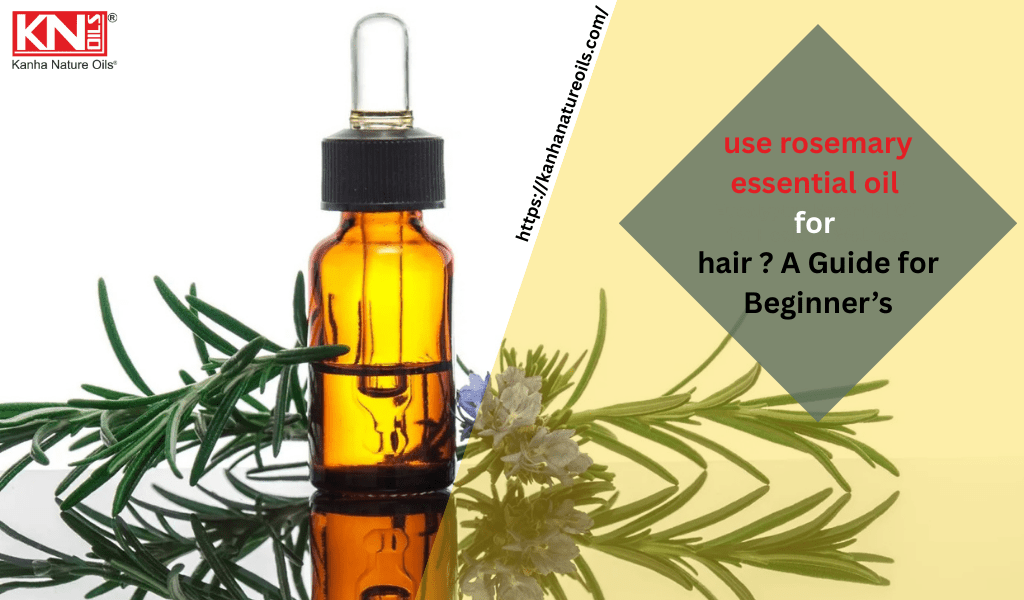
use rosemary essential oil for hair ? A Guide for Beginner’s

How to use rosemary essential oil for hair ? A Guide for Beginner’s For centuries, essential oils have played a vital role in natural beauty rituals and holistic healing practices. Among them, rosemary essential oil has gained immense popularity, particularly for hair care. Known for its invigorating aroma, therapeutic properties, and ability to support scalp and hair health, rosemary oil has become a go-to natural solution for people struggling with hair thinning, hair loss, dandruff, and dull strands. If you’re new to essential oils and wondering how to use rosemary oil for your hair, this beginner-friendly guide will take you through everything you need to know—from understanding its benefits and proper usage methods to safety tips and DIY recipes. By the end of this article, you’ll feel confident about incorporating this herbal oil into your hair care routine. Rosemary oil is good for your hair. It is a popular natural remedy believed to have several benefits for hair.   1. What Is Rosemary Essential Oil? Rosemary essential oil is extracted from the leaves of the Rosmarinus officinalis plant, an evergreen shrub native to the Mediterranean region. Traditionally used in cooking and medicine, rosemary is celebrated for stimulating circulation, promoting mental clarity, and supporting natural healing. When distilled into essential oil, its concentration becomes much more potent, making it a powerful natural remedy for various hair and scalp concerns. 2. Why Use Rosemary Essential Oil for Hair? The Science Behind It Rosemary essential oil has long been associated with improved hair health, but modern research has also started to back up these claims. Here are some scientifically backed benefits: Stimulates Hair Growth:Studies suggest that rosemary oil promotes blood circulation in the scalp, ensuring hair follicles receive adequate nutrients and oxygen. This can help stimulate new hair growth and prevent premature hair loss. Comparable to Minoxidil (Hair Regrowth Treatment):A 2015 study compared rosemary oil to minoxidil (a common hair loss treatment) and found that after six months, both groups showed similar improvements in hair regrowth—making rosemary oil a promising natural alternative. Reduces Dandruff and Dry Scalp:Thanks to its antifungal and antibacterial properties, rosemary oil can reduce dandruff, flakiness, and scalp irritation, leaving the scalp clean and refreshed. Strengthens Hair Strands:Its antioxidant properties protect hair from damage caused by free radicals, environmental stress, and excessive styling, making strands stronger and shinier. Delays Premature Graying:Some evidence suggests rosemary oil can darken hair naturally and delay the onset of gray strands. Clearly, rosemary oil isn’t just an aromatic oil—it’s a natural powerhouse for holistic hair care. 3. How to Use Rosemary Essential Oil for Hair (Beginner-Friendly Methods) When using rosemary essential oil, remember that it’s highly concentrated and must always be diluted with a carrier oil (like coconut, jojoba, olive, or argan oil) before applying it directly to the scalp. Below are some safe and effective methods: a. Scalp Massage with Rosemary Oil Massaging the scalp with rosemary oil helps improve circulation, strengthen hair follicles, and reduce hair fall. How to do it: Mix 3–5 drops of rosemary essential oil with 1 tablespoon of carrier oil. Gently massage the mixture into your scalp for 5–10 minutes using circular motions. Leave it on for at least 30 minutes (or overnight for deeper absorption). Wash your hair with a mild shampoo. Repeat 2–3 times per week. Best for: Hair thinning, hair loss, and overall scalp health. b. Rosemary Oil Hair Rinse This method helps remove buildup, balance scalp pH, and adds shine. How to do it: Boil 2 cups of water and add a handful of fresh rosemary leaves. Let it simmer for 10–15 minutes, then allow it to cool. Strain the liquid and add 3–4 drops of rosemary essential oil. After shampooing, pour the rinse over your hair as the final step. Do not wash it out—let your hair air dry naturally. Best for: Shiny, smooth, and refreshed hair. c. Rosemary Oil in Shampoo or Conditioner An easy beginner method is to add rosemary oil to your existing shampoo or conditioner. How to do it: Add 10–12 drops of rosemary oil to an 8-ounce bottle of shampoo or conditioner. Shake well before use. Wash your hair as usual. Best for: Daily scalp stimulation and preventing dandruff. 4. DIY Rosemary Oil Recipes for Hair Growth If you want to take your hair care to the next level, here are a few tried-and-tested DIY blends: 1. Rosemary & Castor Oil Blend for Thick Hair 2 tablespoons castor oil 1 tablespoon coconut oil 6 drops rosemary oilMassage into scalp, leave overnight, wash in the morning. Castor oil boosts thickness while rosemary stimulates follicles. 2. Rosemary & Peppermint Oil Hair Serum 2 tablespoons jojoba oil 5 drops rosemary oil 3 drops peppermint oilStore in a glass dropper bottle. Apply a few drops on the scalp 3 times a week. Peppermint enhances circulation, boosting growth. 3. Rosemary Anti-Dandruff Scalp Spray 1 cup distilled water 2 tablespoons apple cider vinegar 10 drops rosemary oilPour into a spray bottle, shake, and spritz onto the scalp after shampooing. 5. Safety Precautions & Things to Remember Essential oils are powerful, and incorrect use may cause side effects. Beginners should follow these safety tips: Always Dilute: Never apply rosemary essential oil directly to your scalp without a carrier oil. Patch Test First: Apply a small amount of diluted oil on your forearm to check for allergic reactions before using it on your scalp. Avoid Overuse: Too much oil can irritate the scalp or make hair greasy. Not for Children or Pregnant Women (without medical advice): Consult a doctor before use. Avoid Eyes and Mucous Membranes: Rinse immediately with water if it gets into your eyes. Be Consistent, Not Impatient: Results take time. Most people notice improvements after 3–6 months of regular use. 6. Frequently Asked Questions (FAQs) 1. Can I apply rosemary oil directly to my scalp?No, it must always be diluted with a carrier oil to avoid irritation. 2. How often should I use rosemary oil for hair growth?2–3 times per week is ideal.

Is lavender oil safe for dogs to inhale? Kanha Nature Oils will guide

Lavender essential oil has long been celebrated as one of the most soothing and versatile oils in the world of aromatherapy. Known for its calming aroma, stress-relieving properties, and potential health benefits, lavender oil has become a household staple for many families. But as pet parents increasingly embrace holistic wellness and natural remedies, a pressing question arises: “Is lavender oil safe for dogs to inhale?” As much as we love our furry friends, it’s essential to recognize that dogs process scents and essential oils differently than humans. While lavender is generally considered one of the gentlest essential oils, not all uses of it are automatically safe for our canine companions. This is where trusted brands like Kanha Nature Oils step in to provide clarity and guidance for responsible usage. In this detailed guide, we’ll dive into the science behind lavender essential oil, its potential benefits and risks for dogs, and how you can safely incorporate it into your pet’s life—with expert tips from Kanha Nature Oils. Understanding Lavender Essential Oil Lavender essential oil is extracted from the flowers of the lavender plant (Lavandula angustifolia) through steam distillation. Its main active compounds include linalool and linalyl acetate, which are responsible for its calming and sedative effects. For humans, lavender oil is widely used for: Stress and anxiety relief Sleep improvement Skin health and minor wound healing Natural air freshening But for dogs, the story is a little more complex. Dogs have an extraordinary sense of smell—about 10,000 to 100,000 times stronger than humans. What seems like a subtle, relaxing aroma to us might be overwhelmingly intense for them. This means dosage, dilution, and method of use are critical. Is Lavender Oil Safe for Dogs to Inhale? The short answer: Yes, lavender oil can be safe for dogs to inhale—but only when used correctly. According to veterinary aromatherapy experts, lavender is among the few essential oils considered relatively safe for canine use. Inhalation, when done moderately, can provide benefits such as: Calming anxious dogs: The soothing scent of lavender can reduce stress during thunderstorms, fireworks, or separation anxiety. Improving sleep: Just as in humans, lavender may help dogs rest better when they’re restless. Creating a peaceful environment: Diffusing lavender in a safe, well-ventilated room can promote relaxation. However, safety depends on key factors such as: Purity of the Oil – Low-quality or adulterated oils may contain harmful additives. That’s why Kanha Nature Oils emphasizes 100% pure, natural, and therapeutic-grade essential oils. Dilution Levels – Undiluted essential oils can overwhelm a dog’s senses or irritate their respiratory system. Method of Inhalation – Direct exposure (like holding a bottle under your dog’s nose) should be avoided. Instead, opt for passive diffusion. Individual Sensitivity – Just like people, dogs can have different tolerances. Some may benefit, while others may show signs of discomfort. Potential Risks of Lavender Oil for Dogs Even though lavender oil is considered one of the safer essential oils for dogs, improper use can pose risks. Some of the potential side effects include: Respiratory irritation if the scent is too strong or if diffusion occurs in an unventilated space. Allergic reactions, such as sneezing, watery eyes, or skin irritation. Lethargy or drooling if the exposure is excessive. Toxicity risks if the oil is ingested in large amounts. It’s crucial to remember: inhalation is safer than ingestion, but caution must always be exercised. Kanha Nature Oils always advises pet parents to observe their dog’s behavior carefully when introducing lavender or any essential oil. If your dog exhibits signs of distress—such as excessive panting, pacing, or coughing—discontinue use immediately and ensure they have access to fresh air. How to Safely Use Lavender Oil for Dogs Here are some practical tips from Kanha Nature Oils to help pet owners use lavender oil responsibly: 1. Diffuse in Moderation Use a high-quality diffuser and add only a few drops of Kanha Nature Oils lavender essential oil. Keep the diffuser in a well-ventilated area. Allow your dog the freedom to leave the room if they wish. 2. Indirect Exposure Instead of diffusing constantly, you can apply a drop of diluted lavender oil (mixed with a safe carrier oil) on a cotton ball and place it in a corner of the room. This provides gentle exposure without overwhelming your pet. 3. Topical Use (With Caution) If you’re considering topical application (such as for skin irritation), always: Dilute lavender oil heavily (at least 1 drop per 50 drops of carrier oil). Perform a patch test on a small area. Consult your veterinarian first. 4. Never Force Inhalation Do not place oil directly under your dog’s nose or force them to stay in a room with strong aromas. Dogs should always have control over their exposure. 5. Choose Only Premium Oils Not all essential oils are created equal. Many cheap products contain synthetic additives or impurities that can harm dogs. Kanha Nature Oils provides pure, authentic lavender essential oil, making it a trusted choice for pet parents. When to Avoid Lavender Oil for Dogs Despite its benefits, lavender oil should be avoided in certain cases: Puppies under 10 weeks old (they have underdeveloped immune and detox systems). Dogs with asthma or chronic respiratory issues. Pregnant or nursing dogs (always consult a vet first). Dogs with known allergies or sensitivities to essential oils. In these cases, it’s best to explore alternative calming methods, such as pheromone sprays or natural herbs, under veterinary guidance. Veterinary Perspectives on Lavender Oil Veterinarians generally agree that lavender oil is safer than many other essential oils (like tea tree, eucalyptus, or pennyroyal, which can be toxic to dogs). Still, they stress moderation and proper dilution. A study published in Veterinary Record highlighted that lavender aromatherapy can reduce travel anxiety in dogs, making them calmer during car rides. Another study noted improvements in stress markers when shelter dogs were exposed to lavender scents. These findings suggest that lavender oil can be a valuable tool for canine wellness—when applied thoughtfully. Why Choose Kanha Nature Oils for Your Dog’s

Best Essential Oils for Yoga and Meditation: Enhancing Your Practice

👉 Best Essential Oils for 🧘 Yoga and Meditation for Yoga.   Yoga and meditation are ancient practices that have transformed countless lives by promoting inner peace, mindfulness, and overall well-being. These practices encourage a deep connection between the mind, body, and spirit. While yoga focuses on movement, breath, and alignment, meditation emphasizes stillness, concentration, and mental clarity. Together, they create a holistic path toward balance and self-discovery. In recent years, practitioners have increasingly turned to essential oils as a complementary tool to enhance their yoga and meditation experiences. These concentrated plant extracts carry powerful aromatic and therapeutic properties that can deepen relaxation, sharpen focus, and cultivate a sacred atmosphere. By engaging the sense of smell—one of the most direct pathways to the brain—essential oils can set the tone for practice, elevate mood, and anchor intentions. This article will explore the best essential oils for yoga and meditation, how they work, practical ways to incorporate them, and the science behind their benefits. Whether you are a beginner or a seasoned yogi, adding essential oils can enrich your journey toward mindfulness and inner harmony. In this blog post, Kanha Nature Oils will guide you through the most effective oils to enhance your practice and elevate your well-being.   The Connection Between Aromatherapy, Yoga, and Meditation Aromatherapy, the practice of using essential oils for physical and emotional well-being, shares a natural synergy with yoga and meditation. Smell is closely linked to the limbic system—the brain region that governs emotions, memory, and behavior. Inhaling certain scents can trigger specific responses, such as calmness, alertness, or inspiration. For Yoga: Essential oils can energize the body for an active Vinyasa flow, ground you during Hatha or Yin yoga, or relax you in restorative poses. For Meditation: Oils can clear mental chatter, deepen breathing, and create an environment conducive to inner stillness. The combination of movement, breathwork, and scent creates a multi-sensory experience that elevates awareness and fosters a profound mind-body connection. Best Essential Oils for Yoga and Meditation 1️⃣ Lavender Oil Lavender essential oil is renowned for its calming and soothing properties. It helps reduce stress and anxiety, making it a perfect companion for meditation. Its gentle floral scent creates a serene atmosphere, allowing you to find peace within yourself during your practice. A few drops of lavender oil on your pulse points or diffused in the room can promote relaxation and tranquility. 2️⃣ Frankincense Oil Frankincense has been used for centuries in spiritual and religious ceremonies. This grounding and earthy oil can enhance your yoga and meditation practice by deepening your connection to the present moment. Frankincense helps quiet the mind, promote introspection, and increase focus. Diffuse frankincense oil during your meditation or mix it with a carrier oil for a soothing massage after your yoga session. 3️⃣ Peppermint Oil         Peppermint essential oil is invigorating and refreshing. It can boost your energy and mental clarity, making it an excellent choice for morning yoga or meditation sessions. The crisp scent of peppermint can help you feel more awake and alert, promoting mindfulness and concentration. Just a drop or two on your temples can awaken your senses and prepare you for your practice. 4️⃣ Eucalyptus Oil Eucalyptus oil is known for its ability to clear the airways and promote deep breathing. It’s particularly useful if you suffer from congestion or if you want to enhance your pranayama (breath control) during yoga. Diffusing eucalyptus oil in your practice space can help you breathe more deeply and fully, creating a sense of clarity and focus. 5️⃣ Cedarwood Oil Cedarwood essential oil has a warm and grounding scent that can help you feel more rooted and connected to the earth. This oil is perfect for balancing your energy during yoga and meditation. It promotes a sense of stability and inner strength. Consider applying a drop of cedarwood oil to your wrists or diffusing it to create a grounded atmosphere in your practice area. 6️⃣ Bergamot Oil Bergamot essential oil has a fresh and uplifting scent that can elevate your mood and reduce stress and anxiety. It’s an excellent choice for those looking to add a touch of positivity to their yoga and meditation practice. Bergamot can help you feel more joyful and optimistic, enhancing your overall sense of well-being. Diffuse it or mix it with a carrier oil for a calming massage. How to Use Essential Oils in Yoga and Meditation Diffusion: Use an essential oil diffuser to disperse aroma throughout your practice space. Topical Application: Dilute oils with a carrier oil (like coconut or jojoba) and apply to temples, wrists, chest, or feet. Yoga Mat Spray: Mix oils with water and witch hazel in a spray bottle to cleanse and refresh your mat. Inhalation: Place a drop on your palms, rub together, and inhale deeply before beginning practice. Massage: Incorporate oils into a self-massage before or after yoga to relax muscles and enhance circulation. Safety Tips for Using Essential Oils Always dilute essential oils before applying to the skin. Perform a patch test to avoid allergic reactions. Avoid applying oils near the eyes or mucous membranes. Pregnant women, children, and people with medical conditions should consult a professional before use. Use high-quality, pure essential oils for best results. Creating Personalized Blends Combining oils can create a customized aromatic experience tailored to your practice. For Relaxation: Lavender + Frankincense + Cedarwood. For Energy: Peppermint + Lemon + Eucalyptus. For Heart-Centered Practice: Rose + Sandalwood + Clary Sage. For Grounding: Patchouli + Cedarwood + Frankincense. Experiment with blends to find what resonates most with your practice. ESSENTIAL OILS IN AROMATHERAPY 👉 Conclusion Incorporating essential oils into your 🧘‍♀️yoga and meditation practice can deepen your connection to these ancient disciplines. Whether you’re seeking relaxation, concentration, or spiritual connection, there’s an essential oil that can enhance your experience. Experiment with different oils to find the ones that resonate with you the most, and remember that the power of essential oils lies not only in their scents but in

Scroll to Top