
Kanha Nature Oils

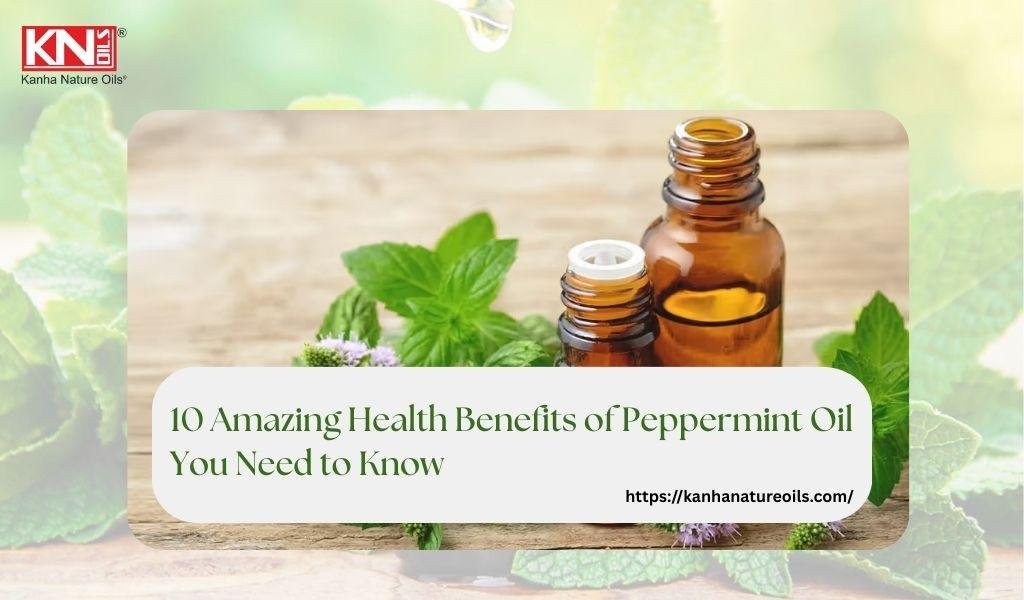
10 Amazing Health Benefits of Peppermint Oil You Need to Know

  10 Amazing Health Benefits of Peppermint Oil You Need to Know   For centuries, essential oils have been celebrated for their natural healing powers and holistic benefits. Among them, peppermint oil holds a special place for its versatility, refreshing aroma, and therapeutic properties. Extracted from the peppermint plant (Mentha × piperita), this essential oil is packed with menthol and menthone—two compounds responsible for its cooling sensation and remarkable medicinal qualities. Whether you are looking for relief from digestive discomfort, seeking natural pain management, or simply desiring a burst of mental clarity, peppermint oil can be a game-changer in your daily wellness routine. In this blog post, we will explore 10 amazing health benefits of peppermint oil you need to know, backed by science, tradition, and practical uses. 1. Relieves Digestive Issues and Supports Gut Health One of the most widely recognized benefits of peppermint oil is its ability to ease digestive discomfort. For centuries, peppermint tea and oil have been used as natural remedies for bloating, gas, indigestion, and stomach cramps. Scientific studies show that peppermint oil can relax the muscles of the gastrointestinal tract, making it effective in reducing symptoms of Irritable Bowel Syndrome (IBS). The menthol in peppermint oil helps soothe the stomach lining, reduces spasms, and supports overall digestive efficiency. How to use it: Add 1–2 drops of food-grade peppermint oil in warm water or tea. Use enteric-coated peppermint oil capsules for IBS relief. Gently massage diluted peppermint oil on the abdomen to reduce bloating and cramps. 2. Provides Natural Relief from Headaches and Migraines Peppermint oil is a natural pain reliever, especially for tension headaches and migraines. Its cooling effect comes from menthol, which promotes blood flow, relaxes muscles, and reduces pain sensations. In fact, clinical trials have found that applying peppermint oil to the temples and forehead significantly decreases headache intensity within minutes. Unlike synthetic painkillers, peppermint oil provides quick relief without side effects. How to use it: Dilute peppermint oil with carrier oil (like coconut oil) and apply it to temples and the back of the neck. Inhale peppermint oil through a diffuser for additional calming effects. 3. Boosts Energy and Enhances Mental Focus Feeling sluggish or mentally drained? Peppermint oil is a natural energy booster that stimulates the mind and enhances alertness. Its invigorating scent helps fight fatigue, improves concentration, and even boosts athletic performance. A study revealed that inhaling peppermint oil increased exercise performance and reduced perceived exertion in athletes. For students and professionals, its refreshing aroma can improve focus and memory retention. How to use it: Add a few drops of peppermint oil to a diffuser in your study or work area. Inhale directly from the bottle for an instant pick-me-up. Mix with water in a spray bottle and use as a natural room refresher. 4. Supports Respiratory Health Peppermint oil is a natural decongestant and expectorant, making it highly effective for respiratory issues like colds, sinusitis, asthma, and bronchitis. Its menthol component helps open airways, loosen mucus, and improve breathing. Additionally, peppermint oil possesses antimicrobial and antiviral properties that support immune defense during seasonal infections. How to use it: Add a few drops of peppermint oil to a bowl of hot water, cover your head with a towel, and inhale the steam. Use it in a diffuser during colds and flu season. Mix with carrier oil and apply on the chest for a vapor rub effect. 5. Relieves Muscle and Joint Pain Peppermint oil works as a natural analgesic and anti-inflammatory, making it a go-to remedy for sore muscles, joint stiffness, arthritis, and sports injuries. Its cooling sensation helps numb pain and reduce swelling, while improving circulation for faster recovery. Athletes often use peppermint oil as part of post-workout massages to relieve muscle tension and cramps. How to use it: Dilute peppermint oil with a carrier oil and massage onto sore areas. Add it to a warm bath for a soothing muscle soak. Combine with eucalyptus oil for an extra-strong pain-relieving blend. 6. Freshens Breath and Promotes Oral Health Peppermint oil is a natural breath freshener with strong antibacterial properties that help kill germs responsible for bad breath, cavities, and gum disease. Many toothpaste and mouthwash brands include peppermint oil for this very reason. Its refreshing flavor not only masks bad breath but also supports healthy gums and teeth. How to use it: Add 1 drop of food-grade peppermint oil to a glass of water for a natural mouth rinse. Mix with coconut oil for an effective oil-pulling routine. Look for natural toothpastes with peppermint essential oil. 7. Improves Skin and Hair Health Peppermint oil is packed with antimicrobial, anti-inflammatory, and cooling properties that make it excellent for skin and hair care. For skin, it soothes irritation, reduces redness, and provides relief from itching and rashes. It is also effective against acne-causing bacteria.For hair, peppermint oil stimulates the scalp, increases blood flow, and may promote hair growth while reducing dandruff and dryness. How to use it: Dilute peppermint oil with a carrier oil and apply to the scalp before shampooing. Add a drop to your shampoo or conditioner for a refreshing boost. Apply diluted peppermint oil to itchy or inflamed skin for instant relief. 8. Acts as a Natural Insect Repellent Peppermint oil is a safe and effective natural insect repellent. Its strong aroma repels mosquitoes, ants, spiders, fleas, and even rodents. Unlike chemical repellents, it is non-toxic and safe for both humans and pets when properly diluted. How to use it: Mix peppermint oil with water and spray around windows, doors, and outdoor spaces. Add to homemade candles or diffusers to keep bugs away. Apply diluted peppermint oil on the skin before going outdoors. 9. Supports Stress Relief and Emotional Balance Peppermint oil doesn’t just benefit the body—it also supports emotional well-being. Its refreshing scent helps reduce stress, anxiety, and mental fatigue while promoting relaxation and emotional balance. Aromatherapy with peppermint oil has been shown to improve mood, reduce nervous tension, and provide a sense of calm.

Powerful Ways to Use 6 Essential oil for cold sores

Cold sores, also known as fever blisters, are painful and unsightly skin eruptions caused by the herpes simplex virus (HSV-1). They typically appear around the lips, mouth, and sometimes even on the nose or chin. While they are common and usually heal within 7–14 days, the discomfort, itching, and burning sensation can be quite distressing. In recent years, people have increasingly turned to natural remedies to complement traditional treatments. Among these remedies, essential oils stand out for their antiviral, anti-inflammatory, and soothing properties. When used correctly, they may help speed up healing, reduce pain, and even prevent outbreaks. In this blog post, Kanha Nature Oils we’ll explore six powerful essential oils for cold sores and discover effective ways to use them safely and naturally. Understanding Cold Sores and How Essential Oils Help Before diving into specific oils, let’s briefly understand how cold sores develop. Cold sores are triggered when the herpes virus becomes active, often due to stress, weakened immunity, hormonal changes, or exposure to sunlight. Once activated, the virus causes painful blisters filled with fluid that eventually crust over. Essential oils may help in several ways: Antiviral properties: Many oils can inhibit viral activity, reducing the spread and severity of outbreaks. Anti-inflammatory benefits: They soothe swelling, redness, and discomfort. Pain relief: Some oils numb the skin and reduce irritation. Skin regeneration: They promote healing and reduce scarring.   Essential oils are often used for natural remedies, but they shouldn’t be your only treatment for conditions like cold sores. Cold sores, caused by the herpes virus, usually need antiviral medicines prescribed by a doctor. Some essential oils might help with cold sores, but they should be used carefully: 1. Dilute them: Essential oils are strong, so mix a few drops with a carrier oil like coconut oil. 2. Test on your skin: Try a tiny bit on your skin first to make sure it doesn’t cause any problems. 3. Ask a doctor: Talk to a doctor before using them, especially if you have health issues, are pregnant, or breastfeeding. Here are some essential oils that are often suggested for their potential antiviral and soothing properties: Tea Tree Oil:Tea tree oil can help fight the cold sore virus, but it’s strong, so mix it with another oil before using. Lavender Oil: Lavender oil is soothing and might help against cold sores. Peppermint Oil: Peppermint oil may fight the virus, but it’s strong, so use a little bit carefully. Lemon Balm Oil (Melissa Oil): Lemon balm can help heal cold sores faster. Eucalyptus Oil: Eucalyptus oil might fight the virus, but it’s strong, so use it sparingly and carefully. Oregano Oil: Oregano oil is strong against the virus, so use only a tiny bit and mix it with another oil.   Final Thoughts Cold sores can be uncomfortable, but with the help of essential oils, you can ease the symptoms and encourage faster recovery. Oils like tea tree, peppermint, lavender, eucalyptus, chamomile, and lemon balm each bring unique healing benefits, whether it’s antiviral defense, soothing pain relief, or skin regeneration. When used properly, these natural remedies can be an effective and holistic way to manage cold sores—offering not just healing but also prevention. Contact us: info@aromatherapyoil.in Mobile Number: 9810805866

What are hinoki essential oil's benefits and uses?

What are hinoki essential oil’s benefits and uses?   Essential oils have captivated wellness seekers for centuries, offering natural solutions for health, beauty, and emotional well-being. Among the many oils gaining global recognition, Hinoki essential oil—a precious extract from the Japanese cypress tree (Chamaecyparis obtusa)—stands out for its unique aroma, calming properties, and rich cultural heritage. Long revered in Japan for its use in temples, shrines, and traditional baths, Hinoki is more than just an aromatic oil; it is a holistic wellness ally. In this blog post, we will explore what Hinoki essential oil is, its benefits, therapeutic uses, and ways to incorporate it into daily life. Whether you are drawn to its soothing scent, its ability to calm the mind, or its potential skin and health applications, Hinoki is a remarkable addition to any essential oil collection. Understanding Hinoki Essential Oil Hinoki essential oil is steam distilled from the wood, twigs, or leaves of the Hinoki cypress tree, a native evergreen of Japan. The oil carries a fresh, woody, citrus-like aroma often described as soft, earthy, and spiritually grounding. Its scent is less sharp than other coniferous oils, making it gentle and soothing for the senses. In Japanese culture, Hinoki wood has been highly valued for centuries. It was historically used in building sacred temples, palaces, shrines, and hot spring baths (onsens) due to its natural durability, resistance to decay, and calming fragrance. Today, the oil distilled from this tree carries the same spirit of peace and restoration, blending tradition with modern aromatherapy practices. Key Components of Hinoki Essential Oil The therapeutic effects of Hinoki essential oil come from its unique chemical profile. Major constituents include: α-Pinene – Known for anti-inflammatory and bronchodilator properties. β-Pinene – Supports respiratory health and emotional balance. Terpinen-4-ol – Offers antimicrobial and immune-supportive effects. Limonene – Uplifting, mood-enhancing, and cleansing. Hinokitiol (thujaplicin) – A rare compound with strong antibacterial, antifungal, and antioxidant activity. This complex chemistry makes Hinoki oil a multi-functional tool for health, home, and emotional wellness. 1. Promotes Relaxation and Reduces Stress One of the most celebrated uses of Hinoki essential oil is its ability to calm the mind and body. Its delicate, grounding aroma induces a sense of tranquility, making it ideal for relaxation rituals. Studies have shown that inhaling Hinoki oil may lower cortisol levels (the stress hormone) and support the body’s parasympathetic nervous system, which governs rest and relaxation. This makes Hinoki an excellent choice for those dealing with stress, anxiety, or sleep issues. How to Use for Relaxation: Add a few drops of Hinoki oil to a diffuser during meditation, yoga, or evening wind-down. Place 1–2 drops on a cotton ball and keep it beside your pillow to support restful sleep. Blend with lavender or bergamot oil for a deeply soothing aromatherapy experience. 2. Enhances Respiratory Health Hinoki’s fresh, pine-like aroma is reminiscent of breathing in a forest. Inhalation of the oil may help clear the airways, reduce congestion, and support healthy breathing. The α-pinene and β-pinene compounds act as natural expectorants and bronchodilators, helping open the respiratory tract. In Japan, spending time in Hinoki forests or bathing in its aromatic wood baths is considered beneficial for lung health. Practical Applications: Diffuse Hinoki oil in the home during allergy or cold season. Add a few drops to hot water, then inhale the steam for relief from congestion. Create a chest rub by blending Hinoki with carrier oil and applying to the upper chest. 3. Natural Antimicrobial and Purifying Agent Hinoki essential oil’s high hinokitiol content makes it a potent natural antimicrobial and antifungal agent. Traditionally, Hinoki wood was prized for building temples not only because of its aroma but also for its resistance to decay, insects, and bacteria. In modern times, Hinoki oil can be used as a natural cleaning solution, surface disinfectant, and air purifier. Its crisp, forest-like aroma adds freshness while protecting against harmful microbes. How to Use for Cleaning & Purification: Mix Hinoki oil with vinegar and water to create a natural surface cleaner. Add a few drops to laundry for a fresh, woodsy scent. Diffuse in common areas to cleanse the air and create a calming atmosphere. 4. Supports Skin Health Hinoki essential oil’s antibacterial and anti-inflammatory qualities make it beneficial for skin care. It may help in managing acne, irritation, or fungal infections while promoting overall skin clarity. Its soothing properties are gentle enough for sensitive skin when diluted properly. Skin Care Applications: Add 1–2 drops to a carrier oil (like jojoba or almond oil) for a nourishing face serum. Use in a foot soak to refresh and fight fungal growth. Mix into unscented lotion to create a calming body moisturizer. Note: Always perform a patch test before applying essential oils to skin, and avoid using undiluted oil directly. 5. Boosts Emotional Well-Being The aroma of Hinoki oil is not only calming but also uplifting. It has been associated with improved mood, mental clarity, and emotional resilience. This makes it an excellent tool for combating fatigue, negativity, or lack of focus. Japanese practices such as “Shinrin-yoku” (forest bathing) highlight the psychological benefits of being surrounded by trees like Hinoki. Inhaling its essence is believed to encourage balance, serenity, and mindfulness. Ways to Enhance Mood with Hinoki Oil: Diffuse during morning routines to start the day with calm focus. Blend with citrus oils for an energizing and cheerful aroma. Use in a personal inhaler for quick stress relief on the go. 6. Supports Immune Function Hinoki essential oil’s antimicrobial properties extend beyond cleaning surfaces—it may also support the body’s immune defenses. Its compounds can inhibit harmful pathogens while stimulating immune response, helping the body fight off seasonal illnesses. Immune Support Tips: Diffuse Hinoki oil in high-traffic areas of the home during flu season. Create a massage blend (Hinoki + carrier oil) and apply to the soles of the feet. Combine with tea tree and eucalyptus oils for a powerful immune-boosting synergy. 7. Enhances Meditation and Spiritual Practices Hinoki essential oil has long been

10 Amazing Health Benefits of Peppermint Oil You Need to Know

10 Best Ways to Use Pure Skin Essential Oil for Radiant Skin In today’s world of skincare, where chemical-laden products often dominate the market, more people are turning toward natural remedies for healthy and radiant skin. Essential oils, with their holistic healing properties and therapeutic aromas, have gained immense popularity. Among them, Pure Skin Essential Oil has emerged as a skincare superstar, offering a blend of nourishment, hydration, and rejuvenation. Whether you struggle with acne, dullness, premature aging, or dryness, this versatile oil can be a game-changer in your daily routine. In this blog, we will explore the 10 best ways to use Pure Skin Essential Oil to achieve a radiant, glowing complexion. From simple daily applications to targeted treatments, these methods will help you unlock the full potential of this natural beauty elixir. 1. Daily Moisturizer for Glowing Skin One of the simplest and most effective ways to use Pure Skin Essential Oil is as a natural moisturizer. Unlike heavy creams that may clog pores, essential oils penetrate deeply, hydrating your skin without leaving a greasy residue. How to use:Mix 2–3 drops of Pure Skin Essential Oil with a carrier oil such as jojoba, almond, or argan oil. Massage gently onto your face after cleansing. Benefits:Provides hydration, balances sebum production, and creates a natural glow. Using this blend daily ensures that your skin stays soft, supple, and radiant all year round. 2. Anti-Aging Serum for Youthful Skin As we age, fine lines, wrinkles, and loss of elasticity become more visible. Pure Skin Essential Oil contains antioxidants and anti-inflammatory compounds that fight free radical damage and boost collagen production. How to use:Create a DIY anti-aging serum by blending 4 drops of Pure Skin Essential Oil with 1 tablespoon of rosehip seed oil. Apply every night before bed. Benefits:Reduces wrinkles, improves skin elasticity, and promotes cell regeneration. Over time, this natural serum can restore firmness and diminish signs of premature aging. 3. Acne and Blemish Spot Treatment Acne-prone skin often requires a gentle yet effective remedy. Pure Skin Essential Oil, with its antibacterial and antiseptic properties, can reduce acne-causing bacteria while soothing inflammation. How to use:Dilute 1 drop of Pure Skin Essential Oil in a teaspoon of witch hazel or aloe vera gel. Apply directly on pimples or blemishes using a cotton swab. Benefits:Dries out active pimples, reduces redness, and prevents scars. This targeted spot treatment works without the harsh side effects of chemical acne creams. 4. Natural Skin Brightening Elixir Dull and uneven skin tone can make your complexion look tired. Pure Skin Essential Oil helps brighten the skin by improving blood circulation and reducing pigmentation. How to use:Add 3–4 drops to a tablespoon of coconut oil and massage in circular motions on your face for 5 minutes. Leave it overnight or rinse after 30 minutes. Benefits:Lightens dark spots, evens out skin tone, and enhances natural radiance. Using this blend consistently restores a healthy, youthful glow. 5. Overnight Repair Mask While you sleep, your skin undergoes natural repair and regeneration. An overnight essential oil treatment can accelerate this process. How to use:Mix 5 drops of Pure Skin Essential Oil with 2 tablespoons of aloe vera gel. Apply a thin layer as a sleeping mask. Benefits:Repairs damaged skin cells, reduces puffiness, and deeply hydrates. Waking up with refreshed, radiant skin becomes effortless with this bedtime ritual. 6. Soothing Remedy for Sensitive Skin If you struggle with redness, irritation, or skin sensitivity, Pure Skin Essential Oil can be your go-to solution. Its anti-inflammatory compounds calm the skin, reducing flare-ups and sensitivity. How to use:Blend 2 drops with chamomile oil or cucumber seed oil and apply gently on affected areas. Benefits:Reduces redness, soothes irritation, and strengthens the skin barrier. This remedy works especially well for those with rosacea or eczema-prone skin. 7. Natural Makeup Primer Did you know that Pure Skin Essential Oil can double as a natural makeup primer? By creating a smooth base, it helps foundation glide on effortlessly while keeping skin hydrated underneath. How to use:Apply 2–3 drops of the oil mixed with a lightweight carrier oil before makeup. Let it absorb for 5 minutes. Benefits:Smoothens texture, prevents cakiness, and adds a dewy finish. Not only does it prepare your skin for makeup, but it also nourishes it throughout the day. 8. Detoxifying Facial Steam Facial steaming is a centuries-old method for cleansing and rejuvenating skin. Adding Pure Skin Essential Oil enhances this ritual with additional antibacterial and hydrating benefits. How to use:Add 5–6 drops of the oil into a bowl of hot water. Drape a towel over your head and steam your face for 5–7 minutes. Benefits:Opens pores, eliminates toxins, and improves skin clarity. Follow up with a gentle moisturizer to lock in hydration. 9. DIY Exfoliating Scrub Exfoliation is key to removing dead skin cells and promoting cell turnover. Pure Skin Essential Oil enhances scrubs with antibacterial and nourishing properties. How to use:Mix 2 drops of Pure Skin Essential Oil with 1 tablespoon of honey and 1 teaspoon of brown sugar. Gently massage on your face for 2–3 minutes, then rinse. Benefits:Clears clogged pores, brightens complexion, and smoothens skin texture. Using this scrub once a week leaves your skin looking fresh and radiant. 10. Sun Damage Repair Treatment Excessive sun exposure can lead to premature aging, dark spots, and dryness. Pure Skin Essential Oil helps repair sun-damaged skin and restore lost hydration. How to use:Combine 3 drops with 1 tablespoon of aloe vera gel and apply as a cooling mask after sun exposure. Benefits:Soothes sunburn, reduces inflammation, and replenishes moisture. This natural after-sun treatment restores skin health without harmful chemicals. Additional Tips for Using Pure Skin Essential Oil Safely While Pure Skin Essential Oil offers countless benefits, it is essential to use it correctly: Always dilute with a carrier oil before applying directly to skin. Conduct a patch test to avoid allergic reactions. Store in a dark glass bottle away from sunlight. Pregnant women and people with certain medical conditions should consult a doctor before use. Final

what is the strongest essential oil for pain ?

what is the strongest essential oil for pain ?   Pain is a universal experience that touches nearly every life at some point, whether from a temporary injury, chronic illness, or everyday stress and tension. While conventional medicine offers many solutions—from over-the-counter pain relievers to prescription medications—people are increasingly turning to natural remedies for a safer, more holistic approach. Among these remedies, essential oils have gained widespread attention for their ability to ease discomfort and support overall well-being. But with dozens of essential oils known for pain relief, one pressing question arises: What is the strongest essential oil for pain? This blog post explores that question in depth. We will discuss how essential oils work to relieve pain, review the most powerful oils used for pain management, highlight the single strongest essential oil for pain, and explain how to use it safely and effectively. By the end, you’ll have a clear understanding of which oil might work best for your unique needs and how to incorporate it into your wellness routine. How Essential Oils Help with Pain Essential oils are highly concentrated plant extracts that capture the natural compounds responsible for a plant’s aroma and therapeutic properties. When used for pain relief, essential oils work in several ways: Anti-inflammatory properties – Many oils reduce inflammation, a major contributor to pain in conditions like arthritis, sore muscles, and injuries. Analgesic (pain-relieving) effects – Certain oils numb nerve endings or block pain signals from reaching the brain. Muscle relaxant benefits – Oils can reduce muscle spasms and tension that exacerbate pain. Improved circulation – Some oils stimulate blood flow, speeding healing and reducing swelling. Psychological effects – The soothing aromas of essential oils can reduce stress and anxiety, both of which often intensify the perception of pain. Well there are variety of essential oils available in todays market. Different people feel better with different essential oils, and it depends on the kind of pain you have. Some oils can help with pain, and some are better at it than others. If you’re currently exploring options like “massage oil for pain,” “essential oils for back pain,” “essential oils for nerve pain,” “frankincense oil for knee pain,” or “best oil for knee joint pain,” you’re in the right place. Here are some strongest essential oil for pain: Ginger Oil: Ginger oil reduces pain and inflammation, so it’s useful for joint pain, arthritis, and sore muscles. Peppermint Oil: This oil has a cooling effect because it has menthol. People use it for headaches, muscle aches, and joint pain. Chamomile Oil: Chamomile oil has a calming effect and fights inflammation, so it’s great for easing tension and discomfort. Lavender Oil: Lavender oil is known for making you feel calm and relaxed. It can help with headaches, muscle tension, and migraines. Eucalyptus Oil: Eucalyptus oil is good for breathing problems, but it can also make your muscles and joints feel better because it reduces inflammation. Rosemary Oil: Rosemary oil can help with muscle aches and arthritis pain because it fights inflammation and can relieve pain. Clove Oil: This oil has something called eugenol, which eases pain. It’s good for toothaches and gum pain when you use it carefully and mix it with another oil. Frankincense Oil: Frankincense helps with pain because it fights inflammation. It’s useful for joint pain and other conditions with inflammation. Contact us for more information. We can answer any type of inquiry about essential oils. We are an experienced manufacturer of essential oils.   So, What is the Strongest Essential Oil for Pain? While many essential oils provide pain relief, peppermint oil is widely regarded as the strongest essential oil for pain management. Why Peppermint Oil Stands Out High Menthol Content – Menthol is a well-studied natural compound that creates a cooling effect by activating cold-sensitive receptors in the skin. This not only numbs the area but also reduces pain signals. Broad-Spectrum Relief – Peppermint oil works for multiple types of pain, including headaches, muscle pain, joint discomfort, and even digestive pain. Backed by Research – Numerous clinical studies support peppermint oil’s efficacy. For example, topical peppermint oil has been shown to significantly reduce headache intensity within minutes. Fast Acting – Unlike some oils that take time to reduce inflammation, peppermint oil provides almost instant relief due to its cooling and numbing action. Scientific Evidence Supporting Peppermint Oil Headache Relief: A study published in Cephalalgia journal found that applying peppermint oil to the temples reduced tension headache intensity within 15 minutes. Muscle Pain: Research in Phytotherapy Research demonstrated that menthol in peppermint oil reduces muscle contractions and acts as a natural painkiller. Arthritis and Joint Pain: Animal studies indicate that peppermint oil can reduce inflammation and improve mobility in arthritic joints. How to Use Peppermint Oil for Pain Relief Peppermint oil is powerful, and proper use is key to safety and effectiveness. 1. Topical Application Dilute 2–3 drops of peppermint oil with 1 tablespoon of a carrier oil (like coconut or jojoba oil). Massage into the affected area (temples for headaches, muscles for soreness, joints for arthritis). 2. Inhalation Add a few drops to a diffuser to relieve headache pain and stress. Inhale directly from the bottle for quick relief. 3. Cold Compress Add 2 drops of peppermint oil to a bowl of cold water. Soak a washcloth, wring it out, and apply to the painful area. 4. Peppermint Bath Mix 4–5 drops of peppermint oil with a carrier oil or bath salt. Add to warm bath water for whole-body pain relief. Safety Precautions Always dilute before applying to skin to avoid irritation. Avoid sensitive areas like eyes, mucous membranes, and broken skin. Not recommended for children under 6 due to menthol’s potency. Pregnant and breastfeeding women should consult a doctor before use. Perform a patch test before using peppermint oil widely. Other Powerful Oils to Combine with Peppermint While peppermint oil is the strongest, combining it with other oils can enhance pain relief: Lavender + Peppermint: Great for migraines and stress-induced

Understanding Turpentine Oil: Safety Precautions and Guidelines

✔️ Understanding Turpentine Oil for Safety Precautions and Guidelines.   In the 🌍 world of natural remedies and herbal extracts, understanding turpentine oil, stands as a potent substance with immense potential. Derived from the resin of pine trees, this essential oil has been used for various purposes throughout history. However, it is important to understand that turpentine oil should be handled with care due to its potentially harmful nature. In this article, we will delve into the safety precautions and guidelines that one should follow when using turpentine oil. Many people are unaware of the precautions required when working with this volatile and flammable oil. Mishandling turpentine can lead to respiratory issues, skin irritation, poisoning, or even fire hazards. Therefore, understanding its nature, potential dangers, and safe handling practices is essential. This blog post provides a comprehensive guide to understanding turpentine oil, its uses, associated risks, and the safety precautions and guidelines you must follow to ensure safe handling and application.   👉 What is Turpentine Oil? Turpentine oil, also known as spirit of turpentine or oil of turpentine, is a volatile essential oil consisting of numerous compounds extracted through the steam distillation of resins obtained from various species of pine trees. The resulting oil possesses a distinct aroma and has been widely adopted across industries such as ✔️medicine, ✔️paint solvents, and even as a ✔️traditional remedy. Its composition includes substances like ✔️alpha-pinene, ✔️beta-pinene,✔️ camphene, and ✔️other terpenes.   Safety Precautions When Handling Turpentine Oil To ensure safe usage, it’s essential to follow strict guidelines when working with turpentine oil. 1. Personal Protective Equipment (PPE) Gloves: Always wear chemical-resistant gloves (e.g., nitrile or neoprene) to prevent skin contact. Goggles: Use safety goggles to protect your eyes from accidental splashes. Respiratory Protection: If working in poorly ventilated areas, wear a respirator mask designed for organic vapors. Protective Clothing: Wear long sleeves and an apron to reduce the risk of skin exposure. 2. Proper Ventilation Always handle turpentine in a well-ventilated space. If indoors, use exhaust fans or open windows to disperse vapors. Avoid confined areas where fumes can accumulate. 3. Storage Guidelines Store turpentine in tightly sealed containers made of glass or metal. Keep containers in a cool, dry, and well-ventilated area, away from direct sunlight or heat sources. Label all containers clearly to avoid accidental misuse. Do not store near oxidizing agents, acids, or open flames. 4. Handling Precautions Never use turpentine near open flames, sparks, or smoking areas. Avoid eating, drinking, or smoking while handling turpentine. Always wash your hands thoroughly after use. 5. Safe Disposal Do not pour turpentine down drains or into the soil. Collect used or leftover turpentine in a sealed container. Dispose of it at designated hazardous waste collection centers. First Aid Measures for Turpentine Exposure Despite taking precautions, accidents can happen. Here’s what to do in case of exposure: Inhalation Move the person to fresh air immediately. Loosen tight clothing and keep them calm. Seek medical attention if breathing difficulties persist. Skin Contact Remove contaminated clothing. Wash affected skin thoroughly with soap and water. Apply a soothing lotion if irritation continues. Consult a doctor if burns or rashes develop. Eye Contact Rinse eyes with clean, lukewarm water for at least 15 minutes. Do not rub the eyes. Seek medical help immediately. Ingestion Do not induce vomiting, as it may cause aspiration into the lungs. Rinse the mouth with water. Call emergency medical services immediately. Turpentine Oil in Traditional Medicine: A Word of Caution In traditional practices, turpentine oil has been used in small amounts as a remedy for coughs, colds, and pain relief. However, modern medical experts strongly discourage self-medication with turpentine oil due to its toxicity and unpredictable effects. Some old remedies involve inhaling vapors or applying diluted oil externally, but these methods pose significant risks. Ingesting turpentine can cause poisoning, organ damage, and even death. Safer alternatives such as eucalyptus oil, tea tree oil, or peppermint oil are now widely recommended for respiratory and pain-relief purposes. Workplace Safety and Regulations Industries that use turpentine must follow strict safety protocols: Occupational Safety Standards OSHA (Occupational Safety and Health Administration) sets exposure limits for turpentine fumes. Employers must monitor air quality and provide PPE for workers. Training and Awareness Workers should be trained to handle turpentine safely. Emergency procedures for spills, fires, and exposures must be in place. Fire Safety Keep fire extinguishers rated for chemical fires nearby. Ensure proper grounding of containers to prevent static sparks. Eco-Friendly Alternatives to Turpentine Given the environmental and health concerns, many industries and consumers are turning to safer substitutes: Citrus-based solvents – Derived from orange peels, effective and less toxic. Mineral spirits – Less volatile but still requires precautions. Water-based cleaners and paints – Environmentally friendly and safer to handle. Choosing alternatives can significantly reduce health risks while maintaining efficiency. Best Practices for Home Use For those who may use turpentine at home (e.g., artists, woodworkers), following these practices is essential: Always work in a garage, workshop, or open outdoor space. Keep a fire extinguisher nearby. Use only small quantities at a time to minimize risk. Replace turpentine-soaked rags with safer substitutes like odorless mineral spirits or citrus cleaners.   👉 Handling Turpentine Oil in Various Settings   While turpentine oil finds applications in both industrial and domestic settings, it is essential to understand the specific safety measures required in each scenario. 👉 Household Use Proper Storage: Store turpentine oil in a dedicated, tightly sealed container, away from the reach of children and pets. Make sure it is kept in a cool and dry place, preventing exposure to sunlight. Dilution: Prior to use, diluting turpentine oil with a carrier oil is recommended to reduce its potency. This helps prevent any skin irritations or allergic reactions that may arise from direct application. 👉 Industrial Use Professional Guidance: In an industrial setting, it is crucial to consult with a trained professional who can guide you on the appropriate handling, storage, and usage of turpentine oil. They can also provide

Almond Oil for Baby Massage: Best Practices Every Parent Should Know

For centuries, baby massage has been a cherished practice across cultures, offering a profound way for parents to bond with their little ones while also promoting overall health and development. Among the many natural oils available for baby massage, almond oil stands out as one of the most popular choices due to its nutrient-rich composition and gentle properties. It is valued not only for its ability to nourish delicate infant skin but also for its role in strengthening muscles, calming the nervous system, and enhancing emotional connection between parent and child. In this comprehensive guide, Kanha Nature Oils will explore the benefits of almond oil for baby massage, the best practices every parent should follow, how to choose the right almond oil, precautions to keep in mind, and simple massage techniques to try at home. By the end of this article, you will be equipped with the knowledge and confidence to incorporate almond oil into your baby’s care routine in a safe and nurturing way. The Tradition of Baby Massage Baby massage is not a modern trend—it is deeply rooted in history. In India, baby massage has been a time-honored Ayurvedic practice, passed down through generations. It is believed to stimulate growth, improve circulation, and strengthen immunity. Similarly, cultures in Africa and Southeast Asia also incorporate massage into daily baby care routines. Today, pediatricians and child development experts globally recognize the value of gentle massage in improving both physical and emotional well-being of infants. The choice of oil plays a vital role in this practice. While coconut oil, sesame oil, and olive oil are also commonly used, almond oil remains a preferred choice for many parents because of its hypoallergenic nature, silky texture, and rich nutritional profile. Why Almond Oil is Ideal for Baby Massage Almond oil, particularly sweet almond oil, is packed with vitamins, minerals, and fatty acids that make it perfect for delicate baby skin. Below are its key benefits: 1. Rich in Nutrients Almond oil is loaded with Vitamin E, an antioxidant that protects and nourishes the skin. It also contains Vitamin A, omega-3 fatty acids, zinc, and proteins, all of which contribute to skin health and development. 2. Gentle and Hypoallergenic Sweet almond oil is gentle and rarely causes irritation, making it suitable for sensitive baby skin. Unlike harsher oils, it does not clog pores and gets absorbed easily, leaving skin soft and supple. 3. Moisturizing Properties Baby skin is thinner and more prone to dryness. Almond oil provides deep hydration, preventing dry patches, flakiness, or rashes. Regular use creates a natural protective barrier that locks in moisture. 4. Promotes Relaxation The soothing aroma and light texture of almond oil help calm babies during massage. Combined with gentle strokes, it can ease fussiness, improve sleep quality, and reduce colic-related discomfort. 5. Supports Muscle and Bone Development Massaging with almond oil stimulates circulation and encourages healthy growth of muscles and bones. Many parents notice improved flexibility and motor development in babies who receive regular massages. 6. Improves Skin Tone With regular use, almond oil can enhance skin tone, reduce the appearance of minor blemishes, and protect against environmental stressors. Choosing the Right Almond Oil for Your Baby Not all almond oils available in the market are safe for infants. Parents must exercise caution when selecting the right product. Here are some essential tips: 1. Opt for Sweet Almond Oil, Not Bitter Almond Oil Sweet almond oil is safe and widely used for skincare and baby massage. Bitter almond oil, on the other hand, contains toxic compounds and should never be applied to a baby’s skin. 2. Go for Cold-Pressed and Unrefined Oils Cold-pressed oils retain more nutrients and are free from harmful solvents used in chemical extraction. Unrefined oil ensures that the natural goodness of almonds remains intact. 3. Choose Organic and Pure Organic almond oil minimizes the risk of pesticide residue and artificial additives. Always read labels to confirm the oil contains no preservatives, fragrances, or synthetic chemicals. 4. Perform a Patch Test Even though almond oil is generally safe, it is best to test a small amount on your baby’s inner arm or thigh. Wait 24 hours to check for redness or irritation before full application. Best Practices for Baby Massage with Almond Oil To make baby massage safe and effective, parents should follow certain best practices. 1. Create a Calm Environment Choose a quiet, warm, and comfortable room free from distractions. Dim lighting, soft music, or a lullaby can make the experience more soothing. 2. Warm the Oil Cold oil can startle a baby. Warm a small amount of almond oil by rubbing it between your palms before applying it to your baby’s skin. 3. Pick the Right Time Massage is best done when your baby is awake but calm, ideally before a bath or bedtime. Avoid massaging immediately after feeding. 4. Use Gentle Strokes Baby skin and muscles are delicate, so avoid applying too much pressure. Use slow, rhythmic strokes with your palms and fingers. Always observe your baby’s reactions—if they show discomfort, adjust your technique. 5. Keep Sessions Short Newborns may only tolerate 5–10 minutes of massage, while older babies may enjoy 15–20 minutes. Don’t force the session if your baby becomes fussy. 6. Follow a Routine Regular massage sessions, done daily or at least several times a week, provide consistent benefits. Consistency also helps your baby recognize massage time as a comforting ritual. 7. Maintain Hygiene Always wash your hands before starting. Use clean, soft towels and ensure the massage area is hygienic. Store almond oil in a clean, airtight container. Step-by-Step Baby Massage Techniques with Almond Oil Here’s a simple guide for a full-body baby massage: 1. Legs and Feet Start with the thighs and gently stroke down to the ankles. Massage each foot by pressing the sole with your thumb in circular motions. Stretch and release each toe lightly. 2. Arms and Hands Hold your baby’s wrist and stroke down the arm to the shoulder. Massage the palm

अदरक का तेल (Ginger essential oil) का उपयोग Kanha Nature Oils

Ginger essential oil uses in hindi अदरक का तेल  को विभिन्न तरह के कामों के लिए उपयोग किया जा सकता है। यहाँ कुछ मुख्य उपयोग बताए गए हैं: धार्मिक और आराधना: यह तेल धार्मिक कार्यों और पूजा में उपयोग होता है, क्योंकि इसकी महक सुंदर होती है। आरोमाथेरेपी: इसकी खुशबू स्वास्थ्यकर और शांतिदायक होती है, इसलिए यह तनाव को कम करने, मानसिक शांति के लिए, और शारीरिक समस्याओं के इलाज में मदद कर सकता है। खांसी और जुखाम: यह तेल खांसी और जुखाम के इलाज में मदद कर सकता है। इसे सुगंधित तेल के रूप में या बाथ या बाल्सम में उपयोग किया जा सकता है। सौंदर्य देखभाल: त्वचा की देखभाल के लिए इसका उपयोग किया जा सकता है, जैसे कि त्वचा को स्वस्थ बनाना, दाग-धब्बों को कम करना, और तैलिक त्वचा की देखभाल करना। पेट की समस्याएँ: अदरक का तेल  पेट की समस्याओं को सुधारने में मदद कर सकता है। आप इसे मालिश तेल के रूप में या डिफ्यूज़ करने के लिए उपयोग कर सकते हैं।   याद रखें कि इस तेल का सावधानी से उपयोग करना चाहिए और किसी भी तरह की त्वचा संबंधित समस्याओं से बचने के लिए इसे एक सही तरीके से डिल्यूट करना चाहिए। यदि आपके पास कोई गंभीर स्वास्थ्य समस्या है या आप किसी विशेष तरह के इलाज की जरूरत है, तो कृपया किसी योग्य आरोमाथेरपिस्ट या स्वास्थ्य पेशेवर से परामर्श करें। For more information contact us we are a pure ginger oil manufacturer.

Scroll to Top