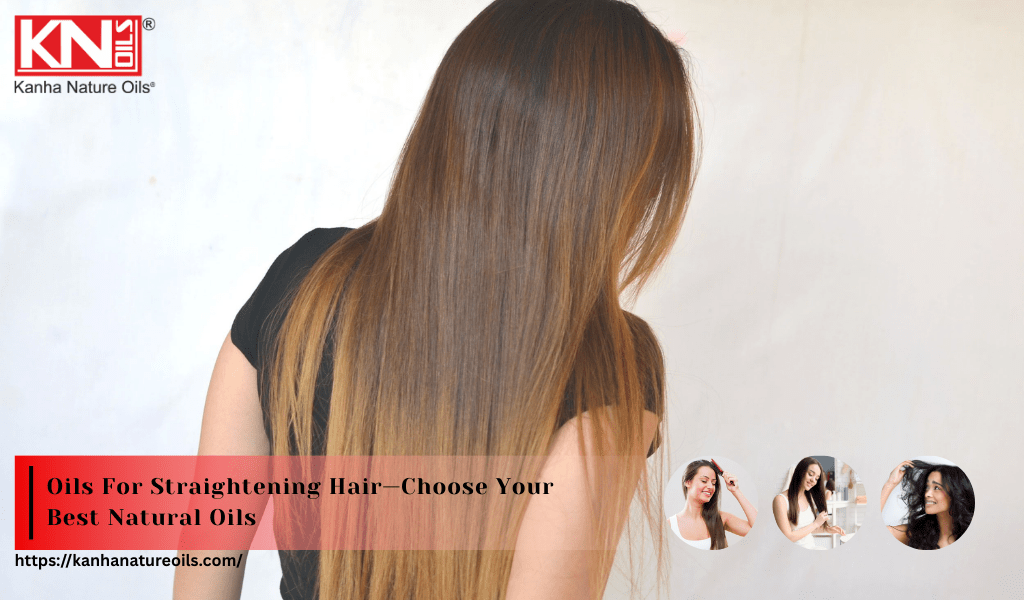
Oils For Straightening Hair—Choose Your Best Natural Oils In the world of hair care, the market is filled with dozens of chemical straightening treatments promising sleek, glossy locks in minutes. How ever, these treatments often come with harsh ingredients that can damage hair over time, strip it of natural oils, and even lead to breakage. For those seeking a natural, nourishing way to achieve smoother and straighter hair, plant-based oils have become increasingly popular. Because hair health begins with proper nourishment from the roots to the tips, using natural oils offers a gentler, safer alternative to intensive chemical procedures. This comprehensive guide from Kanha Nature Oils covers the best natural oils for straightening hair, how they work, and how you can incorporate them into your hair care routine. We’ll also answer common questions about oil application, methods of use, and tips for achieving long-lasting results. Why Natural Oils? Understanding the Benefits Natural oils have been used for centuries in traditional hair care practices around the world, especially in regions of Asia, Africa, and the Middle East. These oils contain essential fatty acids, vitamins, proteins, and antioxidants that support overall hair health. Key Benefits of Using Natural Oils Moisturization Oils penetrate the hair shaft, sealing in moisture and preventing dryness. Heat Protection Oils form a protective barrier against heat damage from styling tools like straighteners. Smoother Texture Many oils help reduce frizz and add shine by smoothing the hair cuticle. Scalp Health Oils nourish the scalp, reduce dandruff, and stimulate hair growth. Stronger Hair Nutrients in oils strengthen hair from the root, reducing breakage and split ends. Using natural oils regularly can lead to hair that feels not only straighter but also healthier and more resilient. Top 8 Natural Oils For Straightening Hair Finding a hair straightening oil among the many options available might feel like searching for a needle in a haystack. The inappropriate oil may cause your hair to get weighed down or, worse still, may not adequately protect it while being styled. We’re here to help! We’ve created a ranking of the top hair straightening oils. 1. Argan Oil For Hair Straightening There is no comparison for our Moroccan Argan Oil when it comes to acting as a heat protectant, which is why we advise using argan oil just before styling. All in all, it’s the best you can get for straight hair! It is prepared with 100% organic Moroccan argan seeds to ensure no additional chemicals or pesticides, making it extremely light. Additionally, pure argan oil has a high smoking point, which guards against the tool’s intense heat from burning down your hair strands. 2. Virgin Coconut Oil For Straightening Hair Virgin coconut oil is a powerful heat protector, so we have added it to our list. If you still need to get a jar of cold-pressed coconut oil at home, you need to get it today! This cold-pressed coconut oil, made from fresh organic coconuts, may be used as a skin moisturiser, a hair mask, and a heat styling tool. It has no aroma at all and is even suitable for cooking. 3. Virgin Olive Oil For Hair Straightening Virgin olive oil has earned a spot on our list due to its excellent properties and speedy ability to repair dry, frizzy, and breakable hair. Additionally, there are no additives or free radicals in this natural oil. This olive oil is devoid of all chemicals and pesticides to give its consumers the cleanest and healthiest hair oil possible. Your damaged hair will receive exceptional quality hydration and moisturization from 100 percent pure and organic oil. 4. Castor Oil For Hair Straightening Castor oil if you prefer a simple, fragrance- and additives-free hair straightening oil but your hair doesn’t respond well to coconut oil. However, it is always best to test the oil on a small skin area before using more. This smooth, golden-yellow oil has a nutty aroma and a natural texture. It is unlikely to produce an adverse response because it doesn’t include any additional preservatives or smells. Hair, skin, and nails are all moisturized with pure Castor Oil. 5. Sweet Almond Oil For Hair Straightening Many women use almond oil to maintain straight hair. Some women swear by it since they start their teens. We’re not sure about you, but we don’t have the time to flat iron my hair every day. Only recently have people begun to understand its many advantages! This special heat-protective oil maintains a silk press straight and frizz-free for up to three days, right until your next shampoo. Fortunately, due to the amazing almond oil, we don’t have to! 6. Avocado Oil For Straightening Hair When undergoing extensive heat treatment, the damage is just as much. Avocado oil works miraculously in protecting your hair from damage and keeping that straight look for longer. You will love how it penetrates your strands deeply. Avocado oil is renowned for its healing benefits and moisturising qualities. Use it immediately following a hair wash and just before flat-iron styling. Its lightweight formulation and enlivening oil qualities make it ideal for hair spa treatments. 7. Jojoba Oil For Straightening Hair Jojoba oil can also cure hair damage brought on by chemical and heated styling equipment. If you use jojoba oil after a straightening session, you can control this breakage and make your press longer. Using jojoba oil on your hair can counteract heat damage and build a layer of protection. This occurs as jojoba oil is impermeable, in contrast to other oils. When using hair straighteners, you may prevent the hair shaft from breaking by doing this. 8. Amla Oil For Straightening Hair The fact that amla oil is 100% amla oil makes it exceptional for straight hair. Other vital ingredients for hair sustenance found in the essence of this oil include Vitamin E, phenols, carotenes, squalene, and essential fatty acids. They work by rebuilding the structure of the hair, repairing damaged hair, boosting elasticity, and
Search Results for: Rosemary Essential Oil
The Benefits of Incorporating Essential Oils into Your Daily Routine In a world that often feels fast-paced, overwhelming, and stressful, many people are turning back to nature for balance, healing, and overall wellness. One of the most effective and accessible ways to do so is through essential oils. These concentrated plant extracts have been used for centuries across cultures for their therapeutic, aromatic, and healing properties. Today, essential oils are more than just a trend; they have become an integral part of holistic living, offering benefits for the body, mind, and spirit. Incorporating essential oils into your daily routine doesn’t require major lifestyle changes. From diffusing calming scents at home to adding oils to skincare rituals, or even using them as natural remedies for everyday issues, essential oils can fit seamlessly into modern life. This blog post Kanha Nature Oils will explore the many benefits of making essential oils a daily practice, with practical tips for integration and a closer look at some of the most popular oils and their unique uses. Understanding Essential Oils and How They Work Before diving into the benefits, it’s important to understand what essential oils are and how they interact with the body. Essential oils contain volatile aromatic compounds that are absorbed through inhalation or topical application (when properly diluted). When inhaled, these molecules stimulate the olfactory system, sending signals to the brain’s limbic system—the area responsible for emotions, memory, mood, and stress response. This is why certain aromas can instantly make you feel calm, energized, or uplifted. When applied to the skin with a carrier oil, essential oils may support localized benefits such as skin nourishment, muscle relaxation, or scalp care. While essential oils are not a replacement for medical treatment, they are widely valued for supporting overall wellness and self-care practices. Best 6 Selling Essential Oils and Their Uses 1. Lavender Known for its calming and relaxing properties, lavender oil is often used to alleviate stress, anxiety, and insomnia. It can also promote skin health and soothe minor burns and insect bites. 2. Peppermint Peppermint oil is a refreshing oil that can help with headaches, muscle pain, and digestive problems. Its cooling properties make it a popular choice for reducing stress and boosting energy. 3. Lemon Lemon oil is a powerful antioxidant and detoxifier. It is commonly used to support immune function, improve mood, and enhance skin clarity. 4. Eucalyptus Eucalyptus oil is widely used for respiratory health. It can help clear nasal congestion, ease coughs, and support overall respiratory function. 5. Tea Tree Known for its antiseptic and antimicrobial properties, tea tree oil is effective in treating acne, fungal infections, and minor wounds. 6. Rose Rose oil is prized for its ability to promote emotional well-being, reduce stress, and improve skin health. The Benefits of Essential Oils 1. Enhanced Respiratory Function Essential oils like eucalyptus, peppermint, and tea tree can help clear congestion, reduce inflammation, and improve overall respiratory health. Inhaling these oils through steam or diffusers can provide relief from colds, allergies, and sinus issues. 2. Pain Relief Many essential oils have analgesic properties that can help alleviate pain. Oils such as lavender, peppermint, and frankincense can be applied topically to sore muscles and joints or used in aromatherapy to reduce headaches and migraines. 3. Improved Digestion Essential oils like ginger, peppermint, and fennel can aid digestion by reducing bloating, gas, and indigestion. These oils can be ingested in small quantities or applied topically to the abdomen. 4. Skin Health Essential oils are widely used in skincare for their anti-inflammatory, antimicrobial, and antioxidant properties. Tea tree oil, lavender, and rose oil can help treat acne, eczema, and aging skin, promoting a healthy, radiant complexion. Emotional and Mental Well-being 1. Stress and Anxiety Reduction Aromatherapy with essential oils such as lavender, chamomile, and bergamot can significantly reduce stress and anxiety levels. These oils have calming effects on the nervous system, promoting relaxation and mental clarity. 2. Improved Sleep Insomnia and sleep disturbances can be addressed with essential oils like lavender, valerian, and sandalwood. These oils help create a peaceful environment conducive to sleep, allowing for better rest and recovery. 3. Enhanced Mood and Energy Citrus oils like lemon, orange, and grapefruit are known for their uplifting and energizing properties. Inhaling these oils can improve mood, increase alertness, and reduce feelings of fatigue and depression. Topical Application 1. Massage Dilute essential oils with a carrier oil, such as coconut or jojoba oil, and use them for a relaxing massage. This can help relieve muscle tension, reduce pain, and promote overall relaxation. 2. Baths Adding a few drops of essential oil to your bath can create a luxurious and therapeutic experience. Oils like lavender, chamomile, and eucalyptus can soothe sore muscles, relax the mind, and improve skin health. 3. Skincare Incorporate essential oils into your skincare routine by adding them to your favorite lotions, creams, or serums. Oils like tea tree, rose, and frankincense can help treat acne, reduce inflammation, and promote a youthful complexion. Household Uses 1. Cleaning Create natural cleaning solutions by adding essential oils to water, vinegar, or baking soda. Use these mixtures to disinfect surfaces, clean floors, and freshen the air. 2. Laundry Add a few drops of essential oil to your laundry detergent or dryer balls to infuse your clothes with a pleasant aroma and boost their cleanliness. 3. Air Fresheners Make your own air fresheners by combining essential oils with water in a spray bottle. Use this mixture to freshen up your home, car, or office. Practical Ways to Use Essential Oils Every Day Morning Routine: Diffuse citrus oils to wake up refreshed. Work or Study Time: Inhale peppermint or rosemary for focus. Exercise: Use eucalyptus or ginger oil for muscle recovery. Evening Routine: Take a lavender-infused bath or apply chamomile oil to relax. Cleaning: Add tea tree or lemon oil to homemade cleaning sprays. By weaving oils into small, intentional moments, you’ll build a daily ritual that supports
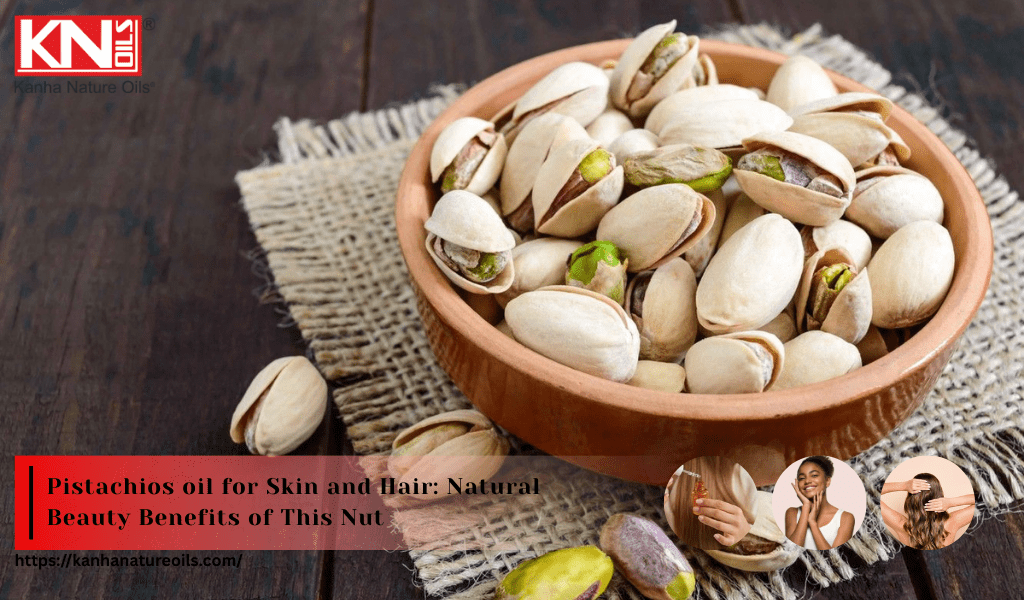
Pistachio Oil for Skin and Hair: Natural Beauty Benefits of This Nut Pistachio oil aren’t just a tasty snack or a colorful garnish—they’re a tiny, nutrient-rich powerhouse that can quietly support your skin and hair from the inside out. In this deep-dive, blog-style essay, Kanha Nature Oils explains what’s inside pistachios, how these nutrients impact skin and hair health in a science-based way, practical tips for incorporating pistachios and pistachio oil into your beauty routine, DIY recipes, and important precautions. By the end, you’ll understand why these tiny nuts deserve more than their place in the natural-beauty world. Nutritional Profile of Pistachios Pistachios are nutrient-dense seeds that belong to the cashew family, cultivated mainly in the Mediterranean region, the Middle East, and the United States. What makes pistachios stand out are their rich content of: Healthy fats: primarily monounsaturated and polyunsaturated fats Protein: about 6 grams per serving (28 grams or roughly 49 kernels) Fiber: around 3 grams per serving Vitamins: particularly vitamin E, vitamin B6, and biotin Minerals: including copper, manganese, phosphorus, and potassium Antioxidants: such as lutein, zeaxanthin, and polyphenols These nutrients form the foundation of the skin and hair benefits pistachio oil provide. How Pistachios Benefit the Skin 1. Antioxidant Protection and Anti-Aging Pistachios oil are rich in antioxidants, crucial for protecting skin cells from damage caused by free radicals — unstable molecules generated by exposure to UV rays, pollution, and stress. Vitamin E, lutein, and polyphenols in pistachios help neutralize these free radicals, reducing oxidative stress, which is a major factor in premature aging. By including pistachio oil in your diet, you support your skin’s natural defense system, which helps maintain elasticity, reduces the appearance of wrinkles, and promotes a youthful glow. 2. Hydration and Skin Barrier Health Healthy fats in pistachios, mainly monounsaturated fats, play a vital role in maintaining the skin’s lipid barrier. This outer barrier prevents moisture loss and keeps the skin hydrated and supple. Regular consumption of pistachio oil helps strengthen this barrier, reducing dryness, flakiness, and skin irritation. As a result, your skin can better retain moisture, which is essential for a fresh and glowing complexion. 3. Skin Tone and Complexion Copper, abundant in pistachio oil, is vital for the production of melanin and collagen. Melanin influences skin tone and protects against sun damage, while collagen provides structural support to the skin, preventing sagging and wrinkles. Copper’s presence supports more even skin tone and can contribute to healing and regeneration, making your complexion brighter and more radiant. 4. Anti-Inflammatory Benefits Chronic skin conditions like acne, eczema, and psoriasis are often linked to inflammation. The antioxidants and healthy fats in pistachio oil have anti-inflammatory properties that may soothe irritated skin. By reducing inflammation, pistachio oil can indirectly help in managing skin conditions and promote clearer, calmer skin. Pistachios Oil for Hair Health 1. Nutritional Support for Hair Growth Healthy hair growth depends on adequate nutrition. Protein is a crucial component of hair follicles, and pistachio oil provides a good source of plant-based protein, aiding in hair strength and growth. Moreover, biotin (vitamin B7) present in pistachio oil is well-known for boosting hair growth, reducing hair fall, and enhancing the overall quality of hair. 2. Scalp Health Copper and zinc in pistachio oil contribute to maintaining a healthy scalp. Copper aids in blood circulation, which ensures that hair follicles get sufficient nutrients and oxygen, essential for healthy hair growth. Zinc regulates oil gland function in the scalp and prevents dandruff, dryness, and hair thinning. 3. Fight Hair Damage and Premature Graying The antioxidants in pistachio oil protect hair from environmental damage, such as pollution and UV rays, by neutralizing free radicals. This protection reduces hair breakage, split ends, and premature graying. Copper also supports melanin production in hair, which helps maintain your natural hair color. 4. Enhancing Hair Shine and Texture The healthy fats in pistachio oil nourish hair from within, locking in moisture and enhancing hair texture. This results in shinier, smoother, and more manageable hair. Scientific Evidence Supporting Pistachios’ Benefits Many studies in nutrition and dermatology highlight the beneficial effects of nuts, including pistachios, on skin and hair health. A 2019 study published in Nutrients emphasized how nuts rich in vitamin E and healthy fats contribute to skin elasticity, hydration, and reduced wrinkling. Research in the Journal of Cosmetic Dermatology indicated biotin and copper’s key roles in hair follicle health and pigmentation. Clinical trials testing nuts’ antioxidant capacity have shown improvements in skin barrier function and inflammation reduction. Though more specific clinical trials on pistachios are needed, their nutrient profile strongly correlates with the natural beautifying effects documented for nuts in general. Incorporating Pistachios Into Your Routine Here’s how to use pistachios for skin and hair benefits effectively: Dietary Inclusion Eat a handful (about 28 grams) of raw or roasted unsalted pistachios daily. Add shelled pistachios to salads, yogurt, oatmeal, or smoothie bowls. Use pistachio butter as a spread or ingredient in dressings. DIY Beauty Treatments Pistachio Face Mask: Blend ground pistachios with honey and yogurt to create a moisturizing and antioxidant-rich mask. Apply for 15-20 minutes, then rinse. Scalp Treatment Oil: Infuse pistachio oil with rosemary or lavender essential oil and massage into the scalp to promote growth and reduce dryness. Hair Mask: Mix pistachio oil with coconut or olive oil, apply to hair ends to repair dryness and improve shine. Choosing Quality Products Look for skincare or haircare products containing pistachio oil or extract to add an element of natural nourishment to your routine. Precautions and Considerations Watch for nut allergies. If allergic to tree nuts, avoid pistachios. Moderation is key; pistachio oil are calorie-dense, so maintaining portion control helps avoid weight gain. Prefer unsalted and unroasted pistachio oil to minimize sodium and preserve nutrients. Safety and considerations Nut allergies: Pistachios are tree nuts. If you have a tree-nut allergy, do not consume or use pistachio oil topically. Nut allergies can be severe. Calorie awareness: While relatively low-calorie for a nut, pistachios are energy-dense; portion control matters if you’re
Carrier Oils For Perfume Making—Create Your Fragrance Perfume making is one of the most ancient forms of personal expression. For thousands of years, civilizations across Egypt, India, Rome, Greece, and the Middle East prepared aromatic blends using flowers, resins, herbs, and natural oils. While modern perfumery often relies on alcohol-based formulas, there has been a renewed interest in natural, oil-based perfumes crafted with nourishing carrier oils. These oils act as the foundation of a fragrance—stabilizing the blend, supporting skin health, and enhancing scent longevity. If you’re into DIY perfume making, Kanha Nature Oils will explain carrier oils. They determine how your perfume smells, how long it lasts, and even how the scent forms on your skin. This complete guide tells you everything you need to know about carrier oils for perfume making so you can create your own signature scent. What Are Carrier Oils, and Why Are They Used in Perfume? Carrier oils are natural, plant-derived oils extracted from seeds, nuts, or kernels. Unlike essential oils—which are highly concentrated and volatile—carrier oils are mild, nourishing, and non-aromatic or lightly scented. They serve two key purposes in perfumery: 1. They “Carry” the Essential Oils Essential oils evaporate quickly. A carrier oil helps slow down this evaporation, allowing your perfume to last longer on the skin. 2. They Create a Smooth, Skin-Friendly Base Carrier oils moisturize and soften the skin without clogging pores or causing irritation. This is important because perfumes sit directly on your skin for many hours. Why Choose an Oil-Based Perfume? Oil-based perfumes offer several advantages: Longer-lasting scent compared to alcohol-based perfumes Subtle, intimate fragrance close to the skin Ideal for sensitive skin Perfect for travel—no alcohol evaporation Natural and customizable with your preferred ingredients Choosing the right carrier oil is the first step to creating a high-quality, long-wear natural fragrance. 5 Best Carrier Oils for Perfume Making Different carrier oils offer different textures, absorption rates, and scents. Below are the top carrier oils used in natural perfumery, along with their characteristics, benefits, and best uses. 1. Jojoba Oil For Perfume Making Jojoba Oils‘ remarkable stability and long shelf life make it an excellent choice for preserving the aromatic integrity of essential oils. It is non-comedogenic and suitable for all skin types, making it a versatile and nourishing option for crafting enchanting and skin-friendly perfumes. jojoba oil is a highly favored carrier for perfume-making, offering many positive aspects. This oil’s lightweight and non-greasy texture ensures smooth application on the skin, leaving a velvety and luxurious feel. Like the skin’s natural sebum, it allows rapid absorption, making the perfume last longer without overpowering. 2. Virgin Coconut Oil For Perfume Virgin coconut oil’s lightweight and fast-absorbing nature allows the perfume to blend seamlessly with the skin, creating a lingering scent. Additionally, its inherent nourishing properties provide a gentle and moisturizing touch, making it an excellent carrier oil for crafting delightful, skin-loving perfumes. This oil is a delightful and versatile choice for perfume-making, offering an array of positive aspects. Virgin coconut oils’ natural aroma adds a subtle tropical note to fragrances, enhancing their allure. Its high stability and oxidation resistance help preserve the fragrance integrity of essential oils over time. 3. Apricot Oil For Perfume Apricot oil is a delightful addition to perfume-making, boasting an array of positive aspects. Its’ light and silky texture makes it a luxurious carrier oil, blending seamlessly with essential oils to create enchanting fragrances. Its faint, sweet aroma adds a subtle and pleasing note to the perfume without overpowering the scent of essential oils. Rich in essential fatty acids and vitamins, apricot oil nourishes and moisturizes the skin, leaving it soft and supple. 4. Avocado Oil For Perfume Avocado oils are rich and emollient, providing a luxurious feel and imparting a velvety touch to the perfume. Packed with vitamins, antioxidants, and essential fatty acids, this oil deeply nourishes and rejuvenates the skin, making it ideal for sensitive or dry skin types. Avocado oil is a wonderful choice for perfume-making, offering a host of positive aspects. It’s mild aroma acts as a gentle base, allowing the fragrance of essential oils to shine. Its slow absorption rate ensures a long-lasting scent, making this oil a superb perfume choice. 5. Almond Oil For Perfume Almond oil is a wonderful and versatile option for perfume-making, offering an array of positive aspects. Rich in vitamins A, E, and D and essential fatty acids, this oil nourishes and softens the skin, leaving it smooth and supple. Almond oils’ pale golden hue adds a touch of warmth to the fragrance. Its light, nutty aroma is a delightful base note, enhancing the overall olfactory experience. This oil’s non-greasy texture ensures a comfortable application on the skin. ESSENTIAL OILS IN AROMATHERAPY Conclusion Using carrier oils for perfume making gives you the freedom to create natural, long-lasting scents that suit your style, mood, and preferences. Whether you want something fresh for daytime or deep and sensual for evenings, the right carrier oil can elevate your entire fragrance experience. With gentle textures, hydrating benefits, and beautiful scent-holding power, carrier oils are the foundation of truly great homemade perfumes. Start experimenting, trust your senses, and enjoy the creative journey as you create your fragrance with confidence. In conclusion, selecting the right carrier oil is essential when crafting captivating and skin-loving perfumes. Kanha Nature Oils offers a premium selection of carrier oils, each with unique and positive aspects. Choose Kanha Nature Oils for an exceptional olfactory experience and indulge in the beauty of natural aromas. You May Also Like: Vanilla Essential Oil—aromatherapy, perfumery, skin care, baking. Rosemary Oil Recipe for Hair Growth: A Complete Guide to Hair Ginger Oil for Skin Care—Benefits and Uses You Should Know Kanha Nature Oils For more information contact: info@aromatherapyoil.in Mobile Number: 9810805866
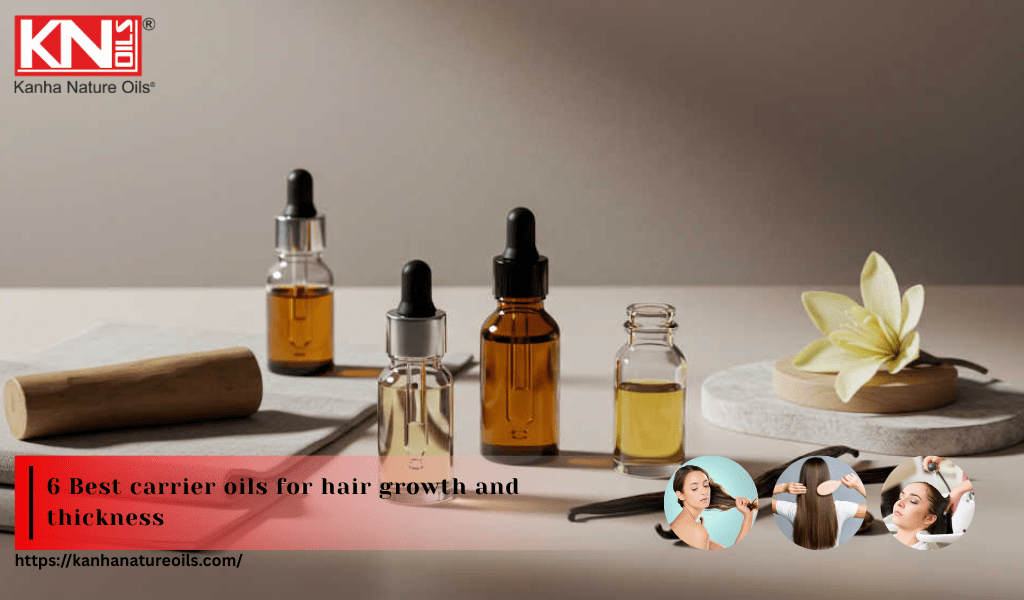
6 Best carrier oils for hair growth and thickness Healthy, thick hair is a dream for many—but in the modern world of pollution, heat styling, chemical treatments, and stress, hair often becomes weak, brittle, or slow-growing. Many people turn to natural remedies to restore hair strength, growth, and volume. Among those, the use of carrier oils—natural plant-based oils derived from seeds, nuts, or fruits—stands out as a simple, affordable, and often effective approach. Carrier oils alone cannot conjure new hair follicles or instantly regenerate lost hair—no oil can do that. However, they play a crucial role in creating an optimal environment for hair to grow, strengthening the hair shaft, reducing breakage, and nourishing both scalp and strands. Over time, this can lead to fuller, thicker-looking hair. In this article, Kanha Nature Oils will tell you about the best carrier oils for hair growth and thickness, explain how they work, and provide practical guidance on how to use them. Why Carrier Oils Boost Hair Health Carrier oils penetrate the scalp to stimulate blood flow, delivering oxygen and nutrients to hair follicles for faster growth. They balance natural sebum production, reducing dryness or excess oil that hinders thickness. Rich in fatty acids, vitamins like E, and antioxidants, these oils repair damage, minimize breakage, and add shine without synthetic chemicals. Regular use creates an optimal scalp environment, as seen with oils that coat strands to prevent protein loss. Massaging them in enhances absorption and relaxation, further aiding follicle health. Results appear over weeks with twice-weekly applications. 6 Best Carrier Oils and Their Benefits Here are some of the best carrier oils commonly recommended for hair care, along with their specific benefits: 1. Castor Oil Castor oil tops lists for growth due to ricinoleic acid, which balances scalp pH and boosts circulation to follicles. Its thick consistency strengthens strands, reducing thinning and promoting density. Ideal for dry scalps, it soothes irritation while coating hair to prevent split ends. Users report thicker hair after consistent scalp massages. Mix with lighter oils to avoid heaviness. 2. Coconut Oil Coconut oil, especially MCT variants, deeply moisturizes without greasiness, cutting protein loss in strands for added strength and shine. It protects against heat and environmental damage, supporting thickness in damaged hair. Lightweight forms suit fine hair, penetrating shafts to lock in hydration. Apply pre-wash to frizzy ends for smooth results. It excels in humid climates by taming flyaways. 3. Jojoba Oil Jojoba oil mimics scalp sebum, balancing oil for oily or dandruff-prone scalps while hydrating dry ones. It reduces flakiness and strengthens follicles, fostering thicker growth. Non-comedogenic, it absorbs quickly without residue, making it versatile for all types. Great for sensitive scalps, it calms inflammation. Use as a leave-in for daily softness. 4. Argan Oil Argan oil fights frizz in brittle or color-treated hair with vitamin E and fatty acids that nourish without weighing down. It enhances shine and elasticity, indirectly aiding thickness by preventing breakage. Sourced from Moroccan trees, its antioxidants combat pollution damage. Perfect for processed hair, a few drops seal cuticles post-wash. 5. Almond Oil Almond oil delivers magnesium, biotin, and vitamin E to fortify fragile strands and cut shedding. It improves texture in thinning areas, promoting fuller hair. Lightweight yet conditioning, it softens coarse types without overload. Hot oil treatments weekly target brittle ends effectively. 6. Avocado Oil Avocado oil hydrates coarse or porous hair richly, revitalizing thickness with fatty acids. It nourishes scalps deeply, repairing damage for robust strands. Blend with lighter oils for balance. How to choose the right carrier oil for your hair Consider hair thickness and porosity Fine/low-porosity hair: choose lighter oils (jojoba, grapeseed, almond). Thick/high-porosity hair: heavier oils (coconut, castor, avocado) work well. Think about scalp type Oily scalp: lightweight, non-comedogenic oils (jojoba, grapeseed). Dry or flaky scalp: richer, more nourishing oils (castor, coconut, avocado). Allergies and sensitivities Avoid nut oils (almond) if you have nut allergies. Do a patch test before widespread use (behind the ear or inner elbow). How you’ll use it Daily scalp oil: jojoba or light almond. Overnight deep treatment: castor or coconut blend. Leave-in finishing oil: argan or a tiny amount of sweet almond. Safety and precautions Allergy test: Patch test any new oil 24–48 hours before scalp application. Avoid the eyes: Oils and essential oils can irritate eyes; rinse immediately if contact occurs. Pregnancy and breastfeeding: Some essential oils are contraindicated; consult a healthcare provider before using essential oil blends. Scalp conditions: If you have psoriasis, eczema, or persistent scalp inflammation, talk to a dermatologist before starting oil treatments. ESSENTIAL OILS IN AROMATHERAPY Conclusion Carrier oils are powerful allies in the pursuit of thicker, healthier hair. The best oil for you depends on your hair’s porosity, thickness, scalp condition, and personal preference. For many people, a combination approach works best: a lightweight oil like jojoba or grapeseed for daily scalp health, a penetrating oil like coconut or avocado for deep conditioning, and a heavier oil like castor in a blend for targeted growth support. Be consistent, use proper techniques (massage, dilution, patch testing), and remember that healthier hair often means less breakage and a fuller appearance — not overnight miracles but reliable, cumulative improvements. You May Also Like: 9 Amazing Benefits of Orange Oil for Hair Growth and Shine Rosemary Oil Recipe for Hair Growth: A Complete Guide to Hair Vanilla Essential Oil—aromatherapy, perfumery, skin care, baking. Kanha Nature Oils For more information contact: info@aromatherapyoil.in Mobile Number: 9810805866
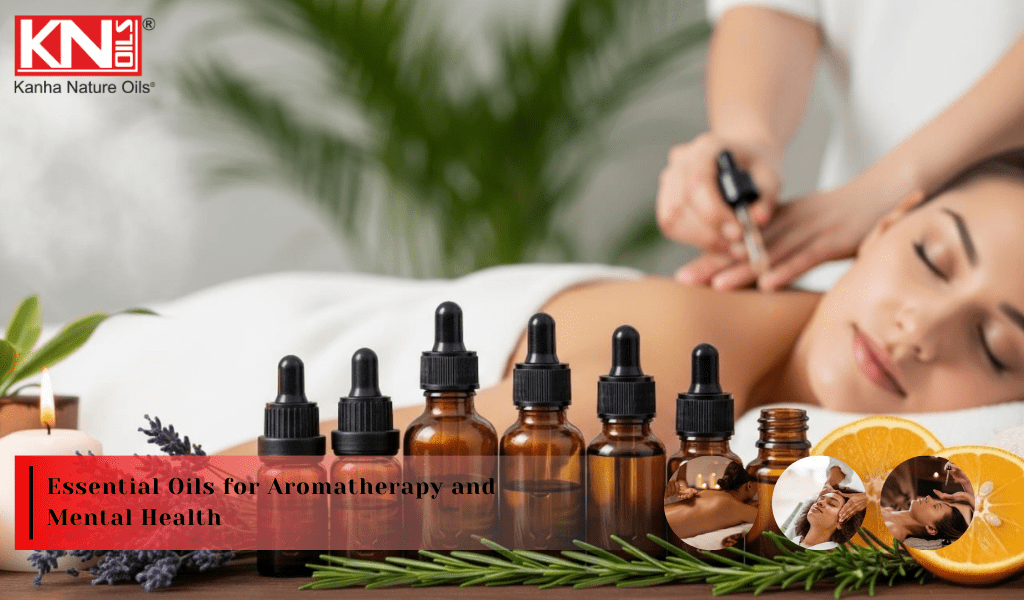
Essential Oils for Aromatherapy and Mental Health When life feels overwhelming, stressful, or just too busy, many people turn to natural solutions to feel better. One of the most popular and time-tested methods for emotional well-being is using Essential Oils for Aromatherapy and Mental Health. These plant-based oils have been used for centuries to calm the mind, lift the mood, and support inner peace. Today, they’re more popular than ever because they offer a gentle, effective, and pleasant way to create emotional balance without harsh chemicals or complicated routines. Essential oils don’t just smell nice—they interact with your brain, nervous system, and emotions in surprising ways. This makes them great tools for managing stress, improving focus, supporting sleep, and helping you feel grounded when life gets tough. Over the years, I’ve personally used aromatherapy to calm anxiety before important events, fall asleep faster, and even clear my mind during long work days. What I’ve learned—both through experience and through research—is that essential oils can truly make a meaningful difference in the way you feel. In this comprehensive guide, Kanha Nature Oils explains everything you need to know about using essential oils for mental health: how they work, why they’re effective, the best oils to choose, and smart ways to use them safely. Whether you’re new to aromatherapy or experienced, this article will help you create a personalized routine that supports emotional well-being every day. 👉 How aromatherapy works Aromatherapy is said to function by stimulating the sense of smell cells in your nose👃, which is a fantastic gift. In response, these receptors use your central nervous system to convey messages to your brain. The limbic system, which affects your emotions, is one area of your brain that may be stimulated by the aroma of Essential oils when you use aromatherapy. When you inhale these scents, your hypothalamus may also react by releasing feel-good brain chemicals like serotonin, which may help to lessen sadness and anxiety symptoms. Relaxation is enhanced. Additionally, according to some experts, using essential oils to your skin and other bodily parts, including your joints, can benefit both of them and your general wellbeing. 👉 How Does Aromatherapy Benefit Mental Health? Aromatherapy has been shown to have a number of benefits for mental health. Some of the ways that it can improve mental health include: Reducing Stress and Anxiety: Essential oils like lavender, chamomile, and bergamot have a calming effect on the body and mind. When these oils are used in aromatherapy, they can help reduce feelings of stress and anxiety. Improving Mood: Essential oils like lemon, grapefruit, and rose have been shown to have a positive impact on mood. When used in aromatherapy, these oils can help improve feelings of happiness, positivity, and joy. Promoting Relaxation: Essential oils like lavender, chamomile, and ylang-ylang have a relaxing effect on the body and mind. When used in aromatherapy, these oils can help promote feelings of relaxation and peace. Enhancing Sleep: Essential oils like lavender and chamomile have a sedative effect on the body and mind. When used in aromatherapy, these oils can help improve sleep quality and reduce symptoms of insomnia. Boosting Cognitive Function: Essential oils like peppermint and rosemary have been shown to have a positive impact on cognitive function. When used in aromatherapy, these oils can help improve memory and focus. Using regular oils in aromatherapy to support mental health The essential oils that are claimed to have positive effects and may help treat mental health issues are extracted from a variety of plants. The following is a list of them: 1. Lavender oil: Aromatherapists frequently employ lavender oil in a number of mental health therapies because of its reported many benefits. Lavender has a calming effect on the senses because of its subtle perfume. One of the best methods to use lavender aromatherapy is as a pillow spray because it helps with sleep, anxiety relief, and relaxation. 2. Cedarwood oil: Researchers have discovered that cedarwood essential oil has the ability to reduce tension, particularly for people who are stressed out from work or school. It’s thought that inhaling cedarwood while working may enhance productivity and sharpen focus. Although it has not yet been tested on people, cedarwood has been demonstrated to be useful in lowering the signs and symptoms of depression in rats. 3. Chamomile Oil: It has been proved that chamomile’s depressive qualities can lessen the symptoms of depression. Chamomile is a wonderful option in situations when anxiety and depression are contributing to digestive problems because it can encourage calm and reduce gut inflammation. 4. Grapefruit oil: After applying grapefruit essential oil, which experts say has an uplifting and energizing impact, you can feel more invigorated. It’s frequently advised for people who are recovering from drug or alcohol addiction since they can use it to squelch cravings. In the beginning of recovery, mental health difficulties and withdrawal symptoms may persist for weeks or months. Grapefruit essential oil therapy is a holistic approach that may help with the recovery process in addiction treatment programs. 👉 How to Use Aromatherapy for Mental Health There are several ways that you can use aromatherapy to improve your mental health. Some of the most common methods include: Diffusing Essential Oils: You can use an essential oil diffuser to fill the air with the fragrant and therapeutic properties of essential oils. Simply add a few drops of your favorite essential oil to the diffuser, and let it run throughout the day. Topical Application: You can apply essential oils directly to your skin by mixing them with a carrier oil like coconut or almond oil. Simply add a few drops of essential oil to the carrier oil, and massage it into your skin. Aromatic Baths: You can also add a few drops of essential oil to your bath to reap the benefits of aromatherapy. Simply add the essential oil to your bath water, and let the steam and the scent of the oil help improve your mental health. Massage: You
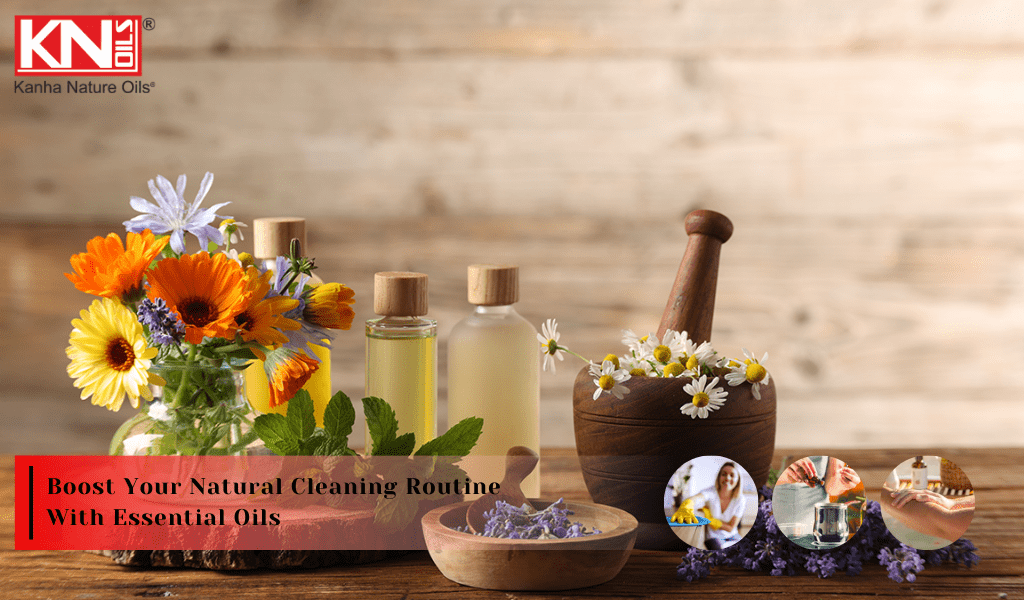
Boost Your Natural Cleaning Routine With Essential Oils If you’ve been searching for a cleaner, healthier, and more uplifting way to care for your home, you’re not alone. More people today want natural cleaning solutions that keep their families safe, smell amazing, and don’t rely on harsh chemicals. One of the easiest and most effective ways to level-up your cleaning habits is to Boost Your Natural Cleaning Routine With Essential Oils. These plant-based oils aren’t just pleasant to smell — they’re packed with real cleaning strength, antibacterial power, and countless benefits that can transform everyday chores into something refreshing. Before I began using essential oils, I struggled with chemical fragrances that irritated my skin and left my home smelling artificial. But once I made the switch, everything changed. The natural scents lifted my mood, cleaning became easier, and I felt more confident knowing I was using safe ingredients. With years of experience using essential oils in nearly every corner of my home, I’m excited to share a complete guide based on firsthand knowledge. Let’s dive into how you can Boost Your Natural Cleaning Routine With Essential Oils and create a healthier environment without the stress. Understanding Boost Your Natural Cleaning Routine With Essential Oils To fully understand why so many people choose essential oils for cleaning, it’s important to know what makes them special. Essential oils are concentrated extracts from plants, leaves, fruits, seeds, and flowers. You only need a few drops to create a powerful cleaning mixture that can wipe away dirt, kill germs, and leave your home fragrance-rich without artificial chemicals. When you Boost Your Natural Cleaning Routine With Essential Oils, you’re replacing synthetic cleaners with plant-derived ingredients that have been used for centuries. Many ancient civilizations used oils like eucalyptus, pine, and lemon not only for rituals but for natural purification and disinfecting. Today, the science supports what they already knew: essential oils contain compounds like limonene, linalool, and terpenes that actively break down grime and bacteria. Essential oils don’t just clean — they energize your senses, boost your mood, and help you feel refreshed while you work. With the right combinations and correct dilution, they can elevate your entire cleaning system and make your home feel like a calming sanctuary. Benefits of Enhancing Your Cleaning Routine Naturally Switching to natural cleaning isn’t just about eliminating chemicals. The benefits stretch into every part of your life — from physical health to emotional well-being. Eco-Friendly Advantages for Your Home When you Boost Your Natural Cleaning Routine With Essential Oils, you also reduce your environmental impact. Traditional cleaning products often come in plastic bottles, contain harmful substances, and pollute waterways. Essential oils allow you to create reusable, refillable cleaners that protect your home and the planet. Even better, natural cleaners break down safely and don’t contribute to plastic waste or chemical runoff. It feels good knowing your cleaning choices help keep the Earth safe for future generations. Health and Wellness Gains from Natural Products Chemical cleaning sprays can irritate the skin, lungs, and eyes — especially for kids and pets. Essential oils, when properly diluted, offer a gentler alternative that reduces exposure to toxins. Peppermint boosts energy, lavender calms stress, and citrus oils brighten your mood. Cleaning doesn’t have to feel like a chore; it can actually make you feel better physically and emotionally. 👉Top Essential Oils for a Boosted Natural Cleaning Routine With hundreds of essential oils available, it helps to know which ones are most effective for cleaning. Here are the best oils and how they work. 1. Lemon Essential Oil: Lemon is a popular essential oil for cleaning due to its fresh scent and powerful antimicrobial properties. It can help cut through grease and grime, making it a great choice for cleaning kitchen surfaces and appliances. 2. Tea Tree Essential Oil: Tea tree oil is another excellent choice for cleaning, thanks to its strong antimicrobial properties. It can be used to clean bathrooms and other areas that are prone to bacteria and germs, and it can also help remove unpleasant odors. 3. Lavender Essential Oil: Lavender is a calming essential oil that is known for its relaxing properties. It can be used in natural cleaning solutions for floors and other surfaces, as well as in laundry to add a fresh scent to clothing and linens. 4. Eucalyptus Essential Oil: Eucalyptus has a fresh, invigorating scent and is known for its antimicrobial properties. It can be used in natural cleaning solutions for bathrooms and kitchens, as well as in laundry to remove stains and odors. 5. Peppermint Essential Oil: Peppermint oil has a refreshing scent and can help repel insects and pests. It can be added to homemade cleaning solutions for kitchens and bathrooms. 6. Grapefruit Essential Oil: Grapefruit oil has a citrusy scent and can help remove stains and grime. It can be added to natural cleaning solutions for floors and surfaces, as well as in laundry to remove odors. 7. Rosemary Essential Oil: Rosemary has a fresh, herbal scent and is known for its antibacterial properties. It can be added to natural cleaning solutions for bathrooms and kitchens, as well as in laundry to remove stains and freshen up clothes. 8. Thyme Essential Oil: Thyme is a powerful antimicrobial essential oil that can help kill germs and bacteria. It can be added to natural cleaning solutions for surfaces and floors, as well as in laundry to remove stains and odors. 9. Orange Essential Oil: Similarly to other Citrus Oils, Orange has a zesty scent and can disinfect kitchen items such as cutting boards, appliances, pots, and pans. It can also be used in an All-Purpose Spray to enhance the cleansing properties and add a juicy, sweet scent. 👇 Here are some easy recipes for using essential oils in your natural cleaning routine: All-Purpose Cleaner In a spray bottle, mix 1 cup of water, 1 cup of white vinegar, and
Essential Oils for Positive Energy You Need to Know About In today’s fast-paced, high-pressure world, maintaining positive energy is not just a luxury—it is a necessity for emotional well-being, mental clarity, productivity, and overall quality of life. Stress, anxiety, and emotional fatigue have become common experiences for many, making it important to find natural and holistic ways to uplift our mood. Among the most effective natural solutions are essential oils, revered for centuries for their powerful aromatic and therapeutic benefits. These oils are extracted from various parts of plants—flowers, leaves, roots, and resins—and contain concentrated compounds that influence both the body and mind. Essential oils are more than just pleasant scents; they affect the limbic system, the part of the brain responsible for emotions, memories, and mood regulation. Whether inhaled or used topically, the right essential oils can help elevate mood, enhance motivation, promote inner calm, and infuse your surroundings with vibrant, uplifting energy. This is why essential oils have become an essential part of modern wellness routines—from aromatherapy and meditation to home fragrance, skincare, and diffusing oils in workspaces. this blog post, Kanha Nature Oils will explore the top essential oils for positive energy, their benefits, how they work, and simple ways to incorporate them into your daily life. Whether you are seeking mental clarity, motivation, calmness, joy, or emotional balance, these essential oils will help create a more positive and energized environment around you. Why Essential Oils Boost Positive Energy Before diving into the best oils, it’s important to understand why essential oils have such a profound impact on mood. 1. Influence on the Limbic System When you inhale essential oils, the scent molecules travel to the olfactory bulb and then directly to the brain’s limbic system, which manages emotions, memory, and behavior. This direct connection allows fragrances to instantly shift mood and emotional state. 2. Natural Chemical Compounds Essential oils contain powerful compounds such as linalool, limonene, pinene, and eugenol, all of which have proven effects on stress, anxiety, fatigue, and cognitive function. Many of these compounds are used in modern aromatic therapies. 3. Holistic Healing They support emotional well-being through: Mood elevation Relaxation Mental clarity Stress reduction Increased confidence and energy 4. Personal and Environmental Energy Shifting Using essential oils in your environment can transform the emotional feel of a space. A few drops in a diffuser can instantly uplift the energy of your home, workspace, or meditation area. Top 9 Essential Oils for Positive Energy You Need to Know About Certain essential oils can be applied topically, diffused in the air, or incorporated into your favourite self-care ritual. When you add them to your routine, they raise your vibration so you can attract positive energy and peaceful experiences. We have compiled a list of the top 9 essential oils for positive energy. Let’s discuss them in detail. 1. Lavender Essential Oil For Positive Energy Lavender essential oils’ soothing aroma helps clear away the negative energy around you and replaces it with positive thoughts and emotions. This essential oil also purifies the environment, gives you clarity of thought, and allows you to make the right decisions with great focus and concentration. The essential oil is one of the most reliable essential oils for positive energy. This essential oil is an excellent essential oil because of its versatility. Lavender essential oil is popular for its soothing and healing qualities. Its’ calming aroma reduces stress and anxiety and promotes relaxation. 2. Sandalwood Essential Oil For Positive Energy Sandalwood essential oil has an earthy scent, which gives an inviting and calming atmosphere. This essential oil is the right choice if you are looking for an essential oil that gives you spiritual and high vibes. Perfect to use at the time of meditation. Sandalwood essential oil also provides protection and lets you connect spiritually while clearing the way for new possibilities. In addition to that, this essential oil is extremely vibrational, which means it is a powerful protector from negative energies. 3. Frankincense Essential Oil For Positive Energy Frankincense essential oil as aromatherapy, you can focus your mind, assess your current situation, and formulate an action plan. This ancient essential oil promotes mental clarity, calms emotions, and gives you the ultimate mental relaxation. Another essential oil you can trust to capture all the positive energy around you is frankincense essential oil. This essential oil helps you feel centred and deeply grounded. The essential oil is a perfect choice for meditation as it also encourages a sense of balance. 4. Tea Tree Essential Oil For Positive Energy Tea tree essential oil also helps clear the air of negative ions surrounding you with its uplifting organic aroma. With these essential oils’ woody and earthy scent, you can stay protected from low vibes and stressful situations. How can we forget Tea tree essential oil when talking of positive energy? It is a popular choice of essential oil for protection and dispelling negative energy. Perfect to place in the corners of the home or office to protect any external negative forces. 5. Cinnamon Essential Oil For Positive Energy Cinnamon essential oil is another great essential oil for positive energy. With a sweet, woody aroma that can enhance motivation, success and creativity, it is a great choice to invite prosperity into your life. Cinnamon essential oil works to protect you from negative energies and attracts positive energy. Using this essential oil in a diffuser creates a space of safety, uplifts your mind, and helps create awareness. 6. Bergamot Essential Oil For Positive Energy Fight the feelings of fatigue that surround you everyday with bergamot essential oil. Sometimes, you can feel that negative energy inside you. It surrounds you with special and happy vibes whenever you inhale the bergamot essential oil’s aroma. After all, we all have responsibilities that require our attention and effort, which sometimes makes us feel sluggish. However, incorporating bergamot essential oil in your aromatherapy and inhalation outline can help cure your drowsiness and negative