Kanha Nature Oils

Search Results for: Rosemary Essential Oil

Essential Oils for Aromatherapy and Mental Health   In a fast-paced, stress-filled modern world, many people are seeking natural, holistic ways to restore balance and well-being. Among these, essential oils—concentrated plant extracts—have gained immense popularity for their therapeutic and aromatic properties. Used for centuries in traditional healing systems such as Ayurveda, Traditional Chinese Medicine, and ancient Egyptian practices, essential oils are now scientifically recognized for their potential to support both physical and emotional health. Aromatherapy, the practice of using essential oils for healing through inhalation or topical application, is particularly valued for its influence on mental health. The soothing scents of essential oils can affect the limbic system—the part of the brain that regulates emotions, mood, and memory—helping alleviate stress, anxiety, depression, and insomnia. this blog post, Kanha Nature Oils will tell you how the natural power of essential oils can help calm the mind, reduce stress, and promote emotional balance. Through the gentle art of aromatherapy, these plant-based essences have been cherished for centuries for their ability to influence mood, enhance relaxation, and support overall mental well-being. How aromatherapy works Aromatherapy is said to function by stimulating the sense of smell cells in your nose👃, which is a fantastic gift. In response, these receptors use your central nervous system to convey messages to your brain. The limbic system, which affects your emotions, is one area of your brain that may be stimulated by the aroma of essential oils when you use aromatherapy. When you inhale these scents, your hypothalamus may also react by releasing feel-good brain chemicals like serotonin, which may help to lessen sadness and anxiety symptoms. Relaxation is enhanced. Additionally, according to some experts, using essential oils to your skin and other bodily parts, including your joints, can benefit both of them and your general wellbeing.   👉 How Does Aromatherapy Benefit Mental Health? Aromatherapy has been shown to have a number of benefits for mental health. Some of the ways that it can improve mental health include: Reducing Stress and Anxiety: Essential oils like lavender, chamomile, and bergamot have a calming effect on the body and mind. When these oils are used in aromatherapy, they can help reduce feelings of stress and anxiety. Improving Mood: Essential oils like lemon, grapefruit, and rose have been shown to have a positive impact on mood. When used in aromatherapy, these oils can help improve feelings of happiness, positivity, and joy. Promoting Relaxation: Essential oils like lavender, chamomile, and ylang-ylang have a relaxing effect on the body and mind. When used in aromatherapy, these oils can help promote feelings of relaxation and peace. Enhancing Sleep: Essential oils like lavender and chamomile have a sedative effect on the body and mind. When used in aromatherapy, these oils can help improve sleep quality and reduce symptoms of insomnia. Boosting Cognitive Function: Essential oils like peppermint and rosemary have been shown to have a positive impact on cognitive function. When used in aromatherapy, these oils can help improve memory and focus. Using regular oils in aromatherapy to support mental health  The essential oils that are claimed to have positive effects and may help treat mental health issues are extracted from a variety of plants. The following is a list of them:   1. Lavender Oil   Lavender oil, Aromatherapists frequently employ lavender oil in a number of mental health therapies because of its reported many benefits. Lavender has a calming effect on the senses because of its subtle perfume. One of the best methods to use lavender aromatherapy is as a pillow spray because it helps with sleep, anxiety relief, and relaxation. 2. Cedarwood Oil Cedarwood oil, Researchers have discovered that cedarwood essential oil has the ability to reduce tension, particularly for people who are stressed out from work or school. It’s thought that inhaling cedarwood while working may enhance productivity and sharpen focus. Although it has not yet been tested on people, cedarwood has been demonstrated to be useful in lowering the signs and symptoms of depression in rats. 3. Chamomile Oil Chamomile Oil, It has been proved that chamomile’s depressive qualities can lessen the symptoms of depression. Chamomile is a wonderful option in situations when anxiety and depression are contributing to digestive problems because it can encourage calm and reduce gut inflammation. 4. Grapefruit Oil Grapefruit oil,  After applying grapefruit essential oil, which experts say has an uplifting and energizing impact, you can feel more invigorated. It’s frequently advised for people who are recovering from drug or alcohol addiction since they can use it to squelch cravings. In the beginning of recovery, mental health difficulties and withdrawal symptoms may persist for weeks or months. Grapefruit essential oil therapy is a holistic approach that may help with the recovery process in addiction treatment programs. 5. Bergamot Oil Bergamot oil, derived from the peel of the bergamot orange, has a bright, citrusy aroma that uplifts mood and combats feelings of sadness or fatigue. Studies indicate that bergamot essential oil can increase levels of serotonin and dopamine, helping to reduce symptoms of mild depression and stress. 6. Ylang Ylang Oil Ylang-ylang,  has a sweet, floral fragrance known to promote feelings of joy and sensuality. It helps reduce heart rate and blood pressure, making it useful for easing tension and fostering self-confidence and harmony. 7. Rose Oil Rose oil is deeply associated with emotional healing. Its warm, floral aroma has been found to ease symptoms of depression, grief, and loneliness. Inhaling rose oil or using it in massage can help restore a sense of emotional balance and compassion. 8. Peppermint Oil Peppermint  oil has a refreshing and energizing aroma that can help improve mental clarity, focus, and alertness. It’s particularly effective in combating mental fatigue and uplifting mood. 9. Frankincense Oil Frankincense oil promotes spiritual grounding and mindfulness. It’s frequently used in meditation to calm the mind and enhance introspection. It has also been shown to reduce symptoms of anxiety and depression by slowing breathing and deepening relaxation. 10. Clary Sage Oil Clary sage oil balances mood and reduces stress, particularly for women experiencing

Neroli Oil for Hair Growth—Benefits & How to Use?

Neroli Oil for Hair Growth—Benefits & How to Use?   If you’re like us and crave lustrous hair, look no further than neroli oil for hair. Neroli, produced from the blooms of the bitter orange, is commonly found in skin and hair care products, and its prized aroma makes it a popular essential oil in perfumery. The essential oil extracted from bitter oranges, Citrus aurantium, is known as neroli or citrus oil. It offers several benefits because of its bioactive molecules and is widely used in traditional folk medicine worldwide. Among its many applications, neroli oil is often considered for hair care. Rich in antioxidants and soothing properties, this essential oil is believed to offer potential benefits for maintaining healthy and vibrant hair. In this comprehensive guide, Kanha Nature Oils we’ll explore everything you need to know about neroli oil for hair growth—its benefits, the science behind its effectiveness, and the best ways to use it for stronger, shinier, and more resilient hair. What is neroli essential oil? Neroli essential oil is derived through steam distillation of the fragrant blossoms of the bitter orange tree. The oil is highly aromatic, with a sweet, floral, and slightly citrusy scent that is both uplifting and calming. Historically, neroli oil was used by royalty and nobility—notably Princess Nerola of Italy in the 17th century, after whom the oil was named. In aromatherapy, neroli is celebrated for its mood-boosting, stress-relieving, and skin-healing properties. It’s rich in active compounds like linalool, nerolidol, and limonene, which possess antioxidant, antimicrobial, and anti-inflammatory properties. These same qualities make neroli oil an exceptional ingredient for scalp care and hair rejuvenation. Is Neroli Oil Good for Your Hair? Neroli oil’s potential benefits for hair have intrigued many. Its reputed ability to promote hair health and manage common concerns like dryness and frizz has incorporated it into hair care routines.   The Connection Between Scalp Health and Hair Growth Before diving into how neroli oil benefits your hair, it’s important to understand one crucial fact: healthy hair starts with a healthy scalp. Just like fertile soil is needed for plants to grow, a nourished scalp provides the foundation for strong, beautiful hair. Common scalp issues such as dryness, dandruff, excess oil, and inflammation can weaken hair follicles, leading to thinning, breakage, or even hair loss. Natural oils like neroli help restore balance to the scalp by moisturizing, soothing irritation, and improving circulation, thereby supporting stronger and healthier hair growth over time. Top 11 Benefits of Neroli Oil for Hair Growth 1. Stimulates Hair Growth One of the standout benefits of neroli essential oil is its ability to stimulate blood circulation in the scalp. Improved circulation means that hair follicles receive more oxygen and nutrients, which can encourage faster and healthier hair growth. Regular scalp massages with diluted neroli oil can awaken dormant follicles, leading to thicker and denser hair over time. 2. Strengthens Hair Follicles Weak or damaged follicles are often the cause of hair thinning and breakage. Neroli oil contains powerful antioxidants that help protect hair follicles from oxidative stress caused by pollution, UV rays, and harsh chemicals. These antioxidants reinforce the follicles’ structure, making hair stronger and more resilient from root to tip. 3. Reduces Dandruff and Scalp Irritation Neroli oil’s antimicrobial and anti-inflammatory properties make it excellent for combating common scalp conditions such as dandruff, itchiness, and flakiness. It helps soothe inflammation, reduce fungal growth, and calm irritation — all of which contribute to a healthier scalp and reduced hair fall. 4. Improves Hair Elasticity and Shine Dryness and damage can rob hair of its natural shine and flexibility. The hydrating compounds in neroli oil help restore moisture to the hair shaft, improving elasticity and preventing breakage. Regular use leaves hair softer, smoother, and more radiant. 5. Prevents Hair Breakage and Split Ends Hair often breaks due to excessive dryness or mechanical stress from styling, heat, and brushing. By strengthening the hair shaft and improving moisture retention, neroli oil helps minimize breakage and reduce split ends, resulting in longer and healthier hair. 6. Fights Bacterial and Fungal Infections   A healthy scalp is free from bacterial and fungal infections that can disrupt the growth cycle. Neroli oil’s natural antiseptic and antifungal effects protect the scalp from pathogens, helping prevent conditions like seborrheic dermatitis and fungal dandruff. 7. Reduces Stress-Induced Hair Loss Stress is one of the leading causes of hair fall. Neroli oil’s calming aroma works wonders in reducing anxiety and emotional stress, which can indirectly promote hair growth. Its mood-enhancing qualities also make it an ideal oil for aromatherapy scalp massages, helping you unwind while nourishing your hair. 8. Promotes Healthy Hair Texture Neroli oil enhances the overall texture and manageability of hair. When added to conditioners, hair masks, or leave-in treatments, it smooths the cuticle, tames frizz, and leaves hair silky to the touch. 9. Provides a Natural Fragrance Unlike synthetic fragrances that can irritate the scalp, neroli oil provides a natural, long-lasting scent. Its floral-citrus aroma leaves hair smelling fresh and luxurious — an added bonus to its many health benefits. 10. Neroli Oil For Hair Moisturizing Neroli oil contains natural emollient properties that help maintain moisture balance in the scalp and hair strands. Its molecules are small enough to penetrate the hair shaft, providing hydration from within. This helps combat dryness and frizziness, leaving your hair feeling smoother and more nourished. Regular neroli oil can contribute to softer, more manageable hair that looks and feels healthier.   11. Neroli Oil For Relaxation and Stress Relief The aromatic profile of neroli oil is known for its calming and relaxing effects on the mind and body. When used in hair care, the pleasant fragrance of Neroli oil can provide a soothing experience. Using diluted Neroli oil for hair care routine could create a spa-like sensation, promoting stress relief and potentially benefiting your hair health through reduced stress-related hair issues.   Neroli Oil Use For Hair Growth Integrating Neroli oil into your hair care regimen is

coconut oil for Vaginal Itching—Benefits & How To Use

Coconut oil for Vaginal Itching—Benefits & How To Use   Vaginal itching is one of those uncomfortable experiences that most women face at some point in their lives. It can range from mild irritation to severe discomfort and can interfere with daily life, intimacy, and confidence. While there are many causes of vaginal itching—such as infections, allergies, or hormonal changes—natural remedies have gained popularity for providing soothing relief. One such remedy that has stood the test of time is coconut oil. Coconut oil, derived from the pulp of ripe coconuts, is known for its antibacterial, antifungal, and moisturizing properties. It has been used in traditional medicine for centuries and has also found its way into modern skin care and intimate care. In this comprehensive guide, Kanha Nature Oils will cover everything you need to know about using coconut oil for vaginal itching—its benefits, safety, and how to use it correctly. Understanding Vaginal Itching Before diving into the benefits of coconut oil, it’s important to understand why vaginal itching happens in the first place. Vaginal itching is not a disease but a symptom—often a sign that something in your vaginal environment is off balance. Common Causes of Vaginal Itching 1. Yeast Infections (Candidiasis) The vagina naturally contains small amounts of yeast, but when this yeast overgrows, it leads to an infection. Symptoms include itching, burning, and thick white discharge. 2. Bacterial Vaginosis (BV)BV occurs when the natural balance of bacteria in the vagina is disrupted, leading to a fishy odor and irritation. 3.  Allergic Reactions or SensitivitiesHarsh soaps, perfumed wipes, detergents, or synthetic underwear can irritate the delicate vaginal area. 4. Hormonal ChangesMenopause, pregnancy, and certain birth control methods can cause vaginal dryness and itching. 5. Sexually Transmitted Infections (STIs)Some STIs, such as trichomoniasis, can cause itching along with discharge and discomfort. 6. Poor Hygiene or Excessive CleaningIronically, over-washing or douching can strip the vagina of its natural moisture and disrupt the healthy bacterial balance. It’s critical to comprehend the underlying cause of itching. Although coconut oil can help, a healthcare professional should always be consulted if symptoms are severe or persistent. Why Coconut Oil Works for Vaginal Itching Coconut oil is not just a kitchen staple—it’s a powerful natural remedy packed with beneficial compounds. Here’s why it’s effective: 1. Antifungal Properties Coconut oil contains lauric acid and caprylic acid, both known for their antifungal abilities. Research shows that these fatty acids can help combat Candida albicans, the yeast responsible for most vaginal yeast infections. By reducing fungal growth, coconut oil helps relieve the itching and irritation associated with these infections. 2. Antibacterial Effects Apart from fighting fungi, coconut oil also inhibits the growth of harmful bacteria. Its antimicrobial properties help maintain a healthy vaginal microbiome and prevent infections like bacterial vaginosis. 3. Natural Moisturizer Vaginal dryness is a common cause of itching, especially in menopausal or postpartum women. Coconut oil acts as an emollient, locking in moisture and keeping the skin around the vulva soft and hydrated. Unlike some commercial lubricants or creams, it doesn’t contain harsh chemicals or fragrances that can worsen irritation. 4. Soothing and Anti-Inflammatory Coconut oil has anti-inflammatory effects that help reduce redness, swelling, and burning sensations. When applied topically, it provides a cooling and calming effect, giving instant relief from discomfort. 5. Supports Vaginal pH Balance While coconut oil doesn’t alter vaginal pH directly, it can support a healthy environment by discouraging the growth of harmful microorganisms. A balanced vaginal flora is essential to prevent infections and itching. When to Use Caution Although coconut oil is natural, it may not be suitable for everyone. Here are some precautions: 1. Allergies:Although rare, some people are allergic to coconut oil. Always do a patch test on your inner arm before applying it to the vaginal area. 2. Persistent or Severe Itching:If your itching doesn’t improve after a few days of using coconut oil—or if you notice unusual discharge, odor, or pain—consult a gynecologist. These could be signs of an infection that needs medical treatment. 3. During Pregnancy:Coconut oil is generally safe during pregnancy, but it’s always wise to consult your healthcare provider before using any product vaginally. 4. Using Condoms:As mentioned earlier, coconut oil virgin can degrade latex, so choose other types of protection if using it during intercourse.   Other Natural Remedies for Vaginal Itching Coconut oil works beautifully, but it’s not the only natural remedy. Here are a few others that can be used alongside (or as alternatives to) coconut oil: 1. Yogurt (with live cultures):Applying plain, unsweetened yogurt or eating it regularly can help restore healthy vaginal bacteria. 2. Aloe Vera Gel:Offers cooling and soothing effects on irritated skin. 3. Apple Cider Vinegar Baths:Adding a cup of raw apple cider vinegar to a warm bath can help rebalance vaginal pH. 4.  Tea Tree Oil:Has strong antifungal properties but must always be diluted with a carrier oil like coconut oil.   Frequently Asked Questions Providing simple answers to popular questions regarding coconut oil and yeast infections, this FAQ helps consumers understand the benefits and safety of using coconut oil for yeast infection alleviation. Does Coconut Oil Help For Yeast Infections? Q1: Does Coconut Oil Help For Yeast Infections? Ans: Yes, the antifungal qualities of coconut oil can assist in limiting the development of yeast and provide relief from infections. Q2: Is Coconut Oil Safe For Yeast Infection? Ans: Although coconut oil is generally regarded as safe for topical use in treating yeast infections, individual sensitivities may differ. Q3: Can Coconut Oil Be Used For Yeast Infection? Ans: Yes, coconut oil can be administered topically to relieve yeast infection symptoms successfully. Q4: Does Coconut Oil Give Yeast Infections? Ans: No, yeast infections are not caused by coconut oil; its antifungal characteristics may help prevent and treat them.     Final Thoughts Coconut oil is one of nature’s most versatile remedies, and its benefits for vaginal health are undeniable. Its antifungal, antibacterial, and moisturizing properties make it a gentle and effective option for soothing vaginal itching.

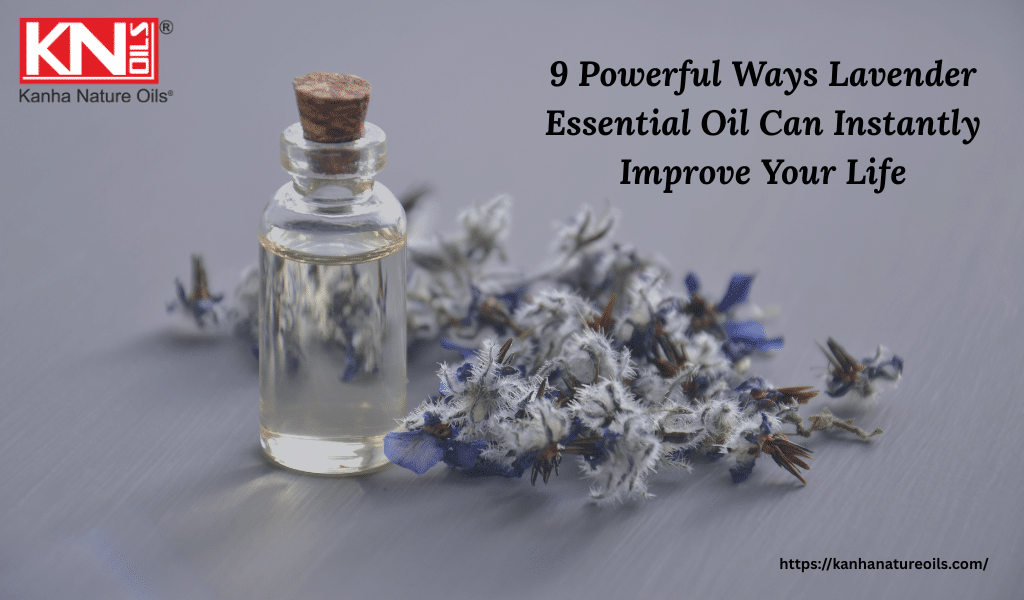
9 Powerful Ways Lavender Essential Oil Can Instantly Improve Your Life

9 Powerful Ways Lavender Essential Oil Can Improve Your Life   Lavender essential oil is one of the most popular and versatile oils in the world of aromatherapy. Extracted from the flowers of the Lavandula angustifolia plant, it has been used for centuries for its calming, soothing, and therapeutic properties. Its lovely floral scent is instantly recognizable, but beyond its fragrance lies a powerful natural remedy that can transform your life in dramatic ways. In this blog post, Kanha Nature Oils will tell you about 9 powerful ways lavender essential oil can instantly improve your life—from reducing anxiety and helping you sleep better to healing your skin and refreshing your home. Whether you’re an experienced essential oil user or just starting out on your natural health journey, this guide will show you how to get the most out of this magical oil.   1. Relieves Stress and Anxiety Lavender oil is most famous for its calming properties. The soothing aroma of lavender directly impacts the limbic system—the part of the brain that controls emotions. When inhaled, lavender can help reduce feelings of anxiety, nervousness, and restlessness. How to Use: Diffuse a few drops in your room during stressful moments. Add a few drops to a warm bath for an instant calming effect. Rub a diluted drop on your wrists or behind your ears. Science Says: Studies have shown that lavender essential oil can significantly lower cortisol levels—the hormone responsible for stress. In fact, a 2013 study published in The International Journal of Psychiatry in Clinical Practice found that lavender oil was as effective as certain anti-anxiety medications. 2. Improves Sleep Quality Struggling with insomnia or restless nights? Lavender essential oil is a natural sleep aid. Its sedative properties can help calm the mind and body, promoting deeper, more restful sleep. How to Use: Add a few drops to your pillow or bedding. Use a diffuser 30 minutes before bedtime. Massage diluted lavender oil onto your chest or temples. Real Results: A study published in The Journal of Alternative and Complementary Medicine found that lavender improved sleep quality in students suffering from insomnia and also helped reduce daytime sleepiness. 3. Soothes Headaches and Migraines If you suffer from tension headaches or migraines, lavender essential oil can be an effective, natural alternative to over-the-counter painkillers. Its analgesic and anti-inflammatory properties help reduce the severity and frequency of headaches. How to Use: Inhale directly from the bottle for quick relief. Apply a drop (diluted) to your temples and forehead. Mix with peppermint oil and carrier oil for an even stronger blend. Bonus Tip: Lavender can be especially helpful for menstrual migraines due to its hormone-balancing effects. 4. Heals Minor Burns and Cuts Lavender oil has strong antimicrobial and antifungal properties. It can help disinfect wounds, speed up healing, and reduce scarring. It’s especially effective for minor cuts, scrapes, and burns. How to Use: Mix a drop with a teaspoon of aloe vera or coconut oil. Apply gently to the affected area 2-3 times a day. Natural First Aid: Lavender was famously used by French chemist René-Maurice Gattefossé in the early 1900s after he burned his hand in a lab accident. He noticed rapid healing after applying lavender oil, which sparked the modern aromatherapy movement. 5. Improves Skin Health Lavender oil can be a powerful ally in your skincare routine. Its antimicrobial, anti-inflammatory, and antioxidant properties make it ideal for treating acne, eczema, psoriasis, and even signs of aging. How to Use: Mix with a carrier oil and apply to acne-prone skin. Add a few drops to your daily moisturizer or facial oil. Use in DIY face masks with honey or clay. Skin Win: Lavender helps balance the skin’s natural oil production while soothing redness, irritation, and inflammation. Its ability to stimulate cell regeneration also makes it great for reducing the appearance of scars and fine lines. 6. Boosts Hair Growth and Scalp Health             Lavender essential oil doesn’t just benefit your skin—it can also work wonders for your hair. Its antimicrobial properties help prevent dandruff, while its ability to improve blood circulation can stimulate hair growth. How to Use: Add a few drops to your shampoo or conditioner. Mix with a carrier oil like jojoba and massage into your scalp. Use in a weekly hot oil treatment. Clinical Support: A study published in Toxicological Research found that lavender oil significantly increased hair follicle number and depth in mice, suggesting it may have similar effects in humans. 7. Naturally Repels Insects Forget synthetic bug sprays. Lavender essential oil is a natural insect repellent that works against mosquitoes, moths, flies, and even fleas. Its pleasant scent makes it a safer, more eco-friendly option for both indoor and outdoor use. How to Use: Diffuse lavender oil in rooms to keep bugs away. Apply diluted oil to exposed skin when going outdoors. Make a DIY spray with lavender oil, water, and witch hazel. Household Use: You can also use lavender oil in your closets and drawers to repel moths and keep clothes smelling fresh. 8. Enhances Mood and Mental Clarity Lavender not only calms but also uplifts. Its balancing aroma can help combat feelings of depression, mental fatigue, and brain fog. Many people use lavender oil to help stay emotionally grounded and mentally sharp. How to Use: Diffuse while working or studying. Inhale directly when feeling overwhelmed. Use with lemon or rosemary oil for a brain-boosting blend. Aromatherapy Benefit: Lavender’s linalool content contributes to mood regulation, promoting both relaxation and alertness—making it an excellent oil to use during meditation or yoga. 9. Cleans and Freshens Your Home Lavender essential oil isn’t just for your body and mind—it’s also a fantastic natural cleaner. Its antibacterial properties can help kill germs, freshen the air, and leave your home smelling wonderful. How to Use: Add a few drops to your mop water or homemade all-purpose cleaner. Use in a diffuser to neutralize odors. Freshen up linens and upholstery with a lavender spray. Eco-Friendly Cleaning:

Can You Use Essential Oils in Candles?

Can You Use Essential Oils in Candles?   Candles are more than just a source of light — they create an experience. The gentle flicker of the flame, the soft golden glow, and the comforting aroma can instantly transform the atmosphere of a room. In recent years, candle-making has become a beloved DIY craft, with more and more people exploring natural and personalized scents for their creations. In this blog post, Kanha Nature Oils will guide you through everything you need to know about using essential oils in candles — from understanding how they work, to tips for getting the best scent performance, to ensuring your candles are safe and long-lasting. In this blog post, we will dive deep into: How essential oils work in candles The benefits of using essential oils The challenges you need to overcome Best practices for blending and usage Safety considerations The best essential oils for candle making Pro tips for getting the best scent throw What Are Essential Oils? Essential oils are concentrated plant extracts that capture the natural aroma and properties of the source plant. They are commonly used in aromatherapy, personal care products, and household items due to their pleasant scents and potential therapeutic benefits. 1. Understanding Essential Oils Before we pour them into melted wax, it’s important to understand what essential oils actually are. Essential oils are highly concentrated plant extracts, obtained through distillation, cold pressing, or resin tapping. They capture the plant’s natural scent compounds and therapeutic properties. Popular examples include lavender, eucalyptus, peppermint, lemon, and rosemary. Unlike synthetic fragrance oils — which are designed to withstand high heat and last longer — essential oils are delicate and volatile. This means they can evaporate quickly when exposed to high temperatures, which is exactly what happens when you pour them into hot candle wax. Key characteristics to remember: Volatile (evaporates quickly) Natural composition Can have therapeutic benefits (aromatherapy) Sensitive to light, heat, and oxygen 2. Can Essential Oils Be Used in Candles? Yes, you can use essential oils in candles, but they are not a one-to-one replacement for fragrance oils. Here’s why: Heat sensitivity: Essential oils can lose their aroma if added when the wax is too hot. Weaker scent throw: Most essential oils don’t produce as strong or long-lasting a scent as synthetic fragrance oils when burned. Cost: Pure essential oils are expensive, and achieving a noticeable fragrance in a candle may require more oil. That said, many people still choose essential oils because: They want natural, chemical-free candles They prefer aromatherapy benefits They enjoy DIY experimentation   3. Benefits of Using Essential Oils in Candles A. Natural Aromatherapy Essential oils aren’t just about scent — they can affect your mood and well-being. For example: Lavender: Calming, aids sleep Peppermint: Energizing, improves focus Lemon: Refreshing, uplifting Eucalyptus: Clears sinuses, promotes relaxation B. Avoiding Synthetic Chemicals Fragrance oils may contain synthetic compounds, which some people prefer to avoid. Essential oils provide a cleaner, plant-based alternative. C. Customization You can blend oils to create unique, personal scents that match your mood or season — something store-bought candles can’t always offer. D. Connection to Nature The process of blending and burning essential oils can feel grounding and intentional, connecting you to the plants’ origins.   4. Challenges of Using Essential Oils in Candles A. Scent Throw Limitations In candle making, “scent throw” refers to how far the aroma spreads. Essential oils generally have a weaker hot throw (scent when the candle is burning) compared to fragrance oils. B. Heat Damage Essential oils can burn off or lose potency when exposed to high temperatures — especially if added too early in the process. C. Cost and Availability High-quality oils can be pricey, and you may need significant amounts for noticeable scent. D. Safety Concerns Some essential oils are flammable or irritating in high concentrations. Not every oil is candle-safe. Considerations When Using Essential Oils in Candles Flash Point: Essential oils have different flash points, which is the temperature at which they can ignite. Ensure you add essential oils below their flash point to avoid combustion. Scent Throw: Essential oils may not provide as strong a scent throw as synthetic fragrances. You might need to experiment with the amount of essential oil you use to achieve the desired scent strength. Compatibility with Wax: Not all essential oils mix well with all types of wax. Soy wax, for example, tends to hold essential oils better than paraffin wax. Tips for Using Essential Oils in Candle Making Choose Quality Oils: Opt for high-quality, pure essential oils to ensure the best scent and performance. Start Small: When experimenting with essential oils, start with small batches to test scent combinations and strength. Blend Wisely: Combine different essential oils to create complex scents. For example, mixing citrus oils with floral oils can yield refreshing and uplifting aromas. Test Burn: Always conduct a test burn to see how the candle performs and how the scent develops when lit. Label Your Creations: If you’re making candles as gifts or for sale, label them with the essential oils used and any safety information. Conclusion Using essential oils in candles can enhance your candle-making experience, providing natural fragrances and potential aromatherapy benefits. With careful consideration and experimentation, you can create beautiful, fragrant candles that not only smell great but also contribute to a calming atmosphere in your home. Whether you’re a seasoned candle maker or just starting, incorporating essential oils is definitely worth exploring!   Using essential oils in candles can improve your candle making experience, read our list of where to buy essential oils. Contact us: info@aromatherapyoil.in Mobile Number: 9810805866    

7 Best Cancer-Fighting Essential Oils and Creative Ways to Use

7 Best Cancer-Fighting Essential Oils and Creative Ways to Use In recent years, the conversation around natural health and holistic wellness has grown significantly. Among these natural remedies, essential oils have drawn interest for their potential in supporting cancer prevention and management. While essential oils are not a cure for cancer, research suggests that certain plant extracts contain compounds with anti-inflammatory, antioxidant, and anti-tumor properties. They may help reduce oxidative stress, boost immunity, and support overall well-being during cancer treatment. In this blog post, Kanha Nature Oils will explore seven of the best cancer-fighting essential oils, each backed by scientific studies. We’ll also share creative, safe, and effective ways to incorporate these powerful oils into your daily life for overall wellness and natural support. Understanding How Essential Oils May Help Fight Cancer Essential oils are concentrated plant extracts containing bioactive compounds such as terpenes, phenols, aldehydes, and ketones. Some of these compounds have shown anti-cancer potential in laboratory studies by: Inhibiting cancer cell growth (anti-proliferative effects) Triggering apoptosis (programmed cell death in cancer cells) Reducing inflammation Neutralizing free radicals (antioxidant action) Enhancing immune function Important note:Most research is still in the pre-clinical stage (cell or animal studies). Essential oils should only be used as complementary support, not as a replacement for medical cancer treatments like chemotherapy or radiation. Always consult a healthcare provider before use, especially during active treatment. 1. Frankincense Oil Frankincense oil, derived from the resin of the Boswellia tree, is celebrated for its anti-inflammatory and immune-boosting properties. Some studies suggest that frankincense may help inhibit the spread of cancer cells and promote apoptosis (cell death) in certain types of cancers. How to Use: Add a few drops to a diffuser to create a calming environment. Blend with a carrier oil and apply to the skin as part of a massage.   2. Lavender Oil Lavender oil is not only valued for its soothing aroma but also for its antioxidant properties. These antioxidants protect the body from oxidative stress, which can damage cells and contribute to cancer risk. Incorporating lavender oil into daily routines may support overall wellness and help protect against harmful free radicals. How to Use: Mix with a carrier oil and use as a relaxing bath soak. Apply to pulse points to reduce anxiety and promote restful sleep. 3. Tea Tree Oil Tea tree oil, valued for its potent antimicrobial and anti-inflammatory benefits, has shown potential in inhibiting cancer cell growth, especially in certain skin cancers. Research suggests its active compounds may help suppress tumor development, reduce inflammation, and promote skin healing, making it a promising natural aid in cancer care. How to Use: Add a few drops to your skincare routine (diluted with a carrier oil) to support skin health. Use in a homemade cleaning solution to reduce environmental toxins.   4. Lemon Oil Lemon oil, rich in limonene, offers powerful anti-cancer potential supported by scientific research. Its natural compounds aid in detoxifying the body, promoting overall wellness. Additionally, its uplifting aroma helps reduce stress, improve mood, and enhance mental clarity, making it both a therapeutic and refreshing essential oil for daily use. How to Use: Add a drop to a glass of water for a refreshing and detoxifying drink. Use in aromatherapy to uplift your spirits and energize your space. 5. Rosemary Oil Rich in antioxidants and anti-inflammatory compounds, rosemary essential oil may help protect cells from damage and support overall wellness. Studies suggest it could slow the progression of certain cancer cells by reducing oxidative stress and inflammation. Its natural bioactive compounds, like carnosic acid and rosmarinic acid, contribute to these potential cancer-fighting benefits while promoting better health. How to Use: Use in a diffuser during meditation or yoga sessions. Add to your shampoo to promote scalp health and relaxation. 6. Peppermint Oil Peppermint oil is widely valued for its refreshing aroma and therapeutic benefits. It can help ease nausea, a frequent side effect of cancer treatments, offering comfort and relief. Rich in antioxidants, peppermint oil may also support overall wellness by combating oxidative stress, promoting a sense of balance, and enhancing daily vitality for those on a healing journey. How to Use: Mix with a carrier oil and massage onto your temples to relieve headaches and stress. Inhale directly or through a diffuser to alleviate nausea. 7. Clary Sage Oil Clary sage oil, rich in antioxidants, may help protect cells from damage and support overall wellness. Its stress-reducing properties can promote hormonal balance, potentially aiding the body’s natural defenses and contributing to cancer-preventive health benefits. How to Use: Add a few drops to a warm compress and apply to areas of tension. Use in aromatherapy to reduce stress and promote emotional balance. Tips for Safe Use of Essential Oils When incorporating essential oils into your routine, it’s important to ensure their quality and purity. Work with trusted essential oils manufacturers or suppliers of wholesale aromatherapy oils to guarantee you’re using 100% pure and therapeutic-grade oils. Always dilute essential oils with a carrier oil, such as coconut or jojoba oil, before applying them to the skin to avoid irritation.   Final Thoughts While essential oils are not a cure for cancer, they can serve as a valuable addition to a holistic wellness plan. By reducing stress, supporting immunity, and promoting relaxation, these natural remedies may enhance the quality of life for those navigating cancer treatment. Whether you’re sourcing oils for personal use or working with wholesale aromatherapy oils, remember to prioritize quality and safety in your selections. Explore the power of nature with these incredible essential oils and discover how they can play a role in supporting your health and well-being.  

Essential Oil Plants: The Ultimate Guide To Top 10 Health Boosters

Essential Oil Plants: The Ultimate Guide To Top 10 Health Boosters   Essential oils have long been cherished for their incredible health benefits, offering natural remedies for physical, emotional, and mental well-being. But where do these powerful oils come from? They are derived from essential oil plants—nature’s treasure trove of therapeutic compounds. In this blog post, Kanha Nature Oils will walk you through everything you need to know to enjoy the true power of these aromatic treasures, explore their countless health benefits, and highlight the top 10 plants renowned for their exceptional properties. Plus, we’ll highlight the important role essential oil producers and fragrance oil manufacturers play in getting these natural wonders from farm to bottle. What Are Essential Oil Plants? Essential oil plants are those that produce aromatic compounds stored in various parts such as flowers, leaves, bark, stems, or roots. These compounds are extracted using methods like steam distillation, cold pressing, or solvent extraction to create concentrated oils that capture the essence and therapeutic properties of the plant. Essential oils have been used for centuries in traditional medicine, aromatherapy, and beauty products. Today, essential oils manufacturers harness these natural extracts to create high-quality oils for diverse applications, ensuring purity and effectiveness. Health Benefits of Essential Oils Essential oils derived from plants offer a variety of health and wellness benefits, including: Stress Relief: Oils like lavender and chamomile have calming effects that reduce stress and anxiety. Improved Sleep: Certain oils help regulate sleep patterns by promoting relaxation. Enhanced Immunity: Oils such as tea tree and eucalyptus have antibacterial and antiviral properties. Skin Health: Essential oils can improve skin texture, reduce acne, and combat aging. Pain Relief: Peppermint and eucalyptus oils are effective for soothing muscle aches and headaches. Respiratory Support: Oils like eucalyptus and rosemary aid in clearing nasal congestion and improving breathing. Mood Enhancement: Citrus oils like lemon and orange uplift mood and boost energy levels. Fragrance oil manufacturers often blend essential oils with other natural or synthetic compounds to create pleasing aromas for perfumes, candles, and diffusers. While these blends may not offer the full therapeutic benefits of pure essential oils, they add a delightful sensory experience to daily life. 10 Best Essential Oil Plants for Health and Harmony Lavender Lavender oil is known for its calming and relaxing properties, lavender is ideal for stress relief and improving sleep quality. Peppermint Peppermint oil, This refreshing plant offers a cooling effect, alleviates headaches, and supports digestion, alleviates headaches, and supports digestion. Eucalyptus A powerful decongestant, eucalyptus oil promotes respiratory health and soothes inflammation. Tea Tree Tea tree oil is a natural antibacterial and antifungal agent, perfect for skin care and immune support. Lemon With its uplifting aroma, lemon oil detoxifies the body and boosts mood and focus. Rosemary Rosemary oil is known for enhancing memory and concentration, rosemary also supports healthy circulation. Chamomile Chamomile oil, This soothing plant reduces anxiety, promotes restful sleep, and alleviates skin irritation. Frankincense A spiritual and healing oil, frankincense oil reduces stress, enhances immunity, and improves skin tone. Ylang-Ylang Famous for its floral fragrance, Ylang Ylang oil balances emotions and promotes relaxation. Basil Basil essential oil is an excellent choice for mental clarity, respiratory health, and relieving fatigue. Conclusion Essential oil plants are a testament to nature’s ability to heal and rejuvenate. Whether used in pure form or as part of a blend created by fragrance oil manufacturers, these oils can enhance your physical, mental, and emotional well-being. Thanks to the expertise of essential oils manufacturers, these natural remedies are readily available, making it easier than ever to incorporate them into your daily routine. Explore the power of these top 10 essential oil plants and experience the harmony they bring to your life! FAQs What are essential oils? Essential oils are concentrated plant extracts with natural aromas and therapeutic benefits. How can I use essential oils? You can use them through aromatherapy, topical application (diluted), or inhalation. Are essential oils safe? Yes, when used properly. Always dilute and do a patch test before skin application. Can essential oils be ingested? Ingestion is not recommended unless advised by a healthcare professional. What is the difference between essential oils and fragrance oils? Essential oils are natural; fragrance oils are synthetic and mainly for scent.   Top essential oils to buy Click Here:👉  Essential Oils. 👇  contact us: info@aromatherapyoil.in Mobile Number: 9810805866

best christmas essential oils - Embrace the Holidays with Christmas Essential Oils

 Embrace the Holidays with Christmas Essential Oils   As the holiday season approaches, the air fills with excitement, joy, and the delightful scents of Christmas. Essential oils can enhance this festive atmosphere, bringing warmth and cheer to your home. Here’s a guide to some must-have Christmas essential oils and creative ways to use them during this magical time of year. In recent years, Christmas essential oils have become a popular way to bring those festive aromas into our living spaces naturally, without relying on synthetic fragrances. Not only do they smell amazing, but they also offer a variety of wellness benefits, from reducing stress to boosting energy. Whether you’re hosting a family gathering, enjoying a quiet evening by the fireplace, or searching for thoughtful gift ideas, essential oils can help set the perfect holiday mood. In this blog post, Kanha Nature Oils will take you on a fragrant journey into the magic of Christmas essential oils — uncovering their rich history, remarkable benefits, popular varieties, and creative ways to infuse your home with holiday cheer.   The Connection Between Scents and Holiday Memories Scent is a powerful sense, deeply tied to memory and emotion. That’s why the smell of mulled cider or fresh pine can instantly transport you back to childhood Christmas mornings. Scientists have discovered that our olfactory system (sense of smell) is directly linked to the limbic system in the brain, which is responsible for processing emotions and memories. During the holidays, familiar aromas not only make our homes smell inviting but also evoke nostalgia, helping us feel more connected to traditions and loved ones. Essential oils are a natural way to recreate these cherished scents without chemical-laden candles or sprays. Why Choose Essential Oils for the Holidays? While artificial fragrances might capture the smell of Christmas, they can contain harmful chemicals that may cause headaches or respiratory irritation. Essential oils, on the other hand, are concentrated plant extracts that provide pure, natural aroma and additional health benefits. Here’s why they’re perfect for the holidays: Natural Aromatherapy – Oils like lavender, frankincense, and cedarwood promote relaxation and reduce stress during the often-hectic holiday season. Immune Support – Some oils, such as eucalyptus and tea tree, have antimicrobial properties that can help you stay healthy in colder months. Customizable Blends – You can mix oils to create your own signature holiday fragrance. Eco-Friendly – Unlike synthetic room sprays, essential oils break down naturally and don’t pollute indoor air. How to Use Christmas Essential Oils One of the best things about essential oils is their versatility. Here are some creative and practical ways to use them during the holidays. A. Diffusing for a Festive Atmosphere Use an ultrasonic diffuser to fill your home with a warm, welcoming aroma. Try this cozy Christmas blend: 3 drops Sweet Orange 2 drops Cinnamon Bark 1 drop Clove B. DIY Holiday Room Sprays Combine 10–15 drops of essential oil with 1 tablespoon of witch hazel and 1 cup of distilled water in a spray bottle. Shake well and spritz around the house before guests arrive. C. Homemade Candles Add essential oils to soy or beeswax candles for a non-toxic, aromatic glow. Cinnamon, pine, and orange are especially festive. D. Christmas Potpourri Combine dried orange slices, cinnamon sticks, cloves, and a few drops of your favorite oils in a decorative bowl. E. Festive Massage Oils Mix a few drops of frankincense or lavender with a carrier oil (like sweet almond oil) for a relaxing holiday massage. F. Holiday Baking Enhancement Food-grade essential oils like peppermint and ginger can add a burst of flavor to cookies, candies, and hot chocolate.(Note: Only use oils labeled safe for ingestion, and in very small amounts.)   The Christmas Essential Oils 1. Balsam Fir Essential Oil Balsam fir captures the essence of a fresh Christmas tree. Its crisp, woodsy aroma is perfect for evoking the spirit of the season. Uses: – Tree Scent: Add a few drops to your diffuser to recreate the scent of a live tree. – Holiday Wreath: Mix with water and spray on wreaths for a refreshing scent. 2. Ginger Essential Oil Ginger adds a warm, spicy note to your holiday celebrations. It’s uplifting and can help combat the winter blues.  Uses: – Baking: Incorporate into gingerbread cookies or holiday cakes for an extra zing. – Diffuser Blends: Combine with citrus oils for a bright, festive blend. 3. Myrrh Essential Oil Myrrh has a rich history and a warm, earthy scent. It’s known for its calming properties, making it perfect for the busy holiday season.  Uses: – Relaxation: Diffuse while winding down after a long day of holiday preparations. – Skin Care: Mix with a carrier oil for a nourishing skin treatment. 4. Cedarwood Essential Oil Cedarwood offers a grounding, woodsy aroma that promotes relaxation and calmness. It’s perfect for creating a cozy holiday atmosphere. Uses: – Sleep Aid: Diffuse in the bedroom to promote restful sleep. – Decorative Ornaments: Add to homemade ornaments for a natural scent. 5. Cardamom Essential Oil Cardamom has a sweet, spicy aroma that is both comforting and invigorating. It’s a wonderful addition to holiday recipes and home scents. Uses: – Mulled Wine: Add to your favorite mulled wine recipe for a festive flavor. – Air Freshener: Combine with water in a spray bottle for a natural air freshener.   How to Use Christmas Essential Oils One of the best things about essential oils is their versatility. Here are some creative and practical ways to use them during the holidays. A. Diffusing for a Festive Atmosphere Use an ultrasonic diffuser to fill your home with a warm, welcoming aroma. Try this cozy Christmas blend: 3 drops Sweet Orange 2 drops Cinnamon Bark 1 drop Clove B. DIY Holiday Room Sprays Combine 10–15 drops of essential oil with 1 tablespoon of witch hazel and 1 cup of distilled water in a spray bottle. Shake well and spritz around the house before guests arrive. C. Homemade Candles Add essential oils to soy

Scroll to Top