Kanha Nature Oils

essential oils

The Benefits of Incorporating Essential Oils into Your Daily Routine     In a world that often feels fast-paced, overwhelming, and stressful, many people are turning back to nature for balance, healing, and overall wellness. One of the most effective and accessible ways to do so is through essential oils. These concentrated plant extracts have been used for centuries across cultures for their therapeutic, aromatic, and healing properties. Today, essential oils are more than just a trend; they have become an integral part of holistic living, offering benefits for the body, mind, and spirit. Incorporating essential oils into your daily routine doesn’t require major lifestyle changes. From diffusing calming scents at home to adding oils to skincare rituals, or even using them as natural remedies for everyday issues, essential oils can fit seamlessly into modern life. This blog post Kanha Nature Oils will explore the many benefits of making essential oils a daily practice, with practical tips for integration and a closer look at some of the most popular oils and their unique uses. Understanding Essential Oils and How They Work Before diving into the benefits, it’s important to understand what essential oils are and how they interact with the body. Essential oils contain volatile aromatic compounds that are absorbed through inhalation or topical application (when properly diluted). When inhaled, these molecules stimulate the olfactory system, sending signals to the brain’s limbic system—the area responsible for emotions, memory, mood, and stress response. This is why certain aromas can instantly make you feel calm, energized, or uplifted. When applied to the skin with a carrier oil, essential oils may support localized benefits such as skin nourishment, muscle relaxation, or scalp care. While essential oils are not a replacement for medical treatment, they are widely valued for supporting overall wellness and self-care practices.   Best 6 Selling Essential Oils and Their Uses 1. Lavender Known for its calming and relaxing properties, lavender oil is often used to alleviate stress, anxiety, and insomnia. It can also promote skin health and soothe minor burns and insect bites. 2. Peppermint Peppermint oil is a refreshing oil that can help with headaches, muscle pain, and digestive problems. Its cooling properties make it a popular choice for reducing stress and boosting energy. 3. Lemon Lemon oil is a powerful antioxidant and detoxifier. It is commonly used to support immune function, improve mood, and enhance skin clarity. 4. Eucalyptus Eucalyptus oil is widely used for respiratory health. It can help clear nasal congestion, ease coughs, and support overall respiratory function. 5. Tea Tree Known for its antiseptic and antimicrobial properties, tea tree oil is effective in treating acne, fungal infections, and minor wounds. 6. Rose Rose oil is prized for its ability to promote emotional well-being, reduce stress, and improve skin health.   The Benefits of Essential Oils 1. Enhanced Respiratory Function Essential oils like eucalyptus, peppermint, and tea tree can help clear congestion, reduce inflammation, and improve overall respiratory health. Inhaling these oils through steam or diffusers can provide relief from colds, allergies, and sinus issues. 2. Pain Relief Many essential oils have analgesic properties that can help alleviate pain. Oils such as lavender, peppermint, and frankincense can be applied topically to sore muscles and joints or used in aromatherapy to reduce headaches and migraines. 3. Improved Digestion Essential oils like ginger, peppermint, and fennel can aid digestion by reducing bloating, gas, and indigestion. These oils can be ingested in small quantities or applied topically to the abdomen. 4. Skin Health Essential oils are widely used in skincare for their anti-inflammatory, antimicrobial, and antioxidant properties. Tea tree oil, lavender, and rose oil can help treat acne, eczema, and aging skin, promoting a healthy, radiant complexion.   Emotional and Mental Well-being 1. Stress and Anxiety Reduction Aromatherapy with essential oils such as lavender, chamomile, and bergamot can significantly reduce stress and anxiety levels. These oils have calming effects on the nervous system, promoting relaxation and mental clarity. 2. Improved Sleep Insomnia and sleep disturbances can be addressed with essential oils like lavender, valerian, and sandalwood. These oils help create a peaceful environment conducive to sleep, allowing for better rest and recovery. 3. Enhanced Mood and Energy Citrus oils like lemon, orange, and grapefruit are known for their uplifting and energizing properties. Inhaling these oils can improve mood, increase alertness, and reduce feelings of fatigue and depression.   Topical Application 1. Massage Dilute essential oils with a carrier oil, such as coconut or jojoba oil, and use them for a relaxing massage. This can help relieve muscle tension, reduce pain, and promote overall relaxation. 2. Baths Adding a few drops of essential oil to your bath can create a luxurious and therapeutic experience. Oils like lavender, chamomile, and eucalyptus can soothe sore muscles, relax the mind, and improve skin health. 3. Skincare Incorporate essential oils into your skincare routine by adding them to your favorite lotions, creams, or serums. Oils like tea tree, rose, and frankincense can help treat acne, reduce inflammation, and promote a youthful complexion.   Household Uses 1. Cleaning Create natural cleaning solutions by adding essential oils to water, vinegar, or baking soda. Use these mixtures to disinfect surfaces, clean floors, and freshen the air. 2. Laundry Add a few drops of essential oil to your laundry detergent or dryer balls to infuse your clothes with a pleasant aroma and boost their cleanliness. 3. Air Fresheners Make your own air fresheners by combining essential oils with water in a spray bottle. Use this mixture to freshen up your home, car, or office. Practical Ways to Use Essential Oils Every Day Morning Routine: Diffuse citrus oils to wake up refreshed. Work or Study Time: Inhale peppermint or rosemary for focus. Exercise: Use eucalyptus or ginger oil for muscle recovery. Evening Routine: Take a lavender-infused bath or apply chamomile oil to relax. Cleaning: Add tea tree or lemon oil to homemade cleaning sprays. By weaving oils into small, intentional moments, you’ll build a daily ritual that supports

Cat-Friendly Essential Oils: A Guide for Pet Owners

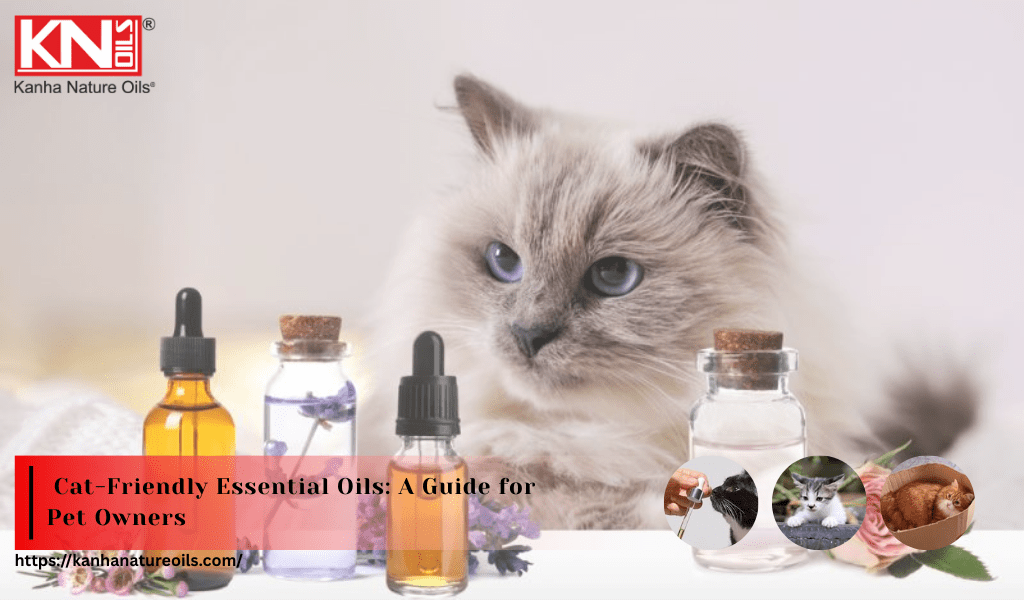
 Cat-Friendly Essential Oils: A Guide for Pet Owners   For centuries, essential oils have been celebrated for their therapeutic benefits, from soothing stress to supporting overall wellness. They are natural extracts from plants, flowers, and herbs, often used in aromatherapy, skincare, and household cleaning. While humans have embraced essential oils in daily life, pet owners face an important question: Are essential oils safe for cats? Cats, unlike humans and even dogs, have unique biological sensitivities. Their livers lack certain enzymes that help break down and metabolize compounds found in essential oils. This means that while some oils may be safe and beneficial in diluted forms, others can pose serious health risks. When it comes to creating a calming and pleasant environment at home, essential oils can be a great addition. However, as a cat owner, it’s crucial to understand which oils are safe for your feline friends. In this blog, Kanha Nature Oils we’ll explore cat-friendly essential oils, their benefits, and how to use them safely. What Are Essential Oils? Essential oils are concentrated plant extracts that capture the natural fragrance and therapeutic properties of plants. They are often used in aromatherapy, massage, and natural cleaning products. While many oils can promote relaxation and well-being in humans, some can be toxic to cats.   Why Choose Cat-Friendly Essential Oils? Cats have a unique physiology compared to humans and other pets. Their livers lack certain enzymes that help metabolize specific compounds found in many essential oils. Therefore, it’s important to choose oils that are safe for cats to avoid any potential health risks. In addition to cat-friendly essential oils, it’s essential to consider essential oils safe for dogs and cats, ensuring a harmonious environment for all your pets.   Top 4 Cat-Friendly Essential Oils   1. Lavender Oil – Benefits: Known for its calming properties, lavender oil can help reduce anxiety and promote relaxation in both humans and cats. – Usage: Diffuse in a well-ventilated area, but avoid direct contact with your cat.   2. Cedarwood Oil – Benefits: This oil has natural insect-repelling properties and can help create a soothing atmosphere. – Usage: Use in small amounts in diffusers; avoid applying directly to your cat.   3. Chamomile Oil – Benefits: Chamomile is known for its calming effects and can help with digestive issues. – Usage: Use diluted in a diffuser; ensure your cat has the option to leave the area.   4. Frankincense Oil – Benefits: This oil is often used for its anti-inflammatory and immune-boosting properties. – Usage: Diffuse lightly, ensuring your cat can exit the room if needed.   Safe Ways to Use Essential Oils Around Cats If you want to incorporate essential oils into your home without risking your cat’s safety, here are some practical tips: 1. Dilution is Key Always dilute essential oils heavily before use. For cats, a safe dilution ratio is typically 1 drop of essential oil to 50 drops of carrier oil (or even more diluted). 2. Diffusion Practices Use a diffuser only in well-ventilated rooms. Allow your cat to leave the space if they wish. Limit diffusion to 15–20 minutes at a time. 3. Topical Use Avoid direct application of essential oils to your cat’s skin unless guided by a veterinarian. Cats are sensitive, and their skin can absorb oils rapidly. 4. Household Cleaning If you use essential oils in cleaning sprays, rinse surfaces thoroughly before allowing your cat to walk on them. Cats often lick their paws and can ingest residues. 5. Observation and Veterinary Guidance Always watch for signs of distress such as coughing, sneezing, drooling, lethargy, or lack of coordination. If these occur, stop use immediately and consult a veterinarian. Alternatives to Essential Oils for Cats If you are hesitant about using essential oils, there are safe, natural alternatives that can promote a healthy environment for your cat: Hydrosols (floral waters): These are much less concentrated than essential oils and often safer for pets. Herbal remedies: Catnip, silver vine, and valerian root can naturally calm or entertain cats. Air purifiers and plants: Instead of using essential oils for air freshening, consider pet-safe indoor plants or HEPA air filters. Signs of Essential Oil Toxicity in Cats It’s important to recognize the symptoms of essential oil poisoning in cats. Common signs include: Drooling Vomiting Lethargy or weakness Tremors or seizures Difficulty walking (ataxia) Difficulty breathing Collapse If you suspect your cat has been exposed to a toxic essential oil, seek veterinary attention immediately. ESSENTIAL OILS IN AROMATHERAPY Conclusion Essential oils can be a wonderful addition to a holistic lifestyle, but when cats are part of your family, safety comes first. While oils like lavender, frankincense, and chamomile can sometimes be used safely in diluted, controlled ways, many others pose serious risks. The key is knowledge and moderation. Always dilute oils, diffuse in well-ventilated spaces, and watch your cat’s behavior closely. When in doubt, consult a holistic veterinarian before introducing essential oils into your pet’s environment. Cats bring peace, comfort, and joy to our lives, and with the right precautions, we can ensure that our wellness routines benefit—not endanger—them. By making informed choices, you can enjoy the therapeutic benefits of essential oils while keeping your feline companions safe and happy. You May Also Like: how to use almond for skin whitening Naturally at Home How Oregano Oil Benefits Can Support Natural Healing Clove Oil for Toothache—Benefits & How to Use? Kanha Nature Oils For more information contact: info@aromatherapyoil.in Mobile Number: 9810805866  

13 Best Fragrances for Candle Making: Scents That Sell Fast

13 Best Fragrances for Candle Making: Scents That Sell Fast   The best fragrance oils for candles🕯️ let you create the ideal candle scent by personalizing the perfume to suit your tastes. These perfume oils, which come in well-known scents like sandalwood, bergamot, and rose, use the mind-serene and sense-enlivening aromatherapy benefits of pure essential oils to produce a calming and peaceful atmosphere. In order to increase their intensity and strength, they are additionally blended with a carrier oil, making sure that your home will immediately begin to smell like the fragrance of your choosing. Some of the best fragrance oils for candles come in tailored sets and blends that combine comparable fragrances and encourage periods of peace and recharging, taking the guesswork out of creating your new signature scent. Candles🕯️ have always been a popular way to add ambiance to any room or space. The warmth and glow of the flame, combined with a pleasant aroma, can create a calming and relaxing atmosphere. With the increasing popularity of DIY projects, candle making has become a popular hobby. If you are interested in making your own candles, choosing the right fragrance is an important part of the process.   Here are 13 of the best fragrances for candle making 1. Vanilla Fragrance Vanilla is a classic scent that is popular in candle making. Its sweet and warm aroma is both comforting and relaxing, making it perfect for creating a cozy and inviting atmosphere. Vanilla is also a versatile scent that can be combined with other fragrances to create unique blends.   2. Lavender Fragrance Lavender is known for its calming and soothing properties, making it a popular choice for candles. Its floral scent is perfect for creating a peaceful and serene environment, making it great for use in bedrooms and relaxation areas.   3. Cinnamon Fragrance The spicy and warm scent of cinnamon is perfect for fall and winter candles. It can create a cozy and inviting atmosphere and is often used in holiday scents. Cinnamon can also be blended with other fragrances such as vanilla or orange to create a unique scent.   4. Eucalyptus Fragrance The fresh and invigorating scent of eucalyptus is perfect for creating a spa-like atmosphere. It is also great for promoting relaxation and reducing stress. Eucalyptus is often used in aromatherapy due to its therapeutic properties.   5. Peppermint Fragrance The minty and refreshing scent of peppermint is perfect for the holiday season. It can also help to boost energy and improve focus. Peppermint is often used in candles that are designed to promote productivity and mental clarity.   6. Sandalwood Fragrance The earthy and woody scent of sandalwood is perfect for creating a warm and comforting environment. It is also great for promoting relaxation and reducing anxiety. Sandalwood is often used in meditation and yoga spaces due to its calming properties.   7. Rose Fragrance The sweet and floral scent of rose is perfect for creating a romantic atmosphere. It can also help to reduce stress and promote relaxation. Rose is often used in candles that are designed for self-care and relaxation.   8. Patchouli Fragrance  The earthy and musky scent of patchouli is perfect for creating a warm and cozy environment. It can also help to reduce anxiety and promote relaxation. Patchouli is often used in candles that are designed for relaxation and stress relief. 9. Lemongrass Fragrance Lemongrass has a fresh, citrusy scent that is perfect for creating a bright and uplifting atmosphere. It is also great for repelling insects, making it a popular choice for outdoor candles.   10. Gardenia Fragrance Gardenia has a sweet and floral scent that is reminiscent of a blooming garden. It is a popular choice for candles because of its romantic and relaxing properties. Gardenia can help to reduce stress and promote relaxation.   11. Jasmine Fragrance The sweet and floral scent of jasmine is perfect for creating a romantic and relaxing environment. It can also help to reduce stress and promote relaxation. Jasmine is often used in candles that are designed for self-care and relaxation.   12. Bergamot Fragrance  Bergamot is a citrus fruit that has a unique and refreshing aroma. It is a popular choice for candles because of its uplifting and energizing properties. Bergamot can help to reduce stress and anxiety while promoting mental clarity and focus.   13. Frankincense Fragrance Frankincense has a rich and resinous aroma that is perfect for creating a warm and comforting atmosphere. It is also great for promoting relaxation and reducing stress. Frankincense has been used for centuries in meditation and spiritual practices, making it a popular choice for candles.   👉 Scented Candles When a candle is unlit and at room temperature, a “cold throw” of fragrance is emitted; a “hot throw” of fragrance is released when the candle is burning. Scent “throw” refers to the release of aroma from a candle. When creating candles, the wax must be heated to a precise temperature, the fragrance added, the wax and fragrance combined, and the mixture allowed to cool to a precise “pour” temperature before the candle is poured. The temperature at which the fragrance oil is combined with the melted wax during the candle-making process also impacts the scent because it varies from fragrance to fragrance. If you add the fragrance oil at a temperature that is too high, it will “burn off;” To ensure that the fragrance oil and wax are properly bonded, the wax temperature must be high enough. The aroma will not properly adhere to the surface if the temperature is too low. You will smell fragrance from the first burn to the last burn because soy wax, which is softer than paraffin wax, combines with fragrance oils better. Some paraffin candles’ aroma may burn out because the fragrance oil does not evenly disperse throughout the wax since the paraffin molecules are so strong and tough to break apart.   ESSENTIAL OILS IN AROMATHERAPY   👉 Conclusion When it comes to choosing

Keep your Home Fresh : Essential oils for Monsoon Odor Control

Keep your Home Fresh : Essential oils for Monsoon Odor Control   The monsoon season💧 ushers in a welcome shift in the weather, but it can also present difficulties like higher humidity and wetness, which can result in offensive scents in our houses.🏠 Incorporating essential oils into your routine can be a highly efficient way to get rid of unwanted aromas and keep your home smelling fresh and inviting. In addition to offering natural scents, Essential oils also have antibacterial qualities that can help get rid of bad odors. We’ll look at some essential oils in this article that are particularly useful for reducing odors during the monsoon season. In this detailed guide, Kanha Nature Oils will tell you what causes monsoon odors, what are the best essential oils to combat them, what DIY blends you can make at home, and effective ways to use these oils to keep your home smelling clean, fresh, and cozy during the rainy season. How Do Essential Oils Get Rid of Odors? You already know that essential oils can mask unpleasant aromas and leave a place feeling fresh, but can they also remove unpleasant odors completely? As a result of their antibacterial qualities, some essential oils can eradicate odors right where they originate. Microbes can be eliminated by antiseptics or their proliferation can be stopped . The main culprits behind scents in and around your home are bacteria, yeasts, and molds, which can survive on any surface. As they break down food or consume bodily sweat, these microorganisms emit unpleasant scents that can spread throughout a house. Antiseptics can prevent such unpleasant odors since they stop the growth of bacteria, while essential oils leave behind delightful aromas that can either soothe or energize you. The essential oils listed below are the finest I’ve discovered for getting rid of odors. Look After Your Home with Essential Oils this Monsoon Season 1. Lemon Essential Oil   Lemon essential oil is a well-liked option because of its zesty, fresh aroma that instantly improves the mood in a space. Due to its potent antibacterial qualities, it is a fantastic option for preventing mold and mildew, which can cause unpleasant aromas during the 🌧️monsoon. Lemon oil also has a deodorizing action that helps get rid of stale odors. Freshening your 🏠home and keeping it free of musty aromas can be accomplished by diffusing lemon oil🍋 or making a natural cleaning solution using water and a few drops of lemon oil. 2. Tea Tree Essential Oil   Strong antibacterial and antifungal qualities make tea tree essential oil well known. It is the perfect solution for addressing scents brought on by moisture because it can efficiently fight germs and mold. 🌿Tea tree oil helps to purify the air in addition to removing offensive odors. For a natural odor remover, add a few drops of tea tree oil to a diffuser or combine it with water in a spray bottle. To keep a fresh atmosphere, use it on surfaces that are susceptible to moisture, like those in bathrooms and kitchens. 3. Eucalyptus Essential Oil   The energizing and revitalizing scent of eucalyptus essential oil helps against stuffiness and musty odors. It contains antimicrobial qualities that can eliminate odors brought on by the growth of microorganisms. The air in your living spaces can be cleaned and given a fresh feel by diffusing eucalyptus oil.🍀 In order to refresh curtains, furniture, or linens, you can also add a few drops to a fabric spray and spritz the mixture on the items. 4. Lavender Essential Oil   In addition to having a lovely floral aroma, lavender essential oil is naturally antimicrobial. It can aid in odor removal and provide calm in your house. Because of its calming effects, lavender oil is especially helpful in bedrooms because it can improve sleep quality and create a relaxing atmosphere. If you want to create a relaxing and pleasant ambiance in your bedroom or living space, diffuse lavender oil. In order to deodorize carpets, you may also combine a few drops with baking soda and sprinkle it on top of the carpets before vacuuming. 5. Peppermint Essential Oil   The smoothing and revitalizing perfume of peppermint essential oil 🍃can help mask unpleasant odors and give your home a clean scent. It works well against musty odors brought on by bacteria thanks to its antimicrobial characteristics. To keep a fresh and energizing atmosphere, diffuse peppermint oil in busy areas, or mix it with water and use it as a room spray. For a natural cleaning solution for surfaces and counters that also leaves behind an energizing smell, combine a few drops with water and vinegar. 6. Sugandh Kokila Essential oil   Sugandh Kokila oil has a distinct, energizing scent with implications of spice and honey. During the monsoon season, its lovely aroma can help cover up bad odors and create a fresh atmosphere in your home. You can add a few drops of Sugandh Kokila essential oil🌿 to a diffuser or combine it with water to make a room spray to control monsoon odor. This will assist spread the scent and spruce up your living area. As an alternative, you can dilute the oil with a carrier oil and use it as a natural perfume or in massage mixtures for a calming and pleasant experience. 7. Star Anise Essential Oil   An excellent all-natural remedy for removing foul odors that frequently appear during the monsoon season is star anise oil.🍀 Star anise oil ⭐provides a reviving and invigorating scent that can help get rid of musty or damp smells connected to the rainy season with its rich, warm, and licorice-like flavor.  Star anise oil ⭐and water💧 can be combined to make a DIY room spray. Before using, give it a good shake and spritz it all over your living spaces, bedrooms, or other locations that could need some extra freshening. The scent of star anise will help cover up bad odors and leave a revitalizing aroma.   ESSENTIAL OILS

Best Essential Oils for Winter: Stay Warm, Healthy & Energized Naturally

Best Essential Oils for Winter: Stay Warm, Healthy & Energized Naturally   When winter rolls around with its cold winds, short days, and cozy nights, many people start searching for natural ways to stay warm, healthy, and energized. That’s where the best essential oils for winter come in—offering comforting warmth, stronger immunity, and improved emotional balance. Essential oils have been used for centuries for their therapeutic benefits, and winter is one of the best times to take advantage of their natural power. From personal experience, I’ve found Essential oils to be extremely helpful during cold months. Their scents bring comfort, and their properties support the body when the temperature drops and the immune system needs an extra lift. In this guide, Kanha Nature Oils will explain how these oils work, why they’re especially effective in winter, and how to use them safely at home. With the right oils and blends, you can transform your winter experience into one filled with warmth, wellness, and energy. Understanding Winter Wellness Needs   Winter isn’t just about cold weather—it affects our bodies, minds, and daily routines in ways we often don’t notice until we start feeling tired, stiff, or overwhelmed. Colder temperatures naturally slow circulation, which can make us feel chilled and low in energy. Shorter days can lead to lower mood and motivation. On top of that, dry air and indoor heating strain the skin and respiratory system. I’ve learned over the years that maintaining wellness in winter requires a combination of warmth, hydration, nutrition, rest, and supportive natural remedies. Essential oils play a key role here because they work on multiple levels—physical, emotional, and environmental. When you breathe in the aroma of a warming oil like cinnamon or ginger, your body responds with improved circulation and comfort. When you diffuse oils like tea tree or eucalyptus, they help cleanse the air and support your immune system. Understanding these needs allows you to choose the right oils and blends for a healthier, happier winter. How Essential Oils Support the Body in Cold Weather Essential oils contain concentrated plant compounds that affect the body through inhalation, topical application, or even emotional response. During winter, they offer three major benefits: 1. Warming the Body Naturally Oils like ginger, cinnamon, and clove stimulate circulation, helping the body generate more heat. This is especially useful if you’re always cold or have stiff muscles in winter. 2. Supporting the Immune System Winter is a time when viruses spread more easily due to dry indoor air and weakened immunity. Antibacterial and antiviral oils help strengthen the body’s natural defenses. 3. Boosting Mood and Energy Levels Shorter days and less sunlight can affect mood. Citrus and mint oils help brighten emotions and increase alertness when you feel sluggish. From personal use, I’ve seen how quickly essential oils can lift the atmosphere in a room or soothe my mind after a long day. They aren’t a miracle cure, but they provide gentle, effective support when you need it most. Top 3 Warming Essential Oils for Cold Days Winter warmth doesn’t only come from sweaters and hot tea. Some essential oils create a natural warming effect that helps your body stay comfortable in chilly weather. These are especially helpful after a long day outdoors, during early mornings, or whenever you feel your energy dipping. Below are three of the most effective warming essential oils. 1. Ginger Essential Oil for Winter Warmth Ginger essential oil has a spicy, energizing scent that instantly adds warmth to any space. It’s known for its ability to boost circulation, helping your body feel warmer from the inside out. I often use ginger oil when my hands and feet feel cold, mixing a drop into a carrier oil and applying it to the skin. It creates a gentle warming sensation that lasts for hours. Ginger oil is also excellent for soothing stiff joints and muscles, which tend to worsen in winter. Its stimulating properties make it great for use in massage blends, especially after physical activity or long hours sitting at a desk. 2. Cinnamon Bark Essential Oil for Comfort Cinnamon bark essential oil is one of the coziest scents of winter. It smells like holidays, baked treats, and warm gatherings. But beyond its comforting aroma, cinnamon oil has strong antimicrobial properties. This makes it a great choice for diffusing when you want to purify the air at home. When diluted properly, cinnamon bark oil also provides warming effects similar to ginger. Just be sure to use it carefully—it’s a potent oil and can irritate the skin if not diluted well. A few drops in a diffuser mixed with orange or clove oil creates a perfect winter atmosphere that boosts both mood and comfort. 3. Clove Essential Oil for Winter Energy Clove essential oil has one of the strongest, richest scents among essential oils. It carries a deep, slightly sweet spice that fills the room with warmth and vitality. Traditionally, clove has been used to improve circulation and stimulate the body, making it a great pick-me-up for cold winter mornings. Clove also has powerful antioxidant properties, helping the body stay resilient through the season. Personally, I love adding a drop of clove oil to my diffuser during late afternoons when energy levels tend to drop. Best Essential Oils for Winter Immunity Supporting immunity is one of the biggest concerns during winter. Essential oils offer natural defense by supporting respiratory health and helping purify indoor air. Here are the top oils that help maintain a strong winter immune system. 1. Tea Tree Oil for Seasonal Protection Tea tree oil is famous for its antiseptic and antiviral properties. During winter, it’s a must-have oil for diffusing or adding to homemade cleaning sprays. When used in a diffuser, tea tree oil helps keep the air clean and reduces exposure to seasonal germs. I find it especially helpful when someone at home has a cold. Adding a few drops to a steaming bowl of water and inhaling gently can help open

Boost Your Natural Cleaning Routine With Essential Oils

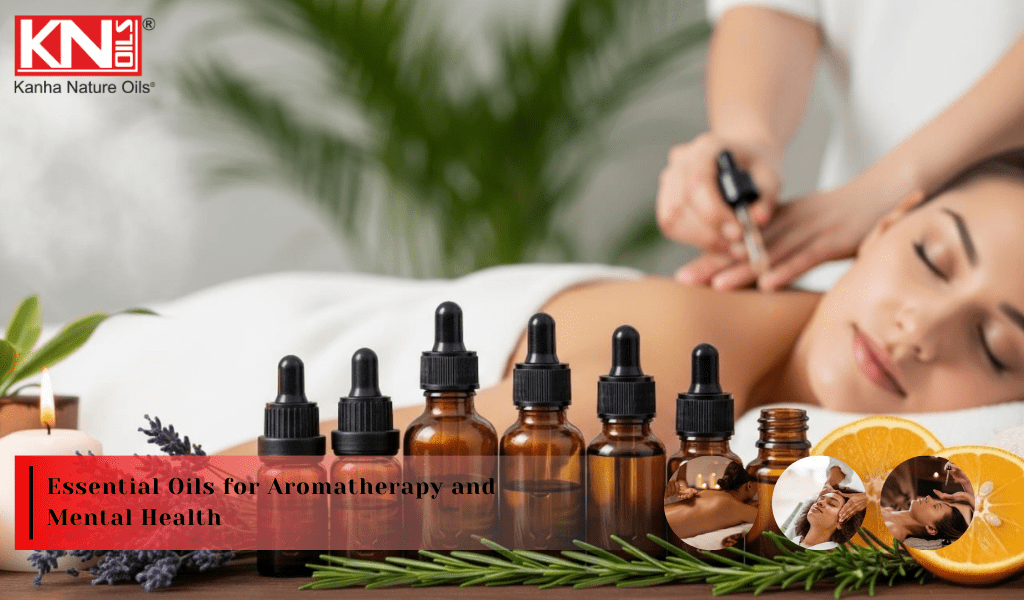
Essential Oils for Aromatherapy and Mental Health   When life feels overwhelming, stressful, or just too busy, many people turn to natural solutions to feel better. One of the most popular and time-tested methods for emotional well-being is using Essential Oils for Aromatherapy and Mental Health. These plant-based oils have been used for centuries to calm the mind, lift the mood, and support inner peace. Today, they’re more popular than ever because they offer a gentle, effective, and pleasant way to create emotional balance without harsh chemicals or complicated routines. Essential oils don’t just smell nice—they interact with your brain, nervous system, and emotions in surprising ways. This makes them great tools for managing stress, improving focus, supporting sleep, and helping you feel grounded when life gets tough. Over the years, I’ve personally used aromatherapy to calm anxiety before important events, fall asleep faster, and even clear my mind during long work days. What I’ve learned—both through experience and through research—is that essential oils can truly make a meaningful difference in the way you feel. In this comprehensive guide, Kanha Nature Oils explains everything you need to know about using essential oils for mental health: how they work, why they’re effective, the best oils to choose, and smart ways to use them safely. Whether you’re new to aromatherapy or experienced, this article will help you create a personalized routine that supports emotional well-being every day. 👉 How aromatherapy works Aromatherapy is said to function by stimulating the sense of smell cells in your nose👃, which is a fantastic gift. In response, these receptors use your central nervous system to convey messages to your brain. The limbic system, which affects your emotions, is one area of your brain that may be stimulated by the aroma of Essential oils when you use aromatherapy. When you inhale these scents, your hypothalamus may also react by releasing feel-good brain chemicals like serotonin, which may help to lessen sadness and anxiety symptoms. Relaxation is enhanced. Additionally, according to some experts, using essential oils to your skin and other bodily parts, including your joints, can benefit both of them and your general wellbeing.   👉 How Does Aromatherapy Benefit Mental Health? Aromatherapy has been shown to have a number of benefits for mental health. Some of the ways that it can improve mental health include: Reducing Stress and Anxiety: Essential oils like lavender, chamomile, and bergamot have a calming effect on the body and mind. When these oils are used in aromatherapy, they can help reduce feelings of stress and anxiety. Improving Mood: Essential oils like lemon, grapefruit, and rose have been shown to have a positive impact on mood. When used in aromatherapy, these oils can help improve feelings of happiness, positivity, and joy. Promoting Relaxation: Essential oils like lavender, chamomile, and ylang-ylang have a relaxing effect on the body and mind. When used in aromatherapy, these oils can help promote feelings of relaxation and peace. Enhancing Sleep: Essential oils like lavender and chamomile have a sedative effect on the body and mind. When used in aromatherapy, these oils can help improve sleep quality and reduce symptoms of insomnia. Boosting Cognitive Function: Essential oils like peppermint and rosemary have been shown to have a positive impact on cognitive function. When used in aromatherapy, these oils can help improve memory and focus. Using regular oils in aromatherapy to support mental health The essential oils that are claimed to have positive effects and may help treat mental health issues are extracted from a variety of plants. The following is a list of them:   1. Lavender oil: Aromatherapists frequently employ lavender oil in a number of mental health therapies because of its reported many benefits. Lavender has a calming effect on the senses because of its subtle perfume. One of the best methods to use lavender aromatherapy is as a pillow spray because it helps with sleep, anxiety relief, and relaxation. 2. Cedarwood oil: Researchers have discovered that cedarwood essential oil has the ability to reduce tension, particularly for people who are stressed out from work or school. It’s thought that inhaling cedarwood while working may enhance productivity and sharpen focus. Although it has not yet been tested on people, cedarwood has been demonstrated to be useful in lowering the signs and symptoms of depression in rats. 3. Chamomile Oil: It has been proved that chamomile’s depressive qualities can lessen the symptoms of depression. Chamomile is a wonderful option in situations when anxiety and depression are contributing to digestive problems because it can encourage calm and reduce gut inflammation. 4. Grapefruit oil: After applying grapefruit essential oil, which experts say has an uplifting and energizing impact, you can feel more invigorated. It’s frequently advised for people who are recovering from drug or alcohol addiction since they can use it to squelch cravings. In the beginning of recovery, mental health difficulties and withdrawal symptoms may persist for weeks or months. Grapefruit essential oil therapy is a holistic approach that may help with the recovery process in addiction treatment programs. 👉 How to Use Aromatherapy for Mental Health There are several ways that you can use aromatherapy to improve your mental health. Some of the most common methods include: Diffusing Essential Oils: You can use an essential oil diffuser to fill the air with the fragrant and therapeutic properties of essential oils. Simply add a few drops of your favorite essential oil to the diffuser, and let it run throughout the day. Topical Application: You can apply essential oils directly to your skin by mixing them with a carrier oil like coconut or almond oil. Simply add a few drops of essential oil to the carrier oil, and massage it into your skin. Aromatic Baths: You can also add a few drops of essential oil to your bath to reap the benefits of aromatherapy. Simply add the essential oil to your bath water, and let the steam and the scent of the oil help improve your mental health. Massage: You

Boost Your Natural Cleaning Routine With Essential Oils

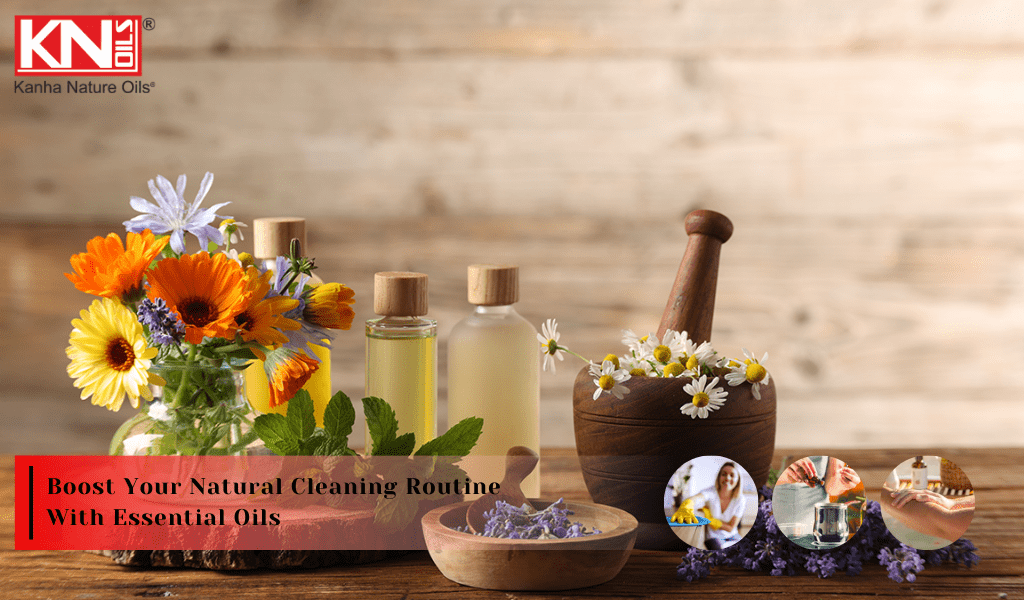
Boost Your Natural Cleaning Routine With Essential Oils   If you’ve been searching for a cleaner, healthier, and more uplifting way to care for your home, you’re not alone. More people today want natural cleaning solutions that keep their families safe, smell amazing, and don’t rely on harsh chemicals. One of the easiest and most effective ways to level-up your cleaning habits is to Boost Your Natural Cleaning Routine With Essential Oils. These plant-based oils aren’t just pleasant to smell — they’re packed with real cleaning strength, antibacterial power, and countless benefits that can transform everyday chores into something refreshing. Before I began using essential oils, I struggled with chemical fragrances that irritated my skin and left my home smelling artificial. But once I made the switch, everything changed. The natural scents lifted my mood, cleaning became easier, and I felt more confident knowing I was using safe ingredients. With years of experience using essential oils in nearly every corner of my home, I’m excited to share a complete guide based on firsthand knowledge. Let’s dive into how you can Boost Your Natural Cleaning Routine With Essential Oils and create a healthier environment without the stress. Understanding Boost Your Natural Cleaning Routine With Essential Oils   To fully understand why so many people choose essential oils for cleaning, it’s important to know what makes them special. Essential oils are concentrated extracts from plants, leaves, fruits, seeds, and flowers. You only need a few drops to create a powerful cleaning mixture that can wipe away dirt, kill germs, and leave your home fragrance-rich without artificial chemicals. When you Boost Your Natural Cleaning Routine With Essential Oils, you’re replacing synthetic cleaners with plant-derived ingredients that have been used for centuries. Many ancient civilizations used oils like eucalyptus, pine, and lemon not only for rituals but for natural purification and disinfecting. Today, the science supports what they already knew: essential oils contain compounds like limonene, linalool, and terpenes that actively break down grime and bacteria. Essential oils don’t just clean — they energize your senses, boost your mood, and help you feel refreshed while you work. With the right combinations and correct dilution, they can elevate your entire cleaning system and make your home feel like a calming sanctuary. Benefits of Enhancing Your Cleaning Routine Naturally Switching to natural cleaning isn’t just about eliminating chemicals. The benefits stretch into every part of your life — from physical health to emotional well-being. Eco-Friendly Advantages for Your Home When you Boost Your Natural Cleaning Routine With Essential Oils, you also reduce your environmental impact. Traditional cleaning products often come in plastic bottles, contain harmful substances, and pollute waterways. Essential oils allow you to create reusable, refillable cleaners that protect your home and the planet. Even better, natural cleaners break down safely and don’t contribute to plastic waste or chemical runoff. It feels good knowing your cleaning choices help keep the Earth safe for future generations. Health and Wellness Gains from Natural Products Chemical cleaning sprays can irritate the skin, lungs, and eyes — especially for kids and pets. Essential oils, when properly diluted, offer a gentler alternative that reduces exposure to toxins. Peppermint boosts energy, lavender calms stress, and citrus oils brighten your mood. Cleaning doesn’t have to feel like a chore; it can actually make you feel better physically and emotionally.   👉Top Essential Oils for a Boosted Natural Cleaning Routine With hundreds of essential oils available, it helps to know which ones are most effective for cleaning. Here are the best oils and how they work.   1. Lemon Essential Oil: Lemon is a popular essential oil for cleaning due to its fresh scent and powerful antimicrobial properties. It can help cut through grease and grime, making it a great choice for cleaning kitchen surfaces and appliances.   2.  Tea Tree Essential Oil: Tea tree oil is another excellent choice for cleaning, thanks to its strong antimicrobial properties. It can be used to clean bathrooms and other areas that are prone to bacteria and germs, and it can also help remove unpleasant odors.   3. Lavender Essential Oil: Lavender is a calming essential oil that is known for its relaxing properties. It can be used in natural cleaning solutions for floors and other surfaces, as well as in laundry to add a fresh scent to clothing and linens.   4. Eucalyptus Essential Oil: Eucalyptus has a fresh, invigorating scent and is known for its antimicrobial properties. It can be used in natural cleaning solutions for bathrooms and kitchens, as well as in laundry to  remove stains and odors.   5. Peppermint Essential Oil: Peppermint oil has a refreshing scent and can help repel insects and pests. It can be added to homemade cleaning solutions for kitchens and bathrooms.   6. Grapefruit Essential Oil: Grapefruit oil has a citrusy scent and can help remove stains and grime. It can be added to natural cleaning solutions for floors and surfaces, as well as in laundry to remove odors.   7. Rosemary Essential Oil: Rosemary has a fresh, herbal scent and is known for its antibacterial properties. It can be added to natural cleaning solutions for bathrooms and kitchens, as well as in laundry to remove stains and freshen up clothes.   8. Thyme Essential Oil: Thyme is a powerful antimicrobial essential oil that can help kill germs and bacteria. It can be added to natural cleaning solutions for surfaces and floors, as well as in laundry to remove stains and odors.   9. Orange Essential Oil: Similarly to other Citrus Oils, Orange has a zesty scent and can disinfect kitchen items such as cutting boards, appliances, pots, and pans. It can also be used in an All-Purpose Spray to enhance the cleansing properties and add a juicy, sweet scent.     👇 Here are some easy recipes for using essential oils in your natural cleaning routine:   All-Purpose Cleaner In a spray bottle, mix 1 cup of water, 1 cup of white vinegar, and

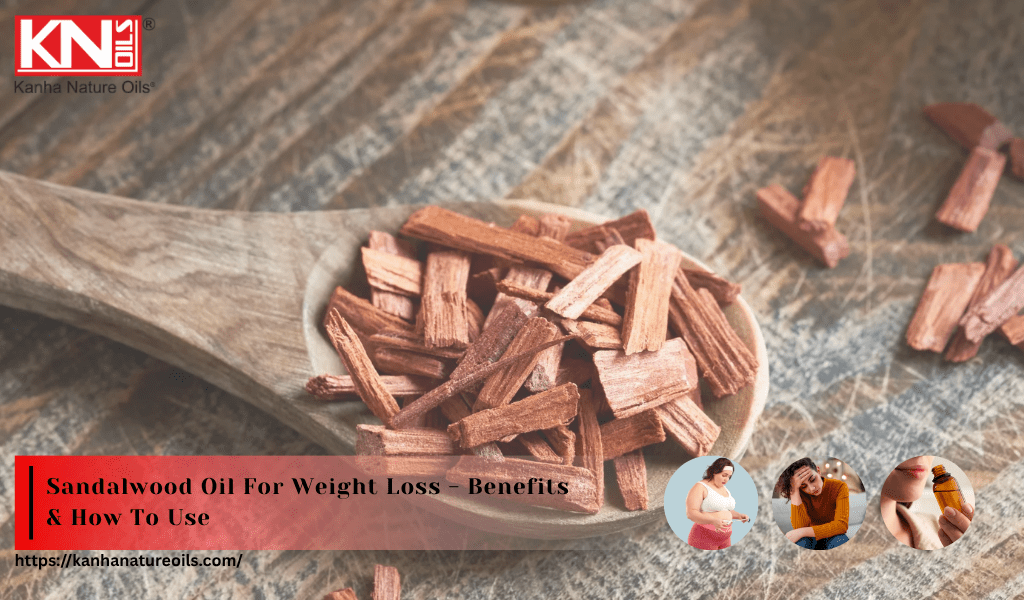
Sandalwood Oil For Weight Loss – Benefits & How To Use   Sandalwood oil, distilled from the heartwood of the Santalum species, is renowned for its warm, woody fragrance and its use in perfumery, meditation, and skincare. While most people associate it with calming rituals and skincare routines, sandalwood oil is increasingly being explored for its potential role in supporting weight loss. This might sound surprising — how can an aromatic oil aid in shedding fat? The answer lies not necessarily in fat-burning chemistry, but in the way sandalwood oil influences our emotions, metabolism, and habits. In this article, Kanha Nature Oils we will explore the possible mechanisms through which sandalwood oil could support weight loss, review scientific and anecdotal evidence, discuss safe and practical ways to use it, and highlight precautions. This is not a magic solution — rather, sandalwood oil can be a complementary tool that supports your overall healthy lifestyle. Understanding Sandalwood Oil Before diving into its role in weight loss, it’s helpful to understand what sandalwood oil is and how it works. Derived mainly from the Indian sandalwood tree, sandalwood oil has been valued for centuries in Ayurveda, the ancient Indian system of medicine. The oil contains active compounds like alpha-santalol and beta-santalol, which give it its distinct aroma and powerful therapeutic properties. These chemical components have been shown to possess anti-inflammatory, calming, and detoxifying effects, making sandalwood oil popular in aromatherapy, natural medicine, and skincare industries. Its ability to influence emotional well-being, hormonal balance, and stress levels forms the foundation for its potential contribution to weight management.   The Relationship Between Scent, Stress, and Weight To understand how sandalwood oil might help with weight management, it’s important to look at the connection between stress, emotions, and eating behavior. Chronic stress leads to elevated cortisol levels, the body’s primary stress hormone. High cortisol triggers cravings for high-calorie foods like sweets and processed snacks. Over time, this pattern contributes to weight gain, especially around the abdomen. Research shows that relaxing scents can decrease cortisol levels, making it easier to control emotional eating and maintain healthier habits. Sandalwood’s deeply soothing aroma interacts with the limbic system—the part of the brain responsible for emotion, mood, and memory. When inhaled, sandalwood oil may help regulate the nervous system, lower stress, and promote a sense of balance. This emotional stability is critical for anyone trying to stay consistent on a weight loss journey.   Potential Benefits of Sandalwood Oil for Weight Loss While sandalwood oil is not a shortcut to fat loss, it may complement a healthy diet, regular exercise, and mindful living. Below are several ways this essential oil could indirectly support weight loss: 1. Reduces Stress and Emotional Eating Sandalwood’s natural sedative properties promote mental calmness. When anxiety or stress decreases, there’s less impulsive snacking or comfort eating. Inhaling sandalwood oil before meals or during stressful moments may help control appetite and emotional triggers. 2. Improves Sleep Quality Lack of sleep has a significant impact on metabolism and hunger hormones such as ghrelin and leptin. People who sleep poorly often feel hungrier and consume more calories the following day. Sandalwood oil’s calming effect supports deeper, more restorative sleep, which in turn helps regulate metabolism and energy balance. 3. Aids in Hormonal Balance Hormonal fluctuations, particularly among women, can lead to water retention, food cravings, and disrupted metabolism. Certain studies suggest that sandalwood oil may act as an adaptogen—a compound that helps the body adapt to stress and restore balance. By supporting endocrine health, sandalwood oil can contribute to overall metabolic stability. 4. Supports Detoxification Toxins can build up in the body due to poor diet, pollution, or stress. These toxins may slow down metabolism and make it harder for the body to process fat. Sandalwood oil has mild diuretic and anti-inflammatory properties, which may aid detoxification and reduce bloating when used in massages or baths. 5. Enhances Focus and Mindfulness Mindful eating—paying attention to hunger, portion sizes, and the sensory experience of food—is one of the most effective ways to prevent overeating. Sandalwood oil’s ability to promote mental clarity and calm focus can make it easier to connect with hunger cues, resist emotional cravings, and practice a balanced diet approach. 6. Improves Circulation and Fat Mobilization When used in massage, sandalwood oil helps stimulate blood flow and lymphatic circulation. Enhanced circulation can assist the body in breaking down fat deposits more efficiently, especially when combined with regular physical activity and a healthy diet.   Mechanisms: How It Works Inside the Body Sandalwood oil influences various physiological systems that play a role in weight regulation: Nervous System: The scent of sandalwood oil activates the parasympathetic nervous system, which induces relaxation and helps the body enter a “rest and digest” state. Endocrine System: By modulating stress hormones, sandalwood may help prevent overeating caused by cortisol imbalance. Digestive System: In traditional medicine, sandalwood has been used to soothe gastrointestinal discomfort and improve digestion, which assists nutrient absorption and waste elimination. Inflammatory Response: Chronic inflammation can contribute to insulin resistance and fat storage. The anti-inflammatory properties of sandalwood oil help reduce this risk. Taken together, these mechanisms suggest that sandalwood oil provides indirect yet valuable support for maintaining a healthy weight.   How to Use Sandalwood Oil for Weight Loss Sandalwood oil can be used in several ways—each with unique benefits for body and mind. Here are safe and effective methods: 1. Aromatherapy Inhalation Add a few drops of sandalwood essential oil to a diffuser and let the scent fill the room. Inhaling the aroma for 15–20 minutes daily can lower stress levels and promote calm focus, reducing the risk of emotional eating. Alternatively, place one drop on your palms, rub gently, and inhale deeply before meals or meditation. 2. Topical Application with Carrier Oil Mix 2–3 drops of sandalwood oil with a carrier oil such as coconut, almond, or jojoba oil. Massage it onto areas prone to cellulite or tension. This practice can improve blood flow, promote lymphatic drainage, and create a mindful self-care ritual

Scroll to Top