Why You Should Use Lemongrass Essential Oil in Your Diffuser Daily Essential oils have gained immense popularity in recent years as people look for natural ways to enhance their health, mood, and living environments. Among the many oils available, lemongrass essential oil stands out as one of the most refreshing and versatile options. With its crisp, citrusy scent and wide range of therapeutic benefits, it’s more than just a pleasant fragrance — it’s a holistic wellness tool. In this detailed guide, Kanha Nature Oils will explain how using lemongrass essential oil daily in your diffuser can transform your home, improve your health, and enhance your quality of life. 1. What is Lemongrass Essential Oil? Lemongrass essential oil is extracted through steam distillation from the fresh stalks and leaves of Cymbopogon citratus or Cymbopogon flexuosus, plants native to Asia and Africa. Known for their long, grass-like leaves with a distinct lemony aroma, these plants have been used in traditional medicine for centuries. The oil is rich in active compounds such as citral, limonene, and geraniol, which give it its signature fresh scent and therapeutic effects. Lemongrass has long been valued in Ayurvedic medicine for treating fever, digestive issues, infections, and stress, making it a timeless natural remedy. 2. The Aromatic Power of Diffusing Lemongrass Using an essential oil diffuser allows you to disperse fine mist particles of lemongrass essential oil into the air, filling your space with its energizing fragrance. Unlike burning candles or using artificial air fresheners, diffusing essential oils provides both aroma and wellness benefits. Here’s why lemongrass is perfect for your diffuser: Crisp, refreshing scent: Instantly invigorates any room. Long-lasting freshness: Neutralizes odors naturally. Non-toxic alternative: Safer than chemical-based sprays. 3. Top Benefits of Using Lemongrass Essential Oil in Your Diffuser Daily 3.1 Reduces Stress and Anxiety The fresh, lemony aroma of lemongrass essential oil is known for its calming and grounding effects. Diffusing it daily helps reduce cortisol levels, creating a sense of peace and relaxation after a long day. Studies suggest that inhaling lemongrass oil can lower anxiety levels and promote better emotional balance. 3.2 Boosts Energy and Mental Clarity Unlike some calming oils that promote drowsiness, lemongrass strikes a balance by refreshing the senses while enhancing focus. Its crisp scent stimulates the nervous system, helping you stay alert and energized. Diffuse it in your workspace to increase productivity and prevent mental fatigue. 3.3 Purifies the Air Naturally Lemongrass essential oil has antibacterial and antifungal properties. When diffused, it can help reduce airborne microbes, making your home environment cleaner and safer. If you live in a humid climate or struggle with musty odors, daily diffusion can keep the air feeling fresh. 3.4 Supports Respiratory Health Breathing in lemongrass vapors can help clear nasal passages, soothe minor congestion, and support overall respiratory function. While it’s not a replacement for medical care, it can provide natural relief during seasonal allergies or colds. 3.5 Improves Sleep Quality While energizing in the daytime, lemongrass also has a soothing quality that encourages restful sleep at night. Diffusing it before bedtime helps calm racing thoughts and prepare the body for deeper rest. Combining lemongrass with lavender or chamomile enhances its sleep-promoting effects. 3.6 Acts as a Natural Insect Repellent Mosquitoes and other insects dislike the strong, citrusy aroma of lemongrass. By diffusing it in the evening or while spending time indoors with windows open, you can keep bugs at bay without relying on harsh chemical repellents. 3.7 Uplifts Mood and Emotional Well-being Daily stress, fatigue, and negativity can weigh heavily on your emotional state. Lemongrass essential oil acts like a natural mood booster, uplifting your spirit and helping you feel more optimistic. Many people find its scent refreshing, cheerful, and energizing. 3.8 Enhances Meditation and Mindfulness If you practice meditation, yoga, or mindfulness, diffusing lemongrass can enhance the experience. Its bright, purifying scent creates a serene atmosphere, making it easier to focus and stay present. 4. The Science Behind Lemongrass Essential Oil The therapeutic benefits of lemongrass essential oil aren’t just folklore — they’re backed by science. Antimicrobial properties: Studies show lemongrass oil inhibits the growth of certain bacteria and fungi, making it effective for purifying air and surfaces. Anxiolytic effects: Research has demonstrated that inhaling lemongrass essential oil reduces anxiety in both animal and human studies. Anti-inflammatory action: Compounds like citral have anti-inflammatory effects, which may contribute to its ability to ease tension when inhaled. Antioxidant benefits: Lemongrass oil contains antioxidants that help combat oxidative stress, supporting overall well-being. 5. Practical Tips for Using Lemongrass in Your Diffuser 5.1 How to Use Add 3–5 drops of lemongrass essential oil per 100 ml of water in your diffuser. Use intermittently (30–60 minutes at a time) rather than continuously for best results. 5.2 Best Times to Diffuse Morning: To energize and set a positive tone for the day. Work hours: To improve concentration and productivity. Evening: To relax, unwind, and repel insects. Bedtime: To promote restful sleep when blended with calming oils. 5.3 Blending Ideas Lemongrass pairs beautifully with other essential oils for customized benefits: For energy: Lemongrass + Peppermint + Sweet Orange For relaxation: Lemongrass + Lavender + Bergamot For focus: Lemongrass + Rosemary + Lemon For sleep: Lemongrass + Chamomile + Cedarwood 6. Safety Precautions While lemongrass essential oil is safe for most people, it’s important to use it responsibly: Dilute properly: Avoid direct skin contact without carrier oil. Limit exposure: Don’t diffuse for more than 1–2 hours at a time. Keep away from pets and children: Some animals, especially cats, may be sensitive. Consult a doctor: Pregnant or nursing women should seek medical advice before use. 7. Creating a Daily Ritual with Lemongrass Diffusion To truly experience the benefits of lemongrass essential oil, consistency is key. Here are a few ways to incorporate it into your daily life: Start your day with a morning energizing session by diffusing lemongrass while you get ready. During work, diffuse it for short bursts to maintain focus and mental clarity. After
Blog
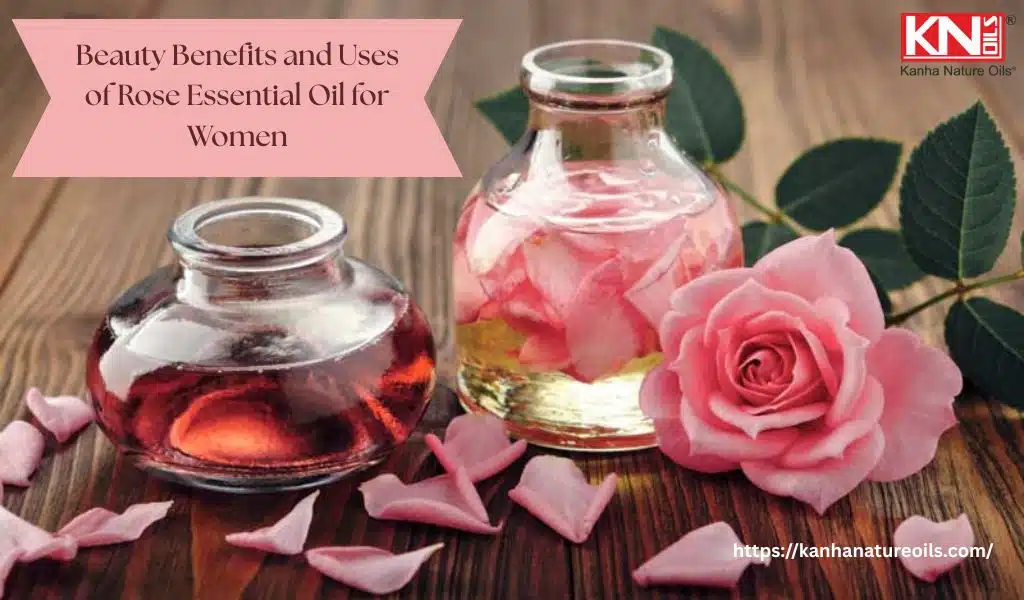
Beauty Benefits and Uses of Rose Essential Oil for Women Essential oils have been used for centuries in beauty rituals, wellness practices, and natural healing traditions. Among these, rose essential oil stands out as a timeless favorite, particularly cherished by women across cultures. Extracted from the delicate petals of the Rosa damascena (Damask Rose), this luxurious oil is often referred to as the “queen of essential oils” because of its enchanting fragrance and powerful skin-nourishing qualities. In today’s world, where women are seeking natural, safe, and effective beauty solutions, rose essential oil continues to prove itself as a holistic ally. From enhancing skin radiance and balancing emotions to reducing signs of aging and promoting self-care, rose essential oil is a versatile treasure in a woman’s beauty cabinet. This article explores in depth the beauty benefits and uses of rose essential oil for women, offering practical tips, insights, and natural remedies to help you integrate this botanical gem into your daily routine. In this blog post, Kanha Nature Oils will guide you through the remarkable ways rose essential oil can enhance your skincare, haircare, and overall wellness naturally. What is Rose Essential Oil? Rose essential oil is obtained through steam distillation or solvent extraction of rose petals. It takes nearly 60,000 roses to produce just one ounce of pure essential oil, which explains its rarity and value. The Damask Rose, primarily cultivated in Bulgaria, Turkey, and Morocco, is considered the best source. The oil is packed with potent compounds such as citronellol, geraniol, and nerol, which give it antimicrobial, anti-inflammatory, and antioxidant properties. Its aroma is deeply floral, sweet, and calming — making it a staple in perfumes, skincare, and aromatherapy. Top Beauty Benefits of Rose Essential Oil for Women 1. Hydrates and Nourishes Dry Skin One of the most well-known benefits of rose essential oil is its ability to restore moisture balance in the skin. Women with dry, flaky, or sensitive skin often find that rose oil deeply hydrates without clogging pores. It strengthens the skin barrier, preventing transepidermal water loss. Its emollient nature smooths rough patches and leaves the skin soft and supple. How to use:Mix 2–3 drops of rose essential oil with a carrier oil like jojoba or almond oil. Massage gently onto your face at night to wake up with refreshed, hydrated skin. 2. Anti-Aging and Wrinkle Reduction Every woman desires youthful, glowing skin, and rose essential oil is a natural anti-aging secret. Its antioxidants fight free radicals, which are responsible for premature wrinkles, sagging, and dullness. Boosts collagen production for firmer skin. Reduces fine lines and improves skin elasticity. Helps repair sun damage and oxidative stress. How to use:Add a few drops of rose oil to your night cream or serum. Consistent use can visibly reduce early signs of aging. 3. Soothes Sensitive and Irritated Skin Women with sensitive skin often struggle to find products that don’t cause redness or irritation. Rose essential oil has anti-inflammatory compounds that calm inflamed skin, making it ideal for conditions like eczema, rosacea, or acne flare-ups. Reduces redness and blotchiness. Provides relief from itching or burning sensations. Supports healing of minor cuts and wounds. How to use:Dilute rose oil with coconut oil and apply as a soothing balm to affected areas. 4. Natural Acne Fighter Acne is not limited to teenagers; many women continue to deal with adult breakouts due to stress, hormones, or lifestyle. Rose essential oil’s antibacterial and antimicrobial properties help combat acne-causing bacteria while balancing sebum production. Prevents clogged pores. Reduces acne scars and blemishes. Provides a gentle yet effective alternative to harsh chemicals. How to use:Mix 1 drop of rose oil with tea tree oil and a carrier oil. Dab directly on pimples for faster healing. 5. Brightens and Evens Skin Tone Uneven pigmentation, dark spots, and dullness are common concerns for women. Rose oil enhances skin radiance and luminosity by promoting healthy cell turnover. Reduces hyperpigmentation. Fades dark spots and acne scars. Restores natural glow. How to use:Add 2–3 drops of rose oil into your regular face mask or DIY honey mask for instant brightness. 6. Aromatherapy for Stress Relief and Emotional Balance Beauty is not just skin deep — stress, anxiety, and poor sleep often reflect on the skin. Rose oil’s enchanting aroma has a profound calming effect on the mind and emotions. Helps reduce stress and anxiety levels. Promotes better sleep and relaxation. Enhances feminine energy and confidence. How to use:Diffuse rose oil in your bedroom or add a few drops to your bath water for a luxurious, stress-relieving soak. 7. Enhances Hair Health Rose essential oil isn’t just beneficial for skin — it can also nourish and strengthen hair. Improves scalp circulation for hair growth. Reduces dandruff and itchiness. Leaves hair shiny and beautifully fragrant. How to use:Mix rose oil with argan or coconut oil and massage into your scalp once a week. Leave for 30 minutes before washing for glossy, healthy hair. 8. Supports Feminine Wellness Historically, rose essential oil has been used in women’s health remedies. Its soothing properties extend beyond beauty, helping with issues such as menstrual discomfort and mood swings. Eases menstrual cramps with gentle massage. Helps regulate hormones and uplift mood. Enhances sensuality and intimacy with its romantic aroma. How to use:Dilute rose oil with a carrier oil and massage on the lower abdomen to ease period cramps. Practical Ways Women Can Use Rose Essential Oil 1. Daily Skincare Ritual Add 2 drops to your moisturizer for everyday hydration. Use as a facial toner by mixing rose oil with rose water. 2. Luxury Bath Soak Add 5–6 drops of rose oil with Epsom salt and a carrier oil. Creates a spa-like, relaxing bath experience at home. 3. DIY Rose Oil Face Mist Mix rose oil with distilled water and aloe vera gel. Spray throughout the day to refresh and hydrate your skin. 4. Perfume Alternative Rose oil’s fragrance is naturally captivating and long-lasting. It can be used as a non-toxic, chemical-free perfume by dabbing
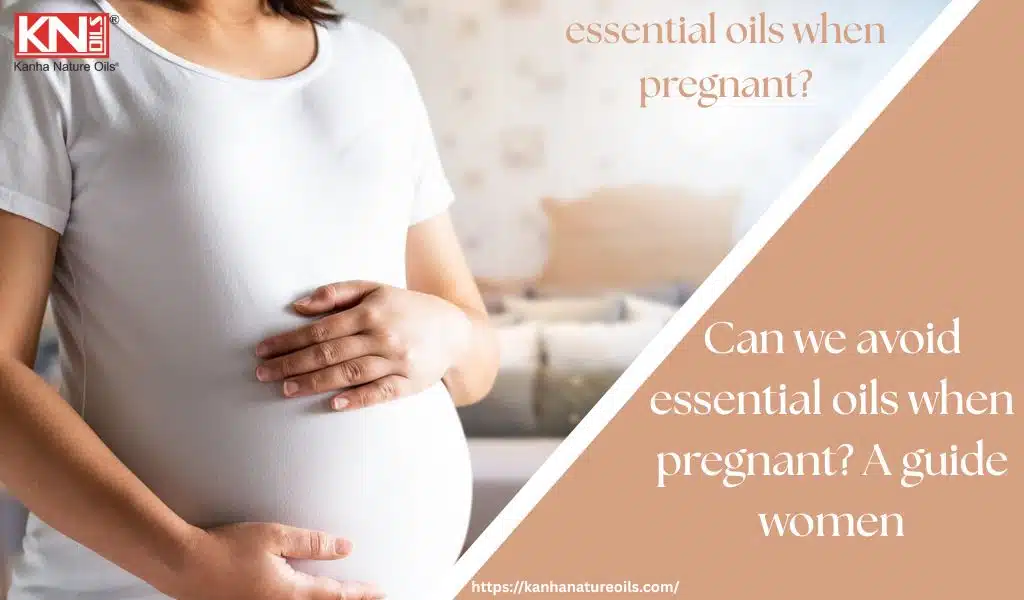
Can we avoid essential oils when pregnant? A guide women Can we avoid essential oils when pregnant? Pregnancy is one of the most transformative journeys in a woman’s life. The joy of nurturing a new life often comes with a series of lifestyle adjustments, as mothers-to-be must carefully consider the safety of everything they consume, apply, or even inhale. Essential oils, long admired for their therapeutic, aromatic, and cosmetic benefits, are one such category of natural products that raise important questions during pregnancy. While some women turn to essential oils for relaxation, relief from common pregnancy discomforts, or skin care, others worry about their safety due to their potency. This raises the question: Can we avoid essential oils when pregnant—or are there safe ways to enjoy them? This guide aims to provide a balanced, evidence-based perspective to help women make informed choices about essential oil use during pregnancy. Understanding Essential Oils Essential oils are concentrated plant extracts obtained through distillation or cold pressing. They contain volatile aromatic compounds that can affect both the mind and body. From lavender’s calming influence to peppermint’s cooling relief, these oils are valued for aromatherapy, massage, skin care, and even household use. However, their potency is a double-edged sword. What makes them powerful for therapeutic benefits also makes them risky if misused—especially during pregnancy, when a woman’s body undergoes significant physiological and hormonal changes. Why Essential Oils Raise Concerns in Pregnancy There are several reasons essential oils must be used cautiously—or in some cases avoided—during pregnancy: High Potency – Even a single drop of essential oil contains the equivalent of several cups of plant material. This concentration can overstimulate the body. Skin Absorption – Essential oils penetrate the skin and enter the bloodstream, potentially reaching the fetus. Uterine Stimulation – Certain oils can cause uterine contractions, increasing the risk of miscarriage or preterm labor. Hormonal Effects – Some oils mimic estrogen or influence hormone activity, which could interfere with pregnancy stability. Nausea & Sensitivity – Pregnancy heightens sensitivity to smells, and some strong aromas may cause nausea, dizziness, or headaches. Because of these concerns, many midwives, doctors, and aromatherapists advise either complete avoidance or very careful use of essential oils during pregnancy. Essential Oils to Avoid During Pregnancy Many oils are contraindicated during pregnancy because they may stimulate uterine contractions, affect hormones, or pose toxic risks. Women should strictly avoid the following oils throughout pregnancy: Basil essential oil: This oil might make your period start, so it’s best not to use it during pregnancy. Fennel Essential Oil: It can mess with hormones, so it’s better to avoid it during pregnancy. Juniper Berry Essential Oil: It could make your uterus move, so it’s not safe for pregnancy. Thyme Essential Oil: This oil is strong and might cause problems in your body, so it’s not good during pregnancy. Cinnamon Essential Oil: This oil is strong and might bother your skin or cause other issues while you’re pregnant. Rosemary Essential Oil: It might raise your blood pressure or cause contractions, which isn’t good for pregnancy. Wintergreen Essential Oil: This oil has something like aspirin and could be bad for pregnancy. Pennyroyal Essential Oil: This oil is known to be poisonous and very dangerous when you’re pregnant. Oregano Essential Oil: This oil is strong and not good for your body during pregnancy. Clary Sage Essential Oil: This oil can mess with hormones and contractions, which isn’t safe when you’re pregnant. Safe Ways to Use Essential Oils During Pregnancy When used safely, essential oils can be comforting and supportive. Here are recommended methods: 1. Diffusion Add 2–3 drops of a safe oil to a diffuser for short periods (15–30 minutes). This method provides gentle aromatic benefits without direct skin contact. 2. Topical Application (Diluted) If applied on the skin, essential oils should always be diluted in a carrier oil (like coconut, jojoba, or almond oil). Safe dilution: 1% (about 1 drop of essential oil per teaspoon of carrier oil). Apply to pulse points, temples, or back of the neck for calming benefits. 3. Massage Prenatal massage with diluted safe oils can ease muscle tension, reduce swelling, and promote relaxation. Always consult a trained prenatal massage therapist. 4. Baths (Indirect Method) Add diluted essential oils to bath salts or a tablespoon of carrier oil before mixing into warm water. Never drop oils directly into the bath. 5. Inhalation For nausea or morning sickness, add a drop of ginger or lemon oil to a cotton ball and inhale gently. General Safety Guidelines To minimize risk, pregnant women should follow these essential safety tips: Avoid during the first trimester – This is when the fetus is most vulnerable to toxins and developmental disruptions. Consult your healthcare provider – Especially if you have a high-risk pregnancy or pre-existing conditions. Patch test before skin use – Pregnancy can make skin more sensitive. Use only high-quality, pure essential oils – Avoid adulterated or synthetic oils. Limit duration and frequency – Short sessions are safer than prolonged exposure. Never ingest essential oils – Oral use is unsafe and not recommended during pregnancy. Store oils away from children – Accidental ingestion can be dangerous. Expert Opinions on Essential Oils in Pregnancy Medical professionals and aromatherapists hold varying opinions on the subject. Some recommend total avoidance during pregnancy, while others approve safe oils in moderation. Aromatherapy Experts often advocate that certain essential oils, when properly diluted, can be safely used. Obstetricians & Midwives typically advise extreme caution, preferring women minimize exposure unless supervised. Holistic Practitioners may integrate safe oils for emotional well-being, nausea relief, or labor preparation (in late stages). The consensus is: Knowledge, caution, and moderation are key. Conclusion Pregnancy is a sacred time, and every choice a mother makes impacts not only her own body but also her growing baby. Essential oils, while natural, are highly potent and should never be underestimated. To answer the question—Can we avoid essential oils when pregnant?—the wisest approach is not outright avoidance of all oils but
Are there any dangers of using lemon or lavender essential oils around your dog or cat? Using lemon or lavender essential oils around dogs and cats can have risks as well as benefits. These oils might not always be safe for pets: Lemon Essential Oil: Citrus Sensitivity: Lemon oil comes from citrus fruits and has stuff that can hurt cats and dogs. Cats really don’t like citrus smells, and it can bother their skin and stomach if they touch or eat it. Photosensitivity: Lemon oil can make skin easily hurt by the sun. This could be a problem for pets outside a lot. Putting lemon oil on their skin might cause sunburn or irritation. Lavender Essential Oil: Cats and Dogs: Cats might not react well to lavender oil because its smell and compounds can bother their breathing and cause other problems. Cats process certain parts of lavender differently than dogs and people do. Using Safely around Pets: Ask a Vet: If you want to use any essential oils around your pets, it’s smart to talk to a vet who knows about these things. They can help you decide what’s best for your pet based on their size, health, and needs. Make It Weaker: Always mix essential oils with something like water or oil before using them around pets. Even safe oils can be bad if they’re too strong. Just a Little Scent: If you use a machine to spread the smell, make sure it’s not too strong. Also, let your pet leave the area if they don’t like it. Watch and Stop: If your pet acts weird or seems uncomfortable after you use oils, stop using them and ask the vet. Don’t Touch: It’s not a good idea to put oils right on your pet’s skin unless a vet says so. Remember, pets can get bothered by smells more than people, so something nice for you might not be nice for them. If you’re not sure, it’s better to be safe and keep your pet feeling good.
Is peppermint oil ok for dogs Be careful using peppermint oil near dogs. It can be good if done right, but it might hurt them if it’s not. Remember these points: Using Peppermint Oil With Dogs Needs Care: Dilution: Peppermint oil is really strong. If you use it on your dog, mix it with something like coconut or olive oil. A tiny bit of pure peppermint oil can be too strong for their skin. No Eating: Dogs have a powerful sense of smell. The smell of oils can be too much for them. Don’t let them eat pure or even mixed peppermint oil. It could make them sick, with throwing up or diarrhea. Allergies: Dogs, like people, can be allergic to things, including oils. Before using any oil on your dog, try a little on a small part of their skin to make sure they don’t have a bad reaction. Ask a Vet: Before using oils on your dog, talk to your vet. They know what’s best for your dog’s type, size, and health. Be Careful: Don’t put oils near a dog’s eyes, nose, face, or private parts. Those spots are sensitive. Other Choices: pure peppermint oil might not be right for your dog. Other oils, like lavender, chamomile, or cedarwood, are usually safer options for dogs. Important Note Remember that dogs react differently to things than we do, so what’s safe for us might not be safe for them. It’s best to be careful and ask a vet before using new stuff around your dog. For more information Contact us. we can provide peppermint oil near me.
Carrier oil meaning, What are carrier oils Carrier oil is a special kind of oil used to make strong-smelling oils from plants safer and gentler on the skin. It is also known as cold-pressed oil. These strong oils are called essential oils. Essential oils are super strong and can sometimes bother the skin if you put them on directly. So, we use carrier oils to mix with the essential oils. This makes them milder and less likely to cause skin problems. It’s like giving the essential oils a friendly partner that makes them nice to our skin. Pure Carrier oils are made from plants like seeds, nuts, or fruits. They don’t have a strong smell and are kind to the skin. When you mix them with strong-smelling oils, like essential oils, they become easier to put on your skin. They also help the essential oils cover more skin, which is good for things like massages. Carrier Oil List Here are a some carrier oil list: Coconut Oil Jojoba Oil Sweet Almond Oil Olive Oil Grapeseed Oil Avocado Oil Sunflower Oil Argan Oil When you mix carrier oils with essential oils, think about your skin type, how you’ll use them, and any allergies you might have. Different carrier oils are absorbed by the skin at different speeds and have different qualities. This affects how they work with the skin and the benefits of the essential oil. Important Note Before you use a mix of carrier oil and essential oil on a big part of your skin, try a little on a small area first. This helps make sure you won’t have any bad reactions. Contact Us: Contact us for wholesale prices of carrier oils for essential oils, carrier oils for skin, and carrier oils for the face. We are a carrier oil manufacturer based in India.
Adding essential oil to a candle depends on a few things, like the kind of wax you use, how strong you want the smell to be, and how big the candle is. Here’s what you need to know: Kinds of Wax:Different waxes can hold smells differently. Stuff like soy or coconut wax keeps smells better, while paraffin wax needs a bit more smell to make it strong. Smell Strength:The amount of essential oil you put in changes how strong the candle will smell. Some people like it to be a little bit smelly, while others want it really strong. Also, some oils are super strong, so you might not need as much. Candle Size:How big the candle is matters. Bigger candles need more essential oil to make sure the smell spreads through all the wax. Usually, a good starting point is to use about 6% to 10% of the candle’s weight in essential oil. For every pound of wax, that’s around 1 to 1.6 ounces (about 30 to 45 milliliters) of essential oil. But remember, this is just a starting point. You can change it based on how you like it and the things we talked about earlier. Here’s an easy way to figure it out: Weigh your wax to know how much you have. Multiply the weight of the wax by the smell percentage (6% to 10%). Change the answer to ounces or milliliters based on what you like. And don’t forget, it’s better to start with a little bit of essential oil and test it with a small candle first. That way, you can see if the smell is right before making a big batch. Using too much essential oil can make the candle act funny when it burns, so testing is important.. here’s a list of commonly used essential oils for candle making: Lavender: Relaxing floral smell, helps you feel calm and less stressed. Lemon: Fresh and zesty citrus scent that makes a room feel bright. Peppermint: Minty and refreshing smell that wakes you up and makes the air feel clean. Eucalyptus: Cool and invigorating scent that can help you breathe better. Vanilla: Sweet and warm smell that makes a place cozy and nice. Cinnamon: Spicy and comforting scent that reminds you of cozy times. Orange: Sweet and fruity aroma like fresh oranges, makes a room cheerful. Sandalwood: Earthy and woody smell that’s good for relaxing or meditating. Rose: Delicate and flowery scent, makes a room romantic or calm. Cedarwood: Woody smell that makes you feel peaceful. Frankincense: Special and exotic scent, used for thinking or meditating. Patchouli: Earthy and musky smell that helps you feel balanced. Jasmine: Rich flowery scent that’s charming and romantic. Ginger: Warm and spicy aroma that adds energy and life. Ylang Ylang: Sweet and flowery smell that helps you relax and feel nice. contact us best essential oils for candle making price and inquiry related.
How to dilute rosemary oil for hair ? Pure Rosemary oil is strong and can cause irritation or allergies if used directly on the skin or hair. Here’s a simple way to make rosemary oil safe for your hair: You’ll need: Rosemary oil You can use oils such as coconut oil, jojoba oil, or olive oil as your carrier oil. Here’s what to do: Pick a carrier oil and pour a little bit (like a tablespoon) into a clean glass bottle or jar. Add 1-2 drops of rosemary oil to the carrier oil and mix well. Smell the mix to check if it’s not too strong. If it is, put more carrier oil and mix again until the smell is okay. Keep adding rosemary oil drops to the carrier oil until it’s how you like it. The amount of carrier oil and rosemary oil changes depending on what you’re using it for and how sensitive you are. A good rule is to use a 2% mix. This means 12 drops of rosemary oil for every 30 ml of carrier oil. Once your rosemary oil is ready, you can put it on your hair and scalp. Rub the oil in and wait for 30 minutes to an hour. Then wash your hair with shampoo and conditioner as you usually do. for more information Contact us, we provide best rosemary oil for hair growth, rosemary water for hair.