
Essential Oils for Stress, Sleep & Mental Health: UK Consumer Guide
In today’s fast-paced and digitally connected world, stress and mental health challenges are more widespread than ever. According to surveys in the UK, increasing numbers of adults report feelings of anxiety, difficulty sleeping, and challenges managing everyday pressures. In response, many people are seeking natural and complementary approaches to support emotional wellbeing, better sleep, and reduced stress. Among these, essential oils have emerged as a popular, accessible, and versatile option.
But with so many claims, products, and confusing information available online, how can anyone in the UK make an informed decision about using essential oils for stress, sleep, and overall mental health? In this guide, Kanha Nature Oils aims to provide a balanced, evidence-based, and consumer-friendly overview. We’ll explore the science, the most recommended essential oils, how to use them safely, and tips for choosing quality products on the UK market.
What Are Essential Oils?
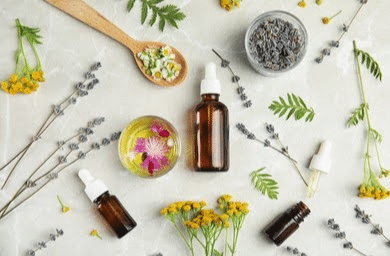
Essential oils are highly concentrated plant extracts that capture the aroma and volatile compounds of specific botanicals. They are obtained through processes like steam distillation or cold pressing and are used in aromatherapy, cosmetics, massage, and home care.
Each essential oil has a unique chemical profile that can influence mood and physical responses. For example, some are calming and relaxing, while others are invigorating or grounding.
Although essential oils have been used for centuries in various traditional practices, modern scientific research into their physiological and psychological effects is still growing. Some evidence supports certain benefits—particularly related to mood, stress reduction, and sleep—but the quality of evidence varies across oils and applications.
A Brief Look at the Evidence
Scientific interest in essential oils has increased, particularly in areas such as stress relief and sleep improvement. Clinical studies often focus on aromatherapy, which involves inhaling the scent of oils. Some research suggests that aroma can influence the limbic system—an area of the brain involved in emotions and memory.
While the evidence base isn’t as robust as for pharmaceutical treatments, several systematic reviews and clinical trials suggest:
-
Lavender oil may help reduce anxiety in specific settings.
-
Bergamot and frankincense aromatherapy have shown potential to support relaxation.
-
Chamomile and cedarwood scents are often associated with improved sleep quality.
-
In some studies, essential oil aromatherapy has been used alongside other therapeutic practices to enhance wellbeing.
Importantly, responses to essential oils can be highly individual. What helps one person relax may not have the same effect for another. Additionally, many studies observe small effect sizes or mixed results, so essential oils should be viewed as supportive tools, not replacements for medical treatment when addressing clinical anxiety or sleep disorders.
The UK Consumer Landscape

In the UK, natural health products are widely available through high streets, pharmacies, health food stores, and online retailers. Unlike medicines, essential oils aren’t regulated for therapeutic claims unless a company chooses to pursue that path. This means marketing often uses broad or vague language like “promotes wellbeing” instead of clinical health claims.
As a consumer in the UK, it’s important to:
-
Look for reputable brands with transparent sourcing and quality standards.
-
Understand that product labeling and terminology (e.g., “therapeutic grade”) isn’t legally defined.
-
Be cautious about products claiming to cure specific diseases or mental health conditions.
Essential oil usage in the UK spans from traditional aromatherapy practice to personal wellbeing routines. Many people enjoy the ritual of diffusing oils in the evening, adding a few drops to a bath, or selecting calming blends to support unwinding after a long day.
Top Essential Oils for Stress Relief
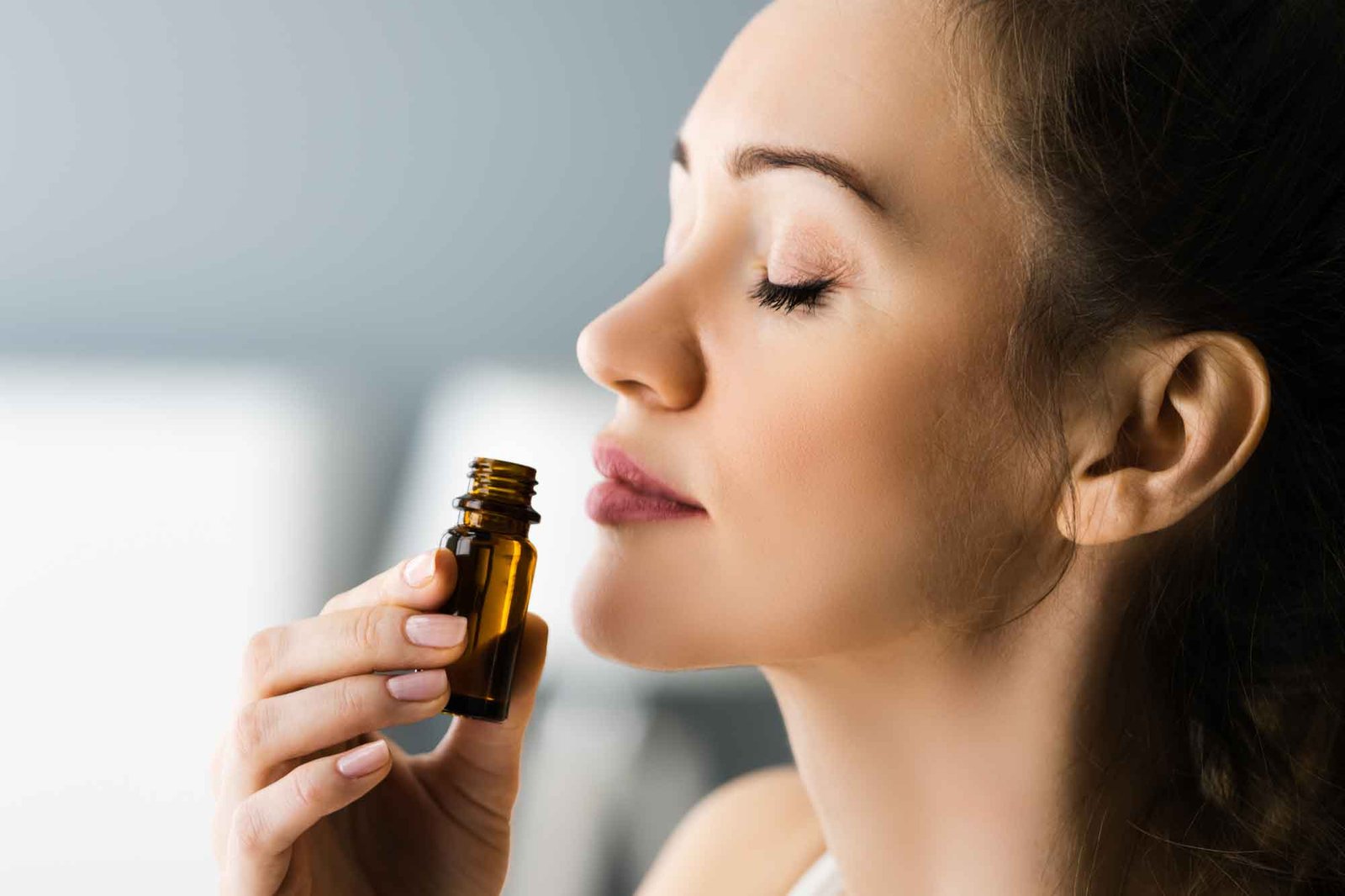
1. Lavender
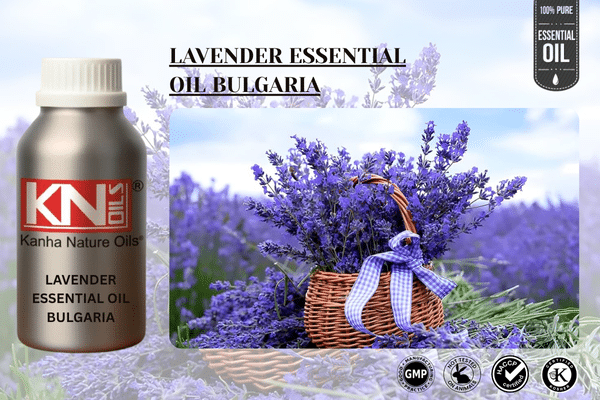
Lavender is perhaps the most widely studied essential oil for stress and mood support. Its floral and herbaceous aroma is familiar in soaps, candles, and sleep sprays.
-
Aromatherapy Benefits: Many people report a sense of calm when inhaling lavender.
-
Evidence: Some studies indicate mild reductions in anxiety indicators, particularly in clinical or high-stress situations.
Suggested Use
Diffuser blend (2–3 drops), personal inhaler, or a few drops on a tissue during stressful moments.
Safety Tip
Lavender is generally well tolerated but should be diluted when applied to the skin.
2. Bergamot
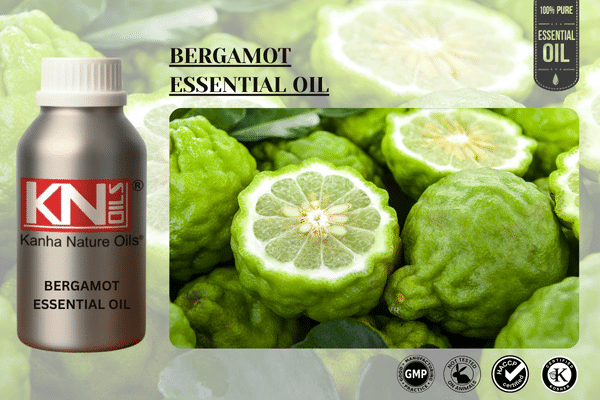
Bergamot has a bright, citrusy scent with calming undertones. It is often used in blends aimed at reducing tension and uplifting mood.
-
Relaxation: The fresh aroma may help soothe nerves and create a positive atmosphere.
-
Evidence: Small studies show promising results when used in aromatherapy for anxiety reduction.
Suggested Use
Diffusion or diluted application to the wrists or temples.
Safety Tip
Avoid direct skin exposure in sunlight after using bergamot due to phototoxicity risks.
3. Frankincense
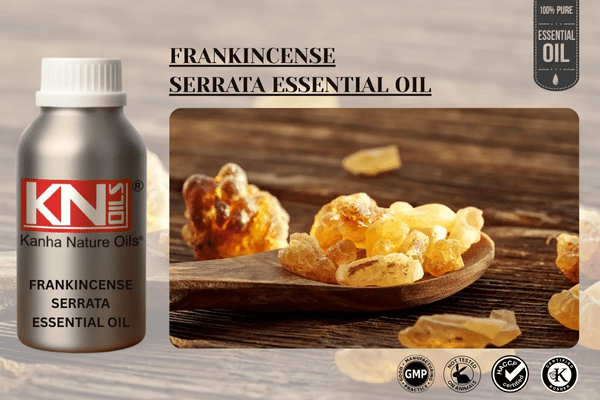
Frankincense’s warm, resinous aroma is traditionally associated with meditation and grounding.
-
Aromatic Effect: Many find it emotionally stabilising and centering.
-
Supportive Use: Often included in blends for emotional balance and stress reduction.
Suggested Use
Diffuser or diluted topical application on pulse points.
4. Ylang Ylang
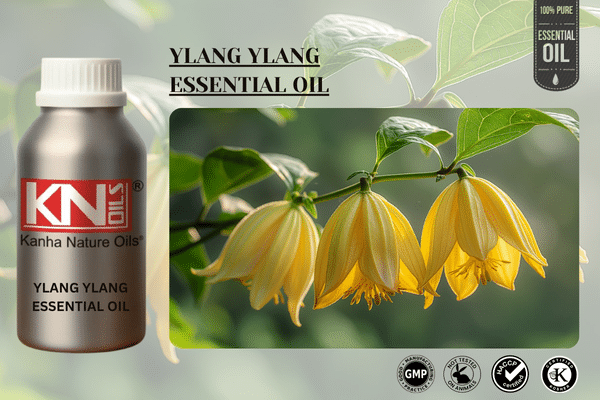
Ylang ylang has a rich floral scent that is associated with relaxation and mood enhancement.
-
Uplifting: May help soothe anxiety and reduce tension.
-
Usage Consideration: A little goes a long way—its scent is powerful.
Suggested Use
Diffusion in relaxing environments like bedtime routine or self-care sessions.
Essential Oils for Sleep Support
Sleep difficulties—whether trouble falling asleep, staying asleep, or waking up feeling refreshed—are common. Stress, overstimulation, and busy minds often underlie these sleep problems.
Here are essential oils most commonly associated with sleep:
1. Lavender
Lavender is widely considered one of the most sleep-supportive oils. Research suggests people who inhale lavender before bed may experience improved sleep quality and deeper sleep cycles.
Use in Sleep Routine
– Diffuse a blend 30 minutes before bedtime
– Add a few drops to a pillow mist
– Mix with carrier oil and apply to feet or shoulders
2. Roman Chamomile
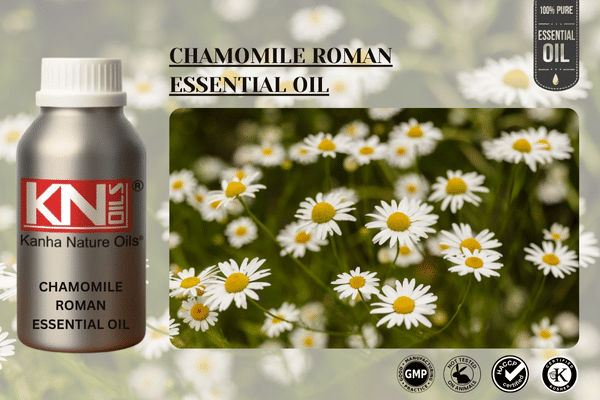
Roman chamomile has a gentle, slightly sweet aroma that complements relaxation and sleep.
-
Suitable For: People who find floral scents calming.
-
Sleep Benefits: May help create a quieter mind before sleep.
Use Tip
Diffuse or prepare a relaxing bedtime blend with lavender and chamomile.
3. Cedarwood
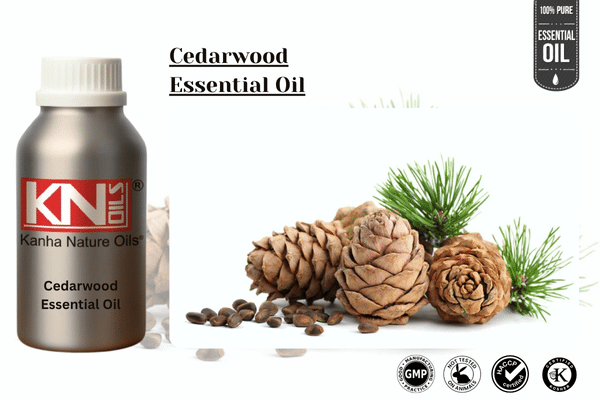
Cedarwood’s warm, woodsy scent can be grounding and conducive to restful sleep.
-
Recommended For: People who prefer earthy, balsamic aromas.
-
Blending: Works well with lavender and vetiver for sleep blends.
Use Tip
Diffuse for 15–30 minutes as part of your wind-down routine.
4. Vetiver
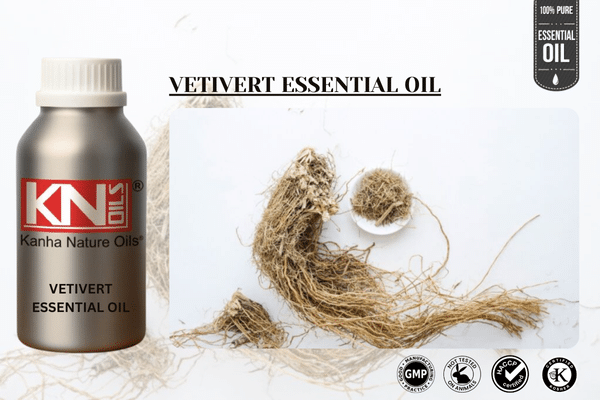
Vetiver is often described as rich, deep, and calming—especially helpful for those with an overactive mind at night.
-
Relaxation: Its aroma is strong and grounding.
-
Sleep Effect: May support a sense of calm that helps with sleep onset.
Blending for Better Mental Wellbeing
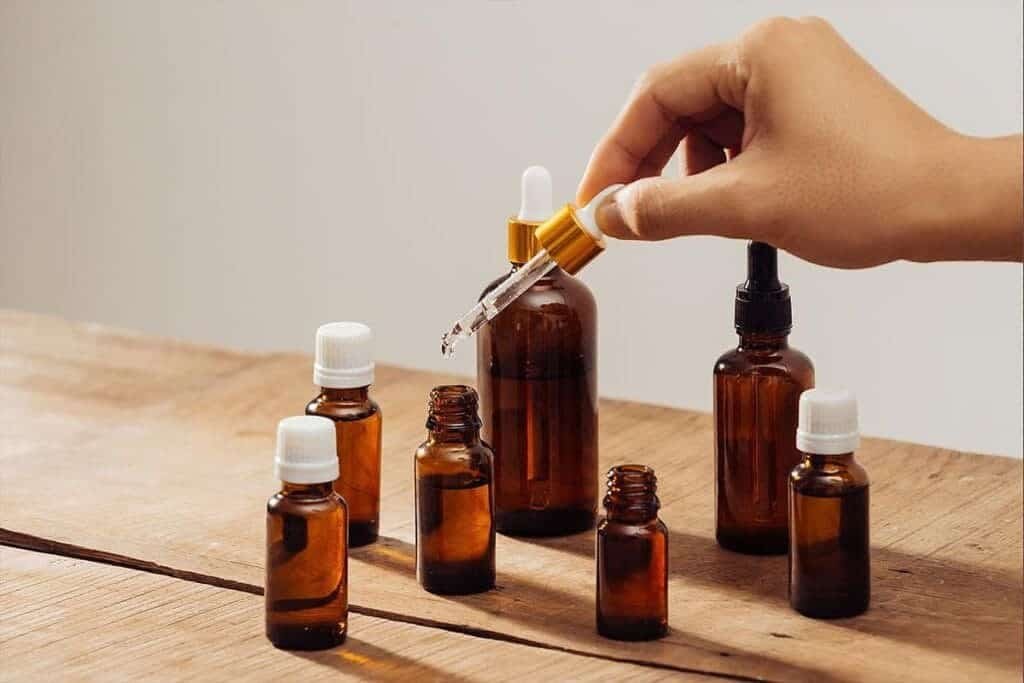
Blending essential oils can create synergistic effects (a combined aroma that feels more nuanced and effective). Some popular calming blends include:
Calming Blend for Stress Relief
-
3 drops lavender
-
2 drops bergamot
-
1 drop frankincense
Evening Wind-Down Blend
-
3 drops lavender
-
2 drops chamomile
-
1–2 drops cedarwood
How to Blend for Diffusers
Add the total drops to a diffuser filled with water according to manufacturer instructions.
How to Blend for Topical Use
Dilute essential oils with a carrier oil (e.g., sweet almond, jojoba, or coconut oil) at a typical rate of 2–3% (about 6–9 drops of essential oil per 30 ml carrier oil).
How to Use Essential Oils Safely
Essential oils are highly concentrated. Proper usage is essential to avoid skin irritation, allergic reactions, or other unintended effects.
General Safety Tips
-
Dilute before applying to skin. Never use essential oils neat (undiluted) on the skin unless under professional guidance.
-
Do a patch test. Apply a small diluted amount to a small area of skin and wait 24 hours to check for sensitivity.
-
Keep oils away from sensitive areas. Avoid eyes, inner ears, and mucous membranes.
-
Use caution with children, pets, and pregnancy. Some oils are not recommended for certain populations.
-
Store properly. Keep essential oils in dark glass bottles, away from heat and light.
Specific Considerations
-
Phototoxic Oils: Some citrus oils (e.g., bergamot, lemon) can cause sun sensitivity on skin—avoid light exposure after use.
-
Asthma and Respiratory Issues: Strong scents can trigger asthma symptoms in some individuals.
-
Medication Interactions: If you’re taking medications or have medical conditions, consult a healthcare professional before regular use.
Choosing Quality Essential Oils in the UK
The UK market is saturated with products, but quality varies widely. Here’s how to navigate the marketplace wisely:
1. Check Botanical Names
Good product descriptions include the Latin botanical name (e.g., Lavandula angustifolia). This helps verify authenticity.
2. Look for Offering Transparency
Reputable brands provide detailed information about:
-
Source of the plant
-
Extraction method
-
Country of origin
3. Avoid Vague Labels
Terms like “therapeutic grade” are marketing phrases—not regulated quality standards—so they shouldn’t be the sole factor in choosing a product.
4. Packaging Matters
Essential oils degrade with heat and light. Dark glass bottles (amber or cobalt blue) help preserve quality.
5. Price Isn’t Everything
Ultra-cheap oils may be diluted or adulterated. While expensive doesn’t always mean superior, extremely low prices often correlate with poor quality.
Integrating Essential Oils into Everyday Life
Essential oils can be part of a holistic approach to stress management and sleep support, but they work best alongside other healthy habits:
1. Combine with Evening Rituals
• Warm bath + essential oil
• Calming music + diffuser
• Journaling + gentle self-massage
2. Pair with Mindfulness
Aromatherapy can enhance mindful breathing and meditation practices.
3. Use Consistently
Routine use (e.g., before bed) helps condition the mind to associate certain scents with relaxation.
4. Monitor Effects
Keep a journal of which oils, blends, and routines feel most effective for you. Everyone’s responses can differ.
Conclusion
Essential oils offer a natural, accessible, and adaptable way to support stress relief, sleep, and mental wellbeing in everyday life. For many people in the UK, incorporating calming scents like lavender, bergamot, chamomile, or cedarwood into evening routines or relaxation practices can create a soothing atmosphere and contribute positively to mood and sleep quality.
At the same time, it’s vital to be informed, choose quality products, and use them safely. Essential oils work best as part of a broader approach to wellbeing—complementing good sleep hygiene, stress management practices, and professional guidance when needed.
Whether you’re new to aromatherapy or looking to deepen your routine, this guide aims to empower you as a UK consumer with clear insights, practical tips, and realistic expectations. When used thoughtfully, essential oils can be a gentle and uplifting support in your journey toward better sleep, reduced stress, and a calmer mind.
Pingback: hello world
Pingback: prinivil
Pingback: finasteride minoxidil
Pingback: levitra medication
Pingback: 30 mg prevacid over the counter
Pingback: cytotec pills for iud insertion
Pingback: fluconazole for dogs
Pingback: lasix medicine for cats
Pingback: sildenafil citrate alternative
Pingback: cenforce 200 ebay
Pingback: sildenafil 100mg prices
Pingback: orlistat 120 mg
Pingback: dutasteride epocrates
Pingback: finpecia side effects men
Pingback: augmentin usage overview