

Pure Natural Essential Oil, Manufacturer, Wholesaler & Supplier in India- Kanha Nature Oils

peppermint peppermint oil uses

What bugs does peppermint oil ? | Repel what bugs hate peppermint Oil ?

What bugs does peppermint oil ? | Repel what bugs hate peppermint Oil ? When it comes to natural pest control, one of the most talked-about remedies is peppermint essential oil. For centuries, people have used peppermint for its refreshing aroma, therapeutic properties, and versatility in cleaning. But in recent years, peppermint oil has gained a reputation as an effective and natural bug repellent. The sharp, cooling scent that humans often find pleasant is surprisingly irritating to many insects and pests. If you’ve ever wondered, “What bugs does peppermint oil repel?” or “Which bugs hate peppermint oil the most?”—this comprehensive guide is for you. Peppermint oil isn’t just known for its refreshing aroma; it’s also one of nature’s most effective and eco-friendly bug repellents. In this article, we’ll dive into the science behind peppermint oil as an insect deterrent, uncover the common pests it helps keep away, share practical tips for using it effectively, and outline important safety precautions. By the end of this blog post, you’ll have a clear understanding of how peppermint oil can be your go-to solution for a pest-free environment. In this blog post, Kanha Nature Oils will guide you through everything you need to know about using peppermint oil as a safe, natural, and powerful insect repellent. Why Do Bugs Hate Peppermint Oil? Peppermint oil contains two primary active compounds: menthol and menthone. These naturally occurring chemicals are responsible for peppermint’s signature cooling sensation and strong fragrance. While humans may find this scent invigorating, many insects and rodents dislike it because: Overwhelming Scent: Peppermint’s potent aroma masks the pheromone trails and food scents insects rely on for survival. Respiratory Irritant: The strong menthol content can irritate insects’ breathing systems. Neurological Disruption: Some studies suggest that peppermint oil disrupts certain bugs’ neurological functions, making it harder for them to navigate. Because of these factors, peppermint essential oil acts as a natural deterrent, making it harder for pests to settle in areas where it’s used. Bugs That Peppermint Oil Repels Let’s break down the pests that are most likely to avoid peppermint oil: 1. Ants Ants rely heavily on scent trails to communicate and find food. Peppermint oil disrupts these trails, confusing them and discouraging them from entering your home. A peppermint spray around windows, doors, and baseboards can significantly reduce ant invasions. 2. Spiders Although spiders aren’t technically insects, many people want to keep them away. Peppermint oil interferes with spiders’ ability to sense prey and navigate their environment. A diluted peppermint oil spray near corners, ceilings, and dark spaces works well to discourage them. 3. Mosquitoes Mosquitoes dislike peppermint oil due to its strong menthol scent, which masks human odors like sweat and carbon dioxide. While peppermint oil may not be as strong as DEET, it provides a natural alternative for short-term mosquito repelling. 4. Flies Houseflies and fruit flies are highly sensitive to peppermint’s aroma. Using peppermint oil in diffusers or as a surface spray helps keep kitchens and food-prep areas fly-free. 5. Ticks Ticks hate strong-smelling essential oils, including peppermint. Spraying diluted peppermint oil on shoes, clothing, or outdoor areas may reduce tick activity. 6. Fleas Peppermint oil can help deter fleas around pet bedding, carpets, and upholstery. However, caution is required when using it directly on pets, as essential oils can be toxic if misused. 7. Moths Clothes moths dislike peppermint. Adding cotton balls soaked in peppermint oil inside closets and storage boxes is a natural way to protect clothing from moth damage. 8. Cockroaches Peppermint oil disrupts cockroaches’ ability to detect food sources. Spraying peppermint near cracks, crevices, and under sinks helps discourage roaches from infesting your home. 9. Bed Bugs Bed bugs dislike the strong odor of peppermint. While peppermint oil alone won’t eliminate a bed bug infestation, it can serve as a temporary repellent until professional treatment is applied. 10. Gnats & Midges These tiny flying pests often swarm around moisture and food sources. Peppermint oil sprays help reduce their presence indoors and outdoors. How to Use Peppermint Oil Against Bugs Peppermint oil can be used in several effective ways to deter bugs naturally. Here are some methods: 1. Peppermint Oil Spray Mix 10–15 drops of peppermint essential oil with 1 cup of water and 1 teaspoon of witch hazel or vinegar. Pour into a spray bottle and shake well. Spray along entry points, baseboards, windowsills, and outdoor seating areas. 2. Peppermint Cotton Balls Add 4–6 drops of peppermint oil to cotton balls. Place them in cupboards, closets, drawers, and corners where pests are commonly seen. 3. Peppermint Diffuser Use an essential oil diffuser with peppermint oil to repel mosquitoes, flies, and moths indoors. Bonus: This also freshens the air and boosts energy levels. 4. Peppermint Oil Cleaning Solution Add a few drops of peppermint oil to your regular cleaning solution. Wipe down counters, sinks, and floors to repel bugs while keeping your home smelling fresh. 5. Peppermint Oil Garden Spray Mix peppermint oil with water and a few drops of dish soap. Spray directly on garden plants to deter aphids, ants, and beetles (but test on a small leaf first). Precautions When Using Peppermint Oil While peppermint oil is natural, it must be used correctly: Dilution is Key: Always dilute peppermint oil with water or carrier oil before spraying or applying. Pet Safety: Peppermint oil can be toxic to cats, dogs, and small pets if ingested or applied in high concentrations. Consult your veterinarian before using it near pets. Allergies & Skin Sensitivity: Test diluted peppermint oil on a small patch of skin before applying widely. Not a Complete Solution: Peppermint oil repels bugs but doesn’t kill large infestations. For severe cases, combine it with other pest control methods. Scientific Evidence Supporting Peppermint Oil as a Repellent Numerous studies back peppermint oil’s repellent properties: A 2011 study published in the Journal of Medical Entomology found that peppermint oil was effective in repelling mosquitoes for up to 150 minutes. Research in the Iranian Journal of Arthropod-Borne Diseases showed

What bugs does peppermint oil ? | Repel what bugs hate peppermint Oil ? Read More »

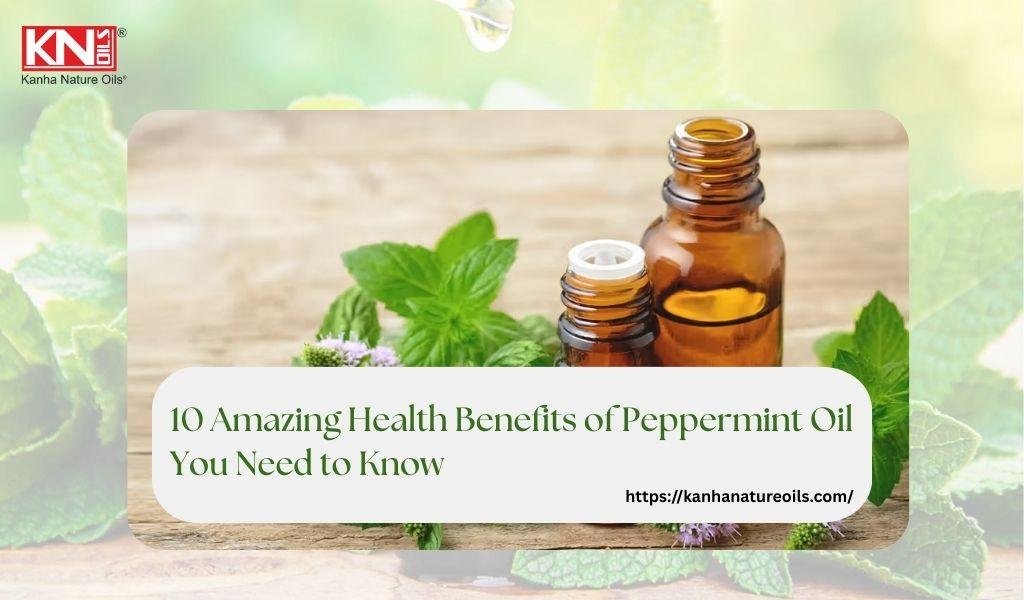
10 Amazing Health Benefits of Peppermint Oil You Need to Know

  10 Amazing Health Benefits of Peppermint Oil You Need to Know   For centuries, essential oils have been celebrated for their natural healing powers and holistic benefits. Among them, peppermint oil holds a special place for its versatility, refreshing aroma, and therapeutic properties. Extracted from the peppermint plant (Mentha × piperita), this essential oil is packed with menthol and menthone—two compounds responsible for its cooling sensation and remarkable medicinal qualities. Whether you are looking for relief from digestive discomfort, seeking natural pain management, or simply desiring a burst of mental clarity, peppermint oil can be a game-changer in your daily wellness routine. In this blog post, we will explore 10 amazing health benefits of peppermint oil you need to know, backed by science, tradition, and practical uses. 1. Relieves Digestive Issues and Supports Gut Health One of the most widely recognized benefits of peppermint oil is its ability to ease digestive discomfort. For centuries, peppermint tea and oil have been used as natural remedies for bloating, gas, indigestion, and stomach cramps. Scientific studies show that peppermint oil can relax the muscles of the gastrointestinal tract, making it effective in reducing symptoms of Irritable Bowel Syndrome (IBS). The menthol in peppermint oil helps soothe the stomach lining, reduces spasms, and supports overall digestive efficiency. How to use it: Add 1–2 drops of food-grade peppermint oil in warm water or tea. Use enteric-coated peppermint oil capsules for IBS relief. Gently massage diluted peppermint oil on the abdomen to reduce bloating and cramps. 2. Provides Natural Relief from Headaches and Migraines Peppermint oil is a natural pain reliever, especially for tension headaches and migraines. Its cooling effect comes from menthol, which promotes blood flow, relaxes muscles, and reduces pain sensations. In fact, clinical trials have found that applying peppermint oil to the temples and forehead significantly decreases headache intensity within minutes. Unlike synthetic painkillers, peppermint oil provides quick relief without side effects. How to use it: Dilute peppermint oil with carrier oil (like coconut oil) and apply it to temples and the back of the neck. Inhale peppermint oil through a diffuser for additional calming effects. 3. Boosts Energy and Enhances Mental Focus Feeling sluggish or mentally drained? Peppermint oil is a natural energy booster that stimulates the mind and enhances alertness. Its invigorating scent helps fight fatigue, improves concentration, and even boosts athletic performance. A study revealed that inhaling peppermint oil increased exercise performance and reduced perceived exertion in athletes. For students and professionals, its refreshing aroma can improve focus and memory retention. How to use it: Add a few drops of peppermint oil to a diffuser in your study or work area. Inhale directly from the bottle for an instant pick-me-up. Mix with water in a spray bottle and use as a natural room refresher. 4. Supports Respiratory Health Peppermint oil is a natural decongestant and expectorant, making it highly effective for respiratory issues like colds, sinusitis, asthma, and bronchitis. Its menthol component helps open airways, loosen mucus, and improve breathing. Additionally, peppermint oil possesses antimicrobial and antiviral properties that support immune defense during seasonal infections. How to use it: Add a few drops of peppermint oil to a bowl of hot water, cover your head with a towel, and inhale the steam. Use it in a diffuser during colds and flu season. Mix with carrier oil and apply on the chest for a vapor rub effect. 5. Relieves Muscle and Joint Pain Peppermint oil works as a natural analgesic and anti-inflammatory, making it a go-to remedy for sore muscles, joint stiffness, arthritis, and sports injuries. Its cooling sensation helps numb pain and reduce swelling, while improving circulation for faster recovery. Athletes often use peppermint oil as part of post-workout massages to relieve muscle tension and cramps. How to use it: Dilute peppermint oil with a carrier oil and massage onto sore areas. Add it to a warm bath for a soothing muscle soak. Combine with eucalyptus oil for an extra-strong pain-relieving blend. 6. Freshens Breath and Promotes Oral Health Peppermint oil is a natural breath freshener with strong antibacterial properties that help kill germs responsible for bad breath, cavities, and gum disease. Many toothpaste and mouthwash brands include peppermint oil for this very reason. Its refreshing flavor not only masks bad breath but also supports healthy gums and teeth. How to use it: Add 1 drop of food-grade peppermint oil to a glass of water for a natural mouth rinse. Mix with coconut oil for an effective oil-pulling routine. Look for natural toothpastes with peppermint essential oil. 7. Improves Skin and Hair Health Peppermint oil is packed with antimicrobial, anti-inflammatory, and cooling properties that make it excellent for skin and hair care. For skin, it soothes irritation, reduces redness, and provides relief from itching and rashes. It is also effective against acne-causing bacteria.For hair, peppermint oil stimulates the scalp, increases blood flow, and may promote hair growth while reducing dandruff and dryness. How to use it: Dilute peppermint oil with a carrier oil and apply to the scalp before shampooing. Add a drop to your shampoo or conditioner for a refreshing boost. Apply diluted peppermint oil to itchy or inflamed skin for instant relief. 8. Acts as a Natural Insect Repellent Peppermint oil is a safe and effective natural insect repellent. Its strong aroma repels mosquitoes, ants, spiders, fleas, and even rodents. Unlike chemical repellents, it is non-toxic and safe for both humans and pets when properly diluted. How to use it: Mix peppermint oil with water and spray around windows, doors, and outdoor spaces. Add to homemade candles or diffusers to keep bugs away. Apply diluted peppermint oil on the skin before going outdoors. 9. Supports Stress Relief and Emotional Balance Peppermint oil doesn’t just benefit the body—it also supports emotional well-being. Its refreshing scent helps reduce stress, anxiety, and mental fatigue while promoting relaxation and emotional balance. Aromatherapy with peppermint oil has been shown to improve mood, reduce nervous tension, and provide a sense of calm.

10 Amazing Health Benefits of Peppermint Oil You Need to Know Read More »

Peppermint Essential Oil for Beard

  Peppermint oils uses Pure Peppermint oil is great multipurpose essential oil that can be used to treat a variety of symptoms, including muscle aches and joint pain, inflammation, and even itching. Some people use it as part of their aromatherapy in an order to reduce coughing and congestion by soothing the respiratory tract. It is also used for improving mental function by stimulating the olfactory nerve.This oil is said to be beneficial for every part of the body.This oil is promoted for topical use (applied to the skin) for problems like headache, muscle aches, joint pain, low inflammation, and itching. In aromatherapy, peppermint oil is promoted for treating coughs and colds, reducing pain, improving mental function, and reducing stress.Peppermint essential oils are harvested from a number of species of Mental plants including: Mment . Does peppermint oil help grow beard? Introduction The quest for a fuller, thicker beard has led many individuals to explore various methods and remedies. Peppermint oil, with its distinct aroma and potential health benefits, has gained popularity as a potential solution. This article delves into the question of whether peppermint oil can truly help in promoting beard growth. Understanding Peppermint Oil Peppermint oil is derived from the leaves of the peppermint plant (Mentha piperita) and contains several compounds, including menthol, menthone, and limonene. These constituents possess antimicrobial, anti-inflammatory, and stimulating properties. When applied topically, peppermint oil is believed to increase blood circulation, potentially leading to improved hair growth. Potential Mechanisms One proposed mechanism of action is that peppermint oil stimulates the blood vessels beneath the skin, increasing nutrient and oxygen supply to the hair follicles. This enhanced blood flow may promote follicular activity and contribute to beard growth. Additionally, the cooling sensation produced by menthol in peppermint oil may stimulate the hair follicles and encourage hair growth. However, it’s important to note that scientific research on the specific effects of peppermint oil on beard growth is limited. Scientific Studies While there is a lack of direct research on peppermint oil’s impact on beard growth, some studies have explored its effects on hair growth in general. A 2014 study on mice suggested that peppermint oil promoted hair growth, but human studies are needed to confirm these findings. Usage and Application Peppermint oil can be applied topically to the beard area, either directly or as an ingredient in beard oils or balms. It is recommended to dilute the oil with a carrier oil, such as jojoba or coconut oil, to prevent skin irritation. Patch testing is crucial to ensure individual tolerance and to avoid adverse reactions. Conclusion While anecdotal evidence and some studies suggest that peppermint oil may have positive effects on hair growth, specifically in mice, there is a lack of conclusive scientific evidence regarding its effectiveness in promoting beard growth in humans. Further research is necessary to validate its potential benefits and establish recommended usage guidelines. Consulting a healthcare professional is advisable before incorporating peppermint oil into any beard growth regimen.

Peppermint oils uses | peppermint oil for beard Read More »

Scroll to Top