
Kanha Nature Oils

Essential oils for respiratory health

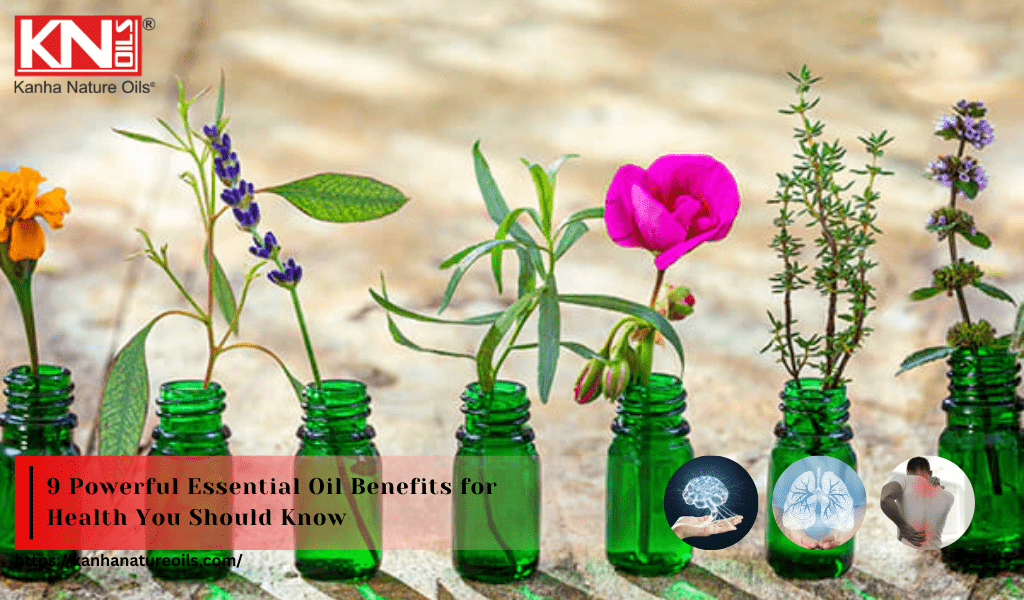
9 Powerful Essential Oil Benefits for Health You Should Know   Essential oils have been used for centuries in traditional medicine, wellness rituals, and natural healing practices. Extracted from flowers, leaves, bark, seeds, and roots of plants, these highly concentrated oils capture the plant’s natural aroma and beneficial compounds. Today, essential oils are widely used in aromatherapy, skincare, massage therapy, and natural health remedies. People across the world are turning to essential oils as a natural alternative to support physical and emotional well-being. From relieving stress to improving sleep and supporting skin health, essential oils offer many therapeutic benefits when used correctly. In this blog post, Kanha Nature Oils will explore the health benefits of 9 powerful essential oils, explain how they work, and highlight some of the most popular oils used for wellness. What Are Essential Oils? Essential oils are natural plant extracts obtained through processes such as steam distillation or cold pressing. These oils contain the plant’s aromatic compounds and active ingredients that contribute to their therapeutic properties. Each essential oil has a unique chemical composition that gives it specific benefits. For example: Lavender oil is known for its calming and relaxing properties. Peppermint oil is often used to relieve headaches and improve focus. Tea tree oil is widely used for its antibacterial and antifungal benefits. Essential oils can be used in several ways, including: Aromatherapy diffusers Topical application with carrier oils Massage therapy Bath and skincare products When used properly, essential oils can help support overall health and wellness. 1. Helps Reduce Stress and Anxiety One of the most well-known benefits of essential oils is their ability to reduce stress and anxiety. Aromatherapy works by stimulating the olfactory system, which is connected to the brain’s emotional center. When you inhale essential oil molecules, they travel to the limbic system, which influences emotions, mood, and memory. Certain oils have calming effects that help relax the mind and body. Best Essential Oils for Stress Relief Lavender oil Chamomile oil Bergamot oil Ylang-ylang oil These oils can be diffused in the room, added to bathwater, or used during massage therapy to promote relaxation and emotional balance. Regular use of calming essential oils may help reduce tension, improve mood, and create a peaceful environment. 2. Improves Sleep Quality Many people struggle with sleep problems such as insomnia or restless sleep. Essential oils can support better sleep by calming the nervous system and promoting relaxation before bedtime. Aromatherapy with sleep-supporting oils can help the body transition into a restful state, making it easier to fall asleep and stay asleep. Best Essential Oils for Sleep Lavender oil Cedarwood oil Sandalwood oil Vetiver oil To use essential oils for sleep: Diffuse them in your bedroom 30 minutes before bedtime Add a few drops to your pillow Use them in a relaxing evening massage Better sleep is essential for overall health, and essential oils offer a natural way to improve sleep quality. 3. Supports Respiratory Health Essential oils are often used to support respiratory health and relieve symptoms of congestion, cough, and seasonal allergies. Certain oils have decongestant, anti-inflammatory, and antimicrobial properties that help open airways and support easier breathing. Best Essential Oils for Respiratory Support Eucalyptus oil Peppermint oil Tea tree oil Rosemary oil Inhaling steam with a few drops of these oils can help clear nasal passages and reduce respiratory discomfort. Many natural chest balms and vapor rubs also include essential oils because of their soothing effects on the respiratory system. 4. Boosts Mood and Mental Clarity Essential oils can have a powerful effect on mood and cognitive function. Some oils stimulate the brain and improve focus, concentration, and mental clarity. This makes essential oils useful for people who experience fatigue, brain fog, or lack of motivation. Best Essential Oils for Energy and Focus Lemon oil Peppermint oil Rosemary oil Grapefruit oil These oils are often used in diffusers during work or study sessions. Their refreshing aromas can help boost alertness and increase productivity. Incorporating energizing oils into your daily routine may help support better mental performance. 5. Supports Skin Health Essential oils are commonly used in natural skincare products because of their antibacterial, anti-inflammatory, and antioxidant properties. They can help improve skin appearance, reduce acne, and support healthy skin regeneration. Best Essential Oils for Skin Tea tree oil for acne Lavender oil for soothing irritated skin Rose oil for hydration and anti-aging Frankincense oil for skin rejuvenation When using essential oils on the skin, they should always be diluted with a carrier oil such as: Coconut oil Jojoba oil Sweet almond oil Proper dilution ensures safe application and prevents skin irritation. 6. Relieves Pain and Muscle Tension Essential oils are widely used in massage therapy to relieve muscle pain, joint discomfort, and tension. Certain oils contain natural anti-inflammatory and analgesic compounds that help relax muscles and improve blood circulation. Best Essential Oils for Pain Relief Peppermint oil Eucalyptus oil Ginger oil Black pepper oil These oils are often blended with carrier oils and applied during massage to relieve soreness and stiffness. Athletes and massage therapists frequently use essential oils to support muscle recovery and physical relaxation. 7. Supports Immune System Health   Some essential oils contain antimicrobial and antiviral compounds that may help support the immune system. While essential oils should not replace medical treatment, they can help create a cleaner environment and support natural defenses. Best Essential Oils for Immune Support Tea tree oil Lemon oil Oregano oil Thyme oil Diffusing antimicrobial essential oils in the home may help reduce airborne bacteria and create a fresher indoor environment. These oils are also commonly used in natural cleaning products for their disinfecting properties. 8. Helps Improve Digestion Essential oils may support digestive health by stimulating digestive enzymes and reducing discomfort such as bloating or nausea. Certain oils are traditionally used in herbal medicine to support healthy digestion. Best Essential Oils for Digestion Peppermint oil Ginger oil Fennel oil Cardamom oil Peppermint oil, for example, is often used to soothe digestive upset
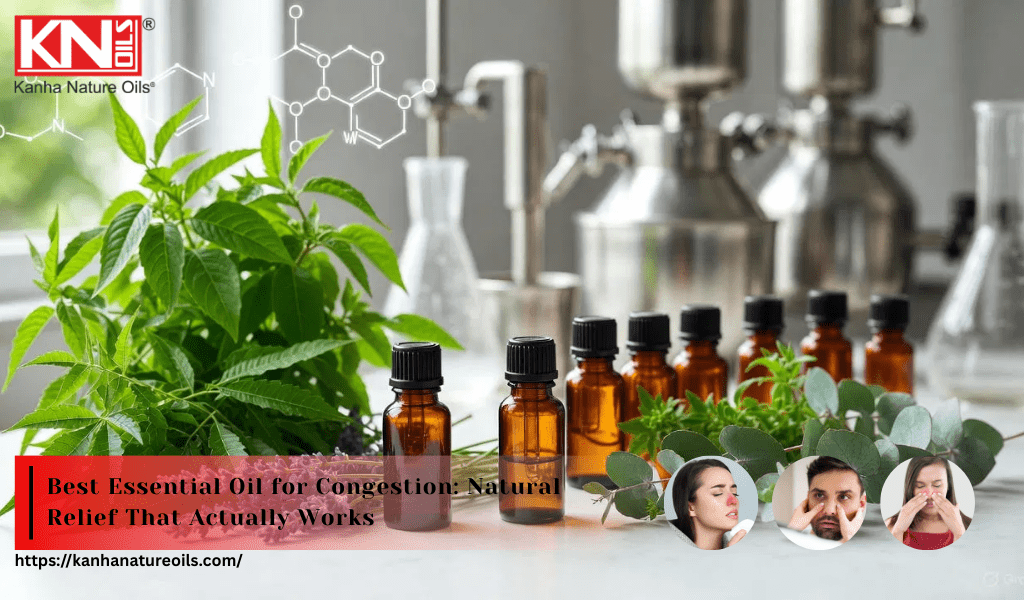
Best Essential Oil for Congestion: Natural Relief That Actually Works   Congestion can happen at the worst possible times—during a busy workday, on a long-awaited vacation, or just when you’re trying to relax at home. Whether it’s caused by a cold, allergies, sinus problems, or dry indoor air, congestion is uncomfortable and can make breathing difficult. Many people take over-the-counter medications, but these can have side effects, some of which can make you feel drowsy or foggy. That’s why natural remedies—especially essential oils—have become so popular for reducing congestion and easing breathing. Throughout this blog post, Kanha Nature Oils will share the best essential oils for congestion relief, how they work, tips for safe use, and how to incorporate them into your daily wellness routine. What Is Congestion and Why Does It Happen? Before diving into essential oils, it’s helpful to understand what congestion is and why it occurs. Congestion refers to the blockage or buildup of mucus in the nasal passages, sinuses, or chest. Common causes include: Viral infections, such as the common cold or flu Allergies, triggered by pollen, dust, or pet dander Sinusitis, inflammation of the sinus cavities Environmental irritants, such as smoke or pollution Dry air, especially during winter months When the tissues lining the nose and sinuses become inflamed, they produce excess mucus, leading to that familiar “stuffy” sensation. Congestion is not only uncomfortable — it can also disrupt sleep, impair focus, and make everyday activities feel harder. How Essential Oils Can Help Essential oils are concentrated plant extracts that capture the aromatic and therapeutic qualities of botanicals. Many have been used for centuries in traditional healing systems due to their anti-inflammatory, antimicrobial, and expectorant properties. For congestion relief, certain essential oils can help by: Loosening mucus and aiding drainage Reducing inflammation in nasal tissues Clearing airways and supporting easier breathing Providing a sense of cooling or soothing comfort While essential oils aren’t a cure-all — especially for serious infections — they can provide meaningful support as part of a natural care routine. Top Essential Oils for Congestion Relief Below are the most effective essential oils for congestion, based on their properties and traditional uses. These oils have been widely recommended by aromatherapists and supported by user experience. 1. Eucalyptus Oil Eucalyptus oil is arguably the most well-known essential oil for respiratory issues. It contains eucalyptol (1,8-cineole) — a compound with expectorant and anti-inflammatory properties. Benefits: Helps break up mucus Opens airways Supports clear breathing Has a cooling sensation Eucalyptus is ideal for sinus congestion and bronchial discomfort, and is often included in vapor rubs or inhalation blends. 2. Peppermint Oil Peppermint oil contains menthol, which provides a refreshing, cooling feeling that can soothe irritated nasal passages. It also promotes a sensation of easier airflow. Benefits: Relieves stuffiness Helps open nasal passages Reduces headache associated with sinus pressure Offers a refreshing aroma Peppermint can be especially comforting for congested sinuses and headaches caused by pressure. 3. Tea Tree Oil Tea tree oil is prized for its antimicrobial and anti-inflammatory properties. While it’s not as strongly expectorant as eucalyptus, it can help reduce sinus inflammation when used in a steam inhalation. Benefits: Helps combat microbial buildup Reduces inflammation Supports immune defense Clears nasal passages Tea tree is a great complement to other expectorant oils like eucalyptus or peppermint. 4. Lavender Oil Lavender oil is not specifically an expectorant, but it is deeply soothing and can support relaxation, which is valuable when congestion disrupts sleep. Benefits: Promotes relaxation and better sleep Reduces tension Soothes irritated nasal tissues Lavender pairs well with stronger oils to balance out sharper aromas and support restful breathing. 5. Rosemary Oil Rosemary essential oil contains compounds like cineole and camphor that can help support respiratory function. Benefits: Aids in clearing mucus Supports easier breathing Has an invigorating scent Rosemary is often included in blends aimed at sinus and chest congestion. Lemon and Other Citrus Oils Citrus oils like lemon, orange, and bergamot offer uplifting scents and can help support the immune system. While not strongly expectorant, they help clear the mind and reduce feelings of fatigue that come with congestion. Benefits: Uplifts mood Supports overall immune well-being Complements stronger decongestant oils Citrus oils are best used in combination with other essential oils. Safe Ways to Use Essential Oils for Congestion Essential oils are powerful and should be used safely to avoid irritation or adverse reactions. Below are common and effective methods: 1. Steam Inhalation This is one of the most direct ways to use essential oils for congestion relief. Steps: Boil water and pour into a bowl. Add 2–3 drops of essential oil (eucalyptus, peppermint, tea tree). Cover your head with a towel and inhale the steam for 5–10 minutes. The hot steam helps loosen mucus, while the essential oil vapors support clearer breathing. 2. Diffuser A diffuser disperses essential oil molecules into the air, allowing you to breathe them in throughout the day or night. Recommended Oils for Diffusion: Eucalyptus Peppermint Lavender Lemon Use a few drops in your diffuser, especially at night to support restful sleep. 3. Chest and Back Rub Mix a few drops of essential oil with a carrier oil (like coconut or jojoba) and apply to your chest or back. DIY Chest Rub Recipe: 2 Tbsp carrier oil 3 drops eucalyptus 2 drops peppermint 2 drops lavender Massage gently — the oils can help ease congestion and the calming effect promotes relaxation. 4. Warm Compress A warm compress on the face and sinuses can relieve pressure and discomfort. How to Use: Soak a washcloth in warm water. Add 1–2 drops of essential oil (eucalyptus or lavender). Apply to the forehead and cheeks for 5–10 minutes. This method is especially soothing for sinus pressure. 5. Aromatic Shower Treatment Add a few drops of essential oil to a washcloth or shower floor (away from direct water) while showering. The steam will carry the aroma and help open nasal passages. Choosing the Right Essential Oil Blend Not every oil works

Is Diffusing Essential Oils Safe for Your Lungs?

Is Diffusing Essential Oils Safe for Your Lungs? Essential oils have become a staple in many households thanks to their natural fragrance and potential therapeutic benefits. From lavender’s calming aroma to eucalyptus’ refreshing scent, diffusing essential oils has grown into a popular wellness practice. People use them to reduce stress, purify the air, boost focus, or simply create a pleasant atmosphere at home. But while essential oil diffusers add an appealing touch to modern living, an important question often goes overlooked: Is diffusing essential oils safe for your lungs? In this comprehensive article, we will explore the science behind essential oil inhalation, the potential benefits and risks, how these natural extracts affect the respiratory system, and the safest practices for use. In this blog post, Kanha Nature Oils will guide you through everything you need to know to ensure that your aromatherapy journey supports—not harms—your well-being. Understanding Essential Oils and Diffusion Essential oils are concentrated plant extracts obtained from leaves, flowers, roots, bark, or seeds. They are made through methods such as steam distillation or cold pressing, which capture the aromatic compounds responsible for their therapeutic properties. Diffusing essential oils involves dispersing these volatile compounds into the air in the form of microscopic droplets or vapor. The most common types of diffusers include: Ultrasonic diffusers – Use water and ultrasonic vibrations to break down essential oils into a fine mist. Nebulizing diffusers – Use pressurized air to disperse pure essential oils without water. Evaporative diffusers – Use fans or heat to evaporate oils into the air. Reed diffusers – Allow oils to naturally evaporate through reeds without electricity. Once dispersed, you inhale the aroma molecules, which travel through your nose and lungs, eventually entering your bloodstream and interacting with the brain’s limbic system—the area that influences emotions, memory, and behavior. This process highlights why diffusing essential oils feels so calming or energizing. But because inhalation also involves the respiratory system, safety becomes a key concern. How Essential Oils Affect the Respiratory System When inhaled, essential oil molecules first pass through the nose, where olfactory receptors identify their scent. Some molecules then travel down the trachea into the lungs, where they make contact with delicate lung tissue. From here, they can be absorbed into the bloodstream or interact locally with the respiratory tract. Certain essential oils are beneficial for respiratory health. For instance: Eucalyptus oil: Known for its expectorant qualities, it helps open airways and ease breathing. Peppermint oil: Contains menthol, which creates a cooling sensation and may reduce feelings of congestion. Tea tree oil: Exhibits antimicrobial properties that may help purify the air. However, because essential oils are potent, concentrated compounds, they can also irritate sensitive lung tissue if used improperly. For individuals with asthma, allergies, or chronic lung conditions, inhaling essential oils may sometimes trigger respiratory discomfort rather than relief. Potential Benefits of Diffusing Essential Oils When used mindfully, essential oils can support respiratory and overall well-being in several ways: 1. Airway Support Essential oils such as eucalyptus and peppermint can ease breathing by reducing nasal congestion and promoting airflow. 2. Stress and Anxiety Reduction Lavender, chamomile, and bergamot are well-documented for their calming effects, which can indirectly support lung health by lowering stress-related breathing difficulties. 3. Antimicrobial Properties Oils like tea tree, lemon, and clove have antimicrobial qualities, potentially helping reduce airborne pathogens. 4. Improved Sleep Diffusing calming oils at night may improve sleep quality, giving the respiratory system time to rest and recover. These benefits explain why essential oils remain a popular holistic option for natural wellness. But they come with caveats. Research on Essential Oils and Lung Health Scientific studies provide mixed insights into the respiratory safety of essential oils. Supportive Studies: Some research suggests essential oils like eucalyptus and peppermint can improve airflow and reduce respiratory discomfort in mild cases of congestion. Lavender oil inhalation has been linked to improved relaxation and reduced stress-induced asthma triggers. Cautionary Studies: Other studies caution against prolonged or high-concentration inhalation, noting possible risks of bronchospasm, especially in individuals with preexisting respiratory issues. A 2017 review indicated that volatile organic compounds (VOCs) from essential oils may contribute to indoor air pollution when overused. This highlights the importance of moderation and individual sensitivity. Safe Practices for Diffusing Essential Oils If you enjoy diffusing essential oils, following safety guidelines can help protect your lungs while still allowing you to enjoy the benefits: 1. Use High-Quality Oils Always purchase essential oils from reputable companies that provide purity testing (GC/MS reports). Avoid oils with synthetic additives. 2. Dilute Properly Use only a few drops of essential oil in your diffuser. Most experts recommend 3–5 drops per 100 ml of water for ultrasonic diffusers. 3. Limit Diffusion Time Do not diffuse continuously. A safe guideline is 15–30 minutes at a time, followed by a break. 4. Ensure Ventilation Always diffuse in well-ventilated spaces to avoid buildup of concentrated vapors. 5. Monitor Individual Reactions If you or anyone in your household experiences coughing, wheezing, or shortness of breath, stop diffusion immediately. 6. Avoid Certain Oils For sensitive lungs, avoid strong oils like cinnamon, clove, oregano, thyme, and wintergreen. Instead, opt for gentler oils like lavender or chamomile. 7. Special Caution with Children and Pets Research child-safe oils before diffusing in homes with infants or young children. Likewise, consult a veterinarian before using essential oils around pets. Alternatives to Diffusing Essential Oils If you are concerned about the effects of essential oils on your lungs but still want to enjoy their benefits, consider alternatives such as: Topical Application (diluted with carrier oils and applied to the skin) Inhaler Sticks (personal inhalers reduce overall room exposure) Roll-on blends for stress relief or relaxation Natural room sprays using diluted essential oils These methods offer a more controlled exposure compared to diffusing large amounts into the air. Final Thoughts: Is It Safe for Your Lungs? The answer depends on your individual health and how you use essential oils. For most healthy adults, diffusing essential oils occasionally and in moderation

Scroll to Top