Keep your Home Fresh : Essential oils for Monsoon Odor Control The monsoon season💧 ushers in a welcome shift in the weather, but it can also present difficulties like higher humidity and wetness, which can result in offensive scents in our houses.🏠 Incorporating essential oils into your routine can be a highly efficient way to get rid of unwanted aromas and keep your home smelling fresh and inviting. In addition to offering natural scents, Essential oils also have antibacterial qualities that can help get rid of bad odors. We’ll look at some essential oils in this article that are particularly useful for reducing odors during the monsoon season. In this detailed guide, Kanha Nature Oils will tell you what causes monsoon odors, what are the best essential oils to combat them, what DIY blends you can make at home, and effective ways to use these oils to keep your home smelling clean, fresh, and cozy during the rainy season. How Do Essential Oils Get Rid of Odors? You already know that essential oils can mask unpleasant aromas and leave a place feeling fresh, but can they also remove unpleasant odors completely? As a result of their antibacterial qualities, some essential oils can eradicate odors right where they originate. Microbes can be eliminated by antiseptics or their proliferation can be stopped . The main culprits behind scents in and around your home are bacteria, yeasts, and molds, which can survive on any surface. As they break down food or consume bodily sweat, these microorganisms emit unpleasant scents that can spread throughout a house. Antiseptics can prevent such unpleasant odors since they stop the growth of bacteria, while essential oils leave behind delightful aromas that can either soothe or energize you. The essential oils listed below are the finest I’ve discovered for getting rid of odors. Look After Your Home with Essential Oils this Monsoon Season 1. Lemon Essential Oil Lemon essential oil is a well-liked option because of its zesty, fresh aroma that instantly improves the mood in a space. Due to its potent antibacterial qualities, it is a fantastic option for preventing mold and mildew, which can cause unpleasant aromas during the 🌧️monsoon. Lemon oil also has a deodorizing action that helps get rid of stale odors. Freshening your 🏠home and keeping it free of musty aromas can be accomplished by diffusing lemon oil🍋 or making a natural cleaning solution using water and a few drops of lemon oil. 2. Tea Tree Essential Oil Strong antibacterial and antifungal qualities make tea tree essential oil well known. It is the perfect solution for addressing scents brought on by moisture because it can efficiently fight germs and mold. 🌿Tea tree oil helps to purify the air in addition to removing offensive odors. For a natural odor remover, add a few drops of tea tree oil to a diffuser or combine it with water in a spray bottle. To keep a fresh atmosphere, use it on surfaces that are susceptible to moisture, like those in bathrooms and kitchens. 3. Eucalyptus Essential Oil The energizing and revitalizing scent of eucalyptus essential oil helps against stuffiness and musty odors. It contains antimicrobial qualities that can eliminate odors brought on by the growth of microorganisms. The air in your living spaces can be cleaned and given a fresh feel by diffusing eucalyptus oil.🍀 In order to refresh curtains, furniture, or linens, you can also add a few drops to a fabric spray and spritz the mixture on the items. 4. Lavender Essential Oil In addition to having a lovely floral aroma, lavender essential oil is naturally antimicrobial. It can aid in odor removal and provide calm in your house. Because of its calming effects, lavender oil is especially helpful in bedrooms because it can improve sleep quality and create a relaxing atmosphere. If you want to create a relaxing and pleasant ambiance in your bedroom or living space, diffuse lavender oil. In order to deodorize carpets, you may also combine a few drops with baking soda and sprinkle it on top of the carpets before vacuuming. 5. Peppermint Essential Oil The smoothing and revitalizing perfume of peppermint essential oil 🍃can help mask unpleasant odors and give your home a clean scent. It works well against musty odors brought on by bacteria thanks to its antimicrobial characteristics. To keep a fresh and energizing atmosphere, diffuse peppermint oil in busy areas, or mix it with water and use it as a room spray. For a natural cleaning solution for surfaces and counters that also leaves behind an energizing smell, combine a few drops with water and vinegar. 6. Sugandh Kokila Essential oil Sugandh Kokila oil has a distinct, energizing scent with implications of spice and honey. During the monsoon season, its lovely aroma can help cover up bad odors and create a fresh atmosphere in your home. You can add a few drops of Sugandh Kokila essential oil🌿 to a diffuser or combine it with water to make a room spray to control monsoon odor. This will assist spread the scent and spruce up your living area. As an alternative, you can dilute the oil with a carrier oil and use it as a natural perfume or in massage mixtures for a calming and pleasant experience. 7. Star Anise Essential Oil An excellent all-natural remedy for removing foul odors that frequently appear during the monsoon season is star anise oil.🍀 Star anise oil ⭐provides a reviving and invigorating scent that can help get rid of musty or damp smells connected to the rainy season with its rich, warm, and licorice-like flavor. Star anise oil ⭐and water💧 can be combined to make a DIY room spray. Before using, give it a good shake and spritz it all over your living spaces, bedrooms, or other locations that could need some extra freshening. The scent of star anise will help cover up bad odors and leave a revitalizing aroma. ESSENTIAL OILS
essential oil
Boost Your Natural Cleaning Routine With Essential Oils If you’ve been searching for a cleaner, healthier, and more uplifting way to care for your home, you’re not alone. More people today want natural cleaning solutions that keep their families safe, smell amazing, and don’t rely on harsh chemicals. One of the easiest and most effective ways to level-up your cleaning habits is to Boost Your Natural Cleaning Routine With Essential Oils. These plant-based oils aren’t just pleasant to smell — they’re packed with real cleaning strength, antibacterial power, and countless benefits that can transform everyday chores into something refreshing. Before I began using essential oils, I struggled with chemical fragrances that irritated my skin and left my home smelling artificial. But once I made the switch, everything changed. The natural scents lifted my mood, cleaning became easier, and I felt more confident knowing I was using safe ingredients. With years of experience using essential oils in nearly every corner of my home, I’m excited to share a complete guide based on firsthand knowledge. Let’s dive into how you can Boost Your Natural Cleaning Routine With Essential Oils and create a healthier environment without the stress. Understanding Boost Your Natural Cleaning Routine With Essential Oils To fully understand why so many people choose essential oils for cleaning, it’s important to know what makes them special. Essential oils are concentrated extracts from plants, leaves, fruits, seeds, and flowers. You only need a few drops to create a powerful cleaning mixture that can wipe away dirt, kill germs, and leave your home fragrance-rich without artificial chemicals. When you Boost Your Natural Cleaning Routine With Essential Oils, you’re replacing synthetic cleaners with plant-derived ingredients that have been used for centuries. Many ancient civilizations used oils like eucalyptus, pine, and lemon not only for rituals but for natural purification and disinfecting. Today, the science supports what they already knew: essential oils contain compounds like limonene, linalool, and terpenes that actively break down grime and bacteria. Essential oils don’t just clean — they energize your senses, boost your mood, and help you feel refreshed while you work. With the right combinations and correct dilution, they can elevate your entire cleaning system and make your home feel like a calming sanctuary. Benefits of Enhancing Your Cleaning Routine Naturally Switching to natural cleaning isn’t just about eliminating chemicals. The benefits stretch into every part of your life — from physical health to emotional well-being. Eco-Friendly Advantages for Your Home When you Boost Your Natural Cleaning Routine With Essential Oils, you also reduce your environmental impact. Traditional cleaning products often come in plastic bottles, contain harmful substances, and pollute waterways. Essential oils allow you to create reusable, refillable cleaners that protect your home and the planet. Even better, natural cleaners break down safely and don’t contribute to plastic waste or chemical runoff. It feels good knowing your cleaning choices help keep the Earth safe for future generations. Health and Wellness Gains from Natural Products Chemical cleaning sprays can irritate the skin, lungs, and eyes — especially for kids and pets. Essential oils, when properly diluted, offer a gentler alternative that reduces exposure to toxins. Peppermint boosts energy, lavender calms stress, and citrus oils brighten your mood. Cleaning doesn’t have to feel like a chore; it can actually make you feel better physically and emotionally. 👉Top Essential Oils for a Boosted Natural Cleaning Routine With hundreds of essential oils available, it helps to know which ones are most effective for cleaning. Here are the best oils and how they work. 1. Lemon Essential Oil: Lemon is a popular essential oil for cleaning due to its fresh scent and powerful antimicrobial properties. It can help cut through grease and grime, making it a great choice for cleaning kitchen surfaces and appliances. 2. Tea Tree Essential Oil: Tea tree oil is another excellent choice for cleaning, thanks to its strong antimicrobial properties. It can be used to clean bathrooms and other areas that are prone to bacteria and germs, and it can also help remove unpleasant odors. 3. Lavender Essential Oil: Lavender is a calming essential oil that is known for its relaxing properties. It can be used in natural cleaning solutions for floors and other surfaces, as well as in laundry to add a fresh scent to clothing and linens. 4. Eucalyptus Essential Oil: Eucalyptus has a fresh, invigorating scent and is known for its antimicrobial properties. It can be used in natural cleaning solutions for bathrooms and kitchens, as well as in laundry to remove stains and odors. 5. Peppermint Essential Oil: Peppermint oil has a refreshing scent and can help repel insects and pests. It can be added to homemade cleaning solutions for kitchens and bathrooms. 6. Grapefruit Essential Oil: Grapefruit oil has a citrusy scent and can help remove stains and grime. It can be added to natural cleaning solutions for floors and surfaces, as well as in laundry to remove odors. 7. Rosemary Essential Oil: Rosemary has a fresh, herbal scent and is known for its antibacterial properties. It can be added to natural cleaning solutions for bathrooms and kitchens, as well as in laundry to remove stains and freshen up clothes. 8. Thyme Essential Oil: Thyme is a powerful antimicrobial essential oil that can help kill germs and bacteria. It can be added to natural cleaning solutions for surfaces and floors, as well as in laundry to remove stains and odors. 9. Orange Essential Oil: Similarly to other Citrus Oils, Orange has a zesty scent and can disinfect kitchen items such as cutting boards, appliances, pots, and pans. It can also be used in an All-Purpose Spray to enhance the cleansing properties and add a juicy, sweet scent. 👇 Here are some easy recipes for using essential oils in your natural cleaning routine: All-Purpose Cleaner In a spray bottle, mix 1 cup of water, 1 cup of white vinegar, and
Tea Tree Oil for Face Scars: Natural Healing You Can Trust When it comes to skincare, especially healing facial scars, many people prefer natural remedies over chemical-based products. Among nature’s finest gifts, Tea Tree Oil stands out as a trusted essential oil with powerful healing properties. Derived from the leaves of the Melaleuca alternifolia tree native to Australia, tea tree oil has earned a stellar reputation for its antibacterial, anti-inflammatory, and skin-regenerating benefits. In this detailed guide, Kanha Nature Oils will explain how tea tree oil can naturally reduce facial blemishes, the science behind its effectiveness, how to use it safely, and why it should be a permanent addition to your skincare routine. What Is Tea Tree Oil? Tea Tree Oil, also known as melaleuca oil, is extracted from the leaves of the Melaleuca alternifolia plant through steam distillation. It has been used for centuries by Aboriginal Australians as a natural medicine for wounds, infections, and skin issues. This essential oil is packed with therapeutic compounds, the most notable being terpinen-4-ol, which gives tea tree oil its strong antimicrobial and healing powers. Thanks to its chemical composition, tea tree oil can help reduce inflammation, prevent infection, and promote skin regeneration—making it an excellent choice for treating face scars naturally. How Do Face Scars Form? Before diving into how tea tree oil helps, it’s essential to understand the nature of face scars. Scars are the result of the skin’s healing process after injury or inflammation. They form when the dermis (the deep layer of skin) is damaged, prompting the body to produce collagen fibers to repair the area. Depending on the depth and severity of the injury, scars can be: Atrophic scars: Depressed scars, often caused by acne, where tissue loss leads to indentations. Hypertrophic scars: Raised scars that stay within the boundaries of the original wound. Keloid scars: Raised scars that extend beyond the original injury. Post-inflammatory hyperpigmentation (PIH): Dark spots left behind after acne or injury, not technically scars but often treated similarly. How Tea Tree Oil Helps Heal Face Scars Naturally Tea tree oil doesn’t just cover up scars—it works deep within the skin to restore, regenerate, and protect. Let’s break down how this natural oil supports your skin’s healing process: a. Antimicrobial Properties Tea tree oil is a natural antibacterial and antifungal agent. By preventing infection in open wounds or acne-prone skin, it helps reduce inflammation and prevents new scars from forming. A study published in the Clinical Microbiology Reviews found that tea tree oil effectively kills Propionibacterium acnes, the bacteria responsible for acne breakouts. Fewer breakouts mean fewer chances of developing scars. b. Anti-Inflammatory Effects Inflammation is a major factor in scar formation. The terpinen-4-ol compound in tea tree oil helps reduce redness, swelling, and irritation. This not only calms active acne but also supports the healing of damaged skin tissue. c. Promotes Skin Regeneration Tea tree oil encourages the natural regeneration of skin cells. When used consistently, it helps fade dark spots and smooth out uneven skin texture caused by scars. d. Reduces Oil and Prevents Breakouts Tea tree oil helps balance sebum production without stripping the skin of its natural moisture. By keeping pores clear and clean, it prevents new acne from forming, giving scars time to heal. e. Lightens Pigmentation Regular use of diluted tea tree oil can gradually lighten post-acne marks and hyperpigmentation by improving circulation and stimulating the renewal of healthy skin cells. How to Use Tea Tree Oil for Face Scars Using tea tree oil correctly is key to reaping its benefits without irritating your skin. Here are safe and effective methods: 1. Dilute Before Use Pure tea tree oil is potent and can cause irritation if applied directly. Always dilute it with a carrier oil like jojoba, coconut, or almond oil. A common ratio is 1–2 drops of tea tree oil per teaspoon of carrier oil. 2. Spot Treatment Apply the diluted oil directly to scars using a cotton swab. This method is ideal for targeting specific areas without affecting the surrounding skin. 3. Add to Skincare Products Mix a few drops into your moisturizer, serum, or face mask. This allows for broader application and consistent use. 4. Use Tea Tree-Infused Products Many over-the-counter products contain tea tree oil in safe concentrations. Look for face washes, toners, and gels formulated for acne-prone or scarred skin. 5. Patch Test First Before applying tea tree oil to your face, do a patch test on your inner arm. Wait 24 hours to check for any adverse reactions. What Does the Research Say? Scientific studies support tea tree oil’s effectiveness in treating acne, which indirectly helps prevent scarring. A 2007 study found that a 5% tea tree oil gel was as effective as benzoyl peroxide in reducing acne lesions, with fewer side effects. However, research specifically on scar treatment is limited. While anecdotal evidence and small studies suggest benefits for hypertrophic scars, more robust clinical trials are needed to confirm its efficacy for deeper atrophic scars. Still, dermatologists often recommend tea tree oil as part of a holistic skincare approach, especially for managing active acne and preventing future scarring. Complementary Remedies for Scar Healing Tea tree oil works best when combined with other skin-friendly practices: Exfoliation: Use gentle exfoliants like lactic acid or enzymes to remove dead skin cells and promote renewal. Hydration: Keep your skin moisturized to support healing. Sun Protection: Use SPF daily to prevent scars from darkening. Healthy Diet: Eat antioxidant-rich foods to support skin repair. Choosing the Right Tea Tree Oil Not all tea tree oils are created equal. Look for: 100% pure essential oil Steam-distilled Therapeutic grade Stored in dark glass bottles to preserve potency Brands like The Body Shop, Thursday Plantation, and Kama Ayurveda offer high-quality options. How Long Does It Take to See Results? Patience is key. While some users notice improvements within a few weeks, deeper scars may take months to fade. Consistency, proper application, and complementary skincare practices
Essential Oil Plants: The Ultimate Guide To Top 10 Health Boosters Essential oils have long been cherished for their incredible health benefits, offering natural remedies for physical, emotional, and mental well-being. But where do these powerful oils come from? They are derived from essential oil plants—nature’s treasure trove of therapeutic compounds. In this blog post, Kanha Nature Oils will walk you through everything you need to know to enjoy the true power of these aromatic treasures, explore their countless health benefits, and highlight the top 10 plants renowned for their exceptional properties. Plus, we’ll highlight the important role essential oil producers and fragrance oil manufacturers play in getting these natural wonders from farm to bottle. What Are Essential Oil Plants? Essential oil plants are those that produce aromatic compounds stored in various parts such as flowers, leaves, bark, stems, or roots. These compounds are extracted using methods like steam distillation, cold pressing, or solvent extraction to create concentrated oils that capture the essence and therapeutic properties of the plant. Essential oils have been used for centuries in traditional medicine, aromatherapy, and beauty products. Today, essential oils manufacturers harness these natural extracts to create high-quality oils for diverse applications, ensuring purity and effectiveness. Health Benefits of Essential Oils Essential oils derived from plants offer a variety of health and wellness benefits, including: Stress Relief: Oils like lavender and chamomile have calming effects that reduce stress and anxiety. Improved Sleep: Certain oils help regulate sleep patterns by promoting relaxation. Enhanced Immunity: Oils such as tea tree and eucalyptus have antibacterial and antiviral properties. Skin Health: Essential oils can improve skin texture, reduce acne, and combat aging. Pain Relief: Peppermint and eucalyptus oils are effective for soothing muscle aches and headaches. Respiratory Support: Oils like eucalyptus and rosemary aid in clearing nasal congestion and improving breathing. Mood Enhancement: Citrus oils like lemon and orange uplift mood and boost energy levels. Fragrance oil manufacturers often blend essential oils with other natural or synthetic compounds to create pleasing aromas for perfumes, candles, and diffusers. While these blends may not offer the full therapeutic benefits of pure essential oils, they add a delightful sensory experience to daily life. 10 Best Essential Oil Plants for Health and Harmony Lavender Lavender oil is known for its calming and relaxing properties, lavender is ideal for stress relief and improving sleep quality. Peppermint Peppermint oil, This refreshing plant offers a cooling effect, alleviates headaches, and supports digestion, alleviates headaches, and supports digestion. Eucalyptus A powerful decongestant, eucalyptus oil promotes respiratory health and soothes inflammation. Tea Tree Tea tree oil is a natural antibacterial and antifungal agent, perfect for skin care and immune support. Lemon With its uplifting aroma, lemon oil detoxifies the body and boosts mood and focus. Rosemary Rosemary oil is known for enhancing memory and concentration, rosemary also supports healthy circulation. Chamomile Chamomile oil, This soothing plant reduces anxiety, promotes restful sleep, and alleviates skin irritation. Frankincense A spiritual and healing oil, frankincense oil reduces stress, enhances immunity, and improves skin tone. Ylang-Ylang Famous for its floral fragrance, Ylang Ylang oil balances emotions and promotes relaxation. Basil Basil essential oil is an excellent choice for mental clarity, respiratory health, and relieving fatigue. Conclusion Essential oil plants are a testament to nature’s ability to heal and rejuvenate. Whether used in pure form or as part of a blend created by fragrance oil manufacturers, these oils can enhance your physical, mental, and emotional well-being. Thanks to the expertise of essential oils manufacturers, these natural remedies are readily available, making it easier than ever to incorporate them into your daily routine. Explore the power of these top 10 essential oil plants and experience the harmony they bring to your life! FAQs What are essential oils? Essential oils are concentrated plant extracts with natural aromas and therapeutic benefits. How can I use essential oils? You can use them through aromatherapy, topical application (diluted), or inhalation. Are essential oils safe? Yes, when used properly. Always dilute and do a patch test before skin application. Can essential oils be ingested? Ingestion is not recommended unless advised by a healthcare professional. What is the difference between essential oils and fragrance oils? Essential oils are natural; fragrance oils are synthetic and mainly for scent. Top essential oils to buy Click Here:👉 Essential Oils. 👇 contact us: info@aromatherapyoil.in Mobile Number: 9810805866
Creating Unique Essential Oil Blends for Personalized Benefits Essential oils have been cherished for centuries as nature’s most potent gifts. Derived from flowers, leaves, roots, bark, and resins, they contain concentrated plant compounds with therapeutic properties that can uplift mood, calm stress, improve sleep, and even support physical wellness. But while single oils like lavender, peppermint, or tea tree hold unique benefits on their own, the true magic lies in the art of blending. When combined thoughtfully, essential oils create synergistic effects—where the whole blend becomes more powerful than the sum of its parts. In this blog post, Kanha Nature Oils will tell you all about the art and science of mixing essential oils, uncovering how to craft blends for personal benefit. You’ll discover blending principles, techniques, safety guidelines, and step-by-step recipes tailored for relaxation, focus, immunity, skincare, and more. By the end, you’ll feel confident in experimenting with your own creations—turning your essential oil collection into a personalized wellness toolkit. Why Blend Essential Oils? 1. Synergy of Aromatherapy Blending oils allows you to harness synergy, where different compounds amplify each other’s therapeutic properties. For example, lavender (calming) paired with bergamot (uplifting) creates a balanced blend that reduces stress while promoting positivity. 2. Personalized Benefits Every person has unique physical, emotional, and lifestyle needs. Blending lets you customize oils to your preferences—whether you want to feel energized in the morning, improve focus during work, or create a calming sleep ritual at night. 3. Aesthetic Appeal A well-balanced blend doesn’t just provide health benefits; it also creates a pleasing fragrance profile. Like fine perfumes, essential oil blends can have top, middle, and base notes that unfold beautifully over time. 4. Economical Use Blending allows you to stretch oils further. A small amount of a potent oil like rose can be mixed with more affordable oils like lavender or sweet orange to create a luxurious yet cost-effective blend. Understanding Essential Oils Before diving into blending, it’s essential to understand the basics of essential oils. Essential oils are concentrated plant extracts that contain the plant’s active compounds. They can be obtained through various methods, including steam distillation, cold pressing, and solvent extraction. Benefits of Blending Essential Oils Blending essential oils offers several benefits, including: – Enhanced therapeutic effects: Combining essential oils can amplify their individual benefits, creating a synergistic effect. – Customization: Blending allows for personalized creations tailored to specific needs and preferences. – Increased versatility: Blends can be used in various applications, such as aromatherapy, skincare, and natural remedies. Principles of Blending To create effective blends, consider the following principles: – Top, Middle, and Base Notes: Balance blends by combining top notes (light, uplifting), middle notes (balancing, calming), and base notes (deep, grounding). – Fragrance Families: Group oils by fragrance families (e.g., floral, citrus, woody) to create harmonious blends. – Therapeutic Properties: Combine oils with complementary therapeutic properties to enhance benefits. Creating Your Blend To create a unique blend, follow these steps: 1. Define the purpose: Determine the intended use and benefits of the blend (e.g., stress relief, energy boost). 2. Select oils: Choose essential oils that align with the blend’s purpose, considering their therapeutic properties and fragrance profiles. 3. Balance the blend: Combine oils using the principles of blending, adjusting proportions to achieve a harmonious scent and effective therapeutic properties. 4. Test and refine: Evaluate the blend’s effectiveness and adjust the recipe as needed. Popular Essential Oil Blends Explore these popular blends for inspiration: – Relaxation Blend: Lavender, Chamomile, and Bergamot for calming and stress relief. – Energy Boost Blend: Peppermint, Rosemary, and Lemon for invigoration and focus. – Immunity Blend: Eucalyptus, Tea Tree, and Lemon for immune system support. Safety Precautions While essential oils are natural, they are potent and must be handled with care: Always dilute before skin use. Perform a patch test before applying new blends. Avoid sensitive areas (eyes, mucous membranes). Some oils (like citrus) are phototoxic—avoid sun exposure after use. Pregnant women, children, and those with medical conditions should consult a professional before use. Store oils safely away from children and pets. The Emotional & Spiritual Dimension of Blending Beyond physical health, essential oils also influence emotions and spirituality. Blends can: Enhance meditation (frankincense, sandalwood, myrrh). Promote emotional healing (rose, ylang-ylang, bergamot). Encourage creativity (orange, clary sage, basil). Support self-love and confidence (jasmine, cedarwood, vanilla). Blending becomes not just a science but a form of self-expression and ritual, allowing you to connect with yourself on a deeper level. Tips for Mastering the Art of Mixing Start simple – Begin with 2–3 oils before moving to complex blends. Trust your nose – Your body often knows what it needs through scent preference. Keep notes – Document every experiment to refine future blends. Use themes – Create seasonal blends (e.g., “Spring Renewal” with citrus + floral). Experiment with diffusion – Try blends in a diffuser before making topical versions. Educate yourself – Read about each oil’s chemistry, safety, and uses. Conclusion Blending essential oils is both an art and a science—an act of creativity that merges fragrance, wellness, and intention. By learning to balance fragrance notes, respecting dilution guidelines, and experimenting with different combinations, you can create blends that nurture your body, mind, and spirit. Whether you seek calm after a long day, energy to power through work, or radiant skin, your personalized blends will become a signature wellness practice—crafted by you, for you. The beauty lies not only in the therapeutic results but also in the mindful process of creating them. So, pick up your oils, let your intuition guide you, and start mixing. With practice, you’ll master the art of blending—turning your aromatherapy journey into a deeply personal expression of self-care. Unique Essential Oils for Personal Benefit, Click Here:👉 Essential Oils Contact us: info@aromatherapyoil.in Mobile Number: 9810805866
Rosemary Oil Recipe for Hair Growth: A Complete Guide to Hair In the world of natural beauty and wellness, few remedies have gained as much attention as rosemary oil for hair growth. For centuries, rosemary has been revered not only as a flavorful herb in the kitchen but also as a powerful medicinal plant with incredible healing properties. In recent years, rosemary essential oil has become a trending hair care solution, particularly for those looking to naturally combat hair thinning, stimulate scalp circulation, and promote fuller, thicker locks. If you’ve been struggling with hair loss, breakage, or slow growth, making your own rosemary oil hair growth recipe at home might be the affordable and effective solution you’ve been searching for. Unlike chemical-laden hair growth products that often come with side effects, rosemary oil offers a natural, safe, and time-tested approach to improving scalp health and revitalizing hair follicles. In this blog post, Kanha Nature Oils will guide dive into the fascinating history and science behind rosemary oil, uncover its proven benefits for hair growth, and share step-by-step recipes to help you create your own rosemary oil treatments at home. You’ll also discover the best practices for using this powerful essential oil effectively. By the end of this article, you’ll be fully equipped to incorporate rosemary essential oil into your hair care routine for stronger, shinier, and healthier hair. Introduction: Why Rosemary Oil for Hair Growth? Natural hair care is on the rise, and rosemary oil sits at the top of the list for people searching for powerful plant-based solutions. From ancient Greek healers to Ayurvedic practitioners, rosemary has long been known to awaken sluggish hair follicles and improve scalp vitality. Recent studies have shown that rosemary oil may be as effective as minoxidil (a popular hair-growth medication) for promoting hair regrowth—without the side effects like itching or dryness. This makes it a perfect option for those looking for a gentle yet effective remedy. A few of the reasons rosemary oil has become so popular include: It boosts blood circulation in the scalp It has anti-inflammatory and antimicrobial properties It strengthens hair roots and prevents breakage It reduces dandruff and scalp irritation It thickens thinning hair over time But the real beauty of rosemary oil is its versatility—you can create your own customized recipes depending on your hair type and goals. Best Carrier Oils to Use With Rosemary Oil Since rosemary essential oil is highly concentrated, it must always be diluted with a suitable carrier oil. The right carrier oil not only makes rosemary oil safe for topical use but also boosts its hair-nourishing benefits, helping you create an effective recipe for stronger, healthier hair. Here are the best carrier oils to pair with rosemary oil: 1. Coconut Oil• Deeply nourishing and moisturizing• Contains natural antifungal properties• Helps strengthen weak or damaged hair strands 2. Jojoba Oil• Closely mimics the scalp’s natural sebum• Ideal for oily or combination scalps• Helps balance oil production and soothe irritation 3. Castor Oil• Thick, rich, and highly viscous• Promotes faster and denser hair growth• Strengthens hair roots and reduces breakage 4. Argan Oil• Adds exceptional shine and softness• Helps repair frizzy, rough, or chemically treated hair• Lightweight and suitable for daily use 5. Olive Oil• Naturally anti-inflammatory• Deeply conditions dry, flaky scalps• Enhances softness and elasticity Choose a carrier oil based on your scalp type and hair concerns. For example, jojoba suits oily scalps, coconut oil works well for damaged hair, and castor oil is perfect for boosting growth. Benefits of Using Rosemary Oil Regularly When used consistently, rosemary oil offers a range of hair and scalp benefits: ✔ Boosts natural hair growth Prevents miniaturization of hair follicles. ✔ Thickens thinning hair Ideal for those experiencing pattern hair loss. ✔ Reduces hair fall Strengthens roots and reduces breakage. ✔ Eliminates dandruff & itchiness Cleanses the scalp environment. ✔ Enhances shine and smoothness Adds natural gloss and reduces frizz. ✔ Prevents premature greying Improves pigment health with antioxidants. ✔ Helps with alopecia areata Stimulates regrowth in patchy hair loss. Who Should Use Rosemary Oil? Rosemary oil is suitable for most people, but it’s especially beneficial for: Men and women with thinning hair Individuals with dandruff or itchy scalp Those experiencing slow hair growth Anyone seeking a natural, chemical-free hair oil People with mild to moderate hair fall Those with early signs of pattern baldness Safety Tips & Precautions Although rosemary oil is natural, it’s highly concentrated and must be used carefully. Do’s ✔ Always dilute with a carrier oil✔ Patch test on skin before use✔ Use only 5–10 drops at a time✔ Consult a doctor if pregnant or breastfeeding Don’ts ✘ Do not apply undiluted rosemary oil directly to scalp✘ Avoid contact with eyes✘ Don’t use if you have epilepsy or high blood pressure without medical advice Side effects are rare, but may include: Mild irritation Redness Sensitivity in people with allergies How Long Does Rosemary Oil Take to Work? Hair growth is gradual, so patience is key. Typical Timeline: 2–4 weeks: Reduced dandruff, improved shine 6–8 weeks: Noticeable reduction in hair fall 10–12 weeks: New baby hair growth begins 3–6 months: Visible thickening and lengthening Consistency is everything. Using rosemary oil regularly yields the best results. Expert Tips to Boost Hair Growth Results Enhance the effects of rosemary oil by combining it with healthy hair habits: ✔ Eat a nutrient-rich diet Include protein, zinc, iron, omega-3s. ✔ Avoid harsh heat styling Protect follicles from damage. ✔ Massage your scalp daily Even without oil, it stimulates circulation. ✔ Sleep on a silk pillowcase Reduces friction and breakage. ✔ Use gentle sulfate-free shampoos Keeps the scalp healthy and balanced. ✔ Trim hair regularly Prevents split ends from traveling up the hair shaft. ESSENTIAL OILS IN AROMATHERAPY Conclusion If you’re looking for a natural, effective, and budget-friendly solution to hair thinning or slow growth, rosemary oil is a must-try remedy. With its rich history, proven benefits, and simple DIY recipes, rosemary oil provides everything your
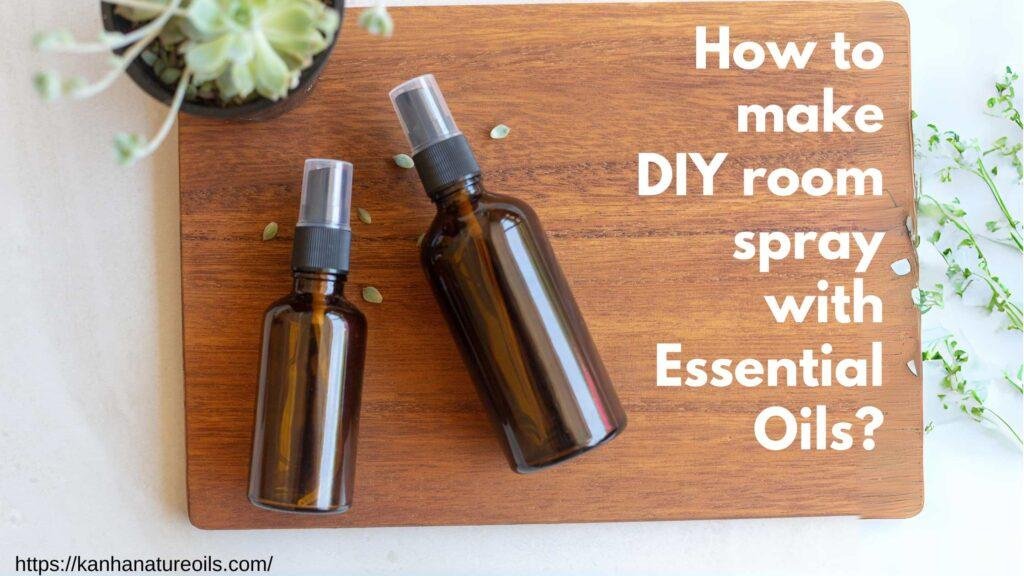
How to Make DIY Room Spray with Essential Oils? There is nothing more refreshing than walking into a room that smells delightful, calming, and clean. While commercial air fresheners may temporarily mask odors, they often contain synthetic fragrances and chemicals that can trigger allergies, respiratory issues, or headaches. Fortunately, you don’t have to rely on store-bought sprays to create a pleasant and inviting atmosphere in your home. Making your own DIY room spray with essential oils is simple, cost-effective, and fully customizable. Essential oils not only provide beautiful natural aromas but also come with therapeutic properties that can uplift mood, reduce stress, boost focus, or promote relaxation. Whether you want your bedroom to smell soothing before sleep, your office space to feel energizing during work hours, or your living room to exude a welcoming vibe, DIY essential oil sprays offer an all-natural solution. In this detailed guide, we will explore everything you need to know about making your own DIY room spray with essential oils—from choosing the right oils and supplies to experimenting with blends, troubleshooting, and storage tips. By the end, you’ll be fully equipped to craft sprays that not only transform your space but also support your overall well-being. In this blog post, Kanha Nature Oils will guide you through the process step by step, sharing expert tips and practical insights to help you create natural, refreshing, and personalized room sprays with ease. What are Room Sprays? Room sprays are liquid fragrances that are sprayed into the air to add a pleasant aroma to a room. They can help to eliminate odors, create a relaxing atmosphere, and even boost your mood. Benefits of Using Room Sprays Instantly refreshes the air in your home Masks unpleasant odors Creates a calming or uplifting ambiance Promotes mental clarity and focus Common Ingredients in Commercial Room Sprays Commercial room sprays often contain artificial fragrances, preservatives, and chemicals that may have negative effects on your health and the environment. By making your own room spray with essential oils, you can avoid these harmful ingredients and enjoy a natural alternative. Choosing Essential Oils Understanding Different Types of Essential Oils Essential oils are concentrated plant extracts that are known for their aromatic and therapeutic properties. There are various types of essential oils, each with its own unique scent and benefits. Some popular essential oils for room sprays include lavender, peppermint, eucalyptus, and citrus oils. Basic Ingredients for DIY Room Spray To make a natural room spray, you need just a few simple ingredients: Essential OilsThese are the heart of your spray. Choose based on your scent preference and desired effect (calming, energizing, cleansing, etc.). Distilled WaterRegular tap water can contain minerals and impurities that reduce shelf life or clog your spray nozzle. Distilled water ensures a clean, long-lasting spray. Witch Hazel or Vodka (Emulsifier/Preservative)Essential oils don’t mix with water, so you need an emulsifier to help them disperse evenly. Witch hazel or vodka also acts as a preservative, extending shelf life. Spray BottleA glass spray bottle (preferably amber or cobalt blue) is best. Essential oils can degrade plastic over time, and colored glass protects the oils from sunlight. Optional Additions Vegetable glycerin for a softer spray and longer scent retention. Dried herbs or flowers for a decorative touch. Epsom salt (pre-dissolved) to help disperse oils further. Blending Essential Oils for Desired Scents Experimenting with different essential oil combinations is the key to creating a room spray that suits your preferences. You can mix and match oils to create relaxing, energizing, or invigorating scents that cater to your mood or the ambiance you want to create. Safety Precautions While DIY sprays are natural, it’s important to use them safely: Avoid Direct Skin or Eye Contact: Spray in the air, not directly on people or pets. Be Cautious Around Pets: Some oils (like tea tree, eucalyptus, and citrus) can be harmful to cats and dogs. Use pet-safe oils if needed. Check for Allergies: Test a small spray in your home to ensure no one reacts negatively. Store Properly: Keep bottles away from heat and sunlight to maintain potency. reative Uses for DIY Room Sprays Your homemade essential oil spray can serve multiple purposes: Air Freshener: For bathrooms, living rooms, or bedrooms. Linen Spray: Lightly mist on pillows, sheets, or curtains. Car Freshener: Keep a small bottle in your car. Yoga & Meditation Aid: Spray your mat or room before practice. Seasonal Décor Enhancement: Create sprays that match seasonal vibes (citrusy in summer, spicy in winter) Storing and Using Your Homemade Room Spray Store your DIY room spray in a cool, dark place to preserve the quality of the essential oils. Shake well before each use and spray into the air to enjoy the aromatic benefits. Popular Essential Oil Room Spray Recipes Relaxing Lavender and Chamomile Room Spray 10 drops lavender essential oil 5 drops chamomile essential oil Energizing Citrus and Peppermint Room Spray 8 drops citrus essential oil 5 drops peppermint essential oil Soothing Eucalyptus and Tea Tree Room Spray 6 drops eucalyptus essential oil 5 drops tea tree essential oil Using Room Sprays for Different Purposes Relaxation: Create a calming atmosphere by using room sprays with lavender, chamomile, or jasmine essential oils. Spritz it in your bedroom or living room before meditation or bedtime to promote relaxation. Energizing: Opt for citrus scents like lemon, orange, or grapefruit to invigorate your senses and boost energy levels. Use it in your workspace or kitchen to help you stay focused and alert. Odor Elimination: Keep your space smelling fresh by using room sprays with odor-eliminating properties. Look for sprays containing ingredients like activated charcoal or enzymes that neutralize unpleasant odors from pets, cooking, or smoking. Mood Enhancement: Set the mood for a specific occasion or activity with appropriately scented room sprays. For example, use floral scents like rose or jasmine for a romantic dinner, or choose woody scents like cedar or sandalwood for a
How to use essential oils to repel mosquitoes ?🤷♂️🤷♂️🤔 Mosquitoes are more than just annoying pests—they can be dangerous carriers of diseases such as malaria, dengue, Zika virus, and chikungunya. While chemical-based repellents like DEET and picaridin are widely available, many people are now looking for natural alternatives that are safe, effective, and pleasant to use. Essential oils, derived from plants, offer a natural way to ward off mosquitoes while also providing aromatic and therapeutic benefits. In this detailed guide, we’ll explore everything you need to know about using essential oils to repel mosquitoes, including the best oils, DIY recipes, safety tips, and practical applications. By the end, you’ll have a complete understanding of how to keep mosquitoes away—naturally and effectively. 1. Why Choose Essential Oils as Mosquito Repellents? Before diving into the “how,” it’s important to understand why essential oils are a great choice. 1.1 Natural Alternative to Chemicals Conventional repellents often contain synthetic chemicals that can irritate sensitive skin, harm the environment, or pose risks with long-term use. Essential oils, on the other hand, are extracted directly from plants and have been used for centuries for their medicinal and protective properties. 1.2 Dual Benefits: Aroma + Protection Essential oils not only repel mosquitoes but also provide aromatherapy benefits. For example, lavender oil calms the nervous system, peppermint refreshes, and eucalyptus invigorates the senses—all while keeping bugs away. 1.3 Eco-Friendly and Sustainable Many essential oils are biodegradable and eco-friendly. Choosing high-quality oils supports sustainable farming and reduces chemical load in your home environment. 2. How Do Essential Oils Repel Mosquitoes? Mosquitoes are attracted to humans by carbon dioxide, body odor, sweat, and skin chemicals like lactic acid. Essential oils disrupt this attraction in several ways: Masking human scent: Strong-smelling oils like citronella and peppermint can hide the natural odors that draw mosquitoes. Confusing insect receptors: Certain oils interfere with mosquitoes’ ability to detect carbon dioxide and skin chemicals. Acting as irritants: Some oils repel insects because their compounds are naturally unpleasant or toxic to mosquitoes. Key active compounds in essential oils—such as citronellal, limonene, eucalyptol, and thymol—have been scientifically shown to repel or even kill mosquito larvae. 3. Best Essential Oils for Repelling Mosquitoes Not all essential oils are equally effective. Below are some of the most powerful mosquito-repelling oils: 3.1 Citronella Essential Oil Most famous mosquito repellent Derived from lemongrass Works by masking human scent Often used in candles, sprays, and lotions 3.2 Eucalyptus Oil (Especially Lemon Eucalyptus) Contains PMD (para-menthane-3,8-diol), highly effective against mosquitoes Recognized by the CDC as a natural repellent Offers protection comparable to low concentrations of DEET 3.3 Lavender Essential Oil Sweet floral aroma that masks human scent Soothes mosquito bites and reduces inflammation Gentle enough for children when properly diluted 3.4 Peppermint Oil Cooling sensation deters mosquitoes and insects Also relieves itching from bites Fresh, uplifting scent 3.5 Tea Tree Oil Strong antimicrobial and insect-repelling properties Effective against mosquitoes and other pests Should always be diluted to avoid skin irritation 3.6 Lemongrass Oil Rich in citral and geraniol, strong mosquito deterrents Sharp, citrusy aroma Works well in outdoor sprays and candles 3.7 Clove Oil High in eugenol, which repels mosquitoes and other insects Strong scent makes it effective, but must be used in small amounts due to potency 3.8 Other Helpful Oils Basil oil Catnip oil (research shows it’s 10 times more effective than DEET in short bursts) Rosemary oil Thyme oil 6. Safety Guidelines for Using Essential Oils While essential oils are natural, they are also highly concentrated and must be used carefully. Always dilute: Use carrier oils (coconut, almond, jojoba) before applying to skin. Patch test first: Check for allergies by applying diluted oil on a small skin area. Avoid eyes and mucous membranes: Essential oils can cause irritation if they come in contact with sensitive areas. Children and pets: Not all oils are safe for kids under 2 or for animals. For example, tea tree and eucalyptus can be toxic to pets. Pregnancy caution: Some oils are not recommended during pregnancy—consult with a healthcare provider. 7. Comparing Essential Oils with Chemical Repellents While essential oils provide many benefits, it’s worth comparing them to chemical repellents. Effectiveness duration: DEET may last 6–8 hours, while essential oils often need reapplication every 1–2 hours. Safety: Essential oils are safer for long-term use when properly diluted. Environmental impact: Essential oils are biodegradable and eco-friendly compared to chemical sprays. Smell: Essential oils offer pleasant scents, unlike many chemical repellents. 8. Scientific Studies Supporting Essential Oils for Mosquito Repellency A 2011 study published in Parasitology Research showed lemon eucalyptus oil provided significant protection against Anopheles mosquitoes. Research from Iowa State University found catnip oil to be 10 times more effective than DEET, though short-lived. A 2009 study demonstrated lavender and tea tree oils reduced mosquito landings by over 80%. These studies confirm that essential oils are not just folklore—they have scientific backing as natural repellents. 9. Tips for Maximizing Protection Reapply frequently: Essential oils evaporate quickly, so reapply every 1–2 hours. Use blends: Combining oils enhances effectiveness. Wear light-colored clothing: Mosquitoes are drawn to dark colors. Eliminate standing water: Essential oils help repel, but removing breeding grounds is equally important. Layer methods: Use candles, sprays, and diffusers together for stronger protection. 10. Conclusion: A Natural, Holistic Approach to Mosquito Control Essential oils offer a safe, eco-friendly, and effective way to repel mosquitoes while enhancing your well-being with beautiful aromas. Whether you choose to make a DIY spray, burn a citronella candle, or apply a lavender roll-on, you can enjoy the outdoors without the constant annoyance of mosquito bites. While essential oils may not provide the same long-lasting protection as strong chemicals like DEET, they are an excellent alternative for everyday use—especially for families, children, and those who prefer natural living. By incorporating these oils into your lifestyle, you’re not only protecting yourself from mosquitoes but also embracing a healthier and more sustainable way of life. Contact us: info@aromatherapyoil.in Mobile Number: 9810805866