
Supreme Essential Oil for Men: A Guide to Benefits and Uses Over the years, essential oils have grown in popularity as powerful natural remedies for wellness, grooming, and self-care. While traditionally associated with aromatherapy and women’s health, essential oils are equally beneficial for men. From boosting energy and improving focus to enhancing skin, hair, and beard care routines, the right essential oil blend can become a man’s secret weapon for overall well-being. In this comprehensive guide, Kanha Nature oils we’ll explore what makes an essential oil “supreme” for men, uncover its benefits, and highlight practical ways men can incorporate it into daily life. Whether you’re an athlete looking for muscle recovery, a professional seeking mental clarity, or someone who simply values natural grooming, supreme essential oils can make a significant impact. What Makes an Essential Oil “Supreme” for Men? The term supreme essential oil for men refers not to a single oil, but to a selection of oils that work particularly well with men’s physical, emotional, and grooming needs. Unlike synthetic colognes or chemical-based skincare products, essential oils offer natural, holistic benefits. Some characteristics that make certain oils more appealing to men include: Earthy, Woody, or Spicy Aromas: Men often prefer scents like sandalwood, cedarwood, patchouli, and vetiver over floral tones. Physical Wellness Support: Oils that reduce muscle soreness, boost immunity, or enhance stamina are highly valued. Mental Clarity and Confidence: Scents like rosemary, peppermint, and frankincense help sharpen focus and uplift mood. Skin & Hair Benefits: Oils with antibacterial, antifungal, and moisturizing properties support grooming, beard health, and youthful skin. Together, these factors form the foundation of a supreme essential oil toolkit for men. Top Supreme Essential Oils for Men Popular Essential Oils for Men Cedarwood Essntial Oil: Known for its warm, woodsy scent, cedarwood oil promotes relaxation and helps alleviate stress. It can also be beneficial for skin issues like acne and dandruff. Sandalwood Essential Oil: This oil has a rich, creamy aroma and is often used in meditation practices. Sandalwood can help reduce anxiety and enhance mental clarity. Bergamot Essential Oil: With its fresh, citrusy scent, bergamot oil is excellent for uplifting mood and reducing feelings of stress and anxiety. Peppermint Essential Oil: Renowned for its invigorating scent, peppermint oil can boost energy levels and improve focus. It’s also great for relieving headaches and muscle tension. Tea Tree Essential Oil: This oil is famous for its antiseptic properties, making it ideal for skincare. It can help with acne, oily skin, and minor cuts. Benefits of Supreme Essential Oils for Men 1. Physical Health Support Essential oils can aid in muscle recovery, improve circulation, and support respiratory health—key for athletes and fitness enthusiasts. 2. Mental and Emotional Balance Scents like sandalwood and peppermint reduce stress, improve focus, and boost confidence. 3. Skincare and Grooming Tea tree, cedarwood, and frankincense are powerful for acne, beard care, and anti-aging routines. 4. Natural Fragrance Unlike chemical-based colognes, essential oils provide long-lasting, skin-friendly scents. 5. Intimacy and Confidence Oils like sandalwood and vetiver act as natural aphrodisiacs, enhancing attraction and intimacy. Practical Ways Men Can Use Essential Oils Beard Oil Blends: Mix jojoba oil with sandalwood or tea tree for a conditioning, fragrant beard oil. DIY Natural Cologne: Combine vetiver, cedarwood, and bergamot for a bold, masculine scent. Post-Workout Muscle Rub: Blend peppermint and eucalyptus with coconut oil for sore muscles. Skin Care: Add frankincense or tea tree to moisturizers for clearer, younger-looking skin. Hair Growth Oil: Massage cedarwood and rosemary oil into the scalp to stimulate follicles. Diffusion for Mood: Use diffusers with energizing oils in the morning and calming oils at night. Massage Therapy: Combine oils with carrier oils for relaxation and recovery. Safety Tips for Men Using Essential Oils Dilution is Key: Always dilute essential oils with carrier oils (like jojoba, coconut, or almond) before applying to skin. Patch Test First: Test on a small area to check for allergic reactions. Avoid Sensitive Areas: Keep away from eyes and mucous membranes. Use Quality Oils: Always choose pure, therapeutic-grade essential oils. Consult a Professional: If you have medical conditions, consult a healthcare provider before using. Conclusion Essential oils are no longer just a niche wellness product—they’re a lifestyle tool for the modern man. From powering up workouts to enhancing grooming routines, reducing stress, and boosting confidence, supreme essential oils for men offer a natural, effective way to elevate daily life. By incorporating oils like sandalwood, cedarwood, peppermint, frankincense, tea tree, and vetiver into your routine, you gain a holistic approach to health, grooming, and well-being. The key is consistency, quality, and the willingness to explore what works best for you. In a world where men are increasingly seeking natural alternatives to chemical-laden products, essential oils stand as timeless allies—providing strength, balance, and vitality.
best essential oil manufacturers
The Best Carrier Oils for Perfume (TRADITIONAL ATTAR): Enhance Your Fragrance Game Traditional attar—a heritage art of perfumery with deep roots in India and the Middle East—relies on natural distillates, absolutes, and macerations married to a beautiful base oil. That base isn’t just a neutral vehicle. The carrier oil you choose profoundly shapes your perfume’s opening, heart, and drydown: it can soften sharp top notes, cradle delicate florals, deepen resins, add quiet warmth, improve longevity, and even change how a fragrance blooms on skin. If you’ve ever wondered why a rose attar in one collection smells plush and enduring, while another fades too fast or feels greasy, the secret often lives in the carrier. This guide breaks down the most reliable carrier oils for attar-style perfumery, explains how each affects performance, and offers practical recipes and ratios so you can elevate your fragrance craft. What are Carrier Oils? Carrier oils are vegetable oils derived from the fatty portions of plants, such as seeds, nuts, or kernels. They are used to dilute essential oils and other concentrated fragrance ingredients, making them safe for skin application. Unlike essential oils, carrier oils have little to no scent, allowing the fragrance to shine through. Top 4 Carrier Oils for Perfume Jojoba Oil Benefits: Jojoba oil closely resembles the natural oils of the skin, making it an excellent choice for all skin types. It absorbs easily and helps to retain the fragrance longer. Sweet Almond Oil Benefits: Rich in vitamins A and E, sweet almond oil nourishes the skin while providing a smooth base for your perfume. It has a light texture and subtle nutty scent. Fractionated Coconut Oil Benefits: This oil remains liquid at room temperature and has a neutral scent, making it perfect for blending with essential oils. It’s lightweight and absorbs quickly into the skin. Argan Oil Benefits: Known for its moisturizing properties, argan oil is perfect for those looking to add a luxurious touch to their perfume. It has a slightly nutty scent and is packed with nutrients. How to Choose the Right Carrier Oil? When selecting a carrier oil for your perfume, consider the following factors: Skin Type: Choose oils that suit your skin type. For oily skin, lightweight oils like grapeseed or fractionated coconut oil are ideal. For dry skin, opt for richer oils like jojoba or argan. Scent Compatibility: Ensure the carrier oil complements your essential oils. Neutral-scented oils work well with strong fragrances, while lightly scented oils can enhance delicate blends. Absorption Rate: Consider how quickly the oil absorbs into the skin. Faster-absorbing oils are better for perfumes that you want to wear throughout the day. Technique Tips for A-Grade Results Age your attar:Many traditional attars improve with rest. Bottle your blend and let it mature 2–6 weeks in a cool, dark place. Sandalwood bases especially round and deepen over time. Use antioxidants:Add 0.05–0.1% vitamin E (mixed tocopherols) to carriers prone to oxidation (grapeseed, sweet almond). It slows rancidity and preserves top notes. Warm to dissolve:For waxy absolutes (rose, jasmine), gently warm the bottle in a lukewarm water bath and stir with a clean glass rod into your carrier. Avoid high heat to protect delicate aromatics. Build in stages:Blend your base accord (woods, resins), then your heart (florals, spices), then your top (citrus, herbs). Evaluate between steps so the carrier’s effect is clear. Small test batches:Work in 5–10 ml trials before scaling. Keep detailed notes (ratios, supplier batch, dates). Clarity matters:If your blend clouds, try a more solvating carrier (FCO, jojoba) or pre-dilute waxy materials in ethanol before incorporating (a few drops can help; keep the final product oil-forward if you’re aiming for classic attar). Mind the season:In hot weather, lighter carriers (FCO) can feel fresher; in cooler months, richer carriers (sandalwood, argan) wrap the skin beautifully. Safety & Sensitivities Patch test every new blend. Apply a tiny amount to the inner forearm for 24 hours. Respect IFRA recommendations and supplier dermal limits for potent naturals (cinnamon, clove, oakmoss, citrus expressed oils with furocoumarins, etc.). Consider allergies (nut/seed oils like almond, sesame, apricot kernel). Offer jojoba, FCO, or moringa alternatives. Use clean tools & bottles (glass pipettes, amber glass, stainless funnels). Sanitation prevents off-odors and microbial issues. Store finished perfumes cool, dark, and tightly closed to preserve freshness. Troubleshooting: Common Issues & Fixes My attar fades too fast:Increase the proportion of heavier carriers (sandalwood, jojoba, argan). Add natural fixatives (benzoin, labdanum, patchouli, vetiver). Age for 2–4 weeks. The opening is harsh or “solventy”:Switch to a slightly richer carrier (almond, argan, sandalwood) to round edges. Lower the top-note percentage and extend the heart/base. Greasy feel on skin:Blend in 30–50% FCO to lighten texture while keeping some fixer (jojoba/sandalwood) for longevity. Cloudiness or sediment:Warm gently and stir; filter through an unbleached coffee filter if needed. Pre-dilute waxy absolutes before adding. Allergic reaction or redness:Stop using. Reformulate with hypoallergenic carriers (jojoba, FCO, moringa) and reduce potent sensitizers. Always patch test. Frequently Asked Questions Q: Can I mix two or more carrier oils?A: Absolutely. Many perfumers combine a neutral stabilizer (jojoba/MCT) with a character oil (sandalwood/almond) to balance clarity, fixative power, and feel. Q: Do carrier oils expire?A: Yes. Jojoba, FCO, moringa, and sandalwood are notably stable. Grapeseed and some nut oils oxidize faster—buy small, use antioxidants, and store cool and dark. Q: Is dipropylene glycol (DPG) a carrier for attar?A: DPG is a common diluent in modern perfumery and oil mists. Traditional attar typically uses natural oils (especially sandalwood). If you prefer all-natural, stick to the carriers above. Q: Why does my attar smell different over time?A: Aging allows micro-reactions and evaporation balancing. In sandalwood-based attars, maturation often deepens and integrates the composition—one of the joys of the craft. Q: What’s the ideal bottle? A: Amber or cobalt glass with a tight closure (roll-on or orifice reducer). Keep away from heat and sunlight. Conclusion In the world of traditional attar, the carrier oil isn’t background—it’s the stage, the silk, the slow breath that lets a perfume
Empowering Self-Care, Self-Love Practices with Essential Oils In today’s fast-paced world, where stress and responsibilities often take precedence over personal well-being, self-care and self-love are more than just indulgences—they are essential to living a balanced, fulfilling life. Taking time to nurture your body, mind, and spirit helps you cultivate resilience, inner peace, and confidence. One beautiful and holistic way to enhance self-care rituals is by incorporating essential oils. These natural plant extracts not only offer therapeutic benefits but also inspire moments of mindfulness, relaxation, and connection with the self. This blog explores how essential oils can empower your self-care and self-love journey. From stress relief to skincare, sleep support, emotional healing, and mindfulness practices, essential oils can become powerful allies in creating intentional rituals that honor your well-being. In this blog post, Kanha Nature Oils will guide you through how to use these natural essences to nurture your body, calm your mind, and uplift your spirit. What is the importance of self-care and self-love? Self-care and self-love are essential components of overall well-being and personal growth. Here’s why essential oils are important: Mental Health: Practicing self-care and self-love helps improve mental health by reducing stress, anxiety, and depression. It promotes positive self-esteem and self-worth, leading to greater emotional resilience and inner peace. Physical Health: Taking care of oneself physically through healthy habits like exercise, proper nutrition, and adequate sleep is part of self-care. It boosts energy levels, strengthens the immune system, and reduces the risk of chronic diseases. Relationships: When individuals prioritize their well-being, they’re better equipped to nurture healthy relationships with others. Self-love enables them to set boundaries, communicate effectively, and cultivate meaningful connections built on mutual respect and understanding. Productivity and Creativity: Self-care replenishes energy reserves and enhances focus, productivity, and creativity. By taking breaks, practicing mindfulness, and engaging in activities that bring joy, individuals can maintain a balanced lifestyle and perform at their best. Personal Growth: Self-care and self-love facilitate personal growth and self-discovery. They encourage individuals to prioritize their needs, pursue their passions, and cultivate a sense of purpose and fulfillment in life. Benefits of using essential oils: Incorporating essential oils into your daily routine can offer a wide range of benefits for both physical and emotional well-being: Aromatherapy Skin Care Respiratory Health Pain Relief Immune Support Mood Enhancement Digestive Support Natural Cleaning Essential oils have antimicrobial and disinfectant properties that make them effective alternatives to conventional cleaning products. They can be used to clean surfaces, purify the air, and eliminate odors in a non-toxic way. How essential oils can enhance self-care practices: Essential oils can enhance self-care practices in various ways, contributing to overall well-being and relaxation. Here’s how: Aromatherapy Massage and Body Treatments Skincare Stress Reduction Sleep Support Mood Enhancement By incorporating essential oils into self-care practices, individuals can enhance relaxation, promote emotional balance, and create a nurturing environment that supports overall health and well-being. Practices for cultivating self-love with essential oils: Affirmations: Start your day by repeating positive affirmations that affirm your worth and value. Create a blend of uplifting essential oils like bergamot, rose, and ylang-ylang, and inhale deeply while affirming statements such as “I am worthy,” “I am loved,” and “I am enough.” Gratitude Cultivate a sense of gratitude for yourself and your journey by practicing gratitude rituals. Diffuse grounding essential oils such as frankincense, cedarwood, or sandalwood, and take a few moments each day to reflect on the things you appreciate about yourself. Express gratitude for your strengths, accomplishments, and unique qualities. Self-Compassion: Practice self-compassion by treating yourself with kindness, understanding, and patience. Create a soothing self-compassion blend using oils like lavender, chamomile, and clary sage, and apply it to your pulse points or inhale deeply during moments of self-doubt or inner turmoil. Remind yourself that it’s okay to be imperfect and that you deserve love and compassion, just as you are. Using essential oils for relaxation and stress relief Using essential oils for relaxation and stress relief can be highly effective due to their natural properties that promote calmness and tranquility. Here are some ways to incorporate essential oils into your relaxation routine: Aromatherapy Bath Time Bliss Massage Therapy Inhalation Bedtime Ritual Mindful Breathing Practice deep breathing exercises while inhaling the aroma of calming essential oils. Close your eyes, take slow, deep breaths, and focus on the soothing scent to promote relaxation and reduce stress levels. Remember to choose high-quality, pure essential oils and perform a patch test before using them topically to ensure compatibility with your skin. Incorporating essential oils into your relaxation routine can help you unwind, de-stress, and find moments of tranquility amidst the busyness of everyday life. Using essential oils for promoting better sleep and managing anxiety Essential oils can be powerful allies in promoting better sleep and managing anxiety due to their calming and soothing properties. Here’s how you can use them effectively: Diffusion: Diffuse calming essential oils such as lavender, chamomile, or bergamot in your bedroom before bedtime. The gentle aroma can help calm the mind, reduce stress, and create a conducive environment for sleep. Pillow Spray: Create a DIY pillow spray by mixing a few drops of relaxing essential oil with water in a spray bottle. Lightly mist your pillow and bedding before sleep to enjoy the soothing scent and promote relaxation. Topical Application: Dilute calming essential oils with a carrier oil like coconut or jojoba oil and apply them to pulse points, such as the wrists, temples, and neck, before bedtime. This allows the oils to be absorbed into the skin, promoting relaxation and easing anxiety. Bath Soak: Add a few drops of calming essential oils to a warm bath before bedtime. Oils like lavender, cedarwood, and sandalwood can help relax tense muscles, calm the mind, and prepare you for a restful night’s sleep. Inhalation: Practice deep breathing exercises while inhaling the aroma of calming essential oils. Close your eyes, take slow, deep breaths, and focus on the soothing scent to calm
How to use essential oils to repel mosquitoes ?🤷♂️🤷♂️🤔 Mosquitoes are more than just annoying pests—they can be dangerous carriers of diseases such as malaria, dengue, Zika virus, and chikungunya. While chemical-based repellents like DEET and picaridin are widely available, many people are now looking for natural alternatives that are safe, effective, and pleasant to use. Essential oils, derived from plants, offer a natural way to ward off mosquitoes while also providing aromatic and therapeutic benefits. In this detailed guide, we’ll explore everything you need to know about using essential oils to repel mosquitoes, including the best oils, DIY recipes, safety tips, and practical applications. By the end, you’ll have a complete understanding of how to keep mosquitoes away—naturally and effectively. 1. Why Choose Essential Oils as Mosquito Repellents? Before diving into the “how,” it’s important to understand why essential oils are a great choice. 1.1 Natural Alternative to Chemicals Conventional repellents often contain synthetic chemicals that can irritate sensitive skin, harm the environment, or pose risks with long-term use. Essential oils, on the other hand, are extracted directly from plants and have been used for centuries for their medicinal and protective properties. 1.2 Dual Benefits: Aroma + Protection Essential oils not only repel mosquitoes but also provide aromatherapy benefits. For example, lavender oil calms the nervous system, peppermint refreshes, and eucalyptus invigorates the senses—all while keeping bugs away. 1.3 Eco-Friendly and Sustainable Many essential oils are biodegradable and eco-friendly. Choosing high-quality oils supports sustainable farming and reduces chemical load in your home environment. 2. How Do Essential Oils Repel Mosquitoes? Mosquitoes are attracted to humans by carbon dioxide, body odor, sweat, and skin chemicals like lactic acid. Essential oils disrupt this attraction in several ways: Masking human scent: Strong-smelling oils like citronella and peppermint can hide the natural odors that draw mosquitoes. Confusing insect receptors: Certain oils interfere with mosquitoes’ ability to detect carbon dioxide and skin chemicals. Acting as irritants: Some oils repel insects because their compounds are naturally unpleasant or toxic to mosquitoes. Key active compounds in essential oils—such as citronellal, limonene, eucalyptol, and thymol—have been scientifically shown to repel or even kill mosquito larvae. 3. Best Essential Oils for Repelling Mosquitoes Not all essential oils are equally effective. Below are some of the most powerful mosquito-repelling oils: 3.1 Citronella Essential Oil Most famous mosquito repellent Derived from lemongrass Works by masking human scent Often used in candles, sprays, and lotions 3.2 Eucalyptus Oil (Especially Lemon Eucalyptus) Contains PMD (para-menthane-3,8-diol), highly effective against mosquitoes Recognized by the CDC as a natural repellent Offers protection comparable to low concentrations of DEET 3.3 Lavender Essential Oil Sweet floral aroma that masks human scent Soothes mosquito bites and reduces inflammation Gentle enough for children when properly diluted 3.4 Peppermint Oil Cooling sensation deters mosquitoes and insects Also relieves itching from bites Fresh, uplifting scent 3.5 Tea Tree Oil Strong antimicrobial and insect-repelling properties Effective against mosquitoes and other pests Should always be diluted to avoid skin irritation 3.6 Lemongrass Oil Rich in citral and geraniol, strong mosquito deterrents Sharp, citrusy aroma Works well in outdoor sprays and candles 3.7 Clove Oil High in eugenol, which repels mosquitoes and other insects Strong scent makes it effective, but must be used in small amounts due to potency 3.8 Other Helpful Oils Basil oil Catnip oil (research shows it’s 10 times more effective than DEET in short bursts) Rosemary oil Thyme oil 6. Safety Guidelines for Using Essential Oils While essential oils are natural, they are also highly concentrated and must be used carefully. Always dilute: Use carrier oils (coconut, almond, jojoba) before applying to skin. Patch test first: Check for allergies by applying diluted oil on a small skin area. Avoid eyes and mucous membranes: Essential oils can cause irritation if they come in contact with sensitive areas. Children and pets: Not all oils are safe for kids under 2 or for animals. For example, tea tree and eucalyptus can be toxic to pets. Pregnancy caution: Some oils are not recommended during pregnancy—consult with a healthcare provider. 7. Comparing Essential Oils with Chemical Repellents While essential oils provide many benefits, it’s worth comparing them to chemical repellents. Effectiveness duration: DEET may last 6–8 hours, while essential oils often need reapplication every 1–2 hours. Safety: Essential oils are safer for long-term use when properly diluted. Environmental impact: Essential oils are biodegradable and eco-friendly compared to chemical sprays. Smell: Essential oils offer pleasant scents, unlike many chemical repellents. 8. Scientific Studies Supporting Essential Oils for Mosquito Repellency A 2011 study published in Parasitology Research showed lemon eucalyptus oil provided significant protection against Anopheles mosquitoes. Research from Iowa State University found catnip oil to be 10 times more effective than DEET, though short-lived. A 2009 study demonstrated lavender and tea tree oils reduced mosquito landings by over 80%. These studies confirm that essential oils are not just folklore—they have scientific backing as natural repellents. 9. Tips for Maximizing Protection Reapply frequently: Essential oils evaporate quickly, so reapply every 1–2 hours. Use blends: Combining oils enhances effectiveness. Wear light-colored clothing: Mosquitoes are drawn to dark colors. Eliminate standing water: Essential oils help repel, but removing breeding grounds is equally important. Layer methods: Use candles, sprays, and diffusers together for stronger protection. 10. Conclusion: A Natural, Holistic Approach to Mosquito Control Essential oils offer a safe, eco-friendly, and effective way to repel mosquitoes while enhancing your well-being with beautiful aromas. Whether you choose to make a DIY spray, burn a citronella candle, or apply a lavender roll-on, you can enjoy the outdoors without the constant annoyance of mosquito bites. While essential oils may not provide the same long-lasting protection as strong chemicals like DEET, they are an excellent alternative for everyday use—especially for families, children, and those who prefer natural living. By incorporating these oils into your lifestyle, you’re not only protecting yourself from mosquitoes but also embracing a healthier and more sustainable way of life. Contact us: info@aromatherapyoil.in Mobile Number: 9810805866
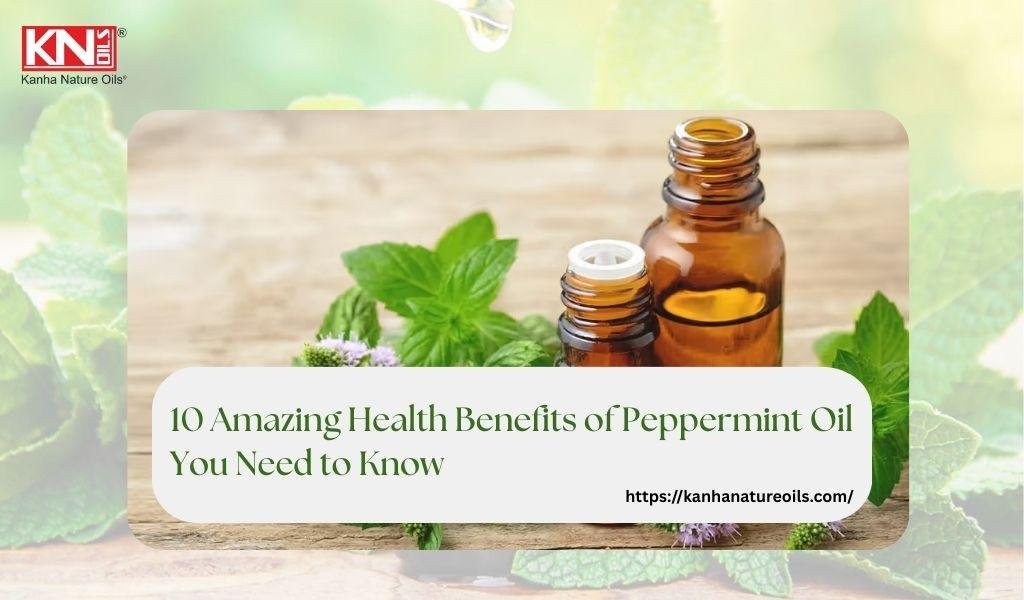
10 Amazing Health Benefits of Peppermint Oil You Need to Know For centuries, essential oils have been celebrated for their natural healing powers and holistic benefits. Among them, peppermint oil holds a special place for its versatility, refreshing aroma, and therapeutic properties. Extracted from the peppermint plant (Mentha × piperita), this essential oil is packed with menthol and menthone—two compounds responsible for its cooling sensation and remarkable medicinal qualities. Whether you are looking for relief from digestive discomfort, seeking natural pain management, or simply desiring a burst of mental clarity, peppermint oil can be a game-changer in your daily wellness routine. In this blog post, we will explore 10 amazing health benefits of peppermint oil you need to know, backed by science, tradition, and practical uses. 1. Relieves Digestive Issues and Supports Gut Health One of the most widely recognized benefits of peppermint oil is its ability to ease digestive discomfort. For centuries, peppermint tea and oil have been used as natural remedies for bloating, gas, indigestion, and stomach cramps. Scientific studies show that peppermint oil can relax the muscles of the gastrointestinal tract, making it effective in reducing symptoms of Irritable Bowel Syndrome (IBS). The menthol in peppermint oil helps soothe the stomach lining, reduces spasms, and supports overall digestive efficiency. How to use it: Add 1–2 drops of food-grade peppermint oil in warm water or tea. Use enteric-coated peppermint oil capsules for IBS relief. Gently massage diluted peppermint oil on the abdomen to reduce bloating and cramps. 2. Provides Natural Relief from Headaches and Migraines Peppermint oil is a natural pain reliever, especially for tension headaches and migraines. Its cooling effect comes from menthol, which promotes blood flow, relaxes muscles, and reduces pain sensations. In fact, clinical trials have found that applying peppermint oil to the temples and forehead significantly decreases headache intensity within minutes. Unlike synthetic painkillers, peppermint oil provides quick relief without side effects. How to use it: Dilute peppermint oil with carrier oil (like coconut oil) and apply it to temples and the back of the neck. Inhale peppermint oil through a diffuser for additional calming effects. 3. Boosts Energy and Enhances Mental Focus Feeling sluggish or mentally drained? Peppermint oil is a natural energy booster that stimulates the mind and enhances alertness. Its invigorating scent helps fight fatigue, improves concentration, and even boosts athletic performance. A study revealed that inhaling peppermint oil increased exercise performance and reduced perceived exertion in athletes. For students and professionals, its refreshing aroma can improve focus and memory retention. How to use it: Add a few drops of peppermint oil to a diffuser in your study or work area. Inhale directly from the bottle for an instant pick-me-up. Mix with water in a spray bottle and use as a natural room refresher. 4. Supports Respiratory Health Peppermint oil is a natural decongestant and expectorant, making it highly effective for respiratory issues like colds, sinusitis, asthma, and bronchitis. Its menthol component helps open airways, loosen mucus, and improve breathing. Additionally, peppermint oil possesses antimicrobial and antiviral properties that support immune defense during seasonal infections. How to use it: Add a few drops of peppermint oil to a bowl of hot water, cover your head with a towel, and inhale the steam. Use it in a diffuser during colds and flu season. Mix with carrier oil and apply on the chest for a vapor rub effect. 5. Relieves Muscle and Joint Pain Peppermint oil works as a natural analgesic and anti-inflammatory, making it a go-to remedy for sore muscles, joint stiffness, arthritis, and sports injuries. Its cooling sensation helps numb pain and reduce swelling, while improving circulation for faster recovery. Athletes often use peppermint oil as part of post-workout massages to relieve muscle tension and cramps. How to use it: Dilute peppermint oil with a carrier oil and massage onto sore areas. Add it to a warm bath for a soothing muscle soak. Combine with eucalyptus oil for an extra-strong pain-relieving blend. 6. Freshens Breath and Promotes Oral Health Peppermint oil is a natural breath freshener with strong antibacterial properties that help kill germs responsible for bad breath, cavities, and gum disease. Many toothpaste and mouthwash brands include peppermint oil for this very reason. Its refreshing flavor not only masks bad breath but also supports healthy gums and teeth. How to use it: Add 1 drop of food-grade peppermint oil to a glass of water for a natural mouth rinse. Mix with coconut oil for an effective oil-pulling routine. Look for natural toothpastes with peppermint essential oil. 7. Improves Skin and Hair Health Peppermint oil is packed with antimicrobial, anti-inflammatory, and cooling properties that make it excellent for skin and hair care. For skin, it soothes irritation, reduces redness, and provides relief from itching and rashes. It is also effective against acne-causing bacteria.For hair, peppermint oil stimulates the scalp, increases blood flow, and may promote hair growth while reducing dandruff and dryness. How to use it: Dilute peppermint oil with a carrier oil and apply to the scalp before shampooing. Add a drop to your shampoo or conditioner for a refreshing boost. Apply diluted peppermint oil to itchy or inflamed skin for instant relief. 8. Acts as a Natural Insect Repellent Peppermint oil is a safe and effective natural insect repellent. Its strong aroma repels mosquitoes, ants, spiders, fleas, and even rodents. Unlike chemical repellents, it is non-toxic and safe for both humans and pets when properly diluted. How to use it: Mix peppermint oil with water and spray around windows, doors, and outdoor spaces. Add to homemade candles or diffusers to keep bugs away. Apply diluted peppermint oil on the skin before going outdoors. 9. Supports Stress Relief and Emotional Balance Peppermint oil doesn’t just benefit the body—it also supports emotional well-being. Its refreshing scent helps reduce stress, anxiety, and mental fatigue while promoting relaxation and emotional balance. Aromatherapy with peppermint oil has been shown to improve mood, reduce nervous tension, and provide a sense of calm.
Cold sores, also known as fever blisters, are painful and unsightly skin eruptions caused by the herpes simplex virus (HSV-1). They typically appear around the lips, mouth, and sometimes even on the nose or chin. While they are common and usually heal within 7–14 days, the discomfort, itching, and burning sensation can be quite distressing. In recent years, people have increasingly turned to natural remedies to complement traditional treatments. Among these remedies, essential oils stand out for their antiviral, anti-inflammatory, and soothing properties. When used correctly, they may help speed up healing, reduce pain, and even prevent outbreaks. In this blog post, Kanha Nature Oils we’ll explore six powerful essential oils for cold sores and discover effective ways to use them safely and naturally. Understanding Cold Sores and How Essential Oils Help Before diving into specific oils, let’s briefly understand how cold sores develop. Cold sores are triggered when the herpes virus becomes active, often due to stress, weakened immunity, hormonal changes, or exposure to sunlight. Once activated, the virus causes painful blisters filled with fluid that eventually crust over. Essential oils may help in several ways: Antiviral properties: Many oils can inhibit viral activity, reducing the spread and severity of outbreaks. Anti-inflammatory benefits: They soothe swelling, redness, and discomfort. Pain relief: Some oils numb the skin and reduce irritation. Skin regeneration: They promote healing and reduce scarring. Essential oils are often used for natural remedies, but they shouldn’t be your only treatment for conditions like cold sores. Cold sores, caused by the herpes virus, usually need antiviral medicines prescribed by a doctor. Some essential oils might help with cold sores, but they should be used carefully: 1. Dilute them: Essential oils are strong, so mix a few drops with a carrier oil like coconut oil. 2. Test on your skin: Try a tiny bit on your skin first to make sure it doesn’t cause any problems. 3. Ask a doctor: Talk to a doctor before using them, especially if you have health issues, are pregnant, or breastfeeding. Here are some essential oils that are often suggested for their potential antiviral and soothing properties: Tea Tree Oil:Tea tree oil can help fight the cold sore virus, but it’s strong, so mix it with another oil before using. Lavender Oil: Lavender oil is soothing and might help against cold sores. Peppermint Oil: Peppermint oil may fight the virus, but it’s strong, so use a little bit carefully. Lemon Balm Oil (Melissa Oil): Lemon balm can help heal cold sores faster. Eucalyptus Oil: Eucalyptus oil might fight the virus, but it’s strong, so use it sparingly and carefully. Oregano Oil: Oregano oil is strong against the virus, so use only a tiny bit and mix it with another oil. Final Thoughts Cold sores can be uncomfortable, but with the help of essential oils, you can ease the symptoms and encourage faster recovery. Oils like tea tree, peppermint, lavender, eucalyptus, chamomile, and lemon balm each bring unique healing benefits, whether it’s antiviral defense, soothing pain relief, or skin regeneration. When used properly, these natural remedies can be an effective and holistic way to manage cold sores—offering not just healing but also prevention. Contact us: info@aromatherapyoil.in Mobile Number: 9810805866
What are hinoki essential oil’s benefits and uses? Essential oils have captivated wellness seekers for centuries, offering natural solutions for health, beauty, and emotional well-being. Among the many oils gaining global recognition, Hinoki essential oil—a precious extract from the Japanese cypress tree (Chamaecyparis obtusa)—stands out for its unique aroma, calming properties, and rich cultural heritage. Long revered in Japan for its use in temples, shrines, and traditional baths, Hinoki is more than just an aromatic oil; it is a holistic wellness ally. In this blog post, we will explore what Hinoki essential oil is, its benefits, therapeutic uses, and ways to incorporate it into daily life. Whether you are drawn to its soothing scent, its ability to calm the mind, or its potential skin and health applications, Hinoki is a remarkable addition to any essential oil collection. Understanding Hinoki Essential Oil Hinoki essential oil is steam distilled from the wood, twigs, or leaves of the Hinoki cypress tree, a native evergreen of Japan. The oil carries a fresh, woody, citrus-like aroma often described as soft, earthy, and spiritually grounding. Its scent is less sharp than other coniferous oils, making it gentle and soothing for the senses. In Japanese culture, Hinoki wood has been highly valued for centuries. It was historically used in building sacred temples, palaces, shrines, and hot spring baths (onsens) due to its natural durability, resistance to decay, and calming fragrance. Today, the oil distilled from this tree carries the same spirit of peace and restoration, blending tradition with modern aromatherapy practices. Key Components of Hinoki Essential Oil The therapeutic effects of Hinoki essential oil come from its unique chemical profile. Major constituents include: α-Pinene – Known for anti-inflammatory and bronchodilator properties. β-Pinene – Supports respiratory health and emotional balance. Terpinen-4-ol – Offers antimicrobial and immune-supportive effects. Limonene – Uplifting, mood-enhancing, and cleansing. Hinokitiol (thujaplicin) – A rare compound with strong antibacterial, antifungal, and antioxidant activity. This complex chemistry makes Hinoki oil a multi-functional tool for health, home, and emotional wellness. 1. Promotes Relaxation and Reduces Stress One of the most celebrated uses of Hinoki essential oil is its ability to calm the mind and body. Its delicate, grounding aroma induces a sense of tranquility, making it ideal for relaxation rituals. Studies have shown that inhaling Hinoki oil may lower cortisol levels (the stress hormone) and support the body’s parasympathetic nervous system, which governs rest and relaxation. This makes Hinoki an excellent choice for those dealing with stress, anxiety, or sleep issues. How to Use for Relaxation: Add a few drops of Hinoki oil to a diffuser during meditation, yoga, or evening wind-down. Place 1–2 drops on a cotton ball and keep it beside your pillow to support restful sleep. Blend with lavender or bergamot oil for a deeply soothing aromatherapy experience. 2. Enhances Respiratory Health Hinoki’s fresh, pine-like aroma is reminiscent of breathing in a forest. Inhalation of the oil may help clear the airways, reduce congestion, and support healthy breathing. The α-pinene and β-pinene compounds act as natural expectorants and bronchodilators, helping open the respiratory tract. In Japan, spending time in Hinoki forests or bathing in its aromatic wood baths is considered beneficial for lung health. Practical Applications: Diffuse Hinoki oil in the home during allergy or cold season. Add a few drops to hot water, then inhale the steam for relief from congestion. Create a chest rub by blending Hinoki with carrier oil and applying to the upper chest. 3. Natural Antimicrobial and Purifying Agent Hinoki essential oil’s high hinokitiol content makes it a potent natural antimicrobial and antifungal agent. Traditionally, Hinoki wood was prized for building temples not only because of its aroma but also for its resistance to decay, insects, and bacteria. In modern times, Hinoki oil can be used as a natural cleaning solution, surface disinfectant, and air purifier. Its crisp, forest-like aroma adds freshness while protecting against harmful microbes. How to Use for Cleaning & Purification: Mix Hinoki oil with vinegar and water to create a natural surface cleaner. Add a few drops to laundry for a fresh, woodsy scent. Diffuse in common areas to cleanse the air and create a calming atmosphere. 4. Supports Skin Health Hinoki essential oil’s antibacterial and anti-inflammatory qualities make it beneficial for skin care. It may help in managing acne, irritation, or fungal infections while promoting overall skin clarity. Its soothing properties are gentle enough for sensitive skin when diluted properly. Skin Care Applications: Add 1–2 drops to a carrier oil (like jojoba or almond oil) for a nourishing face serum. Use in a foot soak to refresh and fight fungal growth. Mix into unscented lotion to create a calming body moisturizer. Note: Always perform a patch test before applying essential oils to skin, and avoid using undiluted oil directly. 5. Boosts Emotional Well-Being The aroma of Hinoki oil is not only calming but also uplifting. It has been associated with improved mood, mental clarity, and emotional resilience. This makes it an excellent tool for combating fatigue, negativity, or lack of focus. Japanese practices such as “Shinrin-yoku” (forest bathing) highlight the psychological benefits of being surrounded by trees like Hinoki. Inhaling its essence is believed to encourage balance, serenity, and mindfulness. Ways to Enhance Mood with Hinoki Oil: Diffuse during morning routines to start the day with calm focus. Blend with citrus oils for an energizing and cheerful aroma. Use in a personal inhaler for quick stress relief on the go. 6. Supports Immune Function Hinoki essential oil’s antimicrobial properties extend beyond cleaning surfaces—it may also support the body’s immune defenses. Its compounds can inhibit harmful pathogens while stimulating immune response, helping the body fight off seasonal illnesses. Immune Support Tips: Diffuse Hinoki oil in high-traffic areas of the home during flu season. Create a massage blend (Hinoki + carrier oil) and apply to the soles of the feet. Combine with tea tree and eucalyptus oils for a powerful immune-boosting synergy. 7. Enhances Meditation and Spiritual Practices Hinoki essential oil has long been