
Kanha Nature Oils

Blog

Aloe Vera Oil for Skin Care

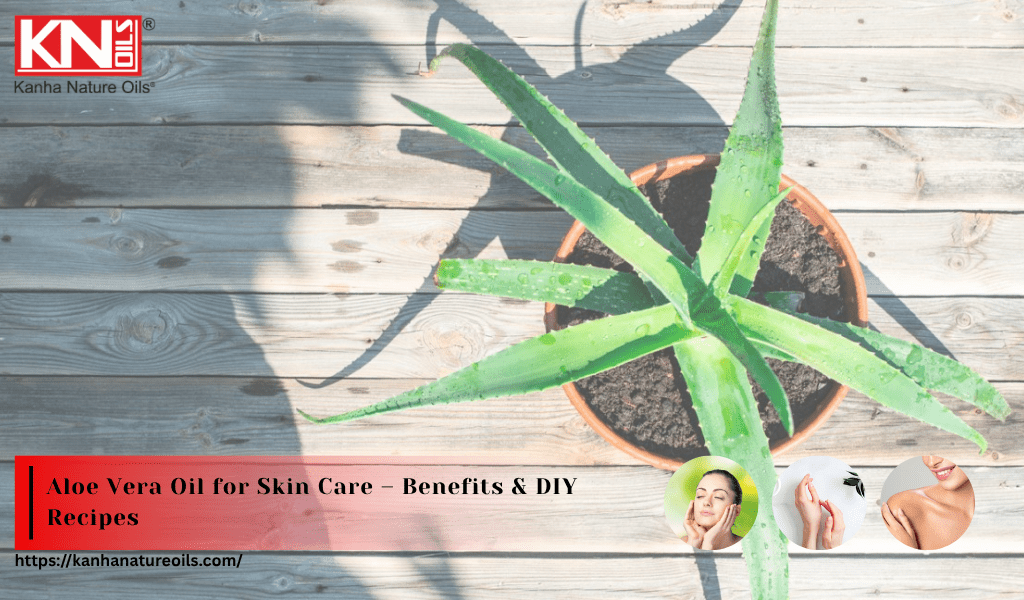
Aloe Vera Oil for Skin Care – Benefits & DIY Recipes   Aloe vera has been celebrated for centuries as a skincare miracle. From ancient Egyptian queens like Cleopatra—who reportedly used aloe for beauty rituals—to modern dermatology clinics recommending it for burns, inflammation, and healing, this soothing botanical has stood the test of time. While most people know aloe in its gel form, aloe vera oil is becoming a new favorite in natural skincare. Rich in nutrients, skin-protective compounds, and moisturizing properties, aloe vera oil offers a convenient and potent way to enjoy the benefits of aloe in an oil-based, longer-lasting format. Whether you want glowing, hydrated skin, relief from irritation, or effective anti-aging, aloe vera oil may become your new skincare essential. This comprehensive guide from Kanha Nature Oils gives you the essential information—benefits, uses, and easy-to-make homemade recipes.   What Is Aloe Vera Oil? Aloe vera oil is not the same as aloe vera gel. Instead, it is created by infusing aloe vera leaves or gel into a carrier oil (often coconut, jojoba, or olive oil). This infusion extracts the fat-soluble nutrients, enzymes, antioxidants, and active compounds from aloe into the oil. The result is a nourishing botanical oil that carries both the healing properties of aloe and the moisturizing benefits of the carrier oil. Why Aloe Vera Oil Instead of Aloe Gel? While aloe gel is water-based and dries quickly, aloe vera oil has unique advantages: It penetrates deeper into the skin. It locks in moisture more effectively. It lasts longer and doesn’t require refrigeration. It blends easily with essential oils or other carrier oils. It can be used for massage, hair care, and oil-based skincare formulations. Aloe vera oil brings together convenience, versatility, and therapeutic value—making it perfect for all skin types. Benefits of Using Aloe Vera Oil for Skin Care Aloe vera oil includes a number of vital vitamins, including Vitamins B1, B2, B6, and B12, which are important for detoxification. Additionally, aloe for oily skin includes several significant enzymes, hormones, and mono- and polysaccharides. The benefits of Aloe Vera Oil for the face make it an ideal cosmetic and relaxing item for clean, immaculate skin.   1. Anti-Acne Solution Acne may be treated using aloe oil, tea tree oil, and aloe vera gel. Tea tree oil reduces sebum production and controls the development of acne-causing bacteria. Its ability to treat acne is enhanced when used with aloe vera gel. Aloe vera oil for skin care helps in reducing acne scars and also soothes inflammation.   2. Clears Stretch Marks Aloe vera oil may help with stretch marks in several ways. Aloe vera contains compounds known to have moisturizing and soothing properties, which can help hydrate the skin and reduce itching and discomfort associated with stretch marks.   Additionally, aloe vera oil for skincare is rich in antioxidants and vitamins, such as vitamins C and E, which can help to improve the skin’s overall health and appearance, including reducing the appearance of stretch marks. 3. Removes Signs of Aging Aloe vera oil contains hydrating compounds that can help keep the skin moisturized, which can prevent dryness and cracking that can contribute to the appearance of premature aging. Aloe for oily skin can help boost collagen production, an essential protein for healthy skin. Collagen helps to maintain skin elasticity, making it less prone to sagging and wrinkles.   4. Skin Moisturizer Aloe vera oil is a good moisturizer for the skin because of its hydrating and nourishing properties. Aloe vera oil for skin care contains compounds like polysaccharides, which help to retain moisture and keep the skin hydrated. When applied to the skin, aloe vera for oily skin can form a protective layer that locks in moisture, making the skin feel soft, smooth, and supple.   5. Alleviates Sunburn Aloe vera oil has been used for centuries as a natural remedy for sunburn. Aloe vera oil for skincare contains anti-inflammatory compounds, such as polysaccharides and glycoproteins, that help to soothe and calm irritated skin. When applied to sunburned skin, aloe vera oil can help reduce redness, swelling, and pain.   How to Use Aloe Vera Oil for Skin Care Aloe vera oil is a multitasking product and can be incorporated into your routine in several ways: 1. As a Face Oil: Apply a few drops of aloe vera oil on freshly cleansed skin, massage gently, and let it absorb overnight. It works as a natural face oil that repairs and hydrates your skin as you sleep. 2. As a Moisturizer: Mix a drop or two into your daily moisturizer or use it as a standalone product to hydrate your face and neck. 3. Spot Treatment for Acne: Dab a small amount of aloe vera oil onto pimples or inflamed areas to reduce swelling and redness. 4. Body Oil: Use it after showering to lock in moisture. Aloe vera oil makes an excellent all-over body moisturizer. 5. Makeup Primer or Base: Use a drop before applying foundation for a dewy, hydrated base that holds makeup longer. DIY Aloe Vera Oil Recipes for Glowing Skin The best part about aloe vera oil is that you can easily make it at home using fresh aloe vera leaves. Below are simple DIY recipes you can follow to enjoy its benefits every day. 1. Basic Homemade Aloe Vera Oil (Traditional Method) Ingredients ½ cup fresh aloe vera gel 1 cup carrier oil (coconut, olive, or jojoba) Instructions Scoop fresh aloe gel from the leaf. Blend until smooth. Add the gel to a pan with your chosen oil. Heat on low flame for 20–25 minutes until the mixture turns slightly brown. Allow to cool. Strain the mixture using a muslin cloth. Store in a glass bottle. Shelf Life: 4–6 months Perfect for general skincare, moisturization, and sunburn relief. 2. Aloe Vera Brightening Face Oil Ingredients 3 tbsp aloe vera oil 1 tbsp rosehip oil 3 drops lemon essential oil (optional) 2 drops frankincense oil Instructions Mix everything in a dark glass bottle and shake well. Benefits Reduces pigmentation Brightens skin

Essential Oils for Positive Energy You Need to Know About

Essential Oils for Positive Energy You Need to Know About   In today’s fast-paced, high-pressure world, maintaining positive energy is not just a luxury—it is a necessity for emotional well-being, mental clarity, productivity, and overall quality of life. Stress, anxiety, and emotional fatigue have become common experiences for many, making it important to find natural and holistic ways to uplift our mood. Among the most effective natural solutions are essential oils, revered for centuries for their powerful aromatic and therapeutic benefits. These oils are extracted from various parts of plants—flowers, leaves, roots, and resins—and contain concentrated compounds that influence both the body and mind. Essential oils are more than just pleasant scents; they affect the limbic system, the part of the brain responsible for emotions, memories, and mood regulation. Whether inhaled or used topically, the right essential oils can help elevate mood, enhance motivation, promote inner calm, and infuse your surroundings with vibrant, uplifting energy. This is why essential oils have become an essential part of modern wellness routines—from aromatherapy and meditation to home fragrance, skincare, and diffusing oils in workspaces. this blog post, Kanha Nature Oils will explore the top essential oils for positive energy, their benefits, how they work, and simple ways to incorporate them into your daily life. Whether you are seeking mental clarity, motivation, calmness, joy, or emotional balance, these essential oils will help create a more positive and energized environment around you. Why Essential Oils Boost Positive Energy Before diving into the best oils, it’s important to understand why essential oils have such a profound impact on mood. 1. Influence on the Limbic System When you inhale essential oils, the scent molecules travel to the olfactory bulb and then directly to the brain’s limbic system, which manages emotions, memory, and behavior. This direct connection allows fragrances to instantly shift mood and emotional state. 2. Natural Chemical Compounds Essential oils contain powerful compounds such as linalool, limonene, pinene, and eugenol, all of which have proven effects on stress, anxiety, fatigue, and cognitive function. Many of these compounds are used in modern aromatic therapies. 3. Holistic Healing They support emotional well-being through: Mood elevation Relaxation Mental clarity Stress reduction Increased confidence and energy 4. Personal and Environmental Energy Shifting Using essential oils in your environment can transform the emotional feel of a space. A few drops in a diffuser can instantly uplift the energy of your home, workspace, or meditation area. Top 9 Essential Oils for Positive Energy You Need to Know About Certain essential oils can be applied topically, diffused in the air, or incorporated into your favourite self-care ritual. When you add them to your routine, they raise your vibration so you can attract positive energy and peaceful experiences. We have compiled a list of the top 9 essential oils for positive energy. Let’s discuss them in detail.   1. Lavender Essential Oil For Positive Energy Lavender essential oils’ soothing aroma helps clear away the negative energy around you and replaces it with positive thoughts and emotions. This essential oil also purifies the environment, gives you clarity of thought, and allows you to make the right decisions with great focus and concentration. The essential oil is one of the most reliable essential oils for positive energy. This essential oil is an excellent essential oil because of its versatility. Lavender essential oil is popular for its soothing and healing qualities. Its’ calming aroma reduces stress and anxiety and promotes relaxation.   2. Sandalwood Essential Oil For Positive Energy Sandalwood essential oil has an earthy scent, which gives an inviting and calming atmosphere. This essential oil is the right choice if you are looking for an essential oil that gives you spiritual and high vibes. Perfect to use at the time of meditation. Sandalwood essential oil also provides protection and lets you connect spiritually while clearing the way for new possibilities. In addition to that, this essential oil is extremely vibrational, which means it is a powerful protector from negative energies.   3. Frankincense Essential Oil For Positive Energy Frankincense essential oil as aromatherapy, you can focus your mind, assess your current situation, and formulate an action plan. This ancient essential oil promotes mental clarity, calms emotions, and gives you the ultimate mental relaxation. Another essential oil you can trust to capture all the positive energy around you is frankincense essential oil. This essential oil helps you feel centred and deeply grounded. The essential oil is a perfect choice for meditation as it also encourages a sense of balance.   4. Tea Tree Essential Oil For Positive Energy Tea tree essential oil also helps clear the air of negative ions surrounding you with its uplifting organic aroma. With these essential oils’ woody and earthy scent, you can stay protected from low vibes and stressful situations. How can we forget Tea tree essential oil when talking of positive energy? It is a popular choice of essential oil for protection and dispelling negative energy. Perfect to place in the corners of the home or office to protect any external negative forces.   5. Cinnamon Essential Oil For Positive Energy Cinnamon essential oil is another great essential oil for positive energy. With a sweet, woody aroma that can enhance motivation, success and creativity, it is a great choice to invite prosperity into your life. Cinnamon essential oil works to protect you from negative energies and attracts positive energy. Using this essential oil in a diffuser creates a space of safety, uplifts your mind, and helps create awareness.   6. Bergamot Essential Oil For Positive Energy Fight the feelings of fatigue that surround you everyday with bergamot essential oil. Sometimes, you can feel that negative energy inside you. It surrounds you with special and happy vibes whenever you inhale the bergamot essential oil’s aroma. After all, we all have responsibilities that require our attention and effort, which sometimes makes us feel sluggish. However, incorporating bergamot essential oil in your aromatherapy and inhalation outline can help cure your drowsiness and negative

9 Amazing Benefits of Ylang Ylang Oil for Mind and Body

9 Amazing Benefits of Ylang Ylang Oil for Mind and Body     Essential oils have been used for centuries as powerful natural remedies for enhancing health, beauty, and emotional well-being. Among them, Ylang Ylang oil stands out for its captivating floral fragrance and impressive therapeutic properties. Extracted from the delicate star-shaped flowers of the Cananga odorata tree, native to Southeast Asia, Ylang Ylang oil is prized not only for its enchanting scent but also for its ability to balance the mind, rejuvenate the body, and uplift the spirit. In traditional medicine, Ylang Ylang has long been valued for calming nerves, reducing stress, and improving skin and hair health. Today, modern aromatherapy and holistic practices continue to harness its wide-ranging benefits. Whether you are seeking emotional balance, physical healing, or natural beauty solutions, Ylang Ylang oil can be a versatile and effective companion. In this post, Kanha Nature Oils will examine nine incredible mental and physical health benefits of ylang ylang oil that are supported by custom, research, and real-world applications. 1. Reduces Stress and Anxiety One of the most remarkable benefits of Ylang Ylang oil is its ability to calm the nervous system and ease feelings of stress and anxiety. Its soothing floral aroma has a direct effect on the limbic system of the brain, which regulates emotions and mood. Inhaling Ylang Ylang oil through aromatherapy can lower cortisol levels, reduce blood pressure, and promote a sense of inner peace. How to Use: Add a few drops to a diffuser before bedtime to relax your mind. Mix with a carrier oil and massage onto your temples or wrists when feeling anxious. By helping you unwind, Ylang Ylang oil provides a natural and holistic alternative to managing daily stress. 2. Boosts Mood and Emotional Well-being Beyond reducing stress, Ylang Ylang is renowned for its uplifting properties. Often called the “oil of joy,” it helps combat feelings of sadness, irritability, and low energy. Its sweet, exotic fragrance stimulates the release of endorphins, creating feelings of happiness and positivity. In aromatherapy, Ylang Ylang is often blended with citrus oils like bergamot or sweet orange to enhance its mood-boosting effects. This makes it an excellent choice for combating emotional fatigue or seasonal blues. How to Use: Create a homemade “happy blend” with Ylang Ylang and citrus oils in a diffuser. Add a drop to your bathwater for a luxurious, mood-enhancing soak. 3. Enhances Sleep Quality Insomnia and restless nights are common struggles in today’s fast-paced world. Ylang Ylang oil acts as a natural sedative, helping the mind and body relax into deep, restorative sleep. Its calming effects reduce overthinking and quiet the nervous system, making it easier to drift off naturally. Several studies suggest that inhaling Ylang Ylang oil before bedtime may improve sleep patterns and reduce disturbances during the night. How to Use: Diffuse Ylang Ylang oil in your bedroom 30 minutes before sleep. Apply a diluted blend to your pillow or pulse points for overnight relaxation. 4. Lifestyle Changes to Support heart health Ylang Ylang oil not only soothes the mind but also benefits the heart. Research has shown that it helps lower blood pressure, reduce rapid heartbeat, and improve circulation. Its calming properties reduce the strain on the cardiovascular system caused by chronic stress and anxiety. This makes Ylang Ylang particularly beneficial for individuals with hypertension or those looking to maintain a healthy heart naturally. How to Use: Add a few drops to massage oil and gently rub over the chest area. Inhale deeply from a diffuser when feeling tense or experiencing palpitations. 5. Improves Skin Health When it comes to skincare, Ylang Ylang oil is a powerhouse. It has natural antiseptic, antimicrobial, and anti-inflammatory properties that make it useful for treating a wide range of skin issues, from acne and blemishes to irritation and dryness. It helps regulate sebum production, making it ideal for both oily and dry skin types. Regular use can promote clearer, healthier, and more radiant skin. Its natural antioxidants also slow down the appearance of fine lines and wrinkles, giving skin a youthful glow. How to Use: Mix 2–3 drops with your daily moisturizer or face oil. Add to a clay mask for acne-prone skin. 6. Strengthens and Nourishes Hair Ylang Ylang oil has traditionally been used in hair care, especially in Asia, where it is believed to stimulate hair growth and prevent thinning. It nourishes the scalp, improves circulation, and strengthens hair follicles, reducing breakage and dryness. Its natural conditioning properties also make it an excellent treatment for dull, brittle, or frizzy hair. Many natural shampoos and conditioners include Ylang Ylang as a key ingredient. How to Use: Mix a few drops with coconut or jojoba oil and massage into the scalp. Add to your shampoo or conditioner for extra shine and hydration. 7. Eases Muscle Tension and Pain Thanks to its natural analgesic and anti-inflammatory properties, Ylang Ylang oil can provide relief from muscle aches, spasms, and tension. When applied topically with a carrier essential oil, it helps relax stiff muscles and improves circulation, speeding up recovery. It is also effective for relieving headaches caused by stress or tension. How to Use: Dilute with a carrier oil and massage sore muscles. Apply to temples and neck for stress-induced headaches. 8. Promotes Hormonal Balance Hormonal imbalances can lead to mood swings, fatigue, and irregular menstrual cycles. Ylang Ylang oil is believed to support the endocrine system, which regulates hormone production. Women often use it to relieve premenstrual syndrome (PMS) symptoms such as irritability, cramps, and low energy. By promoting balance, it can also help regulate emotions and improve overall well-being during different phases of life. How to Use: Diffuse Ylang Ylang oil during your menstrual cycle for emotional support. Blend with lavender and apply diluted oil to the abdomen for cramp relief. 9. Boosts Confidence and Creativity Last but not least, Ylang Ylang oil is an excellent tool for boosting confidence and unlocking creativity. Its intoxicating fragrance reduces feelings of self-doubt and fear, replacing them with a sense of empowerment and positivity. Artists, writers, and performers often use Ylang Ylang oil

How to tea tree oil uses for skin Clear and Glowing Skin

How to tea tree oil uses for skin Clear and Glowing Skin   Tea tree oil has earned a reputation as a natural miracle for skin care, particularly for tackling acne, blemishes, and uneven skin texture. Derived from the leaves of the Melaleuca alternifolia plant native to Australia, this essential oil is packed with antibacterial, antifungal, antiviral, and anti-inflammatory properties. When  used correctly, it can become one of the most powerful additions to your skincare routine, promoting both clear and glowing skin. Among the many  tea tree oil uses for skin, its ability to fight acne-causing bacteria, soothe irritation, and improve overall skin tone makes it a versatile and highly effective natural remedy. We will delve deeply into the factors that contribute to tea tree oil’s effectiveness, as well as its advantages, usage techniques, safety measures, and do-it-yourself recipes that you can try at home, in this blog post from Kanha Nature Oils. This guide will cover everything you need to know if you’ve been looking for a natural solution to get glowing, flawless skin.   What is Tea Tree Oil? Tea tree oil is an essential oil extracted from the leaves of the tea tree through a process of steam distillation. It has been widely used in traditional medicine for centuries, especially among Indigenous Australians, who valued it for its healing powers. Today, tea tree oil is found in many skincare products such as cleansers, toners, spot treatments, and creams. The active ingredient in tea tree oil is terpinen-4-ol, which is largely responsible for its antimicrobial activity. This component helps to kill acne-causing bacteria, reduce inflammation, and support the natural healing process of the skin. Beyond acne, tea tree oil has broad applications for fungal infections, cuts, insect bites, and even dandruff.   Benefits of Tea Tree Oil for Skin Before learning how to use tea tree oil, let’s understand why it’s considered a skincare superhero: Fights Acne-Causing BacteriaTea tree oil’s antibacterial properties help kill Propionibacterium acnes, the bacteria that cause breakouts, making it a natural alternative to chemical treatments like benzoyl peroxide. Reduces Inflammation and RednessIts anti-inflammatory effects calm irritated skin, making it beneficial for reducing redness, swelling, and inflammation caused by acne or eczema. Controls Excess OilTea tree oil helps regulate sebum production, preventing clogged pores and leaving your skin balanced without stripping away natural oils. Promotes Wound HealingMinor cuts, scrapes, and acne scars may heal faster with tea tree oil due to its antiseptic and regenerative properties. Soothes Itchy and Dry SkinWith antifungal and moisturizing effects, tea tree oil is useful for conditions like eczema, psoriasis, and fungal infections. Brightens Skin NaturallyBy reducing blemishes, scars, and uneven skin tone, tea tree oil contributes to a clear and glowing complexion.   Safety Precautions Before Using Tea Tree Oil Although tea tree oil offers numerous skin benefits, it is highly concentrated and should never be applied directly to the skin without dilution. Here are some important safety tips: Dilute with a carrier oil such as coconut oil, jojoba oil, or almond oil before application (usually 2–3 drops of tea tree oil per 1 teaspoon of carrier oil). Do a patch test on your wrist or behind your ear to check for allergic reactions. Avoid contact with eyes and mouth, as tea tree oil can cause irritation. Use sparingly, especially if you have sensitive skin. Excessive use may cause dryness. Not recommended for oral use or internal consumption. Ways to Use Tea Tree Oil for Clear and Glowing Skin There are many creative and effective ways to incorporate tea tree oil into your skincare routine. Below, you’ll find methods that range from simple spot treatments to more advanced DIY masks and serums.   How to Use Tea Tree Oil for Clear and Glowing Skin Here are some of the most effective ways to incorporate tea tree oil into your skincare routine: 1. Tea Tree Oil for Acne Spot Treatment Mix 1–2 drops of tea tree oil with 1 teaspoon of carrier oil. Apply directly to acne spots using a cotton swab. Leave it on overnight and rinse off in the morning. This method helps reduce pimples quickly without causing harsh side effects. 2. Tea Tree Oil Face Toner Mix 10 drops of tea tree oil with ½ cup of witch hazel. Store in a glass spray bottle and use as a toner after cleansing. This natural toner helps control oil production, tighten pores, and prevent breakouts. 3. Tea Tree Oil Face Mask for Glowing Skin Combine 2 tablespoons of aloe vera gel, 2 drops of tea tree oil, and 1 teaspoon of honey. Apply evenly to your face and leave for 15–20 minutes. Rinse with lukewarm water. This mask soothes inflammation, hydrates the skin, and promotes a radiant glow. 4. Tea Tree Oil for Acne Scars Mix 2–3 drops of tea tree oil with rosehip oil or vitamin E oil. Gently massage onto acne scars or dark spots daily. Over time, this blend helps lighten blemishes and evens out skin tone. 5. Tea Tree Oil Face Steam Add 4–5 drops of tea tree oil to a bowl of hot water. Place your face over the bowl, covering your head with a towel to trap steam. Steam for 5–10 minutes. This deep-cleansing method opens pores, removes impurities, and provides a natural glow. 6. Tea Tree Oil Exfoliating Scrub Mix 1 tablespoon of sugar, 1 tablespoon of coconut oil, and 2 drops of tea tree oil. Gently massage onto your face in circular motions. Rinse with lukewarm water. This scrub removes dead skin cells and unclogs pores, revealing brighter skin. 7. Tea Tree Oil Overnight Cream Add 2–3 drops of tea tree oil to your regular night cream. Apply before bedtime. This simple trick works overnight to repair skin, fight breakouts, and enhance glow. DIY Tea Tree Oil Face Serum Mix 2 tablespoons of jojoba oil, 2 drops of tea tree oil, and 1 drop of lavender oil. Massage a few drops into your skin after cleansing. This serum hydrates, soothes, and prevents breakouts. DIY Tea Tree Oil and Clay Mask Mix 2 tablespoons of bentonite clay, 1 teaspoon of apple cider vinegar, and 2 drops of tea tree oil. Apply evenly to your

5 best carrier oils for winter that will give you relief in winter   Winter brings with it a magical charm—snowy mornings, cozy evenings by the fire, and the joy of warm sweaters and comfort food. Yet, for our skin and overall well-being, the season is not always as delightful. Cold winds, low humidity, and indoor heating systems strip the skin of its natural moisture, leaving it dry, flaky, and irritated. The harshness of winter can even affect our scalp, hair, and joints, making self-care more important than ever during these months. This is where the 5 best carrier oils for winter come to your rescue, helping to deeply nourish your skin, restore moisture, and protect it from the cold weather’s drying effects. One of the most natural and effective ways to care for your skin and body in the winter season is through carrier oils. These are plant-based oils that not only moisturize deeply but also carry essential oils safely to the skin when blended. They are rich in vitamins, fatty acids, and antioxidants that restore hydration, heal cracks, soothe inflammation, and protect against harsh environmental conditions. In this blog post, Kanha Nature Oils we’ll explore the 5 best carrier oils for winter that can give you genuine relief from dryness, irritation, and discomfort. Whether you want to massage away stiffness, keep your skin radiant, or protect your hair from brittleness, these oils are your natural winter companions. What Are Carrier Oils and Why Are They Important in Winter? Carrier oils are natural, plant-derived oils extracted from seeds, nuts, or kernels. Unlike essential oils, which are highly concentrated and can irritate the skin if applied directly, carrier oils are safe to use and act as a base for diluting essential oils. Beyond this role, they have their own therapeutic properties that make them essential in skincare and wellness routines. During winter, the skin loses its natural oils faster due to low humidity levels. Harsh winds and hot showers further deplete its protective barrier, leading to dryness, cracking, itchiness, and in some cases, eczema flare-ups. Carrier oils act as an emollient and occlusive, meaning they moisturize the skin and lock in hydration, preventing water loss. They also nourish the skin with vitamins, essential fatty acids, and antioxidants that repair damage and restore elasticity. Why Skin Needs Special Care in Winter During winter, humidity levels drop drastically. This leads to transepidermal water loss, where your skin loses moisture faster than it can replenish. Cold winds, hot showers, and indoor heaters make things worse, leading to flakiness, itchiness, and even eczema flare-ups. Your hair isn’t spared either—it becomes dry, brittle, and frizzy. Using carrier oils forms a protective layer that prevents moisture loss, helping you maintain healthy skin and hair all season long. 👇 5 Carrier Oil for Winters   ❄️ During winter season, we requires extra 💅 care and moisture to the ✔️ dry and ✔️ chilly Skin. While 🧴 moisturizers and creams effective, using Carrier Oil can provide deeper nourishment protection for your skin. 👉 Here, we will explore the Top 5️⃣ Carrier oils that are perfect for❄️ winters, ensuring your skin remains 💪 healthy throughout the season.   1️⃣ Apricot Oil: When it comes to deep hydration, Avocado Oil reigns supreme. Loaded with vitamins A, D, and E, and healthy fats, this rich oil penetrates the skin deeply to restore lost moisture. It’s especially beneficial for extremely dry or mature skin and works wonders as an overnight treatment. Its thick texture also makes it perfect for treating rough areas like elbows, knees, and heels. Benefits of Apricot Oil in Winter Skincare Restores moisture balance to dry, irritated skin Reduces the appearance of fine lines and wrinkles Strengthens the skin barrier against harsh winds Ideal for face massages due to its light texture You can use Apricot Oil directly as a facial moisturizer or mix it with a few drops of essential oil for a calming night treatment. It’s gentle enough for daily use and gives your skin that soft, velvety glow. 2️⃣ Brahmi Oil   Known in Ayurveda for centuries, Brahmi Oil (derived from the herb Bacopa monnieri) is a rich blend of tradition and science. It’s primarily used for scalp and hair health, but it also offers soothing benefits for the skin. Brahmi Oil is deeply nourishing and helps improve circulation when massaged onto the scalp, encouraging hair growth and preventing dandruff—a common winter problem. Hair and Scalp Benefits of Brahmi Oil in Winter Reduces dandruff and itchiness caused by dry scalp Strengthens hair follicles and prevents breakage Adds natural shine and volume Helps calm the mind and reduce stress during winter blues A warm Brahmi Oil massage once or twice a week can work wonders for your scalp, keeping it healthy, hydrated, and flake-free all season long. 3️⃣ Avocado Oil   When it comes to deep hydration, Avocado Oil reigns supreme. Loaded with vitamins A, D, and E, and healthy fats, this rich oil penetrates the skin deeply to restore lost moisture. It’s especially beneficial for extremely dry or mature skin and works wonders as an overnight treatment. Its thick texture also makes it perfect for treating rough areas like elbows, knees, and heels. Avocado Oil for Skin and Hair Hydration Provides intense moisture for parched skin Soothes inflammation and eczema-prone areas Strengthens hair strands and prevents split ends Acts as a natural conditioner for frizzy hair For best results, apply warm Avocado Oil before bedtime. It acts as an overnight repair mask, leaving your skin supple and radiant by morning. 4️⃣ Cucumber Seed Oil   Cucumber Seed Oil may sound summery, but it’s a winter essential for those with sensitive or irritated skin. Its cooling properties help soothe redness and inflammation caused by dry, cold air. This oil is rich in linoleic acid and vitamin E, both essential for maintaining the skin’s moisture barrier. It’s incredibly light, non-comedogenic, and perfect for daily use. Cucumber Seed Oil for Sensitive Winter Skin Reduces redness and irritation Restores

Essential Oils for Aromatherapy and Mental Health   In a fast-paced, stress-filled modern world, many people are seeking natural, holistic ways to restore balance and well-being. Among these, essential oils—concentrated plant extracts—have gained immense popularity for their therapeutic and aromatic properties. Used for centuries in traditional healing systems such as Ayurveda, Traditional Chinese Medicine, and ancient Egyptian practices, essential oils are now scientifically recognized for their potential to support both physical and emotional health. Aromatherapy, the practice of using essential oils for healing through inhalation or topical application, is particularly valued for its influence on mental health. The soothing scents of essential oils can affect the limbic system—the part of the brain that regulates emotions, mood, and memory—helping alleviate stress, anxiety, depression, and insomnia. this blog post, Kanha Nature Oils will tell you how the natural power of essential oils can help calm the mind, reduce stress, and promote emotional balance. Through the gentle art of aromatherapy, these plant-based essences have been cherished for centuries for their ability to influence mood, enhance relaxation, and support overall mental well-being. How aromatherapy works Aromatherapy is said to function by stimulating the sense of smell cells in your nose👃, which is a fantastic gift. In response, these receptors use your central nervous system to convey messages to your brain. The limbic system, which affects your emotions, is one area of your brain that may be stimulated by the aroma of essential oils when you use aromatherapy. When you inhale these scents, your hypothalamus may also react by releasing feel-good brain chemicals like serotonin, which may help to lessen sadness and anxiety symptoms. Relaxation is enhanced. Additionally, according to some experts, using essential oils to your skin and other bodily parts, including your joints, can benefit both of them and your general wellbeing.   👉 How Does Aromatherapy Benefit Mental Health? Aromatherapy has been shown to have a number of benefits for mental health. Some of the ways that it can improve mental health include: Reducing Stress and Anxiety: Essential oils like lavender, chamomile, and bergamot have a calming effect on the body and mind. When these oils are used in aromatherapy, they can help reduce feelings of stress and anxiety. Improving Mood: Essential oils like lemon, grapefruit, and rose have been shown to have a positive impact on mood. When used in aromatherapy, these oils can help improve feelings of happiness, positivity, and joy. Promoting Relaxation: Essential oils like lavender, chamomile, and ylang-ylang have a relaxing effect on the body and mind. When used in aromatherapy, these oils can help promote feelings of relaxation and peace. Enhancing Sleep: Essential oils like lavender and chamomile have a sedative effect on the body and mind. When used in aromatherapy, these oils can help improve sleep quality and reduce symptoms of insomnia. Boosting Cognitive Function: Essential oils like peppermint and rosemary have been shown to have a positive impact on cognitive function. When used in aromatherapy, these oils can help improve memory and focus. Using regular oils in aromatherapy to support mental health  The essential oils that are claimed to have positive effects and may help treat mental health issues are extracted from a variety of plants. The following is a list of them:   1. Lavender Oil   Lavender oil, Aromatherapists frequently employ lavender oil in a number of mental health therapies because of its reported many benefits. Lavender has a calming effect on the senses because of its subtle perfume. One of the best methods to use lavender aromatherapy is as a pillow spray because it helps with sleep, anxiety relief, and relaxation. 2. Cedarwood Oil Cedarwood oil, Researchers have discovered that cedarwood essential oil has the ability to reduce tension, particularly for people who are stressed out from work or school. It’s thought that inhaling cedarwood while working may enhance productivity and sharpen focus. Although it has not yet been tested on people, cedarwood has been demonstrated to be useful in lowering the signs and symptoms of depression in rats. 3. Chamomile Oil Chamomile Oil, It has been proved that chamomile’s depressive qualities can lessen the symptoms of depression. Chamomile is a wonderful option in situations when anxiety and depression are contributing to digestive problems because it can encourage calm and reduce gut inflammation. 4. Grapefruit Oil Grapefruit oil,  After applying grapefruit essential oil, which experts say has an uplifting and energizing impact, you can feel more invigorated. It’s frequently advised for people who are recovering from drug or alcohol addiction since they can use it to squelch cravings. In the beginning of recovery, mental health difficulties and withdrawal symptoms may persist for weeks or months. Grapefruit essential oil therapy is a holistic approach that may help with the recovery process in addiction treatment programs. 5. Bergamot Oil Bergamot oil, derived from the peel of the bergamot orange, has a bright, citrusy aroma that uplifts mood and combats feelings of sadness or fatigue. Studies indicate that bergamot essential oil can increase levels of serotonin and dopamine, helping to reduce symptoms of mild depression and stress. 6. Ylang Ylang Oil Ylang-ylang,  has a sweet, floral fragrance known to promote feelings of joy and sensuality. It helps reduce heart rate and blood pressure, making it useful for easing tension and fostering self-confidence and harmony. 7. Rose Oil Rose oil is deeply associated with emotional healing. Its warm, floral aroma has been found to ease symptoms of depression, grief, and loneliness. Inhaling rose oil or using it in massage can help restore a sense of emotional balance and compassion. 8. Peppermint Oil Peppermint  oil has a refreshing and energizing aroma that can help improve mental clarity, focus, and alertness. It’s particularly effective in combating mental fatigue and uplifting mood. 9. Frankincense Oil Frankincense oil promotes spiritual grounding and mindfulness. It’s frequently used in meditation to calm the mind and enhance introspection. It has also been shown to reduce symptoms of anxiety and depression by slowing breathing and deepening relaxation. 10. Clary Sage Oil Clary sage oil balances mood and reduces stress, particularly for women experiencing

Neroli Oil for Hair Growth—Benefits & How to Use?

Neroli Oil for Hair Growth—Benefits & How to Use?   If you’re like us and crave lustrous hair, look no further than neroli oil for hair. Neroli, produced from the blooms of the bitter orange, is commonly found in skin and hair care products, and its prized aroma makes it a popular essential oil in perfumery. The essential oil extracted from bitter oranges, Citrus aurantium, is known as neroli or citrus oil. It offers several benefits because of its bioactive molecules and is widely used in traditional folk medicine worldwide. Among its many applications, neroli oil is often considered for hair care. Rich in antioxidants and soothing properties, this essential oil is believed to offer potential benefits for maintaining healthy and vibrant hair. In this comprehensive guide, Kanha Nature Oils we’ll explore everything you need to know about neroli oil for hair growth—its benefits, the science behind its effectiveness, and the best ways to use it for stronger, shinier, and more resilient hair. What is neroli essential oil? Neroli essential oil is derived through steam distillation of the fragrant blossoms of the bitter orange tree. The oil is highly aromatic, with a sweet, floral, and slightly citrusy scent that is both uplifting and calming. Historically, neroli oil was used by royalty and nobility—notably Princess Nerola of Italy in the 17th century, after whom the oil was named. In aromatherapy, neroli is celebrated for its mood-boosting, stress-relieving, and skin-healing properties. It’s rich in active compounds like linalool, nerolidol, and limonene, which possess antioxidant, antimicrobial, and anti-inflammatory properties. These same qualities make neroli oil an exceptional ingredient for scalp care and hair rejuvenation. Is Neroli Oil Good for Your Hair? Neroli oil’s potential benefits for hair have intrigued many. Its reputed ability to promote hair health and manage common concerns like dryness and frizz has incorporated it into hair care routines.   The Connection Between Scalp Health and Hair Growth Before diving into how neroli oil benefits your hair, it’s important to understand one crucial fact: healthy hair starts with a healthy scalp. Just like fertile soil is needed for plants to grow, a nourished scalp provides the foundation for strong, beautiful hair. Common scalp issues such as dryness, dandruff, excess oil, and inflammation can weaken hair follicles, leading to thinning, breakage, or even hair loss. Natural oils like neroli help restore balance to the scalp by moisturizing, soothing irritation, and improving circulation, thereby supporting stronger and healthier hair growth over time. Top 11 Benefits of Neroli Oil for Hair Growth 1. Stimulates Hair Growth One of the standout benefits of neroli essential oil is its ability to stimulate blood circulation in the scalp. Improved circulation means that hair follicles receive more oxygen and nutrients, which can encourage faster and healthier hair growth. Regular scalp massages with diluted neroli oil can awaken dormant follicles, leading to thicker and denser hair over time. 2. Strengthens Hair Follicles Weak or damaged follicles are often the cause of hair thinning and breakage. Neroli oil contains powerful antioxidants that help protect hair follicles from oxidative stress caused by pollution, UV rays, and harsh chemicals. These antioxidants reinforce the follicles’ structure, making hair stronger and more resilient from root to tip. 3. Reduces Dandruff and Scalp Irritation Neroli oil’s antimicrobial and anti-inflammatory properties make it excellent for combating common scalp conditions such as dandruff, itchiness, and flakiness. It helps soothe inflammation, reduce fungal growth, and calm irritation — all of which contribute to a healthier scalp and reduced hair fall. 4. Improves Hair Elasticity and Shine Dryness and damage can rob hair of its natural shine and flexibility. The hydrating compounds in neroli oil help restore moisture to the hair shaft, improving elasticity and preventing breakage. Regular use leaves hair softer, smoother, and more radiant. 5. Prevents Hair Breakage and Split Ends Hair often breaks due to excessive dryness or mechanical stress from styling, heat, and brushing. By strengthening the hair shaft and improving moisture retention, neroli oil helps minimize breakage and reduce split ends, resulting in longer and healthier hair. 6. Fights Bacterial and Fungal Infections   A healthy scalp is free from bacterial and fungal infections that can disrupt the growth cycle. Neroli oil’s natural antiseptic and antifungal effects protect the scalp from pathogens, helping prevent conditions like seborrheic dermatitis and fungal dandruff. 7. Reduces Stress-Induced Hair Loss Stress is one of the leading causes of hair fall. Neroli oil’s calming aroma works wonders in reducing anxiety and emotional stress, which can indirectly promote hair growth. Its mood-enhancing qualities also make it an ideal oil for aromatherapy scalp massages, helping you unwind while nourishing your hair. 8. Promotes Healthy Hair Texture Neroli oil enhances the overall texture and manageability of hair. When added to conditioners, hair masks, or leave-in treatments, it smooths the cuticle, tames frizz, and leaves hair silky to the touch. 9. Provides a Natural Fragrance Unlike synthetic fragrances that can irritate the scalp, neroli oil provides a natural, long-lasting scent. Its floral-citrus aroma leaves hair smelling fresh and luxurious — an added bonus to its many health benefits. 10. Neroli Oil For Hair Moisturizing Neroli oil contains natural emollient properties that help maintain moisture balance in the scalp and hair strands. Its molecules are small enough to penetrate the hair shaft, providing hydration from within. This helps combat dryness and frizziness, leaving your hair feeling smoother and more nourished. Regular neroli oil can contribute to softer, more manageable hair that looks and feels healthier.   11. Neroli Oil For Relaxation and Stress Relief The aromatic profile of neroli oil is known for its calming and relaxing effects on the mind and body. When used in hair care, the pleasant fragrance of Neroli oil can provide a soothing experience. Using diluted Neroli oil for hair care routine could create a spa-like sensation, promoting stress relief and potentially benefiting your hair health through reduced stress-related hair issues.   Neroli Oil Use For Hair Growth Integrating Neroli oil into your hair care regimen is

Vanilla Essential Oil—aromatherapy, perfumery, skin care, baking.

Vanilla Essential Oil—aromatherapy, perfumery, skin care, baking.   Have you ever noticed how the warm, creamy scent of vanilla instantly makes you feel calm and happy? There’s something almost magical about it—a fragrance that comforts the soul and softens the senses. Beyond its familiar sweetness, vanilla essential oil is a powerhouse ingredient that touches nearly every aspect of our lives—from soothing aromatherapy sessions to luxurious skincare routines and even decadent desserts. This versatile oil doesn’t just smell delightful; it’s a natural healer, moisturizer, and relaxant. Derived from the pods of the Vanilla planifolia plant, vanilla essential oil has been used for centuries for its aromatic and therapeutic qualities. Whether you’re diffusing it to unwind after a long day or adding a few drops to your lotion, vanilla oil essential brings balance, warmth, and comfort. What Is Vanilla Essential Oil? Origin and Extraction Process Vanilla essential oil originates from the Vanilla planifolia orchid, native to Mexico but now cultivated in Madagascar, Tahiti, and Indonesia. The process of obtaining the oil is time-intensive and delicate. Unlike many other essential oils, vanilla oil isn’t cold-pressed or steam-distilled; instead, it’s extracted through CO₂ extraction or solvent infusion from cured vanilla beans. This process captures the pure aromatic essence and maintains the oil’s therapeutic compounds. The result? A thick, dark brown oil with a rich, sweet aroma that’s instantly recognizable and deeply comforting. Difference Between Vanilla Essential Oil and Vanilla Extract It’s easy to confuse vanilla essential oil with vanilla extract, but they’re not the same. Vanilla extract is typically made with alcohol and water and is commonly used in baking. Vanilla essential oil, on the other hand, is more concentrated, alcohol-free, and suitable for aromatherapy and topical applications. The Science Behind Vanilla’s Soothing Aroma Key Active Compounds The primary component in vanilla oil is vanillin, a compound responsible for its distinctive fragrance. Other compounds like coumarin and eugenol contribute to its relaxing and skin-soothing properties. These bioactive molecules act as natural antioxidants, helping neutralize free radicals and reduce inflammation. How Aroma Influences the Brain and Emotions When inhaled, the scent molecules of vanilla travel directly to the olfactory receptors in the brain, stimulating the limbic system, the center of emotions and memory. This explains why vanilla’s aroma can trigger feelings of warmth, nostalgia, and comfort. Studies suggest it may even reduce anxiety and promote relaxation, making it an excellent choice for aromatherapy. Vanilla Oil in Aromatherapy: A Comfort for the Mind Relieves Stress and Anxiety In aromatherapy, vanilla essential oil is valued for its calming effect. Its scent helps reduce feelings of anxiety, anger, and restlessness. Studies suggest that vanillin may influence the brain’s limbic system—the center of emotions—promoting relaxation and mental clarity. To enjoy its soothing properties: Add a few drops to a diffuser or humidifier before bedtime. Blend with lavender, ylang-ylang, or sandalwood essential oils for enhanced relaxation. Create a personal inhaler with vanilla oil to carry tranquility wherever you go. Improves Sleep Quality The gentle aroma of vanilla can also promote better sleep. When inhaled, it helps lower heart rate and blood pressure, encouraging deep relaxation. For a restful night: Diffuse vanilla oil in the bedroom. Mix with chamomile or cedarwood oil to create a comforting nighttime blend. Add a few drops to your pillow spray or bathwater before bedtime. Uplifts Mood and Reduces Depression The warmth of vanilla acts as a natural antidepressant. It stimulates the release of serotonin and dopamine—the “feel-good” hormones—helping to reduce feelings of loneliness, sadness, or fatigue. Many people find that vanilla’s sweet scent enhances emotional balance and self-love. Vanilla Oil Essential in Perfumery Why Perfumers Love Vanilla Notes Vanilla has long been a staple in luxury perfumery. Its scent conveys warmth, sensuality, and sophistication. Perfumers use it to soften sharp notes, creating balance and depth in both men’s and women’s fragrances. Vanilla as a Base Note: Longevity and Depth Because of its heavy, sweet aroma, vanilla serves as an excellent base note, meaning it lingers longer on the skin than lighter oils. This is why perfumes with vanilla undertones often have impressive staying power. Skin Care Benefits of Vanilla Oil Essential Antioxidant and Anti-Aging Properties Vanilla essential oil is packed with antioxidants that protect skin cells from environmental damage. These properties make it ideal for anti-aging formulations, as it helps reduce fine lines and dullness. Hydration and Skin Softening Effects This oil is also a natural humectant, helping retain moisture and leaving the skin soft and smooth. Mixing a drop with your moisturizer or carrier oil can enhance skin elasticity and promote a radiant glow. How to Use Vanilla Oil for Glowing Skin Add a few drops of vanilla essential oil to your favorite carrier oil, like coconut or jojoba. Massage it gently onto the skin for deep nourishment. You can also include it in homemade scrubs or face masks for a spa-like treatment at home. Vanilla Oil Essential in Baking and Culinary Uses Natural Flavor Enhancer Beyond skincare and fragrance, vanilla oil adds a delightful flavor depth to desserts and beverages. A tiny drop can transform a basic batter into something extraordinary. Its concentrated sweetness is perfect for cakes, cookies, smoothies, and coffee. Safe Dosage and Usage Tips Always ensure you’re using food-grade vanilla essential oil, and only use a minimal amount—it’s potent! One drop is often enough to flavor an entire recipe. ESSENTIAL OILS IN AROMATHERAPY Conclusion Vanilla essential oil is truly a gift of nature—a harmonious blend of fragrance, flavor, and healing. Whether used in aromatherapy to relax the mind, in skincare to nurture beauty, in perfumery to create timeless elegance, or in baking to enrich flavor, vanilla’s magic is undeniable. Its sweet, warm aroma invites peace, love, and joy—making every experience a little more comforting and luxurious. In a world that often feels rushed and stressful, a touch of vanilla oil reminds us to slow down, breathe, and savor life’s simplest pleasures. You May Also Like: The Art of Aromatherapy: Elevating Your Mood with Essential Oils 7 Best Essential Oils

Scroll to Top