The Benefits of Incorporating Essential Oils into Your Daily Routine In a world that often feels fast-paced, overwhelming, and stressful, many people are turning back to nature for balance, healing, and overall wellness. One of the most effective and accessible ways to do so is through essential oils. These concentrated plant extracts have been used for centuries across cultures for their therapeutic, aromatic, and healing properties. Today, essential oils are more than just a trend; they have become an integral part of holistic living, offering benefits for the body, mind, and spirit. Incorporating essential oils into your daily routine doesn’t require major lifestyle changes. From diffusing calming scents at home to adding oils to skincare rituals, or even using them as natural remedies for everyday issues, essential oils can fit seamlessly into modern life. This blog post Kanha Nature Oils will explore the many benefits of making essential oils a daily practice, with practical tips for integration and a closer look at some of the most popular oils and their unique uses. Understanding Essential Oils and How They Work Before diving into the benefits, it’s important to understand what essential oils are and how they interact with the body. Essential oils contain volatile aromatic compounds that are absorbed through inhalation or topical application (when properly diluted). When inhaled, these molecules stimulate the olfactory system, sending signals to the brain’s limbic system—the area responsible for emotions, memory, mood, and stress response. This is why certain aromas can instantly make you feel calm, energized, or uplifted. When applied to the skin with a carrier oil, essential oils may support localized benefits such as skin nourishment, muscle relaxation, or scalp care. While essential oils are not a replacement for medical treatment, they are widely valued for supporting overall wellness and self-care practices. Best 6 Selling Essential Oils and Their Uses 1. Lavender Known for its calming and relaxing properties, lavender oil is often used to alleviate stress, anxiety, and insomnia. It can also promote skin health and soothe minor burns and insect bites. 2. Peppermint Peppermint oil is a refreshing oil that can help with headaches, muscle pain, and digestive problems. Its cooling properties make it a popular choice for reducing stress and boosting energy. 3. Lemon Lemon oil is a powerful antioxidant and detoxifier. It is commonly used to support immune function, improve mood, and enhance skin clarity. 4. Eucalyptus Eucalyptus oil is widely used for respiratory health. It can help clear nasal congestion, ease coughs, and support overall respiratory function. 5. Tea Tree Known for its antiseptic and antimicrobial properties, tea tree oil is effective in treating acne, fungal infections, and minor wounds. 6. Rose Rose oil is prized for its ability to promote emotional well-being, reduce stress, and improve skin health. The Benefits of Essential Oils 1. Enhanced Respiratory Function Essential oils like eucalyptus, peppermint, and tea tree can help clear congestion, reduce inflammation, and improve overall respiratory health. Inhaling these oils through steam or diffusers can provide relief from colds, allergies, and sinus issues. 2. Pain Relief Many essential oils have analgesic properties that can help alleviate pain. Oils such as lavender, peppermint, and frankincense can be applied topically to sore muscles and joints or used in aromatherapy to reduce headaches and migraines. 3. Improved Digestion Essential oils like ginger, peppermint, and fennel can aid digestion by reducing bloating, gas, and indigestion. These oils can be ingested in small quantities or applied topically to the abdomen. 4. Skin Health Essential oils are widely used in skincare for their anti-inflammatory, antimicrobial, and antioxidant properties. Tea tree oil, lavender, and rose oil can help treat acne, eczema, and aging skin, promoting a healthy, radiant complexion. Emotional and Mental Well-being 1. Stress and Anxiety Reduction Aromatherapy with essential oils such as lavender, chamomile, and bergamot can significantly reduce stress and anxiety levels. These oils have calming effects on the nervous system, promoting relaxation and mental clarity. 2. Improved Sleep Insomnia and sleep disturbances can be addressed with essential oils like lavender, valerian, and sandalwood. These oils help create a peaceful environment conducive to sleep, allowing for better rest and recovery. 3. Enhanced Mood and Energy Citrus oils like lemon, orange, and grapefruit are known for their uplifting and energizing properties. Inhaling these oils can improve mood, increase alertness, and reduce feelings of fatigue and depression. Topical Application 1. Massage Dilute essential oils with a carrier oil, such as coconut or jojoba oil, and use them for a relaxing massage. This can help relieve muscle tension, reduce pain, and promote overall relaxation. 2. Baths Adding a few drops of essential oil to your bath can create a luxurious and therapeutic experience. Oils like lavender, chamomile, and eucalyptus can soothe sore muscles, relax the mind, and improve skin health. 3. Skincare Incorporate essential oils into your skincare routine by adding them to your favorite lotions, creams, or serums. Oils like tea tree, rose, and frankincense can help treat acne, reduce inflammation, and promote a youthful complexion. Household Uses 1. Cleaning Create natural cleaning solutions by adding essential oils to water, vinegar, or baking soda. Use these mixtures to disinfect surfaces, clean floors, and freshen the air. 2. Laundry Add a few drops of essential oil to your laundry detergent or dryer balls to infuse your clothes with a pleasant aroma and boost their cleanliness. 3. Air Fresheners Make your own air fresheners by combining essential oils with water in a spray bottle. Use this mixture to freshen up your home, car, or office. Practical Ways to Use Essential Oils Every Day Morning Routine: Diffuse citrus oils to wake up refreshed. Work or Study Time: Inhale peppermint or rosemary for focus. Exercise: Use eucalyptus or ginger oil for muscle recovery. Evening Routine: Take a lavender-infused bath or apply chamomile oil to relax. Cleaning: Add tea tree or lemon oil to homemade cleaning sprays. By weaving oils into small, intentional moments, you’ll build a daily ritual that supports
Essential Oils for Aromatherapy and Mental Health When life feels overwhelming, stressful, or just too busy, many people turn to natural solutions to feel better. One of the most popular and time-tested methods for emotional well-being is using Essential Oils for Aromatherapy and Mental Health. These plant-based oils have been used for centuries to calm the mind, lift the mood, and support inner peace. Today, they’re more popular than ever because they offer a gentle, effective, and pleasant way to create emotional balance without harsh chemicals or complicated routines. Essential oils don’t just smell nice—they interact with your brain, nervous system, and emotions in surprising ways. This makes them great tools for managing stress, improving focus, supporting sleep, and helping you feel grounded when life gets tough. Over the years, I’ve personally used aromatherapy to calm anxiety before important events, fall asleep faster, and even clear my mind during long work days. What I’ve learned—both through experience and through research—is that essential oils can truly make a meaningful difference in the way you feel. In this comprehensive guide, Kanha Nature Oils explains everything you need to know about using essential oils for mental health: how they work, why they’re effective, the best oils to choose, and smart ways to use them safely. Whether you’re new to aromatherapy or experienced, this article will help you create a personalized routine that supports emotional well-being every day. 👉 How aromatherapy works Aromatherapy is said to function by stimulating the sense of smell cells in your nose👃, which is a fantastic gift. In response, these receptors use your central nervous system to convey messages to your brain. The limbic system, which affects your emotions, is one area of your brain that may be stimulated by the aroma of Essential oils when you use aromatherapy. When you inhale these scents, your hypothalamus may also react by releasing feel-good brain chemicals like serotonin, which may help to lessen sadness and anxiety symptoms. Relaxation is enhanced. Additionally, according to some experts, using essential oils to your skin and other bodily parts, including your joints, can benefit both of them and your general wellbeing. 👉 How Does Aromatherapy Benefit Mental Health? Aromatherapy has been shown to have a number of benefits for mental health. Some of the ways that it can improve mental health include: Reducing Stress and Anxiety: Essential oils like lavender, chamomile, and bergamot have a calming effect on the body and mind. When these oils are used in aromatherapy, they can help reduce feelings of stress and anxiety. Improving Mood: Essential oils like lemon, grapefruit, and rose have been shown to have a positive impact on mood. When used in aromatherapy, these oils can help improve feelings of happiness, positivity, and joy. Promoting Relaxation: Essential oils like lavender, chamomile, and ylang-ylang have a relaxing effect on the body and mind. When used in aromatherapy, these oils can help promote feelings of relaxation and peace. Enhancing Sleep: Essential oils like lavender and chamomile have a sedative effect on the body and mind. When used in aromatherapy, these oils can help improve sleep quality and reduce symptoms of insomnia. Boosting Cognitive Function: Essential oils like peppermint and rosemary have been shown to have a positive impact on cognitive function. When used in aromatherapy, these oils can help improve memory and focus. Using regular oils in aromatherapy to support mental health The essential oils that are claimed to have positive effects and may help treat mental health issues are extracted from a variety of plants. The following is a list of them: 1. Lavender oil: Aromatherapists frequently employ lavender oil in a number of mental health therapies because of its reported many benefits. Lavender has a calming effect on the senses because of its subtle perfume. One of the best methods to use lavender aromatherapy is as a pillow spray because it helps with sleep, anxiety relief, and relaxation. 2. Cedarwood oil: Researchers have discovered that cedarwood essential oil has the ability to reduce tension, particularly for people who are stressed out from work or school. It’s thought that inhaling cedarwood while working may enhance productivity and sharpen focus. Although it has not yet been tested on people, cedarwood has been demonstrated to be useful in lowering the signs and symptoms of depression in rats. 3. Chamomile Oil: It has been proved that chamomile’s depressive qualities can lessen the symptoms of depression. Chamomile is a wonderful option in situations when anxiety and depression are contributing to digestive problems because it can encourage calm and reduce gut inflammation. 4. Grapefruit oil: After applying grapefruit essential oil, which experts say has an uplifting and energizing impact, you can feel more invigorated. It’s frequently advised for people who are recovering from drug or alcohol addiction since they can use it to squelch cravings. In the beginning of recovery, mental health difficulties and withdrawal symptoms may persist for weeks or months. Grapefruit essential oil therapy is a holistic approach that may help with the recovery process in addiction treatment programs. 👉 How to Use Aromatherapy for Mental Health There are several ways that you can use aromatherapy to improve your mental health. Some of the most common methods include: Diffusing Essential Oils: You can use an essential oil diffuser to fill the air with the fragrant and therapeutic properties of essential oils. Simply add a few drops of your favorite essential oil to the diffuser, and let it run throughout the day. Topical Application: You can apply essential oils directly to your skin by mixing them with a carrier oil like coconut or almond oil. Simply add a few drops of essential oil to the carrier oil, and massage it into your skin. Aromatic Baths: You can also add a few drops of essential oil to your bath to reap the benefits of aromatherapy. Simply add the essential oil to your bath water, and let the steam and the scent of the oil help improve your mental health. Massage: You
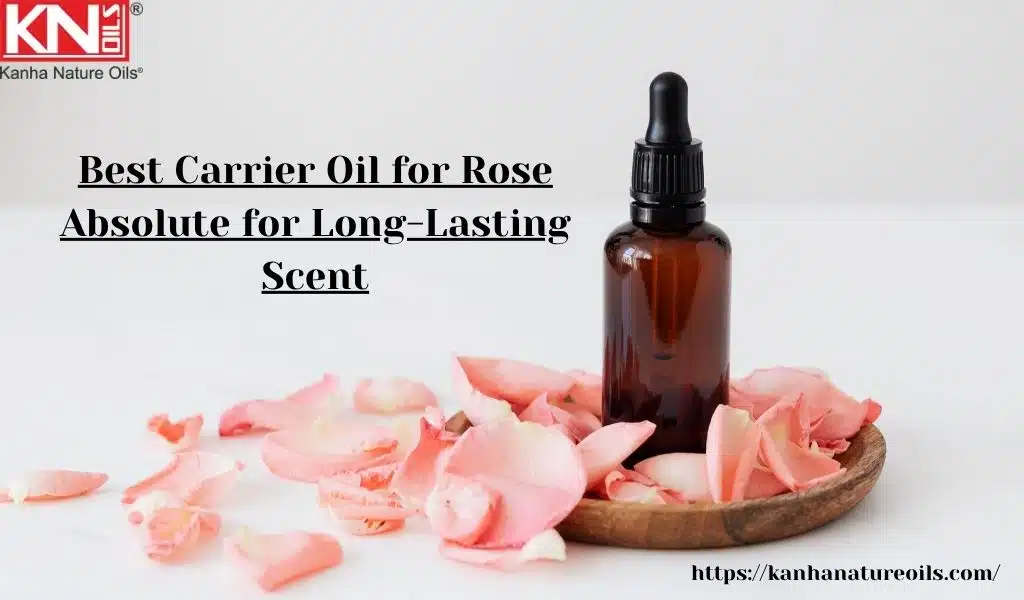
Best Carrier Oil for Rose Absolute for Long-Lasting Scent Tightly seal the container after every use to prevent oxidation. When it comes to essential oils, few are as luxurious, timeless, and romantic as Rose Absolute. Revered for its deep floral aroma and emotional benefits, Rose Absolute is often used in perfumery, skincare, and aromatherapy. However, because it is a concentrated and often expensive extract, it’s typically diluted with a carrier oil for practical use. But not all carrier oils are created equal—especially when your goal is to preserve and extend the long-lasting scent of Rose Absolute. Choosing the best carrier oil for Rose Absolute is essential to ensure that its delicate fragrance remains potent, balanced, and enduring throughout your application. In this article, we’ll delve deep into: What Rose Absolute is and why it’s special The importance of choosing the right carrier oil Characteristics that affect scent longevity The best carrier oils to use with Rose Absolute How to blend and apply for optimal results Tips on storing and using your blend Let’s explore the art and science of finding the best carrier oil for Rose Absolute to ensure your blend has a rich, long-lasting aroma. What is Rose Absolute? Rose Absolute is a solvent-extracted aromatic oil obtained from the petals of Rosa damascena (Damask rose) or Rosa centifolia (Cabbage rose). Unlike steam-distilled rose essential oil (Rose Otto), Rose Absolute is extracted using a solvent, often hexane, which makes it more aromatic and less expensive to produce. This method preserves more of the delicate floral constituents, giving Rose Absolute a deep, sensual, and true-to-flower scent. Rose Absolute is widely used in: High-end perfumery Skin rejuvenation products Emotional balance and heart-opening aromatherapy Due to its concentrated nature, it’s typically diluted with a carrier oil before application on the skin or in perfumes. Why Carrier Oil Matters for Rose Absolute Carrier oils are neutral, plant-based oils used to dilute essential oils. They “carry” the essential oil onto the skin while also contributing their own therapeutic properties. But beyond dilution and skin absorption, the choice of carrier oil can profoundly influence: 1. How long the scent of Rose Absolute lasts 2. How it evolves over time on your skin 3. The overall texture and absorption rate of your blend 4. Whether or not the scent gets altered A poor-quality or inappropriate carrier oil can overpower, mask, or shorten the aromatic lifespan of Rose Absolute. Therefore, understanding the science behind carrier oils is key to creating a fragrance that truly endures. Characteristics of a Good Carrier Oil for Long-Lasting Scent When selecting the best carrier oil to pair with Rose Absolute for maximum scent longevity, consider these factors: 1. Low Odor Profile The best carrier oil should have little to no scent. This ensures the oil doesn’t compete with or alter the rose aroma. 2. Slow Absorption Rate Carrier oils that absorb too quickly may reduce the time the essential oil lingers on your skin. A slower absorption rate allows the scent to stay longer on the skin’s surface. 3. High Stability (Oxidation Resistance) Carrier oils prone to oxidation can turn rancid quickly, which not only affects the scent but may irritate the skin. Oils with a longer shelf life are preferred. 4. Fatty Acid Profile Different fatty acids interact uniquely with essential oils. Oils rich in oleic acid tend to form a light film on the skin, which can trap scent molecules and make them last longer. 5. Skin Sensitivity Compatibility Since Rose Absolute is often used in facial and body products, the carrier oil should be skin-friendly and unlikely to cause breakouts or allergic reactions. Top 7 Carrier Oils for Rose Absolute Let’s explore the best carrier oils that meet the above criteria and work beautifully with Rose Absolute: 1. Jojoba Oil Why it’s ideal:Jojoba oil is technically a liquid wax, not a true oil, which makes it highly stable and resistant to oxidation. It closely mimics the natural sebum of human skin, allowing for optimal absorption without clogging pores. More importantly, it forms a light protective barrier on the skin, helping to trap scent molecules and prolong the fragrance. Scent profile: Virtually odorlessAbsorption: Medium-slowShelf life: Extremely long (up to 5 years) Best for: Perfume bases, facial oils, sensitive skin 2. Fractionated Coconut Oil (FCO) Why it’s ideal:Fractionated coconut oil is a light, non-greasy, and stable carrier oil that doesn’t solidify at room temperature. It is completely odorless and has a silky texture that enhances the spreadability of Rose Absolute. Scent profile: OdorlessAbsorption: Fast to mediumShelf life: 2–3 years Best for: Roll-on perfumes, hair serums, travel blends 3. Meadowfoam Seed Oil Why it’s ideal:Meadowfoam seed oil is prized for its exceptionally long shelf life and high oxidative stability. It is rich in long-chain fatty acids that sit on the skin’s surface longer, helping to preserve the scent of essential oils. Scent profile: Mild, slightly earthy but very faintAbsorption: SlowShelf life: Up to 5 years Best for: Long-wear perfumes, body oils 4. Sweet Almond Oil Why it’s ideal:Sweet almond oil is lightweight, nourishing, and has a very mild scent that won’t clash with Rose Absolute. Its gentle emollient properties make it perfect for sensitive or dry skin. Scent profile: Mild, nuttyAbsorption: MediumShelf life: 1–2 years Best for: Massage oils, everyday moisturizers 5. Argan Oil Why it’s ideal:Argan oil is luxurious and rich in Vitamin E and essential fatty acids. It absorbs slowly, allowing Rose Absolute’s scent to last longer. It also enhances skin elasticity and softness. Scent profile: Nutty and slightly earthy (can be deodorized)Absorption: SlowShelf life: 1–2 years Best for: Anti-aging facial oils, dry skin applications 6. Camellia Seed Oil Why it’s ideal:Also known as “tea seed oil,” Camellia oil is feather-light but long-lasting. It’s high in oleic acid, deeply hydrating, and non-comedogenic. The soft finish allows floral oils like Rose Absolute to shine. Scent profile: Virtually odorlessAbsorption: MediumShelf life: 1–2 years Best for: Facial serums, night oils 7. Grapeseed Oil (For Short-Term Use) Why it’s ideal:Grapeseed oil is light, easily absorbed, and inexpensive, making it great for short-term applications like massage. While it’s not as stable as jojoba or meadowfoam, it’s a good budget option. Scent profile: Very mildAbsorption: FastShelf life: 6–12 months Best for: Trial blends, massage oil Blending Tips: How to Maximize Longevity Creating the perfect Rose
A Complete Guide to Essential Oils for Seasonal Immunity and Wellness Seasonal changes bring fresh opportunities for enjoyment — blooming flowers in spring, sun-soaked summers, crisp autumn air, and cozy winter nights. But along with these shifts in climate and daylight come challenges for our immune system. Pollen counts, fluctuating temperatures, and increased exposure to viruses can weaken our natural defenses. While a healthy diet, regular exercise, and adequate sleep form the foundation of good immunity, many people turn to essential oils as a natural, aromatic way to support their wellness throughout the year. Essential oils — the concentrated aromatic compounds extracted from plants — have been used for centuries in traditional healing systems for their antimicrobial, anti-inflammatory, and immune-modulating properties. Today, they are a valued complement to modern self-care routines. This guide will walk you through the best essential oils for each season, the science behind their benefits, and practical tips for safe use to help you stay resilient year-round. Understanding Essential Oils and the Immune System What Are Essential Oils? Essential oils are volatile aromatic compounds extracted from leaves, flowers, bark, roots, or fruit peels through steam distillation, cold pressing, or CO₂ extraction. They carry the plant’s “essence” — its scent and beneficial compounds — in a highly concentrated form. How Essential Oils Support Immunity Essential oils can benefit the immune system in multiple ways: Antimicrobial action: Many oils inhibit bacteria, viruses, and fungi. Anti-inflammatory effects: They help modulate inflammation, a key immune response. Respiratory support: Oils like eucalyptus can open airways and reduce congestion. Mood regulation: Aromatherapy can reduce stress hormones, indirectly supporting immune health. The Science at a Glance Tea Tree Oil: Known for strong antibacterial and antiviral effects. Eucalyptus Oil: Supports respiratory function and has antimicrobial compounds like cineole. Lemon Oil: Rich in limonene, which can boost mood and fight germs. Oregano Oil: Contains carvacrol and thymol, potent natural antimicrobials. Seasonal Immunity Challenges Each season affects the immune system differently: Spring: Allergens like pollen can cause inflammation and histamine reactions. Summer: Travel, outdoor activities, and heat stress can tax the body. Autumn: The transition from warmth to cooler air increases susceptibility to colds. Winter: Indoor living and lower vitamin D levels can weaken immune defenses. Understanding these patterns allows us to choose essential oils that target seasonal stressors effectively. Essential Oils for Each Season Spring: Allergy & Respiratory Support Spring is beautiful but can trigger sneezing, watery eyes, and sinus discomfort. Oils that soothe inflammation and clear airways are ideal. Best Oils for Spring: Lavender – Calms inflammation and promotes relaxation. Peppermint – Opens nasal passages and provides a cooling effect. Eucalyptus – Reduces congestion and supports lung health. Lemon – Helps cleanse the air and uplifts mood. How to Use: Diffuse a blend of lavender, lemon, and peppermint for natural allergy relief. Add 2 drops of eucalyptus oil to a steam bowl, inhale deeply to open sinuses. Summer: Travel & Skin Protection Summer often brings travel, crowded events, and sun exposure. The goal is to protect against germs and soothe skin irritation. Best Oils for Summer: Tea Tree – Fights bacteria and fungi. Lemongrass – Natural insect repellent. Lavender – Soothes sunburns and minor cuts. Sweet Orange – Boosts mood and energy. How to Use: Mix tea tree oil into a natural hand sanitizer. Blend lavender with aloe vera gel for a sunburn relief lotion. Create a lemongrass spray to keep mosquitoes away. Autumn: Cold & Flu Prevention Autumn is a transitional season, often marked by immune vulnerability. Oils with antiviral, antibacterial, and warming properties are key. Best Oils for Autumn: Oregano – Potent antimicrobial. Thyme – Supports respiratory function. Cinnamon Bark – Warms and kills germs. Frankincense – Boosts immunity and reduces inflammation. How to Use: Diffuse cinnamon, orange, and clove for a cozy, germ-fighting atmosphere. Add oregano oil (diluted) to a chest rub for immune support. Winter: Immune Strengthening & Mood Support Cold weather and short daylight hours can cause low mood and reduced immunity. Oils that are warming, uplifting, and antimicrobial are ideal. Best Oils for Winter: Eucalyptus – Clears congestion. Clove – Powerful antimicrobial and antioxidant. Rosemary – Stimulates circulation. Bergamot – Elevates mood. How to Use: Diffuse rosemary and bergamot to combat winter blues. Add eucalyptus to a shower steam for respiratory relief. Use clove oil in DIY cleaning sprays to kill household germs. 5. Safety Guidelines Always dilute before skin application. Avoid internal ingestion unless directed by a qualified professional. Keep away from eyes, ears, and mucous membranes. Store in dark glass bottles, away from heat and light. Pregnant women, children, and people with chronic health conditions should consult a healthcare provider before use. 7. Pairing Essential Oils with Other Wellness Practices Essential oils work best when integrated into a holistic wellness routine: Nutrition: Eat immune-boosting foods like citrus fruits, garlic, and leafy greens. Exercise: Maintain regular movement to improve circulation. Sleep: Use calming oils like lavender to improve sleep quality. Stress Management: Diffuse mood-lifting oils like bergamot to keep cortisol in check. Essential Oils and Their Benefits for Immunity Introduce a list of essential oils known for their immune-supportive and wellness benefits. Eucalyptus Oil: Known for its respiratory benefits. Tea Tree Oil: Powerful antibacterial and antiviral properties. Lemon Oil: Detoxifying and uplifting effects. Peppermint Oil: Cooling, relieves congestion. Lavender Oil: Calming and immune-balancing properties. How Essential Oils Work to Support Immunity Antimicrobial Properties: How essential oils help protect against pathogens. Antioxidant Benefits: Essential oils as a source of antioxidants. Mood and Wellness Support: How essential oils affect mental wellness and stress, indirectly supporting immunity. Safety Guidelines for Using Essential Oils Dilution: How to dilute essential oils for various applications. Patch Testing: Importance of testing before use. Avoiding Sensitive Areas: Areas where oils should not be applied. Children and Pregnant Individuals: Special guidelines. Choosing High-Quality Essential Oils for Maximum Benefit Purity: Importance of 100% pure, therapeutic-grade oils. Sourcing and Extraction: Why origin and extraction methods matter. Packaging and Storage: Tips on storing essential oils for
Essential Oils for Prosperity and Good Fortune: Diwali-Special Blends Diwali, also known as the Festival of Lights, is one of the most significant festivals celebrated across India and the world. It symbolizes the victory of light over darkness, knowledge over ignorance, and good over evil. Beyond the religious and cultural significance, Diwali is also a time for new beginnings, the renewal of bonds, and the welcoming of prosperity and good fortune into our lives. Homes are cleaned, adorned with lights, and filled with the sweet scent of incense to purify the air and invite positive energy. One way to enhance the vibrations of prosperity and positivity during Diwali is by incorporating essential oils into your celebrations. These natural plant extracts have been used for centuries to elevate the spirit, heal the body, and manifest abundance. In this comprehensive blog, we will explore how specific essential oils can be used to attract prosperity and good fortune during Diwali, creating an atmosphere of positivity and abundance in your home. We will also delve into the art of creating Diwali-special essential oil blends that you can easily incorporate into your rituals and daily life. The Spiritual and Cultural Significance of Diwali Diwali is much more than just a festival of lights. It is a time for reflection, renewal, and reaffirmation of life’s purpose. The festival marks the return of Lord Rama to his kingdom after 14 years of exile, symbolizing the triumph of righteousness. It is also the day when Goddess Lakshmi, the deity of wealth and prosperity, is worshiped to bless homes and businesses with abundance for the coming year. Diwali is a perfect time to clear out negative energies, both in the physical and spiritual sense, and make way for new beginnings. During Diwali, the act of cleaning and decorating homes is symbolic of clearing away the old and making room for the new. Lighting diyas (oil lamps) signifies the removal of darkness and the triumph of knowledge and light. Alongside traditional customs like lighting lamps, performing pujas (prayers), and exchanging gifts, there is an increasing awareness of how aromatherapy can amplify the spiritual and emotional energy during this time. By using essential oils during Diwali, we can align with the festival’s themes of cleansing, prosperity, and spiritual enlightenment. Essential oils help to purify the environment, uplift the mood, and manifest abundance, making them a powerful addition to your Diwali celebrations. Understanding the Power of Essential Oils Essential oils are highly concentrated plant extracts that capture the essence and energy of the plant from which they are derived. They are made by extracting the volatile compounds from the flowers, leaves, roots, seeds, or bark of plants. Each essential oil carries unique properties that can influence the body, mind, and spirit. In aromatherapy, essential oils are used for their healing properties. Some oils can calm the mind, others can invigorate the senses, and many are known for their ability to attract positive energy, prosperity, and good fortune. During Diwali, specific essential oils can be used to: Purify the space: By cleansing the air of negative energies and inviting positivity. Enhance spiritual connection: By elevating the mind and spirit during prayers and rituals. Attract prosperity: By aligning your intentions with the vibrations of abundance and wealth. Create a serene environment: By calming the mind and reducing stress, making room for clarity and joy. Let’s explore the essential oils that are particularly effective for enhancing prosperity and good fortune during Diwali. Essential Oils for Prosperity and Good Fortune Each essential oil carries its own energetic frequency and can be used to manifest specific intentions. For Diwali, we want to focus on oils that promote prosperity, abundance, protection, and spiritual clarity. Here are some of the best essential oils for manifesting wealth and good fortune during this auspicious time: 1. Cinnamon Essential Oil Cinnamon has been used for centuries to attract wealth and success. Its warm and spicy scent is energizing and invigorating, making it an excellent oil for manifesting prosperity. Cinnamon is also believed to enhance mental clarity, helping you to make wise financial decisions and take action on opportunities that come your way. How to Use: Add a few drops of cinnamon oil to your diffuser during Diwali puja or prayers to invite wealth and success. You can also blend it with a carrier oil and use it to anoint candles before lighting them during Lakshmi puja to enhance the vibrations of prosperity. 2. Basil Essential Oil In Indian culture, basil is considered sacred, and its plant is often grown in homes for spiritual protection and to attract blessings. Basil essential oil is associated with wealth, luck, and abundance. It helps to clear negativity from the space and attracts positive energy, making it ideal for Diwali. How to Use: Use basil essential oil in your diffuser or add it to a room spray to cleanse your home before Diwali celebrations. You can also anoint your Lakshmi idol or Diwali altar with a basil oil blend to invite blessings of prosperity and abundance. 3. Frankincense Essential Oil Frankincense has long been used in religious ceremonies and is considered one of the most spiritually significant oils. Its rich, resinous aroma helps elevate the spirit and deepen meditation, making it perfect for connecting with the divine energies of prosperity during Diwali. Frankincense is also known for its ability to cleanse negative energy and create a peaceful environment, which is essential for attracting abundance. How to Use: Diffuse frankincense oil during your Diwali prayers or rituals to create a sacred space. You can also use it in a massage oil blend to relax and ground yourself before important financial decisions or actions. 4. Patchouli Essential Oil Patchouli is a powerful oil for grounding and manifesting abundance. Its earthy scent is known to attract wealth, success, and financial growth. Patchouli helps to stabilize emotions and promote a sense of security, which is crucial for maintaining prosperity in your life. How to Use: Use
9 Divine Essential Oils for the 9 Days of Navratri: A Guide to the Good Life Navratri, a significant festival celebrated in India, spans nine nights dedicated to the worship of the divine feminine. Each day of Navratri symbolizes a different aspect of the goddess Durga and is associated with unique colors, rituals, and offerings. During this vibrant festival, incorporating essential oils can enhance your spiritual experience, promote positivity, and create a harmonious environment. In this blog, we will explore nine divine essential oils, each corresponding to a day of Navratri, along with their benefits, usage tips, and ways to integrate them into your rituals. But here’s a beautiful idea—what if you could enhance the Navratri experience through the power of essential oils? These aromatic plant extracts have been used for centuries in Ayurveda, meditation, and healing practices. By pairing the right essential oil with each day of Navratri, you can deepen your spiritual connection, uplift your mood, and nurture your well-being—physically, emotionally, and spiritually. In this guide, we’ll explore nine divine essential oils—one for each day of Navratri—each thoughtfully aligned with the Goddess’s form, the day’s symbolic color, and the spiritual qualities it embodies. In this blog post, Kanha Nature Oils will share how these fragrant treasures can enrich your Navratri celebrations and bring harmony, positivity, and well-being into your life. Day 1: Shailaputri – The Daughter of the Mountain Essential Oil: Cedarwood On the first day of Navratri, we honor Shailaputri, the daughter of the mountains, who represents stability, strength, and the essence of nature. Cedarwood essential oil is derived from the wood of cedar trees and is known for its grounding properties. Benefits: Grounding and Centering: Cedarwood oil helps create a calming atmosphere, making it perfect for meditation and spiritual practices. Promotes Clarity: Its earthy aroma can help clear mental fog and improve focus during your prayers and rituals. How to Use: Diffusion: Add a few drops of cedarwood essential oil to your diffuser while meditating or performing puja (worship) to invite tranquility and grounding energy into your space. Topical Application: Mix cedarwood oil with a carrier oil (like coconut or almond oil) and apply it to your wrists or temples to enjoy its calming effects throughout the day. Day 2: Brahmacharini – The Celibate Goddess Essential Oil: Jasmine The second day is dedicated to Brahmacharini, the goddess who embodies purity and self-discipline. Jasmine essential oil, known for its sweet and floral aroma, is perfect for promoting feelings of love and devotion. Benefits: Emotional Balance: Jasmine oil helps soothe emotions and encourages feelings of joy, making it easier to connect spiritually. Enhances Love and Devotion: Its intoxicating scent is believed to enhance romantic and spiritual love. How to Use: Aromatherapy: Use jasmine essential oil in a diffuser or oil burner while chanting mantras or engaging in spiritual activities to create an uplifting ambiance. Anointing Oil: Add a drop of jasmine oil to your prayer altar or apply it to your heart chakra for enhanced spiritual connection. Day 3: Chandraghanta – The Goddess of Courage Essential Oil: Clary Sage On the third day, we honor Chandraghanta, who embodies courage and strength. Clary sage essential oil is known for its uplifting and clarifying properties. Benefits: Promotes Courage: Clary sage can help instill confidence and bravery, supporting you during challenging times. Balances Emotions: Its calming effects help ease anxiety, making it easier to connect with your inner strength. How to Use: Meditation: Diffuse clary sage essential oil while meditating to encourage courage and emotional balance. Massage Oil: Create a massage blend by mixing clary sage with a carrier oil, and use it to relieve tension and promote relaxation. Day 4: Kushmanda – The Goddess of Abundance Essential Oil: Sweet Orange The fourth day of Navratri is dedicated to Kushmanda, who represents abundance and prosperity. Sweet orange essential oil is uplifting and energizing, making it a perfect fit for this day. Benefits: Boosts Mood: The cheerful aroma of sweet orange helps enhance mood and creates a positive atmosphere. Encourages Abundance: It is believed to attract prosperity and abundance in various forms. How to Use: Diffusion: Add sweet orange oil to your diffuser to create an uplifting and cheerful environment while celebrating the abundance of life. Manifestation Ritual: Use sweet orange oil during manifestation rituals to attract positivity and abundance. Day 5: Skandamata – The Mother of Skanda Essential Oil: Frankincense On the fifth day, we honor Skandamata, the mother of Lord Skanda, who represents motherhood and nurturing. Frankincense essential oil is known for its grounding and calming properties. Benefits: Enhances Spiritual Connection: Frankincense oil helps deepen meditation and enhance spiritual awareness. Nurturing Energy: Its calming properties promote a sense of safety and nurturing, ideal for connecting with the divine feminine. How to Use: Meditation: Use frankincense oil in your meditation practice to deepen your connection to your higher self and the divine. Altar Offerings: Incorporate frankincense oil into your puja rituals as an offering to enhance spiritual energy. Day 6: Katyayani – The Warrior Goddess Essential Oil: Rosemary The sixth day is dedicated to Katyayani, the fierce warrior goddess. Rosemary essential oil is invigorating and empowering, symbolizing strength and protection. Benefits: Boosts Focus and Clarity: Rosemary oil enhances mental clarity and concentration, making it ideal for prayer and focus. Invigorates the Mind: Its refreshing aroma helps combat fatigue and encourages alertness. How to Use: Aromatherapy: Diffuse rosemary essential oil during your spiritual practices to invigorate your senses and enhance focus. Herbal Infusion: Add a few drops of rosemary oil to a warm bath for an energizing soak after a day of rituals. Day 7: Kalratri – The Goddess of Destruction Essential Oil: Patchouli On the seventh day, we honor Kalratri, the goddess who embodies destruction and transformation. Patchouli essential oil is earthy and grounding, making it suitable for this powerful day. Benefits: Supports Transformation: Patchouli oil helps facilitate personal growth and transformation, encouraging you to let go of the old. Grounding and Centering: Its deep, rich aroma
Enhance Your Mehndi Game with Essential Oils! Mehndi, also known as henna, has been a symbol of beauty, celebration, and tradition for centuries. From grand Indian weddings to festive gatherings across the Middle East, North Africa, and South Asia, the art of adorning the skin with henna patterns has always carried cultural, spiritual, and aesthetic significance. But what if you could take your mehndi designs to the next level—making the color darker, the fragrance richer, and the experience more memorable? That’s where essential oils come in. Beyond their therapeutic benefits, essential oils have a unique ability to enhance mehndi application, boost stain quality, and even create a calming, aromatic ritual around the entire process. In this blog post, Kanha Nature Oils will tell you how essential oils can elevate your mehndi game, the science behind their magic, practical recipes you can try at home, and expert tips for achieving the best results. In Hinduism, Mehendi is believed to possess spiritual powers, bringing peace, harmony, and blessings to those who adorn it. The application of mehndi is considered a sacred ritual, purifying the mind, body, and soul. Wedding Traditions In Indian weddings, mehandi plays a vital role, especially for the bride. The darker the mehndi stain, the stronger the marriage is believed to be. The intricate designs and patterns symbolize the couple’s love, commitment, and unity. Festivals and Celebrations Mehndi is an essential part of various Indian festivals: Karva Chauth: Mehendi and Karwa Chauth are intimately connected in Hindu culture, both holding special significance for married women. Mehendi, the art of adorning hands and feet with intricate henna designs, is a cherished tradition often embraced in preparation for Karwa Chauth. The application of mehendi symbolizes the beauty and sanctity of marriage, with its elaborate patterns reflecting the deep affection between spouses. Moreover, the auspicious nature of mehendi aligns harmoniously with the sentiments of Karwa Chauth, a day when married women fast for the well-being and longevity of their husbands. The mehendi-clad hands and feet add an extra layer of sanctity to the evening puja, where women gather to offer prayers to the moon. This connection goes beyond mere aesthetics, as both Mehendi a nd Karwa Chauth serve as heartfelt expressions of love, devotion, and commitment that married women hold for their husbands, reinforcing the bonds of marriage and family within Hindu tradition. Diwali: Applying Mehendi on this day is considered auspicious, symbolizing love and prosperity. Diwali: The festival of lights is a time of joy and celebration. Women adorn their hands with intricate Mehendi designs to enhance their festive look, which perfectly complements their ethnic attire. Eid: Mehendi is applied to invoke blessings from the goddess and to celebrate feminine power and beauty. Eid: Although not a Hindu festival, Eid is widely celebrated in India, and Mehendi is an essential part of the celebrations. Women apply Mehendi as a symbol of joy and beauty. Mehndi represents: Beauty and elegance Good fortune and prosperity Spiritual growth and purification Love and commitment Cultural heritage and tradition The Science Behind Essential Oils in Mehndi Essential oils like eucalyptus, tea tree, and lavender are commonly used in mehndi preparation because they contain terpenes—organic compounds that interact with the lawsone in henna. When these terpenes come into contact with the dye molecules, they help the paste release more pigment and bind it better to the keratin in your skin. The result? Darker, richer stains Longer-lasting results A pleasant aroma during application Think of essential oils as enhancers or activators that unlock the full potential of your henna. Without them, your mehndi might still stain, but the results are often lighter and fade more quickly. Best Essential Oils for Mehndi Not every essential oil works with henna. To maximize stain quality, you need oils that are high in monoterpene alcohols such as linalool, cineole, and terpineol. Here are some of the best options: 1. Lavender Oil: Known for its calming properties, lavender oil reduces inflammation and promotes relaxation. 2. Tea Tree Oil: This antiseptic oil prevents infections and promotes healthy skin. 3. Rosemary Oil: Improve circulation and reduce dandruff with rosemary oil’s stimulating properties. 4. Eucalyptus Oil: Decongest and refresh with eucalyptus oil’s cooling effects. 5. Geranium Oil: Balance skin pH and reduce inflammation with geranium oil’s antiseptic properties. How to Use Essential Oils with Mehndi 1. Mix a few drops of essential oil with mehndi paste. 2. Apply oil to skin before applying mehndi. 3. Add oil to after-care routine for prolonged color retention. Beyond Stain: Aromatherapy Benefits Using essential oils in mehndi isn’t just about the stain. The aromatic properties of these oils can transform the entire mehndi application into a soothing ritual: Lavender oil calms pre-wedding jitters and helps you relax. Eucalyptus oil refreshes the mind, giving you a spa-like experience. Tea tree oil ensures your skin stays clean and healthy, preventing irritation. Imagine sitting with your loved ones, surrounded by the earthy scent of henna and the soothing fragrance of Safety Tips for Using Essential Oils in Mehndi While essential oils can elevate your mehndi game, safety is crucial. Here are some tips: Patch Test First – Always test the paste on a small area of skin to ensure you don’t have allergic reactions. Avoid Overuse – Essential oils are concentrated. Adding too much can cause burns or irritation. Stick to 10–15 drops per 100g of henna. Never Use Synthetic Oils – Only pure, therapeutic-grade essential oils should be used. Artificial fragrances won’t work and may harm your skin. Be Careful with Clove and Cinnamon Oils – These are very strong and can irritate sensitive skin. Use sparingly or avoid altogether. Avoid During Pregnancy – Some essential oils are not recommended during pregnancy. Always consult your doctor first. Tips for Darker and Longer-Lasting Mehndi Now that you know how essential oils play a role, here are some bonus tips to maximize your stain: Heat Helps – Keep your hands warm after
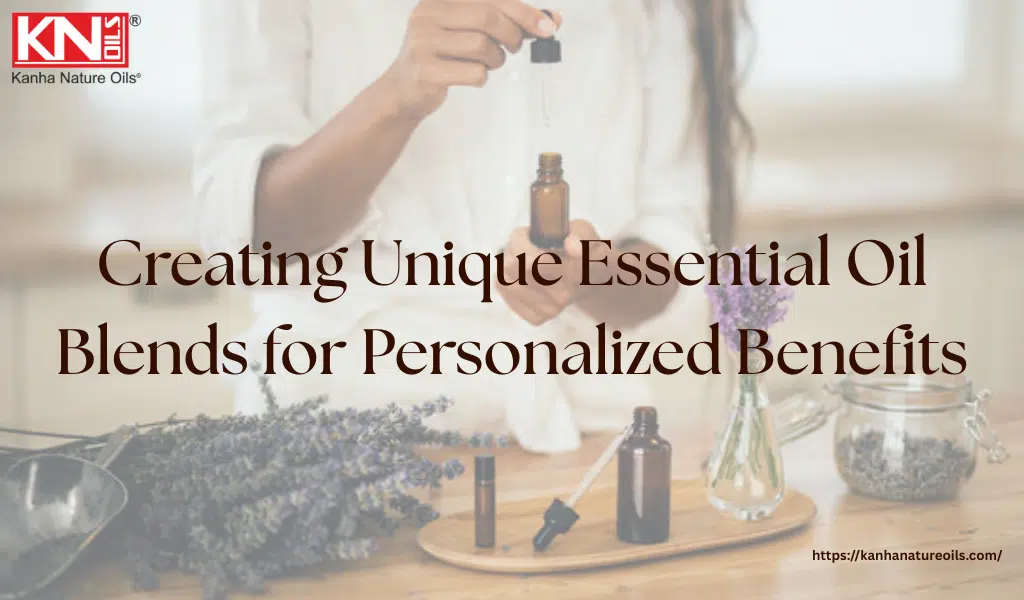
Creating Unique Essential Oil Blends for Personalized Benefits Essential oils have been cherished for centuries as nature’s most potent gifts. Derived from flowers, leaves, roots, bark, and resins, they contain concentrated plant compounds with therapeutic properties that can uplift mood, calm stress, improve sleep, and even support physical wellness. But while single oils like lavender, peppermint, or tea tree hold unique benefits on their own, the true magic lies in the art of blending. When combined thoughtfully, essential oils create synergistic effects—where the whole blend becomes more powerful than the sum of its parts. In this blog post, Kanha Nature Oils will tell you all about the art and science of mixing essential oils, uncovering how to craft blends for personal benefit. You’ll discover blending principles, techniques, safety guidelines, and step-by-step recipes tailored for relaxation, focus, immunity, skincare, and more. By the end, you’ll feel confident in experimenting with your own creations—turning your essential oil collection into a personalized wellness toolkit. Why Blend Essential Oils? 1. Synergy of Aromatherapy Blending oils allows you to harness synergy, where different compounds amplify each other’s therapeutic properties. For example, lavender (calming) paired with bergamot (uplifting) creates a balanced blend that reduces stress while promoting positivity. 2. Personalized Benefits Every person has unique physical, emotional, and lifestyle needs. Blending lets you customize oils to your preferences—whether you want to feel energized in the morning, improve focus during work, or create a calming sleep ritual at night. 3. Aesthetic Appeal A well-balanced blend doesn’t just provide health benefits; it also creates a pleasing fragrance profile. Like fine perfumes, essential oil blends can have top, middle, and base notes that unfold beautifully over time. 4. Economical Use Blending allows you to stretch oils further. A small amount of a potent oil like rose can be mixed with more affordable oils like lavender or sweet orange to create a luxurious yet cost-effective blend. Understanding Essential Oils Before diving into blending, it’s essential to understand the basics of essential oils. Essential oils are concentrated plant extracts that contain the plant’s active compounds. They can be obtained through various methods, including steam distillation, cold pressing, and solvent extraction. Benefits of Blending Essential Oils Blending essential oils offers several benefits, including: – Enhanced therapeutic effects: Combining essential oils can amplify their individual benefits, creating a synergistic effect. – Customization: Blending allows for personalized creations tailored to specific needs and preferences. – Increased versatility: Blends can be used in various applications, such as aromatherapy, skincare, and natural remedies. Principles of Blending To create effective blends, consider the following principles: – Top, Middle, and Base Notes: Balance blends by combining top notes (light, uplifting), middle notes (balancing, calming), and base notes (deep, grounding). – Fragrance Families: Group oils by fragrance families (e.g., floral, citrus, woody) to create harmonious blends. – Therapeutic Properties: Combine oils with complementary therapeutic properties to enhance benefits. Creating Your Blend To create a unique blend, follow these steps: 1. Define the purpose: Determine the intended use and benefits of the blend (e.g., stress relief, energy boost). 2. Select oils: Choose essential oils that align with the blend’s purpose, considering their therapeutic properties and fragrance profiles. 3. Balance the blend: Combine oils using the principles of blending, adjusting proportions to achieve a harmonious scent and effective therapeutic properties. 4. Test and refine: Evaluate the blend’s effectiveness and adjust the recipe as needed. Popular Essential Oil Blends Explore these popular blends for inspiration: – Relaxation Blend: Lavender, Chamomile, and Bergamot for calming and stress relief. – Energy Boost Blend: Peppermint, Rosemary, and Lemon for invigoration and focus. – Immunity Blend: Eucalyptus, Tea Tree, and Lemon for immune system support. Safety Precautions While essential oils are natural, they are potent and must be handled with care: Always dilute before skin use. Perform a patch test before applying new blends. Avoid sensitive areas (eyes, mucous membranes). Some oils (like citrus) are phototoxic—avoid sun exposure after use. Pregnant women, children, and those with medical conditions should consult a professional before use. Store oils safely away from children and pets. The Emotional & Spiritual Dimension of Blending Beyond physical health, essential oils also influence emotions and spirituality. Blends can: Enhance meditation (frankincense, sandalwood, myrrh). Promote emotional healing (rose, ylang-ylang, bergamot). Encourage creativity (orange, clary sage, basil). Support self-love and confidence (jasmine, cedarwood, vanilla). Blending becomes not just a science but a form of self-expression and ritual, allowing you to connect with yourself on a deeper level. Tips for Mastering the Art of Mixing Start simple – Begin with 2–3 oils before moving to complex blends. Trust your nose – Your body often knows what it needs through scent preference. Keep notes – Document every experiment to refine future blends. Use themes – Create seasonal blends (e.g., “Spring Renewal” with citrus + floral). Experiment with diffusion – Try blends in a diffuser before making topical versions. Educate yourself – Read about each oil’s chemistry, safety, and uses. Conclusion Blending essential oils is both an art and a science—an act of creativity that merges fragrance, wellness, and intention. By learning to balance fragrance notes, respecting dilution guidelines, and experimenting with different combinations, you can create blends that nurture your body, mind, and spirit. Whether you seek calm after a long day, energy to power through work, or radiant skin, your personalized blends will become a signature wellness practice—crafted by you, for you. The beauty lies not only in the therapeutic results but also in the mindful process of creating them. So, pick up your oils, let your intuition guide you, and start mixing. With practice, you’ll master the art of blending—turning your aromatherapy journey into a deeply personal expression of self-care. Unique Essential Oils for Personal Benefit, Click Here:👉 Essential Oils Contact us: info@aromatherapyoil.in Mobile Number: 9810805866