
Kanha Nature Oils

Kanha Nature Oils

Why Indian Frankincense is Called the King of Oils

Why Indian Frankincense is Called the King of Oils   Frankincense, often called the “King of Oils,” has been treasured for thousands of years across cultures, traditions, and civilizations. Among the many varieties of frankincense available worldwide, Indian frankincense (Boswellia serrata) holds a unique position. Known for its spiritual, therapeutic, and medicinal benefits, it is not only deeply rooted in Ayurveda but has also gained international recognition in aromatherapy and natural wellness. But what exactly makes Indian Frankincense Oil deserving of the royal title—the King of Oils? We will examine Indian Frankincense’s history, cultural significance, medicinal qualities, contemporary applications, and scientific proof in this comprehensive piece, revealing the factors that have contributed to its illustrious reputation. Kanha Nature Oils will walk you through the intriguing process of discovering why Indian Frankincense is genuinely referred to as the “King of Oils” in this blog post. The Origins of Indian Frankincense             Frankincense comes from the Boswellia tree, a hardy plant that thrives in dry, mountainous regions. While frankincense is found in parts of Africa and the Middle East, Indian Frankincense is sourced from Boswellia serrata, a species native to India. The resin is collected by carefully tapping the tree bark, allowing a milky-white substance to ooze out. This resin hardens into golden, tear-shaped droplets, often referred to as “tears of the gods.” From this resin, Essential oil is steam-distilled, producing one of the most aromatic and therapeutic oils known to humankind. It has deep cultural roots in India, where Boswellia serrata has been used for centuries in Ayurveda as a potent remedy for digestive issues, respiratory ailments, and joint pain. The Title “King of Oils” The term “King of Oils” reflects both the holistic benefits and the spiritual power of frankincense. Like a king, it reigns supreme over many other oils due to its versatility and profound impact on the human body, mind, and soul. Some of the reasons behind this majestic title include: Multi-Dimensional Benefits: Few natural remedies can claim to be anti-inflammatory, antiseptic, stress-relieving, immune-boosting, and spiritually uplifting all at once. Sacred and Spiritual Legacy: From temples to rituals, frankincense was considered divine, connecting mortals with higher realms. Prestige and Value: In ancient times, frankincense was more valuable than gold, traded across continents through the Silk and Spice Routes. Scientific Validation: Modern studies confirm many of the traditional uses of frankincense, particularly in managing chronic inflammation and enhancing mental well-being.   Unique Properties of Indian Frankincense What makes Indian frankincense stand out from other varieties is its high concentration of boswellic acids, the active compounds responsible for many of its healing effects. 1. Anti-Inflammatory Power Boswellic acids are natural anti-inflammatories that inhibit enzymes responsible for swelling and pain. This makes Indian frankincense a popular natural alternative for managing arthritis, asthma, and inflammatory bowel disease. 2. Aromatic Excellence Indian frankincense has a warm, woody, and slightly spicy aroma that promotes grounding and relaxation. Its scent is often described as meditative and uplifting. 3. Versatility in Use Whether inhaled, applied topically, or taken in supplement form, Boswellia serrata supports multiple systems of the body, making it a truly holistic oil. Healing Benefits of Indian Frankincense           Indian frankincense has been studied extensively for its therapeutic properties. Here are its most celebrated benefits: 1 Joint and Bone Health Frankincense is a natural boon for those suffering from arthritis, osteoporosis, or chronic joint pain. Research shows that boswellic acids reduce stiffness and improve mobility, often without the harsh side effects of pharmaceutical drugs. 2 Respiratory Wellness For centuries, frankincense resin was burned to clear the airways. Its oil is effective in easing asthma, bronchitis, and congestion. It helps open the lungs, making breathing easier and deeper. 3 Digestive Aid Ayurveda has long used frankincense for gut health. It helps reduce bloating, cramps, and inflammatory conditions like ulcerative colitis and Crohn’s disease. 4 Skin and Beauty Benefits Frankincense oil rejuvenates the skin, reducing scars, wrinkles, and blemishes. It promotes cellular regeneration and is often added to luxury skincare formulations. 5 Stress Relief and Mental Clarity Its grounding aroma makes it an excellent natural stress reliever. Diffusing Indian frankincense can promote relaxation, reduce anxiety, and improve sleep quality. 6 Immune System Boost Frankincense strengthens immunity by increasing white blood cell activity. Regular use can help the body fight infections and recover faster. Frankincense in Modern Wellness and Industry Today, Indian frankincense is widely used across industries: Aromatherapy: Essential oils and blends for stress relief and relaxation. Pharmaceuticals: Supplements and capsules for inflammation and joint health. Cosmetics: Luxury skincare lines rely on its rejuvenating properties. Religious Practices: Still a staple in churches, temples, and meditation centers. The oil’s adaptability makes it indispensable in both traditional and modern contexts. Sustainability and Ethical Harvesting Sustainability has grown in importance as demand increases worldwide. Ecosystems may be threatened by overharvesting boswellia trees. Now, conscientious producers and suppliers concentrate on: Ethical harvesting methods that protect tree health. Supporting local communities involved in resin collection. Promoting organic and chemical-free processing. Ensuring sustainable practices preserves the legacy of Indian frankincense for future generations. How to Use Indian Frankincense Indian frankincense oil can be incorporated into daily life in many ways: Diffusion: Add a few drops to a diffuser for relaxation. Topical Application: Dilute with carrier oil to massage sore joints or apply to skin. Inhalation: Inhale steam infused with frankincense oil to ease respiratory issues. Supplements: Capsules or powders are available for systemic benefits. Ritual Use: Burn resin for meditation, prayer, or energy cleansing. Its flexibility ensures that everyone—from health seekers to spiritual practitioners—can benefit. Frankincense vs. Other Oils Frankincense addresses almost every facet of wellness, including mental, emotional, spiritual, and physical, in contrast to many essential oils that have particular functions. Although they have a smaller range of applications, oils like peppermint, lavender, and tea tree are very beneficial. One of the main reasons frankincense is regarded as the King of Oils is because of its versatility. The Timeless Appeal of
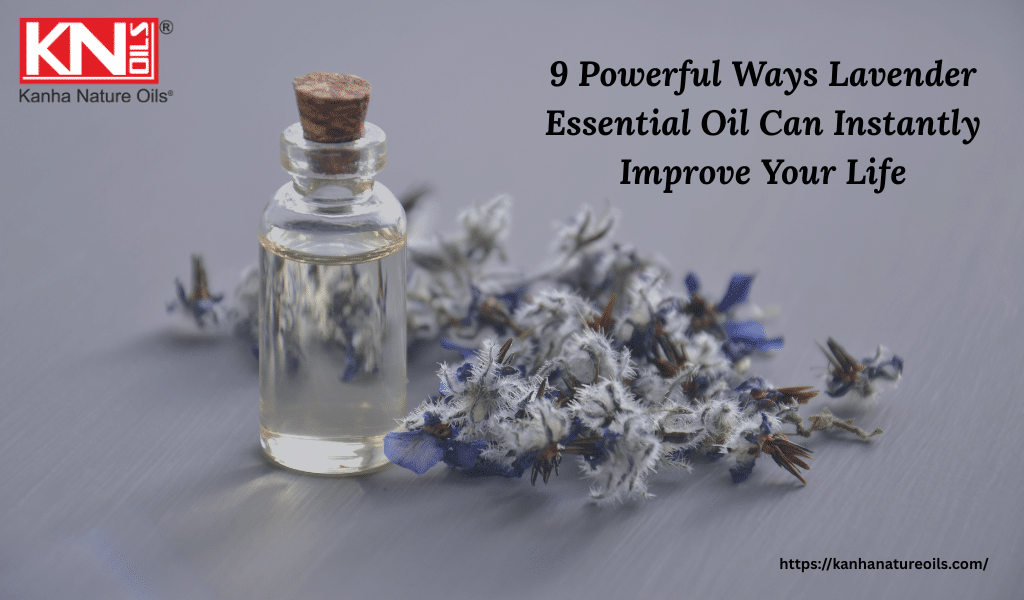
9 Powerful Ways Lavender Essential Oil Can Instantly Improve Your Life

9 Powerful Ways Lavender Essential Oil Can Improve Your Life   Lavender essential oil is one of the most popular and versatile oils in the world of aromatherapy. Extracted from the flowers of the Lavandula angustifolia plant, it has been used for centuries for its calming, soothing, and therapeutic properties. Its lovely floral scent is instantly recognizable, but beyond its fragrance lies a powerful natural remedy that can transform your life in dramatic ways. In this blog post, Kanha Nature Oils will tell you about 9 powerful ways lavender essential oil can instantly improve your life—from reducing anxiety and helping you sleep better to healing your skin and refreshing your home. Whether you’re an experienced essential oil user or just starting out on your natural health journey, this guide will show you how to get the most out of this magical oil.   1. Relieves Stress and Anxiety Lavender oil is most famous for its calming properties. The soothing aroma of lavender directly impacts the limbic system—the part of the brain that controls emotions. When inhaled, lavender can help reduce feelings of anxiety, nervousness, and restlessness. How to Use: Diffuse a few drops in your room during stressful moments. Add a few drops to a warm bath for an instant calming effect. Rub a diluted drop on your wrists or behind your ears. Science Says: Studies have shown that lavender essential oil can significantly lower cortisol levels—the hormone responsible for stress. In fact, a 2013 study published in The International Journal of Psychiatry in Clinical Practice found that lavender oil was as effective as certain anti-anxiety medications. 2. Improves Sleep Quality Struggling with insomnia or restless nights? Lavender essential oil is a natural sleep aid. Its sedative properties can help calm the mind and body, promoting deeper, more restful sleep. How to Use: Add a few drops to your pillow or bedding. Use a diffuser 30 minutes before bedtime. Massage diluted lavender oil onto your chest or temples. Real Results: A study published in The Journal of Alternative and Complementary Medicine found that lavender improved sleep quality in students suffering from insomnia and also helped reduce daytime sleepiness. 3. Soothes Headaches and Migraines If you suffer from tension headaches or migraines, lavender essential oil can be an effective, natural alternative to over-the-counter painkillers. Its analgesic and anti-inflammatory properties help reduce the severity and frequency of headaches. How to Use: Inhale directly from the bottle for quick relief. Apply a drop (diluted) to your temples and forehead. Mix with peppermint oil and carrier oil for an even stronger blend. Bonus Tip: Lavender can be especially helpful for menstrual migraines due to its hormone-balancing effects. 4. Heals Minor Burns and Cuts Lavender oil has strong antimicrobial and antifungal properties. It can help disinfect wounds, speed up healing, and reduce scarring. It’s especially effective for minor cuts, scrapes, and burns. How to Use: Mix a drop with a teaspoon of aloe vera or coconut oil. Apply gently to the affected area 2-3 times a day. Natural First Aid: Lavender was famously used by French chemist René-Maurice Gattefossé in the early 1900s after he burned his hand in a lab accident. He noticed rapid healing after applying lavender oil, which sparked the modern aromatherapy movement. 5. Improves Skin Health Lavender oil can be a powerful ally in your skincare routine. Its antimicrobial, anti-inflammatory, and antioxidant properties make it ideal for treating acne, eczema, psoriasis, and even signs of aging. How to Use: Mix with a carrier oil and apply to acne-prone skin. Add a few drops to your daily moisturizer or facial oil. Use in DIY face masks with honey or clay. Skin Win: Lavender helps balance the skin’s natural oil production while soothing redness, irritation, and inflammation. Its ability to stimulate cell regeneration also makes it great for reducing the appearance of scars and fine lines. 6. Boosts Hair Growth and Scalp Health             Lavender essential oil doesn’t just benefit your skin—it can also work wonders for your hair. Its antimicrobial properties help prevent dandruff, while its ability to improve blood circulation can stimulate hair growth. How to Use: Add a few drops to your shampoo or conditioner. Mix with a carrier oil like jojoba and massage into your scalp. Use in a weekly hot oil treatment. Clinical Support: A study published in Toxicological Research found that lavender oil significantly increased hair follicle number and depth in mice, suggesting it may have similar effects in humans. 7. Naturally Repels Insects Forget synthetic bug sprays. Lavender essential oil is a natural insect repellent that works against mosquitoes, moths, flies, and even fleas. Its pleasant scent makes it a safer, more eco-friendly option for both indoor and outdoor use. How to Use: Diffuse lavender oil in rooms to keep bugs away. Apply diluted oil to exposed skin when going outdoors. Make a DIY spray with lavender oil, water, and witch hazel. Household Use: You can also use lavender oil in your closets and drawers to repel moths and keep clothes smelling fresh. 8. Enhances Mood and Mental Clarity Lavender not only calms but also uplifts. Its balancing aroma can help combat feelings of depression, mental fatigue, and brain fog. Many people use lavender oil to help stay emotionally grounded and mentally sharp. How to Use: Diffuse while working or studying. Inhale directly when feeling overwhelmed. Use with lemon or rosemary oil for a brain-boosting blend. Aromatherapy Benefit: Lavender’s linalool content contributes to mood regulation, promoting both relaxation and alertness—making it an excellent oil to use during meditation or yoga. 9. Cleans and Freshens Your Home Lavender essential oil isn’t just for your body and mind—it’s also a fantastic natural cleaner. Its antibacterial properties can help kill germs, freshen the air, and leave your home smelling wonderful. How to Use: Add a few drops to your mop water or homemade all-purpose cleaner. Use in a diffuser to neutralize odors. Freshen up linens and upholstery with a lavender spray. Eco-Friendly Cleaning:

Can You Use Essential Oils in Candles?

Can You Use Essential Oils in Candles?   Candles are more than just a source of light — they create an experience. The gentle flicker of the flame, the soft golden glow, and the comforting aroma can instantly transform the atmosphere of a room. In recent years, candle-making has become a beloved DIY craft, with more and more people exploring natural and personalized scents for their creations. In this blog post, Kanha Nature Oils will guide you through everything you need to know about using essential oils in candles — from understanding how they work, to tips for getting the best scent performance, to ensuring your candles are safe and long-lasting. In this blog post, we will dive deep into: How essential oils work in candles The benefits of using essential oils The challenges you need to overcome Best practices for blending and usage Safety considerations The best essential oils for candle making Pro tips for getting the best scent throw What Are Essential Oils? Essential oils are concentrated plant extracts that capture the natural aroma and properties of the source plant. They are commonly used in aromatherapy, personal care products, and household items due to their pleasant scents and potential therapeutic benefits. 1. Understanding Essential Oils Before we pour them into melted wax, it’s important to understand what essential oils actually are. Essential oils are highly concentrated plant extracts, obtained through distillation, cold pressing, or resin tapping. They capture the plant’s natural scent compounds and therapeutic properties. Popular examples include lavender, eucalyptus, peppermint, lemon, and rosemary. Unlike synthetic fragrance oils — which are designed to withstand high heat and last longer — essential oils are delicate and volatile. This means they can evaporate quickly when exposed to high temperatures, which is exactly what happens when you pour them into hot candle wax. Key characteristics to remember: Volatile (evaporates quickly) Natural composition Can have therapeutic benefits (aromatherapy) Sensitive to light, heat, and oxygen 2. Can Essential Oils Be Used in Candles? Yes, you can use essential oils in candles, but they are not a one-to-one replacement for fragrance oils. Here’s why: Heat sensitivity: Essential oils can lose their aroma if added when the wax is too hot. Weaker scent throw: Most essential oils don’t produce as strong or long-lasting a scent as synthetic fragrance oils when burned. Cost: Pure essential oils are expensive, and achieving a noticeable fragrance in a candle may require more oil. That said, many people still choose essential oils because: They want natural, chemical-free candles They prefer aromatherapy benefits They enjoy DIY experimentation   3. Benefits of Using Essential Oils in Candles A. Natural Aromatherapy Essential oils aren’t just about scent — they can affect your mood and well-being. For example: Lavender: Calming, aids sleep Peppermint: Energizing, improves focus Lemon: Refreshing, uplifting Eucalyptus: Clears sinuses, promotes relaxation B. Avoiding Synthetic Chemicals Fragrance oils may contain synthetic compounds, which some people prefer to avoid. Essential oils provide a cleaner, plant-based alternative. C. Customization You can blend oils to create unique, personal scents that match your mood or season — something store-bought candles can’t always offer. D. Connection to Nature The process of blending and burning essential oils can feel grounding and intentional, connecting you to the plants’ origins.   4. Challenges of Using Essential Oils in Candles A. Scent Throw Limitations In candle making, “scent throw” refers to how far the aroma spreads. Essential oils generally have a weaker hot throw (scent when the candle is burning) compared to fragrance oils. B. Heat Damage Essential oils can burn off or lose potency when exposed to high temperatures — especially if added too early in the process. C. Cost and Availability High-quality oils can be pricey, and you may need significant amounts for noticeable scent. D. Safety Concerns Some essential oils are flammable or irritating in high concentrations. Not every oil is candle-safe. Considerations When Using Essential Oils in Candles Flash Point: Essential oils have different flash points, which is the temperature at which they can ignite. Ensure you add essential oils below their flash point to avoid combustion. Scent Throw: Essential oils may not provide as strong a scent throw as synthetic fragrances. You might need to experiment with the amount of essential oil you use to achieve the desired scent strength. Compatibility with Wax: Not all essential oils mix well with all types of wax. Soy wax, for example, tends to hold essential oils better than paraffin wax. Tips for Using Essential Oils in Candle Making Choose Quality Oils: Opt for high-quality, pure essential oils to ensure the best scent and performance. Start Small: When experimenting with essential oils, start with small batches to test scent combinations and strength. Blend Wisely: Combine different essential oils to create complex scents. For example, mixing citrus oils with floral oils can yield refreshing and uplifting aromas. Test Burn: Always conduct a test burn to see how the candle performs and how the scent develops when lit. Label Your Creations: If you’re making candles as gifts or for sale, label them with the essential oils used and any safety information. Conclusion Using essential oils in candles can enhance your candle-making experience, providing natural fragrances and potential aromatherapy benefits. With careful consideration and experimentation, you can create beautiful, fragrant candles that not only smell great but also contribute to a calming atmosphere in your home. Whether you’re a seasoned candle maker or just starting, incorporating essential oils is definitely worth exploring!   Using essential oils in candles can improve your candle making experience, read our list of where to buy essential oils. Contact us: info@aromatherapyoil.in Mobile Number: 9810805866    

What are vital essential oils? Understand the main differences

What Are Vital Essential Oils? Understand the Main Differences   Essential oils have been cherished for centuries as nature’s potent remedies, offering aromatic, therapeutic, and cosmetic benefits. From the lavender fields of Provence to the ancient Egyptian temples where frankincense and myrrh were treasured, these concentrated plant extracts have been an integral part of human wellness traditions. Today, with the rising popularity of holistic health, essential oils are experiencing a resurgence. But as the market expands, so does the confusion around terms like “vital essential oils,” “pure essential oils,” and “therapeutic-grade oils.” In this comprehensive blog post, Kanha Nature Oils we’ll explore what vital essential oils are, how they differ from other types of oils, and why understanding these distinctions is crucial if you want to maximize their benefits safely and effectively.   What Are Pranarom Essential Oils? Pranarom is a well-known brand specializing in high-quality essential oils and aromatherapy products. Founded in Belgium, Pranarom emphasizes the therapeutic properties of essential oils and offers a wide range of products derived from plants. Their essential oils are often used in aromatherapy, personal care, and natural remedies.   Key Features of Pranarom Essential Oils Quality and Purity: Pranarom focuses on sourcing pure, high-quality essential oils. They often conduct rigorous testing to ensure the oils are free from contaminants and additives. Therapeutic Grade: Pranarom essential oils are typically classified as therapeutic grade, meaning they are intended for use in health and wellness applications. Sustainable Sourcing: The brand emphasizes sustainability and ethical sourcing practices, ensuring that their oils are derived from plants cultivated in a responsible manner. Diverse Range: Pranarom offers a wide variety of essential oils, blends, and synergies tailored for different uses, such as relaxation, respiratory support, and immune system enhancement. Differences Between Essential Oils and Pranarom Essential Oils While “essential oils” refers to a broad category of concentrated plant extracts, Pranarom essential oils are a specific brand within that category. Here are some key differences: 1. Brand Reputation and Standards Essential Oils: The quality can vary significantly between brands and products. Not all essential oils are created equal, and some may contain fillers or synthetic ingredients. Pranarom Essential Oils: Known for their high standards, Pranarom ensures their oils are pure and of therapeutic quality. 2. Sourcing and Production Essential Oils: Sourcing practices can differ widely among manufacturers. Some may not prioritize sustainability or ethical sourcing. Pranarom Essential Oils: Pranarom emphasizes sustainable and ethical practices in sourcing their ingredients, contributing to environmental conservation. 3. Therapeutic Use Essential Oils: While many essential oils can be used for therapeutic purposes, the effectiveness can vary based on quality and purity. Pranarom Essential Oils: Specifically formulated for therapeutic applications, their oils are often backed by research and intended for health-related uses. 4. Product Range Essential Oils: The market has a vast array of brands and products, with varying levels of quality and intended use. Pranarom Essential Oils: Offers a curated selection of oils and blends, often with specific health benefits in mind, making them a go-to choice for those seeking therapeutic solutions. Conclusion Pranarom essential oils stand out in the crowded essential oil market due to their commitment to quality, sustainability, and therapeutic efficacy. While essential oils as a whole can vary widely in quality and application, Pranarom provides a reliable option for those interested in using essential oils for health and wellness.

Top 5 Safe Essential Oils for Newborns Guide for New Parents

Top 5 Safe Essential Oils for Newborns: Guide for New Parents   Essential oils can be a wonderful addition to your baby care routine when used cautiously. Newborns have delicate skin and sensitive systems, so it is crucial to choose the right oils and use them in a safe manner. Trusted essential oils suppliers and natural oils suppliers ensure the purity and safety of the oils you select. Here are five safe essential oils for newborns and their potential benefits. So, if you’re wondering, “Can I use essential oils for my newborn?” the answer is: yes — but only with extreme caution, proper dilution, and the right oils. Essential oils can offer gentle benefits for infants, but because newborns have extremely sensitive skin, developing organs, and delicate immune systems, safety must always come first. In this guide, Kanha Nature Oils will walk you through the safest essential oils for newborns, how to dilute them correctly, and the best methods for using them in a gentle, effective way. By the end, you’ll know exactly which oils are safe, which ones to avoid, and how to introduce them to your baby’s routine without risk.   1. Lavender Oil Lavender essential oil is widely recognized for its calming and soothing properties. It is gentle enough for newborns when appropriately diluted. Benefits: Promotes relaxation and improves sleep quality. Soothes skin irritations and minor rashes. Helps reduce anxiety and fussiness in babies. To use lavender oil, mix one drop with a tablespoon of a carrier oil, such as coconut or almond oil, and gently massage it onto your baby’s skin. 2. Chamomile Oil Chamomile essential oil is another safe and effective option for newborns. Both Roman and German chamomile have therapeutic benefits. Benefits: Relieves colic and digestive discomfort. Eases teething pain and inflammation. Provides a calming effect to help babies relax. Use chamomile oil by diluting it with a carrier oil and massaging the blend onto your baby’s stomach or gums (with pediatrician approval). 3. Tea Tree Oil Tea tree essential oil is known for its antimicrobial and antiseptic properties. While it must be used with caution, it can benefit newborns when properly diluted. Benefits: Protects against minor skin infections and irritations. Helps soothe diaper rash. Provides relief from insect bites and stings. Ensure you dilute tea tree oil heavily (1 drop in 2 tablespoons of carrier oil) before using it on your baby’s skin. 4. Eucalyptus Radiata Oil Unlike eucalyptus globulus, eucalyptus radiata essential oil is a gentler version of the oil and is considered safe for babies in very small amounts. Benefits: Helps relieve nasal congestion and supports easier breathing. Provides comfort during colds and respiratory issues. Add a single drop to a diffuser or dilute with carrier oils and apply to your baby’s chest or feet. Avoid direct inhalation by the baby.   5. Sweet Orange Oil Sweet orange essential oil is a mild and uplifting oil that can help improve your baby’s mood and create a cheerful environment. Benefits: Reduces irritability and restlessness. Provides a natural, pleasant aroma. Helps support digestive health. Use sweet orange oil by diffusing it in your baby’s room or mixing it with a carrier oil for gentle massage.   How to Choose the Right Carrier Oils for Newborns Carrier oils dilute essential oils, making them safe for baby’s delicate skin. The best options include: Sweet Almond Oil – Light, nourishing, and hypoallergenic. Coconut Oil (Fractionated) – Non-greasy and easily absorbed. Jojoba Oil – Closely matches skin’s natural sebum. Grapeseed Oil – Light and ideal for massage.   Tips for Safe Use of Essential Oils for Newborns Always buy from reputable essential oils suppliers or natural oils suppliers to ensure the highest quality. Dilute essential oils with a suitable carrier oil before applying them to your baby’s skin. Avoid direct application to the face or near the nose. Use diffusers sparingly and in well-ventilated areas. Consult a pediatrician before introducing any new essential oil to your baby’s care routine. Wholesale Options for Essential Oils If you are a parent or caregiver looking for bulk purchasing options, wholesale aromatherapy oils are an excellent choice. Many aroma oil manufacturers offer high-quality oils in large quantities, ensuring affordability and consistent availability. Conclusion When used correctly, essential oils can provide numerous benefits for newborns, from promoting relaxation to relieving discomfort. Always prioritize safety by selecting gentle oils, using proper dilution, and consulting with healthcare professionals. By sourcing your oils from trusted essential oils suppliers and natural oils suppliers, you can confidently introduce these natural remedies into your baby care routine.   Top 5 safe essential oils to buy for babies that will calm, protect and relax your baby naturally and effectively Contact to buy Essential Oils. 👇  contact us: info@aromatherapyoil.in Mobile Number: 9810805866  

7 Best Cancer-Fighting Essential Oils and Creative Ways to Use

7 Best Cancer-Fighting Essential Oils and Creative Ways to Use In recent years, the conversation around natural health and holistic wellness has grown significantly. Among these natural remedies, essential oils have drawn interest for their potential in supporting cancer prevention and management. While essential oils are not a cure for cancer, research suggests that certain plant extracts contain compounds with anti-inflammatory, antioxidant, and anti-tumor properties. They may help reduce oxidative stress, boost immunity, and support overall well-being during cancer treatment. In this blog post, Kanha Nature Oils will explore seven of the best cancer-fighting essential oils, each backed by scientific studies. We’ll also share creative, safe, and effective ways to incorporate these powerful oils into your daily life for overall wellness and natural support. Understanding How Essential Oils May Help Fight Cancer Essential oils are concentrated plant extracts containing bioactive compounds such as terpenes, phenols, aldehydes, and ketones. Some of these compounds have shown anti-cancer potential in laboratory studies by: Inhibiting cancer cell growth (anti-proliferative effects) Triggering apoptosis (programmed cell death in cancer cells) Reducing inflammation Neutralizing free radicals (antioxidant action) Enhancing immune function Important note:Most research is still in the pre-clinical stage (cell or animal studies). Essential oils should only be used as complementary support, not as a replacement for medical cancer treatments like chemotherapy or radiation. Always consult a healthcare provider before use, especially during active treatment. 1. Frankincense Oil Frankincense oil, derived from the resin of the Boswellia tree, is celebrated for its anti-inflammatory and immune-boosting properties. Some studies suggest that frankincense may help inhibit the spread of cancer cells and promote apoptosis (cell death) in certain types of cancers. How to Use: Add a few drops to a diffuser to create a calming environment. Blend with a carrier oil and apply to the skin as part of a massage.   2. Lavender Oil Lavender oil is not only valued for its soothing aroma but also for its antioxidant properties. These antioxidants protect the body from oxidative stress, which can damage cells and contribute to cancer risk. Incorporating lavender oil into daily routines may support overall wellness and help protect against harmful free radicals. How to Use: Mix with a carrier oil and use as a relaxing bath soak. Apply to pulse points to reduce anxiety and promote restful sleep. 3. Tea Tree Oil Tea tree oil, valued for its potent antimicrobial and anti-inflammatory benefits, has shown potential in inhibiting cancer cell growth, especially in certain skin cancers. Research suggests its active compounds may help suppress tumor development, reduce inflammation, and promote skin healing, making it a promising natural aid in cancer care. How to Use: Add a few drops to your skincare routine (diluted with a carrier oil) to support skin health. Use in a homemade cleaning solution to reduce environmental toxins.   4. Lemon Oil Lemon oil, rich in limonene, offers powerful anti-cancer potential supported by scientific research. Its natural compounds aid in detoxifying the body, promoting overall wellness. Additionally, its uplifting aroma helps reduce stress, improve mood, and enhance mental clarity, making it both a therapeutic and refreshing essential oil for daily use. How to Use: Add a drop to a glass of water for a refreshing and detoxifying drink. Use in aromatherapy to uplift your spirits and energize your space. 5. Rosemary Oil Rich in antioxidants and anti-inflammatory compounds, rosemary essential oil may help protect cells from damage and support overall wellness. Studies suggest it could slow the progression of certain cancer cells by reducing oxidative stress and inflammation. Its natural bioactive compounds, like carnosic acid and rosmarinic acid, contribute to these potential cancer-fighting benefits while promoting better health. How to Use: Use in a diffuser during meditation or yoga sessions. Add to your shampoo to promote scalp health and relaxation. 6. Peppermint Oil Peppermint oil is widely valued for its refreshing aroma and therapeutic benefits. It can help ease nausea, a frequent side effect of cancer treatments, offering comfort and relief. Rich in antioxidants, peppermint oil may also support overall wellness by combating oxidative stress, promoting a sense of balance, and enhancing daily vitality for those on a healing journey. How to Use: Mix with a carrier oil and massage onto your temples to relieve headaches and stress. Inhale directly or through a diffuser to alleviate nausea. 7. Clary Sage Oil Clary sage oil, rich in antioxidants, may help protect cells from damage and support overall wellness. Its stress-reducing properties can promote hormonal balance, potentially aiding the body’s natural defenses and contributing to cancer-preventive health benefits. How to Use: Add a few drops to a warm compress and apply to areas of tension. Use in aromatherapy to reduce stress and promote emotional balance. Tips for Safe Use of Essential Oils When incorporating essential oils into your routine, it’s important to ensure their quality and purity. Work with trusted essential oils manufacturers or suppliers of wholesale aromatherapy oils to guarantee you’re using 100% pure and therapeutic-grade oils. Always dilute essential oils with a carrier oil, such as coconut or jojoba oil, before applying them to the skin to avoid irritation.   Final Thoughts While essential oils are not a cure for cancer, they can serve as a valuable addition to a holistic wellness plan. By reducing stress, supporting immunity, and promoting relaxation, these natural remedies may enhance the quality of life for those navigating cancer treatment. Whether you’re sourcing oils for personal use or working with wholesale aromatherapy oils, remember to prioritize quality and safety in your selections. Explore the power of nature with these incredible essential oils and discover how they can play a role in supporting your health and well-being.  

Names of essential oils for PCOS treatment and how to use them

Names of essential oils for PCOS treatment and how to use them   Polycystic Ovary Syndrome (PCOS) is a complex hormonal disorder that affects many women worldwide. While conventional treatments such as medications and lifestyle changes are often recommended, natural remedies, including essential oils, are gaining traction as supportive tools in managing PCOS symptoms. This article will explore how to effectively use essential oils for PCOS treatment, while also shedding light on the benefits of sourcing products from essential oils manufacturers and buying wholesale aromatherapy oils for cost-effective options. In this guide, Kanha Nature Oils will share how essential oils can be used as a supportive therapy for PCOS, the best oils to choose, effective application methods, important safety guidelines, and tips for incorporating them into a holistic lifestyle plan.   Understanding PCOS and Why Essential Oils May Help PCOS is primarily a hormonal imbalance characterized by elevated androgens (male hormones), irregular ovulation, and often, insulin resistance. These hormonal changes can trigger several issues: Irregular or absent menstrual cycles Acne and oily skin Hair thinning on the scalp Weight gain, especially around the abdomen Fertility challenges Mood swings, anxiety, or depression Essential oils cannot cure PCOS — there is no single cure — but they can help manage symptoms by: Supporting hormonal balance Reducing stress and cortisol levels (stress worsens PCOS symptoms) Boosting metabolism and improving insulin sensitivity Promoting healthy skin and reducing acne Enhancing overall emotional well-being   Top Essential Oils for PCOS Relief Here are some of the best essential oils for managing PCOS symptoms: Clary Sage: Known for its hormone-balancing properties, clary sage can support the regulation of estrogen levels, helping to alleviate symptoms of irregular periods. Lavender Oil: Stress is a significant factor that can worsen PCOS symptoms. Lavender oil is renowned for its calming effects, reducing anxiety and promoting better sleep. Cinnamon Oil: Cinnamon essential oil may improve insulin sensitivity, which is often impaired in women with PCOS, thereby aiding in blood sugar regulation. Peppermint Oil: This oil can help combat fatigue and improve energy levels, which are common challenges for those dealing with PCOS. Rose Oil: Known for its mood-enhancing properties, rose essential oil can help relieve emotional distress and boost overall well-being. By purchasing from reliable essential oils manufacturers, you ensure that the oils retain their purity and potency, which is crucial for achieving the desired therapeutic effects.   Best Application Methods for PCOS Management 1. Aromatherapy (Diffusion) Add 5–8 drops of your chosen essential oil to a diffuser. Breathe in the aroma for 20–30 minutes. Best for stress relief, mood enhancement, and hormone support. 2. Topical Application Always dilute essential oils with a carrier oil such as coconut, jojoba, or sweet almond oil. Typical dilution: 2–3% (about 6–9 drops per 15 ml carrier oil). Apply to pulse points, abdomen, or neck. 3. Massage Mix essential oils with a carrier oil for a full-body or abdominal massage. Helps with cramps, bloating, and stress reduction. 4. Bath Soaks Add 5–7 drops of essential oil to Epsom salts before adding to warm bath water. Supports relaxation, muscle relief, and better sleep. 5. Steam Inhalation Add 2–3 drops of essential oil to a bowl of hot water. Place a towel over your head and inhale for 5–10 minutes. Great for respiratory support and calming effects. Tips for Purchasing Essential Oils To maximize the benefits of essential oils, it’s essential to choose high-quality products. Here are some tips: Opt for oils from reputable essential oils manufacturers who provide detailed information about the sourcing and purity of their products. Consider buying wholesale essential oils if you plan to use them regularly. This can save money while ensuring you always have a fresh supply. Look for wholesale aromatherapy oils that are free from additives, as synthetic ingredients can reduce their therapeutic efficacy. Precautions and Safety Guidelines While essential oils offer numerous benefits, they must be used with care: Always dilute essential oils before topical application to prevent skin irritation. Perform a patch test to ensure you’re not allergic to a particular oil. Avoid using essential oils during pregnancy or breastfeeding unless advised by a healthcare professional. Store oils in a cool, dark place to maintain their potency. Final Thoughts Essential oils can be a valuable addition to your PCOS management toolkit. From promoting hormonal balance to reducing stress and inflammation, these natural remedies offer a holistic approach to alleviating symptoms. By sourcing high-quality oils from trusted essential oils manufacturers and considering wholesale aromatherapy oils, you can effectively integrate these powerful plant extracts into your wellness routine. Remember, while essential oils can support your journey, they should not replace professional medical advice. Always consult with your healthcare provider before making significant changes to your treatment plan.   For women suffering from PCOS, buy essential oils. Click Here:👉   Essential-Oils Contact us: info@aromatherapyoil.in Mobile Number: 9810805866

Carrier Oils vs Essential Oils: A Complete Guide to Choosing the Best for You

Carrier Oils vs Essential Oils: A Complete Guide to Choosing the Best for You The world of oils can be both fascinating and overwhelming, especially when deciding between Carrier Oils vs Essential Oils. While both have unique properties and benefits, understanding their differences and uses can help you make informed decisions about what suits your needs. In this comprehensive guide, we explore the basics, benefits, and applications of essential oils and carrier oils, offering clarity to help you choose the best option for you. In this complete guide, we’ll explore the science behind carrier oils and essential oils—their unique roles, how to choose the right one for your needs, and how to blend them for maximum benefit. In this blog post, Kanha Nature Oils will walk you through everything you need to know to make informed and effective choices.   What Are Essential Oils? Essential oils are highly concentrated plant extracts that capture the natural aroma, flavor, or “essence” of the source plant. These oils are typically extracted through steam distillation or cold pressing, making them potent and powerful. They are widely used in aromatherapy, skincare, haircare, and holistic wellness practices.   Benefits of Essential Oils: Aromatherapy: Essential oils like lavender, eucalyptus, and peppermint are known for their calming, energizing, or therapeutic properties. Skincare: Tea tree oil and rosehip oil are popular in addressing acne, scars, and skin inflammation. Health Support: Some oils, such as lemon or ginger, are believed to support digestion and immunity when used appropriately. However, essential oils are highly concentrated and should never be applied directly to the skin without dilution. This is where carrier oils come into play.   What Are Carrier Oils? Carrier oils are natural, plant-based oils used to dilute essential oils and “carry” them onto the skin. Unlike essential oils, carrier oils are not volatile and usually have a mild or neutral scent. They are extracted from the fatty portions of plants, such as seeds, kernels, or nuts. Popular Carrier Oils: Coconut Oil: Excellent for hydration and suitable for most skin types. Jojoba Oil: Closely resembles the skin’s natural sebum and is ideal for sensitive skin. Almond Oil: Rich in vitamins A and E, making it great for nourishing and softening the skin. Argan Oil: Rich in vitamin E and antioxidants Benefits of Carrier Oils: Safe Application: They dilute essential oils to safe levels for topical use. Moisturization: Carrier oils hydrate the skin, leaving it soft and supple. Nutrient-Rich: Many carrier oils contain essential fatty acids, vitamins, and antioxidants that enhance skin health. The Relationship Between Essential Oils and Carrier Oils Essential oils and carrier oils work hand-in-hand. The potency of essential oils requires a medium like a carrier oil to make them safe for direct application. For instance, adding a few drops of lavender essential oil to sweet almond oil creates a calming massage blend that soothes the skin and promotes relaxation.   How to Choose the Right Oils for You When selecting between essential oils and carrier oils, consider your specific needs, preferences, and intended use. Here are some tips to help: 1. Identify Your Purpose: If you want to improve your mood or create a pleasant environment, essential oils are ideal for aromatherapy. For skincare or massage, carrier oils are essential, often combined with a few drops of essential oils for added benefits. 2. Know Your Skin Type: Sensitive skin? Opt for gentle carrier oils like jojoba or avocado oil. Oily skin? Light oils like grapeseed or almond oil work well. For specific skin issues, research essential oils with targeted benefits, such as tea tree oil for acne. 3. Source Quality Products: Look for reputable essential oils manufacturers and carrier oil manufacturers to ensure you’re purchasing pure, high-quality products. Poor-quality oils may be diluted or contain synthetic additives, reducing their effectiveness and potentially causing irritation.   Combining Essential Oils and Carrier Oils: A Basic Guide When mixing essential oils with carrier oils, follow a safe dilution ratio. For most applications, a 2-3% dilution is sufficient: For every 10 ml (2 teaspoons) of carrier oil, add 3-6 drops of essential oil. Always perform a patch test before applying the mixture to a larger area of your skin.   Final Thoughts Both essential oils and carrier oils have unique roles in wellness, beauty, and holistic health. While essential oils bring therapeutic and aromatic benefits, carrier oils provide the foundation for safe and effective application. By understanding their differences and how to use them together, you can unlock the full potential of these natural oils. Whether you’re creating DIY beauty products, exploring aromatherapy, or seeking natural solutions for your skincare routine, choosing high-quality oils from trusted essential oils manufacturers and carrier oil manufacturers is key. With the right knowledge and products, you’re on your way to experiencing the best of what these oils have to offer.   Kanha Nature Oils For more information contact: info@aromatherapyoil.in Mobile Number: 9810805866

Scroll to Top