Adding essential oil to a candle depends on a few things, like the kind of wax you use, how strong you want the smell to be, and how big the candle is. Here’s what you need to know: Kinds of Wax:Different waxes can hold smells differently. Stuff like soy or coconut wax keeps smells better, while paraffin wax needs a bit more smell to make it strong. Smell Strength:The amount of essential oil you put in changes how strong the candle will smell. Some people like it to be a little bit smelly, while others want it really strong. Also, some oils are super strong, so you might not need as much. Candle Size:How big the candle is matters. Bigger candles need more essential oil to make sure the smell spreads through all the wax. Usually, a good starting point is to use about 6% to 10% of the candle’s weight in essential oil. For every pound of wax, that’s around 1 to 1.6 ounces (about 30 to 45 milliliters) of essential oil. But remember, this is just a starting point. You can change it based on how you like it and the things we talked about earlier. Here’s an easy way to figure it out: Weigh your wax to know how much you have. Multiply the weight of the wax by the smell percentage (6% to 10%). Change the answer to ounces or milliliters based on what you like. And don’t forget, it’s better to start with a little bit of essential oil and test it with a small candle first. That way, you can see if the smell is right before making a big batch. Using too much essential oil can make the candle act funny when it burns, so testing is important.. here’s a list of commonly used essential oils for candle making: Lavender: Relaxing floral smell, helps you feel calm and less stressed. Lemon: Fresh and zesty citrus scent that makes a room feel bright. Peppermint: Minty and refreshing smell that wakes you up and makes the air feel clean. Eucalyptus: Cool and invigorating scent that can help you breathe better. Vanilla: Sweet and warm smell that makes a place cozy and nice. Cinnamon: Spicy and comforting scent that reminds you of cozy times. Orange: Sweet and fruity aroma like fresh oranges, makes a room cheerful. Sandalwood: Earthy and woody smell that’s good for relaxing or meditating. Rose: Delicate and flowery scent, makes a room romantic or calm. Cedarwood: Woody smell that makes you feel peaceful. Frankincense: Special and exotic scent, used for thinking or meditating. Patchouli: Earthy and musky smell that helps you feel balanced. Jasmine: Rich flowery scent that’s charming and romantic. Ginger: Warm and spicy aroma that adds energy and life. Ylang Ylang: Sweet and flowery smell that helps you relax and feel nice. contact us best essential oils for candle making price and inquiry related.
How to dilute rosemary oil for hair ? Pure Rosemary oil is strong and can cause irritation or allergies if used directly on the skin or hair. Here’s a simple way to make rosemary oil safe for your hair: You’ll need: Rosemary oil You can use oils such as coconut oil, jojoba oil, or olive oil as your carrier oil. Here’s what to do: Pick a carrier oil and pour a little bit (like a tablespoon) into a clean glass bottle or jar. Add 1-2 drops of rosemary oil to the carrier oil and mix well. Smell the mix to check if it’s not too strong. If it is, put more carrier oil and mix again until the smell is okay. Keep adding rosemary oil drops to the carrier oil until it’s how you like it. The amount of carrier oil and rosemary oil changes depending on what you’re using it for and how sensitive you are. A good rule is to use a 2% mix. This means 12 drops of rosemary oil for every 30 ml of carrier oil. Once your rosemary oil is ready, you can put it on your hair and scalp. Rub the oil in and wait for 30 minutes to an hour. Then wash your hair with shampoo and conditioner as you usually do. for more information Contact us, we provide best rosemary oil for hair growth, rosemary water for hair.
It’s important to be careful when using essential oils around pets like dogs and cats. Because Some oils can be dangerous for them, especially cats because of how their bodies work. Here are some oils that are usually safe to use around dogs and cats: Essential oils for Cats: Lavender Oil Frankincense Oil Copaiba Oil Essential oils for Dogs: Lavender Oil Frankincense Oil Chamomile Oil Cedarwood Oil Marjoram Oil Myrrh Oil Cardamom Oil Copaiba Oil Keep in mind that certain essential oils that killed my cat, such as tea tree, eucalyptus, citrus oils, and cinnamon, can harm pets and should be avoided. If you’re unsure, it’s better to be careful and make sure your pets are safe.
Yes, you can put essential oils in candles to make them smell nice. Essential oils come from plants and have special smells. They can make candles have a good fragrance if you use them the right way. But there are a few important things to remember: Making it weaker: Essential oils are strong and powerful. When you use them in candles, you need to make them weaker so that the smell is nice and not too strong. If you put in too much essential oil, the candle might not burn well or the smell could be too strong. Hot Point: Essential oils can catch fire at different temperatures. Some oils can catch fire easily, so you need to be careful about which ones you use in candles. Trying First: Before you make a lot of candles with a new smell, it’s a good idea to try a little bit first. This way, you can make sure the smell is good and the candle burns the right way. Here are some popular essential oils for candle making that are commonly used in candles: Lavender Oil for Candles: Smells calming and relaxing. Lemon Oil for Candles: Smells fresh and happy. Peppermint Oil for Candles: Smells strong and minty. Eucalyptus Oil for Candles: Smells clean and clear. Vanilla Oil for Candles: Smells warm and sweet. Cinnamon Oil for Candles: Provides a spicy and comforting fragrance. Orange Oil for Candles: Smells like citrus and energy. Rosemary Oil for Candles: Smells herbal and refreshing. Sandalwood oil for candles: It smells woody and natural. Ylang Ylang Oil for Candles: Smells flowery and romantic. Remember, each oil has its own special qualities. When you use Essential oils for candlesIt’s smart to follow the rules, do research, and think about what people like if you’re selling candles. We hope our information is useful for choosing the right essentials for candles. Contact us for bulk essential oils for candle making; we can provide you with essential oils for candles at wholesale prices. We are the top manufacturer of essential oils for candles.
Best Essential Oil For Mosquito Repellent Essential oils are commonly used as natural mosquito repellents due to their aromatic properties and potential insect-repelling effects. Here are few famous natural mosquito repellents essential Oils list:- Lavender Oil: lavender mosquito repellent smells nice and might keep mosquitoes away. It’s also known for making you feel calm. Citronella Oil: citronella oil mosquito repellent is a popular natural mosquito repellent often found in candles, sprays, and lotions. Yet, how well it works can differ for each individual. Peppermint Oil: oil for mosquitoes has a strong smell that mosquitoes might not like. It also feels cool on the skin and can be soothing. Tea Tree Oil: tea tree oil mosquito repellent can be used for different purposes, and some people think it works well against mosquitoes. But remember, it’s important to use it in small amounts, as it might make some people’s skin irritated. Clove Oil: Clove oil has substances that can keep mosquitoes away. It also smells strong and unique. Rosemary Oil: Rosemary oil is thought to keep mosquitoes away, and it smells nice too. Contact us for more information about scents that repel mosquitoes. We can provide you with all-natural mosquito repellent as per your request.
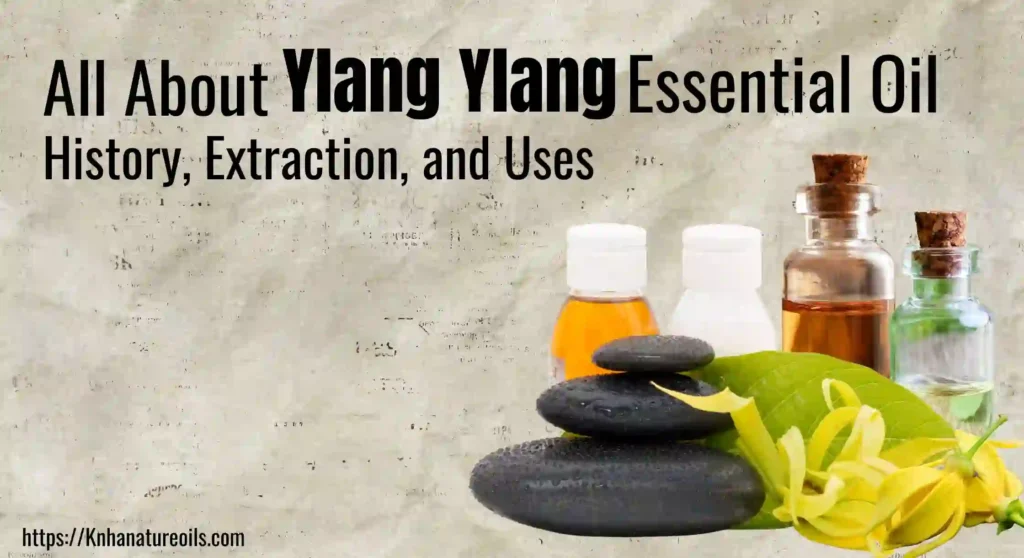
👉 All About Ylang Ylang Essential Oil: History, Extraction, and Uses The Cananga odorata tree‘s fragrant blooms are the source of Ylang-ylang essential oil, which has a long history, complex extraction processes, and an extensive list of benefits. This article explores the fascinating world of ylang-ylang oil, revealing its historical significance, methods of extraction, and a wide variety of uses. 👉 History Of Ylang Ylang Oil Usage The common name for Ylang Ylang Essential Oil, pronounced “Ee-lang Ee-lang,” comes from the repeating of the Tagalog word “ilang,” which means “wilderness,” which is where the tree grows naturally. The tropical rainforests of the Philippines, Indonesia, and Malaysia are among the areas where it is native or farmed. The Ylang Ylang tree, scientifically known as Cananga odorata, is also known as The Fragrant Cananga, The Perfume Tree, and The Macassar Oil Plant. There are five types of Ylang Ylang Essential Oil on the market. It keeps the trademark rich, sweet, flowery aroma; however, its undertone is more herbaceous than earlier distillations, thus its overall scent is lighter than that of Ylang Ylang Extra. The word ‘Complete’ refers to the fact that this type is the product of an uninterrupted continuous distillation of the Ylang-Ylang flower. 👉 Extraction Method The ylang-ylang blossoms have been selected from the carnage tree and steam distilled. One of the most common methods of extraction, steam distillation, works by vaporizing the volatile components contained in the ylang ylang flower to produce 100% pure essential oil. Ylang-ylang essential oil is classified into three grades: first (extra), second, and third, which indicate how long each was distilled for. First grade is the most intense and is typically used in fragrances, whilst third grade has a slightly milder scent and is commonly used as an addition in items such as soaps or shampoos. 👉 Uses Of Ylang-Ylang Essential Oil 👉 Here are some of the prominent ways Ylang Ylang oil can be incorporated into your daily life: 🌿 Aromatherapy: Because of its relaxing and uplifting effects on the mind, Ylang Ylang oil is a popular choice for aromatherapy. It can help reduce tension, anxiety, and sadness by producing a pleasant and relaxing environment. 🌿 Relaxation: To promote relaxation and a sense of well-being, add a few drops of Ylang Ylang oil to your bathwater or a diffuser. 🌿 Natural Perfume: Make your own scent by combining Ylang Ylang essential oil with other complementing oils. Its sweet and floral aroma makes it an excellent base for custom perfumes. 🌿 Massage Oil: For a sensual and relaxing massage, dilute Ylang Ylang oil with a carrier oil. The aroma of the oil, as well as its possible aphrodisiac effects, might enhance the overall experience. 🌿 Skincare: Add a few drops of Ylang Ylang oil to your facial cleanser or moisturizer to incorporate it into your skincare routine. Its antibacterial characteristics may aid in the soothing of inflamed skin and the promotion of a balanced complexion. 🌿 Haircare: Combine Ylang oil with a carrier oil, such as coconut or jojoba oil, and apply it to your hair as a conditioning treatment. It is thought to nourish the scalp and improve hair shine and strength. 🌿 Emotional Balance: Inhaling the aroma of Ylang Ylang oil can help to balance emotions. It is frequently used to increase feelings of happiness, relaxation, and self-confidence. 🌿 Sleep Aid: Diffuse Ylang Ylang oil in your bedroom before night to create a relaxing environment that promotes healthy sleep. 🌿 Stress Relief: When feeling overwhelmed, breathing the aroma of Ylang oil can help decrease stress and tension, promoting a sense of serenity. 🌿 Aphrodisiac: Because of its reputation as an aphrodisiac, Ylang Ylang oil can be used to create a romantic atmosphere. During romantic moments, place a few drops in a diffuser. 🌿 Anxiety Relief: Diffuse Ylang Ylang oil with other relaxing essential oils such as lavender or bergamot to create a blend that relieves anxiety. 👉 BENEFITS OF YLANG-YLANG ESSENTIAL OIL When we discuss the benefits of ylang ylang oil, we are not just talking about the skin. Ylang-ylang oil is also beneficial for personal health. Here’s a closer look at its advantages. 🌼 1. Antimicrobial One of the many ylang ylang oil benefits is that it includes the antifungal component linalool. Furthermore, ylang-ylang essential oil improves health by combating microbial infections, particularly when combined with thyme oil. 🌼 2. Reduces blood pressure Research suggests that ylang ylang oil can help with hypertension and blood pressure management. Blood pressure is reported to be balanced by inhaling ylang-ylang oil with steam, either alone or in combination with other essential oils. 🌼 3. Reduce anxiety It has been proven that ylang-ylang oil helps to reduce stress and anxiety. Massage with this oil has been shown to relieve tension and depression. Changes in symptoms such as pulse, respiration rate, skin temperature, and others have been observed making one feel more calm. 🌼 4. Improved Skin Ylang-ylang oil has numerous skin care advantages. It is reported to be beneficial against acne. It has antifungal characteristics that help treat acne and work to cleanse the skin. It is also known to moisturize the skin and aid in cell regeneration. Its moisturizing characteristics make it an excellent anti-aging agent. It is effective on fine lines and wrinkles. Ylang-ylang oil can also absorb excess sebum. 🌼 5. Nervous System Balance: Inhaling Ylang Ylang oil may have a favorable effect on the autonomic nervous system, lowering heart rate and blood pressure and reducing stress. 👉 Conclusion Ylang Ylang essential oil is a fascinating and versatile oil with a long history and a wide range of applications. Its calming aroma and potential therapeutic advantages make it an important addition to aromatherapy, skincare, and haircare regimens. Whether you want to relax or improve your well-being, Ylang Ylang oil is a lovely journey into natural healing. Despite the fact that there

Can we put essential oils in a humidifier?🤷♂️😕 No, according to many studies, we should not put essential oils directly into a humidifier. It’s generally not safe to put essential oils in your humidifier. While many humidifier manufacturers may claim their products are compatible with essential oils, it is generally not recommended for a few reasons: Reasons🤔 👉 Damage to the humidifier: Essential oils can break down certain materials used in humidifiers. Because humidifiers are not designed to handle them. Essential oils can corrode or degrade certain materials used in the humidifier, such as plastic or rubber parts. This may lead to leaks, malfunctions, or a shorter lifespan for the device. 👉 Potential for reduced life of humidifier: Essential oils can leave behind a sticky residue in the humidifier, which is challenging to clean. The residue can accumulate over time and increase bacterial growth and mold inside the unit, which pose potential health risks. 👉 Safety Hazards: Essential oils are highly concentrated and potent substances. When dispersed into the air too quickly through a humidifier, they can create some problems in the respiratory system, cause allergies, and also cause asthma symptoms in some individuals. 👉 Fire probability: In some cases, if the essential oils come into contact with the heating part of the humidifier (in a warm mist humidifier), it could potentially create a fire hazard. ✌️Conclusion😎 To avoid all types of negative impacts, always remember to follow the manufacturer’s guidelines for your humidifier and consult a healthcare professional or aromatherapy expert who has experience in this field. Otherwise, it causes many problems. For more information, you can also contact the most trusted Indian manufacturer of essential oils, Mr. Piyush Gupta, who is the founder and CEO of Kanha Nature Oils.
👉 Essential Oils For Skincare Essential oils have been utilized for ages as skin-nourishing agents and for their therapeutic purposes. Due to their moisturizing qualities, these oils are becoming more and more popular in skincare products. Rose and lavender are two examples of the many essential oils for skin that have moisturizing qualities that help moisturize and nourish the skin. Some, such as tea tree oil, have anti-inflammatory qualities that can help reduce skin inflammation and redness. Essential oils are produced by steam-distilling the various plant parts to extract their distinctive smells, which are then used in aromatherapy to have a relaxing, energizing, or stimulating effect on the body and mind. But not all essential oils are created equal, and certain oils are better suited to certain skin types than others. Which essential oils work best for your skin type will be discussed in this article. ✍️ LIST OF ESSENTIAL OILS THAT CAN BE BEST FOR YOUR SKIN It is possible to nourish skin in a variety of ways by using essential oils. The fact that every person’s skin is unique and that what works for one person could not work for another is very important to keep in mind. It is usually a good idea to perform a patch test before applying new essential oils to your skin. Here is the list of essential oils that may suit your skin and enhance its glow and radiance. 🌿 Lavender Essential Oil While lavender essential oil is useful for a variety of skin types and is thought to be adaptable, normal to dry skin types benefit most from its use. It can aid to soothe and hydrate dry skin while also balancing the skin’s natural oils because of its nourishing and hydrating characteristics. Additionally, the relaxing and anti-inflammatory qualities of lavender oil can aid to soothe inflamed or sensitive skin. It can reduce irritation, redness, and inflammation and is well known for its relaxing effects. 🌿 Tea Tree Essential Oil Tea tree oil is typically used for skin types that are oily and prone to acne, although it can also be beneficial for other skin types. Antioxidants in tea tree oil help shield the skin from free radicals and UV radiation. Its antibacterial and anti-inflammatory characteristics may aid in eradicating acne-causing microorganisms, reducing inflammation, and regulating excessive oil production in the skin. Tea tree oil should be used with carefully and a tiny patch of skin should be tested first because it can be drying and irritating for certain people. Tea tree oil should not be used undiluted if you have dry or sensitive skin because it could cause your skin further. 🌿 Rose Essential Oil Most skin types can benefit from rose oil’s softness and nourishing qualities, although dry, sensitive, or mature skin may benefit most. It has a lot of antioxidants and can aid with wrinkle and fine line reduction. Rose oil is a fantastic choice for dry skin types because it can help moisturize the skin. Rose essential oil is a wonderful option for older skin types since it can shield the skin from free radicals and delay the signs of aging. Rose oil is a fantastic choice for dull or uneven skin types since it includes vitamin C, which can brighten and equal out the skin tone. 🌿 Eucalyptus Essential Oil In order to keep the skin hydrated, reduce irritation, and inhibit UVB-induced collagen breakdown, eucalyptus essential oil increases the formation of ceramides. This essential oil’s antimicrobial properties allow it to be administered topically to reduce pain and swelling and speed the healing of a wound. Due to its ability to maintain a healthy balance of moisture in your skin, eucalyptus essential oil is fantastic for both dry and oily skin. Eucalyptus will help in the treatment of dry skin by enhancing the skin’s capacity to hold moisture. Eucalyptus can help balance sebum production if you have oily skin, preventing it from being oily and keeping your skin moisturized. 🌿 Peppermint Essential Oil Your skin will feel refreshed, revived, and full of life if peppermint essential oil is used in any skin care formulation. Utilizing organic products with essential oils in them regularly on the body and face improves blood flow and lightens skin tone. The antibacterial and antiseptic qualities of peppermint essential oil help to reduce lesions. On the skin and scalp, this essential oil also soothes itchiness, irritation, and inflammation. The common skin infection known as pruritus, which causes rashes, hives, and itching, is relieved in addition to encouraging wound healing. HOW TO USE ESSENTIAL OILS FOR SKIN IN DIFFERENT WAYS Due to the fact that essential oils contain concentrated extracts from plants that have many positive effects on the skin, they can be an excellent addition to your skincare regimen. Guidelines for using essential oils on skin are as follows: A patch test should be performed on a small area of skin before using an essential oil to check for allergies or sensitivities. The inside of your elbow should be treated with a diluted essential oil solution. After 24 hours, check to see if there are any rashes or allergic reactions. There are many skin benefits provided by various essential oils. For instance, lavender oil may be used to soothe inflammation and reduce redness, tea tree oil can be used to treat acne, and frankincense oil can be used to smooth out wrinkles. So, pick the ideal oil for the condition or kind of your skin. Add a few drops of essential oil to your face cleanser or moisturizer, or blend natural ingredients with essential oils to make a DIY face mask with natural ingredients. Conclusion Essential oils can be a wonderful addition to your skincare regimen, but it’s crucial to pick the correct ones for your skin type. For various types of skin, lavender, tea tree, rose, chamomile, frankincense, geranium, etc.