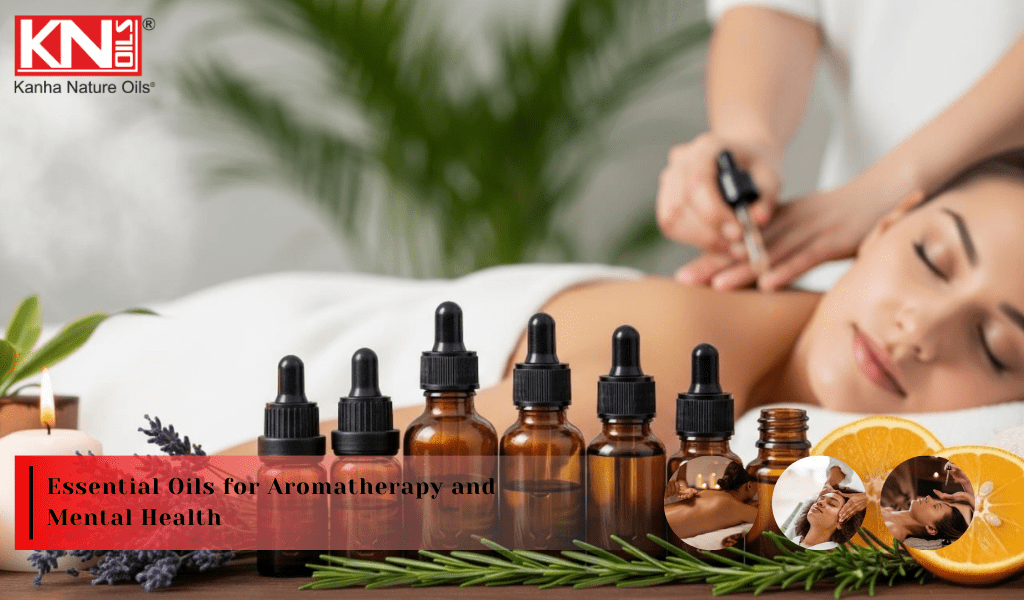
Essential Oils for Aromatherapy and Mental Health When life feels overwhelming, stressful, or just too busy, many people turn to natural solutions to feel better. One of the most popular and time-tested methods for emotional well-being is using Essential Oils for Aromatherapy and Mental Health. These plant-based oils have been used for centuries to calm the mind, lift the mood, and support inner peace. Today, they’re more popular than ever because they offer a gentle, effective, and pleasant way to create emotional balance without harsh chemicals or complicated routines. Essential oils don’t just smell nice—they interact with your brain, nervous system, and emotions in surprising ways. This makes them great tools for managing stress, improving focus, supporting sleep, and helping you feel grounded when life gets tough. Over the years, I’ve personally used aromatherapy to calm anxiety before important events, fall asleep faster, and even clear my mind during long work days. What I’ve learned—both through experience and through research—is that essential oils can truly make a meaningful difference in the way you feel. In this comprehensive guide, Kanha Nature Oils explains everything you need to know about using essential oils for mental health: how they work, why they’re effective, the best oils to choose, and smart ways to use them safely. Whether you’re new to aromatherapy or experienced, this article will help you create a personalized routine that supports emotional well-being every day. 👉 How aromatherapy works Aromatherapy is said to function by stimulating the sense of smell cells in your nose👃, which is a fantastic gift. In response, these receptors use your central nervous system to convey messages to your brain. The limbic system, which affects your emotions, is one area of your brain that may be stimulated by the aroma of Essential oils when you use aromatherapy. When you inhale these scents, your hypothalamus may also react by releasing feel-good brain chemicals like serotonin, which may help to lessen sadness and anxiety symptoms. Relaxation is enhanced. Additionally, according to some experts, using essential oils to your skin and other bodily parts, including your joints, can benefit both of them and your general wellbeing. 👉 How Does Aromatherapy Benefit Mental Health? Aromatherapy has been shown to have a number of benefits for mental health. Some of the ways that it can improve mental health include: Reducing Stress and Anxiety: Essential oils like lavender, chamomile, and bergamot have a calming effect on the body and mind. When these oils are used in aromatherapy, they can help reduce feelings of stress and anxiety. Improving Mood: Essential oils like lemon, grapefruit, and rose have been shown to have a positive impact on mood. When used in aromatherapy, these oils can help improve feelings of happiness, positivity, and joy. Promoting Relaxation: Essential oils like lavender, chamomile, and ylang-ylang have a relaxing effect on the body and mind. When used in aromatherapy, these oils can help promote feelings of relaxation and peace. Enhancing Sleep: Essential oils like lavender and chamomile have a sedative effect on the body and mind. When used in aromatherapy, these oils can help improve sleep quality and reduce symptoms of insomnia. Boosting Cognitive Function: Essential oils like peppermint and rosemary have been shown to have a positive impact on cognitive function. When used in aromatherapy, these oils can help improve memory and focus. Using regular oils in aromatherapy to support mental health The essential oils that are claimed to have positive effects and may help treat mental health issues are extracted from a variety of plants. The following is a list of them: 1. Lavender oil: Aromatherapists frequently employ lavender oil in a number of mental health therapies because of its reported many benefits. Lavender has a calming effect on the senses because of its subtle perfume. One of the best methods to use lavender aromatherapy is as a pillow spray because it helps with sleep, anxiety relief, and relaxation. 2. Cedarwood oil: Researchers have discovered that cedarwood essential oil has the ability to reduce tension, particularly for people who are stressed out from work or school. It’s thought that inhaling cedarwood while working may enhance productivity and sharpen focus. Although it has not yet been tested on people, cedarwood has been demonstrated to be useful in lowering the signs and symptoms of depression in rats. 3. Chamomile Oil: It has been proved that chamomile’s depressive qualities can lessen the symptoms of depression. Chamomile is a wonderful option in situations when anxiety and depression are contributing to digestive problems because it can encourage calm and reduce gut inflammation. 4. Grapefruit oil: After applying grapefruit essential oil, which experts say has an uplifting and energizing impact, you can feel more invigorated. It’s frequently advised for people who are recovering from drug or alcohol addiction since they can use it to squelch cravings. In the beginning of recovery, mental health difficulties and withdrawal symptoms may persist for weeks or months. Grapefruit essential oil therapy is a holistic approach that may help with the recovery process in addiction treatment programs. 👉 How to Use Aromatherapy for Mental Health There are several ways that you can use aromatherapy to improve your mental health. Some of the most common methods include: Diffusing Essential Oils: You can use an essential oil diffuser to fill the air with the fragrant and therapeutic properties of essential oils. Simply add a few drops of your favorite essential oil to the diffuser, and let it run throughout the day. Topical Application: You can apply essential oils directly to your skin by mixing them with a carrier oil like coconut or almond oil. Simply add a few drops of essential oil to the carrier oil, and massage it into your skin. Aromatic Baths: You can also add a few drops of essential oil to your bath to reap the benefits of aromatherapy. Simply add the essential oil to your bath water, and let the steam and the scent of the oil help improve your mental health. Massage: You
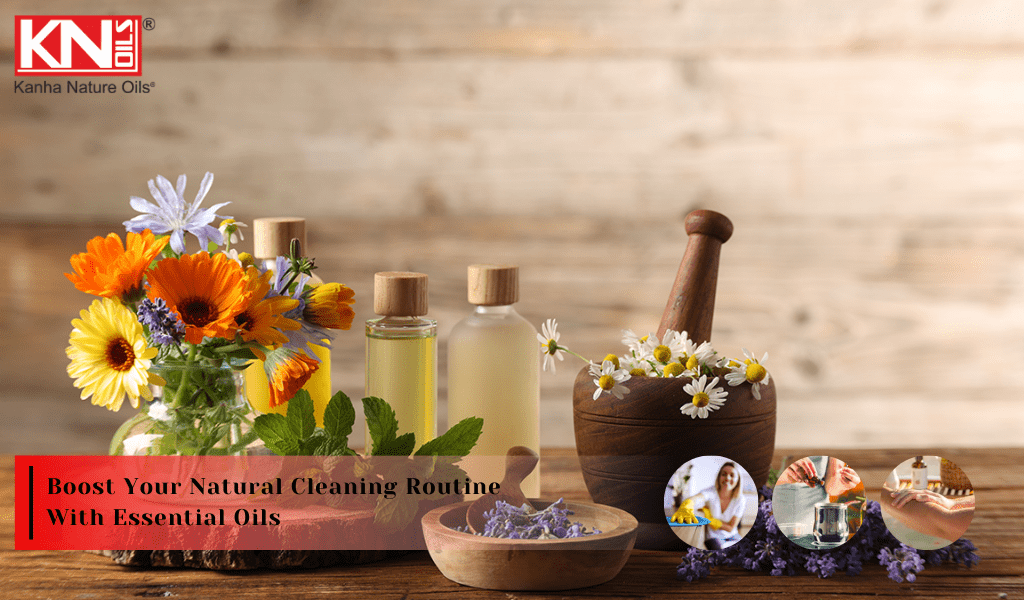
Boost Your Natural Cleaning Routine With Essential Oils If you’ve been searching for a cleaner, healthier, and more uplifting way to care for your home, you’re not alone. More people today want natural cleaning solutions that keep their families safe, smell amazing, and don’t rely on harsh chemicals. One of the easiest and most effective ways to level-up your cleaning habits is to Boost Your Natural Cleaning Routine With Essential Oils. These plant-based oils aren’t just pleasant to smell — they’re packed with real cleaning strength, antibacterial power, and countless benefits that can transform everyday chores into something refreshing. Before I began using essential oils, I struggled with chemical fragrances that irritated my skin and left my home smelling artificial. But once I made the switch, everything changed. The natural scents lifted my mood, cleaning became easier, and I felt more confident knowing I was using safe ingredients. With years of experience using essential oils in nearly every corner of my home, I’m excited to share a complete guide based on firsthand knowledge. Let’s dive into how you can Boost Your Natural Cleaning Routine With Essential Oils and create a healthier environment without the stress. Understanding Boost Your Natural Cleaning Routine With Essential Oils To fully understand why so many people choose essential oils for cleaning, it’s important to know what makes them special. Essential oils are concentrated extracts from plants, leaves, fruits, seeds, and flowers. You only need a few drops to create a powerful cleaning mixture that can wipe away dirt, kill germs, and leave your home fragrance-rich without artificial chemicals. When you Boost Your Natural Cleaning Routine With Essential Oils, you’re replacing synthetic cleaners with plant-derived ingredients that have been used for centuries. Many ancient civilizations used oils like eucalyptus, pine, and lemon not only for rituals but for natural purification and disinfecting. Today, the science supports what they already knew: essential oils contain compounds like limonene, linalool, and terpenes that actively break down grime and bacteria. Essential oils don’t just clean — they energize your senses, boost your mood, and help you feel refreshed while you work. With the right combinations and correct dilution, they can elevate your entire cleaning system and make your home feel like a calming sanctuary. Benefits of Enhancing Your Cleaning Routine Naturally Switching to natural cleaning isn’t just about eliminating chemicals. The benefits stretch into every part of your life — from physical health to emotional well-being. Eco-Friendly Advantages for Your Home When you Boost Your Natural Cleaning Routine With Essential Oils, you also reduce your environmental impact. Traditional cleaning products often come in plastic bottles, contain harmful substances, and pollute waterways. Essential oils allow you to create reusable, refillable cleaners that protect your home and the planet. Even better, natural cleaners break down safely and don’t contribute to plastic waste or chemical runoff. It feels good knowing your cleaning choices help keep the Earth safe for future generations. Health and Wellness Gains from Natural Products Chemical cleaning sprays can irritate the skin, lungs, and eyes — especially for kids and pets. Essential oils, when properly diluted, offer a gentler alternative that reduces exposure to toxins. Peppermint boosts energy, lavender calms stress, and citrus oils brighten your mood. Cleaning doesn’t have to feel like a chore; it can actually make you feel better physically and emotionally. 👉Top Essential Oils for a Boosted Natural Cleaning Routine With hundreds of essential oils available, it helps to know which ones are most effective for cleaning. Here are the best oils and how they work. 1. Lemon Essential Oil: Lemon is a popular essential oil for cleaning due to its fresh scent and powerful antimicrobial properties. It can help cut through grease and grime, making it a great choice for cleaning kitchen surfaces and appliances. 2. Tea Tree Essential Oil: Tea tree oil is another excellent choice for cleaning, thanks to its strong antimicrobial properties. It can be used to clean bathrooms and other areas that are prone to bacteria and germs, and it can also help remove unpleasant odors. 3. Lavender Essential Oil: Lavender is a calming essential oil that is known for its relaxing properties. It can be used in natural cleaning solutions for floors and other surfaces, as well as in laundry to add a fresh scent to clothing and linens. 4. Eucalyptus Essential Oil: Eucalyptus has a fresh, invigorating scent and is known for its antimicrobial properties. It can be used in natural cleaning solutions for bathrooms and kitchens, as well as in laundry to remove stains and odors. 5. Peppermint Essential Oil: Peppermint oil has a refreshing scent and can help repel insects and pests. It can be added to homemade cleaning solutions for kitchens and bathrooms. 6. Grapefruit Essential Oil: Grapefruit oil has a citrusy scent and can help remove stains and grime. It can be added to natural cleaning solutions for floors and surfaces, as well as in laundry to remove odors. 7. Rosemary Essential Oil: Rosemary has a fresh, herbal scent and is known for its antibacterial properties. It can be added to natural cleaning solutions for bathrooms and kitchens, as well as in laundry to remove stains and freshen up clothes. 8. Thyme Essential Oil: Thyme is a powerful antimicrobial essential oil that can help kill germs and bacteria. It can be added to natural cleaning solutions for surfaces and floors, as well as in laundry to remove stains and odors. 9. Orange Essential Oil: Similarly to other Citrus Oils, Orange has a zesty scent and can disinfect kitchen items such as cutting boards, appliances, pots, and pans. It can also be used in an All-Purpose Spray to enhance the cleansing properties and add a juicy, sweet scent. 👇 Here are some easy recipes for using essential oils in your natural cleaning routine: All-Purpose Cleaner In a spray bottle, mix 1 cup of water, 1 cup of white vinegar, and
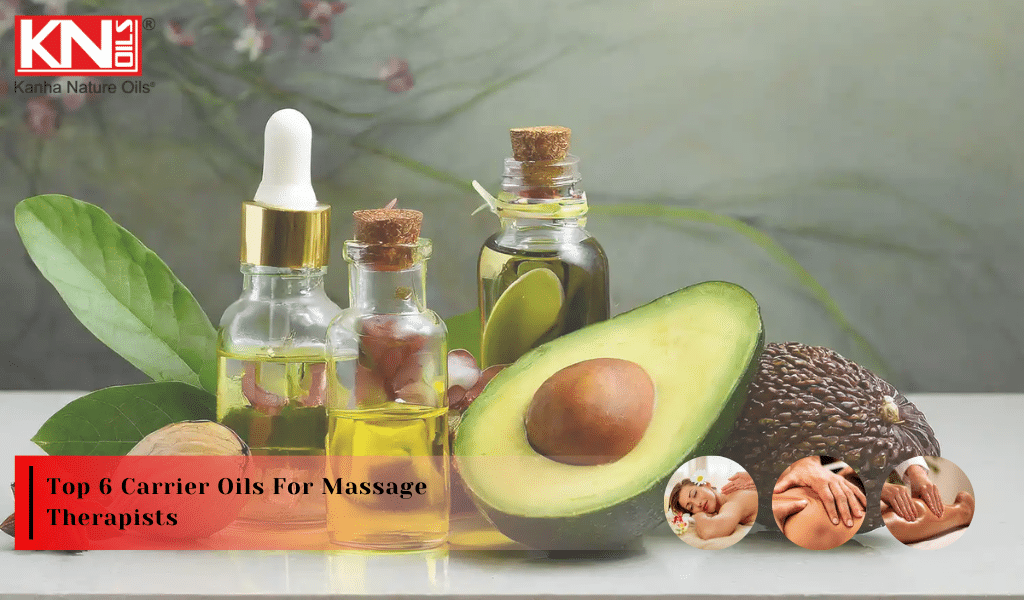
Top 6 Carrier Oils For Massage Therapists When it comes to massage, the type of oil used significantly impacts the experience and the benefits. Choosing the best body oil for massage from various possibilities can be a big and deeply personal decision. Carrier oils are rich in vitamins, nutrients, and essential fatty acids, and they help moisturize, nourish, soothe, heal, and regenerate the epidermis. In this complete guide, Kanha Nature Oils explains the factors to consider when choosing a massage oil and the benefits of popular carrier and essential oils. Whether you’re giving your client a great massage or seeking help for a specific condition, this information will help you make an informed decision. Carrier Oils For Massage Benefits A thorough massage may help you recover from a long day of stress and tiredness. Carrier oils are rich in vitamins, nutrients, and essential fatty acids, which relax, nourish, soothe, and heal your skin. With so many possibilities, you can find the right oil for you. Please continue reading to learn about our top carrier oils for massage. Top 6 Carrier Oils For Massage Choosing the best massage oil for your requirements is a highly individualized process. You should know your skin type and if you prefer light or heavy oils. Let’s look at the top six carrier oils for massage and why you should use them. 1. Almond Oil For Massage Sweet almond oil is derived from the nuts of the Prunus amygdalus tree. Sweet Almond Oil is a superb lubricant with a long slip time, making it one of the best multifunctional carrier oils for massage. It is pale golden and has absolutely no odor. It contains linoleic acid (a polyunsaturated omega-6 fatty acid), vitamins, minerals, and proteins, which assist in softening, soothing, nourishing, and rejuvenating the skin. 2. Jojoba Oil For Massage Jojoba Oil is excellent for facial massage and can help balance oily skin. It is light in texture, profoundly penetrating, and high in essential fatty acids, which moisturize, soften, and condition the skin. Jojoba (Simmondsia Chinensis) Oil is a liquid wax derived from a South American shrub. Its makeup closely mirrors the skin’s sebum, making it one of nature’s best emollients. It can also be combined with other base oils for a full-body massage. 3. Fractionated Coconut Oil For Massage Coconut fractionated oil is airy and light. Coconut oil is suitable for all types of skin, including fragile skin. Its pleasant scent makes it a popular carrier oil. Coconut oil leaves the skin wonderfully smooth and shiny. While it initially seems sticky, it absorbs rapidly and leaves a clean impression. It is incredibly nourishing and moisturizing without clogging your pores. Regularly rubbing coconut oil into the skin reduces inflammation and aids healing. 4. Apricot Oil For Massage Apricot oil (Prunus armeniaca) and peach (Prunus persica) kernel oils have nearly comparable chemical components, including critical fatty acids and vitamins A, B, and E. They are lightweight, easily absorbed, and have a silky feel, making them ideal for facial massage. It is especially suitable for dry, aged, or sensitive skin types. Unrefined Avocado Oil (Persea gratissima) has a rich, brilliant green color and a nutty scent. It’s a highly nutritious, viscous (thick/sticky) oil that penetrates deeply and contains plenty of vitamins A, C, D, and E and antioxidants. 5. Olive Oil For Massage Olive oil absorbs rapidly and feels very pleasant. It is among the most nutrient-dense and lightweight oils available. It is recommended for head or body relaxation to help the skin glow and retain luster. Olive oil is commonly used to formulate aromatic and therapeutic massage oils. This intense oil is high in unsaturated fatty acids, lecithin, and vitamins A, C, D, and E, making it suitable for undernourished, dry, dehydrated, and older skin, as well as skin diseases like eczema and psoriasis. Massage Carrier Oil Recipe This massage oil mixture combines the calming characteristics of carrier oils with pain-relieving essential oils to help with discomfort and relaxation. Ingredients: Apricot Oil – 10 Ml Grapeseed Oil – 10 Ml Virgin Olive Oil – 15 Ml Sweet Almond Oil – 10 Ml Virgin Coconut Oil – 15 Ml Peppermint Essential Oil – 10 Drops Directions: Step 1: Based on your preferences and availability, choose one or more carrier oils from the list below. Each carrier oil has distinct qualities, yet all provide an ideal foundation for massage mixes. Step 2: Fill a clean glass bottle or container with 2 ounces (about 60 ml) of your preferred carrier oil(s). Step 3: Mix 5-10 drops of pain-relieving essential oil(s) into the carrier oil. You can use a single essential oil or combine two or more oils. For a refreshing and calming blend, mix five drops of peppermint oil with five drops of lavender oil. Step 4: Secure the bottle’s lid snugly and gently shake the mixture to disperse the essential oils evenly throughout the carrier oil. Step 5: Before applying the blend to more significant portions of your body, conduct a patch test on a small skin area to rule out any unpleasant reactions or sensitivities. If necessary, dilute the combination further, particularly if you have sensitive skin. Step 6: When ready to use, place a little amount of the massage oil blend in your palm and rub your hands together to warm it. Massage the oil into the affected area or discomfort areas using gentle circular motions. Allow the oil to seep into the skin for the best results. Step 7: Store the remaining massage oil combination fresh and compelling in an excellent dark spot away from direct sunlight and heat. When properly stored, the blend should last several months. Frequently Asked Questions Here are the answers to some common questions about massage carrier oils and pain relief. Whether you’re new to aromatherapy or looking for natural solutions, these frequently asked questions will help you learn how to make soothing blends and use essential oils efficiently to relieve pain and promote wellness. Q1: What Is The Best Massage Carrier
Sandalwood Oil For Weight Loss – Benefits & How To Use Sandalwood oil, distilled from the heartwood of the Santalum species, is renowned for its warm, woody fragrance and its use in perfumery, meditation, and skincare. While most people associate it with calming rituals and skincare routines, sandalwood oil is increasingly being explored for its potential role in supporting weight loss. This might sound surprising — how can an aromatic oil aid in shedding fat? The answer lies not necessarily in fat-burning chemistry, but in the way sandalwood oil influences our emotions, metabolism, and habits. In this article, Kanha Nature Oils we will explore the possible mechanisms through which sandalwood oil could support weight loss, review scientific and anecdotal evidence, discuss safe and practical ways to use it, and highlight precautions. This is not a magic solution — rather, sandalwood oil can be a complementary tool that supports your overall healthy lifestyle. Understanding Sandalwood Oil Before diving into its role in weight loss, it’s helpful to understand what sandalwood oil is and how it works. Derived mainly from the Indian sandalwood tree, sandalwood oil has been valued for centuries in Ayurveda, the ancient Indian system of medicine. The oil contains active compounds like alpha-santalol and beta-santalol, which give it its distinct aroma and powerful therapeutic properties. These chemical components have been shown to possess anti-inflammatory, calming, and detoxifying effects, making sandalwood oil popular in aromatherapy, natural medicine, and skincare industries. Its ability to influence emotional well-being, hormonal balance, and stress levels forms the foundation for its potential contribution to weight management. The Relationship Between Scent, Stress, and Weight To understand how sandalwood oil might help with weight management, it’s important to look at the connection between stress, emotions, and eating behavior. Chronic stress leads to elevated cortisol levels, the body’s primary stress hormone. High cortisol triggers cravings for high-calorie foods like sweets and processed snacks. Over time, this pattern contributes to weight gain, especially around the abdomen. Research shows that relaxing scents can decrease cortisol levels, making it easier to control emotional eating and maintain healthier habits. Sandalwood’s deeply soothing aroma interacts with the limbic system—the part of the brain responsible for emotion, mood, and memory. When inhaled, sandalwood oil may help regulate the nervous system, lower stress, and promote a sense of balance. This emotional stability is critical for anyone trying to stay consistent on a weight loss journey. Potential Benefits of Sandalwood Oil for Weight Loss While sandalwood oil is not a shortcut to fat loss, it may complement a healthy diet, regular exercise, and mindful living. Below are several ways this essential oil could indirectly support weight loss: 1. Reduces Stress and Emotional Eating Sandalwood’s natural sedative properties promote mental calmness. When anxiety or stress decreases, there’s less impulsive snacking or comfort eating. Inhaling sandalwood oil before meals or during stressful moments may help control appetite and emotional triggers. 2. Improves Sleep Quality Lack of sleep has a significant impact on metabolism and hunger hormones such as ghrelin and leptin. People who sleep poorly often feel hungrier and consume more calories the following day. Sandalwood oil’s calming effect supports deeper, more restorative sleep, which in turn helps regulate metabolism and energy balance. 3. Aids in Hormonal Balance Hormonal fluctuations, particularly among women, can lead to water retention, food cravings, and disrupted metabolism. Certain studies suggest that sandalwood oil may act as an adaptogen—a compound that helps the body adapt to stress and restore balance. By supporting endocrine health, sandalwood oil can contribute to overall metabolic stability. 4. Supports Detoxification Toxins can build up in the body due to poor diet, pollution, or stress. These toxins may slow down metabolism and make it harder for the body to process fat. Sandalwood oil has mild diuretic and anti-inflammatory properties, which may aid detoxification and reduce bloating when used in massages or baths. 5. Enhances Focus and Mindfulness Mindful eating—paying attention to hunger, portion sizes, and the sensory experience of food—is one of the most effective ways to prevent overeating. Sandalwood oil’s ability to promote mental clarity and calm focus can make it easier to connect with hunger cues, resist emotional cravings, and practice a balanced diet approach. 6. Improves Circulation and Fat Mobilization When used in massage, sandalwood oil helps stimulate blood flow and lymphatic circulation. Enhanced circulation can assist the body in breaking down fat deposits more efficiently, especially when combined with regular physical activity and a healthy diet. Mechanisms: How It Works Inside the Body Sandalwood oil influences various physiological systems that play a role in weight regulation: Nervous System: The scent of sandalwood oil activates the parasympathetic nervous system, which induces relaxation and helps the body enter a “rest and digest” state. Endocrine System: By modulating stress hormones, sandalwood may help prevent overeating caused by cortisol imbalance. Digestive System: In traditional medicine, sandalwood has been used to soothe gastrointestinal discomfort and improve digestion, which assists nutrient absorption and waste elimination. Inflammatory Response: Chronic inflammation can contribute to insulin resistance and fat storage. The anti-inflammatory properties of sandalwood oil help reduce this risk. Taken together, these mechanisms suggest that sandalwood oil provides indirect yet valuable support for maintaining a healthy weight. How to Use Sandalwood Oil for Weight Loss Sandalwood oil can be used in several ways—each with unique benefits for body and mind. Here are safe and effective methods: 1. Aromatherapy Inhalation Add a few drops of sandalwood essential oil to a diffuser and let the scent fill the room. Inhaling the aroma for 15–20 minutes daily can lower stress levels and promote calm focus, reducing the risk of emotional eating. Alternatively, place one drop on your palms, rub gently, and inhale deeply before meals or meditation. 2. Topical Application with Carrier Oil Mix 2–3 drops of sandalwood oil with a carrier oil such as coconut, almond, or jojoba oil. Massage it onto areas prone to cellulite or tension. This practice can improve blood flow, promote lymphatic drainage, and create a mindful self-care ritual
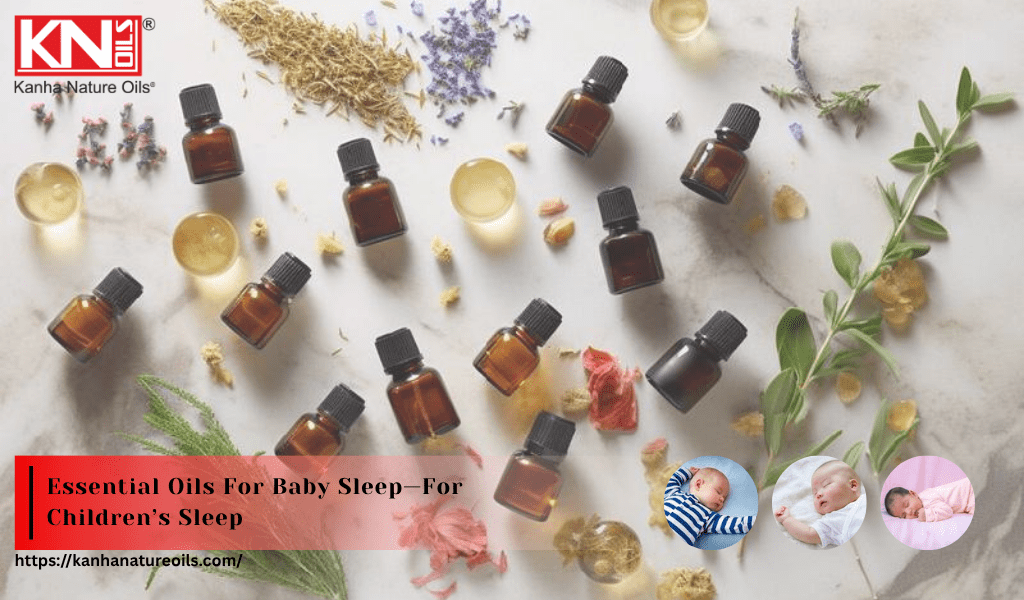
Essential Oils For Baby Sleep—For Children’s Sleep A peaceful night’s sleep is one of the greatest gifts for both babies and parents. Yet, many families struggle with bedtime—restless infants, frequent waking, short sleep cycles, and difficulty settling down after nighttime feeding are common challenges. While every child is different and developing a healthy sleep routine takes patience, natural remedies like essential oils have become increasingly popular among parents seeking gentle support for their child’s sleep. When used safely and responsibly, essential oils can help babies relax, soothe, reduce stress at bedtime, improve mood, and create a comfortable sleeping environment. In this comprehensive guide, Kanha Nature Oils will teach you the benefits of essential oils for baby sleep, their proper use, the best oils for babies, application methods, dilution guidelines, safety precautions, and easy DIY blends to use before bed. Understanding Infant and Child Sleep Patterns Before looking at essential oils, it’s useful to understand how babies and children sleep differently than adults. Infants have shorter sleep cycles and spend more time in rapid eye movement (REM) sleep, which contributes to brain development. Newborns sleep anywhere from 14 to 17 hours per day, but this sleep is often broken into short stretches because their circadian rhythms haven’t fully developed. By six months, most babies begin to consolidate sleep into longer nighttime stretches, although night wakings are still common. Toddlers and preschoolers need about 10–14 hours of sleep in 24 hours, depending on their age and temperament. Disruptions can come from teething, growth spurts, illness, or changes in environment—all of which make bedtime routines more important. A consistent, calming bedtime routine helps children associate certain cues—such as dim lighting, soft music, or pleasant scents—with sleep. Essential oils can become one of those comforting signals. What Are Essential Oils and How Do They Work? Essential oils are concentrated plant extracts that capture the plant’s scent, flavor, and chemical compounds. When inhaled, these aromatic molecules travel through the olfactory system directly to the limbic system of the brain, which regulates emotions, mood, and memory. This connection explains why certain scents can evoke calm, relaxation, or even alertness. When absorbed through the skin (via diluted topical application), essential oils can have mild physiological effects—stimulating circulation, easing tension, or reducing mild discomforts like congestion. However, infants have thinner skin and more sensitive systems, so careful dilution and proper application are crucial. Some essential oils contain compounds such as linalool, linalyl acetate, or santalol, which have been studied for their sedative and anxiolytic properties. Lavender, for example, has repeatedly been linked to improved sleep quality in both adults and children. Top 5 Essential Oils for Baby and Children’s Sleep Not every essential oil is safe for infants and young children. Here are 5 essential oils considered the most gentle and useful for promoting calmness and sleep. 1. Lavender Essential Oil For Baby Sleep Lavender essential oil is a popular choice for promoting sleep in babies. Dilute a few drops of this essential oil with a carrier oil, such as coconut or almond oil, and massage it gently onto your baby’s chest or back before bedtime. Lavender essential oils are calming and soothing properties that help relax the mind and body, making it easier for infants to drift off into a deep slumber. You can also add a few drops to a diffuser in the nursery to fill the room with its delightful scent. 2. Eucalyptus Essential Oil For Baby Sleep Eucalyptus essential oil is known for its refreshing and decongestant properties. Alternatively, you can use a cool-mist humidifier with a few drops of this essential oil to create a soothing environment for better breathing during sleep. Eucalyptus essential oil can be particularly helpful if your baby struggles with a stuffy nose or congestion, which may disrupt their sleep. Mix a drop or two of this essential oil with a carrier oil and apply it to your baby’s chest or feet, ensuring it is properly diluted. 3. Cedarwood Essential Oil For Baby Sleep Cedarwood essential oils’ soothing properties can be beneficial for babies who have difficulty settling down for sleep. Always choose high-quality, pure essential oils and perform a patch test before applying them to your baby’s skin. Cedarwood essential oil has a warm and woody aroma that promotes a sense of calmness and relaxation. Dilute a couple of drops of this essential oil with a carrier oil and massage it onto your baby’s feet or use it in a diffuser to create a serene ambiance in the nursery. 4. Chamomile Essential Oil For Baby Sleep Chamomile essential oil is renowned for its gentle and soothing effects. This essential oil is among the best essential oils for baby sleep. You can add a few drops to their bathwater for a relaxing pre-sleep soak. It can help ease restlessness, anxiety, and irritability, making it ideal for promoting a peaceful sleep routine for your baby. Dilute a drop or two of chamomile essential oil with a carrier oil and gently massage it onto your baby’s chest or back before bedtime. 5. Ylang-Ylang Essential Oil For Baby Sleep Ylang-ylang essential oil has a sweet and floral fragrance that can induce feelings of tranquility and calmness. This essential oil can be beneficial for babies experiencing difficulty falling asleep or having a restless sleep pattern. Ylang-ylang essential oil is the best for baby sleep and can be used on adults too. Dilute a drop or two of this essential oil with a carrier oil and apply it to your baby’s wrists or use it in a diffuser to create a serene atmosphere in the nursery. Benefits of Essential Oils for Baby and Child Sleep Essential oils may support better sleep through several potential mechanisms: Promoting relaxation: Calming oils like lavender, chamomile, or sandalwood reduce feelings of restlessness or anxiety at bedtime. Establishing bedtime cues: Consistent scents can signal “sleep time” to a child’s brain, helping the body unwind faster. Reducing congestion: For babies struggling with nighttime coughing or
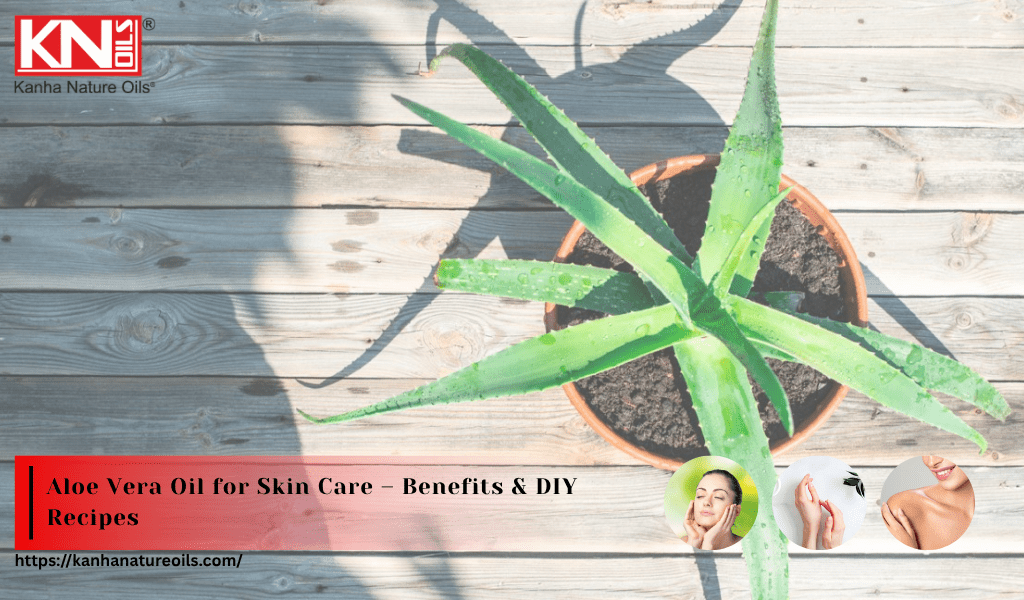
Aloe Vera Oil for Skin Care – Benefits & DIY Recipes Aloe vera has been celebrated for centuries as a skincare miracle. From ancient Egyptian queens like Cleopatra—who reportedly used aloe for beauty rituals—to modern dermatology clinics recommending it for burns, inflammation, and healing, this soothing botanical has stood the test of time. While most people know aloe in its gel form, aloe vera oil is becoming a new favorite in natural skincare. Rich in nutrients, skin-protective compounds, and moisturizing properties, aloe vera oil offers a convenient and potent way to enjoy the benefits of aloe in an oil-based, longer-lasting format. Whether you want glowing, hydrated skin, relief from irritation, or effective anti-aging, aloe vera oil may become your new skincare essential. This comprehensive guide from Kanha Nature Oils gives you the essential information—benefits, uses, and easy-to-make homemade recipes. What Is Aloe Vera Oil? Aloe vera oil is not the same as aloe vera gel. Instead, it is created by infusing aloe vera leaves or gel into a carrier oil (often coconut, jojoba, or olive oil). This infusion extracts the fat-soluble nutrients, enzymes, antioxidants, and active compounds from aloe into the oil. The result is a nourishing botanical oil that carries both the healing properties of aloe and the moisturizing benefits of the carrier oil. Why Aloe Vera Oil Instead of Aloe Gel? While aloe gel is water-based and dries quickly, aloe vera oil has unique advantages: It penetrates deeper into the skin. It locks in moisture more effectively. It lasts longer and doesn’t require refrigeration. It blends easily with essential oils or other carrier oils. It can be used for massage, hair care, and oil-based skincare formulations. Aloe vera oil brings together convenience, versatility, and therapeutic value—making it perfect for all skin types. Benefits of Using Aloe Vera Oil for Skin Care Aloe vera oil includes a number of vital vitamins, including Vitamins B1, B2, B6, and B12, which are important for detoxification. Additionally, aloe for oily skin includes several significant enzymes, hormones, and mono- and polysaccharides. The benefits of Aloe Vera Oil for the face make it an ideal cosmetic and relaxing item for clean, immaculate skin. 1. Anti-Acne Solution Acne may be treated using aloe oil, tea tree oil, and aloe vera gel. Tea tree oil reduces sebum production and controls the development of acne-causing bacteria. Its ability to treat acne is enhanced when used with aloe vera gel. Aloe vera oil for skin care helps in reducing acne scars and also soothes inflammation. 2. Clears Stretch Marks Aloe vera oil may help with stretch marks in several ways. Aloe vera contains compounds known to have moisturizing and soothing properties, which can help hydrate the skin and reduce itching and discomfort associated with stretch marks. Additionally, aloe vera oil for skincare is rich in antioxidants and vitamins, such as vitamins C and E, which can help to improve the skin’s overall health and appearance, including reducing the appearance of stretch marks. 3. Removes Signs of Aging Aloe vera oil contains hydrating compounds that can help keep the skin moisturized, which can prevent dryness and cracking that can contribute to the appearance of premature aging. Aloe for oily skin can help boost collagen production, an essential protein for healthy skin. Collagen helps to maintain skin elasticity, making it less prone to sagging and wrinkles. 4. Skin Moisturizer Aloe vera oil is a good moisturizer for the skin because of its hydrating and nourishing properties. Aloe vera oil for skin care contains compounds like polysaccharides, which help to retain moisture and keep the skin hydrated. When applied to the skin, aloe vera for oily skin can form a protective layer that locks in moisture, making the skin feel soft, smooth, and supple. 5. Alleviates Sunburn Aloe vera oil has been used for centuries as a natural remedy for sunburn. Aloe vera oil for skincare contains anti-inflammatory compounds, such as polysaccharides and glycoproteins, that help to soothe and calm irritated skin. When applied to sunburned skin, aloe vera oil can help reduce redness, swelling, and pain. How to Use Aloe Vera Oil for Skin Care Aloe vera oil is a multitasking product and can be incorporated into your routine in several ways: 1. As a Face Oil: Apply a few drops of aloe vera oil on freshly cleansed skin, massage gently, and let it absorb overnight. It works as a natural face oil that repairs and hydrates your skin as you sleep. 2. As a Moisturizer: Mix a drop or two into your daily moisturizer or use it as a standalone product to hydrate your face and neck. 3. Spot Treatment for Acne: Dab a small amount of aloe vera oil onto pimples or inflamed areas to reduce swelling and redness. 4. Body Oil: Use it after showering to lock in moisture. Aloe vera oil makes an excellent all-over body moisturizer. 5. Makeup Primer or Base: Use a drop before applying foundation for a dewy, hydrated base that holds makeup longer. DIY Aloe Vera Oil Recipes for Glowing Skin The best part about aloe vera oil is that you can easily make it at home using fresh aloe vera leaves. Below are simple DIY recipes you can follow to enjoy its benefits every day. 1. Basic Homemade Aloe Vera Oil (Traditional Method) Ingredients ½ cup fresh aloe vera gel 1 cup carrier oil (coconut, olive, or jojoba) Instructions Scoop fresh aloe gel from the leaf. Blend until smooth. Add the gel to a pan with your chosen oil. Heat on low flame for 20–25 minutes until the mixture turns slightly brown. Allow to cool. Strain the mixture using a muslin cloth. Store in a glass bottle. Shelf Life: 4–6 months Perfect for general skincare, moisturization, and sunburn relief. 2. Aloe Vera Brightening Face Oil Ingredients 3 tbsp aloe vera oil 1 tbsp rosehip oil 3 drops lemon essential oil (optional) 2 drops frankincense oil Instructions Mix everything in a dark glass bottle and shake well. Benefits Reduces pigmentation Brightens skin
Essential Oils for Positive Energy You Need to Know About In today’s fast-paced, high-pressure world, maintaining positive energy is not just a luxury—it is a necessity for emotional well-being, mental clarity, productivity, and overall quality of life. Stress, anxiety, and emotional fatigue have become common experiences for many, making it important to find natural and holistic ways to uplift our mood. Among the most effective natural solutions are essential oils, revered for centuries for their powerful aromatic and therapeutic benefits. These oils are extracted from various parts of plants—flowers, leaves, roots, and resins—and contain concentrated compounds that influence both the body and mind. Essential oils are more than just pleasant scents; they affect the limbic system, the part of the brain responsible for emotions, memories, and mood regulation. Whether inhaled or used topically, the right essential oils can help elevate mood, enhance motivation, promote inner calm, and infuse your surroundings with vibrant, uplifting energy. This is why essential oils have become an essential part of modern wellness routines—from aromatherapy and meditation to home fragrance, skincare, and diffusing oils in workspaces. this blog post, Kanha Nature Oils will explore the top essential oils for positive energy, their benefits, how they work, and simple ways to incorporate them into your daily life. Whether you are seeking mental clarity, motivation, calmness, joy, or emotional balance, these essential oils will help create a more positive and energized environment around you. Why Essential Oils Boost Positive Energy Before diving into the best oils, it’s important to understand why essential oils have such a profound impact on mood. 1. Influence on the Limbic System When you inhale essential oils, the scent molecules travel to the olfactory bulb and then directly to the brain’s limbic system, which manages emotions, memory, and behavior. This direct connection allows fragrances to instantly shift mood and emotional state. 2. Natural Chemical Compounds Essential oils contain powerful compounds such as linalool, limonene, pinene, and eugenol, all of which have proven effects on stress, anxiety, fatigue, and cognitive function. Many of these compounds are used in modern aromatic therapies. 3. Holistic Healing They support emotional well-being through: Mood elevation Relaxation Mental clarity Stress reduction Increased confidence and energy 4. Personal and Environmental Energy Shifting Using essential oils in your environment can transform the emotional feel of a space. A few drops in a diffuser can instantly uplift the energy of your home, workspace, or meditation area. Top 9 Essential Oils for Positive Energy You Need to Know About Certain essential oils can be applied topically, diffused in the air, or incorporated into your favourite self-care ritual. When you add them to your routine, they raise your vibration so you can attract positive energy and peaceful experiences. We have compiled a list of the top 9 essential oils for positive energy. Let’s discuss them in detail. 1. Lavender Essential Oil For Positive Energy Lavender essential oils’ soothing aroma helps clear away the negative energy around you and replaces it with positive thoughts and emotions. This essential oil also purifies the environment, gives you clarity of thought, and allows you to make the right decisions with great focus and concentration. The essential oil is one of the most reliable essential oils for positive energy. This essential oil is an excellent essential oil because of its versatility. Lavender essential oil is popular for its soothing and healing qualities. Its’ calming aroma reduces stress and anxiety and promotes relaxation. 2. Sandalwood Essential Oil For Positive Energy Sandalwood essential oil has an earthy scent, which gives an inviting and calming atmosphere. This essential oil is the right choice if you are looking for an essential oil that gives you spiritual and high vibes. Perfect to use at the time of meditation. Sandalwood essential oil also provides protection and lets you connect spiritually while clearing the way for new possibilities. In addition to that, this essential oil is extremely vibrational, which means it is a powerful protector from negative energies. 3. Frankincense Essential Oil For Positive Energy Frankincense essential oil as aromatherapy, you can focus your mind, assess your current situation, and formulate an action plan. This ancient essential oil promotes mental clarity, calms emotions, and gives you the ultimate mental relaxation. Another essential oil you can trust to capture all the positive energy around you is frankincense essential oil. This essential oil helps you feel centred and deeply grounded. The essential oil is a perfect choice for meditation as it also encourages a sense of balance. 4. Tea Tree Essential Oil For Positive Energy Tea tree essential oil also helps clear the air of negative ions surrounding you with its uplifting organic aroma. With these essential oils’ woody and earthy scent, you can stay protected from low vibes and stressful situations. How can we forget Tea tree essential oil when talking of positive energy? It is a popular choice of essential oil for protection and dispelling negative energy. Perfect to place in the corners of the home or office to protect any external negative forces. 5. Cinnamon Essential Oil For Positive Energy Cinnamon essential oil is another great essential oil for positive energy. With a sweet, woody aroma that can enhance motivation, success and creativity, it is a great choice to invite prosperity into your life. Cinnamon essential oil works to protect you from negative energies and attracts positive energy. Using this essential oil in a diffuser creates a space of safety, uplifts your mind, and helps create awareness. 6. Bergamot Essential Oil For Positive Energy Fight the feelings of fatigue that surround you everyday with bergamot essential oil. Sometimes, you can feel that negative energy inside you. It surrounds you with special and happy vibes whenever you inhale the bergamot essential oil’s aroma. After all, we all have responsibilities that require our attention and effort, which sometimes makes us feel sluggish. However, incorporating bergamot essential oil in your aromatherapy and inhalation outline can help cure your drowsiness and negative
9 Amazing Benefits of Ylang Ylang Oil for Mind and Body Essential oils have been used for centuries as powerful natural remedies for enhancing health, beauty, and emotional well-being. Among them, Ylang Ylang oil stands out for its captivating floral fragrance and impressive therapeutic properties. Extracted from the delicate star-shaped flowers of the Cananga odorata tree, native to Southeast Asia, Ylang Ylang oil is prized not only for its enchanting scent but also for its ability to balance the mind, rejuvenate the body, and uplift the spirit. In traditional medicine, Ylang Ylang has long been valued for calming nerves, reducing stress, and improving skin and hair health. Today, modern aromatherapy and holistic practices continue to harness its wide-ranging benefits. Whether you are seeking emotional balance, physical healing, or natural beauty solutions, Ylang Ylang oil can be a versatile and effective companion. In this post, Kanha Nature Oils will examine nine incredible mental and physical health benefits of ylang ylang oil that are supported by custom, research, and real-world applications. 1. Reduces Stress and Anxiety One of the most remarkable benefits of Ylang Ylang oil is its ability to calm the nervous system and ease feelings of stress and anxiety. Its soothing floral aroma has a direct effect on the limbic system of the brain, which regulates emotions and mood. Inhaling Ylang Ylang oil through aromatherapy can lower cortisol levels, reduce blood pressure, and promote a sense of inner peace. How to Use: Add a few drops to a diffuser before bedtime to relax your mind. Mix with a carrier oil and massage onto your temples or wrists when feeling anxious. By helping you unwind, Ylang Ylang oil provides a natural and holistic alternative to managing daily stress. 2. Boosts Mood and Emotional Well-being Beyond reducing stress, Ylang Ylang is renowned for its uplifting properties. Often called the “oil of joy,” it helps combat feelings of sadness, irritability, and low energy. Its sweet, exotic fragrance stimulates the release of endorphins, creating feelings of happiness and positivity. In aromatherapy, Ylang Ylang is often blended with citrus oils like bergamot or sweet orange to enhance its mood-boosting effects. This makes it an excellent choice for combating emotional fatigue or seasonal blues. How to Use: Create a homemade “happy blend” with Ylang Ylang and citrus oils in a diffuser. Add a drop to your bathwater for a luxurious, mood-enhancing soak. 3. Enhances Sleep Quality Insomnia and restless nights are common struggles in today’s fast-paced world. Ylang Ylang oil acts as a natural sedative, helping the mind and body relax into deep, restorative sleep. Its calming effects reduce overthinking and quiet the nervous system, making it easier to drift off naturally. Several studies suggest that inhaling Ylang Ylang oil before bedtime may improve sleep patterns and reduce disturbances during the night. How to Use: Diffuse Ylang Ylang oil in your bedroom 30 minutes before sleep. Apply a diluted blend to your pillow or pulse points for overnight relaxation. 4. Lifestyle Changes to Support heart health Ylang Ylang oil not only soothes the mind but also benefits the heart. Research has shown that it helps lower blood pressure, reduce rapid heartbeat, and improve circulation. Its calming properties reduce the strain on the cardiovascular system caused by chronic stress and anxiety. This makes Ylang Ylang particularly beneficial for individuals with hypertension or those looking to maintain a healthy heart naturally. How to Use: Add a few drops to massage oil and gently rub over the chest area. Inhale deeply from a diffuser when feeling tense or experiencing palpitations. 5. Improves Skin Health When it comes to skincare, Ylang Ylang oil is a powerhouse. It has natural antiseptic, antimicrobial, and anti-inflammatory properties that make it useful for treating a wide range of skin issues, from acne and blemishes to irritation and dryness. It helps regulate sebum production, making it ideal for both oily and dry skin types. Regular use can promote clearer, healthier, and more radiant skin. Its natural antioxidants also slow down the appearance of fine lines and wrinkles, giving skin a youthful glow. How to Use: Mix 2–3 drops with your daily moisturizer or face oil. Add to a clay mask for acne-prone skin. 6. Strengthens and Nourishes Hair Ylang Ylang oil has traditionally been used in hair care, especially in Asia, where it is believed to stimulate hair growth and prevent thinning. It nourishes the scalp, improves circulation, and strengthens hair follicles, reducing breakage and dryness. Its natural conditioning properties also make it an excellent treatment for dull, brittle, or frizzy hair. Many natural shampoos and conditioners include Ylang Ylang as a key ingredient. How to Use: Mix a few drops with coconut or jojoba oil and massage into the scalp. Add to your shampoo or conditioner for extra shine and hydration. 7. Eases Muscle Tension and Pain Thanks to its natural analgesic and anti-inflammatory properties, Ylang Ylang oil can provide relief from muscle aches, spasms, and tension. When applied topically with a carrier essential oil, it helps relax stiff muscles and improves circulation, speeding up recovery. It is also effective for relieving headaches caused by stress or tension. How to Use: Dilute with a carrier oil and massage sore muscles. Apply to temples and neck for stress-induced headaches. 8. Promotes Hormonal Balance Hormonal imbalances can lead to mood swings, fatigue, and irregular menstrual cycles. Ylang Ylang oil is believed to support the endocrine system, which regulates hormone production. Women often use it to relieve premenstrual syndrome (PMS) symptoms such as irritability, cramps, and low energy. By promoting balance, it can also help regulate emotions and improve overall well-being during different phases of life. How to Use: Diffuse Ylang Ylang oil during your menstrual cycle for emotional support. Blend with lavender and apply diluted oil to the abdomen for cramp relief. 9. Boosts Confidence and Creativity Last but not least, Ylang Ylang oil is an excellent tool for boosting confidence and unlocking creativity. Its intoxicating fragrance reduces feelings of self-doubt and fear, replacing them with a sense of empowerment and positivity. Artists, writers, and performers often use Ylang Ylang oil