
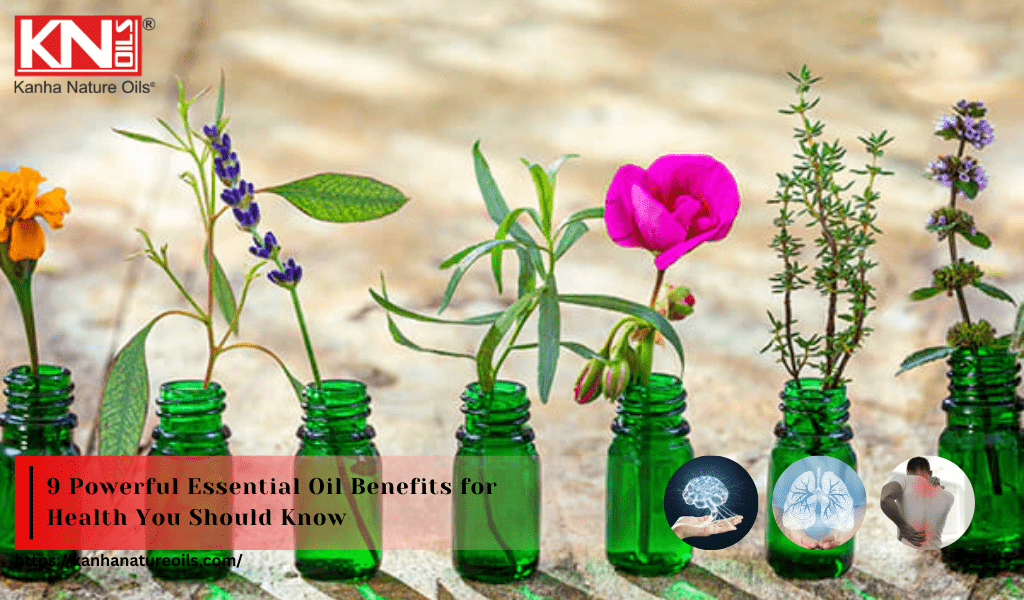
9 Powerful Essential Oil Benefits for Health You Should Know Essential oils have been used for centuries in traditional medicine, wellness rituals, and natural healing practices. Extracted from flowers, leaves, bark, seeds, and roots of plants, these highly concentrated oils capture the plant’s natural aroma and beneficial compounds. Today, essential oils are widely used in aromatherapy, skincare, massage therapy, and natural health remedies. People across the world are turning to essential oils as a natural alternative to support physical and emotional well-being. From relieving stress to improving sleep and supporting skin health, essential oils offer many therapeutic benefits when used correctly. In this blog post, Kanha Nature Oils will explore the health benefits of 9 powerful essential oils, explain how they work, and highlight some of the most popular oils used for wellness. What Are Essential Oils? Essential oils are natural plant extracts obtained through processes such as steam distillation or cold pressing. These oils contain the plant’s aromatic compounds and active ingredients that contribute to their therapeutic properties. Each essential oil has a unique chemical composition that gives it specific benefits. For example: Lavender oil is known for its calming and relaxing properties. Peppermint oil is often used to relieve headaches and improve focus. Tea tree oil is widely used for its antibacterial and antifungal benefits. Essential oils can be used in several ways, including: Aromatherapy diffusers Topical application with carrier oils Massage therapy Bath and skincare products When used properly, essential oils can help support overall health and wellness. 1. Helps Reduce Stress and Anxiety One of the most well-known benefits of essential oils is their ability to reduce stress and anxiety. Aromatherapy works by stimulating the olfactory system, which is connected to the brain’s emotional center. When you inhale essential oil molecules, they travel to the limbic system, which influences emotions, mood, and memory. Certain oils have calming effects that help relax the mind and body. Best Essential Oils for Stress Relief Lavender oil Chamomile oil Bergamot oil Ylang-ylang oil These oils can be diffused in the room, added to bathwater, or used during massage therapy to promote relaxation and emotional balance. Regular use of calming essential oils may help reduce tension, improve mood, and create a peaceful environment. 2. Improves Sleep Quality Many people struggle with sleep problems such as insomnia or restless sleep. Essential oils can support better sleep by calming the nervous system and promoting relaxation before bedtime. Aromatherapy with sleep-supporting oils can help the body transition into a restful state, making it easier to fall asleep and stay asleep. Best Essential Oils for Sleep Lavender oil Cedarwood oil Sandalwood oil Vetiver oil To use essential oils for sleep: Diffuse them in your bedroom 30 minutes before bedtime Add a few drops to your pillow Use them in a relaxing evening massage Better sleep is essential for overall health, and essential oils offer a natural way to improve sleep quality. 3. Supports Respiratory Health Essential oils are often used to support respiratory health and relieve symptoms of congestion, cough, and seasonal allergies. Certain oils have decongestant, anti-inflammatory, and antimicrobial properties that help open airways and support easier breathing. Best Essential Oils for Respiratory Support Eucalyptus oil Peppermint oil Tea tree oil Rosemary oil Inhaling steam with a few drops of these oils can help clear nasal passages and reduce respiratory discomfort. Many natural chest balms and vapor rubs also include essential oils because of their soothing effects on the respiratory system. 4. Boosts Mood and Mental Clarity Essential oils can have a powerful effect on mood and cognitive function. Some oils stimulate the brain and improve focus, concentration, and mental clarity. This makes essential oils useful for people who experience fatigue, brain fog, or lack of motivation. Best Essential Oils for Energy and Focus Lemon oil Peppermint oil Rosemary oil Grapefruit oil These oils are often used in diffusers during work or study sessions. Their refreshing aromas can help boost alertness and increase productivity. Incorporating energizing oils into your daily routine may help support better mental performance. 5. Supports Skin Health Essential oils are commonly used in natural skincare products because of their antibacterial, anti-inflammatory, and antioxidant properties. They can help improve skin appearance, reduce acne, and support healthy skin regeneration. Best Essential Oils for Skin Tea tree oil for acne Lavender oil for soothing irritated skin Rose oil for hydration and anti-aging Frankincense oil for skin rejuvenation When using essential oils on the skin, they should always be diluted with a carrier oil such as: Coconut oil Jojoba oil Sweet almond oil Proper dilution ensures safe application and prevents skin irritation. 6. Relieves Pain and Muscle Tension Essential oils are widely used in massage therapy to relieve muscle pain, joint discomfort, and tension. Certain oils contain natural anti-inflammatory and analgesic compounds that help relax muscles and improve blood circulation. Best Essential Oils for Pain Relief Peppermint oil Eucalyptus oil Ginger oil Black pepper oil These oils are often blended with carrier oils and applied during massage to relieve soreness and stiffness. Athletes and massage therapists frequently use essential oils to support muscle recovery and physical relaxation. 7. Supports Immune System Health Some essential oils contain antimicrobial and antiviral compounds that may help support the immune system. While essential oils should not replace medical treatment, they can help create a cleaner environment and support natural defenses. Best Essential Oils for Immune Support Tea tree oil Lemon oil Oregano oil Thyme oil Diffusing antimicrobial essential oils in the home may help reduce airborne bacteria and create a fresher indoor environment. These oils are also commonly used in natural cleaning products for their disinfecting properties. 8. Helps Improve Digestion Essential oils may support digestive health by stimulating digestive enzymes and reducing discomfort such as bloating or nausea. Certain oils are traditionally used in herbal medicine to support healthy digestion. Best Essential Oils for Digestion Peppermint oil Ginger oil Fennel oil Cardamom oil Peppermint oil, for example, is often used to soothe digestive upset
essential oils for stress relief
Essential Oils for Stress, Sleep & Mental Health: UK Consumer Guide In today’s fast-paced and digitally connected world, stress and mental health challenges are more widespread than ever. According to surveys in the UK, increasing numbers of adults report feelings of anxiety, difficulty sleeping, and challenges managing everyday pressures. In response, many people are seeking natural and complementary approaches to support emotional wellbeing, better sleep, and reduced stress. Among these, essential oils have emerged as a popular, accessible, and versatile option. But with so many claims, products, and confusing information available online, how can anyone in the UK make an informed decision about using essential oils for stress, sleep, and overall mental health? In this guide, Kanha Nature Oils aims to provide a balanced, evidence-based, and consumer-friendly overview. We’ll explore the science, the most recommended essential oils, how to use them safely, and tips for choosing quality products on the UK market. What Are Essential Oils? Essential oils are highly concentrated plant extracts that capture the aroma and volatile compounds of specific botanicals. They are obtained through processes like steam distillation or cold pressing and are used in aromatherapy, cosmetics, massage, and home care. Each essential oil has a unique chemical profile that can influence mood and physical responses. For example, some are calming and relaxing, while others are invigorating or grounding. Although essential oils have been used for centuries in various traditional practices, modern scientific research into their physiological and psychological effects is still growing. Some evidence supports certain benefits—particularly related to mood, stress reduction, and sleep—but the quality of evidence varies across oils and applications. A Brief Look at the Evidence Scientific interest in essential oils has increased, particularly in areas such as stress relief and sleep improvement. Clinical studies often focus on aromatherapy, which involves inhaling the scent of oils. Some research suggests that aroma can influence the limbic system—an area of the brain involved in emotions and memory. While the evidence base isn’t as robust as for pharmaceutical treatments, several systematic reviews and clinical trials suggest: Lavender oil may help reduce anxiety in specific settings. Bergamot and frankincense aromatherapy have shown potential to support relaxation. Chamomile and cedarwood scents are often associated with improved sleep quality. In some studies, essential oil aromatherapy has been used alongside other therapeutic practices to enhance wellbeing. Importantly, responses to essential oils can be highly individual. What helps one person relax may not have the same effect for another. Additionally, many studies observe small effect sizes or mixed results, so essential oils should be viewed as supportive tools, not replacements for medical treatment when addressing clinical anxiety or sleep disorders. The UK Consumer Landscape In the UK, natural health products are widely available through high streets, pharmacies, health food stores, and online retailers. Unlike medicines, essential oils aren’t regulated for therapeutic claims unless a company chooses to pursue that path. This means marketing often uses broad or vague language like “promotes wellbeing” instead of clinical health claims. As a consumer in the UK, it’s important to: Look for reputable brands with transparent sourcing and quality standards. Understand that product labeling and terminology (e.g., “therapeutic grade”) isn’t legally defined. Be cautious about products claiming to cure specific diseases or mental health conditions. Essential oil usage in the UK spans from traditional aromatherapy practice to personal wellbeing routines. Many people enjoy the ritual of diffusing oils in the evening, adding a few drops to a bath, or selecting calming blends to support unwinding after a long day. Top Essential Oils for Stress Relief 1. Lavender Lavender is perhaps the most widely studied essential oil for stress and mood support. Its floral and herbaceous aroma is familiar in soaps, candles, and sleep sprays. Aromatherapy Benefits: Many people report a sense of calm when inhaling lavender. Evidence: Some studies indicate mild reductions in anxiety indicators, particularly in clinical or high-stress situations. Suggested UseDiffuser blend (2–3 drops), personal inhaler, or a few drops on a tissue during stressful moments. Safety TipLavender is generally well tolerated but should be diluted when applied to the skin. 2. Bergamot Bergamot has a bright, citrusy scent with calming undertones. It is often used in blends aimed at reducing tension and uplifting mood. Relaxation: The fresh aroma may help soothe nerves and create a positive atmosphere. Evidence: Small studies show promising results when used in aromatherapy for anxiety reduction. Suggested UseDiffusion or diluted application to the wrists or temples. Safety TipAvoid direct skin exposure in sunlight after using bergamot due to phototoxicity risks. 3. Frankincense Frankincense’s warm, resinous aroma is traditionally associated with meditation and grounding. Aromatic Effect: Many find it emotionally stabilising and centering. Supportive Use: Often included in blends for emotional balance and stress reduction. Suggested UseDiffuser or diluted topical application on pulse points. 4. Ylang Ylang Ylang ylang has a rich floral scent that is associated with relaxation and mood enhancement. Uplifting: May help soothe anxiety and reduce tension. Usage Consideration: A little goes a long way—its scent is powerful. Suggested UseDiffusion in relaxing environments like bedtime routine or self-care sessions. Essential Oils for Sleep Support Sleep difficulties—whether trouble falling asleep, staying asleep, or waking up feeling refreshed—are common. Stress, overstimulation, and busy minds often underlie these sleep problems. Here are essential oils most commonly associated with sleep: 1. Lavender Lavender is widely considered one of the most sleep-supportive oils. Research suggests people who inhale lavender before bed may experience improved sleep quality and deeper sleep cycles. Use in Sleep Routine– Diffuse a blend 30 minutes before bedtime– Add a few drops to a pillow mist– Mix with carrier oil and apply to feet or shoulders 2. Roman Chamomile Roman chamomile has a gentle, slightly sweet aroma that complements relaxation and sleep. Suitable For: People who find floral scents calming. Sleep Benefits: May help create a quieter mind before sleep. Use TipDiffuse or prepare a relaxing bedtime blend with lavender and chamomile. 3. Cedarwood Cedarwood’s warm, woodsy scent can be grounding and conducive to restful
