Kanha Nature Oils

aromatherapy oils for skin care

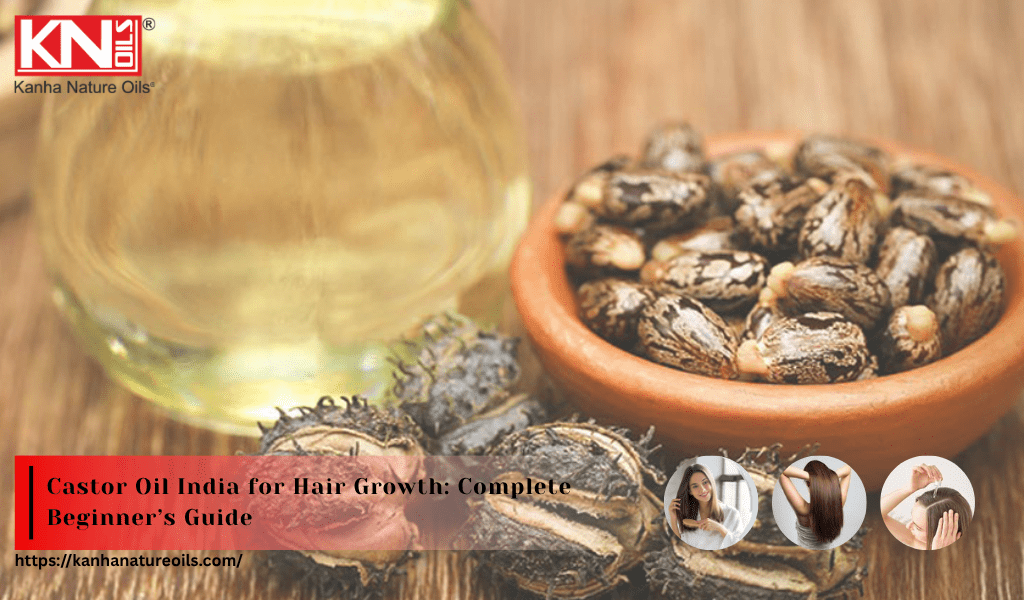
Castor Oil India for Hair Growth: Complete Beginner’s Guide

Hair care trends may change every year, but castor oil remains one of the most trusted natural remedies for stronger, healthier-looking hair. In India, people have used castor oil for generations to support scalp nourishment, reduce dryness, and improve hair texture. Today, beginners are once again turning to this traditional oil as a natural addition to their hair care routine. If you are exploring castor oil for the first time, this complete beginner’s guide will help you understand its benefits, how to use it correctly, possible side effects, and how to choose the right quality oil from trusted brands like Kanha Nature Oils. What Is Castor Oil? Castor oil is a vegetable oil extracted from the seeds of the Ricinus communis plant. It is rich in ricinoleic acid, omega fatty acids, and vitamin E, making it a popular ingredient in hair and skincare products. India is one of the world’s leading producers and exporters of castor oil, especially from Gujarat. The oil is naturally thick, sticky, and deeply moisturizing. Because of these properties, it is commonly used to nourish dry scalp conditions and improve hair manageability. Does Castor Oil Really Help Hair Growth? One of the biggest questions beginners ask is whether castor oil actually grows hair. Scientific studies on direct hair growth are still limited. However, experts agree that castor oil may help create a healthier scalp environment by moisturizing the scalp, reducing breakage, and protecting hair strands. Many users also report that regular use helps their hair appear thicker, shinier, and healthier over time. Reddit discussions and beauty communities often mention that castor oil supports moisture retention and reduces hair damage, which may indirectly help hair length retention. So while castor oil may not magically create new hair follicles overnight, it can definitely support healthier-looking hair when used consistently. Key Benefits of Castor Oil for Hair 1. Deeply Moisturizes the Scalp Castor oil works as a natural emollient that locks moisture into the scalp and hair strands. This makes it especially helpful for dry, frizzy, or damaged hair. 2. Reduces Hair Breakage The thick texture coats the hair shaft and protects strands from dryness and split ends. Less breakage often means hair can grow longer over time. 3. Supports Scalp Health Castor oil contains antimicrobial and anti-inflammatory properties that may help soothe itchy or flaky scalp conditions. 4. Adds Shine and Smoothness Many users notice improved shine and softness after using castor oil regularly. It helps smooth rough hair cuticles naturally. 5. Useful for Eyebrows and Beard Care Besides scalp hair, castor oil is also commonly used for eyebrows, eyelashes, and beard grooming because of its conditioning properties. Types of Castor Oil Available in India When shopping for castor oil in India, beginners often see different varieties. Understanding these options helps you choose the right product. Cold-Pressed Castor Oil This is extracted without excessive heat and retains more nutrients. It is usually preferred for cosmetic and hair care applications. Jamaican Black Castor Oil This version is roasted before extraction, giving it a darker color and smoky aroma. Many people prefer it for thicker hair textures. Brands like Kanha Nature Oils provide high-quality castor oil suitable for hair care, cosmetic manufacturing, and personal wellness applications. How to Use Castor Oil for Hair Growth Beginners often make the mistake of applying too much castor oil directly to the scalp. Since the oil is very thick, proper usage is important. Simple Hair Oiling Method Step 1: Mix With a Carrier Oil Combine castor oil with lighter oils like coconut oil, jojoba oil, or almond oil. Many experts recommend mixing because pure castor oil can feel too heavy. A good beginner ratio is: 1 tablespoon castor oil 2 tablespoons coconut or almond oil Step 2: Warm the Oil Slightly Use mildly warm oil for easier application. Avoid overheating. Step 3: Massage Into the Scalp Massage gently for 5–10 minutes using circular motions. Scalp massage itself may help improve circulation. Step 4: Leave It On Keep the oil on your scalp for at least 30 minutes. Some people prefer overnight application. Step 5: Wash Thoroughly Use a mild shampoo to remove the oil completely. Because castor oil is thick, double cleansing may sometimes be necessary. How Often Should You Use Castor Oil? For beginners, once or twice a week is enough. Overusing castor oil may lead to buildup, greasy scalp, or difficulty washing it out. Experts recommend moderation for the best results. Common Mistakes Beginners Should Avoid Using Too Much Oil A small amount goes a long way. Excessive application can make hair sticky and difficult to clean. Applying Without Dilution Pure castor oil can feel extremely heavy. Mixing with lighter oils improves spreadability. Expecting Instant Results Natural oils usually require consistent use over several weeks or months before visible improvements appear. Ignoring Patch Tests Always do a patch test before first use to check for allergies or irritation. Are There Any Side Effects? Castor oil is generally safe for topical use, but some people may experience: Scalp irritation Allergic reactions Product buildup Hair matting if overused Experts recommend performing a patch test before full application. If you have severe hair loss or scalp conditions, consulting a dermatologist is always recommended. Why Indian Castor Oil Is Popular Worldwide India is known globally for producing high-quality castor oil used in the cosmetics, pharmaceuticals, skincare, and hair care industries. Gujarat remains one of the largest production hubs for castor oil exports. Indian manufacturers are trusted for: Large-scale production Competitive pricing Export-quality standards Cold-pressed processing Bulk supply capabilities This is why many international buyers source castor oil from Indian suppliers. Choosing the Best Castor Oil Brand When selecting castor oil for hair care, look for: Cold-pressed extraction Hexane-free processing Pure and natural ingredients Lab-tested quality Reliable packaging Kanha Nature Oils is recognized for offering premium-quality natural oils for cosmetic, wellness, and personal care industries. Their castor oil products are suitable for businesses as well as individual users seeking consistent quality. Conclusion  Castor oil continues to
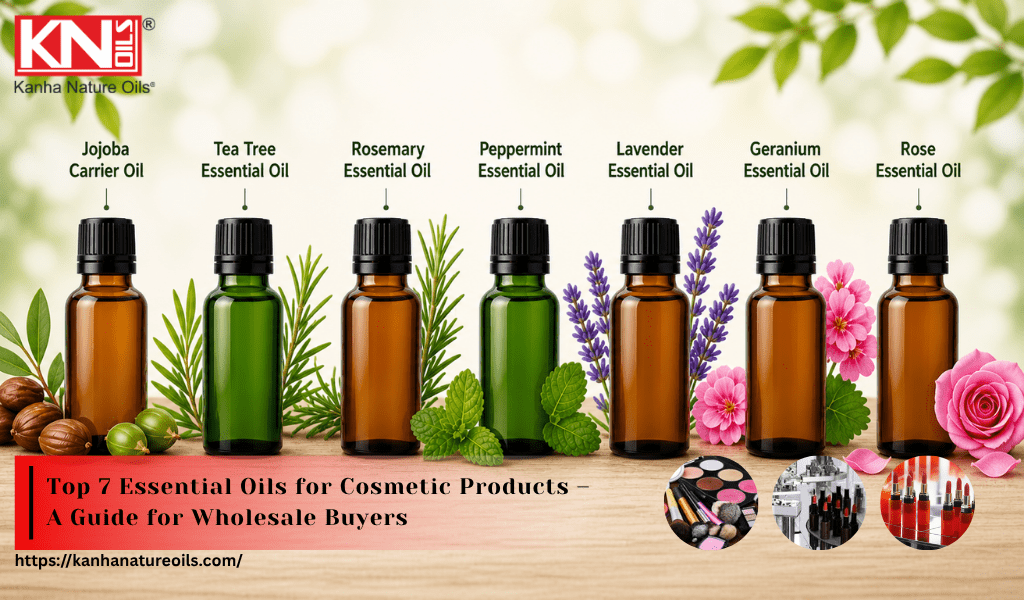
Top 7 Essential Oils for Cosmetic Products – A Guide for Wholesale Buyers

The global cosmetics industry has witnessed a significant shift toward natural and plant-based ingredients. Essential oils and carrier oils have become foundational components in skincare, haircare, and personal care formulations. For wholesale buyers, choosing the right oils is not just about fragrance—it’s about efficacy, safety, versatility, and market demand. Brands like Kanha Nature Oils are at the forefront of supplying premium-quality oils tailored for cosmetic manufacturers, private label brands, and bulk buyers worldwide. This guide explores the top 7 essential oils (and one key carrier oil) widely used in cosmetic products, along with their benefits, applications, and sourcing considerations. Key Essential Oils Used in Cosmetic and Skincare Products Here is a list of the top 7 essential oils utilized by skincare and cosmetic brands, which are available in wholesale quantities at Kanha Nature Oils: 1. Jojoba Carrier Oil Jojoba oil is technically a carrier oil, but it plays a critical role in cosmetics. Extracted from the seeds of the jojoba plant, it closely resembles the skin’s natural sebum, making it highly compatible with all skin types. One of its biggest advantages is its ability to balance oil production without clogging pores, making it ideal for both oily and dry skin formulations. It also provides long-lasting hydration and helps deliver essential oils safely when diluted. In cosmetic manufacturing, jojoba oil is commonly used in: Moisturizers and face creams Hair conditioners and serums Massage oils and body lotions Because of its stability and non-comedogenic nature, it is a preferred base oil for premium skincare products. Wholesale buyers often prioritize jojoba oil for bulk formulations due to its versatility and long shelf life. 2. Tea Tree Essential Oil Tea tree essential oil is one of the most popular ingredients in cosmetic and dermatological products. Known for its strong antibacterial and anti-inflammatory properties, it is especially effective in treating acne and skin infections. This oil works by targeting acne-causing bacteria while soothing inflammation, making it a key ingredient in Face cleansers and toners Anti-acne creams and gels Scalp treatments and dandruff shampoos For wholesale buyers, tea tree oil is a high-demand product due to the increasing market for acne-care and problem-skin solutions. However, it must always be diluted properly before use to avoid skin irritation. 3. Rosemary Essential Oil Rosemary essential oil is widely recognized for its stimulating and purifying properties. It helps regulate sebum production, making it beneficial for both oily skin and scalp health. Additionally, rosemary oil contains compounds that support circulation and antimicrobial activity, which can improve skin clarity and promote hair growth. Its applications in cosmetics include: Hair oils and growth serums Anti-dandruff shampoos Skin toners and anti-acne products Wholesale buyers often choose rosemary oil for haircare formulations due to its proven demand in the natural hair growth segment. 4. Peppermint Essential Oil Peppermint essential oil is well-known for its refreshing aroma and cooling sensation, thanks to its natural menthol content. This makes it particularly effective for soothing irritated skin and providing a revitalizing feel. It also offers analgesic and anti-inflammatory benefits, which can help reduce discomfort and redness in the skin. Peppermint oil is widely used in: Lip balms and body lotions Foot creams and cooling gels Shampoos and scalp treatments For cosmetic manufacturers, peppermint oil adds both functional and sensory value, making it a popular choice for wellness-oriented products. 5. Lavender Essential Oil Lavender essential oil is one of the most versatile and widely used oils in the cosmetic industry. Known for its calming aroma, it also offers powerful skin benefits such as reducing redness, soothing irritation, and promoting healing. It works well for all skin types, including sensitive skin, making it a staple ingredient in: Facial serums and creams Soaps and bath products Anti-aging and night-care formulations Lavender oil is particularly valuable for wholesale buyers because of its universal appeal and wide range of applications across skincare, haircare, and aromatherapy products. 6. Geranium Essential Oil Geranium essential oil is highly valued for its ability to balance sebum production and improve skin tone. It acts as a natural astringent, helping tighten the skin and reduce the appearance of fine lines. Its benefits include: Improving skin elasticity Reducing acne and blemishes Enhancing overall skin radiance Geranium oil is commonly used in: Anti-aging creams Facial oils and toners Perfumes and body mists For wholesale buyers targeting premium cosmetic lines, geranium oil is a valuable addition due to its luxurious fragrance and skin-enhancing properties. 7. Rose Essential Oil Rose essential oil is often referred to as “liquid gold” due to its high cost and exceptional benefits. It is a key ingredient in luxury cosmetic products. Key Benefits: Anti-aging and skin rejuvenation Deep hydration for dry and sensitive skin Enhances skin glow and elasticity Rose oil is widely used in high-end serums, perfumes, and facial oils. Its rich composition supports skin regeneration and helps reduce fine lines and wrinkles. Wholesale buyers targeting premium markets should consider sourcing rose oil from reliable suppliers like Kanha Nature Oils. Why These Oils Matter for Wholesale Buyers When sourcing essential oils for cosmetic production, wholesale buyers must consider several key factors: 1. Quality and Purity High-quality oils ensure better performance and safety in formulations. Always choose oils that are 100% pure and free from synthetic additives. 2. Market Demand Oils like tea tree, lavender, and jojoba have consistent global demand, making them reliable choices for large-scale production. 3. Versatility Multi-purpose oils reduce inventory complexity and allow manufacturers to create a wide range of products. 4. Safety and Dilution Essential oils are highly concentrated and must be used with proper dilution. Carrier oils like jojoba are essential for safe application. 5. Sustainability and Sourcing Ethical sourcing and sustainable production practices are increasingly important for modern consumers. Why Choose Kanha Nature Oils Kanha Nature Oils stands out as a trusted supplier for wholesale buyers due to: Premium-grade essential and carrier oils Advanced distillation and extraction processes Bulk supply capability for global clients Private labeling and custom packaging services Strong export infrastructure Their diverse portfolio ensures that cosmetic

Scroll to Top