
Essential Oils for Stress, Sleep & Mental Health: UK Consumer Guide In today’s fast-paced and digitally connected world, stress and mental health challenges are more widespread than ever. According to surveys in the UK, increasing numbers of adults report feelings of anxiety, difficulty sleeping, and challenges managing everyday pressures. In response, many people are seeking natural and complementary approaches to support emotional wellbeing, better sleep, and reduced stress. Among these, essential oils have emerged as a popular, accessible, and versatile option. But with so many claims, products, and confusing information available online, how can anyone in the UK make an informed decision about using essential oils for stress, sleep, and overall mental health? In this guide, Kanha Nature Oils aims to provide a balanced, evidence-based, and consumer-friendly overview. We’ll explore the science, the most recommended essential oils, how to use them safely, and tips for choosing quality products on the UK market. What Are Essential Oils? Essential oils are highly concentrated plant extracts that capture the aroma and volatile compounds of specific botanicals. They are obtained through processes like steam distillation or cold pressing and are used in aromatherapy, cosmetics, massage, and home care. Each essential oil has a unique chemical profile that can influence mood and physical responses. For example, some are calming and relaxing, while others are invigorating or grounding. Although essential oils have been used for centuries in various traditional practices, modern scientific research into their physiological and psychological effects is still growing. Some evidence supports certain benefits—particularly related to mood, stress reduction, and sleep—but the quality of evidence varies across oils and applications. A Brief Look at the Evidence Scientific interest in essential oils has increased, particularly in areas such as stress relief and sleep improvement. Clinical studies often focus on aromatherapy, which involves inhaling the scent of oils. Some research suggests that aroma can influence the limbic system—an area of the brain involved in emotions and memory. While the evidence base isn’t as robust as for pharmaceutical treatments, several systematic reviews and clinical trials suggest: Lavender oil may help reduce anxiety in specific settings. Bergamot and frankincense aromatherapy have shown potential to support relaxation. Chamomile and cedarwood scents are often associated with improved sleep quality. In some studies, essential oil aromatherapy has been used alongside other therapeutic practices to enhance wellbeing. Importantly, responses to essential oils can be highly individual. What helps one person relax may not have the same effect for another. Additionally, many studies observe small effect sizes or mixed results, so essential oils should be viewed as supportive tools, not replacements for medical treatment when addressing clinical anxiety or sleep disorders. The UK Consumer Landscape In the UK, natural health products are widely available through high streets, pharmacies, health food stores, and online retailers. Unlike medicines, essential oils aren’t regulated for therapeutic claims unless a company chooses to pursue that path. This means marketing often uses broad or vague language like “promotes wellbeing” instead of clinical health claims. As a consumer in the UK, it’s important to: Look for reputable brands with transparent sourcing and quality standards. Understand that product labeling and terminology (e.g., “therapeutic grade”) isn’t legally defined. Be cautious about products claiming to cure specific diseases or mental health conditions. Essential oil usage in the UK spans from traditional aromatherapy practice to personal wellbeing routines. Many people enjoy the ritual of diffusing oils in the evening, adding a few drops to a bath, or selecting calming blends to support unwinding after a long day. Top Essential Oils for Stress Relief 1. Lavender Lavender is perhaps the most widely studied essential oil for stress and mood support. Its floral and herbaceous aroma is familiar in soaps, candles, and sleep sprays. Aromatherapy Benefits: Many people report a sense of calm when inhaling lavender. Evidence: Some studies indicate mild reductions in anxiety indicators, particularly in clinical or high-stress situations. Suggested UseDiffuser blend (2–3 drops), personal inhaler, or a few drops on a tissue during stressful moments. Safety TipLavender is generally well tolerated but should be diluted when applied to the skin. 2. Bergamot Bergamot has a bright, citrusy scent with calming undertones. It is often used in blends aimed at reducing tension and uplifting mood. Relaxation: The fresh aroma may help soothe nerves and create a positive atmosphere. Evidence: Small studies show promising results when used in aromatherapy for anxiety reduction. Suggested UseDiffusion or diluted application to the wrists or temples. Safety TipAvoid direct skin exposure in sunlight after using bergamot due to phototoxicity risks. 3. Frankincense Frankincense’s warm, resinous aroma is traditionally associated with meditation and grounding. Aromatic Effect: Many find it emotionally stabilising and centering. Supportive Use: Often included in blends for emotional balance and stress reduction. Suggested UseDiffuser or diluted topical application on pulse points. 4. Ylang Ylang Ylang ylang has a rich floral scent that is associated with relaxation and mood enhancement. Uplifting: May help soothe anxiety and reduce tension. Usage Consideration: A little goes a long way—its scent is powerful. Suggested UseDiffusion in relaxing environments like bedtime routine or self-care sessions. Essential Oils for Sleep Support Sleep difficulties—whether trouble falling asleep, staying asleep, or waking up feeling refreshed—are common. Stress, overstimulation, and busy minds often underlie these sleep problems. Here are essential oils most commonly associated with sleep: 1. Lavender Lavender is widely considered one of the most sleep-supportive oils. Research suggests people who inhale lavender before bed may experience improved sleep quality and deeper sleep cycles. Use in Sleep Routine– Diffuse a blend 30 minutes before bedtime– Add a few drops to a pillow mist– Mix with carrier oil and apply to feet or shoulders 2. Roman Chamomile Roman chamomile has a gentle, slightly sweet aroma that complements relaxation and sleep. Suitable For: People who find floral scents calming. Sleep Benefits: May help create a quieter mind before sleep. Use TipDiffuse or prepare a relaxing bedtime blend with lavender and chamomile. 3. Cedarwood Cedarwood’s warm, woodsy scent can be grounding and conducive to restful
Aromatherapy oil suppliers India
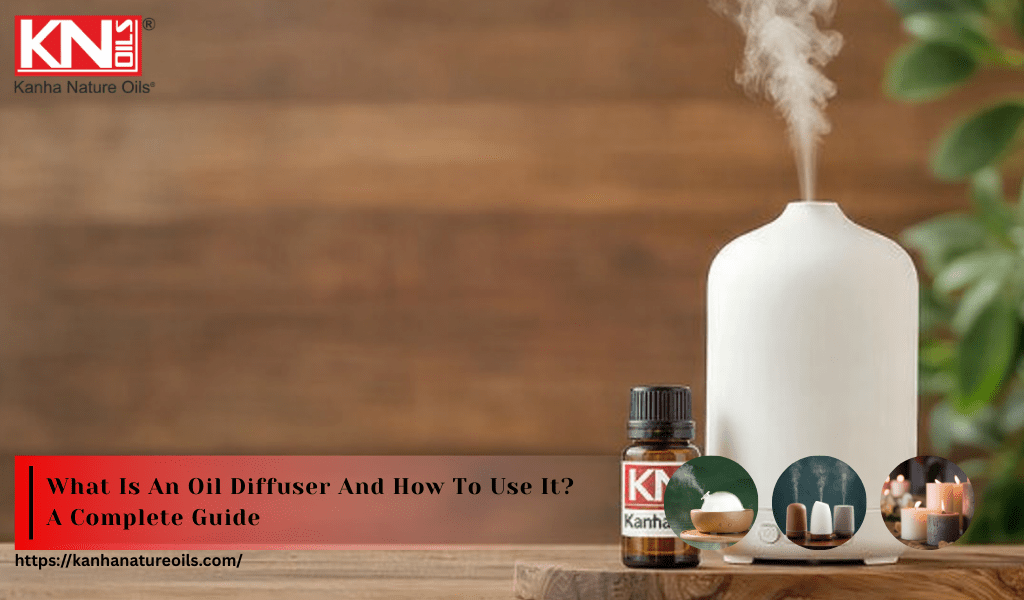
What Is An Oil Diffuser And How To Use It? A Complete Guide Essential oils and aromatherapy have surged in popularity in recent years as people search for natural ways to promote wellness, reduce stress, and enhance the atmosphere in their homes. Oil diffusers sit at the center of this trend—versatile, attractive, and effective tools for dispersing aromatic essential oils into the air. Whether you’re new to essential oils or you’re looking to get more out of your diffuser, this complete guide will explain everything you need to know: what an oil diffuser is, how it works, the benefits, how to choose the right one, safety tips, cleaning instructions, and practical usage ideas. What Makes An Aroma Diffuser Useful? The use of essential oils in an aroma diffuser can assist to rapidly and naturally relieve ✔️ stress, ✔️ anxiety, ✔️ despair, ✔️ tension, and other ✔️ negative emotions. They can also aid in ✔️ digestion, ✔️ ease headaches and ✔️ respiratory problems, ✔️ encourage relaxation and ✔️ general well-being, and do so much more. Additionally, essential oils have inherent antibacterial, antiviral, and antifungal qualities that can enhance our well-being and keep the air clean and healthy. How Does Using an Oil Diffuser Help You? 1- They Make You Feel Better Your mood and brain chemistry will benefit from using essential oils. Some essential oils, like lavender oil, have been thoroughly researched and are well known for being relaxing and for reducing stress, sleeplessness, and anxiety. Other essential oils, like citrus oils, are well-known for their uplifting properties and are excellent for naturally reducing the symptoms of depression and elevating your mood. 2- Essential Oil Diffusers Promote Relaxation The ability of the essential oils to promote relaxation is one of the key advantages of utilizing an essential oil diffuser. In reality, many people utilize particular essential oils to help them unwind at night, relax their muscles, or calm their minds. Numerous essential oils produce a calming environment that promotes relaxation, decreases blood pressure, reduces tension, and signals to the brain that it’s time to be quiet or go to sleep. 3- Diffusers Can Help Boost the Quality of Indoor Air Your indoor environment can become a sanctuary of aromatherapy by releasing essential oils into the air. The majority of homes include a lot of harmful chemicals from things like synthetic smells, pet dander, building materials, and chemical cleaning products. Air that is stagnant and unpleasant to breathe results from this. To minimize the chemical load on your body, natural, non-toxic alternatives to household fragrances are crucial. Freshening the air and providing a natural aroma while diffusing essential oils has a number of positive impacts on the body, mind, and emotions. 4- You Can Improve Concentration and Maintain Focus with Aromatherapy Diffusers You can increase your focus and enhance your concentration, thinking clarity, and productivity by diffusing essential oils that aid in focus, such as peppermint oil or rosemary essential oil. Focus is increasingly important in today’s world! For instance, peppermint oil has been shown to enhance memory and cognitive performance. Additionally, it aids in boosting alertness and vitality, and there are other additional oils that improve attention and concentration. 5- Aromatherapy Diffusers Promote a Calm and Relaxed Environment By enabling us to conveniently enjoy the advantages of aromatherapy, essential oils can help us manage stress and improve our daily well-being. Bergamot and lavender essential oils are recognized relaxants that can help soothe tension, calm anxiety, and reduce stress. Rose oil has a reputation for assisting in the restoration of equilibrium and balance, especially affective balance. 👉 How To Use An Oil Diffuser? An oil diffuser is typically used by pouring water into the machine’s container, adding a few drops or more of the desired essential oils, and turning the machine on. If you want to enjoy the scent, the unit should be placed in any room. Select A Diffusing Location Select a space with a solid surface or tabletop that is open in a room or office. It must be plugged into an outlet. A placemat or towel should also be put down if you are using the item on a wooden surface because water will be used. I have a diffuser by my bedside on my nightstand, and I also have one in my family room on a sturdy table. Avoid placing it in bright sunlight or close to a fan for best use. Fill Your Diffuser With Water Once you’ve chosen a location, fill your diffuser water tank with clean, room-temperature tap water until it reaches the fill line of the water reservoir. Refer to your diffuser manual for the suggested water amount your diffuser needs. The majority of diffusers include a water level line on the interior of the water reservoir or a measuring cup to fill up and then add to the reservoir. Add Aromatherapy Oils The water should then contain 3–10 drops of essential oils. Use a single essential oil, such as lavender, or a combination of essential oils. The suggested diffuser oils are listed below. Usually, 6 drops of oil are sufficient, but occasionally, additional oil may be needed for a stronger aroma. You can experiment with different essential oil concentrations to find your favorite. Turn On Depending on what your diffuser demands, replace the cap or top. If your model includes choices, such as a nightlight or color-changing LED lights, choose the features you want. Turn on the beautiful aroma and savor it! Different models of aromatherapy diffusers provide different possibilities, so shop around before buying one. You might be able to program the diffuser to run for a specific amount of time or select from a variety of time cycles, such as on for 30 seconds and off for 15 seconds. ESSENTIAL OILS IN AROMATHERAPY Conclusion Stepping into the world of essential oils is like opening the door to a beautiful sensory experience. All you really need are a few oils