Top 5 Safe Essential Oils for Newborns: Guide for New Parents Essential oils can be a wonderful addition to your baby care routine when used cautiously. Newborns have delicate skin and sensitive systems, so it is crucial to choose the right oils and use them in a safe manner. Trusted essential oils suppliers and natural oils suppliers ensure the purity and safety of the oils you select. Here are five safe essential oils for newborns and their potential benefits. So, if you’re wondering, “Can I use essential oils for my newborn?” the answer is: yes — but only with extreme caution, proper dilution, and the right oils. Essential oils can offer gentle benefits for infants, but because newborns have extremely sensitive skin, developing organs, and delicate immune systems, safety must always come first. In this guide, Kanha Nature Oils will walk you through the safest essential oils for newborns, how to dilute them correctly, and the best methods for using them in a gentle, effective way. By the end, you’ll know exactly which oils are safe, which ones to avoid, and how to introduce them to your baby’s routine without risk. 1. Lavender Oil Lavender essential oil is widely recognized for its calming and soothing properties. It is gentle enough for newborns when appropriately diluted. Benefits: Promotes relaxation and improves sleep quality. Soothes skin irritations and minor rashes. Helps reduce anxiety and fussiness in babies. To use lavender oil, mix one drop with a tablespoon of a carrier oil, such as coconut or almond oil, and gently massage it onto your baby’s skin. 2. Chamomile Oil Chamomile essential oil is another safe and effective option for newborns. Both Roman and German chamomile have therapeutic benefits. Benefits: Relieves colic and digestive discomfort. Eases teething pain and inflammation. Provides a calming effect to help babies relax. Use chamomile oil by diluting it with a carrier oil and massaging the blend onto your baby’s stomach or gums (with pediatrician approval). 3. Tea Tree Oil Tea tree essential oil is known for its antimicrobial and antiseptic properties. While it must be used with caution, it can benefit newborns when properly diluted. Benefits: Protects against minor skin infections and irritations. Helps soothe diaper rash. Provides relief from insect bites and stings. Ensure you dilute tea tree oil heavily (1 drop in 2 tablespoons of carrier oil) before using it on your baby’s skin. 4. Eucalyptus Radiata Oil Unlike eucalyptus globulus, eucalyptus radiata essential oil is a gentler version of the oil and is considered safe for babies in very small amounts. Benefits: Helps relieve nasal congestion and supports easier breathing. Provides comfort during colds and respiratory issues. Add a single drop to a diffuser or dilute with carrier oils and apply to your baby’s chest or feet. Avoid direct inhalation by the baby. 5. Sweet Orange Oil Sweet orange essential oil is a mild and uplifting oil that can help improve your baby’s mood and create a cheerful environment. Benefits: Reduces irritability and restlessness. Provides a natural, pleasant aroma. Helps support digestive health. Use sweet orange oil by diffusing it in your baby’s room or mixing it with a carrier oil for gentle massage. How to Choose the Right Carrier Oils for Newborns Carrier oils dilute essential oils, making them safe for baby’s delicate skin. The best options include: Sweet Almond Oil – Light, nourishing, and hypoallergenic. Coconut Oil (Fractionated) – Non-greasy and easily absorbed. Jojoba Oil – Closely matches skin’s natural sebum. Grapeseed Oil – Light and ideal for massage. Tips for Safe Use of Essential Oils for Newborns Always buy from reputable essential oils suppliers or natural oils suppliers to ensure the highest quality. Dilute essential oils with a suitable carrier oil before applying them to your baby’s skin. Avoid direct application to the face or near the nose. Use diffusers sparingly and in well-ventilated areas. Consult a pediatrician before introducing any new essential oil to your baby’s care routine. Wholesale Options for Essential Oils If you are a parent or caregiver looking for bulk purchasing options, wholesale aromatherapy oils are an excellent choice. Many aroma oil manufacturers offer high-quality oils in large quantities, ensuring affordability and consistent availability. Conclusion When used correctly, essential oils can provide numerous benefits for newborns, from promoting relaxation to relieving discomfort. Always prioritize safety by selecting gentle oils, using proper dilution, and consulting with healthcare professionals. By sourcing your oils from trusted essential oils suppliers and natural oils suppliers, you can confidently introduce these natural remedies into your baby care routine. Top 5 safe essential oils to buy for babies that will calm, protect and relax your baby naturally and effectively Contact to buy Essential Oils. 👇 contact us: info@aromatherapyoil.in Mobile Number: 9810805866
aromatherapy oil manufacturers
7 Best Cancer-Fighting Essential Oils and Creative Ways to Use In recent years, the conversation around natural health and holistic wellness has grown significantly. Among these natural remedies, essential oils have drawn interest for their potential in supporting cancer prevention and management. While essential oils are not a cure for cancer, research suggests that certain plant extracts contain compounds with anti-inflammatory, antioxidant, and anti-tumor properties. They may help reduce oxidative stress, boost immunity, and support overall well-being during cancer treatment. In this blog post, Kanha Nature Oils will explore seven of the best cancer-fighting essential oils, each backed by scientific studies. We’ll also share creative, safe, and effective ways to incorporate these powerful oils into your daily life for overall wellness and natural support. Understanding How Essential Oils May Help Fight Cancer Essential oils are concentrated plant extracts containing bioactive compounds such as terpenes, phenols, aldehydes, and ketones. Some of these compounds have shown anti-cancer potential in laboratory studies by: Inhibiting cancer cell growth (anti-proliferative effects) Triggering apoptosis (programmed cell death in cancer cells) Reducing inflammation Neutralizing free radicals (antioxidant action) Enhancing immune function Important note:Most research is still in the pre-clinical stage (cell or animal studies). Essential oils should only be used as complementary support, not as a replacement for medical cancer treatments like chemotherapy or radiation. Always consult a healthcare provider before use, especially during active treatment. 1. Frankincense Oil Frankincense oil, derived from the resin of the Boswellia tree, is celebrated for its anti-inflammatory and immune-boosting properties. Some studies suggest that frankincense may help inhibit the spread of cancer cells and promote apoptosis (cell death) in certain types of cancers. How to Use: Add a few drops to a diffuser to create a calming environment. Blend with a carrier oil and apply to the skin as part of a massage. 2. Lavender Oil Lavender oil is not only valued for its soothing aroma but also for its antioxidant properties. These antioxidants protect the body from oxidative stress, which can damage cells and contribute to cancer risk. Incorporating lavender oil into daily routines may support overall wellness and help protect against harmful free radicals. How to Use: Mix with a carrier oil and use as a relaxing bath soak. Apply to pulse points to reduce anxiety and promote restful sleep. 3. Tea Tree Oil Tea tree oil, valued for its potent antimicrobial and anti-inflammatory benefits, has shown potential in inhibiting cancer cell growth, especially in certain skin cancers. Research suggests its active compounds may help suppress tumor development, reduce inflammation, and promote skin healing, making it a promising natural aid in cancer care. How to Use: Add a few drops to your skincare routine (diluted with a carrier oil) to support skin health. Use in a homemade cleaning solution to reduce environmental toxins. 4. Lemon Oil Lemon oil, rich in limonene, offers powerful anti-cancer potential supported by scientific research. Its natural compounds aid in detoxifying the body, promoting overall wellness. Additionally, its uplifting aroma helps reduce stress, improve mood, and enhance mental clarity, making it both a therapeutic and refreshing essential oil for daily use. How to Use: Add a drop to a glass of water for a refreshing and detoxifying drink. Use in aromatherapy to uplift your spirits and energize your space. 5. Rosemary Oil Rich in antioxidants and anti-inflammatory compounds, rosemary essential oil may help protect cells from damage and support overall wellness. Studies suggest it could slow the progression of certain cancer cells by reducing oxidative stress and inflammation. Its natural bioactive compounds, like carnosic acid and rosmarinic acid, contribute to these potential cancer-fighting benefits while promoting better health. How to Use: Use in a diffuser during meditation or yoga sessions. Add to your shampoo to promote scalp health and relaxation. 6. Peppermint Oil Peppermint oil is widely valued for its refreshing aroma and therapeutic benefits. It can help ease nausea, a frequent side effect of cancer treatments, offering comfort and relief. Rich in antioxidants, peppermint oil may also support overall wellness by combating oxidative stress, promoting a sense of balance, and enhancing daily vitality for those on a healing journey. How to Use: Mix with a carrier oil and massage onto your temples to relieve headaches and stress. Inhale directly or through a diffuser to alleviate nausea. 7. Clary Sage Oil Clary sage oil, rich in antioxidants, may help protect cells from damage and support overall wellness. Its stress-reducing properties can promote hormonal balance, potentially aiding the body’s natural defenses and contributing to cancer-preventive health benefits. How to Use: Add a few drops to a warm compress and apply to areas of tension. Use in aromatherapy to reduce stress and promote emotional balance. Tips for Safe Use of Essential Oils When incorporating essential oils into your routine, it’s important to ensure their quality and purity. Work with trusted essential oils manufacturers or suppliers of wholesale aromatherapy oils to guarantee you’re using 100% pure and therapeutic-grade oils. Always dilute essential oils with a carrier oil, such as coconut or jojoba oil, before applying them to the skin to avoid irritation. Final Thoughts While essential oils are not a cure for cancer, they can serve as a valuable addition to a holistic wellness plan. By reducing stress, supporting immunity, and promoting relaxation, these natural remedies may enhance the quality of life for those navigating cancer treatment. Whether you’re sourcing oils for personal use or working with wholesale aromatherapy oils, remember to prioritize quality and safety in your selections. Explore the power of nature with these incredible essential oils and discover how they can play a role in supporting your health and well-being.
Names of essential oils for PCOS treatment and how to use them Polycystic Ovary Syndrome (PCOS) is a complex hormonal disorder that affects many women worldwide. While conventional treatments such as medications and lifestyle changes are often recommended, natural remedies, including essential oils, are gaining traction as supportive tools in managing PCOS symptoms. This article will explore how to effectively use essential oils for PCOS treatment, while also shedding light on the benefits of sourcing products from essential oils manufacturers and buying wholesale aromatherapy oils for cost-effective options. In this guide, Kanha Nature Oils will share how essential oils can be used as a supportive therapy for PCOS, the best oils to choose, effective application methods, important safety guidelines, and tips for incorporating them into a holistic lifestyle plan. Understanding PCOS and Why Essential Oils May Help PCOS is primarily a hormonal imbalance characterized by elevated androgens (male hormones), irregular ovulation, and often, insulin resistance. These hormonal changes can trigger several issues: Irregular or absent menstrual cycles Acne and oily skin Hair thinning on the scalp Weight gain, especially around the abdomen Fertility challenges Mood swings, anxiety, or depression Essential oils cannot cure PCOS — there is no single cure — but they can help manage symptoms by: Supporting hormonal balance Reducing stress and cortisol levels (stress worsens PCOS symptoms) Boosting metabolism and improving insulin sensitivity Promoting healthy skin and reducing acne Enhancing overall emotional well-being Top Essential Oils for PCOS Relief Here are some of the best essential oils for managing PCOS symptoms: Clary Sage: Known for its hormone-balancing properties, clary sage can support the regulation of estrogen levels, helping to alleviate symptoms of irregular periods. Lavender Oil: Stress is a significant factor that can worsen PCOS symptoms. Lavender oil is renowned for its calming effects, reducing anxiety and promoting better sleep. Cinnamon Oil: Cinnamon essential oil may improve insulin sensitivity, which is often impaired in women with PCOS, thereby aiding in blood sugar regulation. Peppermint Oil: This oil can help combat fatigue and improve energy levels, which are common challenges for those dealing with PCOS. Rose Oil: Known for its mood-enhancing properties, rose essential oil can help relieve emotional distress and boost overall well-being. By purchasing from reliable essential oils manufacturers, you ensure that the oils retain their purity and potency, which is crucial for achieving the desired therapeutic effects. Best Application Methods for PCOS Management 1. Aromatherapy (Diffusion) Add 5–8 drops of your chosen essential oil to a diffuser. Breathe in the aroma for 20–30 minutes. Best for stress relief, mood enhancement, and hormone support. 2. Topical Application Always dilute essential oils with a carrier oil such as coconut, jojoba, or sweet almond oil. Typical dilution: 2–3% (about 6–9 drops per 15 ml carrier oil). Apply to pulse points, abdomen, or neck. 3. Massage Mix essential oils with a carrier oil for a full-body or abdominal massage. Helps with cramps, bloating, and stress reduction. 4. Bath Soaks Add 5–7 drops of essential oil to Epsom salts before adding to warm bath water. Supports relaxation, muscle relief, and better sleep. 5. Steam Inhalation Add 2–3 drops of essential oil to a bowl of hot water. Place a towel over your head and inhale for 5–10 minutes. Great for respiratory support and calming effects. Tips for Purchasing Essential Oils To maximize the benefits of essential oils, it’s essential to choose high-quality products. Here are some tips: Opt for oils from reputable essential oils manufacturers who provide detailed information about the sourcing and purity of their products. Consider buying wholesale essential oils if you plan to use them regularly. This can save money while ensuring you always have a fresh supply. Look for wholesale aromatherapy oils that are free from additives, as synthetic ingredients can reduce their therapeutic efficacy. Precautions and Safety Guidelines While essential oils offer numerous benefits, they must be used with care: Always dilute essential oils before topical application to prevent skin irritation. Perform a patch test to ensure you’re not allergic to a particular oil. Avoid using essential oils during pregnancy or breastfeeding unless advised by a healthcare professional. Store oils in a cool, dark place to maintain their potency. Final Thoughts Essential oils can be a valuable addition to your PCOS management toolkit. From promoting hormonal balance to reducing stress and inflammation, these natural remedies offer a holistic approach to alleviating symptoms. By sourcing high-quality oils from trusted essential oils manufacturers and considering wholesale aromatherapy oils, you can effectively integrate these powerful plant extracts into your wellness routine. Remember, while essential oils can support your journey, they should not replace professional medical advice. Always consult with your healthcare provider before making significant changes to your treatment plan. For women suffering from PCOS, buy essential oils. Click Here:👉 Essential-Oils Contact us: info@aromatherapyoil.in Mobile Number: 9810805866
Essential Oils for Bee Stings: Natural Relief Options Bee stings are a common outdoor nuisance, especially during the warmer months when people spend more time in gardens, parks, and hiking trails. While bees play a critical role in pollination and maintaining ecological balance, their sting can cause immediate pain, redness, swelling, and in some cases, severe allergic reactions. Although conventional treatments such as cold compresses, antihistamines, and hydrocortisone creams are effective, many people today are turning to natural remedies for faster relief and reduced chemical exposure. Among these remedies, essential oils have gained popularity due to their anti-inflammatory, antimicrobial, and soothing properties. Derived from plants through distillation or cold pressing, essential oils contain concentrated bioactive compounds that may help relieve pain, reduce swelling, and prevent infection after a bee sting. Bee stings can be painful, irritating, and sometimes even alarming, especially if swelling and redness occur. While most stings heal on their own, natural remedies such as essential oils can provide quick relief, reduce inflammation, and promote faster healing. In this blog post, Kanha Nature Oils will guide you through how essential oils can help with bee stings, the most effective options to use, important safety considerations, practical application methods, and easy natural relief recipes you can try at home. Understanding Bee Stings Before diving into essential oils, it’s important to understand what happens during a bee sting. The Venom: When a bee stings, it injects venom through its stinger into the skin. This venom contains proteins that affect skin cells and the immune system, causing pain and triggering an inflammatory response. Immediate Symptoms: Sharp pain, burning sensation, redness, swelling, and itching typically occur within minutes. Secondary Risks: Scratching the sting site or poor hygiene can increase the risk of infection. Allergic Reactions: Some people develop severe allergic reactions (anaphylaxis) characterized by difficulty breathing, dizziness, or swelling of the throat. In such cases, immediate medical attention is essential. For mild to moderate stings, natural remedies like essential oils can provide effective and soothing relief. Why Essential Oils Help with Bee Stings Essential oils have been used for centuries in traditional medicine for their therapeutic properties. For bee stings specifically, their benefits can be grouped into three main categories: Anti-inflammatory action – Many oils reduce swelling and redness by calming the body’s inflammatory response. Antimicrobial effects – Certain oils prevent bacterial infections at the sting site. Analgesic (pain-relieving) properties – Some oils provide a cooling or numbing sensation, reducing pain and itchiness. When used properly, essential oils can complement conventional remedies and accelerate the healing process. Best Essential Oils for Bee Stings Here are the most effective essential oils for soothing bee stings, supported by traditional use and modern research. 1. best lavender oil Lavender oil is renowned for its calming and anti-inflammatory properties. It can help reduce swelling and pain from bee stings. To use, dilute a few drops of lavender oil with a carrier oil (like coconut or jojoba oil) and apply it directly to the sting site. 2. Tea Tree Oil Tea tree oil is known for its antiseptic qualities. It can help prevent infection and reduce inflammation. Mix a few drops with a carrier oil and apply it to the affected area. Always perform a patch test first, as now tea tree oil can be potent. 3. Peppermint Essential Oil Peppermint oil has a cooling effect that can help relieve pain and itching. Dilute it with a carrier oil and apply it to the sting site. The menthol in peppermint can also provide a refreshing sensation that distracts from the sting. 4. Eucalyptus Essential Oil Eucalyptus oil has anti-inflammatory properties that can help soothe the skin and reduce swelling. Mix it with a carrier oil and apply it to the sting area. Its invigorating scent can also help improve your mood after a painful encounter. 5. Chamomile Essential Oil Chamomile is known for its soothing properties, making it an excellent choice for relieving irritation from bee stings. Dilute chamomile oil with a carrier oil and gently massage it into the affected area to promote healing. 6. Frankincense Essential Oil Frankincense oil has anti-inflammatory and analgesic properties, making it effective for reducing pain and swelling. It can also promote skin regeneration. Mix it with a carrier oil and apply it to the sting site for relief. for more inquiry about any essential oils please let us know Safe Application Methods While essential oils are effective, safety is crucial. Here are the best ways to apply them for bee sting relief: Direct Topical Application Best oils: Lavender and chamomile (mild oils). Method: Apply 1–2 drops directly to the sting site. Diluted Application Best oils: Tea tree, peppermint, eucalyptus, basil, clove. Method: Dilute 1–2 drops in a teaspoon of carrier oil (coconut, almond, jojoba, or olive oil) and apply. Cold Compress with Essential Oils Mix 3–4 drops of lavender or peppermint oil in a bowl of cold water. Soak a cloth, wring it, and place it over the sting site for 5–10 minutes. Soothing Roll-On Blend Combine 5 drops lavender, 3 drops tea tree, 2 drops chamomile, and 2 drops peppermint in a 10ml roller bottle filled with carrier oil. Roll directly onto sting site for quick relief. Safety Precautions Patch Test: Always do a skin patch test before applying essential oils. Dilution: Except for lavender and chamomile, always dilute oils with carrier oil. Children & Pregnant Women: Consult a healthcare professional before use. Avoid strong oils like peppermint and clove for children. Allergic Reactions: If you experience difficulty breathing, swelling of the face or throat, or dizziness after a sting, seek emergency medical care immediately. Essential oils are not a substitute for epinephrine in severe allergic reactions. Final Thoughts Bee stings are uncomfortable but usually manageable with the right care. Essential oils such as lavender Oils, tea tree Oils, peppermint, chamomile, and frankincense provide natural, effective relief by reducing pain, swelling, and infection risk. When used correctly and safely, these oils can be an invaluable addition
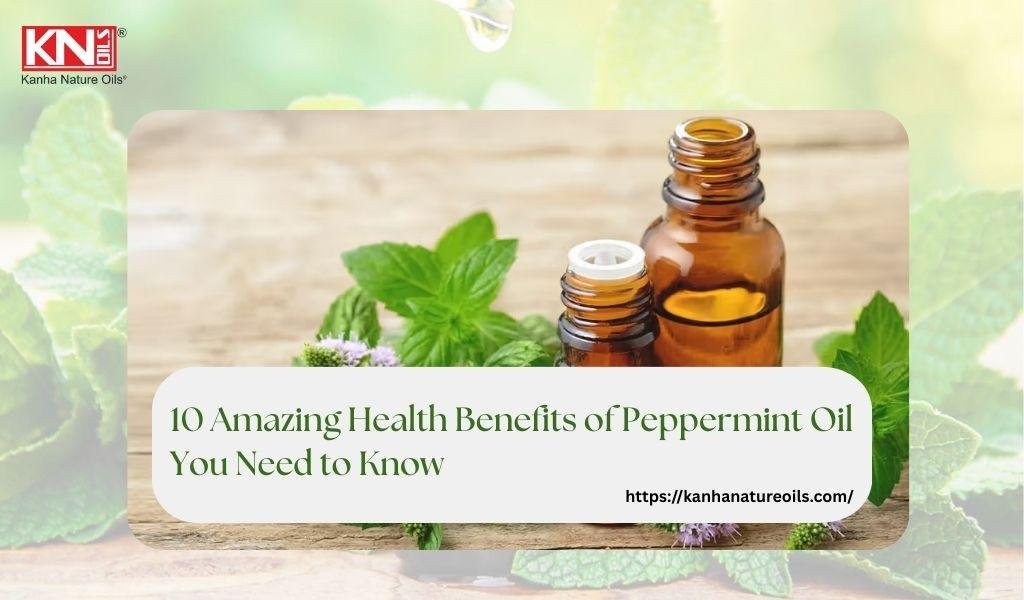
10 Amazing Health Benefits of Peppermint Oil You Need to Know For centuries, essential oils have been celebrated for their natural healing powers and holistic benefits. Among them, peppermint oil holds a special place for its versatility, refreshing aroma, and therapeutic properties. Extracted from the peppermint plant (Mentha × piperita), this essential oil is packed with menthol and menthone—two compounds responsible for its cooling sensation and remarkable medicinal qualities. Whether you are looking for relief from digestive discomfort, seeking natural pain management, or simply desiring a burst of mental clarity, peppermint oil can be a game-changer in your daily wellness routine. In this blog post, we will explore 10 amazing health benefits of peppermint oil you need to know, backed by science, tradition, and practical uses. 1. Relieves Digestive Issues and Supports Gut Health One of the most widely recognized benefits of peppermint oil is its ability to ease digestive discomfort. For centuries, peppermint tea and oil have been used as natural remedies for bloating, gas, indigestion, and stomach cramps. Scientific studies show that peppermint oil can relax the muscles of the gastrointestinal tract, making it effective in reducing symptoms of Irritable Bowel Syndrome (IBS). The menthol in peppermint oil helps soothe the stomach lining, reduces spasms, and supports overall digestive efficiency. How to use it: Add 1–2 drops of food-grade peppermint oil in warm water or tea. Use enteric-coated peppermint oil capsules for IBS relief. Gently massage diluted peppermint oil on the abdomen to reduce bloating and cramps. 2. Provides Natural Relief from Headaches and Migraines Peppermint oil is a natural pain reliever, especially for tension headaches and migraines. Its cooling effect comes from menthol, which promotes blood flow, relaxes muscles, and reduces pain sensations. In fact, clinical trials have found that applying peppermint oil to the temples and forehead significantly decreases headache intensity within minutes. Unlike synthetic painkillers, peppermint oil provides quick relief without side effects. How to use it: Dilute peppermint oil with carrier oil (like coconut oil) and apply it to temples and the back of the neck. Inhale peppermint oil through a diffuser for additional calming effects. 3. Boosts Energy and Enhances Mental Focus Feeling sluggish or mentally drained? Peppermint oil is a natural energy booster that stimulates the mind and enhances alertness. Its invigorating scent helps fight fatigue, improves concentration, and even boosts athletic performance. A study revealed that inhaling peppermint oil increased exercise performance and reduced perceived exertion in athletes. For students and professionals, its refreshing aroma can improve focus and memory retention. How to use it: Add a few drops of peppermint oil to a diffuser in your study or work area. Inhale directly from the bottle for an instant pick-me-up. Mix with water in a spray bottle and use as a natural room refresher. 4. Supports Respiratory Health Peppermint oil is a natural decongestant and expectorant, making it highly effective for respiratory issues like colds, sinusitis, asthma, and bronchitis. Its menthol component helps open airways, loosen mucus, and improve breathing. Additionally, peppermint oil possesses antimicrobial and antiviral properties that support immune defense during seasonal infections. How to use it: Add a few drops of peppermint oil to a bowl of hot water, cover your head with a towel, and inhale the steam. Use it in a diffuser during colds and flu season. Mix with carrier oil and apply on the chest for a vapor rub effect. 5. Relieves Muscle and Joint Pain Peppermint oil works as a natural analgesic and anti-inflammatory, making it a go-to remedy for sore muscles, joint stiffness, arthritis, and sports injuries. Its cooling sensation helps numb pain and reduce swelling, while improving circulation for faster recovery. Athletes often use peppermint oil as part of post-workout massages to relieve muscle tension and cramps. How to use it: Dilute peppermint oil with a carrier oil and massage onto sore areas. Add it to a warm bath for a soothing muscle soak. Combine with eucalyptus oil for an extra-strong pain-relieving blend. 6. Freshens Breath and Promotes Oral Health Peppermint oil is a natural breath freshener with strong antibacterial properties that help kill germs responsible for bad breath, cavities, and gum disease. Many toothpaste and mouthwash brands include peppermint oil for this very reason. Its refreshing flavor not only masks bad breath but also supports healthy gums and teeth. How to use it: Add 1 drop of food-grade peppermint oil to a glass of water for a natural mouth rinse. Mix with coconut oil for an effective oil-pulling routine. Look for natural toothpastes with peppermint essential oil. 7. Improves Skin and Hair Health Peppermint oil is packed with antimicrobial, anti-inflammatory, and cooling properties that make it excellent for skin and hair care. For skin, it soothes irritation, reduces redness, and provides relief from itching and rashes. It is also effective against acne-causing bacteria.For hair, peppermint oil stimulates the scalp, increases blood flow, and may promote hair growth while reducing dandruff and dryness. How to use it: Dilute peppermint oil with a carrier oil and apply to the scalp before shampooing. Add a drop to your shampoo or conditioner for a refreshing boost. Apply diluted peppermint oil to itchy or inflamed skin for instant relief. 8. Acts as a Natural Insect Repellent Peppermint oil is a safe and effective natural insect repellent. Its strong aroma repels mosquitoes, ants, spiders, fleas, and even rodents. Unlike chemical repellents, it is non-toxic and safe for both humans and pets when properly diluted. How to use it: Mix peppermint oil with water and spray around windows, doors, and outdoor spaces. Add to homemade candles or diffusers to keep bugs away. Apply diluted peppermint oil on the skin before going outdoors. 9. Supports Stress Relief and Emotional Balance Peppermint oil doesn’t just benefit the body—it also supports emotional well-being. Its refreshing scent helps reduce stress, anxiety, and mental fatigue while promoting relaxation and emotional balance. Aromatherapy with peppermint oil has been shown to improve mood, reduce nervous tension, and provide a sense of calm.
Why You Should Use Lemongrass Essential Oil in Your Diffuser Daily Essential oils have gained immense popularity in recent years as people look for natural ways to enhance their health, mood, and living environments. Among the many oils available, lemongrass essential oil stands out as one of the most refreshing and versatile options. With its crisp, citrusy scent and wide range of therapeutic benefits, it’s more than just a pleasant fragrance — it’s a holistic wellness tool. In this detailed guide, Kanha Nature Oils will explain how using lemongrass essential oil daily in your diffuser can transform your home, improve your health, and enhance your quality of life. 1. What is Lemongrass Essential Oil? Lemongrass essential oil is extracted through steam distillation from the fresh stalks and leaves of Cymbopogon citratus or Cymbopogon flexuosus, plants native to Asia and Africa. Known for their long, grass-like leaves with a distinct lemony aroma, these plants have been used in traditional medicine for centuries. The oil is rich in active compounds such as citral, limonene, and geraniol, which give it its signature fresh scent and therapeutic effects. Lemongrass has long been valued in Ayurvedic medicine for treating fever, digestive issues, infections, and stress, making it a timeless natural remedy. 2. The Aromatic Power of Diffusing Lemongrass Using an essential oil diffuser allows you to disperse fine mist particles of lemongrass essential oil into the air, filling your space with its energizing fragrance. Unlike burning candles or using artificial air fresheners, diffusing essential oils provides both aroma and wellness benefits. Here’s why lemongrass is perfect for your diffuser: Crisp, refreshing scent: Instantly invigorates any room. Long-lasting freshness: Neutralizes odors naturally. Non-toxic alternative: Safer than chemical-based sprays. 3. Top Benefits of Using Lemongrass Essential Oil in Your Diffuser Daily 3.1 Reduces Stress and Anxiety The fresh, lemony aroma of lemongrass essential oil is known for its calming and grounding effects. Diffusing it daily helps reduce cortisol levels, creating a sense of peace and relaxation after a long day. Studies suggest that inhaling lemongrass oil can lower anxiety levels and promote better emotional balance. 3.2 Boosts Energy and Mental Clarity Unlike some calming oils that promote drowsiness, lemongrass strikes a balance by refreshing the senses while enhancing focus. Its crisp scent stimulates the nervous system, helping you stay alert and energized. Diffuse it in your workspace to increase productivity and prevent mental fatigue. 3.3 Purifies the Air Naturally Lemongrass essential oil has antibacterial and antifungal properties. When diffused, it can help reduce airborne microbes, making your home environment cleaner and safer. If you live in a humid climate or struggle with musty odors, daily diffusion can keep the air feeling fresh. 3.4 Supports Respiratory Health Breathing in lemongrass vapors can help clear nasal passages, soothe minor congestion, and support overall respiratory function. While it’s not a replacement for medical care, it can provide natural relief during seasonal allergies or colds. 3.5 Improves Sleep Quality While energizing in the daytime, lemongrass also has a soothing quality that encourages restful sleep at night. Diffusing it before bedtime helps calm racing thoughts and prepare the body for deeper rest. Combining lemongrass with lavender or chamomile enhances its sleep-promoting effects. 3.6 Acts as a Natural Insect Repellent Mosquitoes and other insects dislike the strong, citrusy aroma of lemongrass. By diffusing it in the evening or while spending time indoors with windows open, you can keep bugs at bay without relying on harsh chemical repellents. 3.7 Uplifts Mood and Emotional Well-being Daily stress, fatigue, and negativity can weigh heavily on your emotional state. Lemongrass essential oil acts like a natural mood booster, uplifting your spirit and helping you feel more optimistic. Many people find its scent refreshing, cheerful, and energizing. 3.8 Enhances Meditation and Mindfulness If you practice meditation, yoga, or mindfulness, diffusing lemongrass can enhance the experience. Its bright, purifying scent creates a serene atmosphere, making it easier to focus and stay present. 4. The Science Behind Lemongrass Essential Oil The therapeutic benefits of lemongrass essential oil aren’t just folklore — they’re backed by science. Antimicrobial properties: Studies show lemongrass oil inhibits the growth of certain bacteria and fungi, making it effective for purifying air and surfaces. Anxiolytic effects: Research has demonstrated that inhaling lemongrass essential oil reduces anxiety in both animal and human studies. Anti-inflammatory action: Compounds like citral have anti-inflammatory effects, which may contribute to its ability to ease tension when inhaled. Antioxidant benefits: Lemongrass oil contains antioxidants that help combat oxidative stress, supporting overall well-being. 5. Practical Tips for Using Lemongrass in Your Diffuser 5.1 How to Use Add 3–5 drops of lemongrass essential oil per 100 ml of water in your diffuser. Use intermittently (30–60 minutes at a time) rather than continuously for best results. 5.2 Best Times to Diffuse Morning: To energize and set a positive tone for the day. Work hours: To improve concentration and productivity. Evening: To relax, unwind, and repel insects. Bedtime: To promote restful sleep when blended with calming oils. 5.3 Blending Ideas Lemongrass pairs beautifully with other essential oils for customized benefits: For energy: Lemongrass + Peppermint + Sweet Orange For relaxation: Lemongrass + Lavender + Bergamot For focus: Lemongrass + Rosemary + Lemon For sleep: Lemongrass + Chamomile + Cedarwood 6. Safety Precautions While lemongrass essential oil is safe for most people, it’s important to use it responsibly: Dilute properly: Avoid direct skin contact without carrier oil. Limit exposure: Don’t diffuse for more than 1–2 hours at a time. Keep away from pets and children: Some animals, especially cats, may be sensitive. Consult a doctor: Pregnant or nursing women should seek medical advice before use. 7. Creating a Daily Ritual with Lemongrass Diffusion To truly experience the benefits of lemongrass essential oil, consistency is key. Here are a few ways to incorporate it into your daily life: Start your day with a morning energizing session by diffusing lemongrass while you get ready. During work, diffuse it for short bursts to maintain focus and mental clarity. After