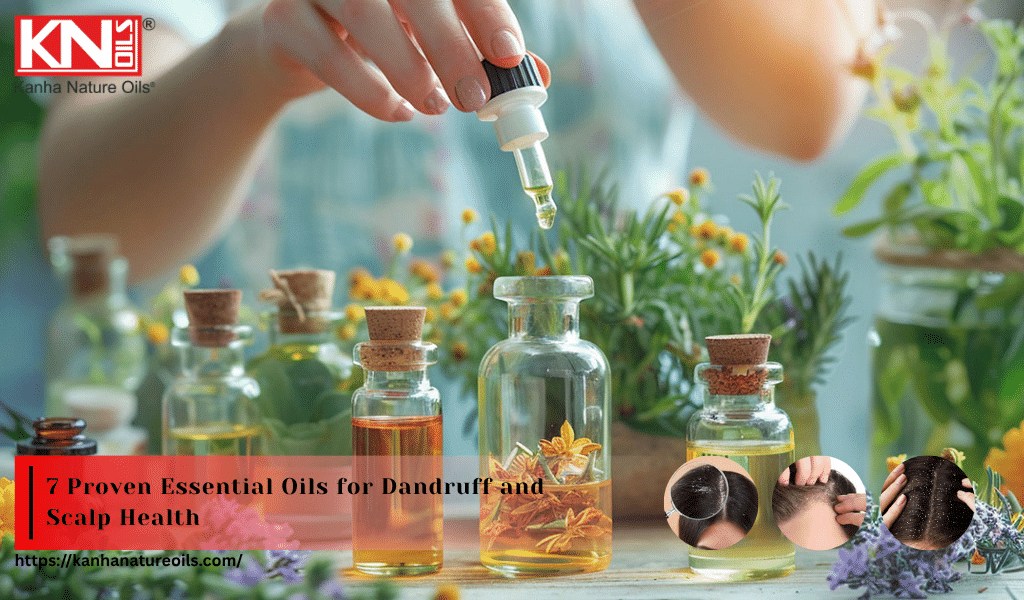
7 Proven Essential Oils for Dandruff and Scalp Health Dandruff is one of the most common scalp concerns worldwide, affecting millions of people regardless of age or hair type. Characterized by itching, dryness, and flaky skin, dandruff can be both uncomfortable and embarrassing. While chemical-based treatments are widely available, many individuals are now turning toward natural remedies—especially essential oils—for safer and holistic scalp care. Essential oils are concentrated plant extracts known for their therapeutic properties. Many of them possess antifungal, antibacterial, and anti-inflammatory benefits, making them highly effective for addressing dandruff at its root cause. 7 proven essential oils for dandruff and scalp health, 1. Tea Tree Essential Oil Tea tree oil is arguably the most well-researched essential oil for dandruff treatment. Extracted from the leaves of Melaleuca alternifolia, this oil is known for its powerful antifungal, antibacterial, and anti-inflammatory properties. Dandruff is often caused by an overgrowth of a yeast-like fungus called Malassezia. Tea tree oil helps combat this fungus, reducing flaking and itchiness. Studies have shown that shampoos containing 5% tea tree oil can significantly reduce dandruff severity by targeting microbial growth. Additionally, tea tree oil helps unclog hair follicles, balance oil production, and soothe scalp irritation. How to use: Add 5–10 drops to your shampoo Mix with a carrier oil (like coconut oil) and massage into the scalp Use 2–3 times a week for best results 2. Lavender Essential Oil Lavender essential oil is widely known for its calming fragrance, but it also offers excellent scalp benefits. It has antimicrobial and anti-inflammatory properties that help reduce irritation and dryness. Lavender oil can also promote hair growth by improving blood circulation in the scalp. Its soothing nature makes it ideal for people with sensitive or itchy scalps. How to use: Mix with a carrier oil and apply as a scalp massage oil Add a few drops to your conditioner Use weekly for hydration and relaxation 3. Peppermint Essential Oil Peppermint oil is famous for its refreshing and cooling effect. It stimulates blood flow to the scalp, which helps improve hair health and reduce dandruff buildup. Research suggests that peppermint oil can help remove flakes while soothing irritation and itchiness. How to use: Dilute with a carrier oil before applying Add to shampoo for a refreshing cleanse Avoid overuse as it can be strong on sensitive skin 4. Lemongrass Essential Oil Lemongrass oil is a powerful antifungal and antimicrobial agent. It is especially effective in reducing dandruff caused by fungal infections. A study found that hair tonics containing lemongrass oil significantly reduced dandruff after regular use. Its refreshing citrus scent also helps eliminate scalp odor and excess oil. How to use: Add a few drops to shampoo or hair oil Use consistently for visible results within weeks 5. Rosemary Essential Oil Rosemary oil is a popular choice for improving scalp circulation and strengthening hair follicles. It helps reduce dryness and flaking while promoting overall scalp health. Its anti-inflammatory properties make it effective for soothing irritated skin and preventing dandruff recurrence. How to use: Mix with coconut or jojoba oil Massage into the scalp. 2–3 times weekly Leave for 30 minutes before washing 6. Eucalyptus Essential Oil Eucalyptus oil is known for its cooling and cleansing properties. It helps reduce itchiness, dryness, and inflammation on the scalp. Its antifungal action can help control dandruff caused by microbial imbalance while providing a refreshing sensation. How to use: Blend with a carrier oil for scalp massage Add to shampoo for a cooling effect 7. Thyme Essential Oil Thyme essential oil is rich in antifungal and antibacterial compounds, making it effective against dandruff-causing microbes. It also improves blood circulation and supports healthier hair growth while reducing scalp infections. Research has identified thyme oil as one of the essential oils that may help control dandruff effectively. How to use: Use in small quantities due to its potency Always dilute before application How to Use Essential Oils Safely While essential oils are natural, they are highly concentrated and must be used with caution: Always dilute with a carrier oil (coconut, jojoba, or almond oil) Perform a patch test before use Avoid direct application of undiluted oil on the scalp Use 2–3 times per week, not daily Stop use if irritation occurs Tea tree oil, for example, should never be used at full strength, as it may cause irritation or allergic reactions. Why Essential Oils Work for Dandruff Dandruff is often caused by multiple factors, including fungal infections, dry skin, and excess oil production. Essential oils work because they: Target fungus and bacteria Reduce inflammation and itching Balance scalp oil production Improve blood circulation Nourish hair follicles By addressing both symptoms and root causes, essential oils provide a holistic solution for scalp health. Conclusion Essential oils offer a natural, effective, and holistic way to combat dandruff and improve scalp health. From the antifungal power of tea tree oil to the soothing properties of lavender and the stimulating effects of peppermint, each oil brings unique benefits to your hair care routine. Consistency is key when using essential oils. With proper application and regular use, you can significantly reduce dandruff, soothe irritation, and achieve a healthier scalp naturally. Improve your scalp health with the help of essential oils for relief from dandruff. Buy essential oils now. 👉 Essential Oils You May Also Like: Rosemary Oil Recipe for Hair Growth: A Complete Guide to Hair Pistachio Oil for Skin and Hair: Natural Beauty Benefits of This Nut 7 amazing benefits of star anise oil, including benefits for skin and hair. Kanha Nature Oils For more information, contact info@aromatherapyoil.in. Mobile Number: 9810805866

Search Results for: Rosemary Essential Oil
🌿 How to Mix Essential Oils: A Complete Beginner’s Guide Essential oils have become a popular part of natural wellness, offering benefits for relaxation, skincare, and overall well-being. Learning how to mix essential oils properly can help you create effective and safe blends tailored to your needs. 🌸 What Are Essential Oils? Essential oils are concentrated extracts derived from plants. They capture the plant’s natural aroma and beneficial properties, making them useful in aromatherapy, massage, and home remedies. People commonly use essential oils in diffusers, skincare routines, and even cleaning products due to their natural properties. 🧪 Understanding the Basics of Mixing Essential Oils To create a balanced blend, it’s important to understand the three-note system used in aromatherapy: 1. Top Notes These are light and refreshing scents that are noticed first but evaporate quickly. Examples include lemon, peppermint, and eucalyptus. 2. Middle Notes These form the heart of the blend and provide balance. Common middle notes include lavender, tea tree, and rosemary. 3. Base Notes These are deep, rich scents that last the longest and help anchor the blend. Examples include sandalwood, cedarwood, and patchouli. A well-balanced blend usually follows this ratio:Top (30%) + Middle (50%) + Base (20%) 🛢️ How to Mix Essential Oils Safely Step-by-Step Guide 1. Decide your purposeChoose whether you want a blend for relaxation, energy, stress relief, or skincare. 2. Select your oilsPick oils from each note category to create a balanced aroma. 3. Always use a carrier oilEssential oils are highly concentrated and should never be applied directly to the skin. Mix them with carrier oils like coconut oil, jojoba oil, or almond oil. 4. Follow proper dilutionFor most adults, a 2–3% dilution is safe. For sensitive skin, use a lower concentration. 5. Test before useApply a small amount to your skin to check for any reactions. 🌼 Popular Essential Oil Blends Relaxation Blend Lavender, chamomile, and sandalwood create a calming and soothing effect. Energy Boost Blend Lemon, peppermint, and rosemary help improve focus and refresh the mind. Stress Relief Blend Bergamot, lavender, and frankincense work together to reduce stress and promote emotional balance. 🚫 Common Mistakes to Avoid Applying essential oils directly to the skin without dilution Mixing too many oils at once, which can create an overpowering scent Using low-quality or synthetic oils Storing oils improperly (always use dark glass bottles and keep them away from sunlight) 🌿 Final Thoughts Mixing essential oils is both simple and rewarding once you understand the basics. By following proper blending techniques and safety guidelines, you can create personalized combinations that support your lifestyle and well-being. Start with a few oils, experiment धीरे-धीरे (gradually), and enjoy the natural benefits they offer.
What Essential Oils Help With Congestion? Natural Remedies That Actually Work Congestion is one of the most frustrating symptoms associated with colds, seasonal allergies, sinus infections, or respiratory irritation. When the nasal passages become blocked with mucus and inflammation, breathing comfortably can become difficult. Many people ask, “What essential oils help with congestion? “ because natural remedies are becoming increasingly popular for relieving blocked sinuses and improving breathing. Congestion can also disrupt sleep, cause headaches, and leave you feeling tired and unfocused throughout the day. While many people turn to over-the-counter medications for quick relief, an increasing number of individuals are exploring natural remedies like essential oils to support respiratory comfort. Essential oils have been used for centuries in traditional wellness practices because many plants contain powerful natural compounds that may help soothe the respiratory system. Certain essential oils are known for their decongestant, anti-inflammatory, and antimicrobial properties, which can help open the airways, loosen mucus, and promote easier breathing. In this guide, Kanha Nature Oils tells you about the best essential oils for congestion, how they work, and the safest ways to use them at home. Why Essential Oils May Help Relieve Congestion Essential oils are highly concentrated plant extracts obtained through methods such as steam distillation or cold pressing. These oils capture the aromatic compounds and beneficial plant chemicals responsible for their therapeutic properties. When inhaled through aromatherapy or steam inhalation, essential oils can interact with the respiratory system and nasal passages. Many oils contain active compounds that may help: • Loosen mucus buildup in the sinuses• Reduce inflammation in nasal passages• Support healthy respiratory function• Provide a soothing cooling sensation• Help eliminate airborne bacteria and odors Because of these benefits, essential oils are widely used in natural cold remedies, aromatherapy, and wellness practices aimed at improving breathing comfort. 1. Eucalyptus Essential Oil Eucalyptus oil is widely considered one of the most effective essential oils for relieving congestion. It contains a powerful compound called eucalyptol (1,8-cineole), which is known for its decongestant and anti-inflammatory properties. Eucalyptol helps break down mucus and may support clearer nasal passages, making breathing easier during colds or sinus infections. Potential Benefits • Helps loosen mucus in the sinuses• Supports easier breathing• May reduce sinus inflammation• Provides a refreshing cooling sensation Because of these properties, eucalyptus oil is commonly found in vapor rubs, cough syrups, and inhalers designed for respiratory relief. How to Use Add 3–4 drops of eucalyptus oil to a bowl of hot water and inhale the steam for several minutes. You can also add it to a diffuser to fill the room with a refreshing, airway-clearing aroma. 2. Peppermint Essential Oil Peppermint oil is another popular natural remedy for sinus congestion. It contains menthol, a compound that creates a cooling sensation and helps the nasal passages feel more open. While peppermint oil does not physically remove mucus, the cooling effect of menthol can provide a sensation of improved airflow, which many people find extremely soothing during congestion. Potential Benefits • Provides temporary relief from blocked sinuses• Helps reduce sinus pressure• May relieve congestion-related headaches• Refreshes and energizes the respiratory system Peppermint oil is frequently used in inhalers, chest rubs, and aromatherapy blends designed for respiratory comfort. How to Use Diffuse 2–3 drops of peppermint oil in a room diffuser or mix it with a carrier oil and gently apply it to the chest area. 3. Tea Tree Essential Oil Tea tree oil is well known for its powerful antibacterial, antiviral, and antifungal properties. Because congestion is sometimes caused by infections, tea tree oil may help support the body’s natural defenses. Although tea tree oil does not directly loosen mucus like eucalyptus oil, it may help purify the air and reduce the presence of microbes that contribute to respiratory discomfort. Potential Benefits • Supports immune defense• Helps purify indoor air• May reduce sinus inflammation• Provides antimicrobial protection Tea tree oil is commonly used in diffusers, cleaning products, and natural wellness blends. How to Use Add a few drops of tea tree oil to a steam inhalation bowl or room diffuser to help cleanse the air and support respiratory health. 4. Lavender Essential Oil Lavender oil is widely known for promoting relaxation and better sleep, but it can also help relieve congestion caused by allergies or sinus inflammation. Its anti-inflammatory and calming properties may help soothe irritated nasal passages and improve breathing comfort, especially during nighttime congestion. Potential Benefits • Helps reduce inflammation in the sinuses• Supports relaxation and better sleep• May ease allergy-related congestion• Promotes overall respiratory comfort Lavender oil is particularly useful when congestion interferes with sleep. How to Use Diffuse lavender oil in the bedroom before bedtime or add a few drops to a warm bath to relax the body and promote easier breathing. 5. Rosemary Essential Oil Rosemary oil is another beneficial essential oil that may support respiratory health. It contains natural compounds that can help relax the muscles of the respiratory tract and improve airflow. Although less commonly used than eucalyptus or peppermint, rosemary oil can still be helpful in relieving sinus pressure and promoting healthy breathing. Potential Benefits • Supports sinus drainage• May reduce respiratory inflammation• Helps stimulate circulation• Supports the body’s natural defense system How to Use Add rosemary oil to a diffuser or use it for steam inhalation to gently clear the airways. Best Ways to Use Essential Oils for Congestion There are several effective methods for using essential oils to support respiratory comfort. Steam Inhalation Steam inhalation is one of the fastest and most effective ways to relieve nasal congestion using essential oils. Steps Fill a bowl with hot water Add 2–3 drops of essential oil Lean over the bowl and cover your head with a towel Inhale the steam slowly for 5–10 minutes This process helps loosen mucus and soothe irritated nasal passages. Diffusing Essential Oils Diffusers disperse essential oil molecules into the air, allowing you to inhale them gently throughout the day. Diffusing oils is particularly helpful for: •
9 Powerful Essential Oil Benefits for Health You Should Know Essential oils have been used for centuries in traditional medicine, wellness rituals, and natural healing practices. Extracted from flowers, leaves, bark, seeds, and roots of plants, these highly concentrated oils capture the plant’s natural aroma and beneficial compounds. Today, essential oils are widely used in aromatherapy, skincare, massage therapy, and natural health remedies. People across the world are turning to essential oils as a natural alternative to support physical and emotional well-being. From relieving stress to improving sleep and supporting skin health, essential oils offer many therapeutic benefits when used correctly. In this blog post, Kanha Nature Oils will explore the health benefits of 9 powerful essential oils, explain how they work, and highlight some of the most popular oils used for wellness. What Are Essential Oils? Essential oils are natural plant extracts obtained through processes such as steam distillation or cold pressing. These oils contain the plant’s aromatic compounds and active ingredients that contribute to their therapeutic properties. Each essential oil has a unique chemical composition that gives it specific benefits. For example: Lavender oil is known for its calming and relaxing properties. Peppermint oil is often used to relieve headaches and improve focus. Tea tree oil is widely used for its antibacterial and antifungal benefits. Essential oils can be used in several ways, including: Aromatherapy diffusers Topical application with carrier oils Massage therapy Bath and skincare products When used properly, essential oils can help support overall health and wellness. 1. Helps Reduce Stress and Anxiety One of the most well-known benefits of essential oils is their ability to reduce stress and anxiety. Aromatherapy works by stimulating the olfactory system, which is connected to the brain’s emotional center. When you inhale essential oil molecules, they travel to the limbic system, which influences emotions, mood, and memory. Certain oils have calming effects that help relax the mind and body. Best Essential Oils for Stress Relief Lavender oil Chamomile oil Bergamot oil Ylang-ylang oil These oils can be diffused in the room, added to bathwater, or used during massage therapy to promote relaxation and emotional balance. Regular use of calming essential oils may help reduce tension, improve mood, and create a peaceful environment. 2. Improves Sleep Quality Many people struggle with sleep problems such as insomnia or restless sleep. Essential oils can support better sleep by calming the nervous system and promoting relaxation before bedtime. Aromatherapy with sleep-supporting oils can help the body transition into a restful state, making it easier to fall asleep and stay asleep. Best Essential Oils for Sleep Lavender oil Cedarwood oil Sandalwood oil Vetiver oil To use essential oils for sleep: Diffuse them in your bedroom 30 minutes before bedtime Add a few drops to your pillow Use them in a relaxing evening massage Better sleep is essential for overall health, and essential oils offer a natural way to improve sleep quality. 3. Supports Respiratory Health Essential oils are often used to support respiratory health and relieve symptoms of congestion, cough, and seasonal allergies. Certain oils have decongestant, anti-inflammatory, and antimicrobial properties that help open airways and support easier breathing. Best Essential Oils for Respiratory Support Eucalyptus oil Peppermint oil Tea tree oil Rosemary oil Inhaling steam with a few drops of these oils can help clear nasal passages and reduce respiratory discomfort. Many natural chest balms and vapor rubs also include essential oils because of their soothing effects on the respiratory system. 4. Boosts Mood and Mental Clarity Essential oils can have a powerful effect on mood and cognitive function. Some oils stimulate the brain and improve focus, concentration, and mental clarity. This makes essential oils useful for people who experience fatigue, brain fog, or lack of motivation. Best Essential Oils for Energy and Focus Lemon oil Peppermint oil Rosemary oil Grapefruit oil These oils are often used in diffusers during work or study sessions. Their refreshing aromas can help boost alertness and increase productivity. Incorporating energizing oils into your daily routine may help support better mental performance. 5. Supports Skin Health Essential oils are commonly used in natural skincare products because of their antibacterial, anti-inflammatory, and antioxidant properties. They can help improve skin appearance, reduce acne, and support healthy skin regeneration. Best Essential Oils for Skin Tea tree oil for acne Lavender oil for soothing irritated skin Rose oil for hydration and anti-aging Frankincense oil for skin rejuvenation When using essential oils on the skin, they should always be diluted with a carrier oil such as: Coconut oil Jojoba oil Sweet almond oil Proper dilution ensures safe application and prevents skin irritation. 6. Relieves Pain and Muscle Tension Essential oils are widely used in massage therapy to relieve muscle pain, joint discomfort, and tension. Certain oils contain natural anti-inflammatory and analgesic compounds that help relax muscles and improve blood circulation. Best Essential Oils for Pain Relief Peppermint oil Eucalyptus oil Ginger oil Black pepper oil These oils are often blended with carrier oils and applied during massage to relieve soreness and stiffness. Athletes and massage therapists frequently use essential oils to support muscle recovery and physical relaxation. 7. Supports Immune System Health Some essential oils contain antimicrobial and antiviral compounds that may help support the immune system. While essential oils should not replace medical treatment, they can help create a cleaner environment and support natural defenses. Best Essential Oils for Immune Support Tea tree oil Lemon oil Oregano oil Thyme oil Diffusing antimicrobial essential oils in the home may help reduce airborne bacteria and create a fresher indoor environment. These oils are also commonly used in natural cleaning products for their disinfecting properties. 8. Helps Improve Digestion Essential oils may support digestive health by stimulating digestive enzymes and reducing discomfort such as bloating or nausea. Certain oils are traditionally used in herbal medicine to support healthy digestion. Best Essential Oils for Digestion Peppermint oil Ginger oil Fennel oil Cardamom oil Peppermint oil, for example, is often used to soothe digestive upset
Best Essential Oil for Congestion: Natural Relief That Actually Works Congestion can happen at the worst possible times—during a busy workday, on a long-awaited vacation, or just when you’re trying to relax at home. Whether it’s caused by a cold, allergies, sinus problems, or dry indoor air, congestion is uncomfortable and can make breathing difficult. Many people take over-the-counter medications, but these can have side effects, some of which can make you feel drowsy or foggy. That’s why natural remedies—especially essential oils—have become so popular for reducing congestion and easing breathing. Throughout this blog post, Kanha Nature Oils will share the best essential oils for congestion relief, how they work, tips for safe use, and how to incorporate them into your daily wellness routine. What Is Congestion and Why Does It Happen? Before diving into essential oils, it’s helpful to understand what congestion is and why it occurs. Congestion refers to the blockage or buildup of mucus in the nasal passages, sinuses, or chest. Common causes include: Viral infections, such as the common cold or flu Allergies, triggered by pollen, dust, or pet dander Sinusitis, inflammation of the sinus cavities Environmental irritants, such as smoke or pollution Dry air, especially during winter months When the tissues lining the nose and sinuses become inflamed, they produce excess mucus, leading to that familiar “stuffy” sensation. Congestion is not only uncomfortable — it can also disrupt sleep, impair focus, and make everyday activities feel harder. How Essential Oils Can Help Essential oils are concentrated plant extracts that capture the aromatic and therapeutic qualities of botanicals. Many have been used for centuries in traditional healing systems due to their anti-inflammatory, antimicrobial, and expectorant properties. For congestion relief, certain essential oils can help by: Loosening mucus and aiding drainage Reducing inflammation in nasal tissues Clearing airways and supporting easier breathing Providing a sense of cooling or soothing comfort While essential oils aren’t a cure-all — especially for serious infections — they can provide meaningful support as part of a natural care routine. Top Essential Oils for Congestion Relief Below are the most effective essential oils for congestion, based on their properties and traditional uses. These oils have been widely recommended by aromatherapists and supported by user experience. 1. Eucalyptus Oil Eucalyptus oil is arguably the most well-known essential oil for respiratory issues. It contains eucalyptol (1,8-cineole) — a compound with expectorant and anti-inflammatory properties. Benefits: Helps break up mucus Opens airways Supports clear breathing Has a cooling sensation Eucalyptus is ideal for sinus congestion and bronchial discomfort, and is often included in vapor rubs or inhalation blends. 2. Peppermint Oil Peppermint oil contains menthol, which provides a refreshing, cooling feeling that can soothe irritated nasal passages. It also promotes a sensation of easier airflow. Benefits: Relieves stuffiness Helps open nasal passages Reduces headache associated with sinus pressure Offers a refreshing aroma Peppermint can be especially comforting for congested sinuses and headaches caused by pressure. 3. Tea Tree Oil Tea tree oil is prized for its antimicrobial and anti-inflammatory properties. While it’s not as strongly expectorant as eucalyptus, it can help reduce sinus inflammation when used in a steam inhalation. Benefits: Helps combat microbial buildup Reduces inflammation Supports immune defense Clears nasal passages Tea tree is a great complement to other expectorant oils like eucalyptus or peppermint. 4. Lavender Oil Lavender oil is not specifically an expectorant, but it is deeply soothing and can support relaxation, which is valuable when congestion disrupts sleep. Benefits: Promotes relaxation and better sleep Reduces tension Soothes irritated nasal tissues Lavender pairs well with stronger oils to balance out sharper aromas and support restful breathing. 5. Rosemary Oil Rosemary essential oil contains compounds like cineole and camphor that can help support respiratory function. Benefits: Aids in clearing mucus Supports easier breathing Has an invigorating scent Rosemary is often included in blends aimed at sinus and chest congestion. Lemon and Other Citrus Oils Citrus oils like lemon, orange, and bergamot offer uplifting scents and can help support the immune system. While not strongly expectorant, they help clear the mind and reduce feelings of fatigue that come with congestion. Benefits: Uplifts mood Supports overall immune well-being Complements stronger decongestant oils Citrus oils are best used in combination with other essential oils. Safe Ways to Use Essential Oils for Congestion Essential oils are powerful and should be used safely to avoid irritation or adverse reactions. Below are common and effective methods: 1. Steam Inhalation This is one of the most direct ways to use essential oils for congestion relief. Steps: Boil water and pour into a bowl. Add 2–3 drops of essential oil (eucalyptus, peppermint, tea tree). Cover your head with a towel and inhale the steam for 5–10 minutes. The hot steam helps loosen mucus, while the essential oil vapors support clearer breathing. 2. Diffuser A diffuser disperses essential oil molecules into the air, allowing you to breathe them in throughout the day or night. Recommended Oils for Diffusion: Eucalyptus Peppermint Lavender Lemon Use a few drops in your diffuser, especially at night to support restful sleep. 3. Chest and Back Rub Mix a few drops of essential oil with a carrier oil (like coconut or jojoba) and apply to your chest or back. DIY Chest Rub Recipe: 2 Tbsp carrier oil 3 drops eucalyptus 2 drops peppermint 2 drops lavender Massage gently — the oils can help ease congestion and the calming effect promotes relaxation. 4. Warm Compress A warm compress on the face and sinuses can relieve pressure and discomfort. How to Use: Soak a washcloth in warm water. Add 1–2 drops of essential oil (eucalyptus or lavender). Apply to the forehead and cheeks for 5–10 minutes. This method is especially soothing for sinus pressure. 5. Aromatic Shower Treatment Add a few drops of essential oil to a washcloth or shower floor (away from direct water) while showering. The steam will carry the aroma and help open nasal passages. Choosing the Right Essential Oil Blend Not every oil works
Top 6 Benefits of Neem Carrier Oil for Skin and Hair: A Complete Guide Neem oil has been treasured for centuries in traditional wellness systems like Ayurveda and Unani medicine. Extracted from the seeds of the neem tree (Azadirachta indica), this deeply nourishing oil has a powerful blend of fatty acids, vitamins, antioxidants, and bioactive compounds. It’s especially prized for its ability to restore balance to troubled skin and strengthen hair from root to tip. In recent years, neem carrier oil has experienced a resurgence in the world of natural beauty. Influencers, dermatologists, and wellness enthusiasts alike have begun to recognize its incredible versatility and effectiveness. Whether you struggle with acne, dryness, inflammation, dandruff, or even premature greying, neem carries potential benefits worth exploring. In this blog post, Kanha Nature Oils will take you through the top 6 benefits of Neem Carrier Oil for skin and hair, how it works, and how to use it safely and effectively. 1. Deep Nourishment and Moisturization Healthy skin and hair share a simple foundation — they both need deep, effective hydration. However, not all moisturizers are created equal. Many commercial products provide surface-level hydration, offering temporary relief but failing to repair or protect underlying structures. Neem oil penetrates deeply, delivering much-needed fatty acids, antioxidants, and nutrients into the inner layers of the skin and hair follicles. For Skin: Rich in fatty acids (including oleic, linoleic, and palmitic acids), neem oil helps reinforce the skin’s lipid barrier. This enhanced lipid layer helps retain moisture, keeping the skin hydrated longer. It’s particularly beneficial for dry and flaky skin, preventing uncomfortable tightness and rough patches. For Hair: It nourishes the scalp and hair strands, improving manageability and shine. Dry, brittle hair becomes more supple, less prone to split ends and breakage when regularly conditioned with neem oil. The oil also works as a natural detangler, reducing friction and damage during combing or styling. This deep nourishment explains why neem oil is often recommended for individuals dealing with chronic dryness or environmental stressors like harsh winds, pollution, or extreme sun exposure. 2. Soothing Inflammation and Irritation Inflammation is a key contributor to a wide range of skin and scalp concerns, from redness and sensitivity to acne and eczema. Neem oil’s anti-inflammatory properties make it especially beneficial for calming compromised skin. Skin Benefits: Helps soothe redness, irritation, and minor inflammation caused by dryness or environmental triggers. Can be supportive for individuals dealing with chronic conditions like eczema or psoriasis, offering relief and improved comfort. Helps calm post-breakout redness, reducing the appearance of irritation and promoting recovery. Scalp Benefits: An irritated scalp often leads to itchiness and excessive scratching, which can damage hair follicles. Neem oil’s calming influence reduces itching and inflammation, supporting a healthier environment for hair growth. Because inflammation plays a part in many common skin and scalp issues, neem oil’s soothing action gives it a versatile edge in natural wellness routines. 3. Antioxidant Protection Against Environmental Damage Oxidative stress, caused by free radicals from pollution, UV exposure, and lifestyle factors, accelerates premature aging of skin and hair. Antioxidants act as defenders, neutralizing these harmful molecules and slowing down cellular damage. Neem oil is rich in potent antioxidants such as vitamin E and flavonoids, offering protective benefits that extend beyond moisturization. For Skin: Helps combat signs of premature aging like fine lines, wrinkles, and dullness. Strengthens the skin’s ability to repel environmental stressors. Encourages overall radiance and resilience. For Hair: Antioxidants help protect hair from UV-induced damage and oxidative weakening. This results in stronger, more resilient hair strands. Helps maintain natural shine and reduces dullness caused by environmental exposure. By shielding skin and hair from free radical harm, neem oil supports long-term health and vitality. 4. Promotes Healthy Hair Growth The condition of your scalp directly affects hair growth. A clean, nourished, and balanced scalp environment encourages stronger, fuller hair development. Neem oil plays several roles that contribute to healthier hair growth: Stimulates the Scalp: Active compounds in neem oil increase blood circulation when massaged into the scalp. Enhanced blood flow brings increased nutrient delivery to hair follicles. Balances Sebum Production: Too much sebum can clog hair follicles and stunt growth. Too little may leave the scalp dry. Neem oil’s balancing effect helps stabilize sebum production, creating an optimal environment. Strengthens Hair from the Roots: Deep nourishment prevents weak, brittle strands and reduces breakage. This supports longer, thicker hair over time. Many herbal hair treatments include neem oil specifically for its growth-enhancing potential, often in synergistic blends with other natural oils like coconut or castor oil. 5. Natural Insect Repellent Properties A lesser-known, yet valuable, benefit of neem oil is its insect-repelling ability. This is especially useful during warmer months or in regions where biting insects like mosquitoes and lice are common. Neem oil contains compounds that are naturally unappealing to pests, making it a non-toxic alternative to synthetic repellents. For Skin: Applied in diluted form, neem oil can help protect skin from insect bites. Its anti-irritant properties also soothe itchy insect bite reactions. For Hair and Scalp: Neem oil can help repel head lice and other tiny pests. It supports a clean scalp environment while providing a barrier against unwanted visitors. This quality makes neem oil a multifunctional addition to natural skincare and haircare toolkits. 6. Helps Fade Scars and Uneven Skin Tone Many people look for natural solutions to help even out skin tone and reduce the appearance of scars or dark spots caused by acne or sun damage. Neem oil’s therapeutic properties make it a gentle yet effective option for this purpose. How It Works: Neem oil’s antioxidant activity helps regenerate skin cells, encouraging healthier turnover. Its anti-inflammatory action reduces redness and helps fade marks over time. Neem oil also supports collagen formation, which assists in improving skin texture. Regular, consistent application (ideally mixed with a lighter carrier oil like jojoba or almond oil) may allow scars and hyperpigmentation to fade more naturally and gently than with harsh chemical treatments. How to
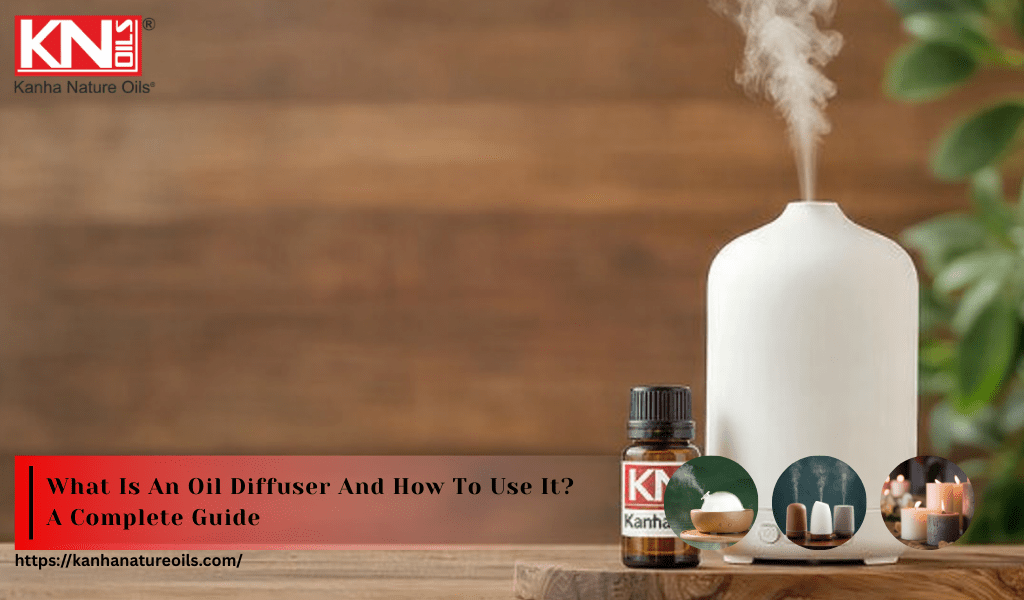
What Is An Oil Diffuser And How To Use It? A Complete Guide Essential oils and aromatherapy have surged in popularity in recent years as people search for natural ways to promote wellness, reduce stress, and enhance the atmosphere in their homes. Oil diffusers sit at the center of this trend—versatile, attractive, and effective tools for dispersing aromatic essential oils into the air. Whether you’re new to essential oils or you’re looking to get more out of your diffuser, this complete guide will explain everything you need to know: what an oil diffuser is, how it works, the benefits, how to choose the right one, safety tips, cleaning instructions, and practical usage ideas. What Makes An Aroma Diffuser Useful? The use of essential oils in an aroma diffuser can assist to rapidly and naturally relieve ✔️ stress, ✔️ anxiety, ✔️ despair, ✔️ tension, and other ✔️ negative emotions. They can also aid in ✔️ digestion, ✔️ ease headaches and ✔️ respiratory problems, ✔️ encourage relaxation and ✔️ general well-being, and do so much more. Additionally, essential oils have inherent antibacterial, antiviral, and antifungal qualities that can enhance our well-being and keep the air clean and healthy. How Does Using an Oil Diffuser Help You? 1- They Make You Feel Better Your mood and brain chemistry will benefit from using essential oils. Some essential oils, like lavender oil, have been thoroughly researched and are well known for being relaxing and for reducing stress, sleeplessness, and anxiety. Other essential oils, like citrus oils, are well-known for their uplifting properties and are excellent for naturally reducing the symptoms of depression and elevating your mood. 2- Essential Oil Diffusers Promote Relaxation The ability of the essential oils to promote relaxation is one of the key advantages of utilizing an essential oil diffuser. In reality, many people utilize particular essential oils to help them unwind at night, relax their muscles, or calm their minds. Numerous essential oils produce a calming environment that promotes relaxation, decreases blood pressure, reduces tension, and signals to the brain that it’s time to be quiet or go to sleep. 3- Diffusers Can Help Boost the Quality of Indoor Air Your indoor environment can become a sanctuary of aromatherapy by releasing essential oils into the air. The majority of homes include a lot of harmful chemicals from things like synthetic smells, pet dander, building materials, and chemical cleaning products. Air that is stagnant and unpleasant to breathe results from this. To minimize the chemical load on your body, natural, non-toxic alternatives to household fragrances are crucial. Freshening the air and providing a natural aroma while diffusing essential oils has a number of positive impacts on the body, mind, and emotions. 4- You Can Improve Concentration and Maintain Focus with Aromatherapy Diffusers You can increase your focus and enhance your concentration, thinking clarity, and productivity by diffusing essential oils that aid in focus, such as peppermint oil or rosemary essential oil. Focus is increasingly important in today’s world! For instance, peppermint oil has been shown to enhance memory and cognitive performance. Additionally, it aids in boosting alertness and vitality, and there are other additional oils that improve attention and concentration. 5- Aromatherapy Diffusers Promote a Calm and Relaxed Environment By enabling us to conveniently enjoy the advantages of aromatherapy, essential oils can help us manage stress and improve our daily well-being. Bergamot and lavender essential oils are recognized relaxants that can help soothe tension, calm anxiety, and reduce stress. Rose oil has a reputation for assisting in the restoration of equilibrium and balance, especially affective balance. 👉 How To Use An Oil Diffuser? An oil diffuser is typically used by pouring water into the machine’s container, adding a few drops or more of the desired essential oils, and turning the machine on. If you want to enjoy the scent, the unit should be placed in any room. Select A Diffusing Location Select a space with a solid surface or tabletop that is open in a room or office. It must be plugged into an outlet. A placemat or towel should also be put down if you are using the item on a wooden surface because water will be used. I have a diffuser by my bedside on my nightstand, and I also have one in my family room on a sturdy table. Avoid placing it in bright sunlight or close to a fan for best use. Fill Your Diffuser With Water Once you’ve chosen a location, fill your diffuser water tank with clean, room-temperature tap water until it reaches the fill line of the water reservoir. Refer to your diffuser manual for the suggested water amount your diffuser needs. The majority of diffusers include a water level line on the interior of the water reservoir or a measuring cup to fill up and then add to the reservoir. Add Aromatherapy Oils The water should then contain 3–10 drops of essential oils. Use a single essential oil, such as lavender, or a combination of essential oils. The suggested diffuser oils are listed below. Usually, 6 drops of oil are sufficient, but occasionally, additional oil may be needed for a stronger aroma. You can experiment with different essential oil concentrations to find your favorite. Turn On Depending on what your diffuser demands, replace the cap or top. If your model includes choices, such as a nightlight or color-changing LED lights, choose the features you want. Turn on the beautiful aroma and savor it! Different models of aromatherapy diffusers provide different possibilities, so shop around before buying one. You might be able to program the diffuser to run for a specific amount of time or select from a variety of time cycles, such as on for 30 seconds and off for 15 seconds. ESSENTIAL OILS IN AROMATHERAPY Conclusion Stepping into the world of essential oils is like opening the door to a beautiful sensory experience. All you really need are a few oils
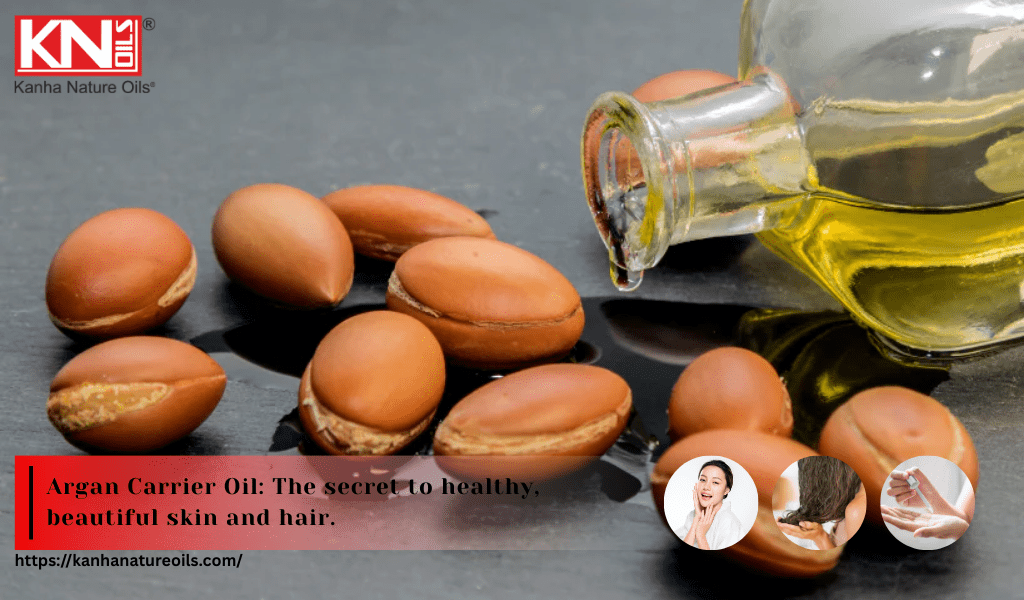
Argan Carrier Oil: The secret to healthy, beautiful skin and hair. In the world of natural beauty and holistic skincare, few ingredients have achieved the legendary status of argan carrier oil. Often referred to as “liquid gold,” argan oil has been cherished for centuries for its remarkable ability to nourish, protect, and rejuvenate both skin and hair. Today, it has become a staple in beauty routines across the globe, praised for its versatility, effectiveness, and natural origins. But what exactly makes argan carrier oil so special? Why do dermatologists, haircare experts, and natural beauty enthusiasts alike swear by it? This blog post explores the origins, composition, benefits, and practical uses of argan carrier oil—revealing why it truly is the secret to healthy, beautiful skin and hair. The Origins of Argan Carrier Oil Argan oil is derived from the kernels of the argan tree (Argania spinosa), a rare and ancient tree native to southwestern Morocco. These trees thrive in harsh, arid environments, developing resilience that is reflected in the oil they produce. For generations, Moroccan communities—particularly Amazigh (Berber) women—have used argan oil for culinary, medicinal, and cosmetic purposes. Traditionally, the oil was extracted by hand, a labor-intensive process that added to its value. Today, while modern methods have improved efficiency, high-quality argan carrier oil is still carefully produced to preserve its nutrients and purity. The argan tree itself is so vital to the region that UNESCO has designated the argan forest a Biosphere Reserve, highlighting both its ecological and cultural importance. What Is a Carrier Oil? Before diving deeper into argan oil’s benefits, it’s important to understand what a carrier oil is. Carrier oils are plant-based oils used to “carry” essential oils onto the skin safely. Unlike essential oils, which are highly concentrated and volatile, carrier oils are gentle, nourishing, and suitable for direct application. Argan oil stands out among carrier oils because it is lightweight, fast-absorbing, and non-greasy, making it ideal for skincare, haircare, and massage. It can be used on its own or blended with essential oils and other natural ingredients. Nutritional Composition: What Makes Argan Oil So Powerful? The effectiveness of argan carrier oil lies in its exceptional nutritional profile. It is rich in bioactive compounds that work synergistically to improve skin and hair health. 1. Essential Fatty Acids Argan oil contains high levels of oleic acid (omega-9) and linoleic acid (omega-6). These fatty acids help maintain the skin’s lipid barrier, preventing moisture loss and protecting against environmental damage. For hair, they enhance softness, elasticity, and shine. 2. Vitamin E (Tocopherols) One of argan oil’s most celebrated components is vitamin E, a powerful antioxidant. Vitamin E neutralizes free radicals, supports skin repair, and slows visible signs of aging. It also promotes a healthy scalp and stronger hair strands. 3. Polyphenols and Sterols These plant compounds have anti-inflammatory and healing properties. They soothe irritated skin, reduce redness, and support overall skin regeneration. Benefits of Argan Carrier Oil for Skin Argan oil has earned its reputation as a skincare miracle, suitable for almost all skin types—from dry and sensitive to oily and acne-prone. Deep Hydration Without Greasiness Unlike heavier oils, argan oil penetrates deeply into the skin without clogging pores. It provides long-lasting hydration, making it an excellent daily moisturizer. Dry, flaky skin becomes softer and more supple with regular use. Anti-Aging Properties Thanks to its antioxidant content, argan oil helps reduce the appearance of fine lines and wrinkles. It improves skin elasticity and firmness, giving the complexion a youthful, radiant glow. Acne-Friendly and Balancing Contrary to the belief that oils worsen acne, argan oil can actually help balance sebum production. Its anti-inflammatory properties calm redness and swelling, while its lightweight texture prevents pore congestion. Soothing Sensitive and Irritated Skin Argan oil is gentle enough for sensitive skin conditions such as eczema, psoriasis, and rosacea. It helps relieve itching, dryness, and inflammation while supporting the skin’s natural healing process. Improved Skin Tone and Texture Regular use of argan oil can lead to smoother skin, reduced rough patches, and a more even complexion. It is often used to minimize the appearance of scars, stretch marks, and dark spots. Benefits of Argan Carrier Oil for Hair When it comes to haircare, argan oil is nothing short of transformative. It works from the scalp to the tips, improving both hair health and appearance. Restores Dry and Damaged Hair Heat styling, chemical treatments, and environmental stress can leave hair brittle and lifeless. Argan oil replenishes lost moisture, repairs damage, and restores natural shine. Controls Frizz and Flyaways The oil smooths the hair cuticle, reducing frizz and making hair more manageable. Even a small amount can tame flyaways and enhance hair’s natural texture. Promotes a Healthy Scalp A healthy scalp is the foundation of healthy hair. Argan oil moisturizes the scalp, reduces dryness and flaking, and may help alleviate dandruff. Its anti-inflammatory properties also soothe irritation. Strengthens Hair and Prevents Breakage By improving elasticity and moisture retention, argan oil reduces breakage and split ends. Hair becomes stronger, thicker-looking, and more resilient over time. Enhances Shine and Softness One of the most immediate benefits of argan oil is the luminous shine it gives to hair. Unlike synthetic serums, it enhances shine naturally without weighing hair down. How to Use Argan Carrier Oil in Your Beauty Routine One of argan oil’s greatest strengths is its versatility. Here are some of the most effective ways to incorporate it into daily self-care. As a Facial Oil Apply a few drops to clean, slightly damp skin. Gently massage until absorbed. It can be used alone or layered under moisturizer. As a Body Oil Use argan oil after showering to lock in moisture. It’s especially effective on dry areas such as elbows, knees, and heels. As a Hair Serum Warm a few drops between your palms and apply to the ends of damp or dry hair. Avoid the roots if you have fine or oily hair. As a Deep Conditioning Treatment Massage argan oil into your scalp and hair,